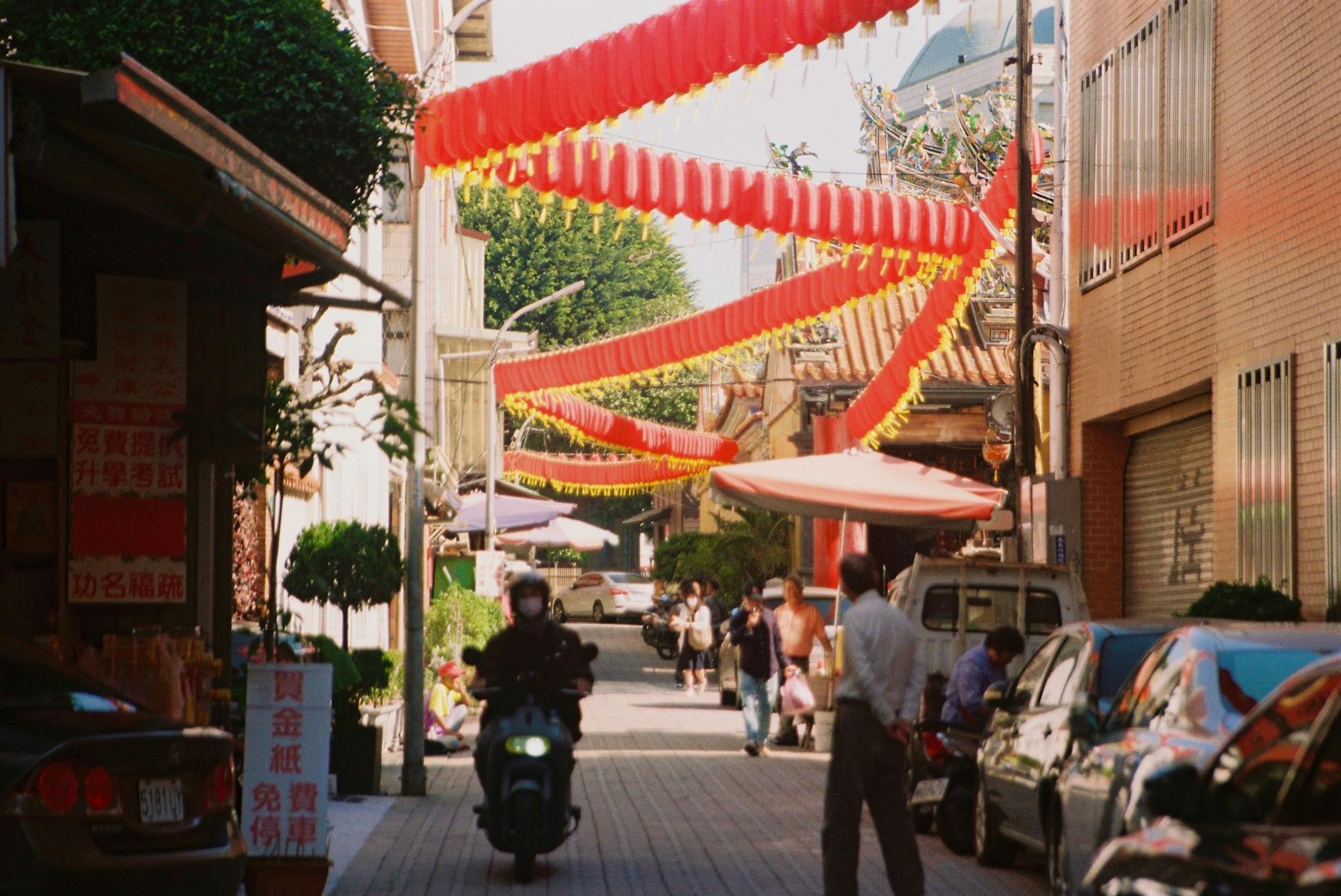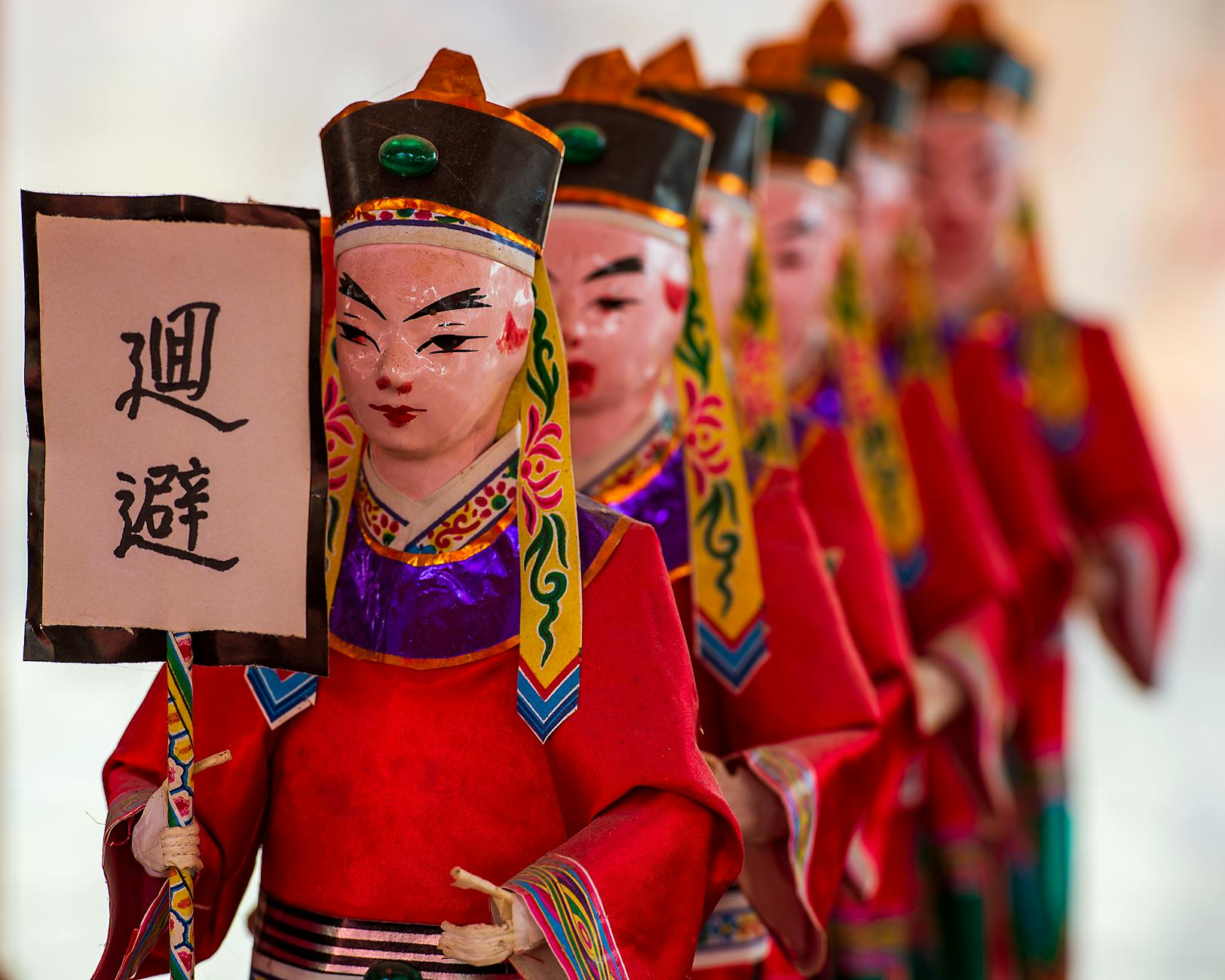
Tainan is one of Taiwan's most rewarding tourist cities, but it works best for travelers who slow down enough to understand its geography. Temples, old streets, former forts, museums, food alleys, department-store heritage, and Anping waterfront areas are not difficult, yet they are spread enough that an overpacked route can become hot, slow, and repetitive. A good short Tainan tourist plan chooses a base, groups sights by neighborhood, leaves room for food, and treats the high-speed rail station as a transfer point rather than the center of the trip. The city rewards attention more than speed.
Choose a base before building the route
Tourists should decide whether the trip is centered on the historic core, Anping, food streets, museums, or a broader southern Taiwan stop. Staying near Tainan Station, the old center, Guohua Street, Shennong Street, or Anping creates different daily patterns. The high-speed rail station is useful for arrival, but it is not where most first-time sightseeing happens.
The hotel should make repeated returns, evening meals, weather breaks, and the final departure easier. A slightly better base can save more than an extra attraction adds.
- Compare the old center, Tainan Station area, Guohua Street, Shennong Street, and Anping by daily movement.
- Check taxi pickup, local rail, buses, evening food, hotel quiet, and weather shelter.
- Do not choose lodging by HSR access alone unless the trip is transfer-heavy.
Group heritage sights by walking reality
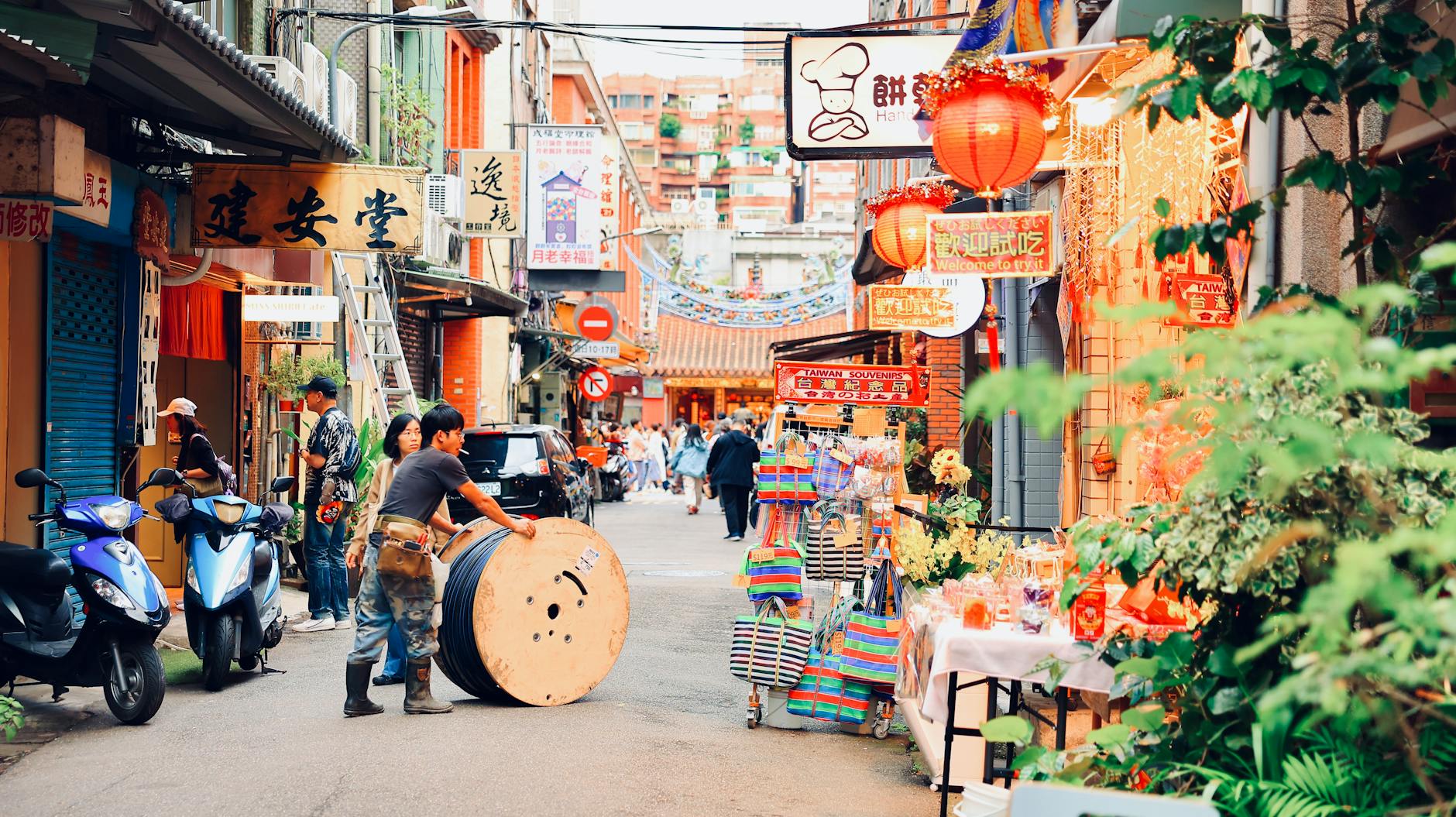
Tainan tourists often want Chihkan Tower, the Confucius Temple area, Hayashi Department Store, temples, museums, old houses, Anping Fort, Anping Tree House, and old streets in one short stay. The better plan groups these places by distance, shade, opening hours, and energy. The city is walkable in pieces, not as one continuous checklist.
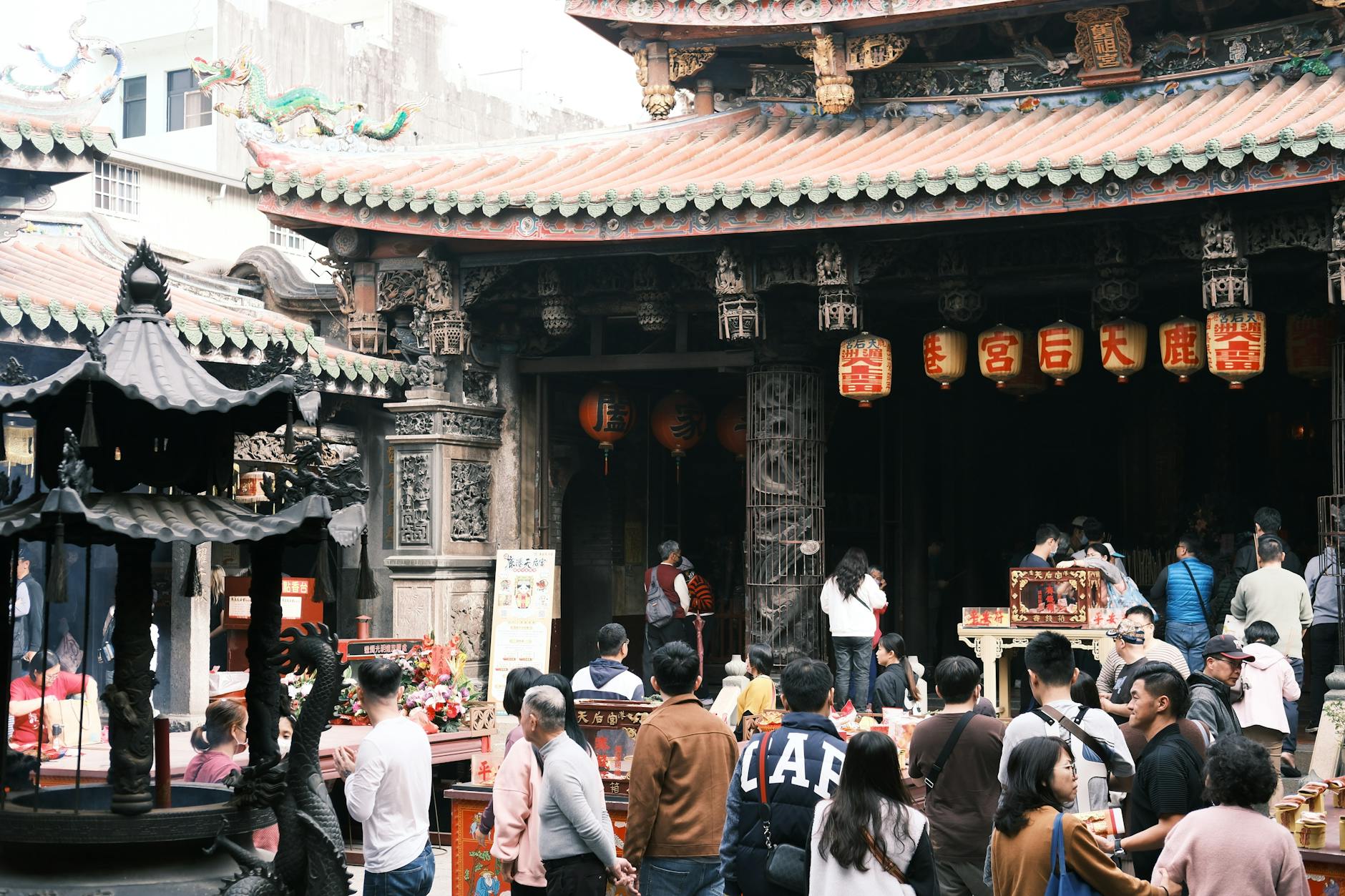
Temples and heritage sites should also be treated as living places rather than only photo backdrops. A slower pace usually improves both understanding and behavior.
- Cluster Chihkan Tower, Confucius Temple, Hayashi Department Store, temples, museums, and old streets by geography.
- Plan Anping as its own movement pattern instead of a quick add-on.
- Respect temples and heritage spaces as active local places.
Let food shape the day without taking it over
Food is central to Tainan tourism, from beef soup and milkfish to noodles, rice cakes, shaved ice, old shops, markets, and casual snacks. The traveler should decide which foods are true priorities and which can be discovered along the route. Chasing every famous stall can consume more time than the food itself.
A strong tourist day usually includes one planned food area, one flexible snack window, and one reliable meal near the hotel or next transfer.
- Identify food priorities such as beef soup, milkfish, noodles, rice cakes, sweets, and market snacks.
- Choose food areas by route instead of crossing the city for every famous stop.
- Keep one reliable meal option near the hotel or next transfer.
Plan night markets and evenings with a return
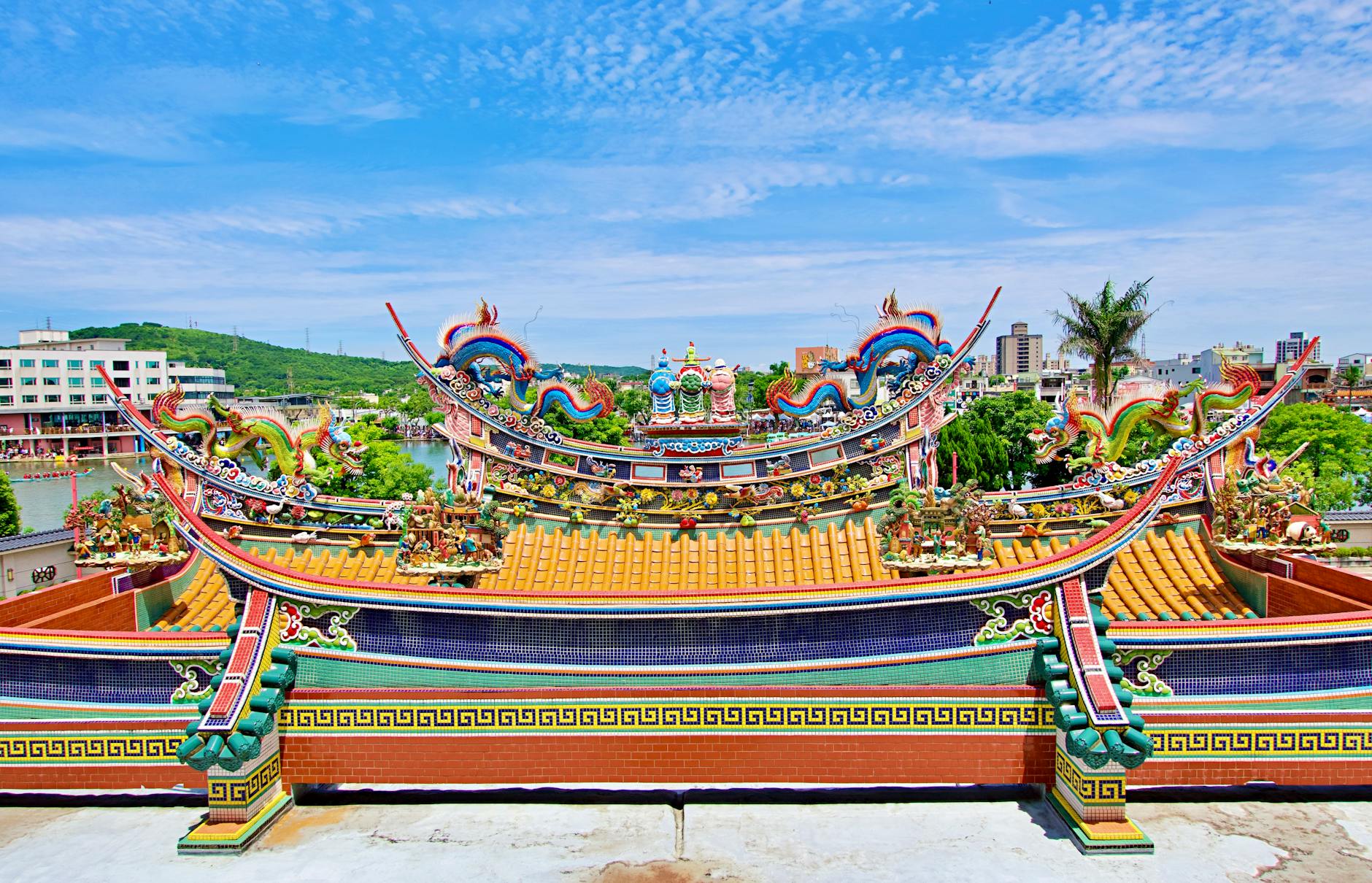
Tainan nights can be a highlight, but tourists should check which night market operates on which day, how they will get there, how crowded it may be, and how they will return. Garden Night Market, Dadong, Wusheng, and smaller evening food areas do not all solve the same problem.
An evening can also be quieter: a historic street, a simple dinner, a temple-lit walk, or a hotel reset may be better after a hot sightseeing day. The tourist should not let night-market ambition erase the next morning.
- Check night-market operating days, crowd levels, taxi access, payment, bathrooms, and return route.
- Use quieter historic streets or simple dinners when the day has already been heavy.
- Keep the evening plan compatible with the next morning's first move.
Treat heat, rain, and shade as itinerary facts
Tainan can be hot, humid, rainy, and bright. Tourists should plan water, hats, umbrellas, shoes, indoor stops, air-conditioned breaks, and lighter midday movement. A route that looks compact on a map can feel much longer in summer heat or heavy rain.
Museums, cafes, department-store heritage, hotel rests, and longer lunches can keep the day intact. Weather breaks are not wasted time when they preserve enough energy to enjoy the city.
- Plan around heat, humidity, sun, rain, walking surfaces, and indoor cooling.
- Use museums, cafes, heritage interiors, hotel rests, and lunches as deliberate resets.
- Carry water, rain protection, sun protection, and comfortable shoes.
Be selective with side trips
A Tainan tourist may be tempted by Chimei Museum, Guanziling, salt fields, coastal areas, Kaohsiung, or other southern Taiwan movements. Some can be excellent, but a short Tainan stay should not become a series of outbound transfers before the city itself has been understood.
The traveler should choose side trips by transport, weather, opening hours, return energy, and whether the trip supports the main purpose. One well-chosen outside move is stronger than three rushed ones.
- Evaluate Chimei Museum, Guanziling, salt fields, coast, Kaohsiung, and other side trips by transport and timing.
- Protect enough time for Tainan's historic center and Anping before leaving the city.
- Choose one outside move only when it earns its place.
When to order a short-term travel report
A tourist with several relaxed days may not need a custom Tainan report. A report becomes useful when the stay is short, hotel choice is uncertain, HSR or airport timing matters, food priorities are high, night-market days need sorting, or the traveler wants Anping and the old center without overloading the route.
The report should test hotel base, HSR and taxi transfers, heritage clusters, Anping timing, food routes, night markets, weather, side trips, budget, and what to cut. The value is a Tainan tourist stay that feels textured rather than crowded.
- Order when lodging, HSR transfers, food priorities, night markets, Anping, weather, or side trips need testing.
- Provide dates, arrival mode, hotel options, sightseeing priorities, food constraints, pace, and budget.
- Use the report to make the tourist route coherent, local, and realistic.