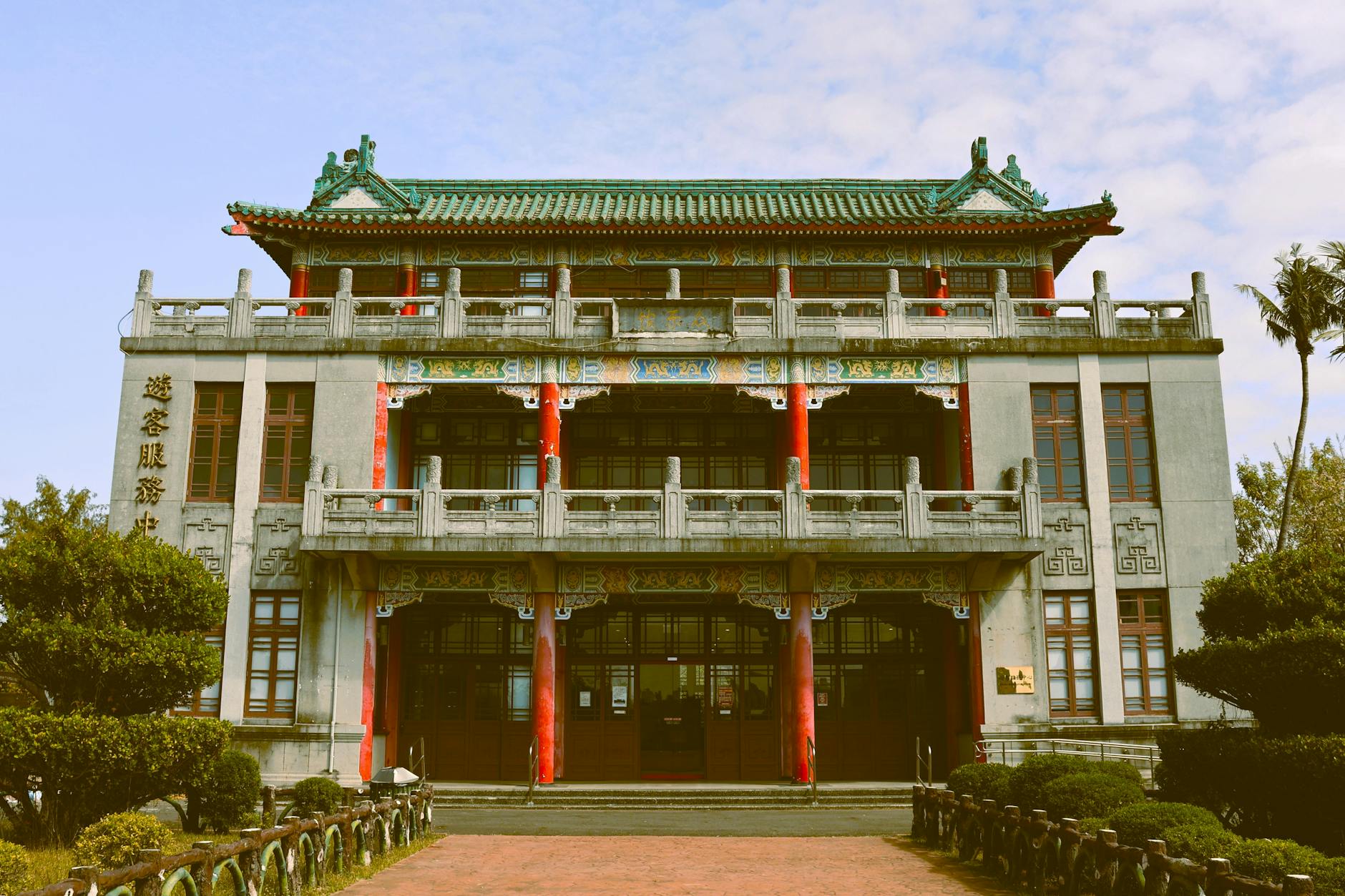
Tainan can be an excellent short-program city for students because it combines universities, language and cultural learning, food, temples, historic districts, and a slower pace than Taiwan's capital. That ease can be misleading. Campuses, host housing, HSR access, old-center streets, Anping, hospitals, and program activities may still require careful local movement. A good student plan makes the program work first: arrival, housing, daily route, budget, food, heat, attendance, health access, and free time. The city becomes more rewarding when the basics are settled early.
Start with the actual program location
Students should confirm whether the program is based at a university, language center, cultural venue, hospital, school partner, hostel, or rotating set of sites. Tainan has several practical zones, and the daily route can change significantly depending on the campus entrance or meeting point.
The student should ask for the exact address, first-day arrival instructions, attendance expectations, and whether the program provides transport. A vague location can make the first morning harder than necessary.
- Confirm whether the program is at a university, language center, cultural venue, hospital, or partner site.
- Get the exact address, entrance, first-day instructions, and daily meeting point.
- Check whether the program provides transport or expects independent commuting.
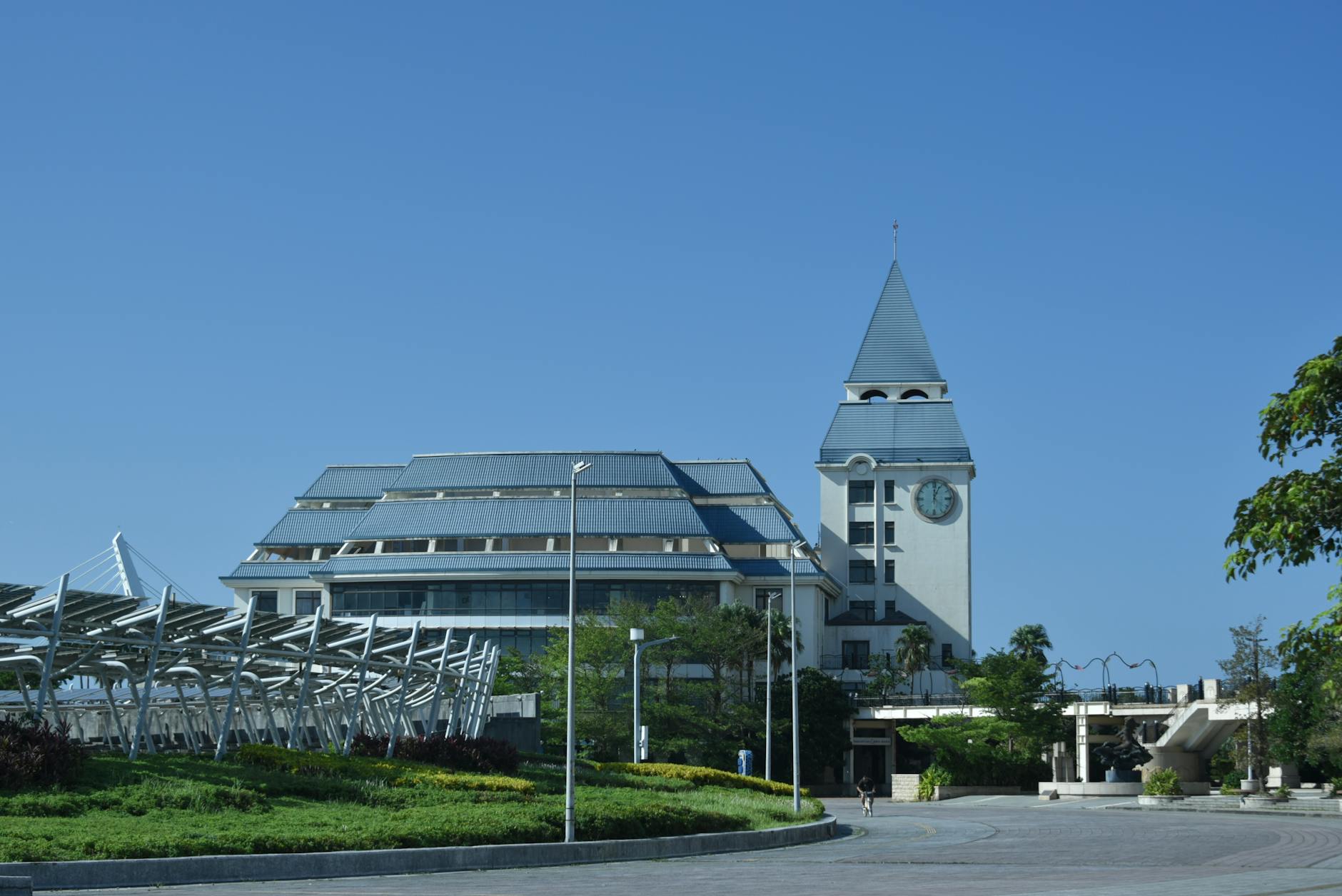
Choose housing for daily life, not only price
Student housing should be judged by distance to the program, air conditioning, quiet, laundry, desk space, bathroom setup, security, late return rules, nearby food, and transit access. The cheapest bed can become poor value if it makes every morning stressful or every evening expensive.
The student should also understand check-in hours, deposit rules, roommate arrangements, curfews, and what support exists if something breaks. Short programs leave little time to solve housing surprises.
- Check distance, cooling, quiet, laundry, desk space, bathroom setup, security, food nearby, and transit.
- Confirm check-in hours, deposits, roommates, curfews, and maintenance support.
- Choose housing that makes daily attendance and rest predictable.
Make the arrival route simple
Students may arrive by HSR, regular rail, bus, Kaohsiung airport, Taipei connections, or a program pickup. The high-speed rail station is not the same as central Tainan, so the final leg needs planning. Luggage, late arrival, SIM setup, payment, address text, and tiredness all matter.
The student should have the housing address in Chinese and English, a charged phone, data or offline maps, and a backup taxi plan. The first day should be boring in the best way.
- Plan HSR, regular rail, bus, airport routes, pickup, taxi, and final housing access.
- Carry address details, payment, phone charge, data, offline maps, and program contacts.
- Keep arrival day simple enough to handle fatigue and luggage.
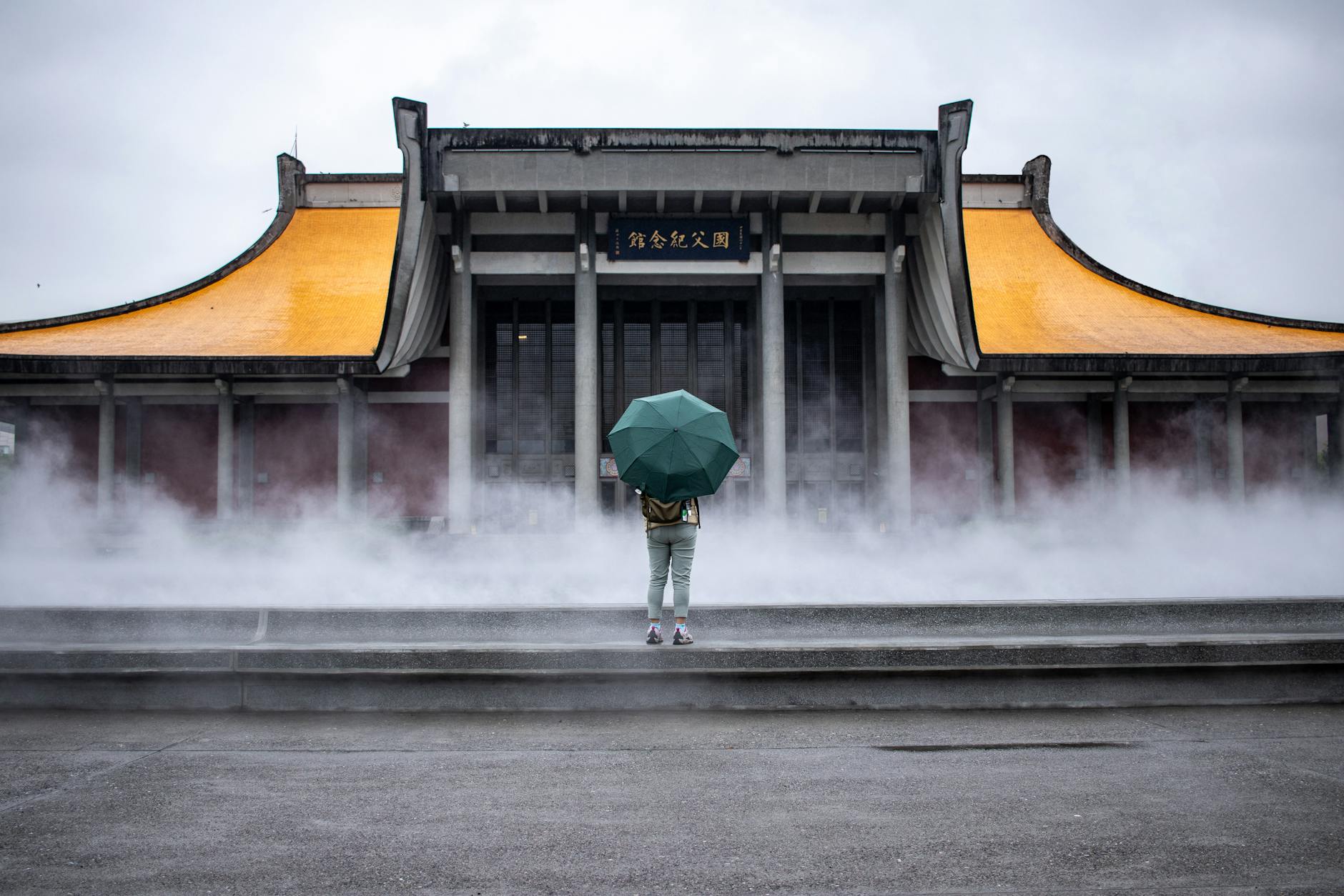
Budget for food, transport, and weather
Tainan can be student-friendly for food, but daily spending still needs structure. Breakfast shops, markets, noodles, rice dishes, convenience stores, campus meals, cafes, night markets, and group dinners all have different cost patterns. Transport costs can rise if housing is far from class or if heat makes walking unrealistic.
The student should budget for drinks, laundry, umbrellas, sunscreen, occasional taxis, medicine, and weekend plans. Small daily costs are the ones that usually surprise short-program students.
- Use breakfast shops, markets, campus meals, convenience stores, cafes, and night markets deliberately.
- Budget for transport, drinks, laundry, umbrellas, sunscreen, taxis, medicine, and weekend time.
- Track small daily costs before they crowd out the rest of the stay.
Plan around heat, rain, and attendance
Heat, humidity, rain, wet shoes, and strong sun can affect punctuality and concentration. Students should plan daily clothing, water, rain gear, walking time, indoor breaks, and backup transport before the week begins. A route that seems easy on a free day may be too much before class.
Attendance matters on short programs because there are few days to recover from a bad start. The daily routine should protect sleep, meals, and arrival time.
- Plan clothing, water, rain gear, walking time, indoor breaks, and backup transport.
- Account for heat, humidity, sun, wet shoes, and morning fatigue.
- Protect sleep, meals, and punctuality because the program is short.
Use free time with cultural awareness
Students may have free time for temples, old streets, Anping, museums, night markets, cafes, and group outings. Those experiences are valuable, but they should fit program rules, local etiquette, budget, and the next day's schedule. Temples and historic places should be approached with respect, not treated only as social-media backdrops.
The student should also know how late transport or taxis work from evening areas. Free time is better when the return is already solved.
- Use free time for temples, old streets, Anping, museums, night markets, cafes, and group outings selectively.
- Respect program rules, local etiquette, temple behavior, budget, and next-day obligations.
- Plan the evening return before leaving housing or campus.
When to order a short-term travel report
A student on a fully hosted program with housing and transport arranged may not need a custom Tainan report. A report becomes useful when the student must choose housing, manage independent arrival, compare program locations, budget carefully, plan weekend time, handle food or health needs, or coordinate family expectations from abroad.
The report should test housing fit, arrival route, daily commute, food, budget, health access, weather, free time, weekend options, program rules, and what to cut. The value is a Tainan short-program stay that feels manageable from the first day.
- Order when housing, arrival, daily commute, budget, food, health, weekend time, or family concerns need testing.
- Provide dates, program location, housing options, arrival mode, budget, constraints, and interests.
- Use the report to make the short program practical, affordable, and easier to settle into.