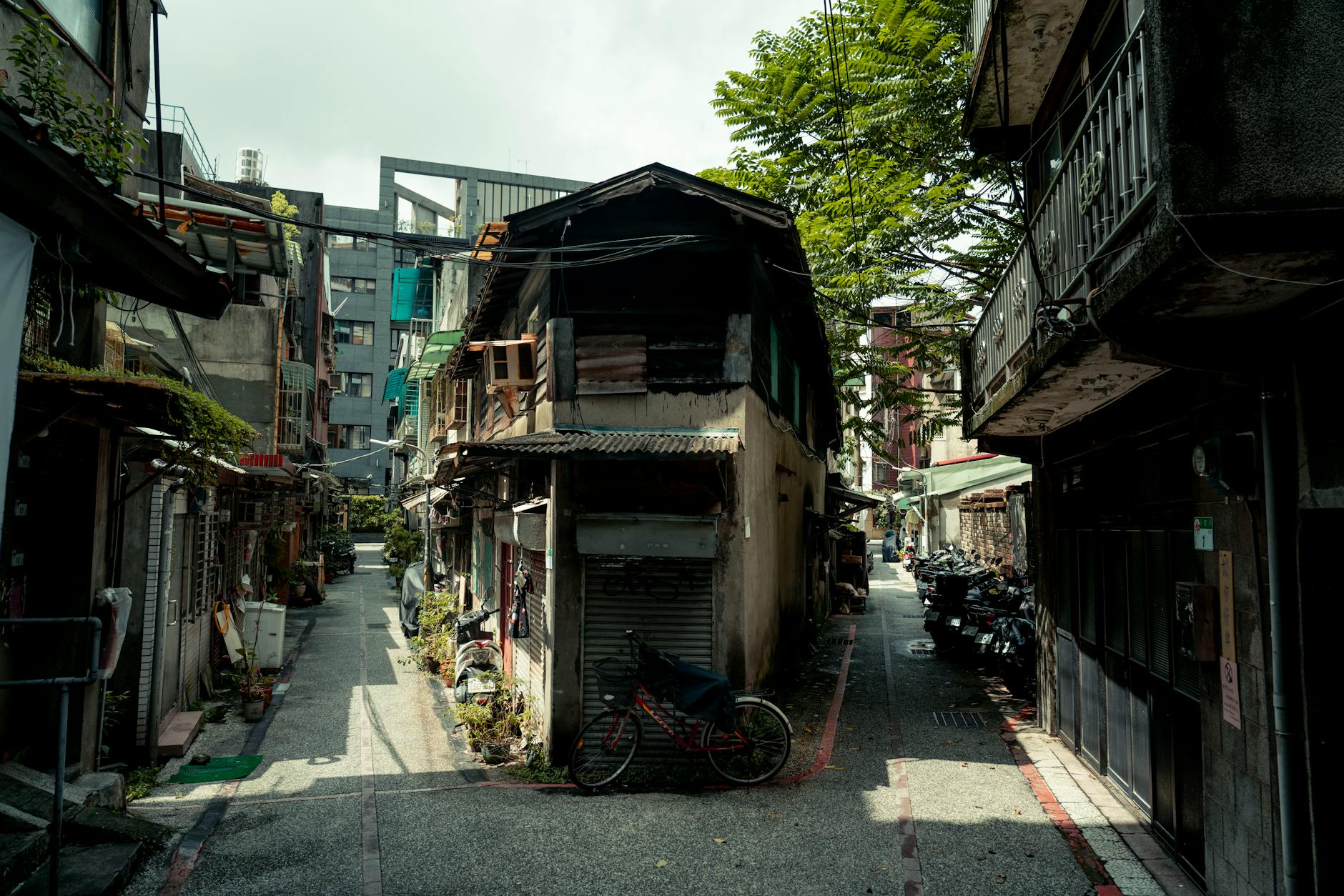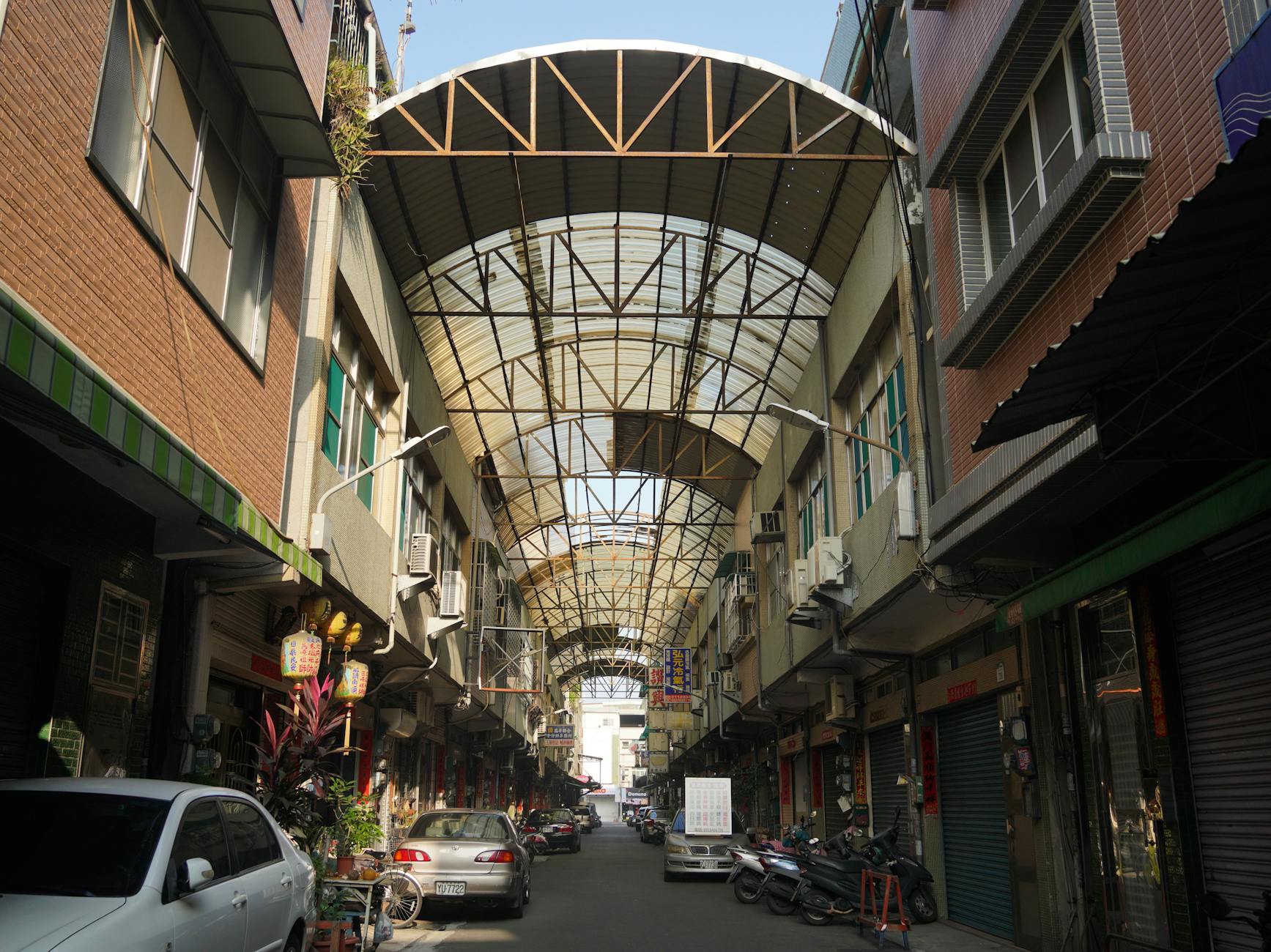
Tainan can be excellent for solo travelers because it rewards wandering, food curiosity, temples, old streets, cafes, museums, and a slower rhythm than Taiwan's larger cities. It is also a city where solo travelers need practical structure. Heat, scattered districts, limited late transit assumptions, language, food queues, and uneven walking can make a short stay harder if every decision is improvised. A good solo Tainan plan gives the traveler enough independence without leaving every transfer, meal, and evening choice to tired judgment. The result is a trip that feels open but not careless.
Choose a base that supports independence
A solo traveler should choose a Tainan hotel that makes daily choices easier. The base should have good taxi access, clear walking routes, nearby food, a staffed lobby or reliable self-check-in, secure room access, air conditioning, and a practical path back at night. A cheap or atmospheric stay can still be a poor solo base if it creates friction every evening.
The traveler should also think about the first arrival and final departure. Solo luggage and HSR transfers feel different when no one else is sharing the burden.
- Check taxi access, nearby food, safe-feeling walks, secure access, air conditioning, and lobby support.
- Choose a base that works after dinner, not only at check-in.
- Plan first arrival and final departure with solo luggage in mind.
Keep the route flexible but not vague
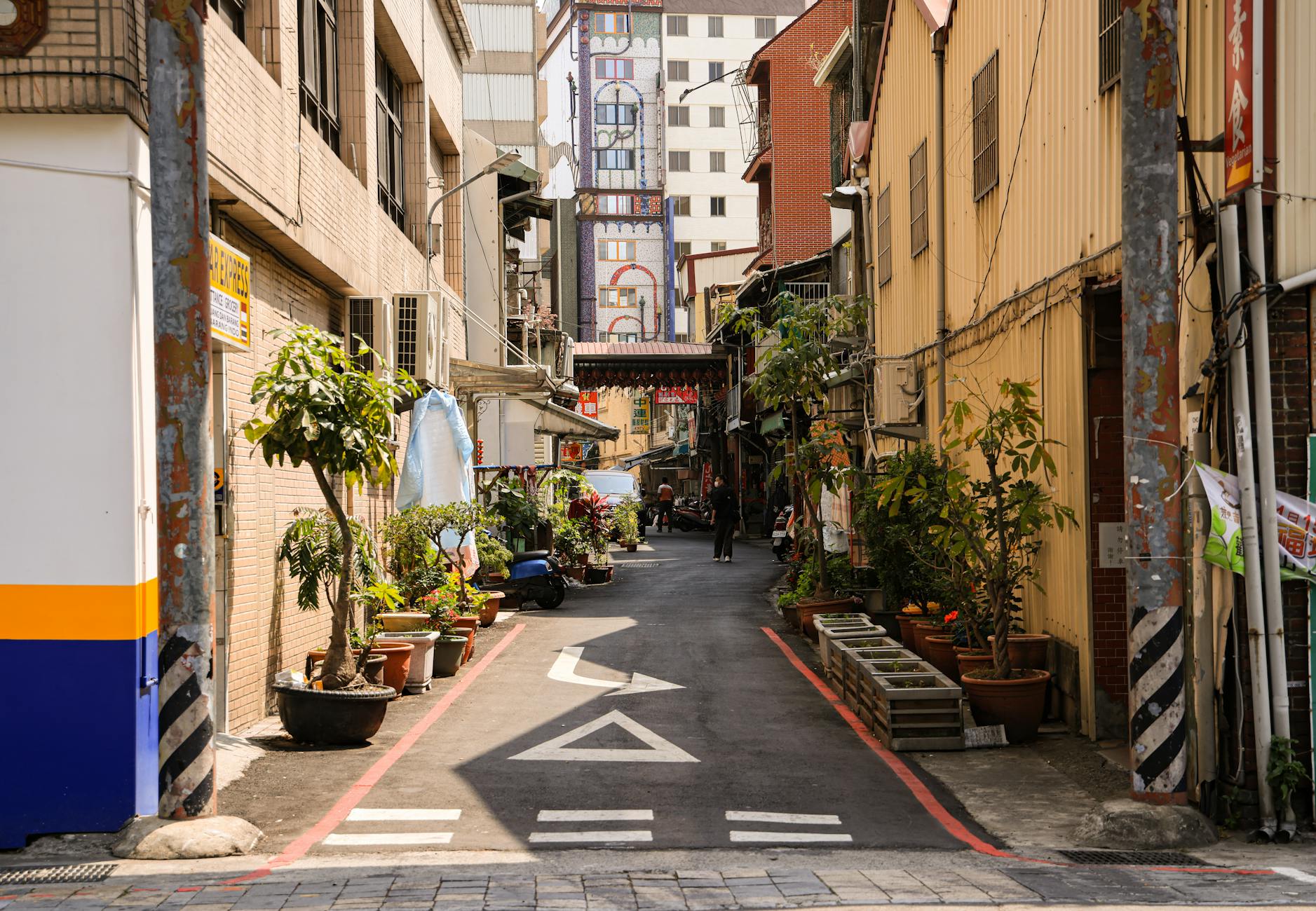
Solo travel works well in Tainan when the route has a few anchors and room to wander. A morning temple or historic district, a food stop, a cafe or museum break, and a later Anping or night-market window may be enough. The traveler should avoid designing every hour but should still know the day's shape.
Vague plans can become draining in heat. A solo traveler without a route may spend too much time deciding, walking, and backtracking.
- Use a few anchors with room for side streets, cafes, food stops, and slower discoveries.
- Avoid filling every hour, but know the day's route shape before leaving the hotel.
- Reduce backtracking because heat and walking friction add up quickly.
Use food routes that work for one person
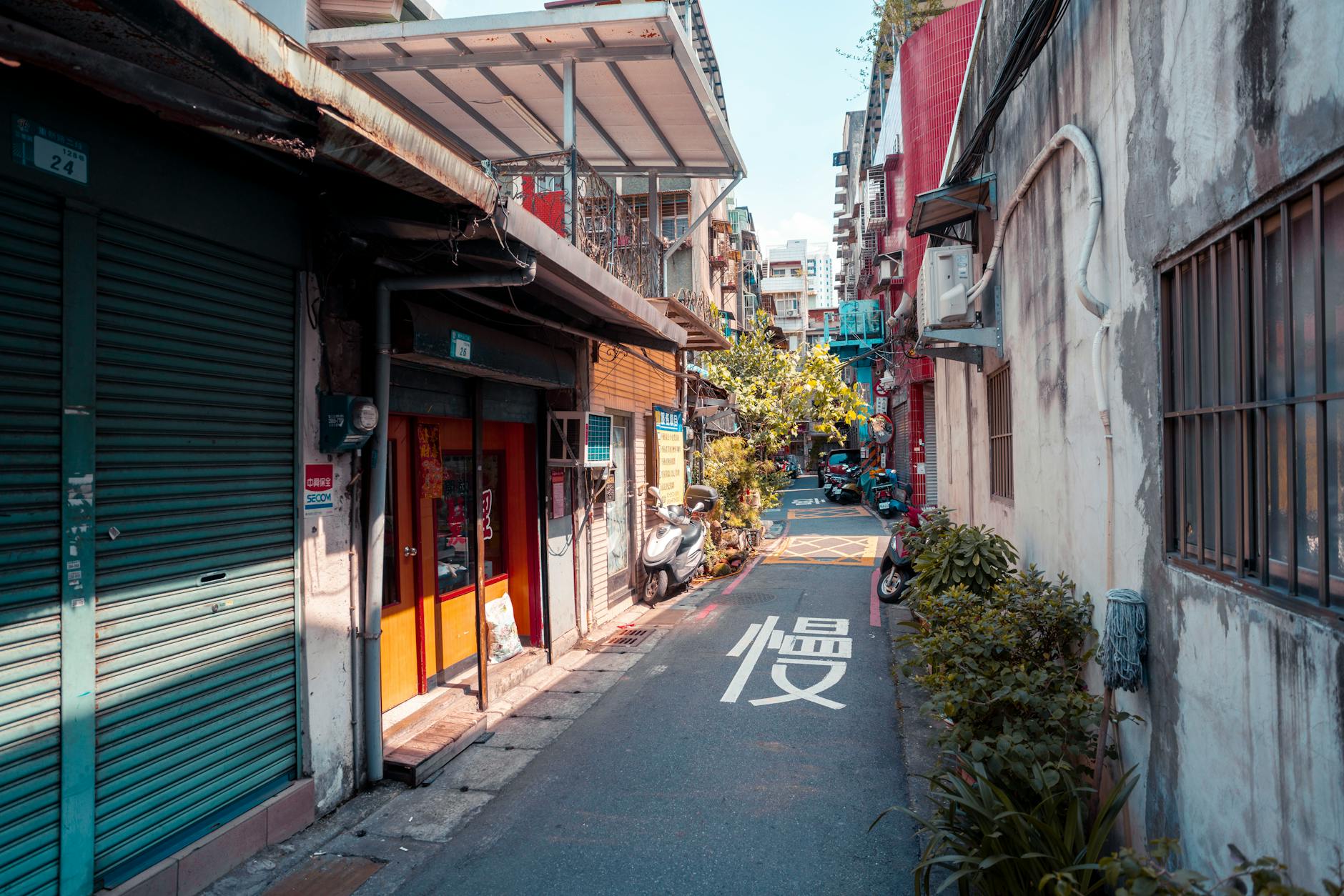
Tainan's food scene is one of the best reasons to travel solo, but the traveler should plan for portion size, queues, seating, cash, allergies, language, and whether a famous place is comfortable for one person. A solo traveler can snack widely, but too many standing meals in hot weather can become tiring.
A good food day combines one or two priority dishes with easy backup meals near the hotel or route. That keeps food pleasurable rather than becoming a scavenger hunt.
- Plan for portion size, queues, seating, cash, allergies, language, and solo comfort.
- Mix priority dishes with easy backup meals near the route.
- Avoid turning every meal into a long hot queue.
Handle temples and photography with care
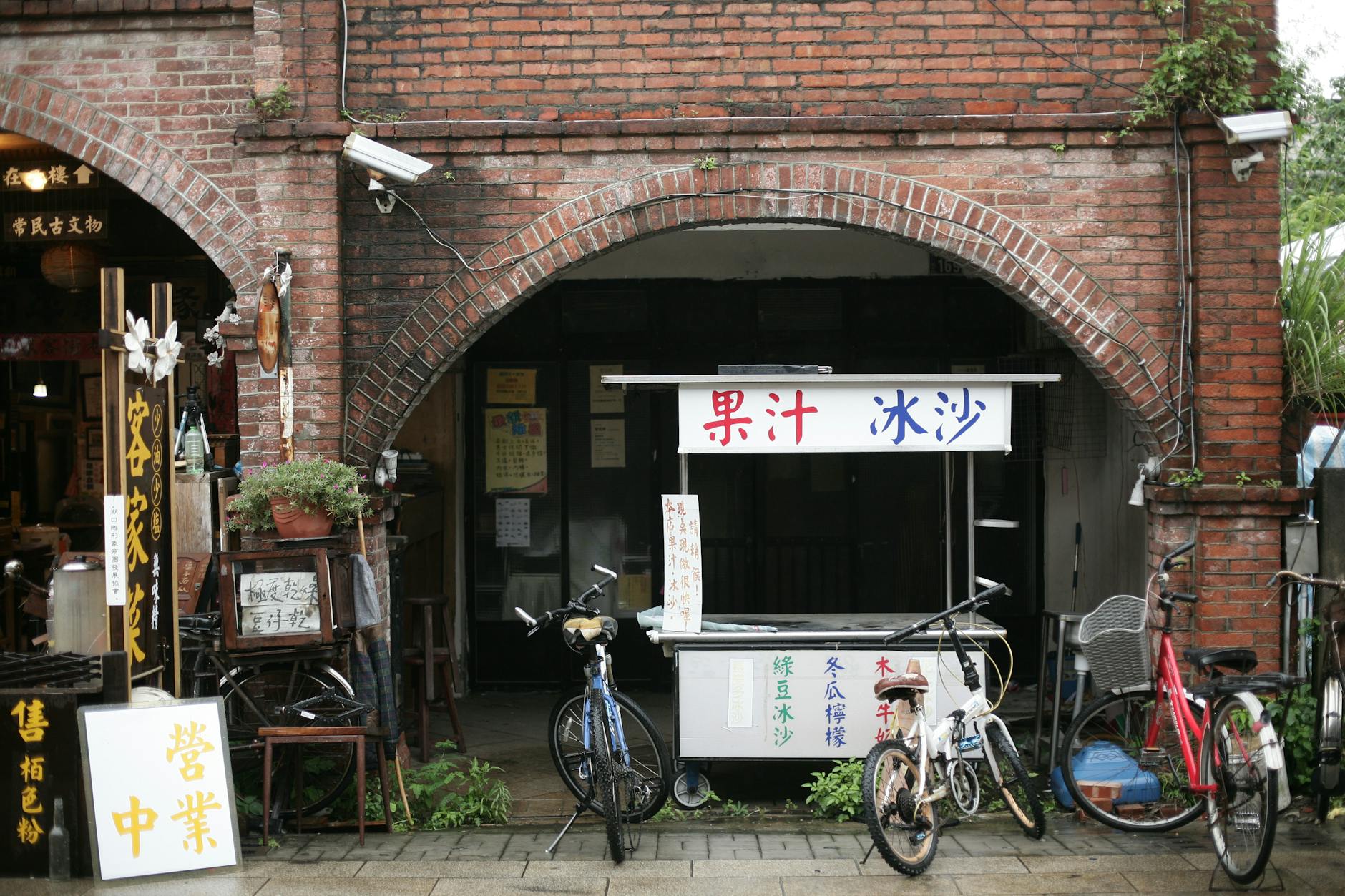
Solo travelers may spend more time observing and photographing Tainan's temples, old streets, and religious details. That can be a strength if done respectfully. The traveler should watch local behavior, avoid blocking worshippers, be careful with people in prayer, and remember that active religious spaces are not personal backdrops.
A solo traveler should also protect valuables while focusing on photos. Phone, wallet, camera, bag, and passport routines matter when no companion is watching the table or checking the route.
- Watch local temple behavior and avoid blocking or photographing worshippers carelessly.
- Treat active religious spaces as living places, not solo photo sets.
- Keep phone, wallet, camera, bag, and passport routines consistent.
Plan evening movement before dinner
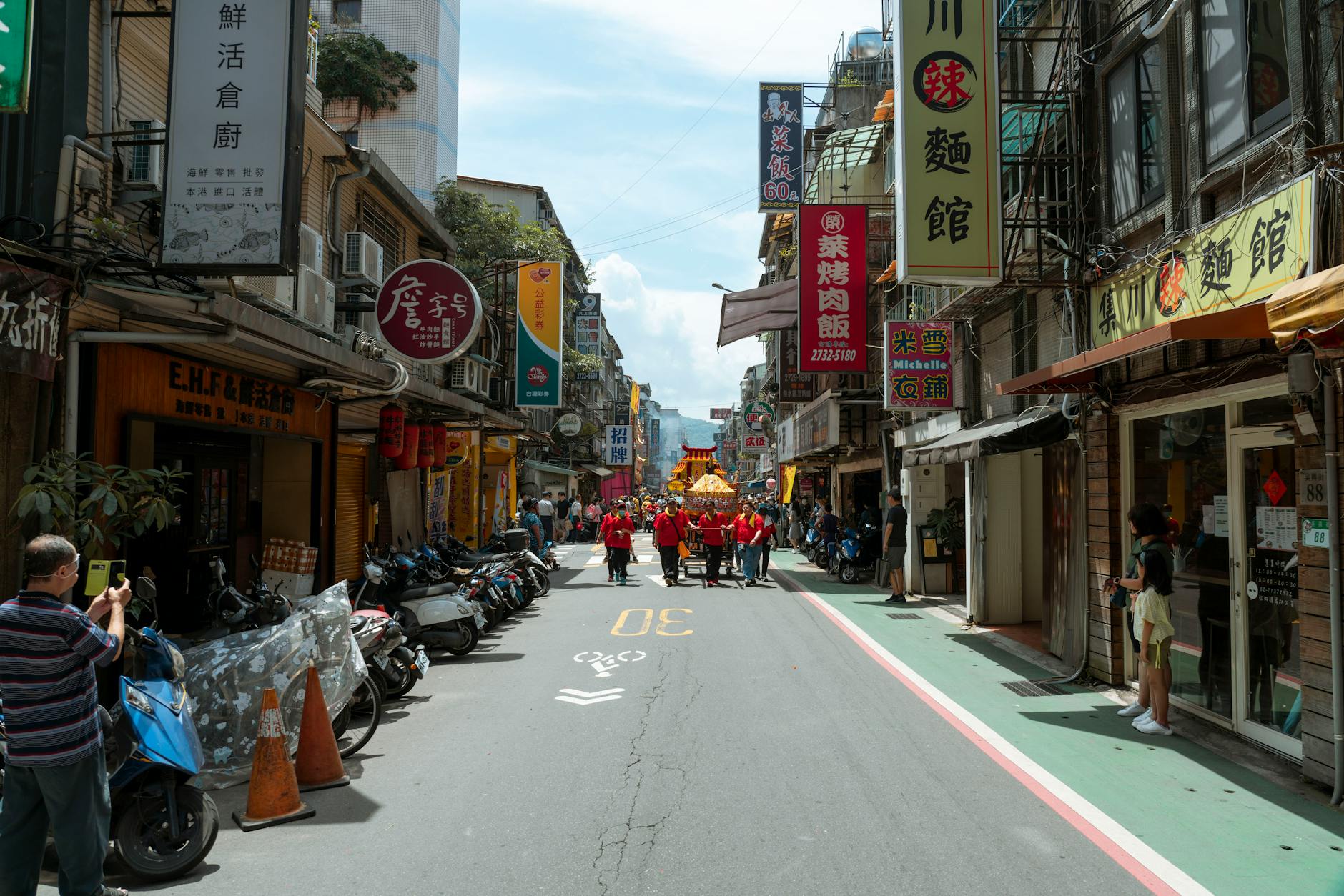
Tainan evenings can be rewarding for solo travelers, but late movement should be planned before fatigue sets in. The traveler should know the route back, taxi options, hotel address, payment method, data access, and whether the evening district feels comfortable alone. A night market, casual restaurant, or quiet walk can all work, but each has a different exit plan.
Solo travelers should avoid letting the final decision of the night depend on a low battery, poor weather, or uncertain address.
- Know the return route, taxi options, hotel address, payment, and data access before dinner.
- Choose evening districts that feel comfortable alone and match the return plan.
- Keep phone battery and hotel details ready for late movement.
Protect energy and social bandwidth
Solo travelers can move efficiently, but they also carry all decisions alone. Heat, route choices, food lines, transport, translation, and safety checks can create decision fatigue. The traveler should build in quiet breaks, laundry or reset time, and one easy meal that requires no research.
Tainan is a good city for slowing down. A solo traveler who leaves space for sitting, reading, journaling, or simply watching a temple street may get more from the stay than one who treats independence as a reason to overfill the day.
- Plan quiet breaks, reset time, laundry, and one easy meal with no research burden.
- Respect decision fatigue from handling every route, meal, and safety check alone.
- Use solo flexibility for slower observation, not only for more stops.
When to order a short-term travel report
A confident solo traveler with a flexible schedule may not need a custom Tainan report. A report becomes useful when the stay is short, hotel choice is uncertain, food priorities are high, evening movement needs review, heat or mobility matters, or the traveler wants independence without wasting time on avoidable logistics.
The report should test hotel base, HSR or airport arrival, walking clusters, food routes, temple etiquette, evening returns, taxis, weather, safety routines, budget, and what to cut. The value is a Tainan solo trip that stays independent but better structured.
- Order when hotel base, food routes, evening movement, heat, taxis, or safety routines need testing.
- Provide dates, arrival mode, hotel options, food priorities, comfort level, constraints, and budget.
- Use the report to preserve solo freedom while reducing avoidable friction.