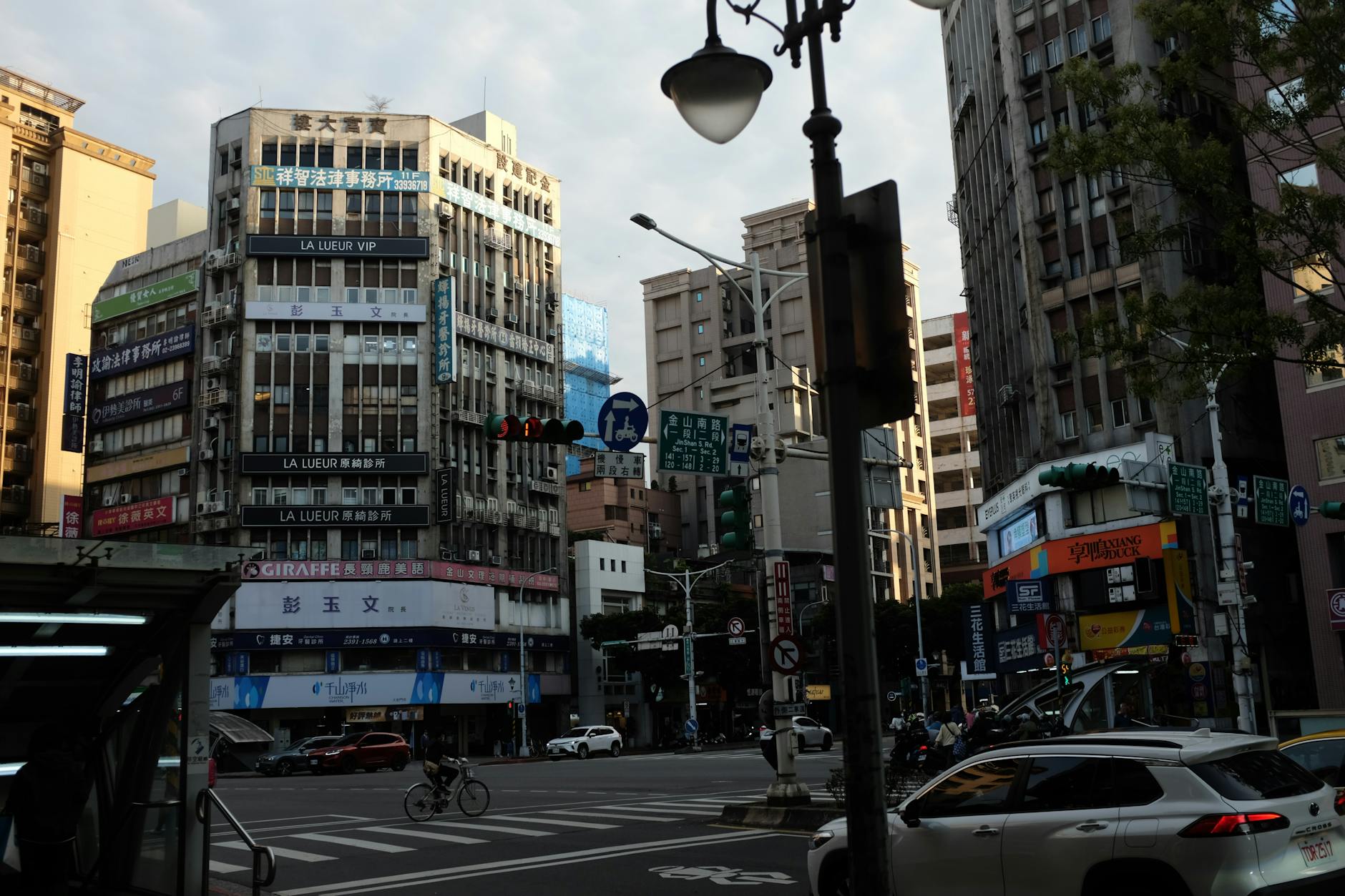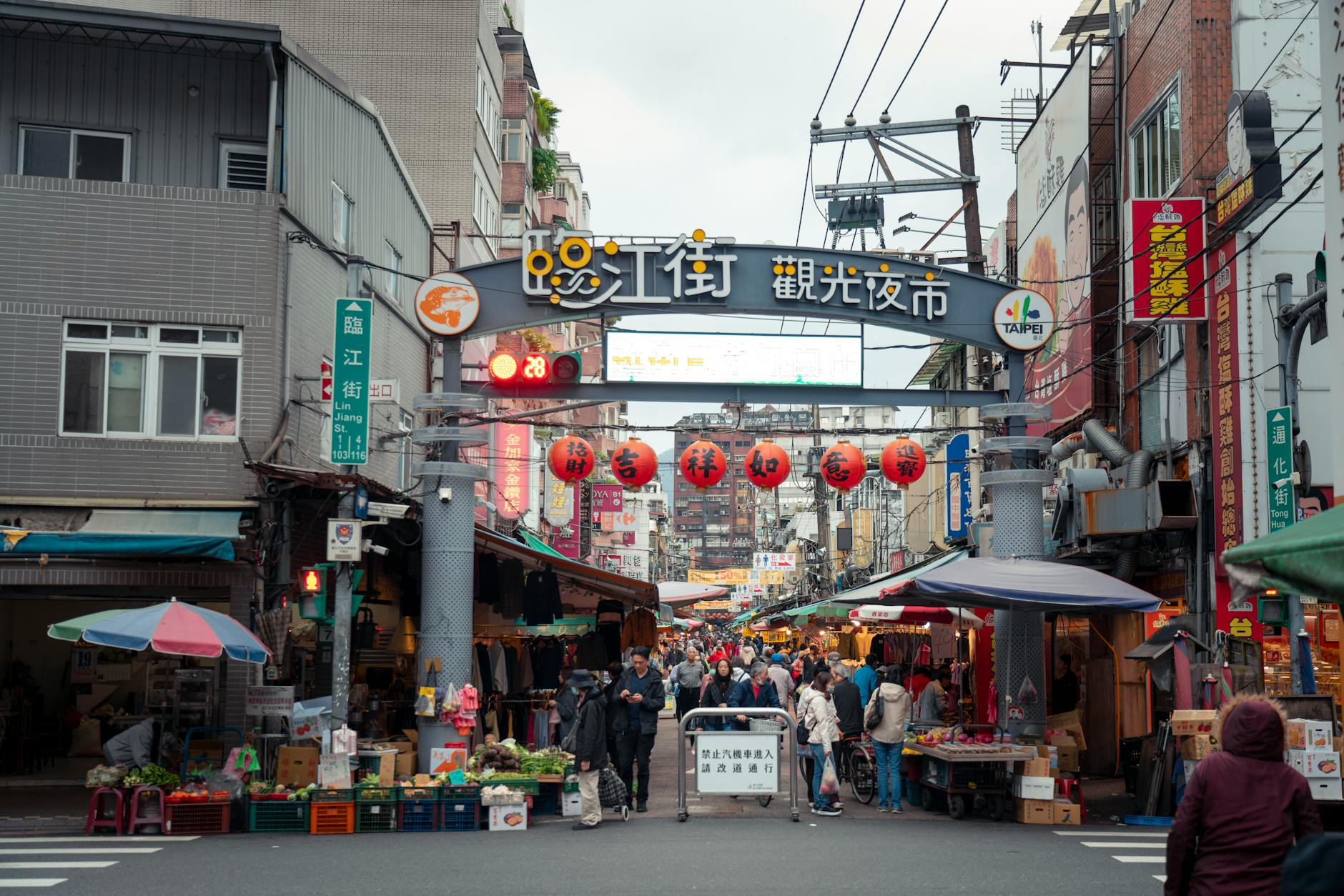
A sales trip to Tainan can involve prospects in very different settings: central offices, hospitals, universities, factories, distributors, science-park sites, hospitality venues, or partner locations outside the historic core. The city is approachable, but the sales traveler should not assume that one hotel or one transfer method will serve every appointment equally well. A good Tainan sales plan protects the selling day: arrival timing, meeting condition, materials, local movement, client meals, and follow-up time. The city can support the relationship, but only when the logistics do not distract from the conversation.
Map prospects before choosing the base
Sales travelers should map prospect offices, distributors, hospitals, campuses, factories, science-park sites, restaurants, and hotel meeting points before choosing lodging. A hotel near the old center may be useful for hosted meals and evening recovery, but less useful for a morning site visit outside the core.
The right base is the one that protects the highest-value meeting and reduces repeated movement. A sales trip should not lose momentum to avoidable transfer friction.
- Map prospects, distributors, campuses, hospitals, factories, science-park sites, and dinner locations.
- Compare old-center, station-area, Anping, HSR, and site-proximate lodging by meeting sequence.
- Choose the base that protects the most important sales conversation.
Plan arrival and local transfers conservatively
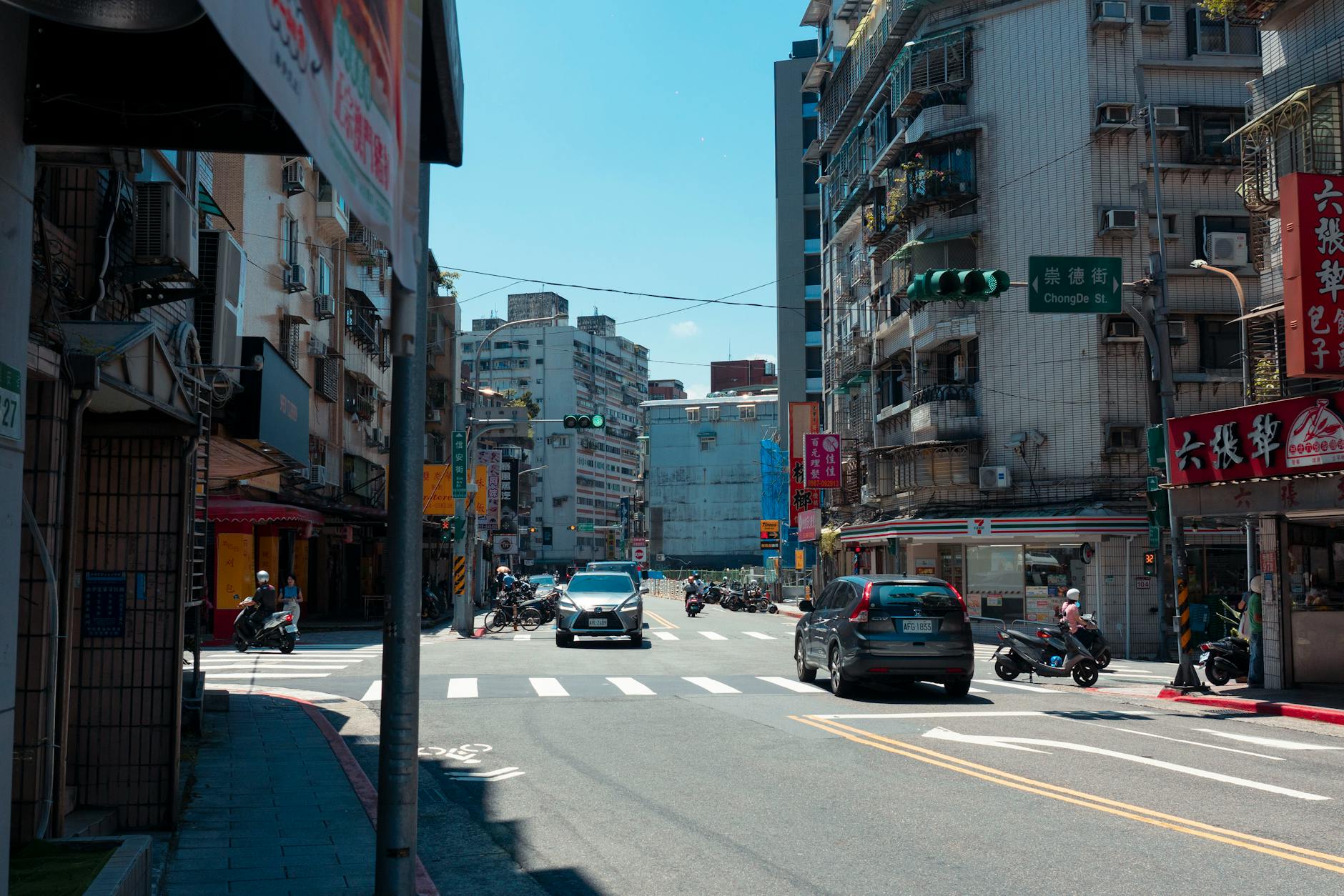
The high-speed rail station is useful but outside the main visitor and business zones. The traveler should plan HSR, local rail, taxi, shuttle, host pickup, hotel check-in, and first appointment as one chain. Luggage, demo materials, product samples, heat, rain, and traffic can all affect the usable arrival window.
If the first meeting is important, the travel plan should not depend on every connection working perfectly. Early arrival or a previous-night stay may be the stronger commercial choice.
- Plan HSR, local rail, taxis, shuttles, host pickup, hotel check-in, and first appointment together.
- Account for luggage, samples, demo materials, heat, rain, and traffic.
- Use earlier arrival when the first meeting cannot absorb delay.
Prepare for varied meeting formats
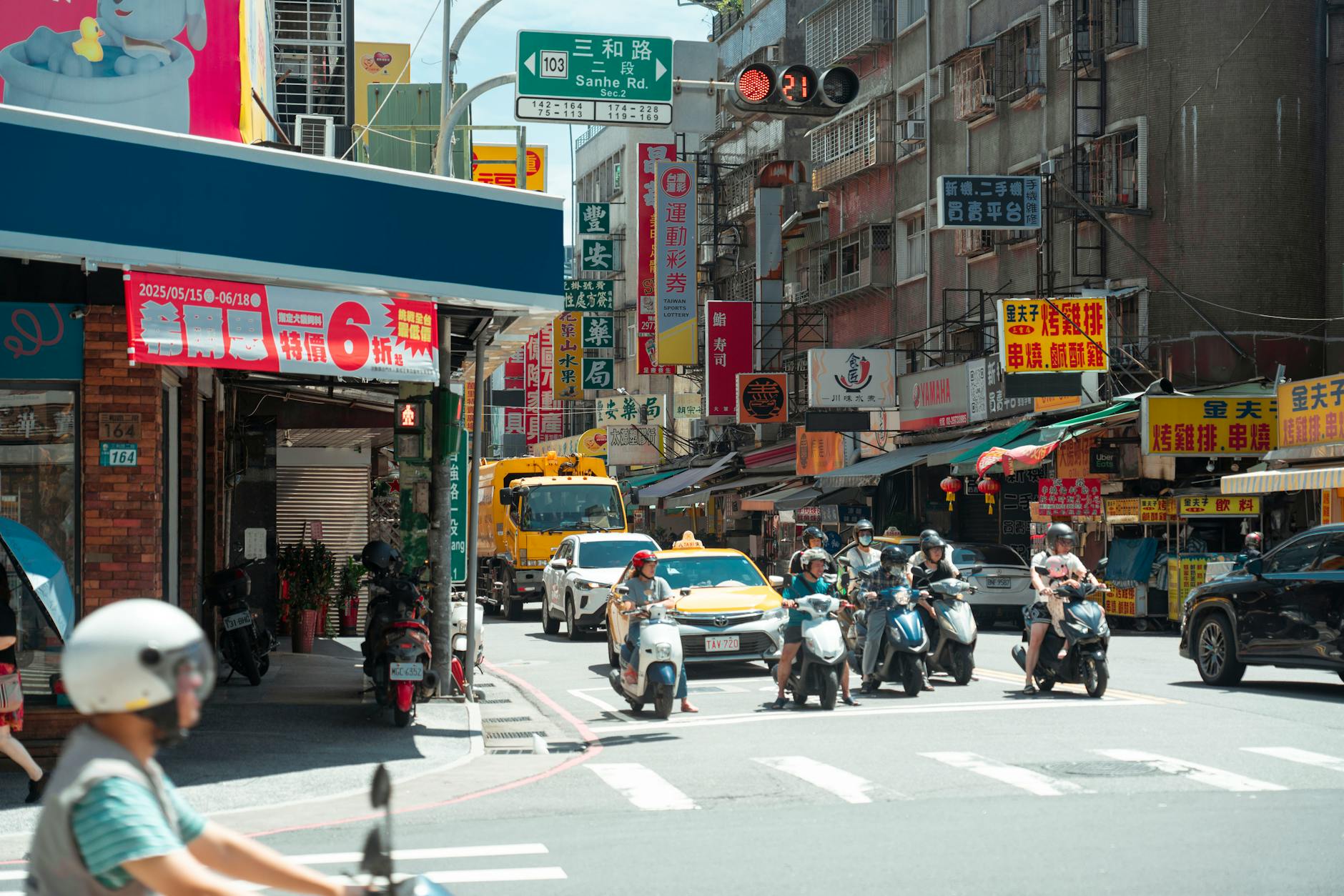
Tainan sales calls may take place in formal offices, site visits, restaurant rooms, hotel lobbies, campus spaces, clinics, or factory settings. Each format creates different needs for clothing, samples, slides, translation, business cards, seating, privacy, and time to set up. The traveler should not assume a single presentation style fits every stop.
The sales plan should identify which meetings are exploratory, which are decision-stage, and which require technical or operational support. That distinction shapes what the traveler should carry.
- Prepare for offices, factories, campuses, clinics, restaurants, hotel spaces, and site visits.
- Check clothing, samples, slides, translation, cards, privacy, seating, and setup time.
- Separate exploratory calls from decision-stage meetings and technical discussions.
Protect presentation condition in the climate
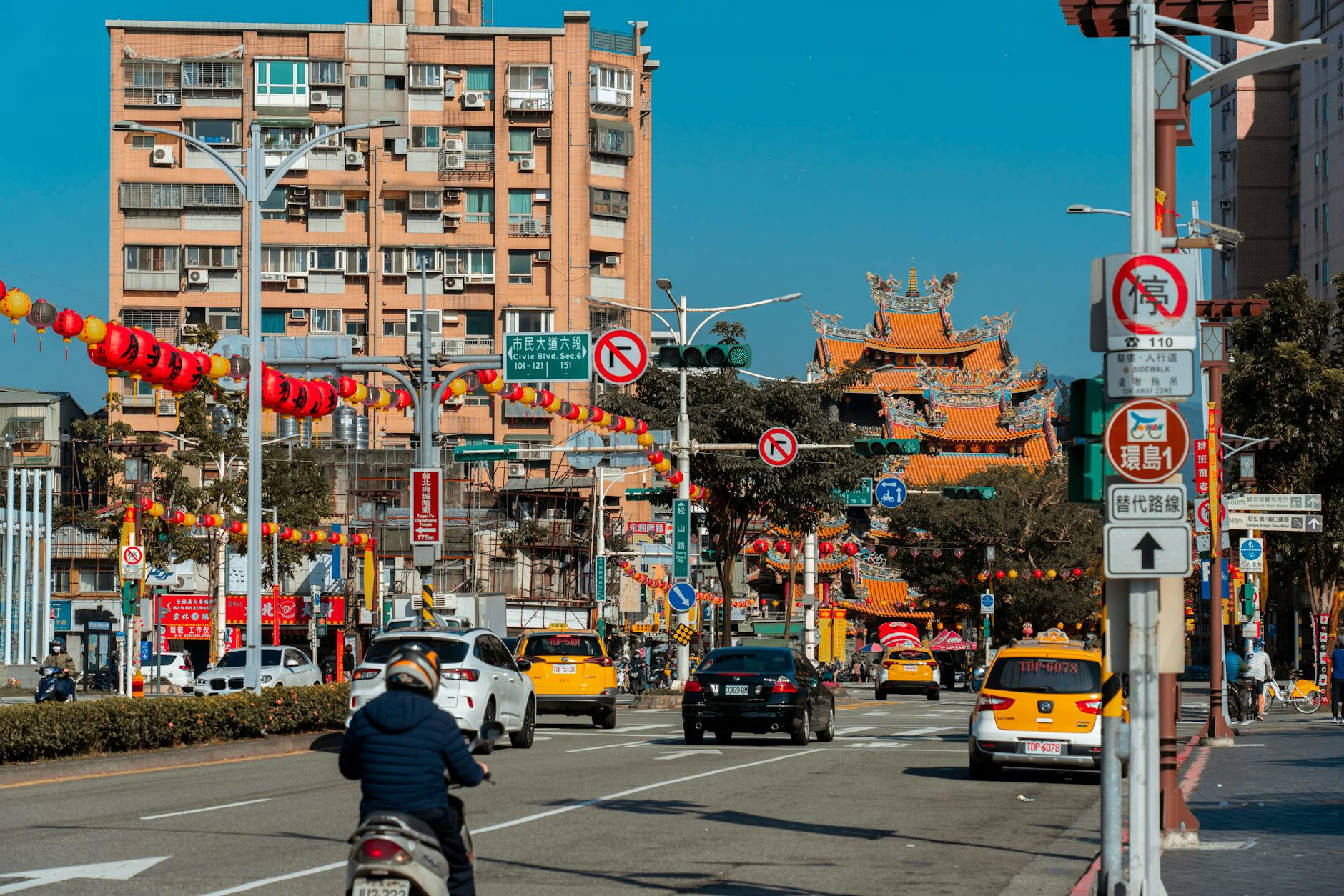
Tainan heat, humidity, rain, and bright sun can affect how the traveler arrives at a meeting. Sales travelers should plan shoes, clothing, spare shirt options, water, umbrellas, taxi use, charging, and time to cool down before important conversations. A short walk can matter if the next hour is a pitch or negotiation.
The trip should include recovery windows between meetings. Professional condition is part of the sales effort.
- Plan clothing, shoes, spare shirts, water, umbrellas, taxis, charging, and cool-down time.
- Account for heat, humidity, rain, sun, and walking distance between appointments.
- Build recovery windows before pitches, negotiations, and client meals.
Use meals as relationship logistics
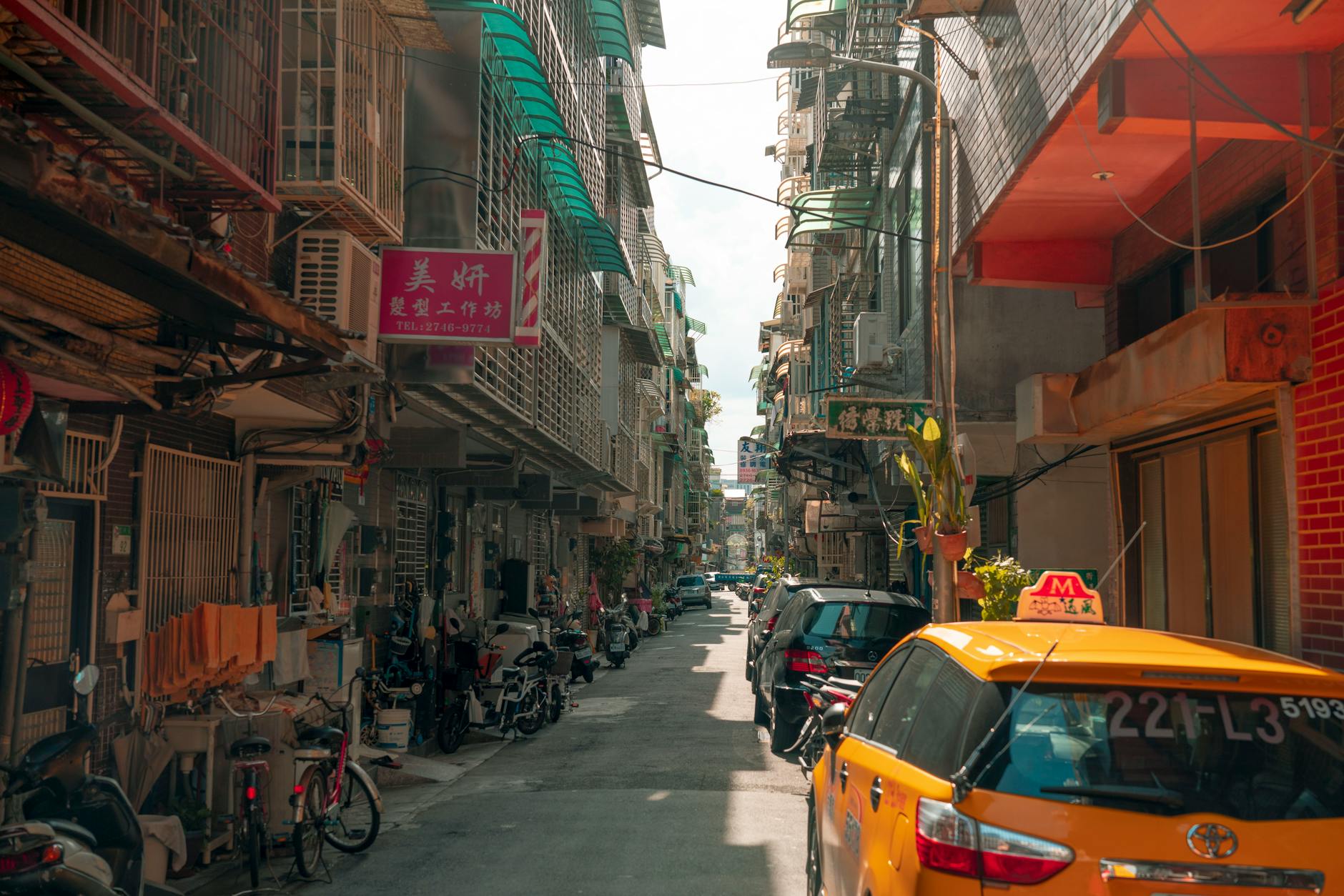
Tainan food can help a sales trip, but meals need to fit the relationship and the schedule. Hosted dinners, local specialties, quick lunches, dietary needs, alcohol, receipts, and late returns should be discussed or at least anticipated. A great meal across town can be the wrong choice if it breaks the next appointment.
The traveler should keep one flexible meal window available for client hospitality. It may become the most useful part of the trip.
- Plan hosted dinners, quick lunches, local specialties, dietary needs, alcohol, receipts, and timing.
- Keep one flexible meal window for client hospitality or schedule recovery.
- Choose restaurants by relationship value and route fit, not only reputation.
Reserve time for follow-up and notes
Short sales trips often fail after the meetings because notes, contact updates, quote changes, sample requests, and next steps are left for the train or the flight. The traveler should reserve quiet time after key appointments to capture details while they are fresh. A hotel with workspace and reliable Wi-Fi matters more than it may appear.
Evening sightseeing should be modest when follow-up work is still open. One good local walk or meal is usually enough on a selling day.
- Reserve time for notes, contacts, quote changes, sample requests, and next steps.
- Choose lodging with quiet workspace, Wi-Fi, charging, receipts, and late return practicality.
- Keep evening city time modest when follow-up work still needs attention.
When to order a short-term travel report
A sales traveler with one hosted meeting and arranged transport may not need a custom Tainan report. A report becomes useful when prospects are spread out, HSR timing is tight, samples or demos are involved, client meals matter, hotel workspace is important, or the traveler wants a short local experience without weakening the sales purpose.
The report should test prospect geography, hotel fit, HSR and taxi routes, meeting sequence, materials, meals, weather, follow-up windows, receipts, budget, and what to cut. The value is a Tainan sales trip that keeps the commercial objective clear.
- Order when prospect geography, transfers, samples, meals, hotel workspace, or weather need testing.
- Provide dates, prospect locations, meeting goals, arrival mode, materials, hotel options, and budget.
- Use the report to keep the sales trip punctual, practical, and relationship-aware.