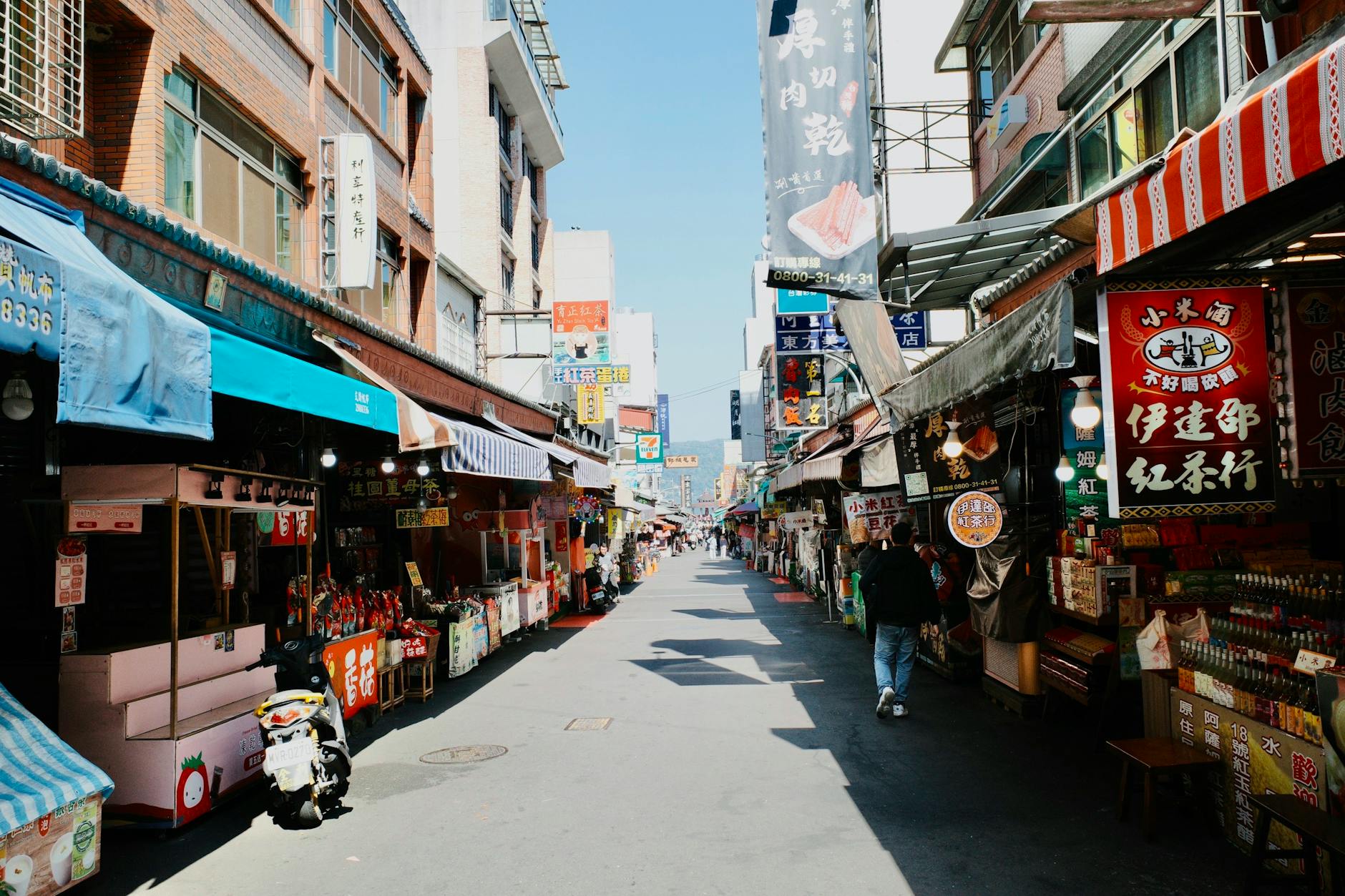
A repeat leisure visit to Tainan should not simply replay the first stay with a longer snack list. Once the old center, major temples, Anping, and the most obvious foods are familiar, the return trip can become slower and more specific: neighborhood walking, local markets, smaller shrines, design shops, museums, coastal areas, seasonal events, or a different hotel base. The risk for repeat visitors is overconfidence. Tainan feels familiar quickly, but heat, operating hours, night-market schedules, transfer distances, and food queues still shape the quality of a short stay.
Do not let the first visit set the whole return
Repeat visitors should decide what is different this time. Returning to the same hotel near the old center may be right, but a base closer to Anping, Tainan Station, a quieter lane, or a food area may create a better second trip. The question is not what worked before; it is what this stay is trying to do.
The traveler should name a theme before booking: food depth, temples, architecture, photography, cafes, museums, coast, family time, or rest. That theme should shape the base and the daily radius.
- Decide whether the return trip needs a new base, theme, pace, season, or daily radius.
- Compare old-center, Anping, station-area, lane-based, and food-focused lodging by this trip's purpose.
- Avoid preserving first-trip habits when they do not serve the new stay.
Go deeper on food without chasing every queue
A return visit is ideal for moving beyond the most famous snacks. The traveler can compare breakfast shops, old noodle counters, milkfish specialists, dessert shops, coffee, local markets, and quieter neighborhood meals. Depth should not mean exhaustion. Some of Tainan's best food time comes from staying in one area and noticing what fits the day.
The repeat visitor should keep a short list of must-try places and a longer list of substitutes. Tainan food planning works better when it remains flexible.
- Use the return trip for breakfast shops, old counters, milkfish, desserts, coffee, markets, and neighborhood meals.
- Keep must-try places short and substitutes ready by area.
- Do not cross the city repeatedly just to complete a food list.
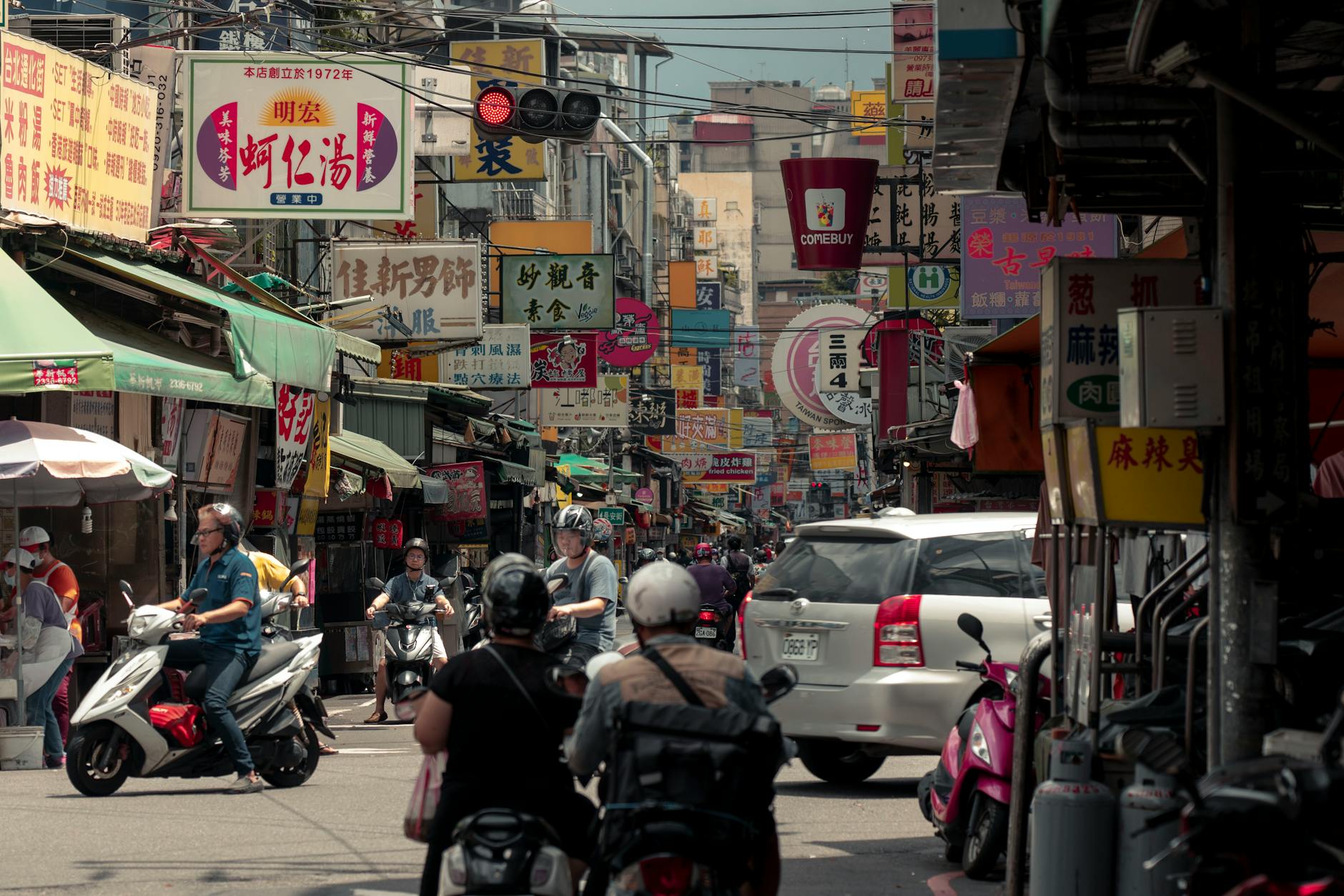
Give smaller cultural stops enough time
Repeat leisure travelers can benefit from smaller temples, craft shops, local museums, old houses, bookstores, galleries, and side streets that were easy to skip on a first visit. These places rarely work well as rushed filler. They need looser timing and a willingness to let the city be quiet.
A good return itinerary may look less dramatic on paper and feel better on the ground. The point is to deepen the city, not to prove how much has been covered.
- Add smaller temples, old houses, local museums, craft shops, bookstores, galleries, and side streets.
- Leave looser timing for quieter places to work.
- Judge the return visit by depth, not only by new attraction count.
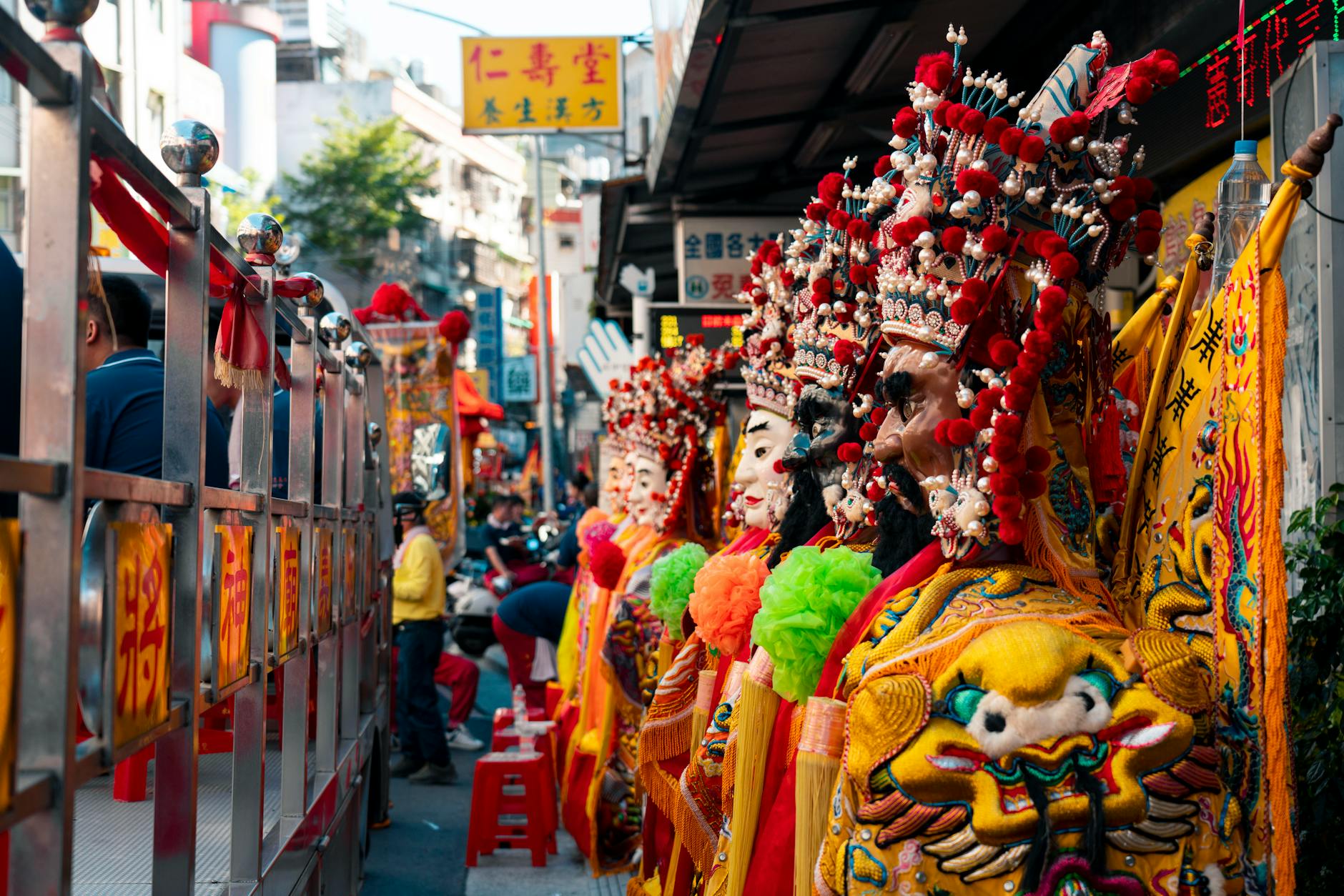
Reconsider Anping, coast, and outer areas
If Anping was rushed on the first trip, a repeat visit can give it a cleaner place in the schedule. Forts, old streets, waterfront areas, sunset timing, coastal routes, and nearby museums or seafood meals need more than leftover energy. The same is true for salt fields, Chimei Museum, Guanziling, or other southern Taiwan moves.
The repeat visitor should choose outer areas deliberately and protect the return. Outbound movement can refresh a Tainan stay, but only when it is not improvised late in the day.
- Give Anping, waterfront areas, coast, sunset timing, and nearby meals a deliberate window.
- Evaluate salt fields, Chimei Museum, Guanziling, and other moves by transport and weather.
- Plan the return before committing to outer-area exploration.
Use familiarity to improve transport choices
Repeat visitors may know Tainan well enough to move with more confidence, but that can lead to lazy transfer planning. HSR links, taxis, local trains, buses, bike or scooter rental, hotel pickup points, and parking can still matter. The traveler should plan the harder segments and leave the easy neighborhood parts loose.
Confidence should reduce stress, not remove preparation. The best return trips are relaxed because the awkward transfers have already been solved.
- Plan HSR, local rail, taxis, buses, rental options, hotel pickup, and outer-area transport before arrival.
- Use taxis when heat, timing, bags, or distance make them the better value.
- Leave familiar walking areas loose while planning the hard segments.
Plan around season and mood
A repeat visit gives the traveler permission to pace Tainan around weather and mood rather than a rigid checklist. Heat, humidity, rain, festivals, holiday crowds, seasonal foods, and opening hours can all change what the return stay should emphasize. The traveler can create hot-day, rainy-day, and slower-day versions of the route.
That flexibility only works when options are specific. A vague backup plan usually becomes another search session in the hotel room.
- Adjust the return stay for heat, humidity, rain, festivals, holiday crowds, seasonal foods, and hours.
- Prepare hot-day, rainy-day, and slower-day versions of the route.
- Make backup options specific enough to use immediately.
When to order a short-term travel report
A repeat visitor who knows exactly where they want to stay and eat may not need a custom Tainan report. A report becomes useful when the traveler wants a different base, deeper food planning, outer-area movement, seasonal timing, a slower cultural theme, or help avoiding a replay of the first trip.
The report should test hotel base, new neighborhoods, food priorities, Anping or coastal timing, HSR and taxi routes, weather, seasonal events, side trips, budget, and what to skip because it has already been done. The value is a return Tainan stay that feels intentional rather than familiar by accident.
- Order when a new base, food depth, Anping, outer areas, season, or theme needs sorting.
- Provide prior Tainan experience, dates, hotel options, interests, constraints, pace, and budget.
- Use the report to make the repeat visit specific, fresh, and less repetitive.