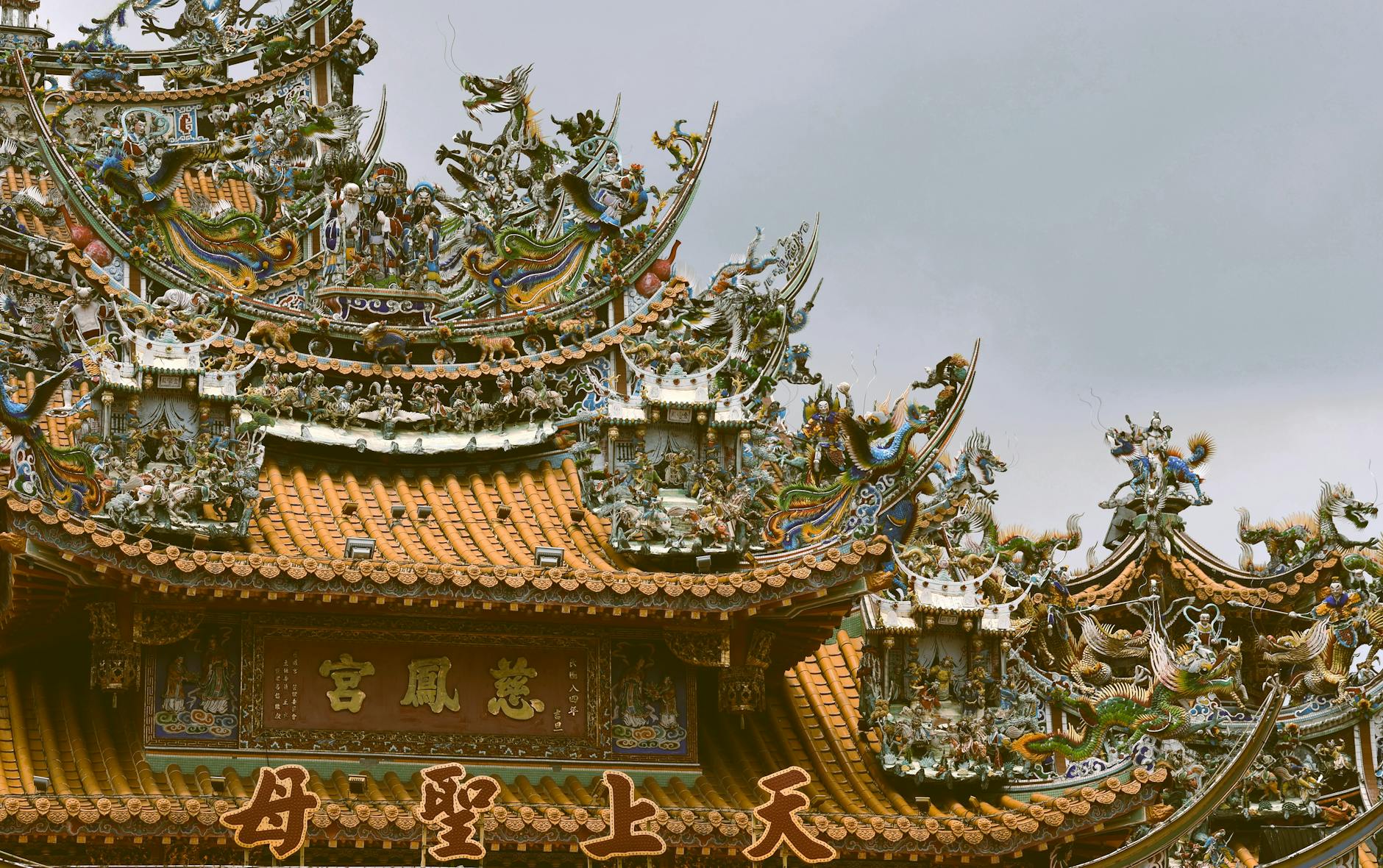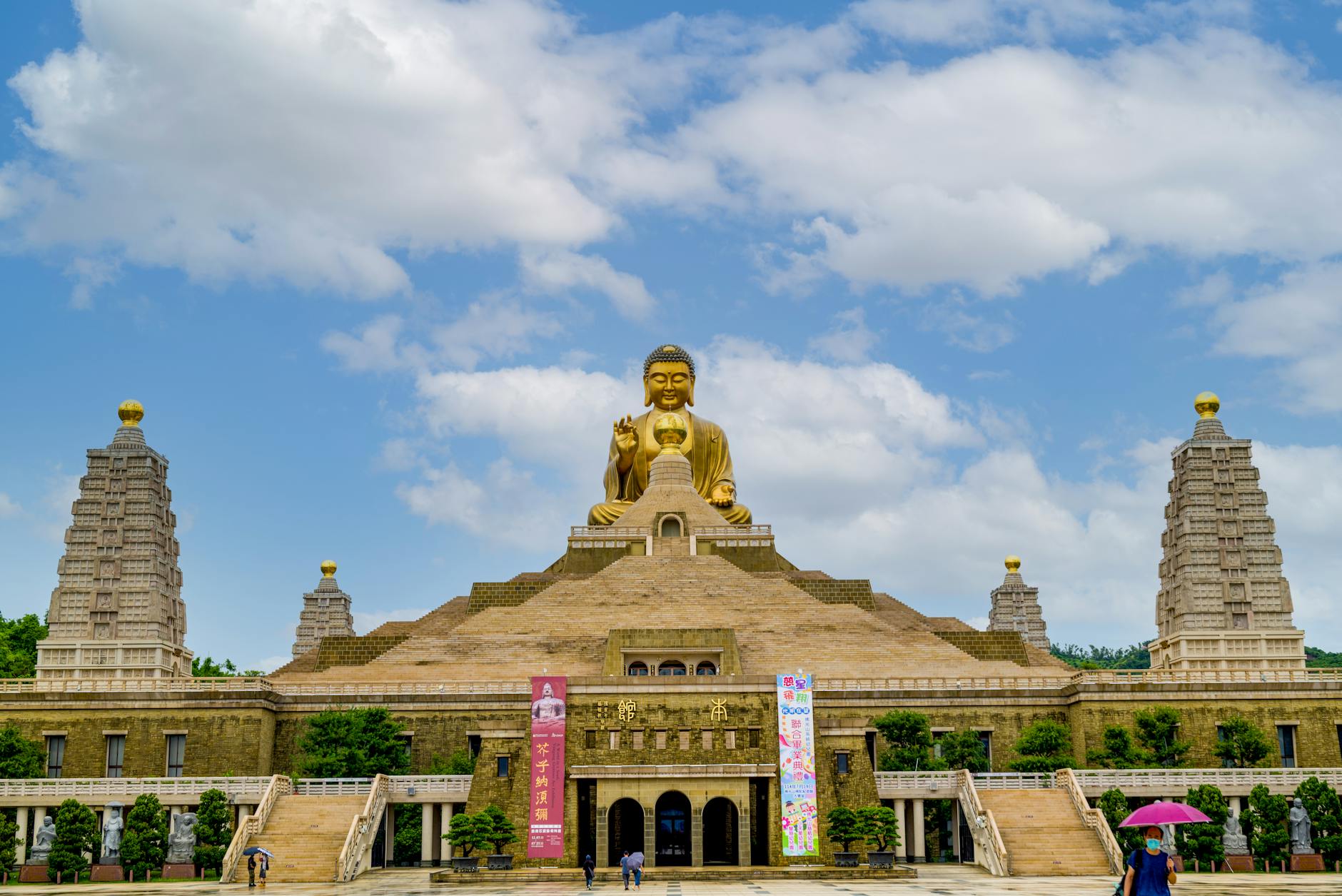
Tainan is one of Taiwan's most important cities for religious and heritage travel. Temples, shrines, Confucian sites, community festivals, ancestral associations, incense rituals, neighborhood processions, and older devotional spaces give the city a depth that casual sightseeing can miss. A short religious or pilgrimage trip needs more care than simply listing famous temples. A good Tainan plan respects worship first. It chooses temple clusters, transport, dress, offerings, timing, food, rest, and photography boundaries so the traveler can observe or participate without rushing sacred and community spaces into tourist consumption.
Choose the religious purpose before the route
A religious traveler should decide whether the trip is devotional, educational, ancestral, festival-focused, comparative, architectural, or simply contemplative. Tainan can support all of those purposes, but they do not create the same route. Grand Mazu temples, Confucian sites, neighborhood shrines, ancestral halls, and festival streets each ask for different timing and behavior.
The itinerary should be built around meaning, not only fame. A lesser-known temple may matter more than a major stop if it fits the traveler's purpose.
- Name whether the trip is devotional, educational, ancestral, festival-focused, architectural, or contemplative.
- Match temples, Confucian sites, shrines, ancestral halls, and festival areas to that purpose.
- Do not assume the most famous temple is the most relevant stop.
Cluster temples by neighborhood and ritual time
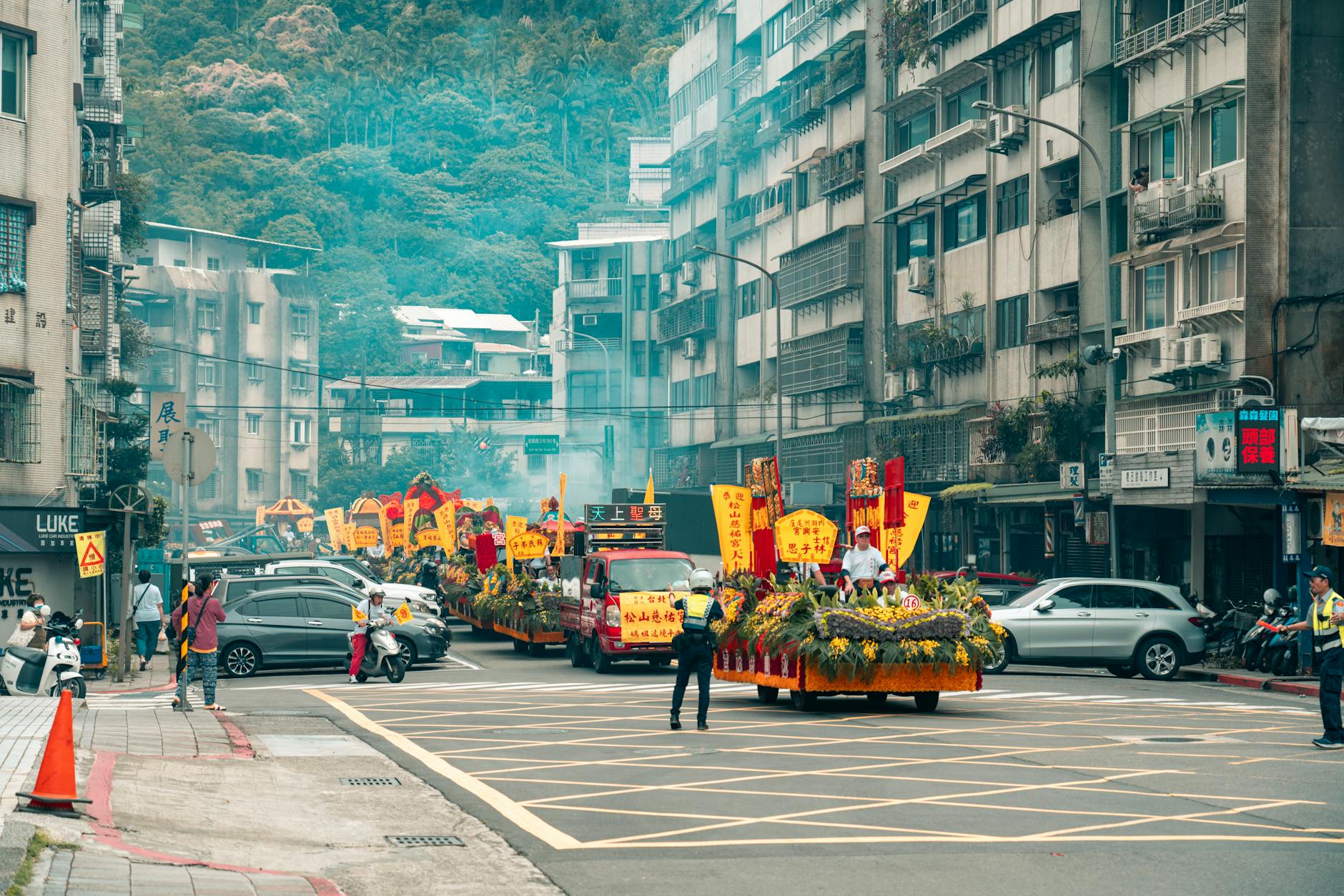
Tainan's temple landscape is dense, but it is not one single route. The traveler should group temples by neighborhood, opening hours, festival schedule, ritual timing, crowd level, and walking comfort. Moving between the old center, Anping, and outer areas repeatedly can weaken the experience.
The best temple days usually leave room to sit, observe, and adjust. A pilgrimage route becomes shallow when every stop is reduced to entry, photo, and exit.
- Group temples by neighborhood, hours, ritual timing, festival schedule, crowd level, and walking comfort.
- Avoid crossing repeatedly between the old center, Anping, and outer areas.
- Leave time for observation instead of treating each temple as a quick stop.
Respect ritual, dress, and photography boundaries
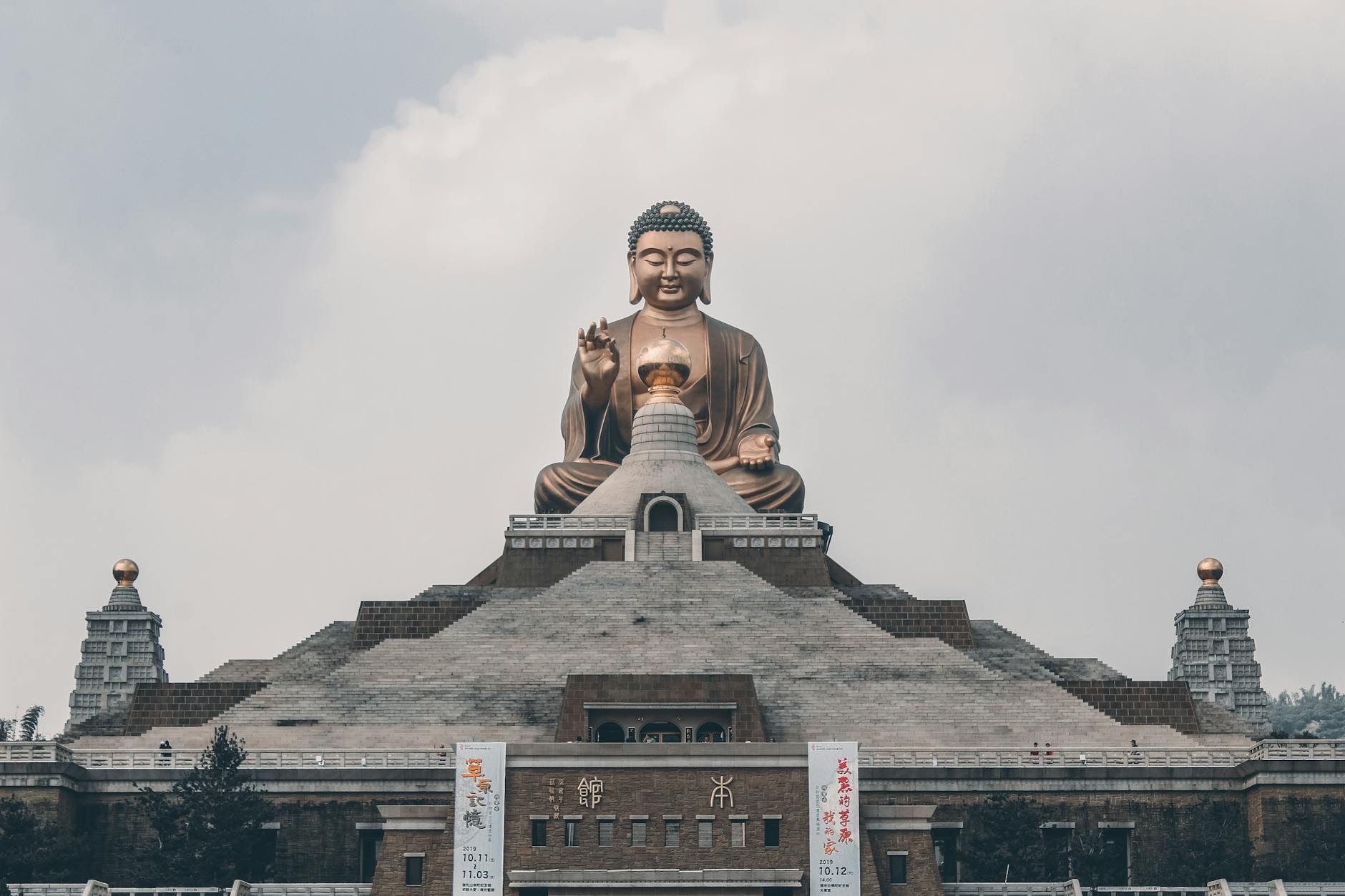
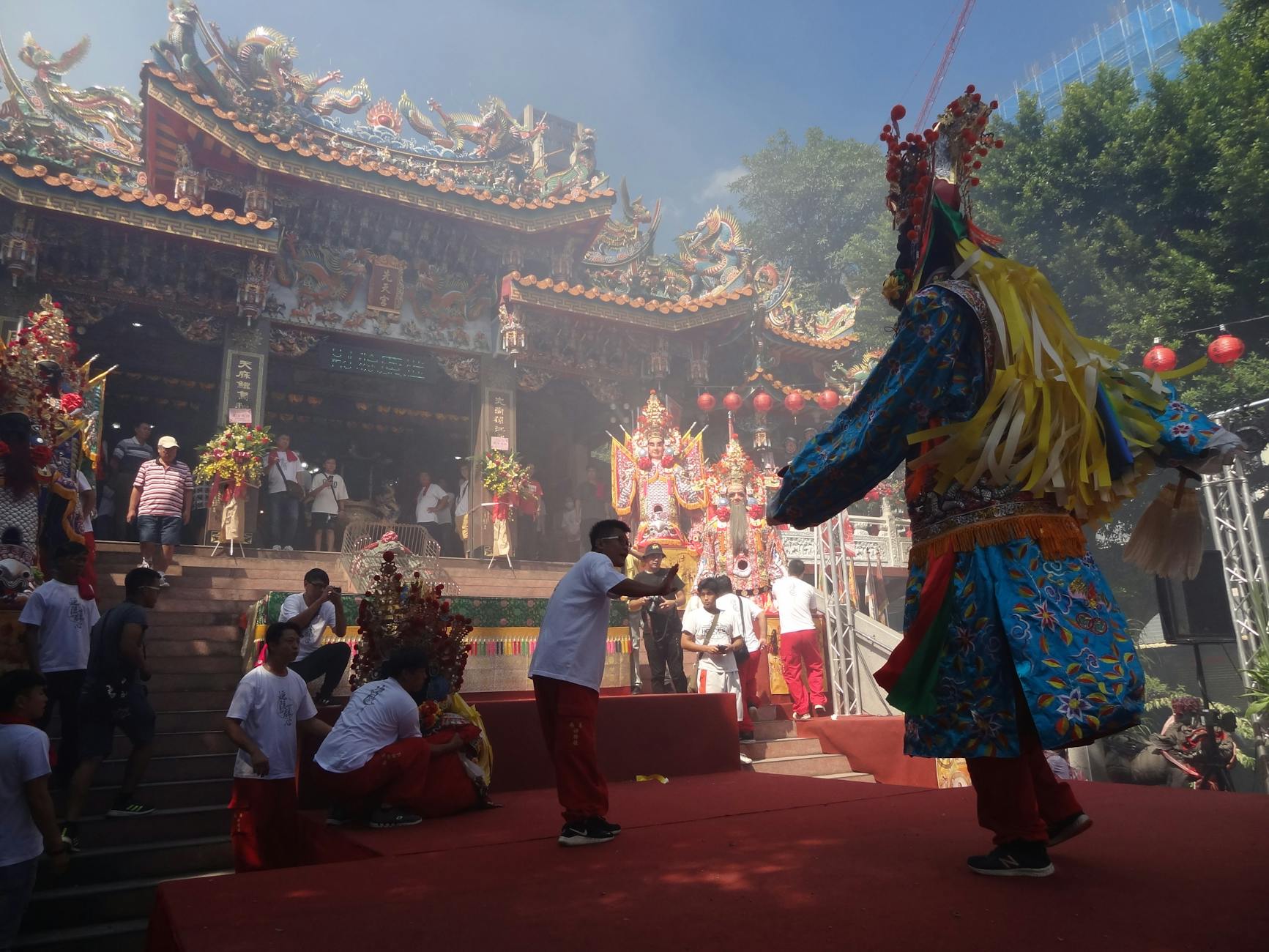
Religious travel in Tainan requires attention to active worship. The traveler should dress modestly enough for sacred settings, avoid blocking worshippers, follow incense and offering procedures only when understood, and ask before photographing people, rituals, or restricted interiors. A temple may be public without being casual.
Festival days and processions require even more spatial awareness. The traveler should let local participants lead the use of space, sound, and timing.
- Dress with respect, avoid blocking worship, and follow ritual procedures only when understood.
- Ask before photographing people, rituals, restricted interiors, or sensitive moments.
- Give local participants priority during festivals, processions, and crowded worship times.
Plan offerings, language, and local guidance
Travelers who intend to make offerings, join a ritual, ask about deities, or understand a temple's history should plan for language and local guidance. Written notes, host contacts, temple staff, guides, or a local friend can help prevent confusion. The traveler should avoid inventing meaning from visual cues alone.
If the trip involves family lineage, vows, memorial practice, or a specific deity, the traveler should prepare names, dates, questions, and expectations before arrival.
- Use local guidance for offerings, ritual steps, deity context, and temple history.
- Prepare written notes, names, dates, questions, and expectations when the visit is personal.
- Avoid guessing religious meaning from images or architecture alone.
Treat heat, mobility, and rest as part of devotion
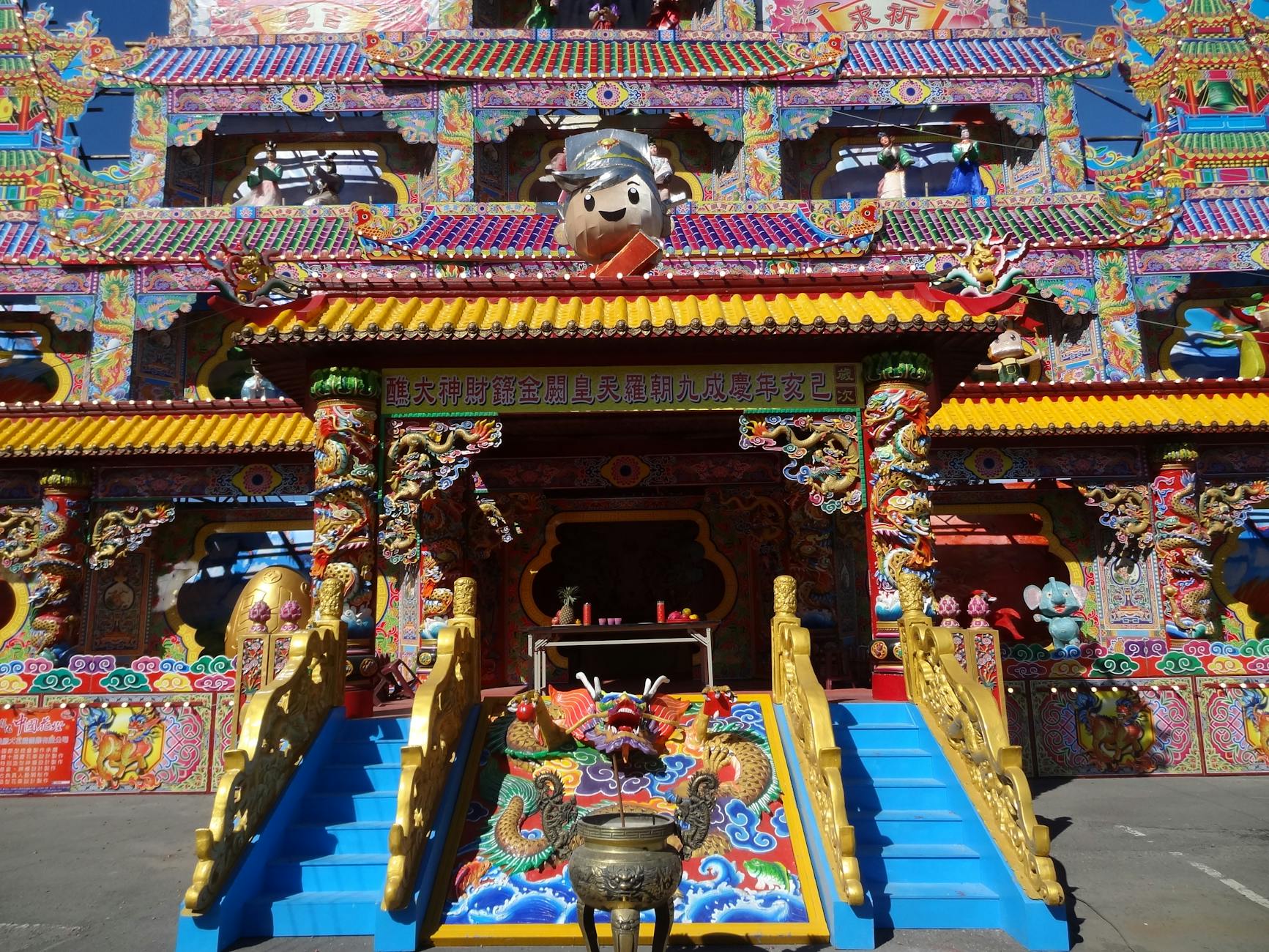
Tainan heat, humidity, rain, stone courtyards, thresholds, stairs, incense smoke, and crowds can affect stamina. The traveler should plan water, sun protection, shoes, shaded breaks, taxis, seating, bathroom access, and hotel rests. A religious trip can be emotionally and physically demanding even when distances look short.
A slower route is often the more respectful route. Fatigue makes it harder to observe, listen, and behave well.
- Plan water, sun protection, shoes, shade, taxis, seating, bathrooms, and hotel rest breaks.
- Account for heat, humidity, rain, thresholds, stairs, incense smoke, and crowds.
- Use slower pacing to preserve attention and respectful behavior.
Balance sacred focus with food and heritage time
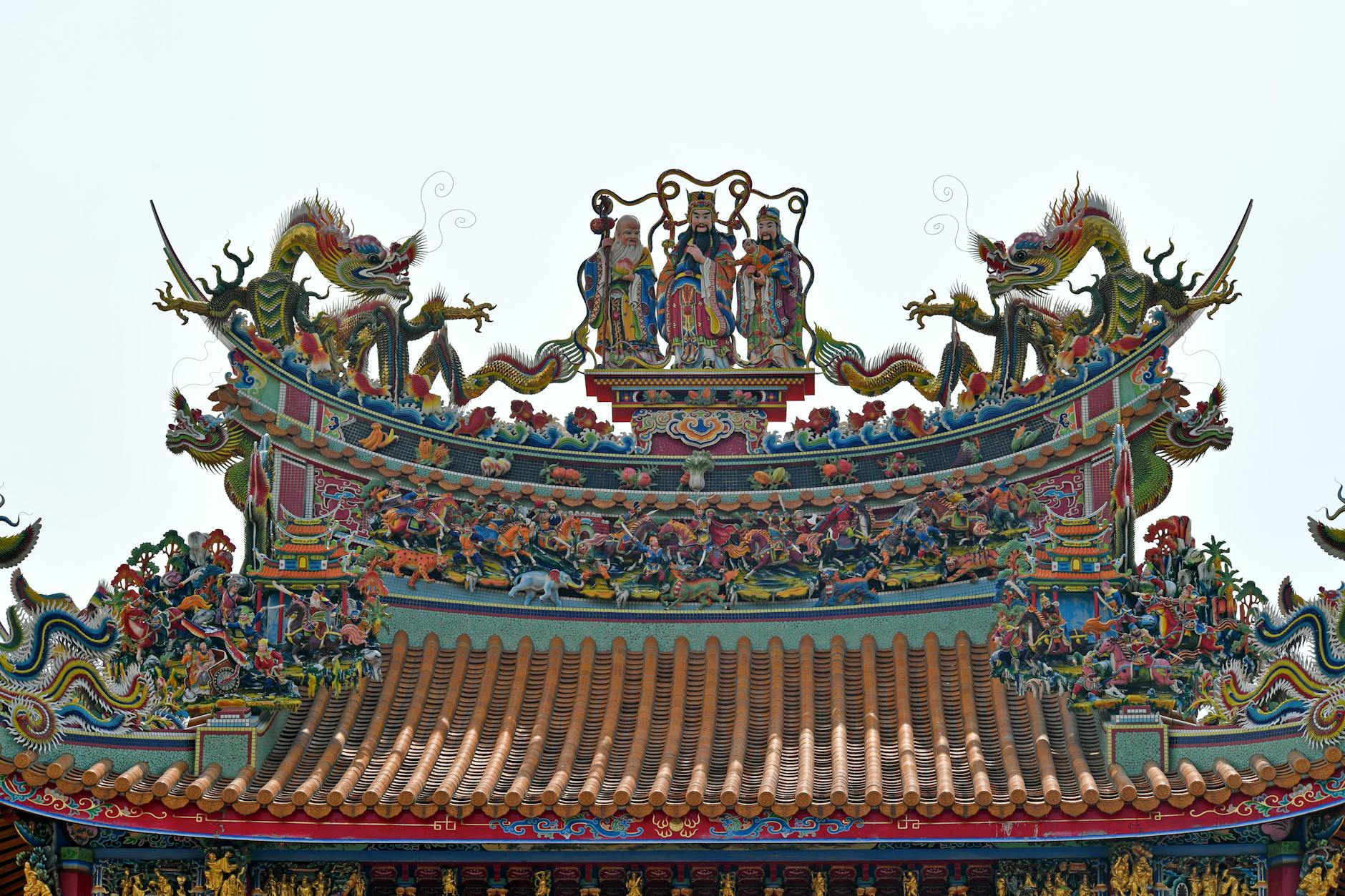
A religious traveler may still want Tainan food, old streets, museums, Anping, or quiet evening walks. Those additions can deepen the trip when they support the spiritual purpose, but they should not crowd the temple schedule. Meals should be planned around energy, dietary practice, festival crowds, and the next sacred stop.
The strongest short trip often includes one focused temple cluster, one thoughtful meal area, and one calmer heritage walk rather than a full sightseeing itinerary.
- Add food, old streets, museums, Anping, and evening walks only when they support the trip's purpose.
- Plan meals around energy, dietary practice, festival crowds, and temple timing.
- Choose one temple cluster and one supporting cultural window instead of overloading the day.
When to order a short-term travel report
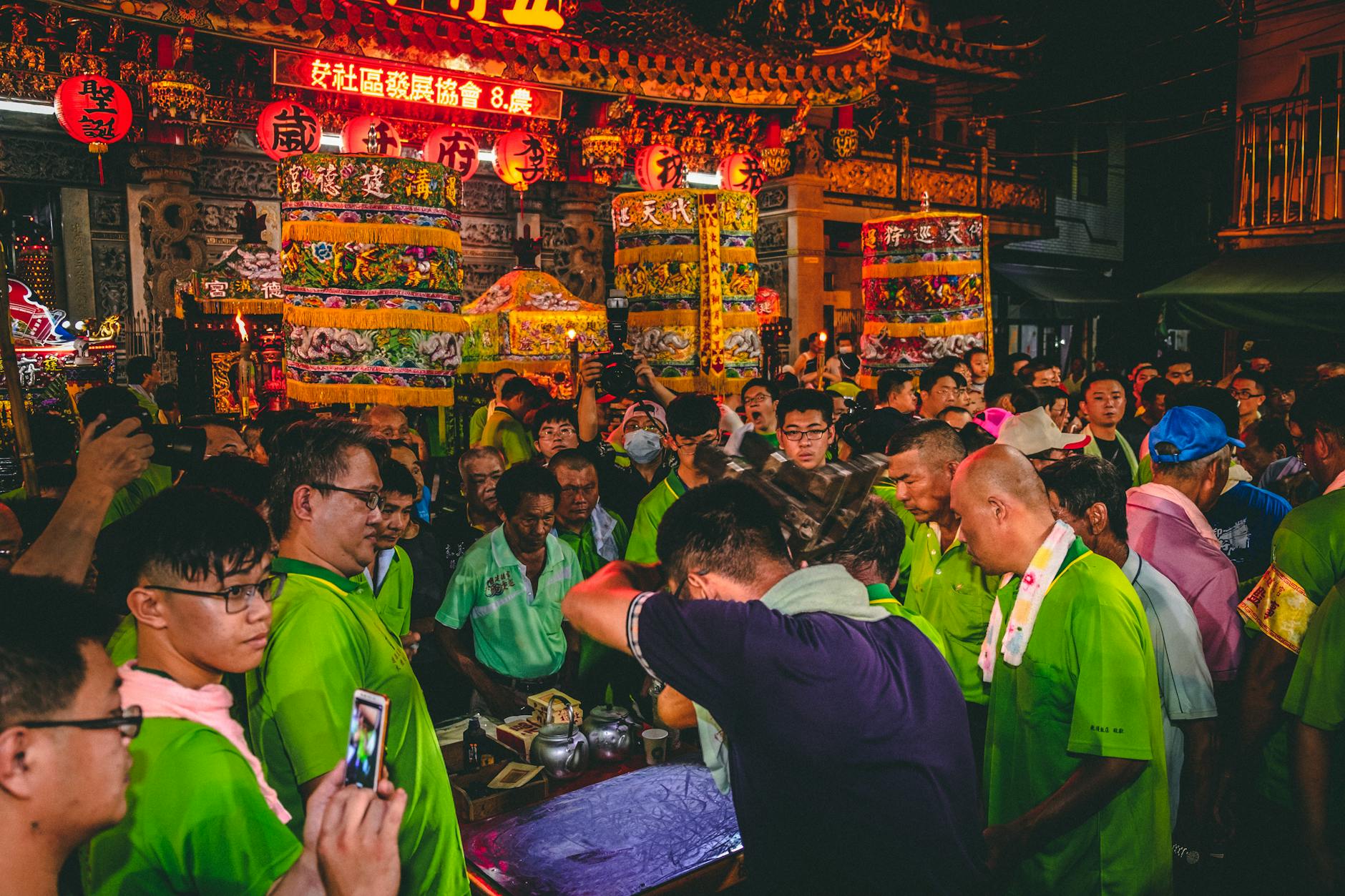
A traveler visiting one well-known temple with a flexible day may not need a custom Tainan report. A report becomes useful when the religious purpose is specific, temple geography is confusing, festival timing matters, mobility or heat limits apply, offerings or local guidance are needed, or the traveler wants to balance sacred time with food and heritage without rushing.
The report should test temple clusters, lodging fit, HSR and taxi routes, ritual timing, etiquette, offerings, photography boundaries, mobility, heat, meals, side time, budget, and what to cut. The value is a Tainan religious trip that remains respectful, legible, and practical.
- Order when temple routing, festival timing, etiquette, offerings, mobility, heat, or local guidance need testing.
- Provide dates, religious purpose, temple priorities, arrival mode, lodging options, constraints, and budget.
- Use the report to keep the pilgrimage focused, respectful, and realistic.