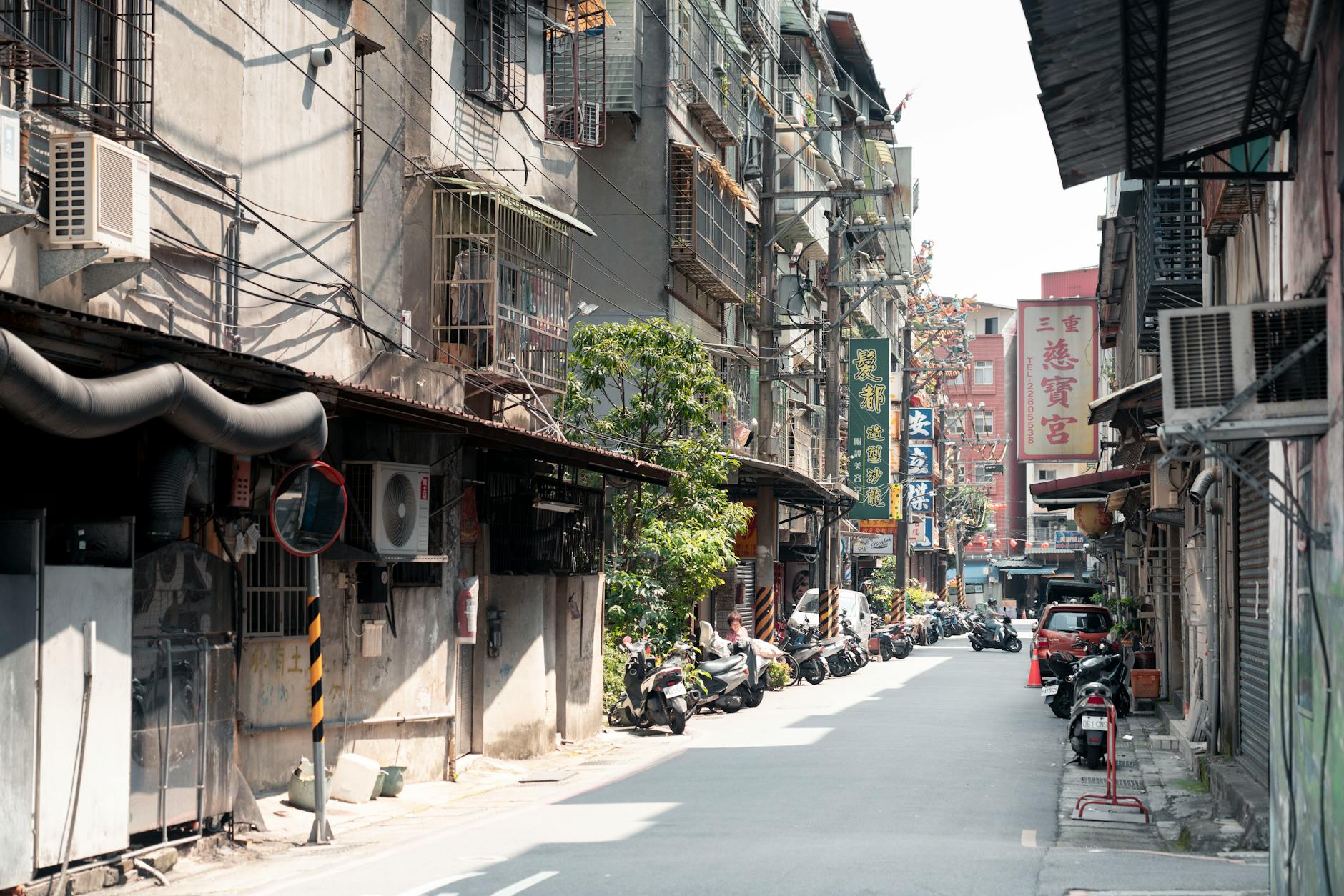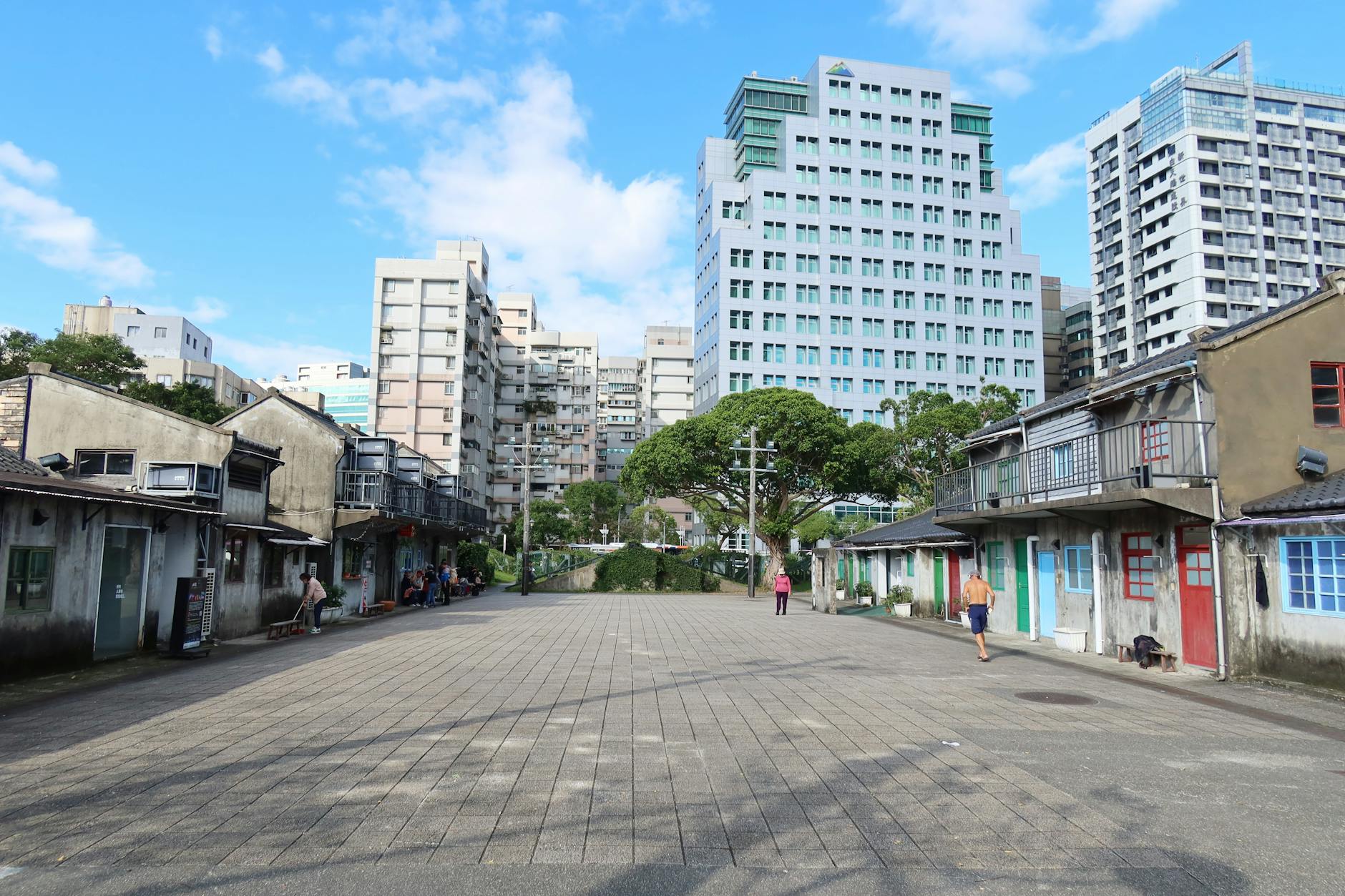
Tainan can be deeply rewarding for older travelers because it offers history, temples, food, museums, slower neighborhood life, Anping, and a different texture from Taiwan's larger cities. The challenge is that the city can also involve heat, humidity, uneven walking, scattered attractions, taxis, stairs, and food queues. A short visit works best when comfort and pacing are designed into the trip from the start. A good Tainan plan for an older traveler is not less ambitious. It is more deliberate. It chooses the right base, shorter clusters, better transfer plans, and enough recovery time to let the city remain enjoyable.
Choose lodging for recovery and access
Older travelers should choose Tainan lodging by lift access, room comfort, taxi pickup, breakfast, air conditioning, nearby meals, quiet, and distance from the main route. Historic charm is useful only if the hotel also makes the day easier. A beautiful stay that requires awkward steps or long hot walks may not be the right answer.
The hotel should be a reliable rest point between morning, afternoon, and evening plans. That matters more in Tainan than a crowded checklist of sights.
- Check elevator access, room comfort, taxi pickup, breakfast, air conditioning, quiet, and nearby meals.
- Choose a base that works as a genuine rest point.
- Do not prioritize historic charm over practical daily recovery.
Plan short clusters instead of long walks
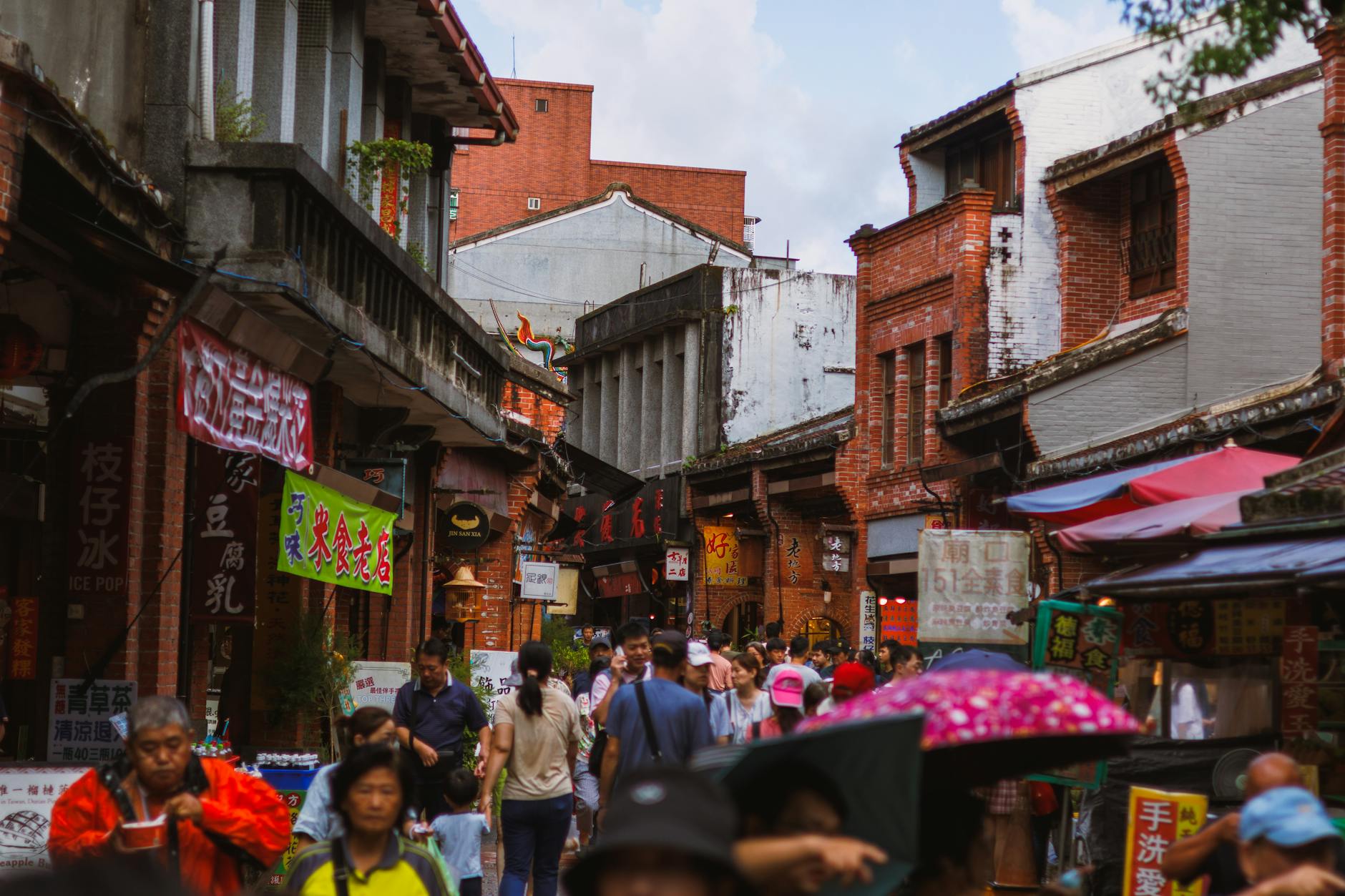
Tainan rewards walking, but older travelers should avoid building days around long continuous routes. Historic sites, temples, food stops, museums, and Anping should be grouped into short clusters with taxi or rest options between them. Uneven pavements, crossings, heat, and crowds can make small distances more tiring than expected.
A good day might include one morning cluster, a proper rest, and one afternoon or evening focus. That is usually stronger than trying to prove endurance.
- Group sights into short clusters with taxi or rest options between them.
- Account for uneven pavement, crossings, heat, crowds, and seating availability.
- Use one morning focus and one later focus instead of a continuous walking day.
Respect heat, hydration, and medication timing
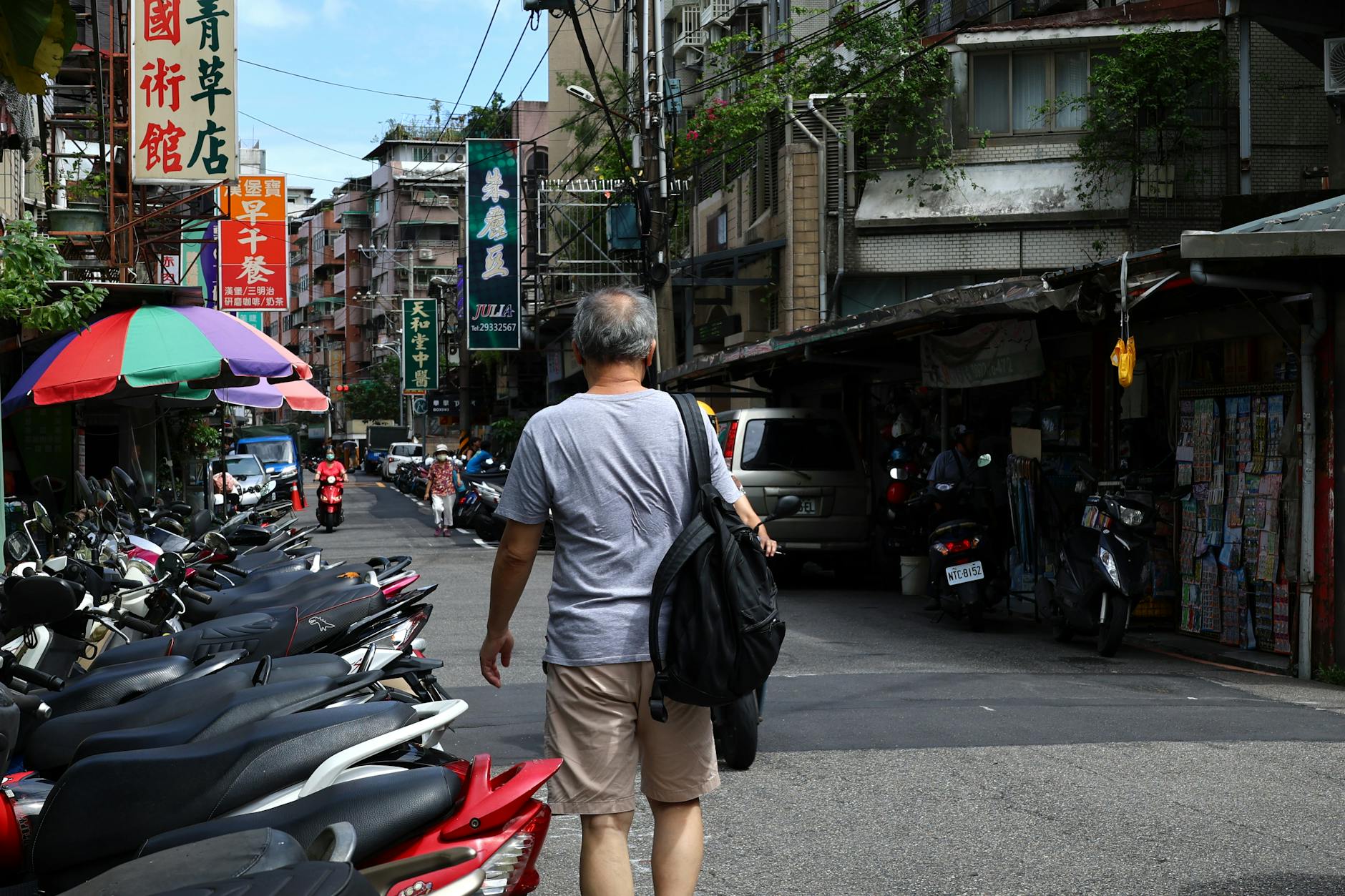
Heat and humidity can shape the entire Tainan stay. Older travelers should plan water, shade, umbrellas, cooling stops, medication timing, sun protection, bathroom access, and shorter midday movement. If medical routines, mobility aids, or dietary needs matter, they should be built into the itinerary rather than handled as interruptions.
The safest plan gives the hottest part of the day a lighter role. Museums, hotel rest, taxis, cafes, or a slower lunch can preserve energy for evening.
- Plan water, shade, umbrellas, cooling stops, sun protection, bathrooms, and medication timing.
- Keep midday movement lighter during hot or humid periods.
- Build medical routines and dietary needs into the route from the start.
Use taxis and HSR transfers carefully
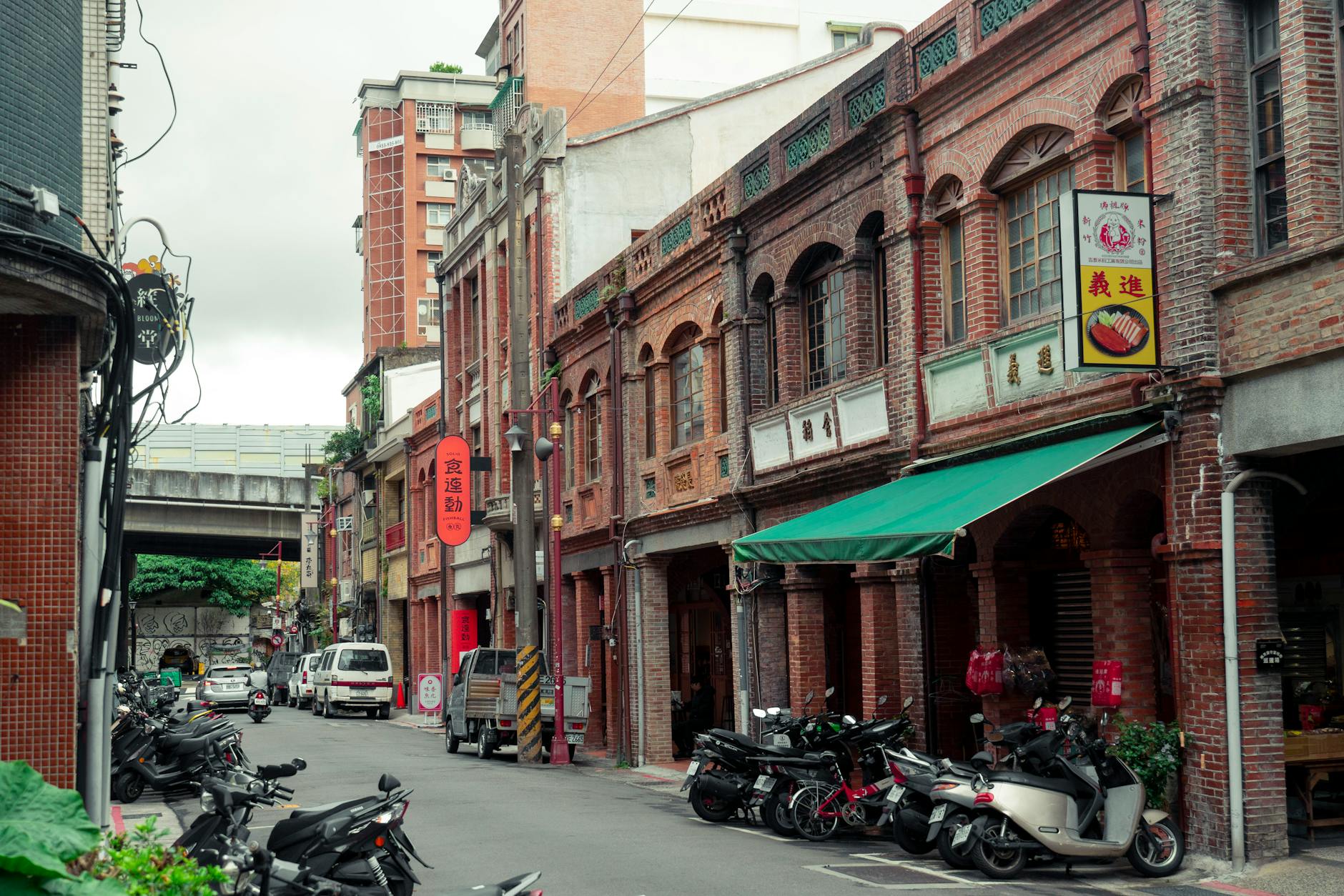
Taxis can make Tainan much easier for older travelers, but pickup points, address text, payment, hotel cards, station layouts, and return routes should be prepared. The high-speed rail station also needs planning because it sits outside the central city. A smooth long-distance arrival can still become tiring if the final transfer is unclear.
The traveler should keep hotel names, addresses, and key stops available in Chinese and English where possible, along with a backup plan for rain or fatigue.
- Prepare taxi pickup points, hotel cards, address text, payment, and return routes.
- Treat HSR-to-city movement as a separate transfer that needs planning.
- Keep destination details available for drivers and backup plans.
Choose temples, museums, and Anping by comfort
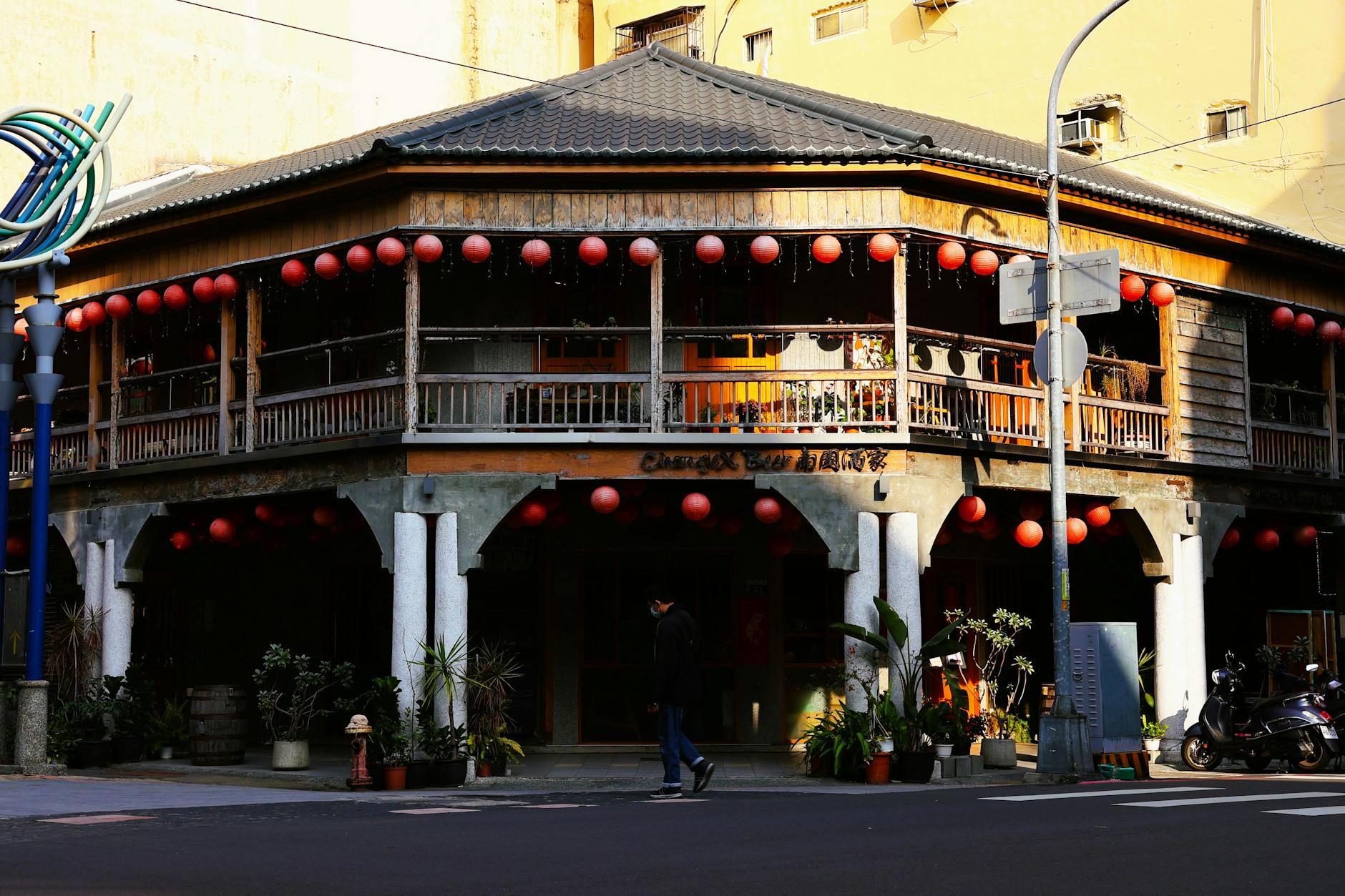
Tainan's temples, museums, historic houses, and Anping sites can be excellent for older travelers, but each should be judged by seating, shade, stairs, thresholds, crowds, bathrooms, and taxi access. Some sites are better early, some are better after the hottest hours, and some deserve more time than a rushed itinerary gives them.
The traveler should choose fewer places and experience them well. Tainan's atmosphere often rewards sitting, watching, and taking breaks as much as moving.
- Evaluate temples, museums, historic houses, and Anping by shade, seating, stairs, bathrooms, and taxi access.
- Use early starts or later visits when heat and crowds are lower.
- Choose fewer sites and give them enough time.
Plan food for comfort, not only fame
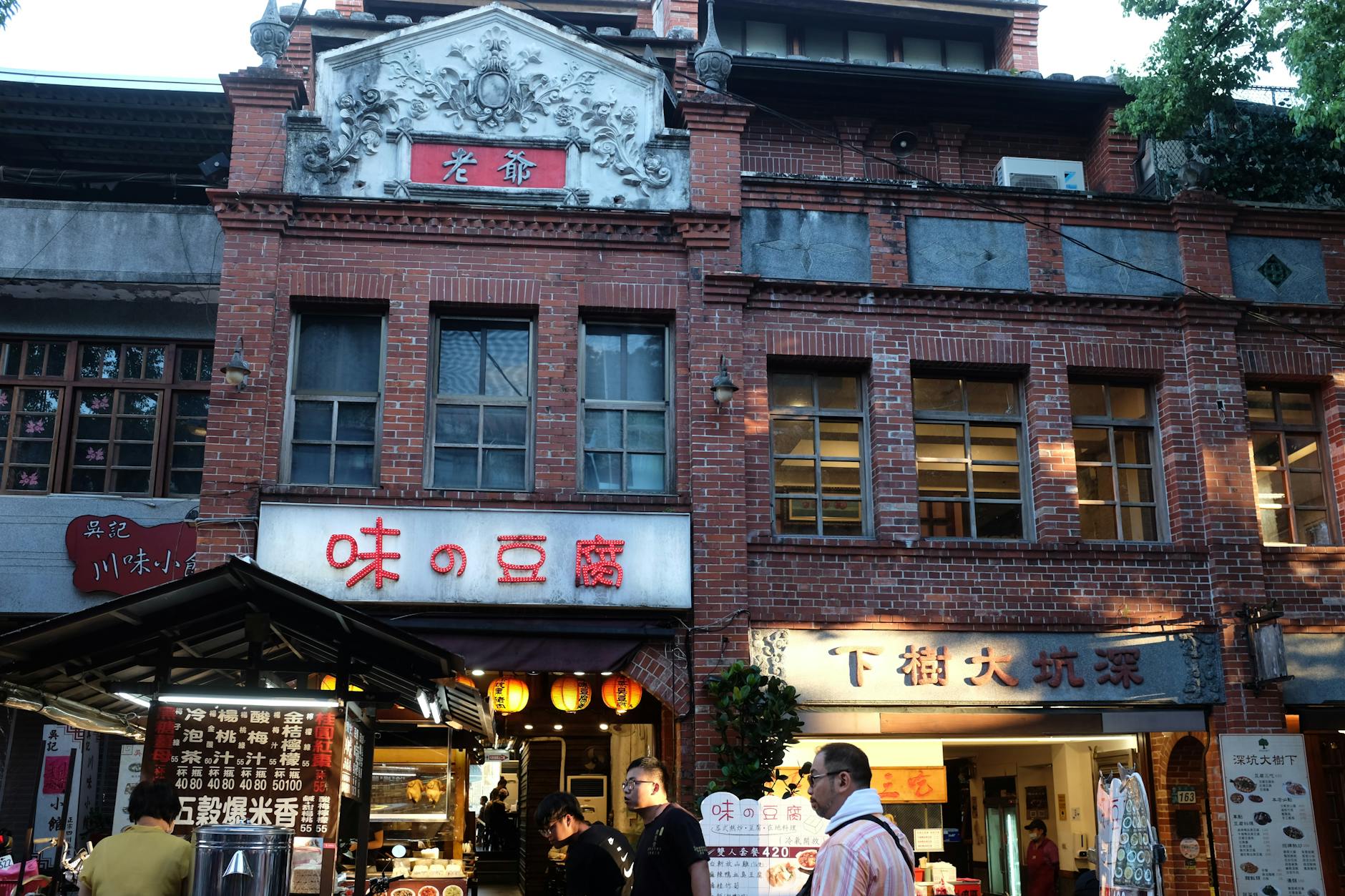
Tainan food is a major attraction, but older travelers should plan meals around seating, shade, hygiene, dietary restrictions, salt or sugar concerns, allergies, medication timing, and how much standing in line is realistic. Famous stalls can be worthwhile, but they are not the only way to eat well.
The strongest food plan combines one or two priority dishes with comfortable restaurants, hotel-area options, and flexible snacks near the route.
- Check seating, shade, hygiene, dietary restrictions, allergies, medication timing, and queue length.
- Mix famous foods with comfortable restaurants and hotel-area options.
- Keep food flexible enough to support the day rather than exhaust it.
When to order a short-term travel report
An older traveler with hosted transport and a slow itinerary may not need a custom Tainan report. A report becomes useful when hotel access, HSR transfers, heat, medical routines, mobility limits, temple or museum selection, food comfort, or Anping timing need to be tested before booking.
The report should test lodging, HSR and taxi routes, walking clusters, rest breaks, heat, bathrooms, meals, access, medical constraints, sightseeing priorities, budget, and what to cut. The value is a Tainan stay that preserves independence without pretending comfort is automatic.
- Order when hotel access, transfers, heat, mobility, medical routines, food, or sightseeing comfort need testing.
- Provide dates, arrival mode, hotel options, mobility details, medical constraints, interests, and budget.
- Use the report to make the trip calmer, more independent, and better paced.