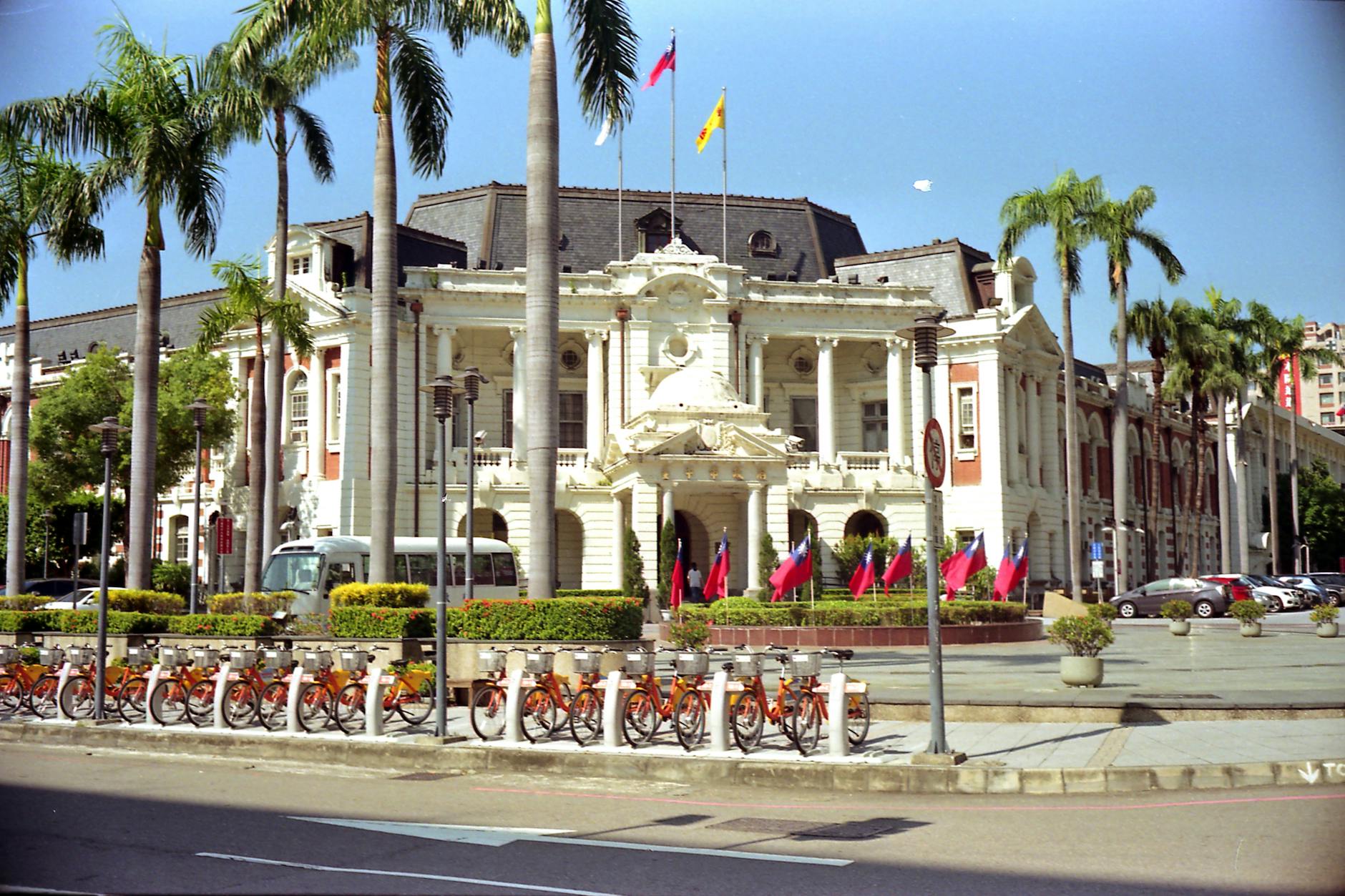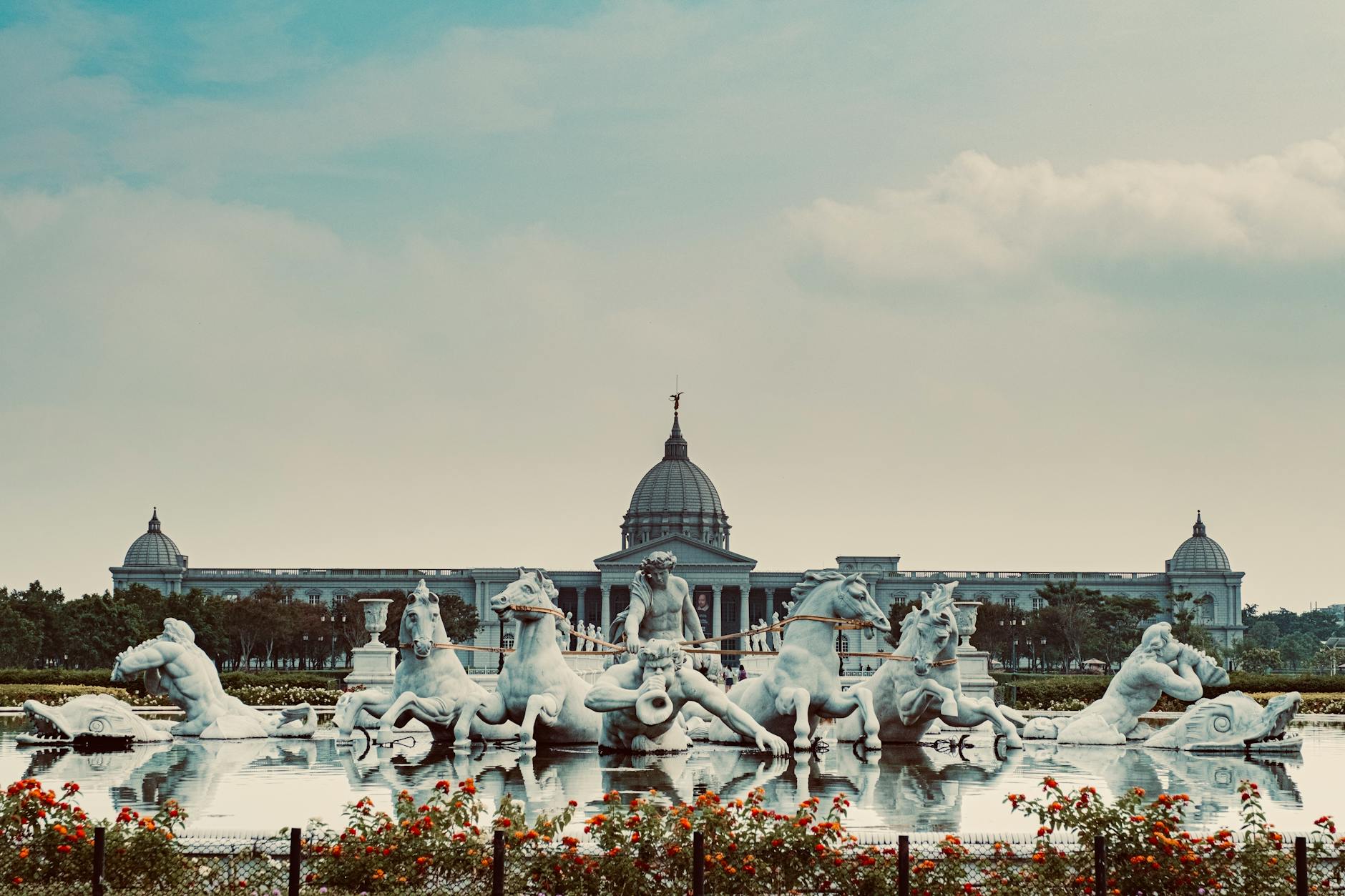
Tainan luxury is not the same product as a skyline hotel weekend in Taipei. The city's strongest high-end experience is usually built from heritage, food, calm pacing, private transfers, thoughtful guiding, restored buildings, temple context, and enough heat management to keep the stay graceful. A traveler who comes looking only for obvious glamour may miss what Tainan does best. A good short luxury stay in Tainan is selective and paced. It chooses fewer places, better transitions, more comfortable meals, and a hotel that supports rest between historic neighborhoods, Anping, temples, and evening food.
Define luxury as comfort, context, and access
A luxury Tainan trip should be designed around comfort, cultural context, private movement, excellent food, and time to enjoy the city without rushing. The best version may include a heritage stay, a thoughtful guide, a private driver, a carefully chosen dinner, and a slower Anping or temple route rather than a long list of status-coded stops.
The traveler should decide what luxury means for this trip: privacy, food, architecture, history, wellness, photography, shopping, or simply an easier version of a complex city.
- Define whether luxury means privacy, food, guiding, heritage hotels, comfort, wellness, or time.
- Use private movement and fewer stops to make the city feel graceful.
- Do not judge Tainan only by the obvious luxury markers of larger capitals.
Choose a hotel that improves the whole day
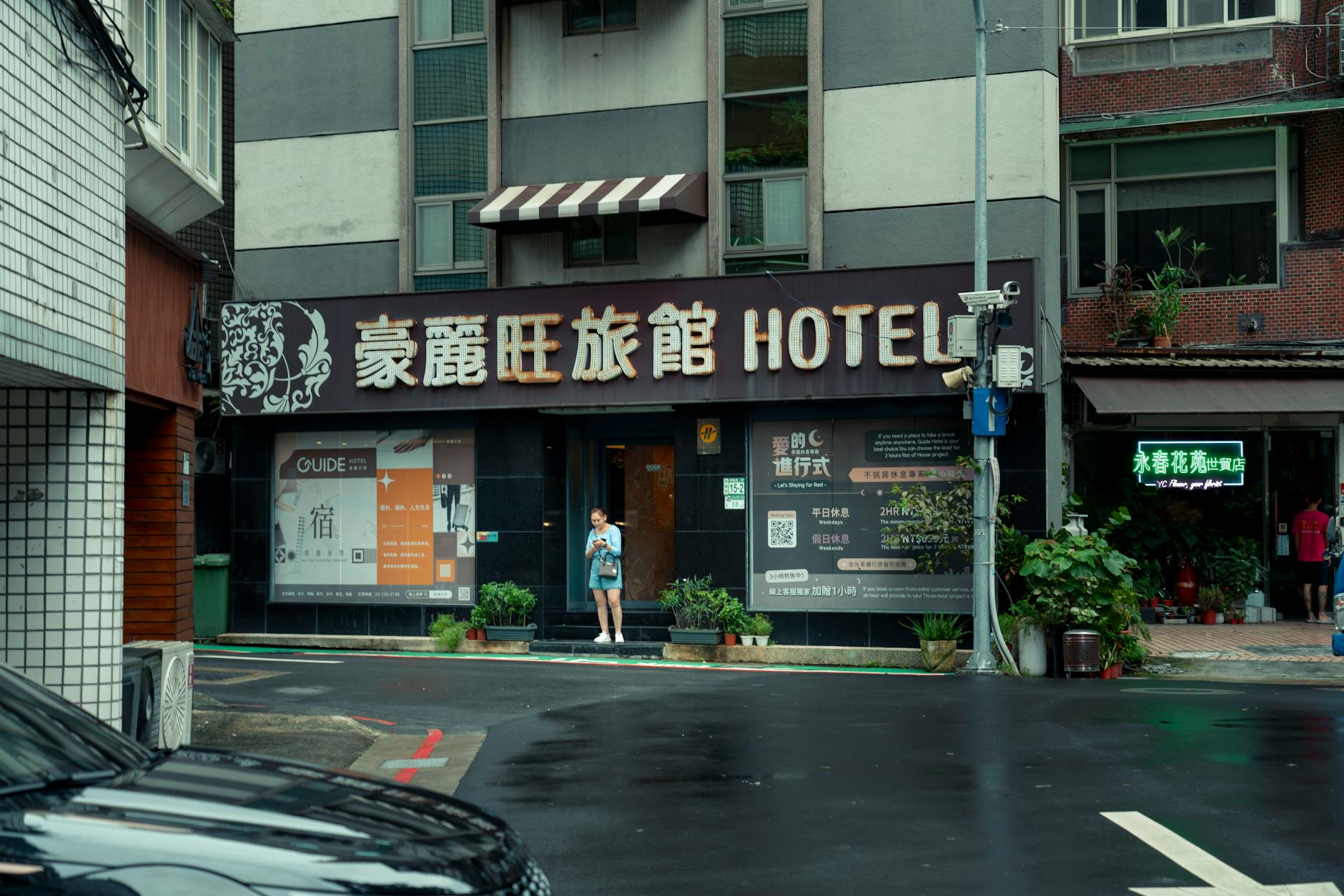
A luxury hotel in Tainan should do more than look good. The traveler should check room quiet, air conditioning, breakfast, concierge support, taxi pickup, luggage handling, laundry, nearby meals, and how easy it is to return for a heat break. A boutique or heritage property can be excellent if it also solves practical movement.
The best base depends on whether the trip leans toward the historic center, Anping, food routes, business obligations, or rail transfers.
- Check quiet, air conditioning, breakfast, concierge support, pickup, luggage, laundry, and nearby food.
- Compare historic center, Anping, station-area, and transfer-oriented bases by actual plans.
- Choose a hotel that works as a comfortable reset point, not only a beautiful room.
Use private transfers where they matter
Private transfers can dramatically improve a short Tainan stay, especially from the high-speed rail station, between scattered heritage sites, after dinner, or during hot and wet weather. The traveler should confirm pickup points, driver contact, payment, language support, waiting time, and whether the driver understands the route or only the destination.
Not every movement needs a car. The best luxury plan uses taxis and walking selectively so the traveler still feels the texture of the city without making comfort fragile.
- Use private transfers for HSR links, Anping, evening returns, heat, rain, and scattered sites.
- Confirm pickup points, contact, payment, language, waiting time, and route expectations.
- Mix short walks with car movement instead of choosing only one mode.
Make food a planned experience
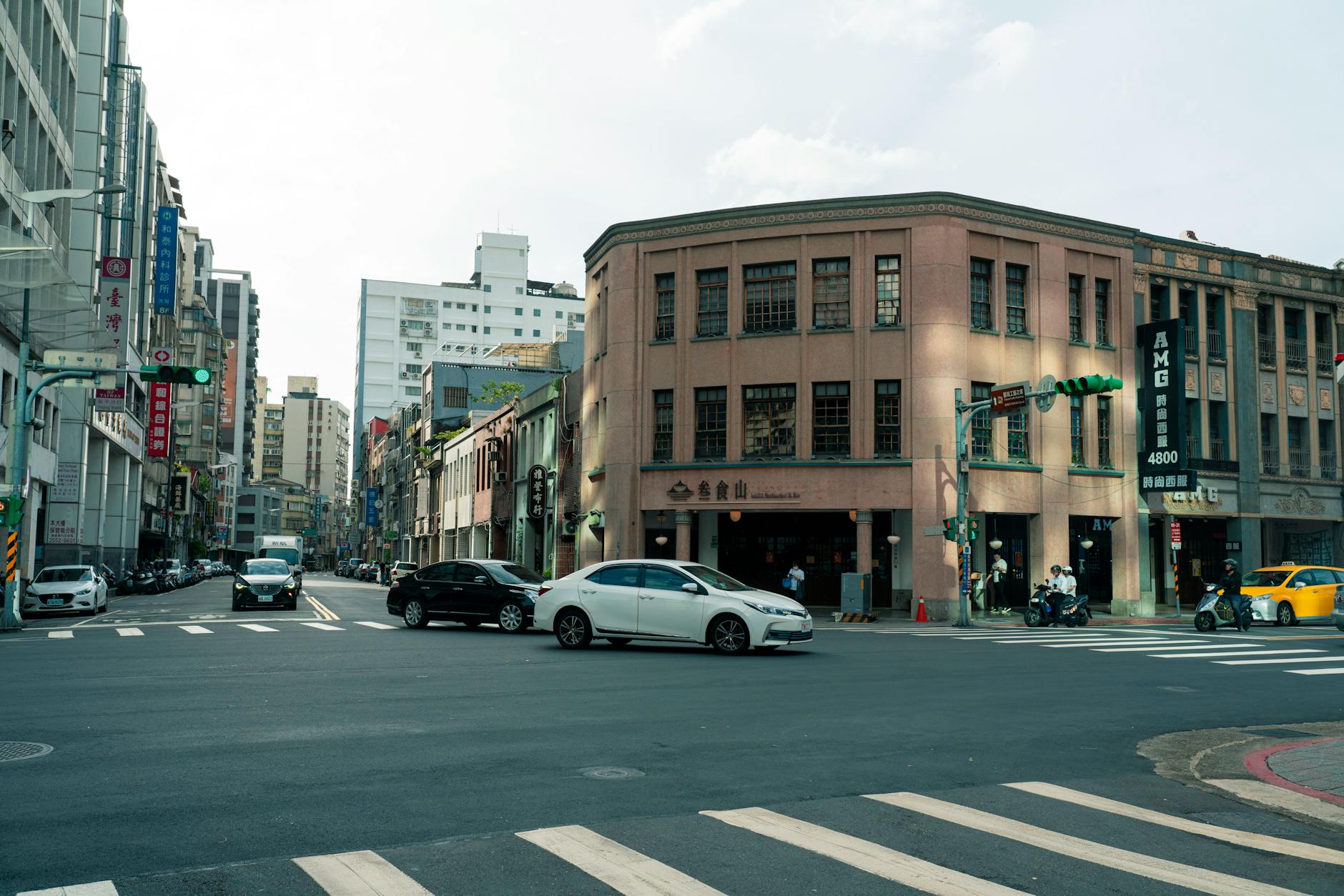
Tainan's food culture can support a luxury trip beautifully, but it should not be reduced to standing in every famous queue. The traveler should decide where a reservation, private guide, driver-supported food route, hotel restaurant, chef-led meal, or comfortable local restaurant is more useful than chasing every snack. Famous stalls can still matter, but they should be chosen deliberately.
Dietary needs, alcohol preferences, seating, hygiene, cash, opening hours, and heat should all be part of the food plan.
- Balance reservations, guided food routes, comfortable restaurants, and selected local classics.
- Check seating, opening hours, hygiene, dietary needs, cash, and heat before committing to queues.
- Use food to deepen the trip rather than making every meal a logistical contest.
Book context, not just access
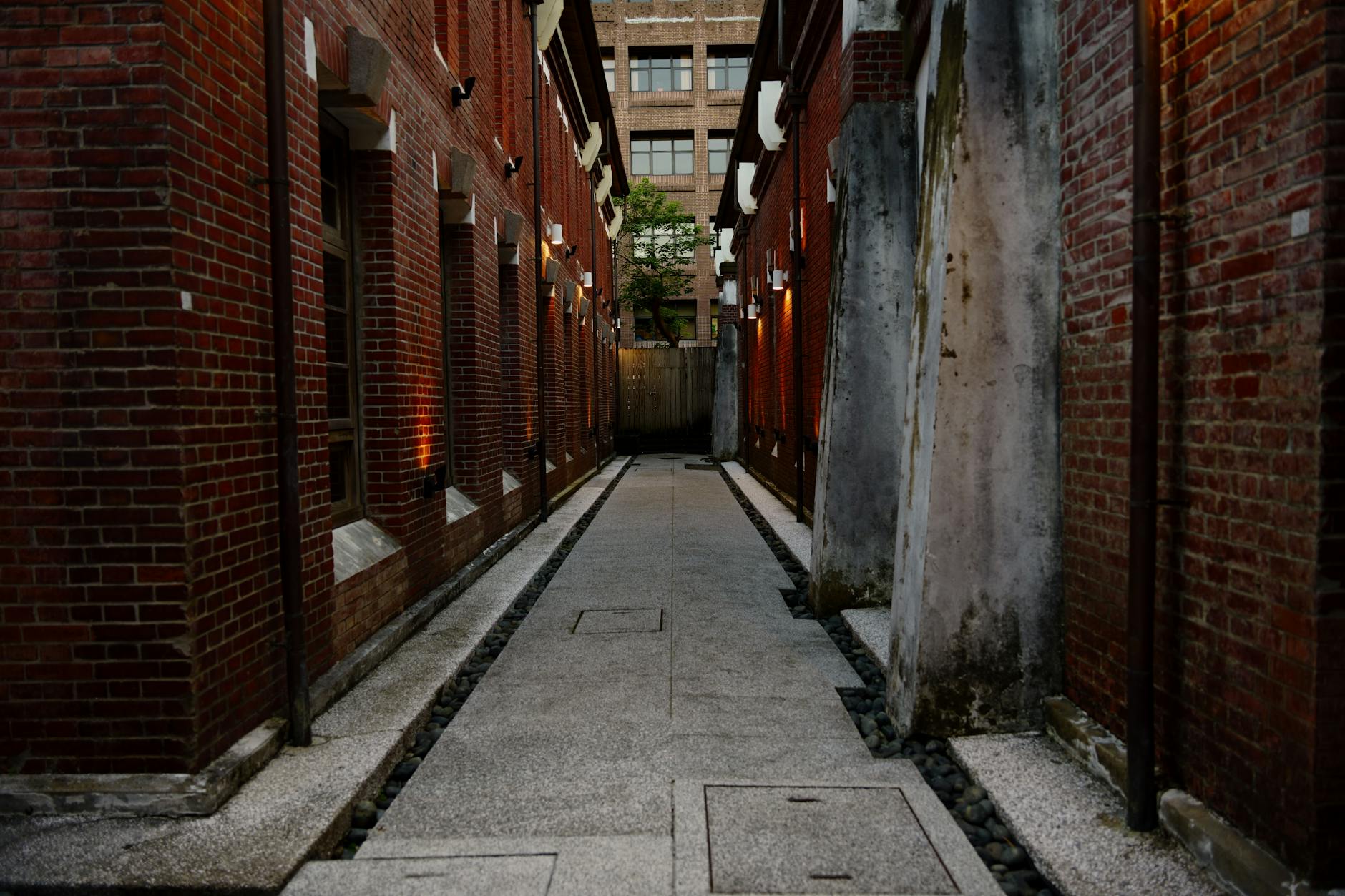
A private guide can be especially valuable in Tainan because temples, old streets, colonial layers, Dutch-era history, local rituals, Anping, and food traditions are easy to look at without understanding. The right guide can help the traveler move respectfully, avoid weak timing, and connect places that would otherwise feel unrelated.
The traveler should match the guide to the purpose: architecture, religion, food, family history, photography, academic context, or a gentle overview.
- Consider a guide for temples, Anping, old streets, food history, architecture, and religious context.
- Match guide expertise to the trip purpose rather than booking a generic overview by default.
- Use context to make fewer stops more meaningful.
Protect quiet, wellness, and weather buffers
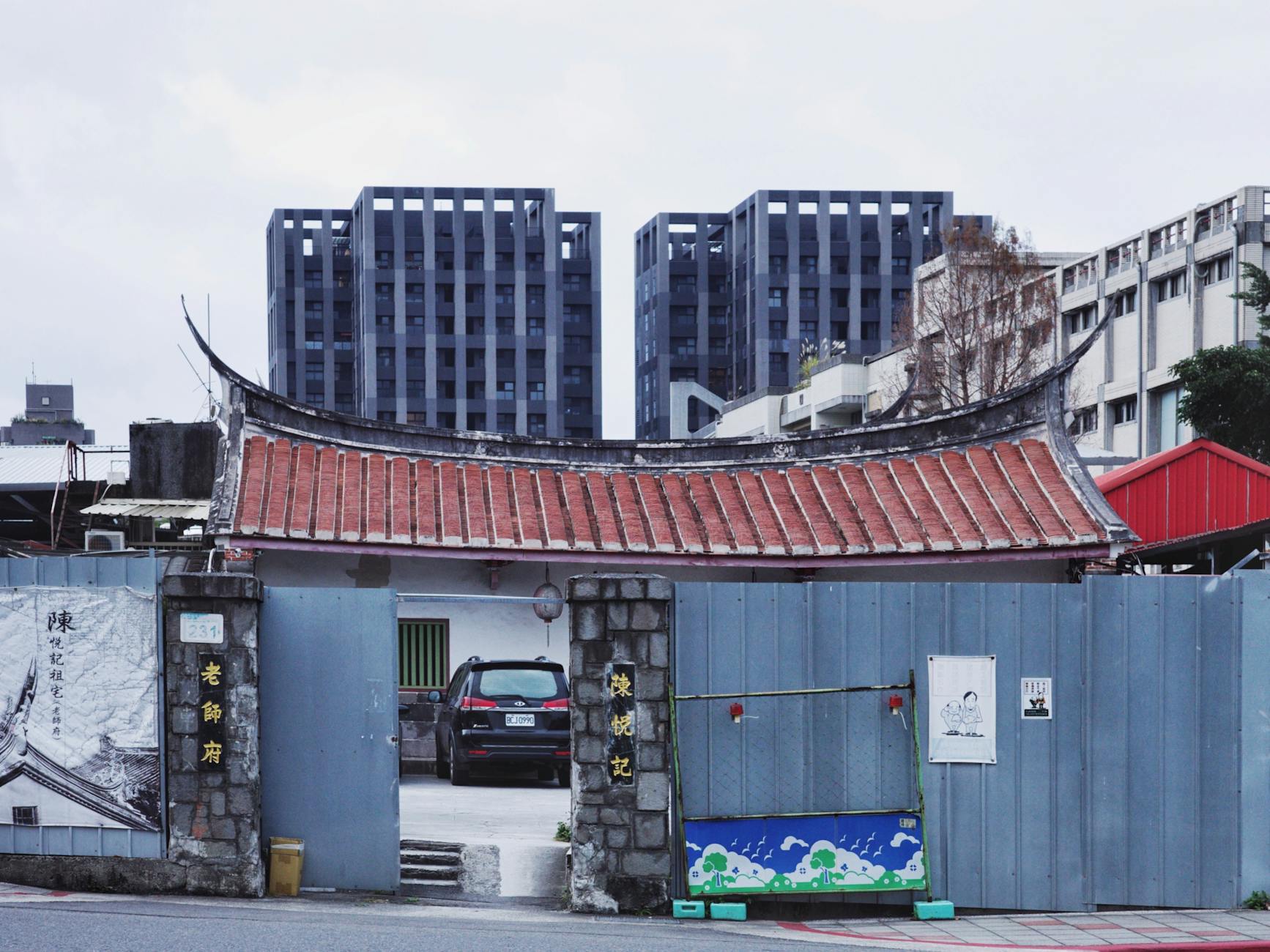
Tainan luxury works poorly when the itinerary ignores heat, humidity, rain, and fatigue. The traveler should build in hotel returns, spa or wellness time if available, tea or cafe pauses, shaded routes, lighter midday plans, and a plan for wet weather. A graceful trip often has more space than a standard sightseeing itinerary.
The goal is not to avoid the city. It is to encounter Tainan with enough energy to appreciate detail.
- Build in hotel returns, wellness time, tea stops, shade, light midday plans, and rain alternatives.
- Treat heat and humidity as design constraints, not inconveniences.
- Leave space so the city feels layered rather than exhausting.
When to order a short-term travel report
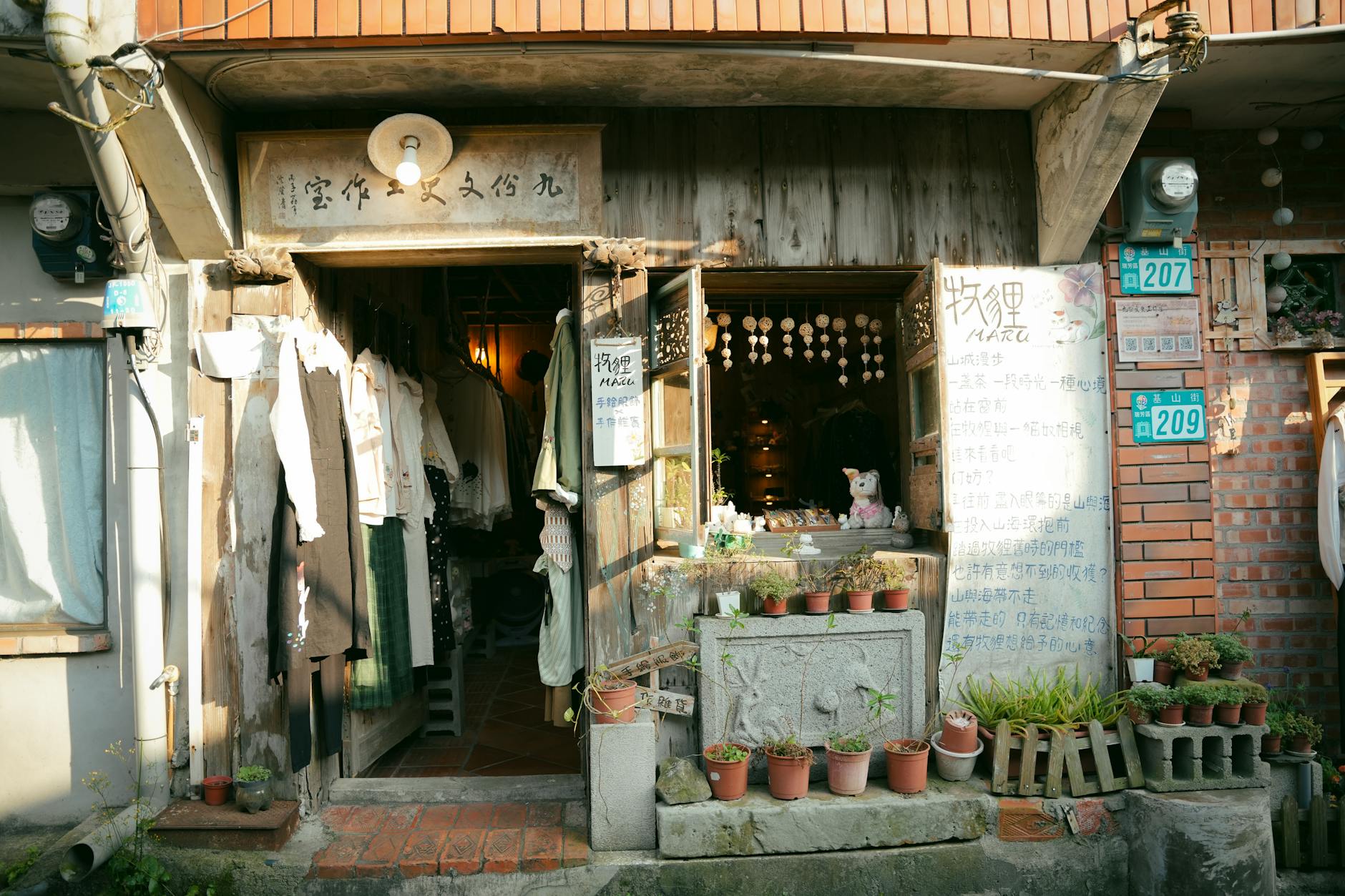
A luxury traveler with a trusted host, driver, and hotel may not need a custom Tainan report. A report becomes useful when the traveler wants a refined short stay, is choosing between boutique and practical hotels, needs private transfers, wants food handled carefully, or wants a guide and route that preserve comfort without flattening the city.
The report should test hotel fit, HSR or airport transfers, private driver needs, restaurant strategy, guide value, Anping timing, temple etiquette, weather, recovery windows, budget, and what to cut. The value is a Tainan luxury stay that feels composed rather than overpacked.
- Order when hotel choice, private transfers, food, guiding, comfort, or weather buffers need testing.
- Provide dates, arrival mode, hotel options, comfort priorities, dining needs, route interests, and budget.
- Use the report to make the luxury trip selective, contextual, and easier to enjoy.