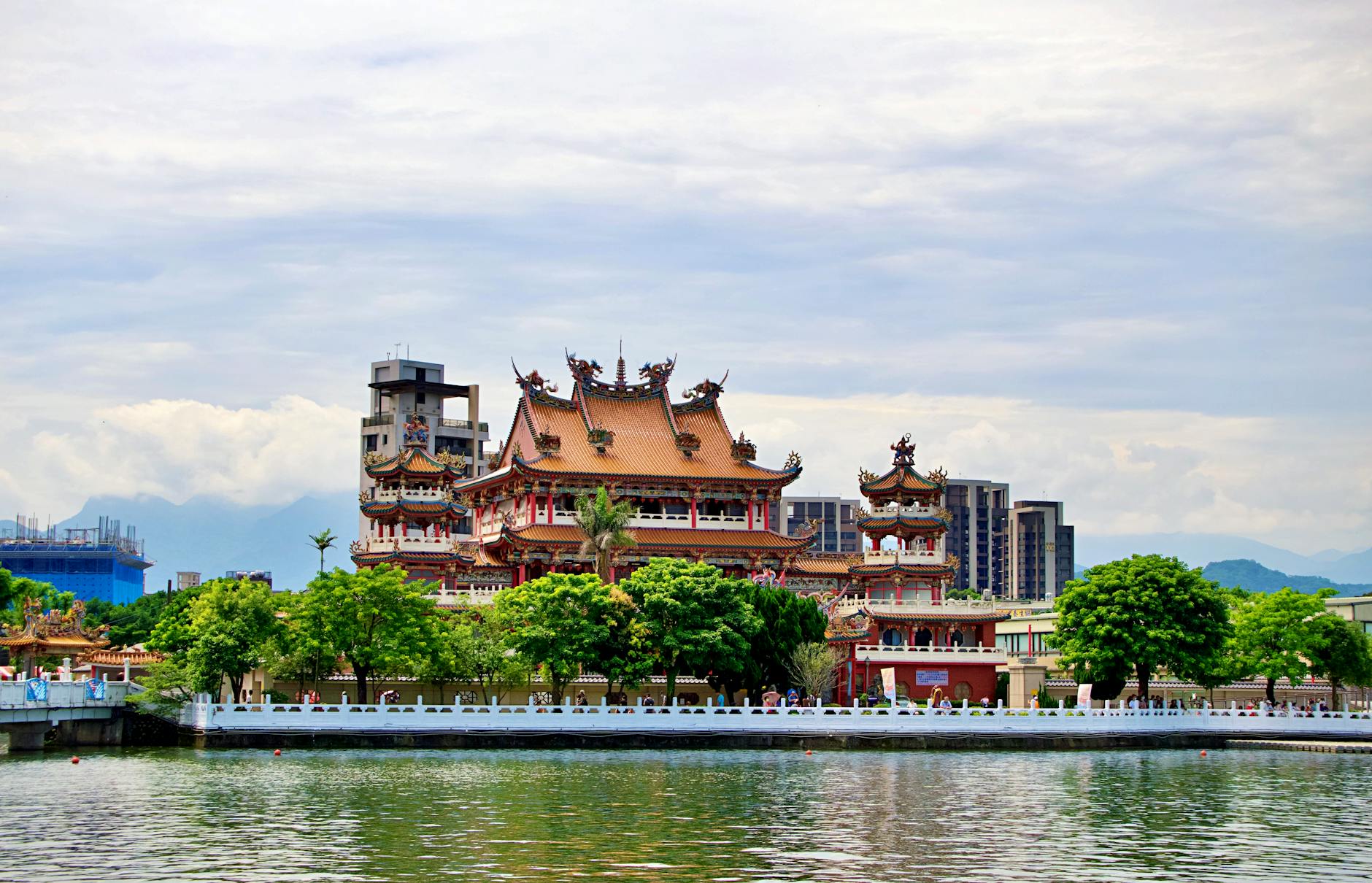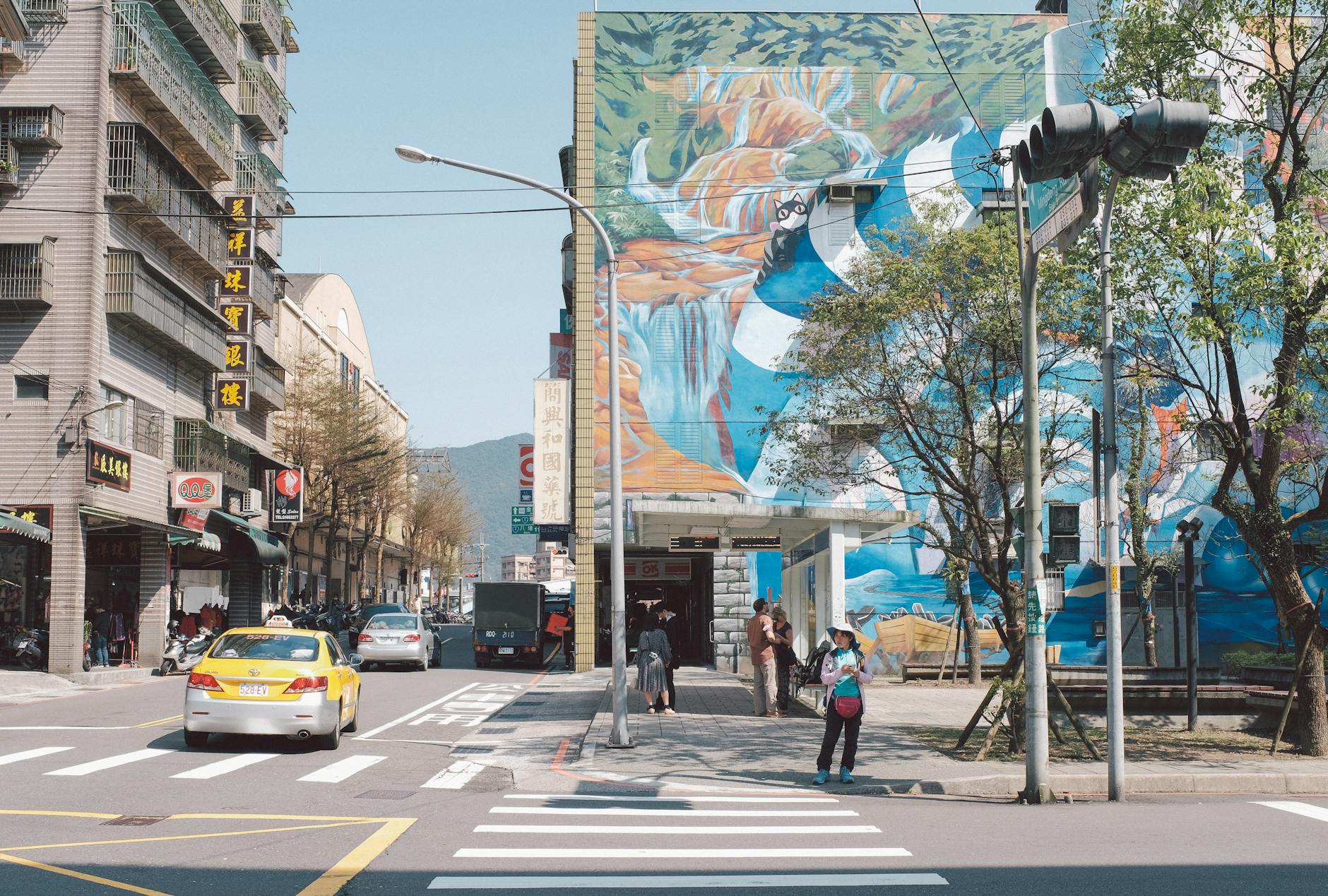
Tainan can be a rich reporting city because heritage, food, religion, industry, education, healthcare, local politics, environment, housing, tourism, and community life intersect visibly. That richness can also make a short reporting trip hard to control. Sources may be spread across the old center, Anping, campuses, hospitals, factories, markets, temples, coastal areas, and government or NGO offices. A good Tainan journalism plan protects reporting quality: source timing, location sequence, translation, permissions, weather, file security, and filing windows. The city rewards patient observation, but deadlines still require structure.
Map sources before building the route
Journalists should map confirmed and tentative sources before booking lodging or transfers. Interviews may involve officials, academics, shop owners, temple contacts, neighborhood leaders, business operators, NGOs, students, doctors, factory staff, or tourism workers. These people may not be near each other, and some may only be available at specific hours.
The reporting route should group sources by geography and story logic. Tainan can absorb wandering, but deadlines usually cannot.
- Map officials, academics, businesses, temples, NGOs, campuses, factories, hospitals, and neighborhood sources.
- Group interviews by geography, availability, and story sequence.
- Choose lodging that supports the reporting route, not only city atmosphere.
Plan interviews for setting and sensitivity
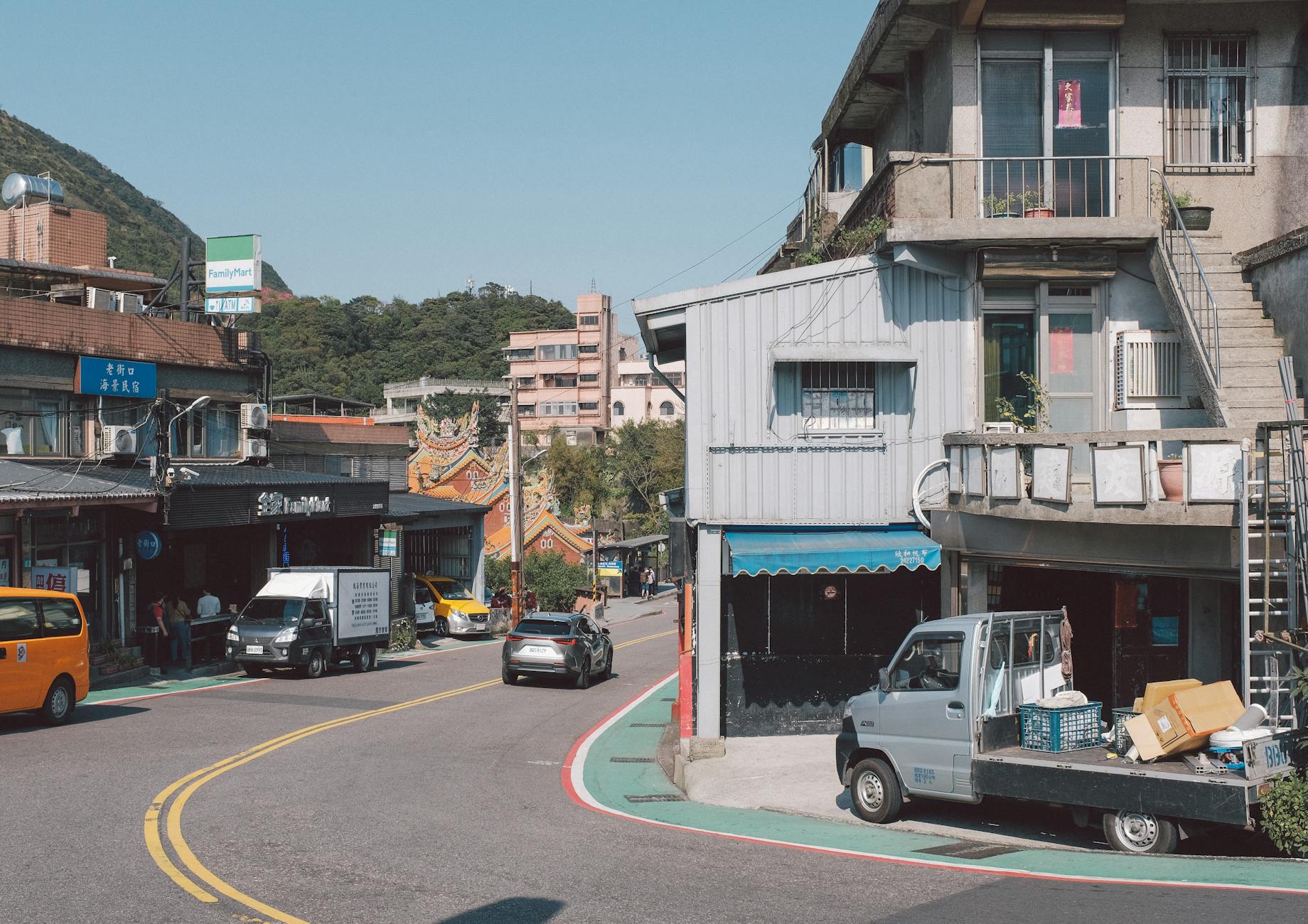
A Tainan interview may happen in a temple, market, cafe, school, clinic, office, factory, home, government building, or outdoor community space. Each setting creates different needs for permission, noise, privacy, recording quality, photography, translation, and respect. A journalist should not assume that a visually strong location is an appropriate interview location.
Sensitive topics require extra care around who is present, how names are used, and whether the source understands the intended publication context.
- Check permission, noise, privacy, recording quality, photography, and translation needs by setting.
- Treat temples, schools, clinics, homes, and community spaces with added care.
- Clarify name use, attribution, and publication context for sensitive interviews.
Make transfer timing conservative
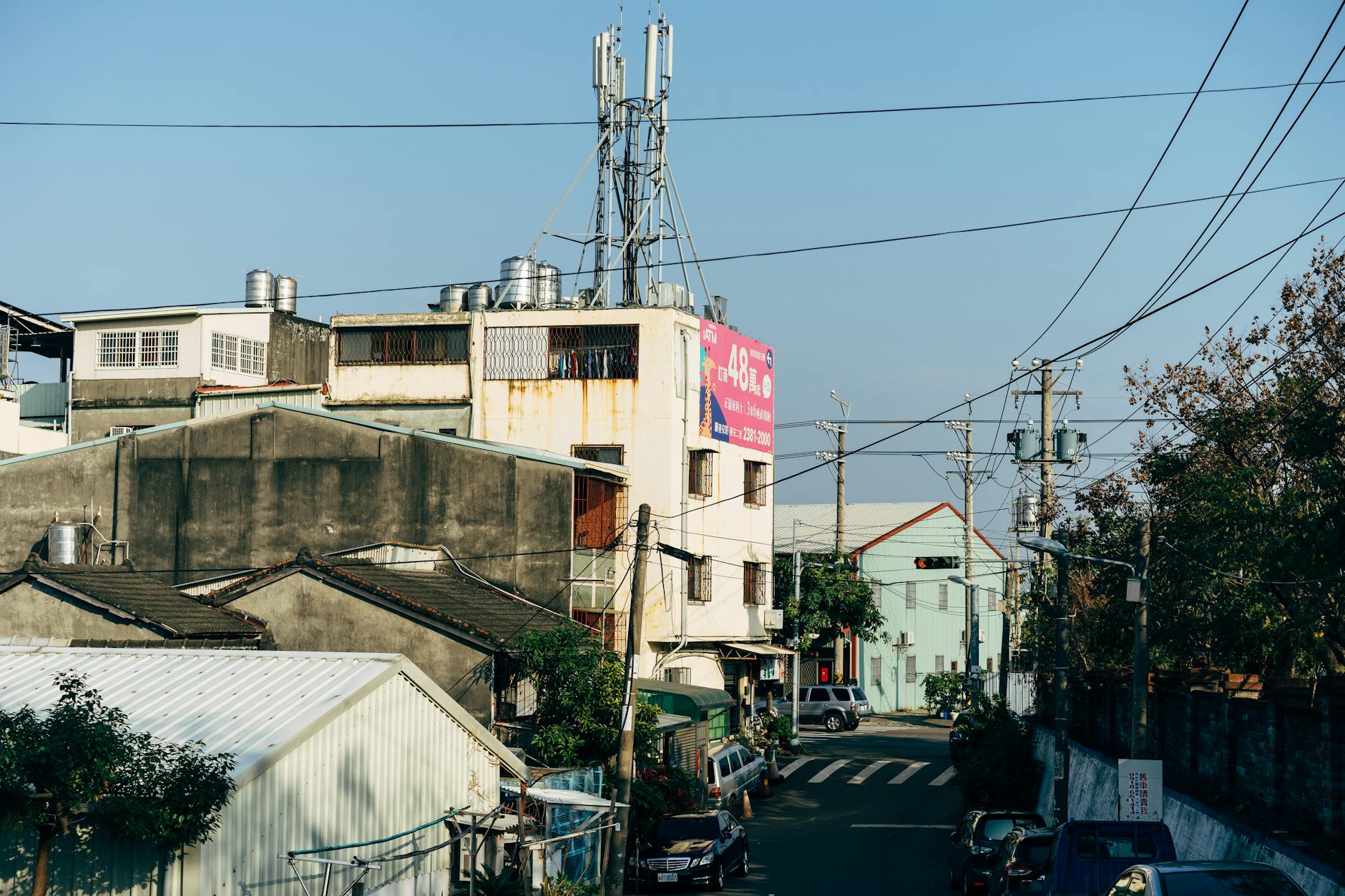
The high-speed rail station, local station, old center, Anping, coastal areas, campuses, and industrial sites are not interchangeable. The journalist should plan HSR, local rail, taxis, host pickup, walking distance, and backup routes before the first interview day. Camera gear, audio equipment, notebooks, batteries, and weather protection add friction.
A missed source window can be more expensive than a missed attraction. Reporting schedules need wider buffers than tourist schedules.
- Plan HSR, local rail, taxis, host pickup, walking distance, and backup routes.
- Account for camera gear, audio equipment, notebooks, batteries, and weather protection.
- Use wider buffers around interviews than around ordinary sightseeing.
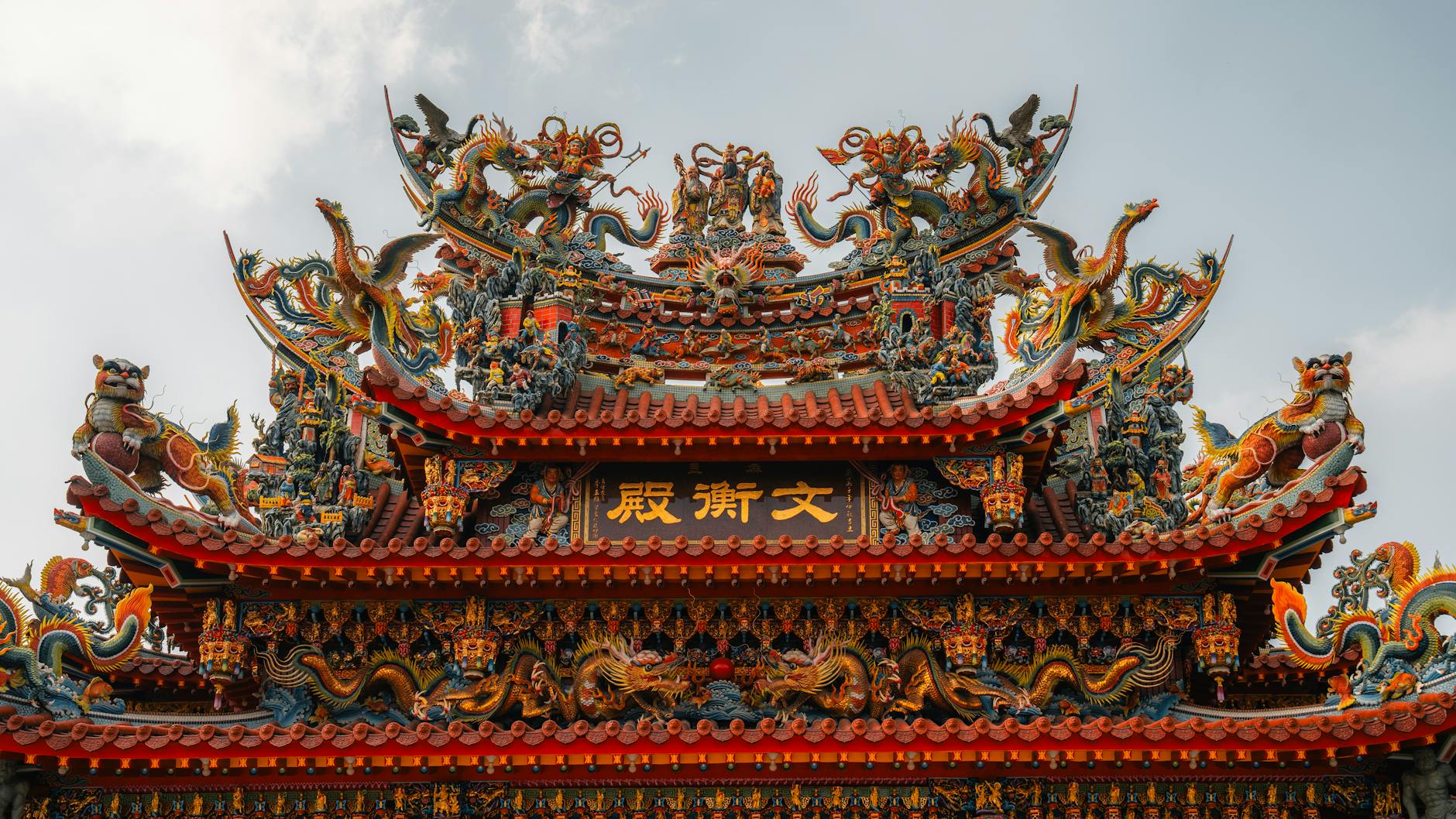
Respect temple, community, and market norms
Tainan's most photographable places are often active religious, commercial, or residential spaces. Journalists should ask before recording or photographing where appropriate, avoid blocking worship or business, and understand when a scene is not theirs to stage. Local texture is not the same as public consent.
If the story involves vulnerable groups, cultural practice, or neighborhood conflict, the journalist should plan community entry through the right contact rather than arriving cold with a camera.
- Ask before recording or photographing where consent, worship, business, or privacy matters.
- Avoid blocking temple activity, market work, residents, and local routines.
- Use appropriate local contacts for vulnerable groups or sensitive community stories.
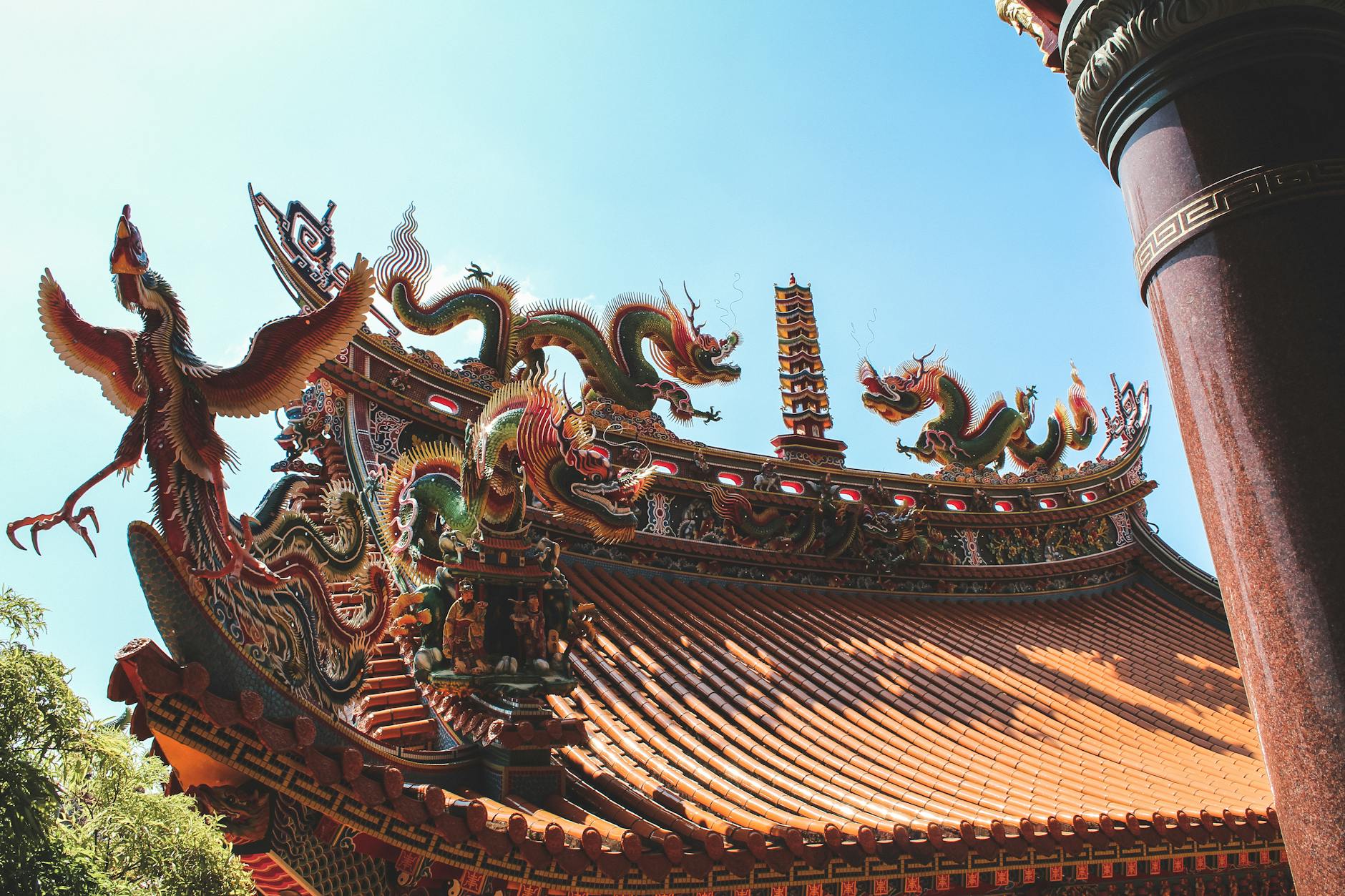
Protect files, notes, and communications
A journalist should plan file security before the first interview. Device charging, backup storage, cloud upload, local data, screen privacy, source-contact protection, translation notes, and secure messaging can all matter. Hotel lobbies, cafes, trains, taxis, and shared spaces should be treated as public work environments.
The reporting trip should include time for file backups and note cleanup each day. Memory and battery discipline are part of editorial quality.
- Plan charging, backups, cloud upload, local data, source contacts, translation notes, and secure messaging.
- Treat cafes, lobbies, trains, taxis, and shared spaces as public work environments.
- Reserve daily time for file backups and note cleanup.
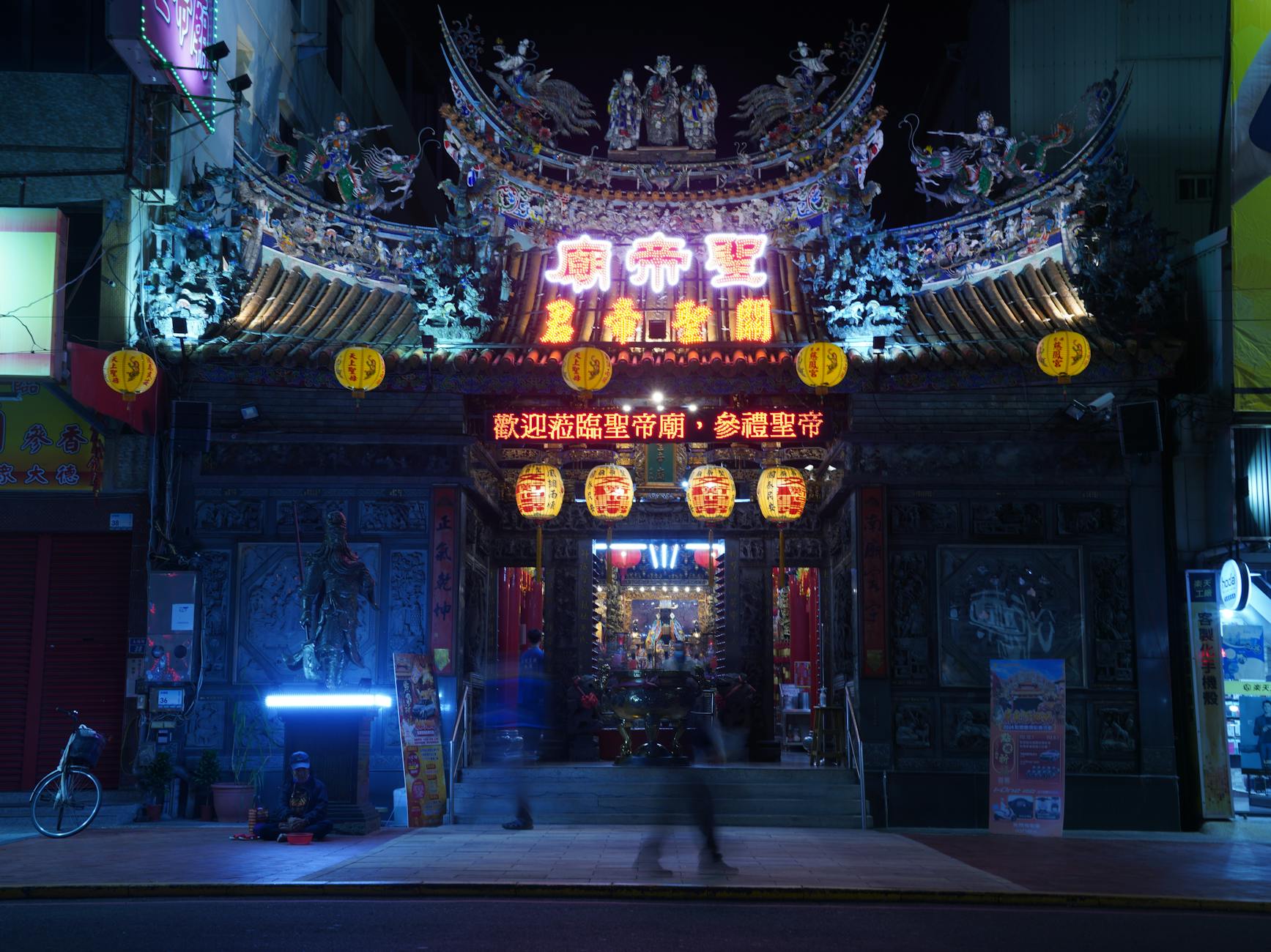
Plan filing time around heat and access
Tainan heat, humidity, rain, and field movement can drain a journalist before the writing starts. The hotel should support quiet work, reliable Wi-Fi, cooling, desk space, late-night filing, calls, and receipts. A story trip with no filing window often turns into a collection of fragments.
The journalist should decide which hours are for reporting and which are for processing. Without that division, the city can become too interesting to finish the work.
- Choose lodging with quiet, Wi-Fi, desk space, cooling, calls, late filing, and receipt support.
- Separate reporting hours from writing, editing, uploading, and source follow-up.
- Use heat and rain breaks for processing when field conditions are poor.
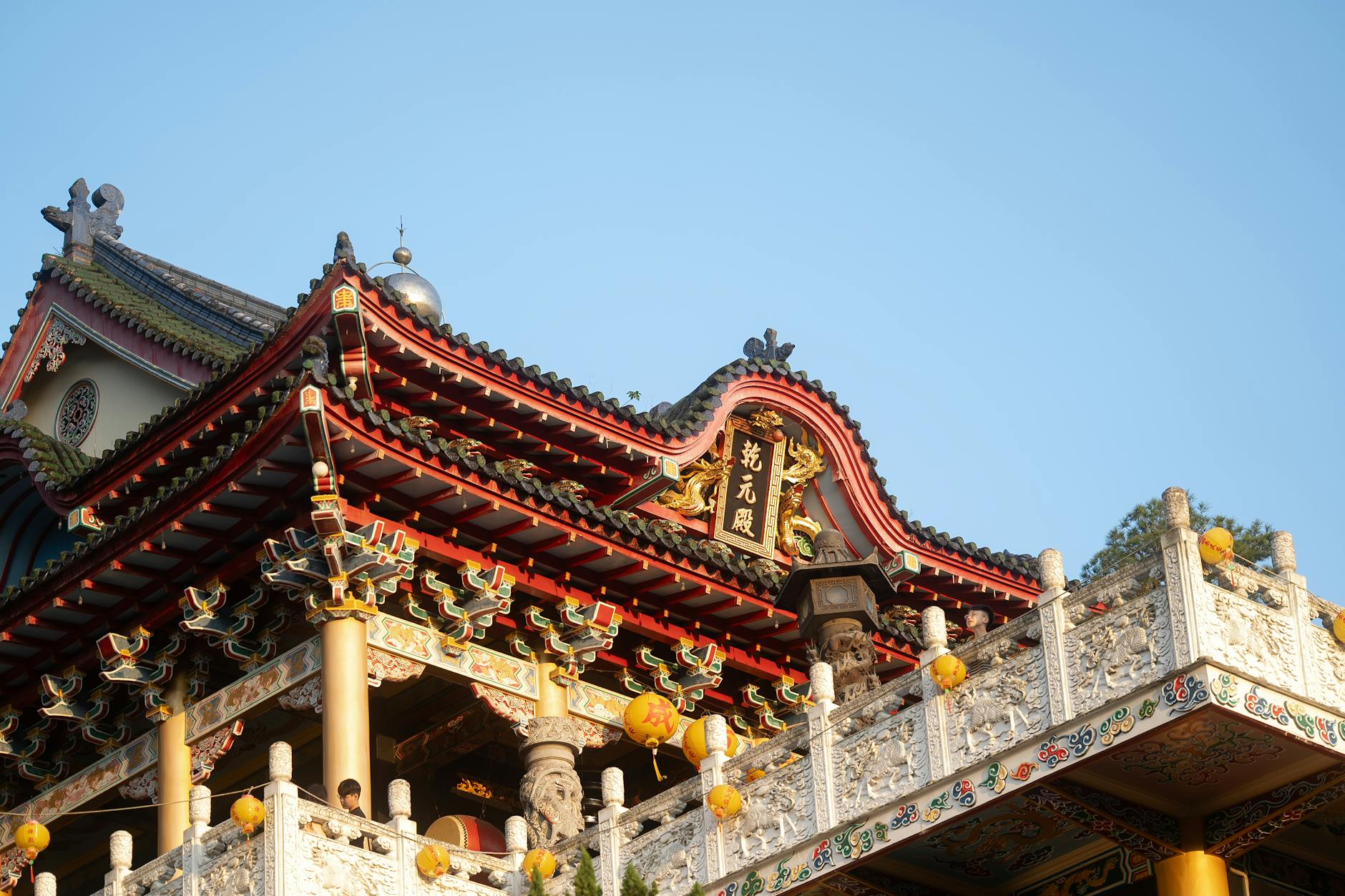
When to order a short-term travel report
A journalist with one hosted interview and simple lodging may not need a custom Tainan report. A report becomes useful when sources are spread out, interviews are sensitive, translation or permissions matter, HSR timing is tight, equipment and file security need planning, or the story requires a careful balance between heritage, community, and business settings.
The report should test source geography, lodging fit, HSR and taxi routes, interview settings, permissions, translation needs, weather, file workflow, filing windows, budget, and what to cut. The value is a Tainan reporting trip that supports better work under deadline pressure.
- Order when source geography, interviews, permissions, translation, equipment, or filing windows need testing.
- Provide dates, story focus, source areas, interview times, gear needs, lodging options, and budget.
- Use the report to make the reporting trip controlled, respectful, and deadline-aware.