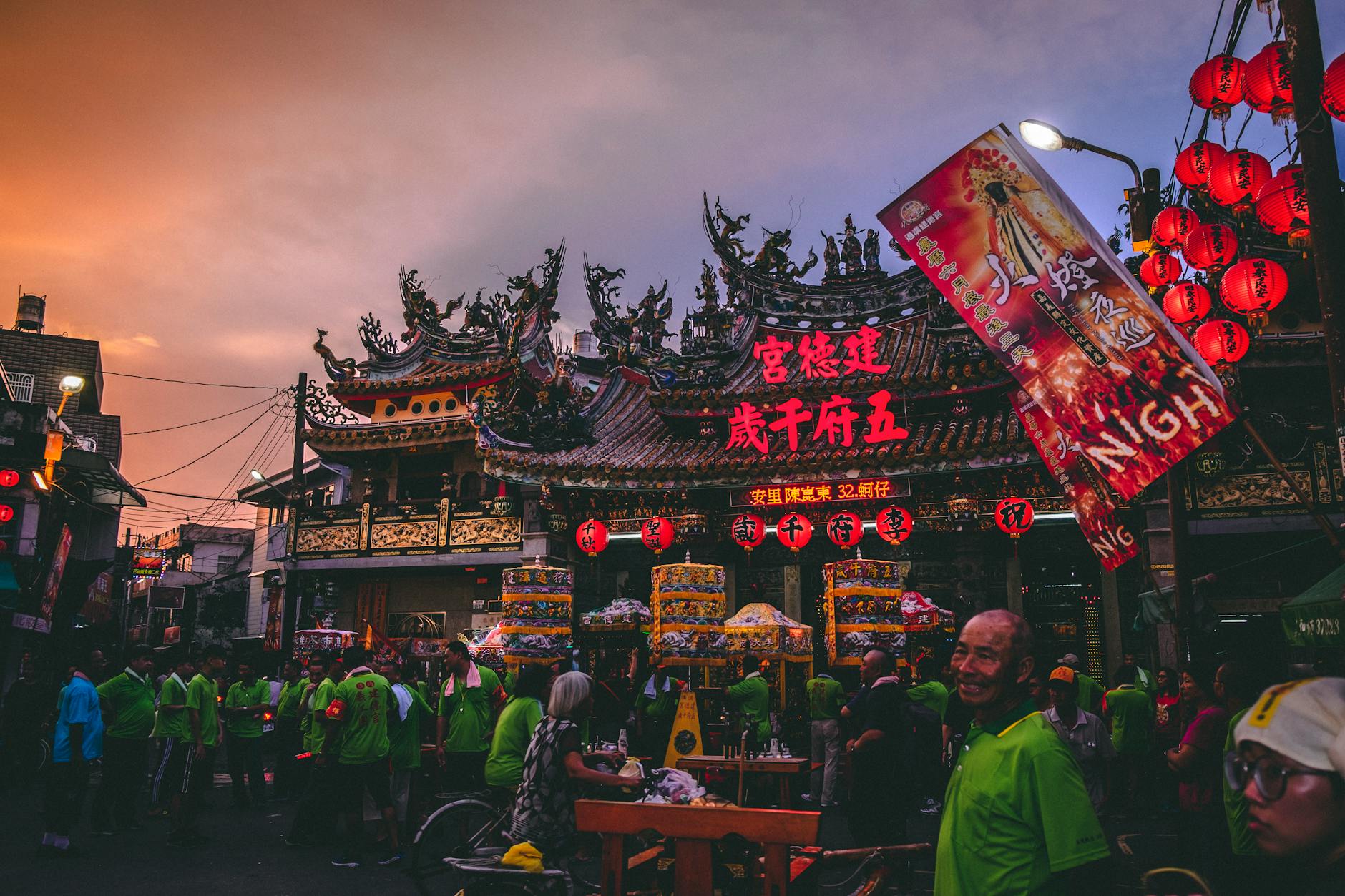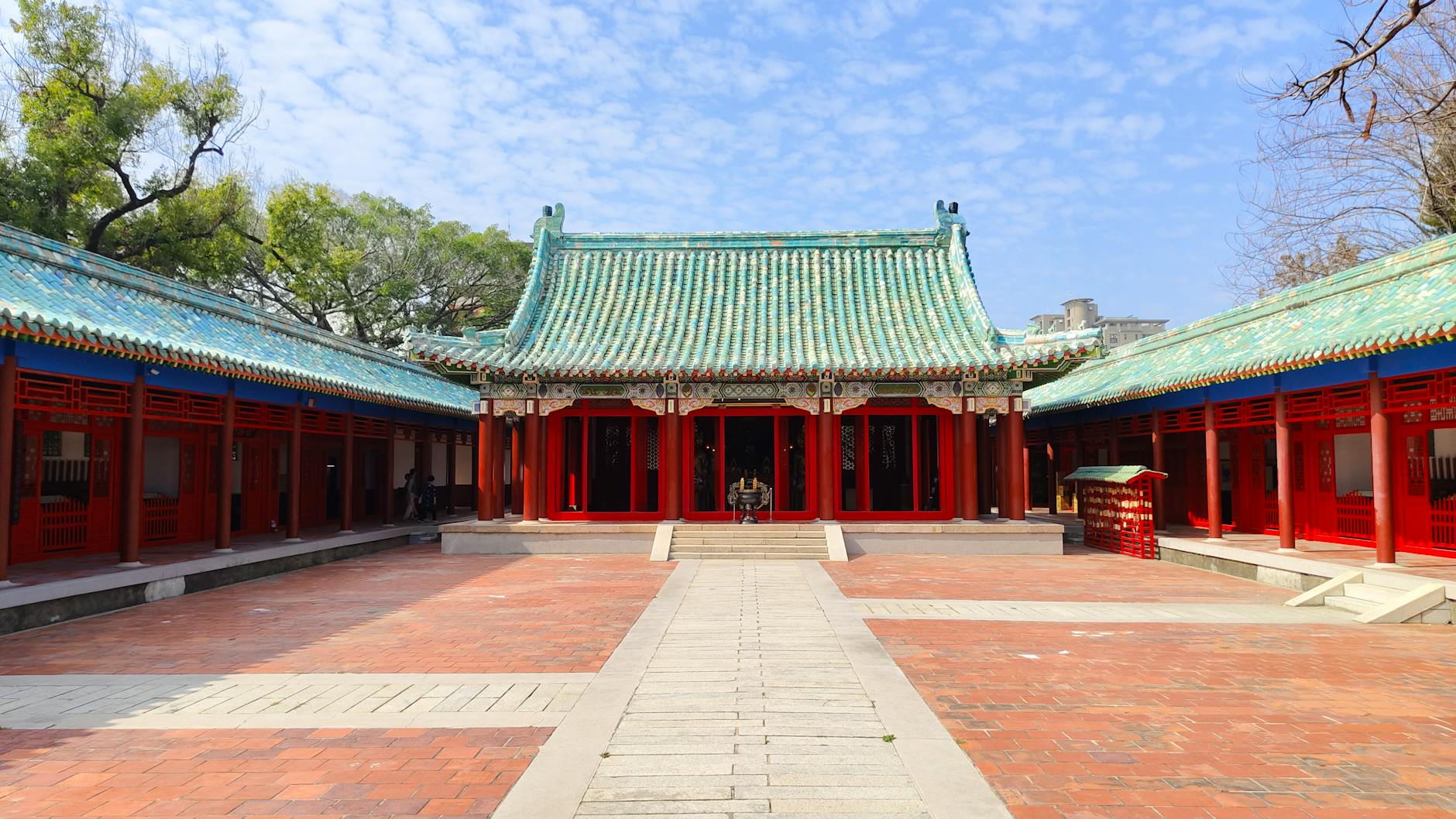
Tainan rewards first-time visitors who slow down enough to understand the city instead of treating it as a quick checklist of temples, snacks, and old streets. The city has deep history, layered religious life, serious food culture, Anping, museums, markets, and neighborhoods that feel different from Taipei or Kaohsiung. It is compact in parts, but not frictionless. A good first Tainan visit chooses a base, a small number of anchors, and a realistic food and transport rhythm. The traveler should leave with a clear sense of the city rather than a blur of taxis, queues, and overheated walks.
Choose a base for the first visit
A first-time visitor should choose lodging by how the first two days will actually work. The historic center, Tainan Station area, Anping, and HSR-accessible choices all create different trips. A charming stay can still be awkward if every meal, temple, museum, and departure requires extra transfers.
The base should support walking, taxis, meals, heat breaks, luggage, and the departure route. Tainan is much easier when the hotel acts as a practical reset point.
- Compare historic center, Tainan Station, Anping, and HSR-accessible bases by route needs.
- Choose lodging that supports walking, taxis, meals, heat breaks, and departure timing.
- Do not book only by atmosphere if transfers will dominate the stay.
Build around a few historic anchors
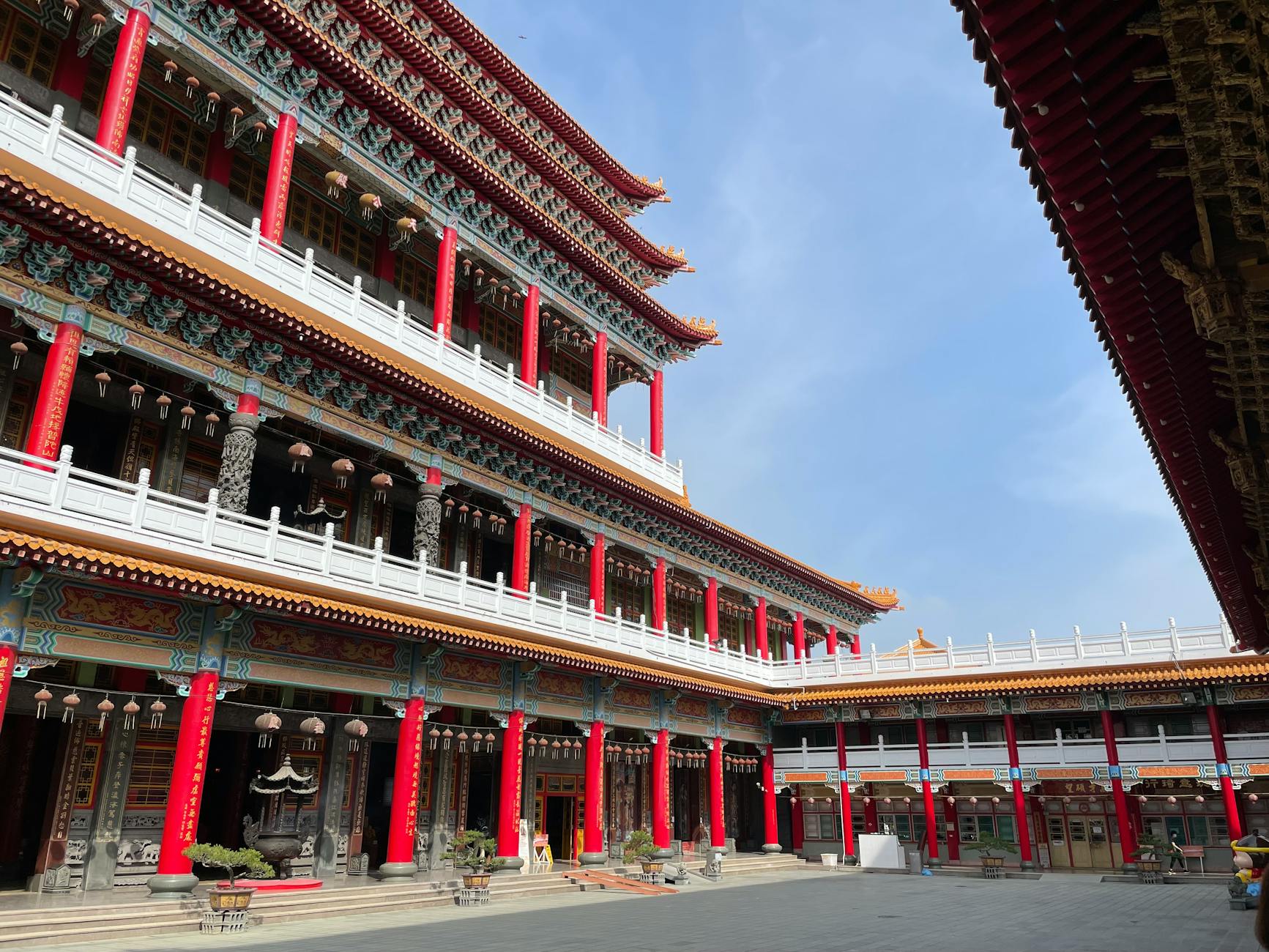
Tainan's first-visit appeal comes from depth, not speed. Chihkan Tower, Confucius Temple, Anping Fort area, old streets, major temples, museums, and neighborhood lanes can all matter, but they should be grouped carefully. The traveler should choose a few anchors and let nearby food and walks connect them.
Trying to force every famous site into a short stay usually makes Tainan feel hotter, flatter, and more confusing than it is.
- Select a few historic anchors instead of chasing every famous stop.
- Group Chihkan, Confucius Temple, Anping, old streets, temples, and museums by geography.
- Use nearby food and walks to connect the day rather than adding more transfers.
Treat temples as living places
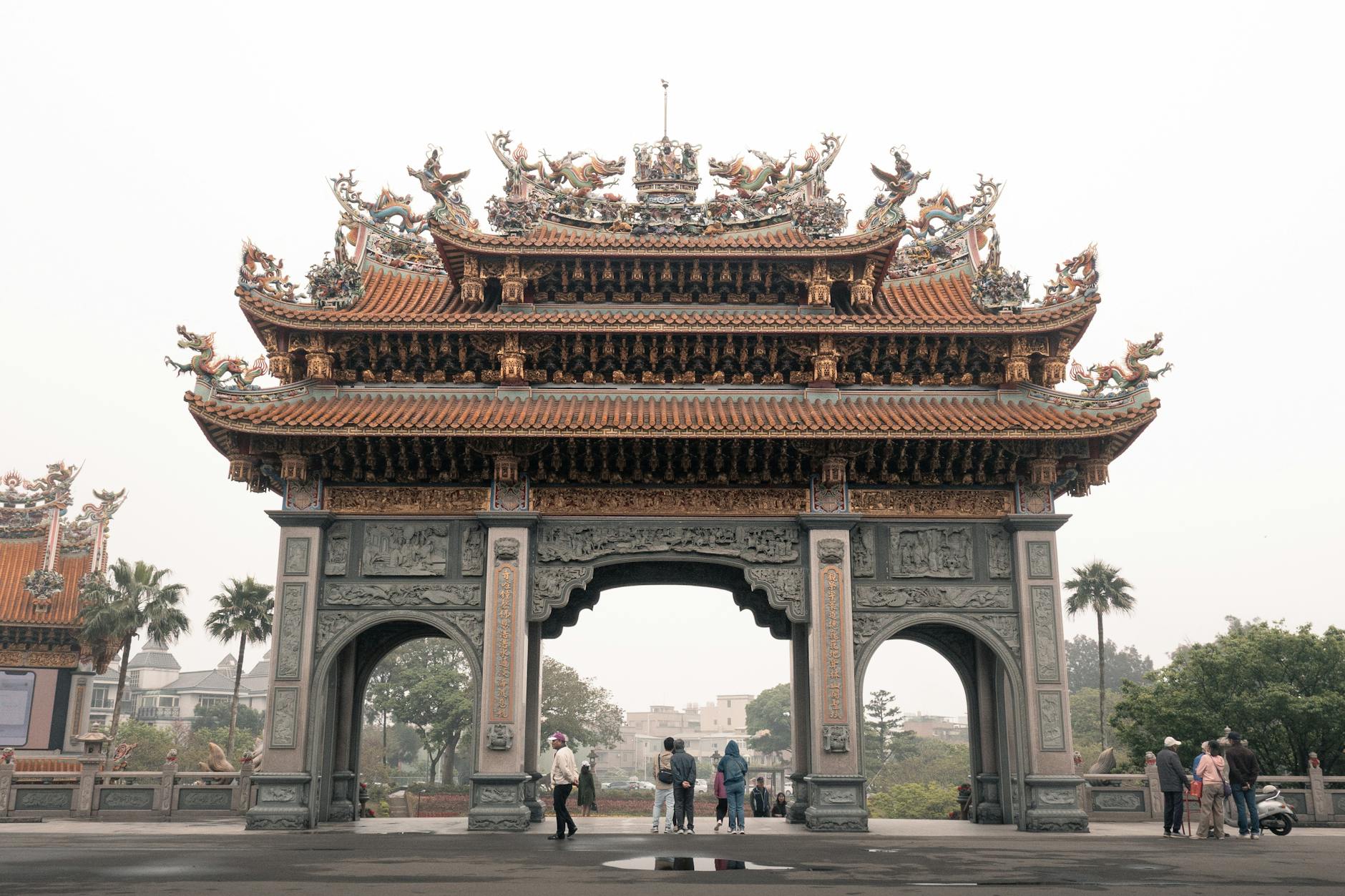
Tainan's temples are central to the city, but first-time visitors should approach them as active religious spaces rather than visual set pieces. Clothing, photography, incense, offerings, processions, crowding, prayer areas, and speaking volume deserve attention. A slower visitor will usually understand more and behave better.
The traveler should also leave room for smaller temples and neighborhood rituals. Some of the city's strongest moments are not the largest sites.
- Prepare for temple etiquette, photography limits, incense, offerings, crowding, and prayer areas.
- Move slowly and watch local behavior before entering active spaces.
- Leave room for smaller temples and neighborhood religious life.
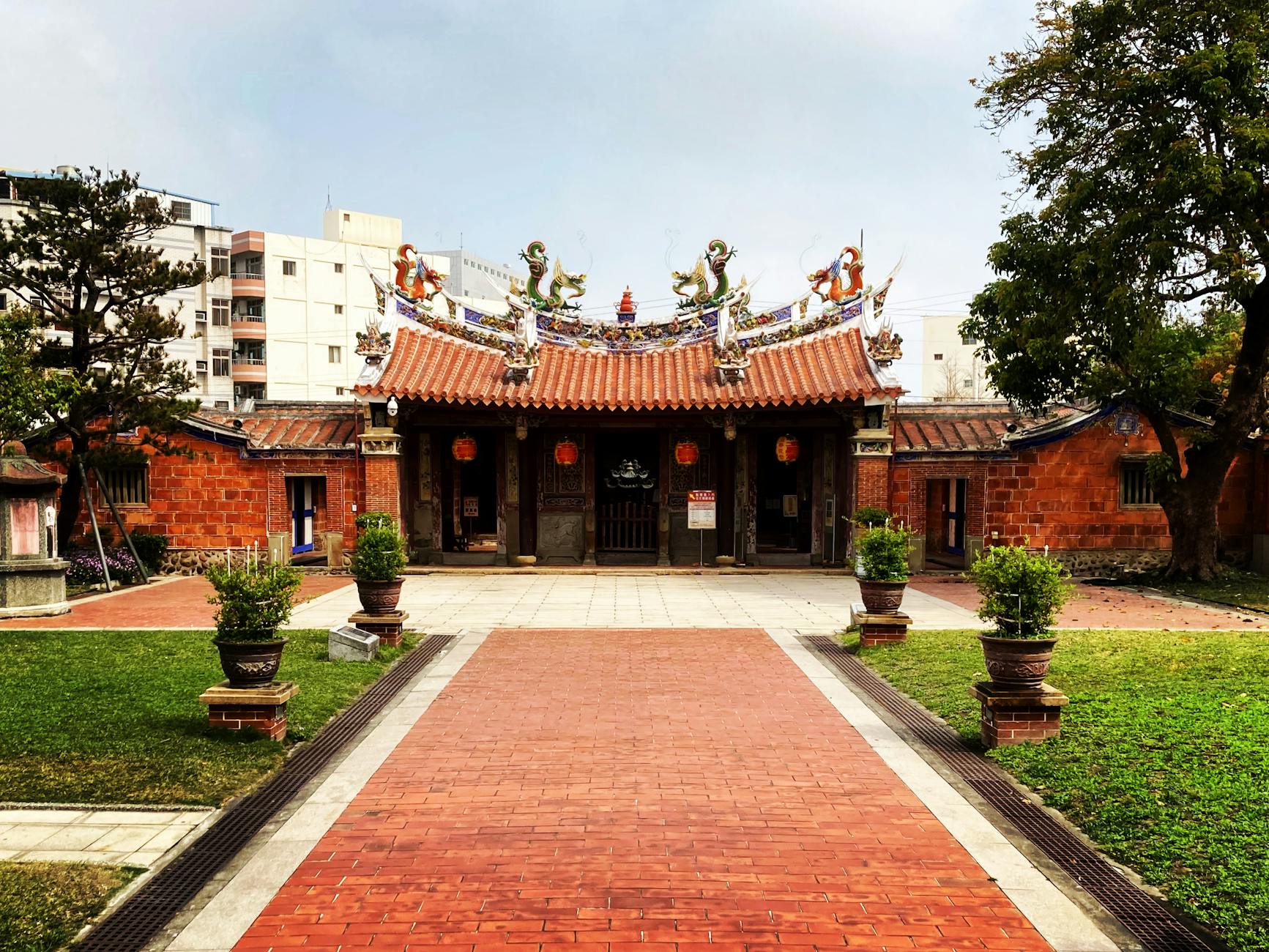
Plan food without turning the trip into a queue
Food is one of Tainan's main reasons to visit, but first-timers should avoid planning the whole trip as a famous-snack hunt. Queues, opening hours, seating, heat, cash, allergies, portion size, and neighborhood order all matter. A stronger plan mixes well-known foods with convenient meals near the route.
The traveler should keep meals flexible enough for weather and appetite. Tainan food is best when it supports the day rather than controlling every hour of it.
- Check queues, opening hours, seating, cash, allergies, heat, and neighborhood sequence.
- Mix famous foods with convenient meals near the actual route.
- Let food support the trip instead of turning every hour into a queue.
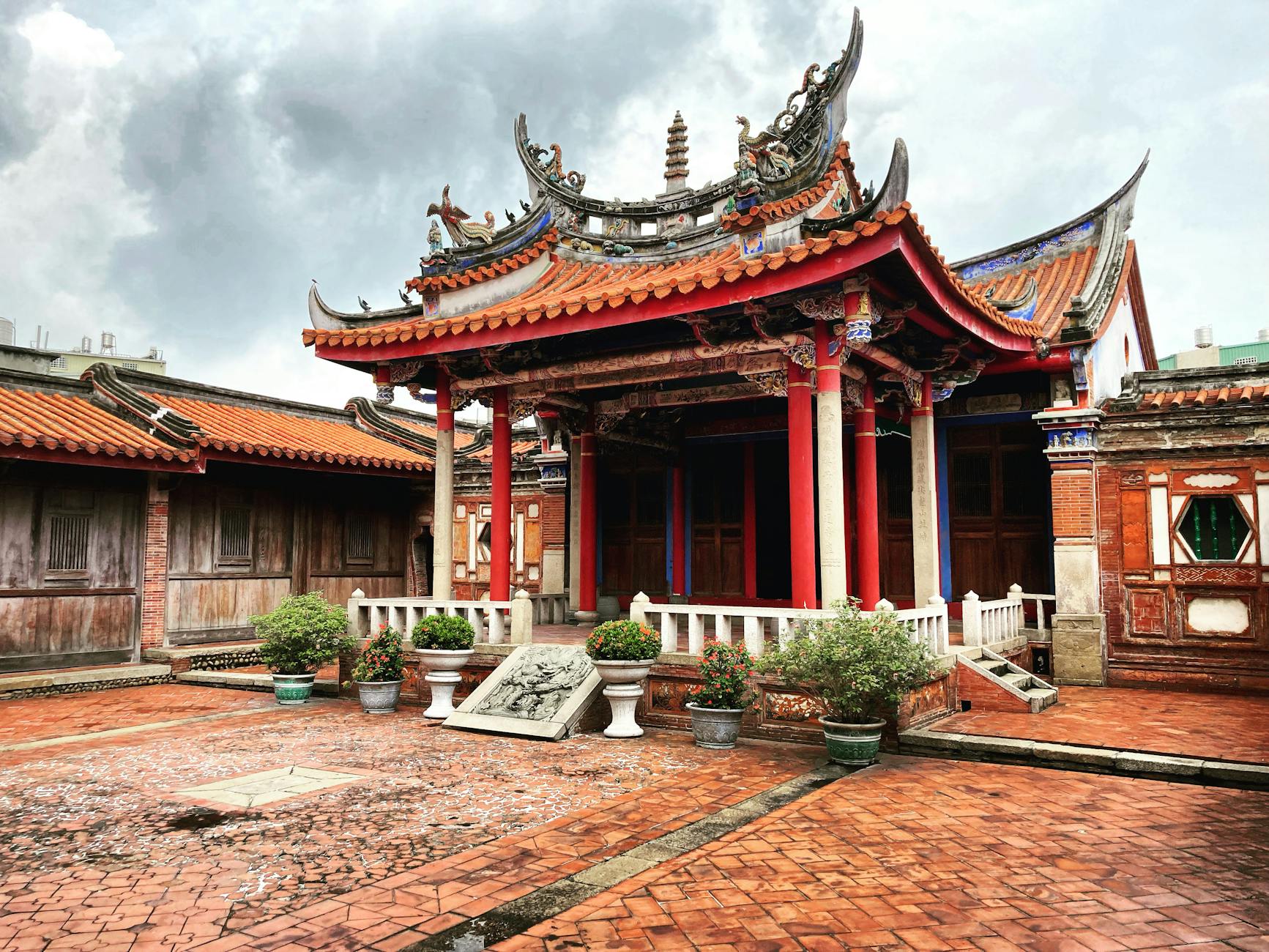
Respect heat, rain, and transfer friction
First-time visitors often underestimate Tainan's heat, humidity, rain, and walking burden. Shade, taxis, rest breaks, water, sunscreen, umbrellas, indoor stops, and hotel returns should be part of the plan. Sidewalk conditions and street crossings can also make short distances feel longer.
The itinerary should have a midday-light version and a rain version. That keeps the trip from depending on perfect weather and unlimited stamina.
- Plan shade, taxis, rest breaks, water, sunscreen, umbrellas, and indoor stops.
- Treat sidewalks, crossings, and heat as real route factors.
- Keep midday-light and rain versions of the itinerary ready.
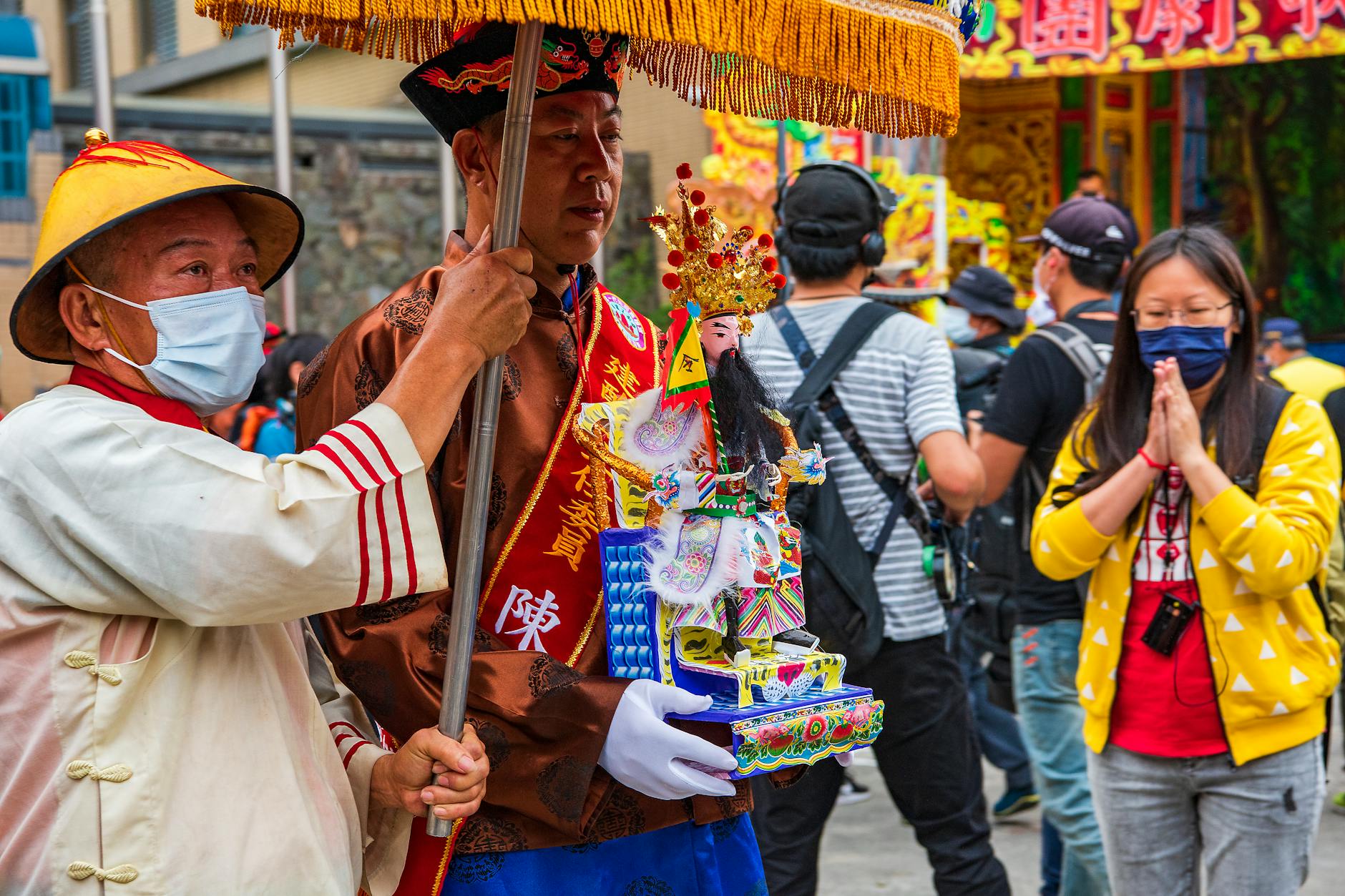
Be selective with Anping and day trips
Anping can be one of the best parts of a first Tainan visit, but it deserves time rather than a hurried add-on. Fort areas, old streets, waterfront context, snacks, and sunset timing can work well if the traveler accounts for transport and heat. Broader day trips should be chosen with restraint.
A first visit usually does better with a strong Tainan core and one Anping window than with an ambitious attempt to cover the whole region.
- Give Anping enough time for historic sites, old streets, food, and waterfront context.
- Check transport, heat, return timing, and sunset plans before adding Anping.
- Avoid ambitious regional day trips unless the Tainan core is already protected.
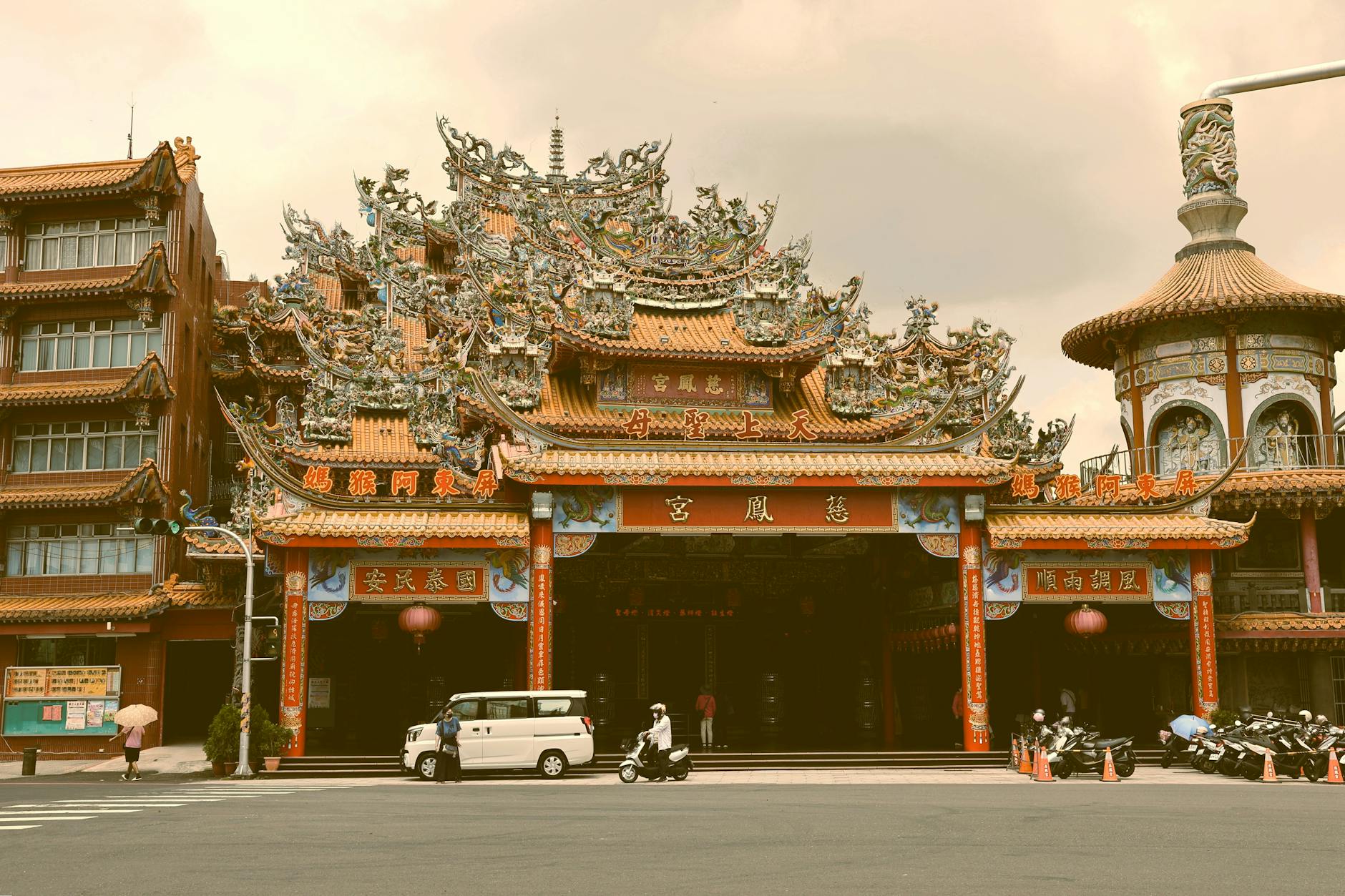
When to order a short-term travel report
A first-time visitor with several open days and a relaxed attitude may not need a custom Tainan report. A report becomes useful when the stay is short, arrival and departure involve HSR or airports, the traveler wants food and history without overloading, heat or mobility matter, or the hotel choice is uncertain.
The report should test hotel base, historic clusters, Anping timing, meals, transport, weather, temple etiquette, heat breaks, departure logistics, budget, and what to cut. The value is a first Tainan visit that feels coherent instead of merely busy.
- Order when hotel base, historic routing, food, Anping, transport, heat, or mobility need testing.
- Provide dates, arrival mode, hotel options, food priorities, interests, constraints, and budget.
- Use the report to make the first visit coherent, respectful, and realistically paced.