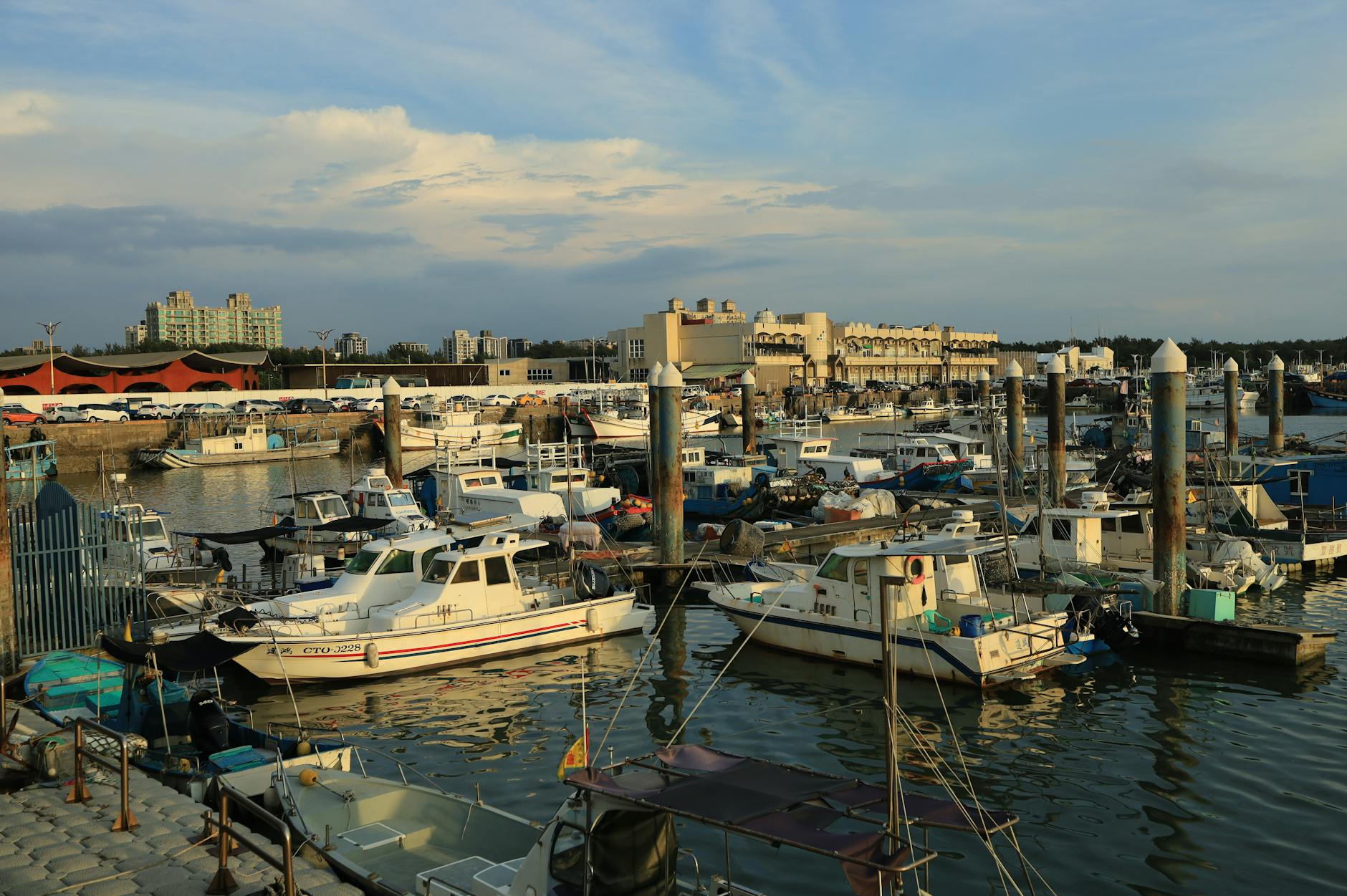
Tainan is not usually the simple version of a cruise call where the ship docks beside the old center and the day unfolds on foot. A traveler may be arriving through Kaohsiung, Anping-area arrangements, a coastal excursion, or a privately arranged transfer that uses Tainan as the shore destination rather than the berth itself. That distinction changes everything. A good Tainan port-call plan starts with the ship schedule and the actual pickup point. It then decides whether the day should focus on Anping, the historic center, temples, food, salt-field or coastal scenery, or a shorter low-stress route that protects the return to the ship.
Confirm the real arrival point
The first question is where the traveler will actually step ashore or meet transport. Some itineraries may describe the experience as Tainan while using Kaohsiung port, another southern Taiwan pier, a coach pickup, or a tour assembly point that is not close to Tainan's old center. The traveler should confirm berth, tender or pier details, immigration process, meeting point, all-aboard time, and whether ship excursions have priority.
A Tainan plan built from the city name alone can lose its usable day to transfer assumptions. The port facts come first.
- Confirm berth, pier or tender process, immigration, meeting point, pickup rules, and all-aboard time.
- Do not assume the ship docks within easy walking distance of Tainan's historic core.
- Calculate usable shore time only after transfer and return buffers are included.

Choose Anping or the old center deliberately
Anping and Tainan's central historic districts can both make sense, but they should not be treated as interchangeable. Anping can fit port-call themes because of coastal history, old streets, fort areas, and seafood routes. The old center supports temples, heritage lanes, food stops, museums, and a denser walking day. Combining both may work only when transfer time, weather, and mobility allow it.
A short port call usually benefits from one anchor district and one nearby addition rather than a scattered list of famous places.
- Compare Anping, the historic center, temple districts, food streets, and coastal scenery by usable shore time.
- Use one anchor district and one nearby addition when the schedule is tight.
- Avoid crossing the city repeatedly during a fixed ship day.

Plan transport from the return backward
A port-call traveler should solve the return before choosing the lunch stop. Ship shuttles, private cars, taxis, tour coaches, local rail, and host pickups each have different failure points. The traveler should know pickup locations, driver contact, payment method, port access rules, traffic risk, backup route, and the latest acceptable return departure.
The return buffer should stay visible all day. Tainan can reward wandering, but a cruise day cannot absorb unlimited drift.
- Compare shuttles, private cars, taxis, coaches, rail links, and host pickups by return reliability.
- Keep pickup points, driver contact, address text, payment, and backup routes ready.
- Hold a visible return buffer instead of using every available minute ashore.

Respect heat, rain, and walking limits
Southern Taiwan can be hot, humid, bright, wet, or slippery on a port day. A cruise traveler should plan shade, water, umbrellas, sun protection, comfortable shoes, temple thresholds, uneven old streets, bathroom access, and how much walking the slowest person in the group can manage. A route that looks compact on a map may feel different in midday heat.
Mobility planning should include vehicle access and places to pause. This is especially important when the ship is the fixed endpoint and the traveler cannot simply rest at a downtown hotel.
- Plan for heat, humidity, rain, sun, uneven streets, bathrooms, and rest stops.
- Match the route to the slowest traveler rather than the fastest walker.
- Check vehicle access near temples, old streets, Anping stops, and food areas.
Use food as part of the schedule
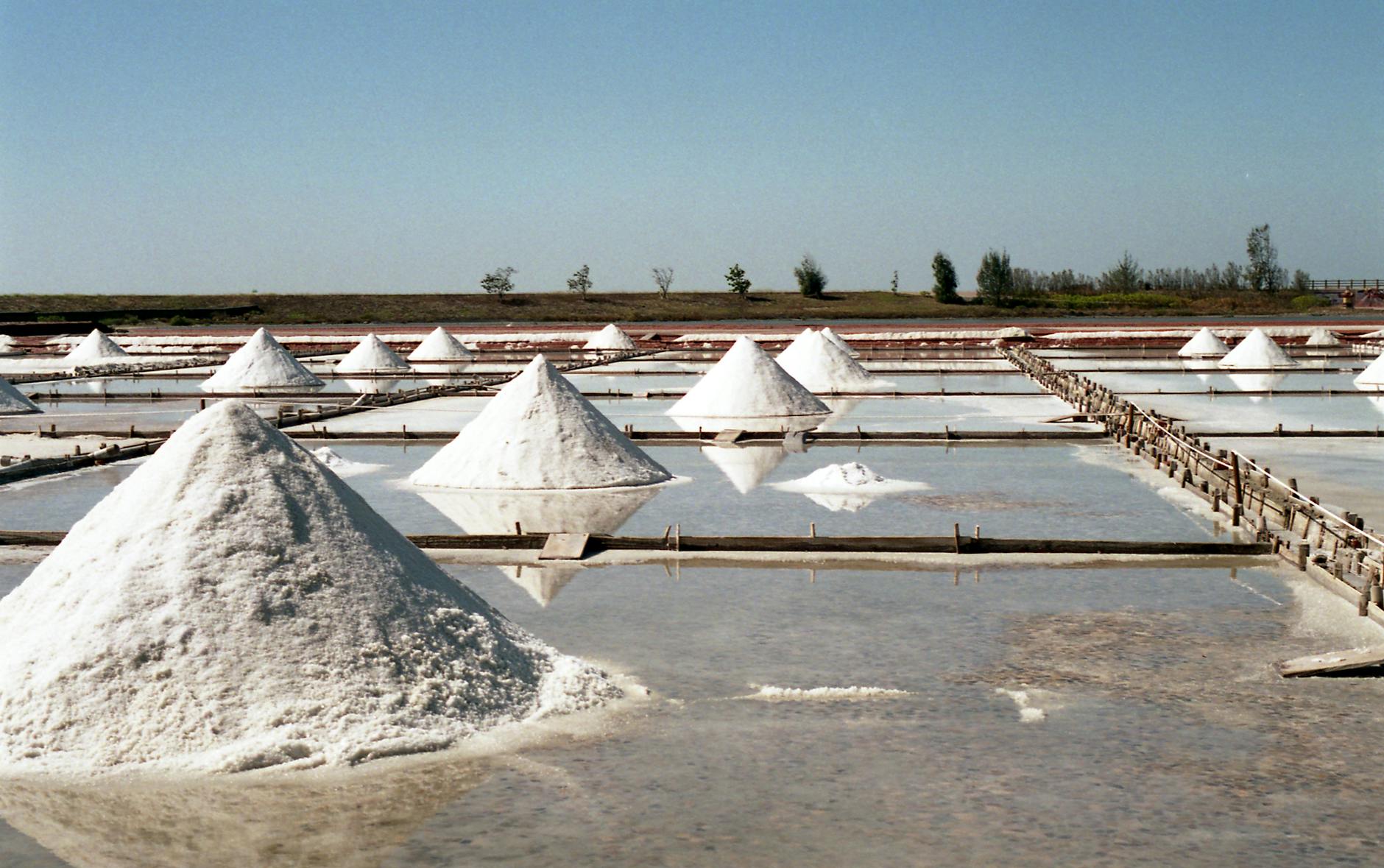
Tainan food can justify the shore day, but it should be planned around opening hours, queues, cash, dietary needs, seating, restroom access, and distance from the return route. Cruise passengers may be tempted to graze all afternoon, yet food lines and extra stops can quietly consume the ship buffer.
The stronger approach is to choose a few high-value food stops near the main route and leave one flexible backup if a place is closed or crowded.
- Check opening hours, queues, cash, dietary needs, seating, bathrooms, and distance from the return route.
- Choose a few food priorities instead of treating the whole day as open-ended grazing.
- Keep backup food options near the anchor district.
Prepare a shorter bad-weather version
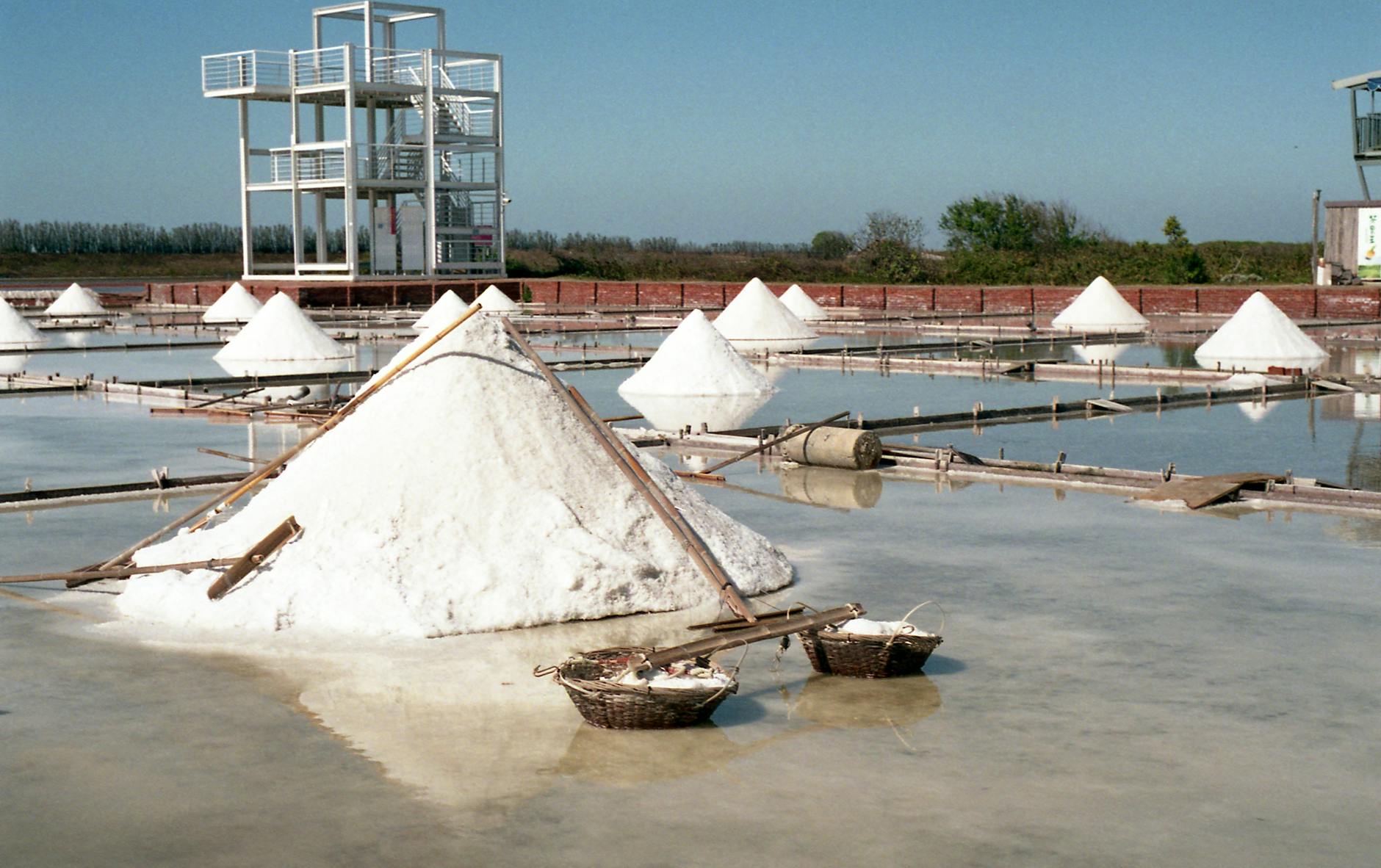
A Tainan shore day should have a shorter version ready. Heavy rain, heat exhaustion, late disembarkation, traffic, a delayed tour group, or a mobility issue can make the original plan unrealistic. The backup might keep the traveler near Anping, focus on one indoor or sheltered stop, shorten the old-center walk, or return early after a good meal.
A backup is not a failure. It is how a port-call traveler keeps the day enjoyable without gambling against the ship.
- Prepare a shorter plan for rain, heat, late disembarkation, traffic, or fatigue.
- Keep backup stops close to the main route and return transport.
- Be willing to return early when the ship schedule deserves the margin.
When to order a short-term travel report
A traveler taking a ship-run coach excursion may not need a custom Tainan report. A report becomes useful when the traveler wants an independent port day, a private driver, Anping and old-center comparison, food routing, mobility-aware pacing, a weather backup, or clarity about whether Tainan is realistic from the actual port.
The report should test port details, usable shore time, transfer options, Anping, historic-center routing, meals, weather, walking, accessibility, backup plans, budget, and return buffers. The value is a Tainan port day that feels rewarding without treating the ship return as an afterthought.
- Order when port location, private transport, Anping, food, weather, mobility, or return buffers need testing.
- Provide ship details, port, date, all-aboard time, group size, mobility limits, interests, and budget.
- Use the report to make the shore day selective, practical, and return-safe.