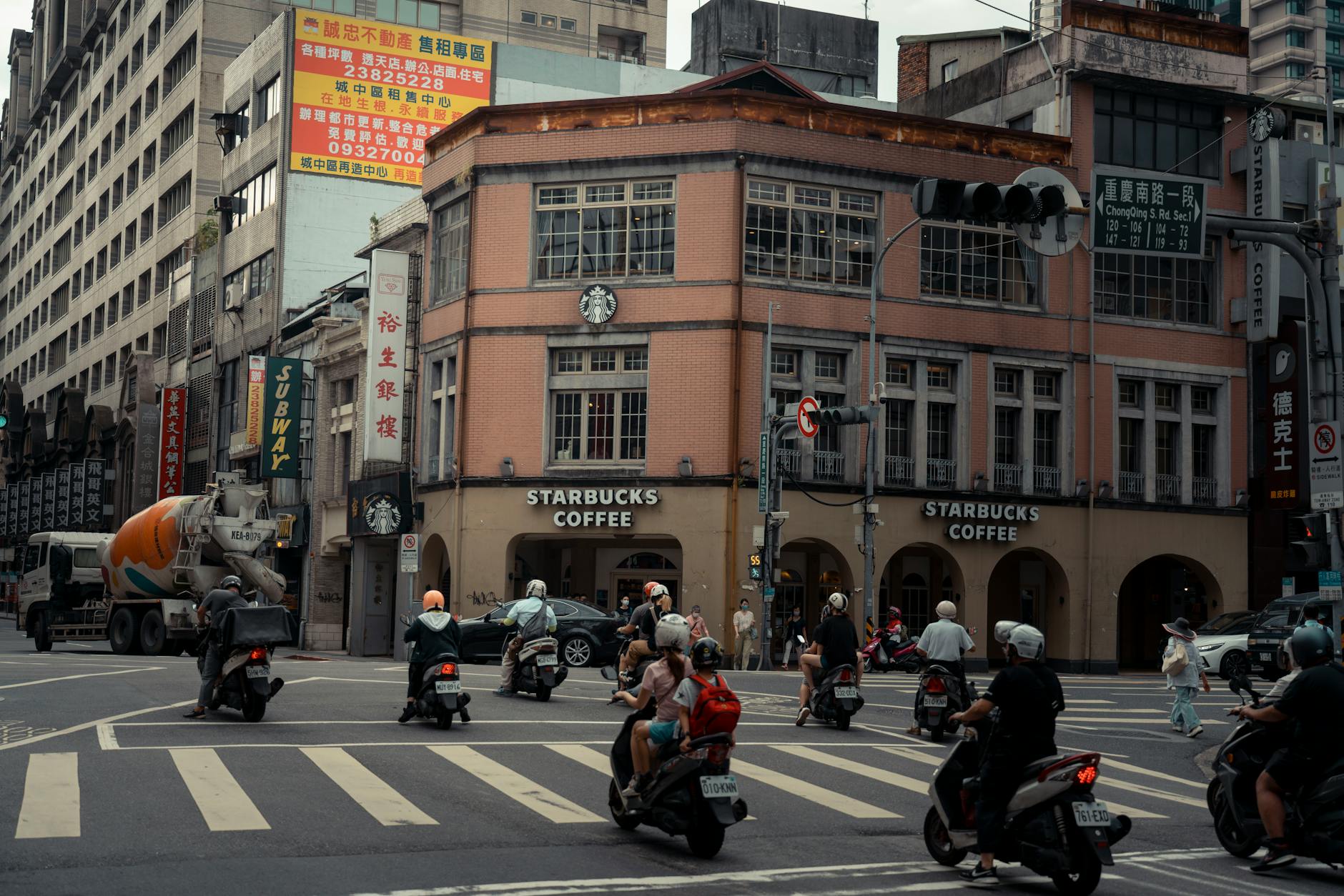
A consultant's Tainan trip can look simple on a calendar and still be complicated on the ground. Client offices, supplier facilities, hospitals, universities, factories, science-park sites, hotels, restaurants, and the high-speed rail station may all sit in different practical zones. The consultant needs to protect arrival timing, meeting condition, confidentiality, and the ability to work between appointments. A good Tainan consulting plan is built around the client day rather than generic sightseeing. The city can still be enjoyed, but the trip has to preserve performance first.
Map the client day before booking
Consultants should map the exact client locations before choosing lodging. A hotel that works for the historic center may be wrong for a morning at a factory, hospital, university, supplier, or science-park site. The plan should account for meeting order, host pickup, security, work sessions, meals, and the route back to the station or hotel.
The right base is the one that protects the most consequential client obligation, not the one that looks best for leisure.
- Map client offices, factories, hospitals, universities, suppliers, science-park sites, and dinner locations.
- Check host pickup, security, meeting order, meal plans, and return routes.
- Choose lodging around the highest-risk client movement.
Make arrival timing conservative
Tainan's HSR station, local rail links, airport routes, taxis, shuttles, and final client address should be planned as one chain. The consultant may need to arrive ready for a workshop, interview, site walk, or executive meeting, not merely reach the city. Luggage, equipment, presentation materials, and traffic all affect the usable arrival window.
When the first meeting matters, the consultant should avoid a transfer plan that depends on every leg working perfectly.
- Plan HSR, airport, local rail, taxi, shuttle, hotel, and client arrival as one chain.
- Account for luggage, equipment, presentations, traffic, weather, and host coordination.
- Build conservative buffers before workshops, interviews, and executive meetings.
Choose a hotel that supports work
Consultants need more from a hotel than a bed. Desk quality, quiet, Wi-Fi, calls, printing or scanning, laundry, breakfast timing, taxi pickup, late arrival, receipts, and room cooling can all matter. A small hotel with good atmosphere may be a poor choice if it does not support confidential calls or late-night document work.
The consultant should also identify backup work locations only if they are suitable for the work. Public cafes may be fine for email and unsuitable for sensitive client material.
- Check desk, quiet, Wi-Fi, calls, printing, laundry, breakfast, taxi pickup, receipts, and cooling.
- Confirm whether the hotel supports late arrival and between-meeting work.
- Use public spaces only for work that is not sensitive.
Protect confidentiality in transit and public spaces
Consulting trips often involve slides, notes, interview findings, financial details, product information, or personnel issues. Tainan's cafes, hotel lobbies, trains, taxis, and shared work areas should be treated as public spaces. The consultant should plan device privacy, screen visibility, printed materials, local data, charging, and how to discuss sensitive matters outside the client site.
The city's relaxed pace should not make the consultant casual with client information. Good information handling is part of professional travel.
- Plan device privacy, screen visibility, printed materials, charging, data, and secure storage.
- Treat trains, taxis, cafes, hotel lobbies, and shared areas as public work environments.
- Avoid sensitive calls or visible documents where they can be overheard or seen.
Plan site visits as operational commitments
A consultant may visit factories, labs, clinics, campuses, warehouses, supplier sites, or science-park facilities. These are not ordinary meetings. They may require identification, closed shoes, safety rules, no-photography areas, host escorts, equipment restrictions, and extra time to move through the facility.
The consultant should schedule debrief time after site visits while details are fresh. The value of the visit can disappear if the next transfer starts immediately.
- Check identification, clothing, safety rules, photography limits, host escort, and equipment restrictions.
- Leave time for facility movement, introductions, and security procedures.
- Schedule debrief time before the next transfer or client dinner.
Use meals and evenings to support the work
Tainan's food culture can support client relationships, but the consultant should know whether meals are hosted, formal, casual, alcohol-involved, dietary-sensitive, receipt-relevant, or likely to run late. A client dinner can be valuable, but it may also affect the next morning's workshop or departure.
Evening city time should be modest. One good meal, a short historic walk, or a quiet hotel reset is usually more useful than trying to turn a client trip into a full leisure itinerary.
- Clarify hosted meals, formality, alcohol, dietary needs, receipts, timing, and late returns.
- Keep evening exploration modest when client performance matters the next morning.
- Use food and local context to support the relationship without weakening the schedule.
When to order a short-term travel report
A consultant with a hosted schedule and single client location may not need a custom Tainan report. A report becomes useful when client sites are spread out, HSR timing is tight, hotel workspace matters, supplier or factory visits are involved, confidentiality needs are high, or the consultant wants a short local experience without weakening the work trip.
The report should test client-site geography, hotel fit, HSR and taxi routes, work setup, site-visit requirements, meals, receipts, confidentiality, weather, budget, and what to cut. The value is a Tainan consulting trip that protects performance while making the local logistics legible.
- Order when client geography, transfers, hotel workspace, site visits, confidentiality, or meals need testing.
- Provide dates, client locations, meeting schedule, arrival mode, hotel options, work needs, and budget.
- Use the report to keep the consulting trip punctual, prepared, and locally realistic.