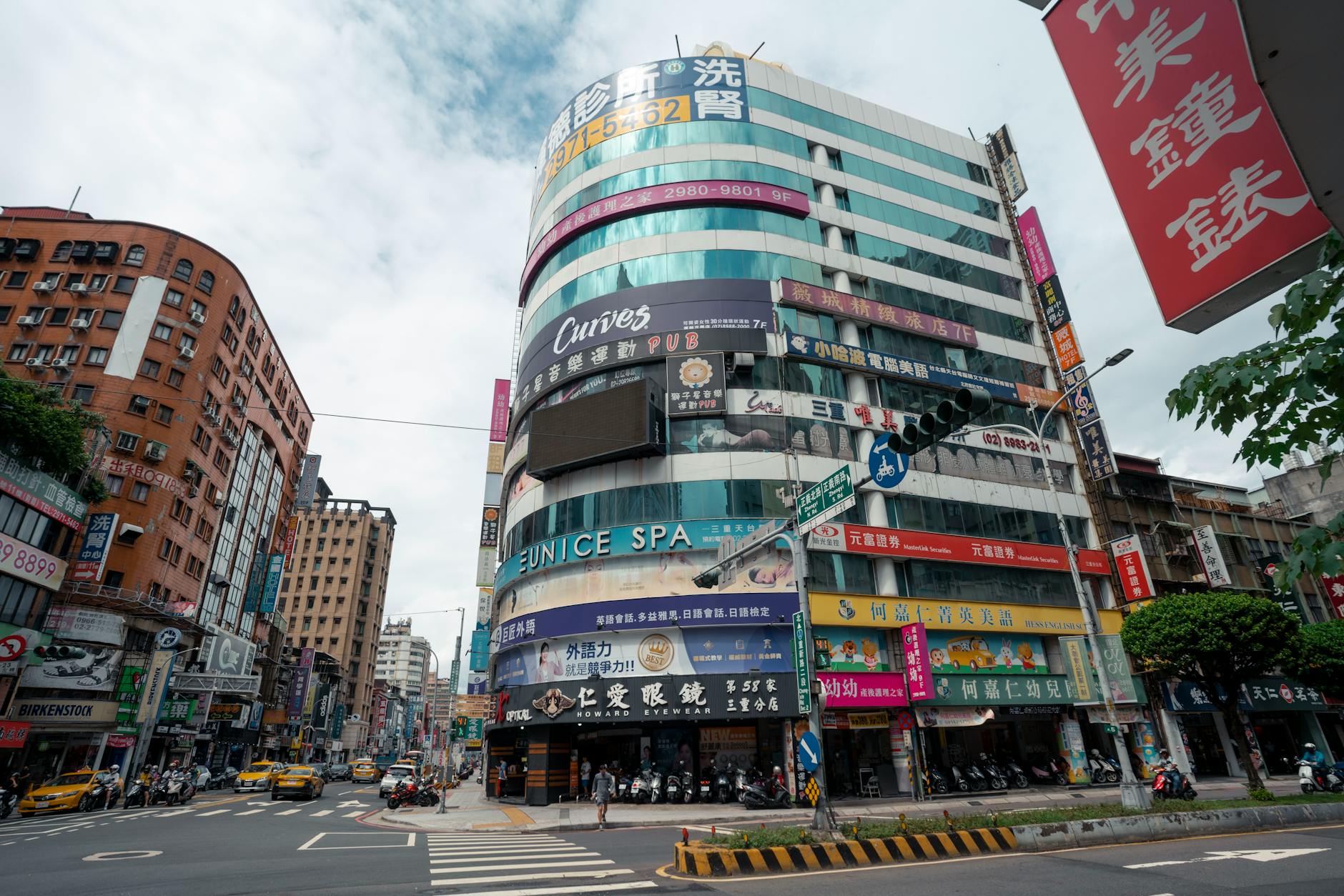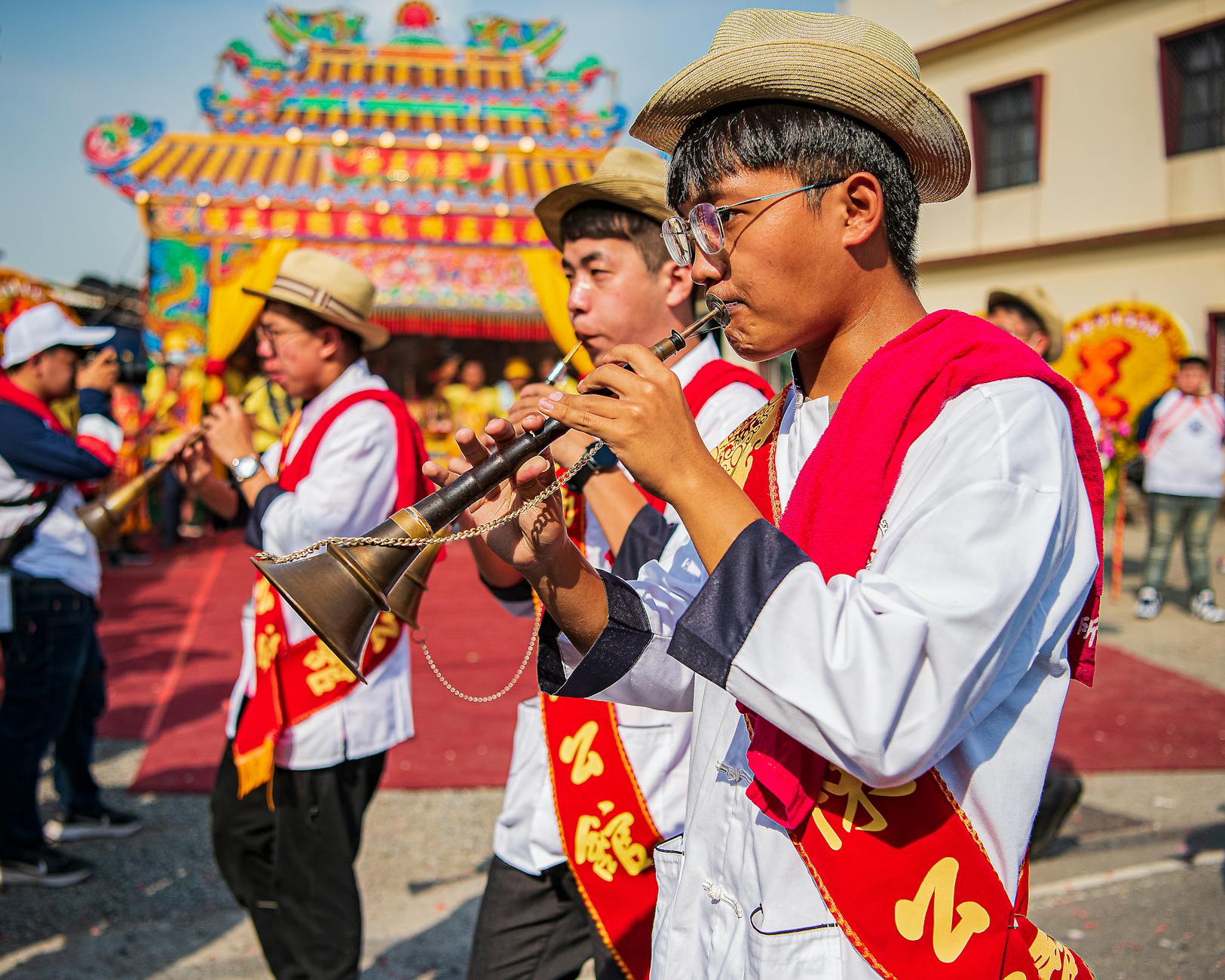
A Tainan conference trip can combine a serious event with a distinctive city, but the logistics need care. Venues may be attached to hotels, universities, hospitals, cultural sites, or business districts, while the high-speed rail station is outside the central city. A traveler who treats Tainan as a compact conference zone may lose time to transfers, heat, and unclear evening plans. A good conference-attendee plan protects the event schedule first: arrival, badge pickup, sessions, meals, networking, and the return trip. City time works best when it supports that schedule rather than competing with it.
Confirm the venue and event footprint
The first planning step is to identify the exact venue, not just the event name. Tainan conferences may use hotel spaces, university rooms, hospital facilities, cultural venues, or partner sites. Registration, badge pickup, breakout rooms, exhibitor areas, reception spaces, and shuttle points may not all sit at the same entrance.
The traveler should review the event map and schedule before choosing lodging or dinner plans. A few minutes of venue clarity can save repeated delays.
- Confirm venue, entrances, badge pickup, breakout rooms, exhibitor areas, and reception spaces.
- Check whether shuttles, partner sites, or off-site events are part of the conference.
- Use the event map before booking lodging or making dinner plans.
Choose lodging by sessions and transfers
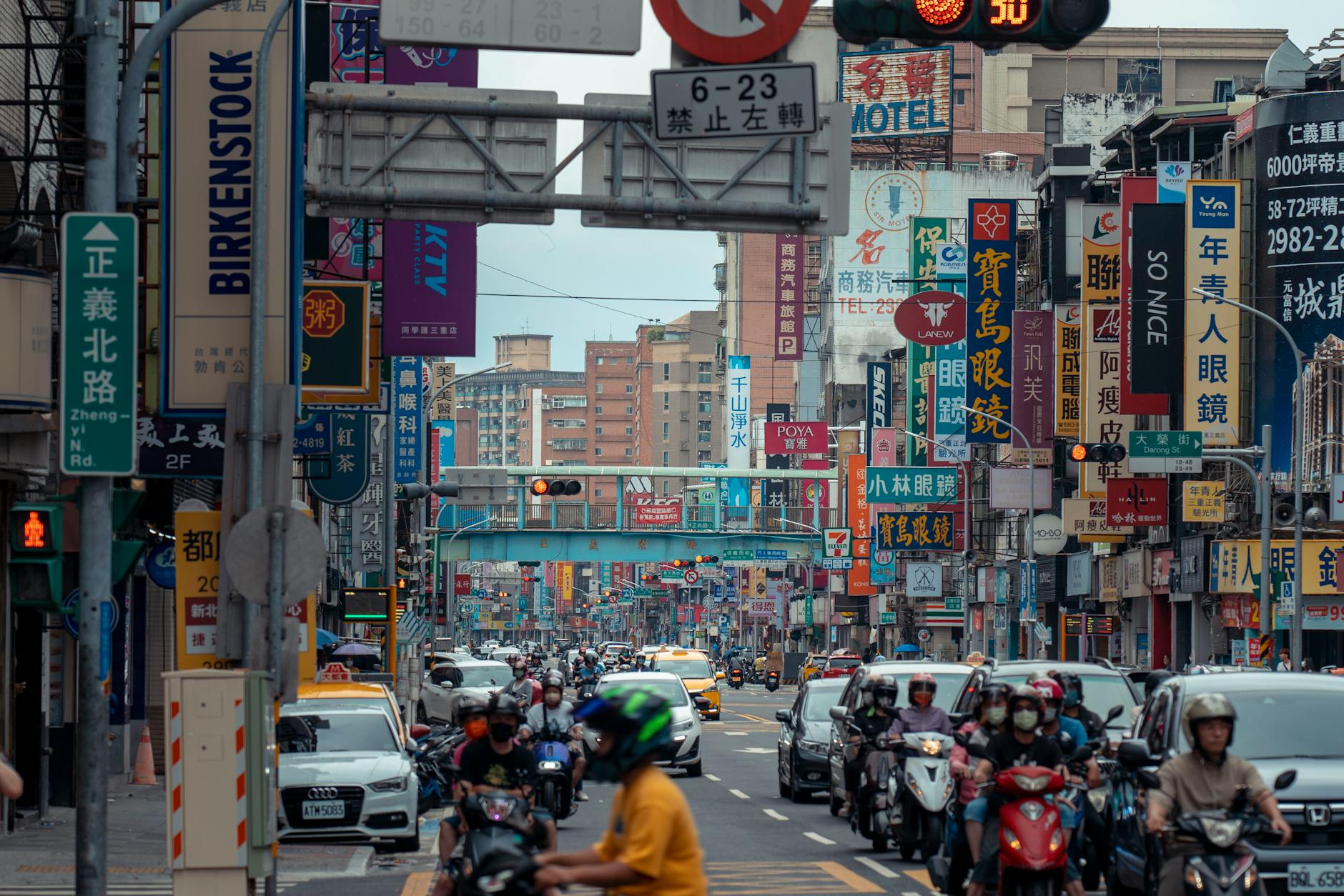
Conference lodging should be judged by session timing, taxi access, breakfast, quiet, work space, laundry, late arrival, and departure route. The closest hotel is not always the best if it makes HSR transfers, meals, or rest harder. The hotel should let the traveler get to morning sessions without turning the start of the day into a negotiation.
If the event has an official hotel block, the traveler should still compare it against actual venue distance, shuttle timing, and room needs.
- Check session timing, taxi access, breakfast, quiet, work space, laundry, and departure route.
- Compare official hotels against venue distance, shuttle timing, and room needs.
- Choose a base that makes morning sessions and evening returns predictable.
Plan HSR and local transfers as one chain
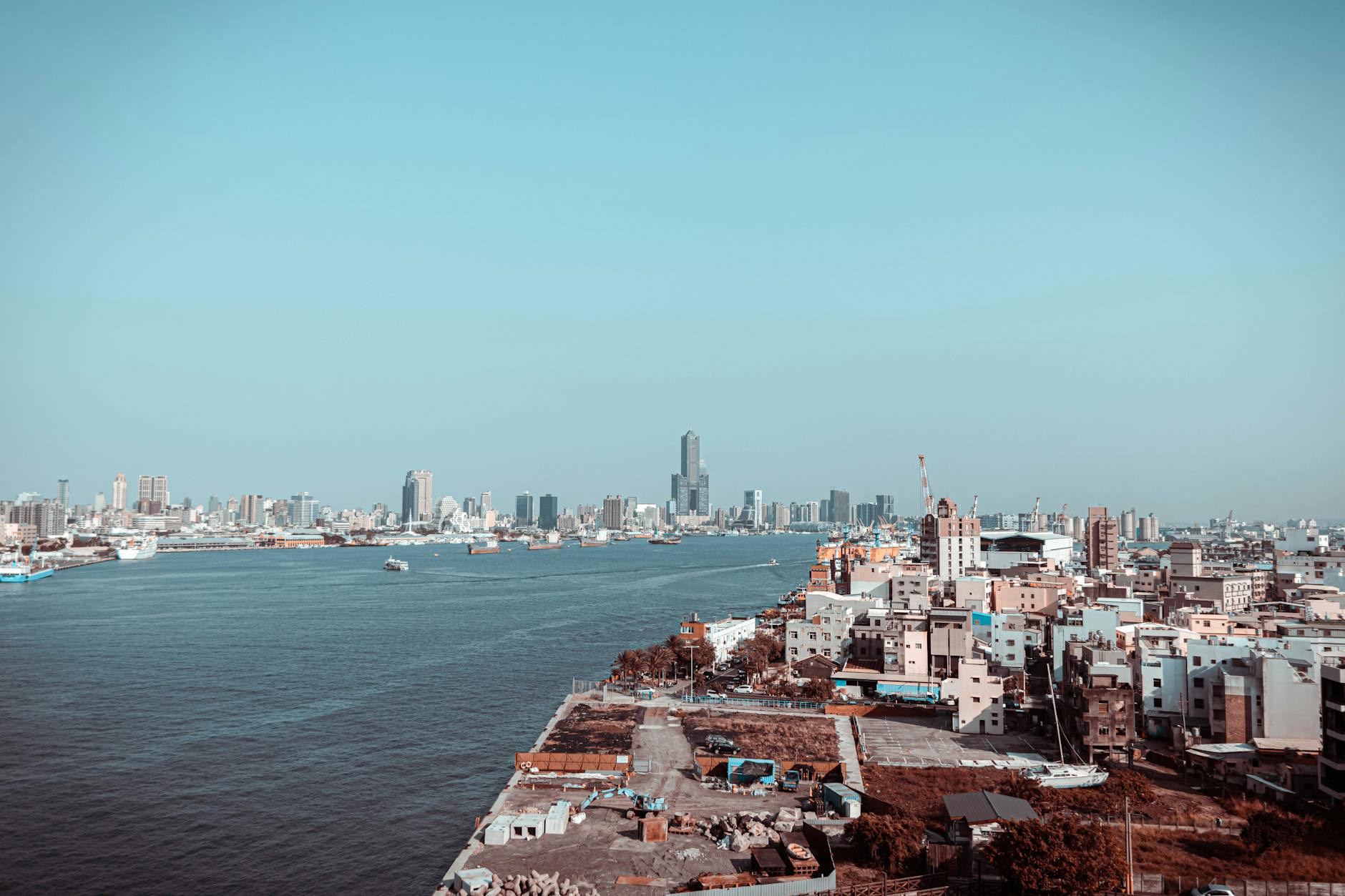
Many attendees arrive by high-speed rail, but the HSR station is not the same as the event venue. The traveler should plan the whole chain: HSR or airport arrival, local rail or taxi, hotel check-in, venue arrival, and final departure. Luggage, badge timing, traffic, and weather can make a tight transfer less reliable than it appears.
A conference schedule leaves less room for experimentation than leisure travel. The safest transfer is the one with a clear backup.
- Plan HSR, airport, local rail, taxi, hotel, venue, and final departure as one chain.
- Account for luggage, badge timing, traffic, weather, and check-in hours.
- Keep backup routes for the first arrival and last departure.
Protect professional condition in heat
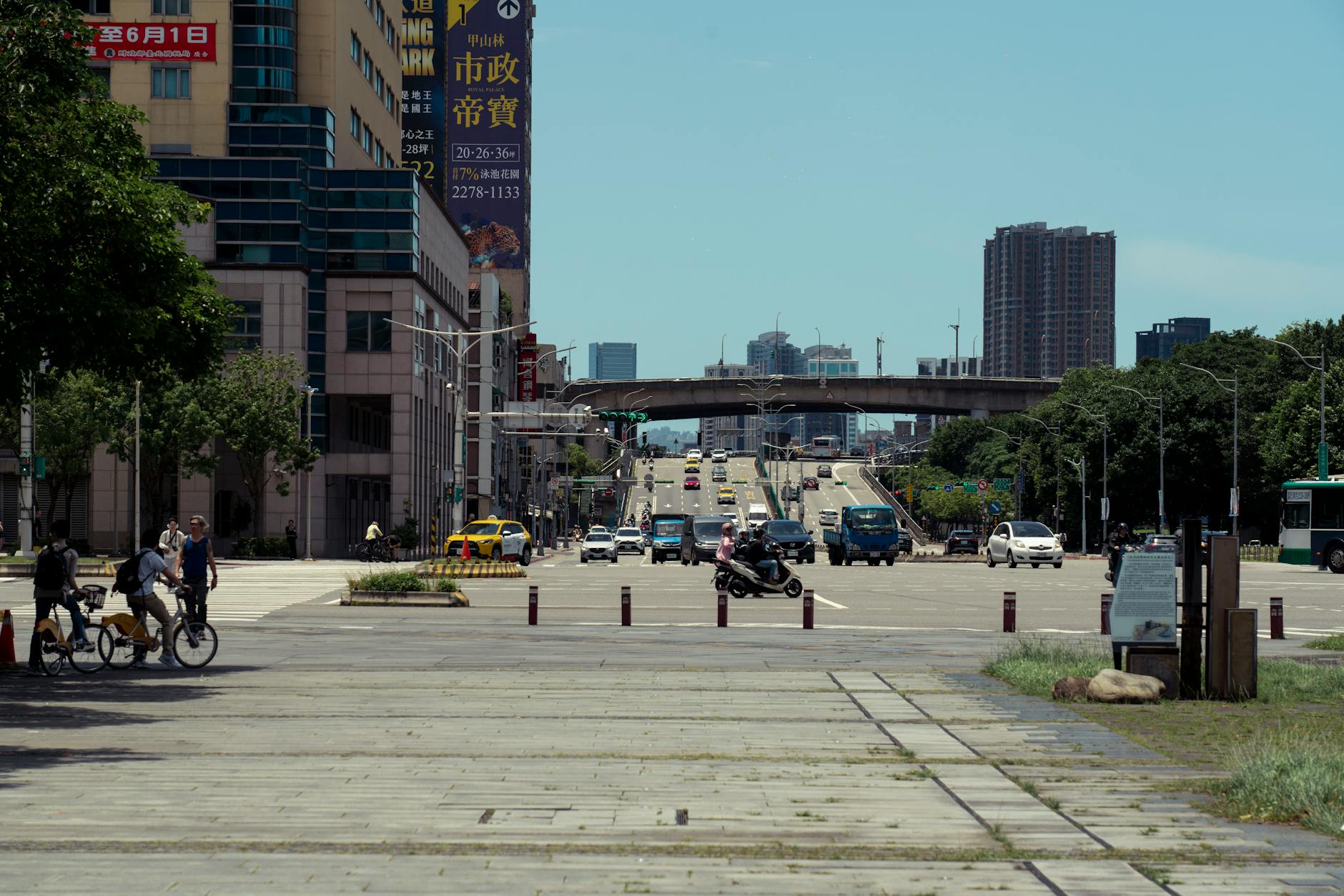
Tainan heat, humidity, rain, and walking distance can affect professional condition quickly. The traveler should plan clothing, spare shirt options, water, umbrellas, taxi use, charging, printed materials, and cool-down time before important sessions or meetings. A short walk can matter if the next obligation is a panel, pitch, client discussion, or reception.
The schedule should include realistic breaks rather than assuming the traveler can move from street heat directly into polished networking.
- Plan clothing, spare shirt options, water, umbrellas, taxis, charging, and printed materials.
- Build cool-down time before panels, client meetings, and receptions.
- Use breaks to preserve professional condition, not only to rest.
Make meals and networking practical
Conference meals may be hosted, rushed, informal, or scattered across the city. The attendee should know where to eat near the venue, where to take a quieter meeting, how late dinners may run, and whether dietary needs or receipts matter. Tainan's food culture is a strength, but it needs to be matched to event timing.
Networking plans should avoid distant restaurants unless the group has transport and time. A good conversation can be lost to logistics.
- Identify venue-area meals, quiet meeting spots, hosted dinners, dietary options, and receipt needs.
- Keep networking meals close enough to protect sessions and returns.
- Use Tainan food as a strength without letting it disrupt the event schedule.
Choose one simple city window
A conference attendee can still experience Tainan, but the city window should be selected carefully. A short historic walk, temple visit, Anping outing, museum stop, or food route can work if it has a clear start and return. Trying to add a full sightseeing itinerary between sessions usually weakens both the event and the city experience.
The best city time often comes after the main obligation, before departure, or on a deliberately lighter evening.
- Choose one city window with a clear start, route, and return.
- Consider a historic walk, temple, Anping, museum, or food route by available time.
- Avoid turning conference gaps into overambitious sightseeing.
When to order a short-term travel report
A conference attendee staying at the official hotel with arranged shuttles may not need a custom Tainan report. A report becomes useful when the traveler is choosing lodging independently, has a tight HSR or airport arrival, needs side meetings, wants a food or city window, has dietary or access constraints, or must manage receipts and timing carefully.
The report should test venue geography, hotel fit, HSR and taxi routes, event timing, meals, networking movement, weather, city windows, receipts, budget, and what to cut. The value is a Tainan conference trip that runs cleanly while still giving the traveler a real sense of place.
- Order when venue geography, hotel choice, transfers, meals, networking, or city timing need testing.
- Provide dates, venue, event schedule, arrival mode, hotel options, constraints, and budget.
- Use the report to make the event trip punctual, practical, and not detached from Tainan.