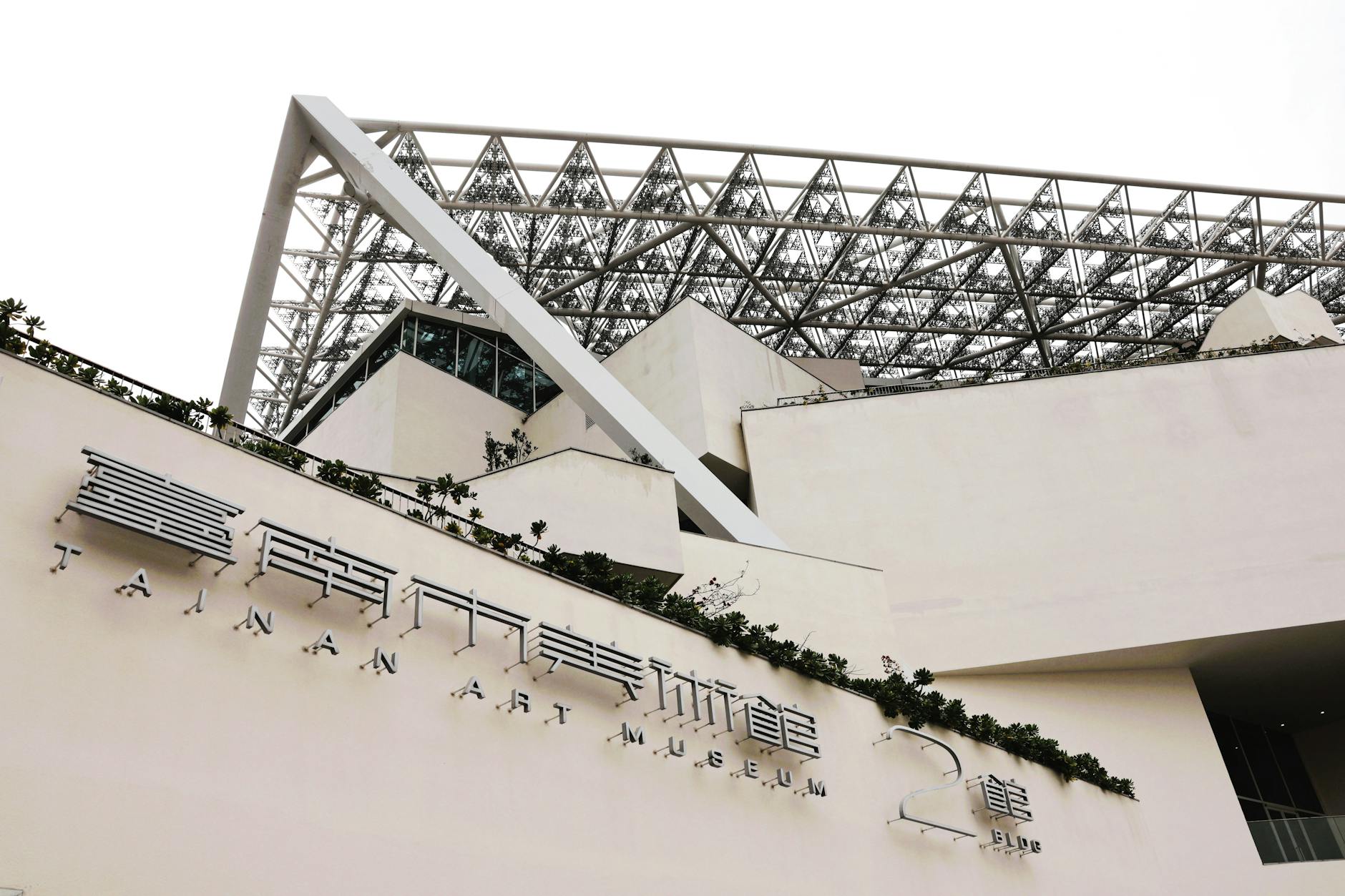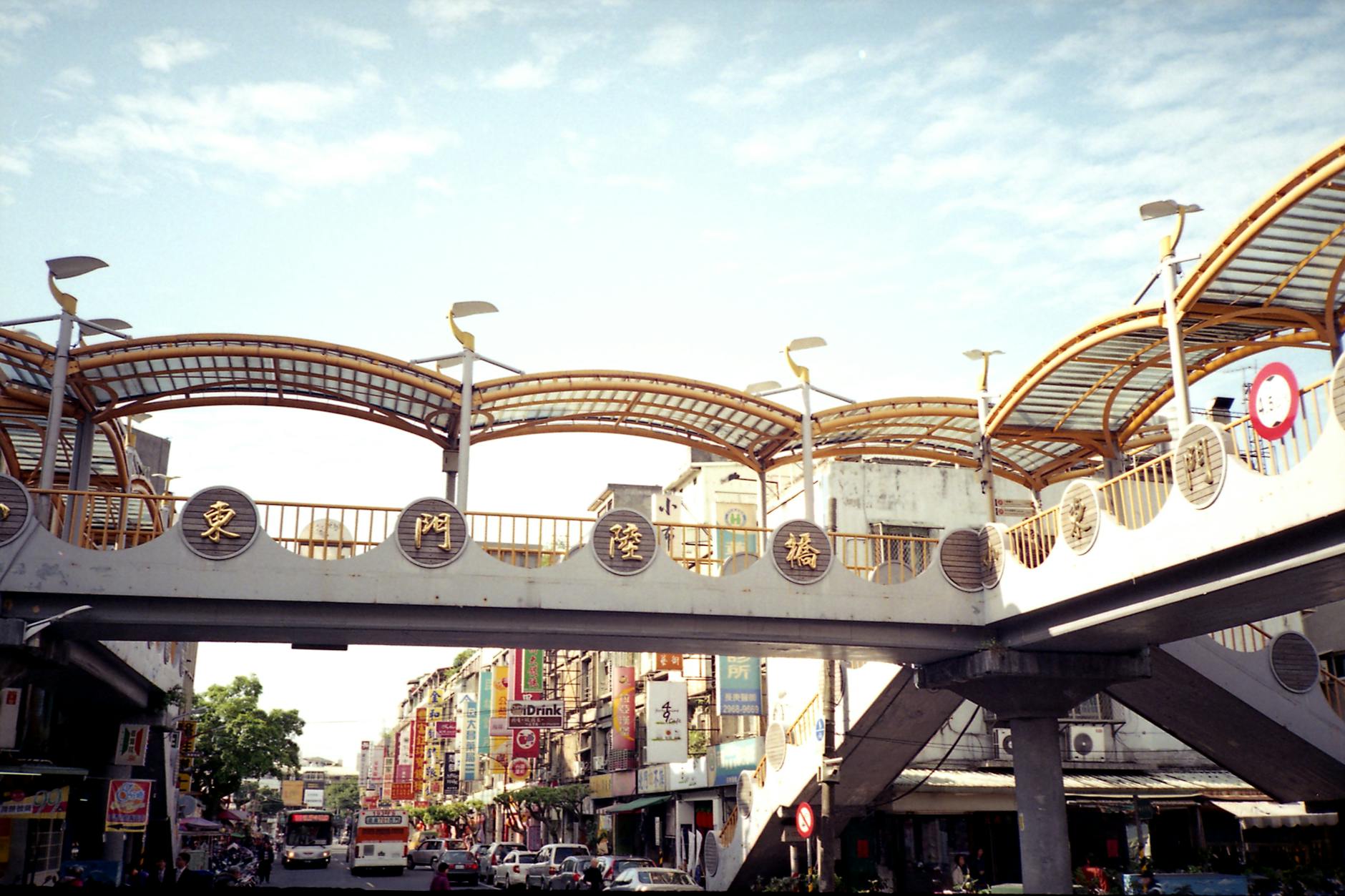
Tainan is a different kind of business destination from Taipei. It has serious commercial and industrial relevance, including science-park, manufacturing, supplier, education, medical, and cultural-economy ties, but the logistics are more spread out. The high-speed rail station is outside the historic center, industrial sites may sit well beyond tourist streets, and local transport needs more planning. A good short Tainan business trip respects that geography. It chooses the hotel, meeting sequence, transfers, meals, and recovery plan around actual appointment locations rather than assuming the city behaves like a compact capital district.
Map meetings before choosing a hotel
A Tainan business visitor should map appointment locations before booking lodging. Historic-center hotels, Anping, Tainan Station, the high-speed rail area, Southern Taiwan Science Park access, university districts, hospitals, suppliers, and factories may all point to different bases. A hotel that is charming for leisure may be inconvenient for a 9 a.m. site visit.
The right base is the one that reduces transfer uncertainty around the most important meeting, not the one that looks best on a generic city guide.
- Map meetings, site visits, suppliers, universities, hospitals, and industrial locations first.
- Compare historic center, Anping, Tainan Station, HSR access, and science-park routes by appointment needs.
- Choose the hotel that protects the most important meeting window.
Treat HSR and local transfers as separate problems
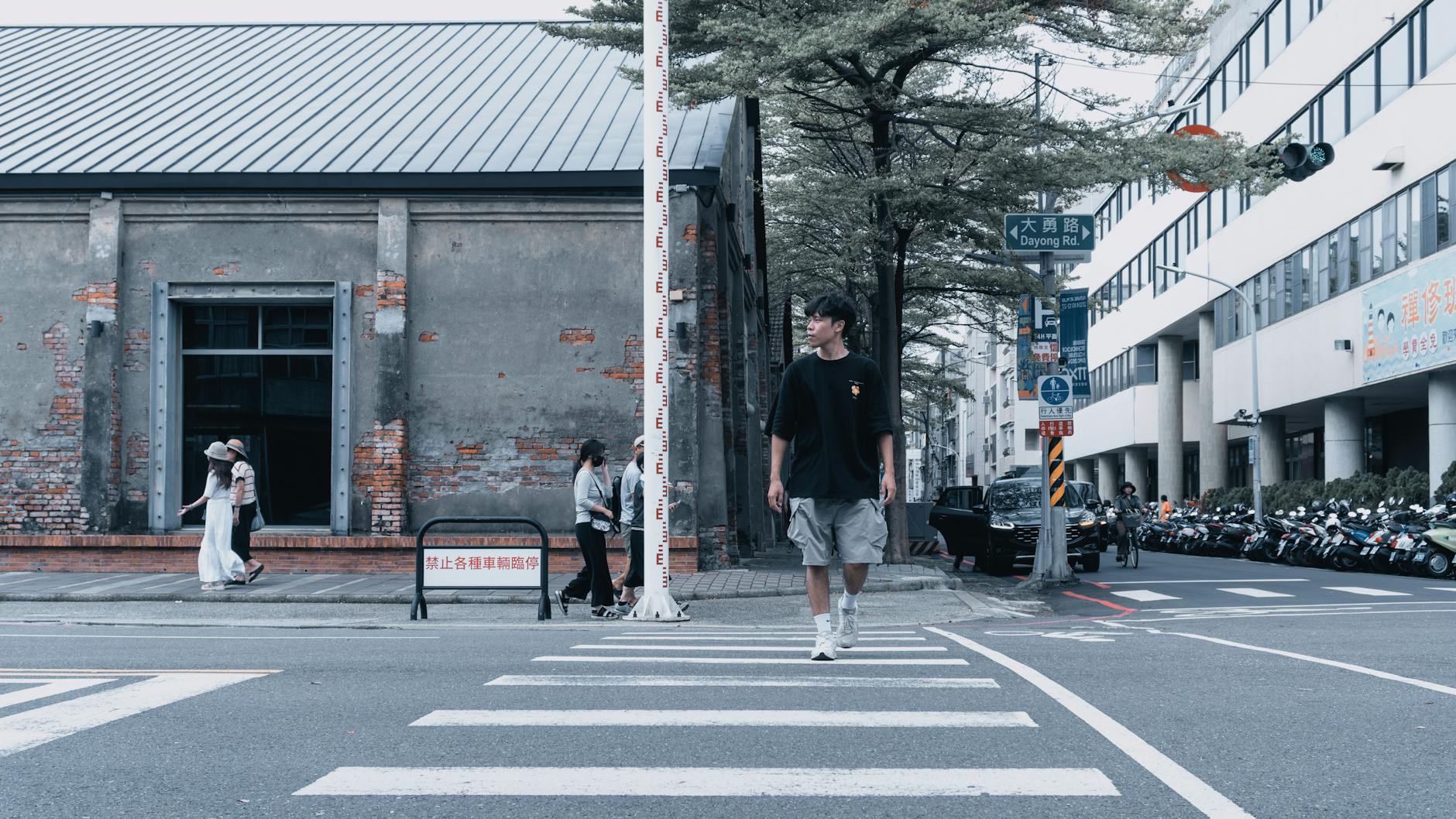
Tainan's high-speed rail station is useful, but it is not the same as arriving in the historic center or at a meeting site. The traveler should plan the link from HSR to hotel, office, factory, or science-park area, including taxi availability, shuttle timing, local rail, traffic, and address clarity. Airport arrivals through Kaohsiung or Taipei add another layer.
Business trips fail when the long-distance leg is planned carefully and the final local transfer is left vague.
- Separate HSR, airport, local rail, taxi, shuttle, and final address logistics.
- Confirm pickup points, travel time, traffic risk, payment, and address text in advance.
- Do not assume HSR arrival equals city arrival.
Build a schedule around site visits
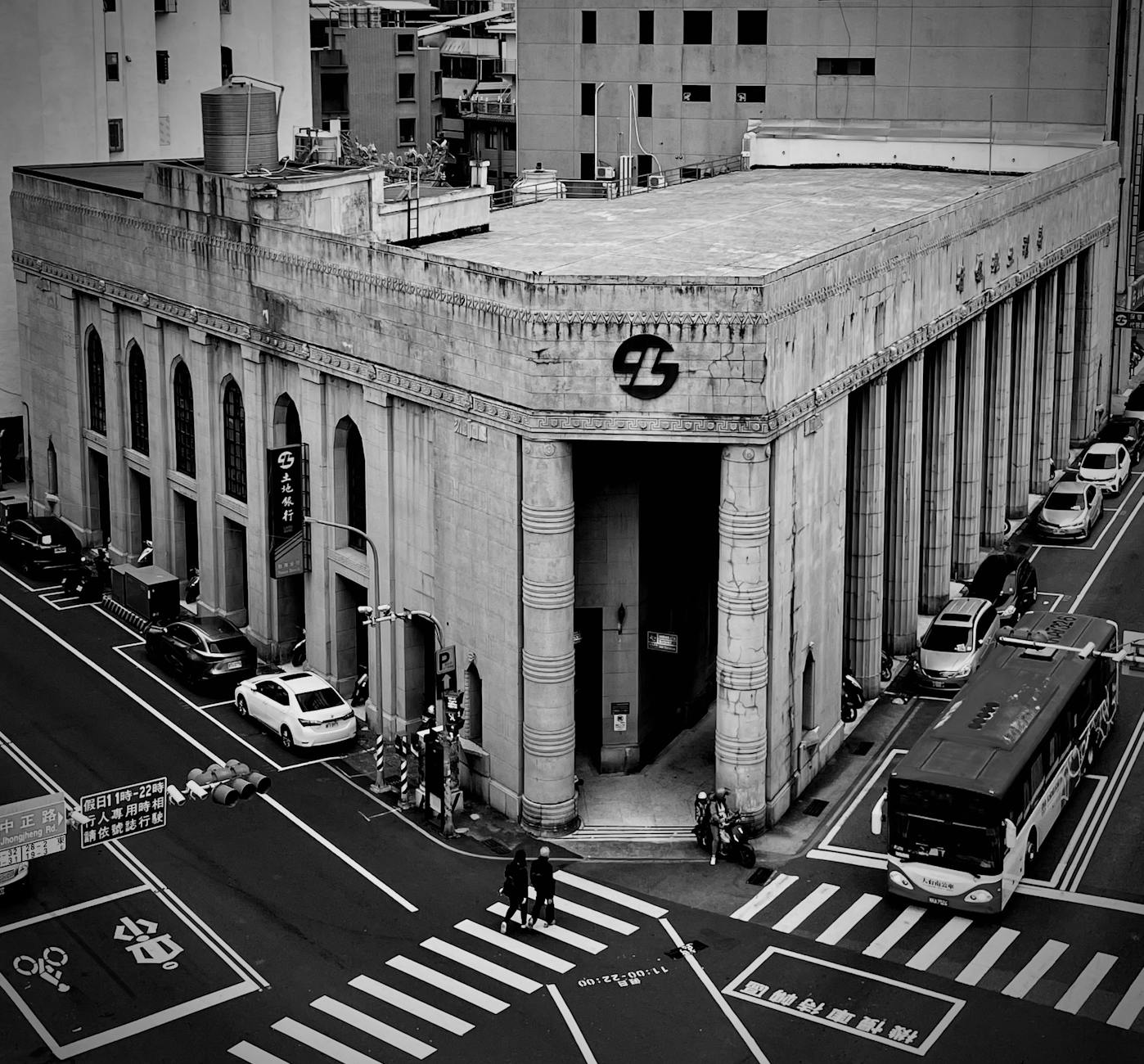
Tainan business trips often include visits that are harder to move than ordinary office meetings: factories, labs, hospitals, campuses, partner facilities, cultural venues, or science-park sites. These require security, identification, host coordination, clothing, safety rules, equipment limits, and sometimes longer ground transfers. The traveler should avoid stacking them too tightly.
A realistic schedule leaves time for check-in, badges, introductions, facility movement, debriefs, and the trip back to the hotel or station.
- Treat factories, labs, hospitals, campuses, and partner sites as fixed anchors.
- Check identification, security, clothing, safety, equipment, and host procedures.
- Leave time for check-in, debriefs, facility movement, and longer ground transfers.
Plan for heat, rain, and presentation condition
Tainan can be hot, humid, rainy, and bright, and business visitors should plan accordingly. Presentation clothing, spare shirts, water, umbrellas, taxi use, walking distance, and time to cool down before meetings can matter. A traveler arriving from HSR or a factory visit may need more buffer than expected to look and think clearly.
Weather planning is not cosmetic. It affects punctuality, comfort, and how professionally the traveler can operate during a short visit.
- Plan around heat, humidity, rain, sun exposure, and walking distance.
- Carry water, rain protection, spare shirt options, and meeting-ready clothing.
- Schedule cool-down time before important meetings.
Use meals as business infrastructure
Tainan is a serious food city, and meals can support business relationships when handled thoughtfully. The traveler should know whether hosts expect formal dining, local specialties, quick working meals, dietary accommodations, alcohol, gift exchange, or after-meeting hospitality. Food can be a strength, but it can also stretch the schedule if no one has set limits.
Business visitors should keep one flexible meal window in reserve. It can absorb a host invitation, a late meeting, or the need to recover quietly.
- Clarify whether meals are formal, local, quick, hosted, dietary-sensitive, or alcohol-involved.
- Leave one flexible meal window for host hospitality or recovery.
- Use food to support relationships without letting it disrupt the work schedule.
Keep evening movement practical
A business visitor may want a short evening in the historic center, Anping, a market, a restaurant, or a quiet hotel reset. The plan should account for taxis, walking, weather, opening hours, fatigue, safety, and the next morning's first transfer. Tainan rewards evening exploration, but the city should not be treated as a Taipei-style late-night transit grid.
The strongest short work trips often include one simple cultural or food experience, not a full leisure itinerary squeezed between meetings.
- Plan evenings around taxis, walking, weather, hours, fatigue, and the next morning's transfer.
- Choose one realistic cultural or food stop instead of overloading the work trip.
- Keep late movement simple when early appointments follow.
When to order a short-term travel report
A business visitor with one hosted meeting and arranged transport may not need a custom Tainan report. A report becomes useful when the traveler has several sites, HSR and city transfers, science-park or supplier visits, hotel uncertainty, weather-sensitive presentation needs, hosted meals, or a short trip that also needs one efficient local experience.
The report should test hotel fit, HSR and airport routing, site sequence, taxi and shuttle options, meeting buffers, weather, meal logistics, etiquette, evening movement, budget, and what to cut. The value is a Tainan business trip that works on the ground rather than only on the calendar.
- Order when meeting geography, HSR links, site visits, hotel choice, meals, or weather need testing.
- Provide dates, meeting locations, site requirements, arrival mode, hotel options, constraints, and budget.
- Use the report to make the business trip punctual, practical, and less exposed to local transfer surprises.