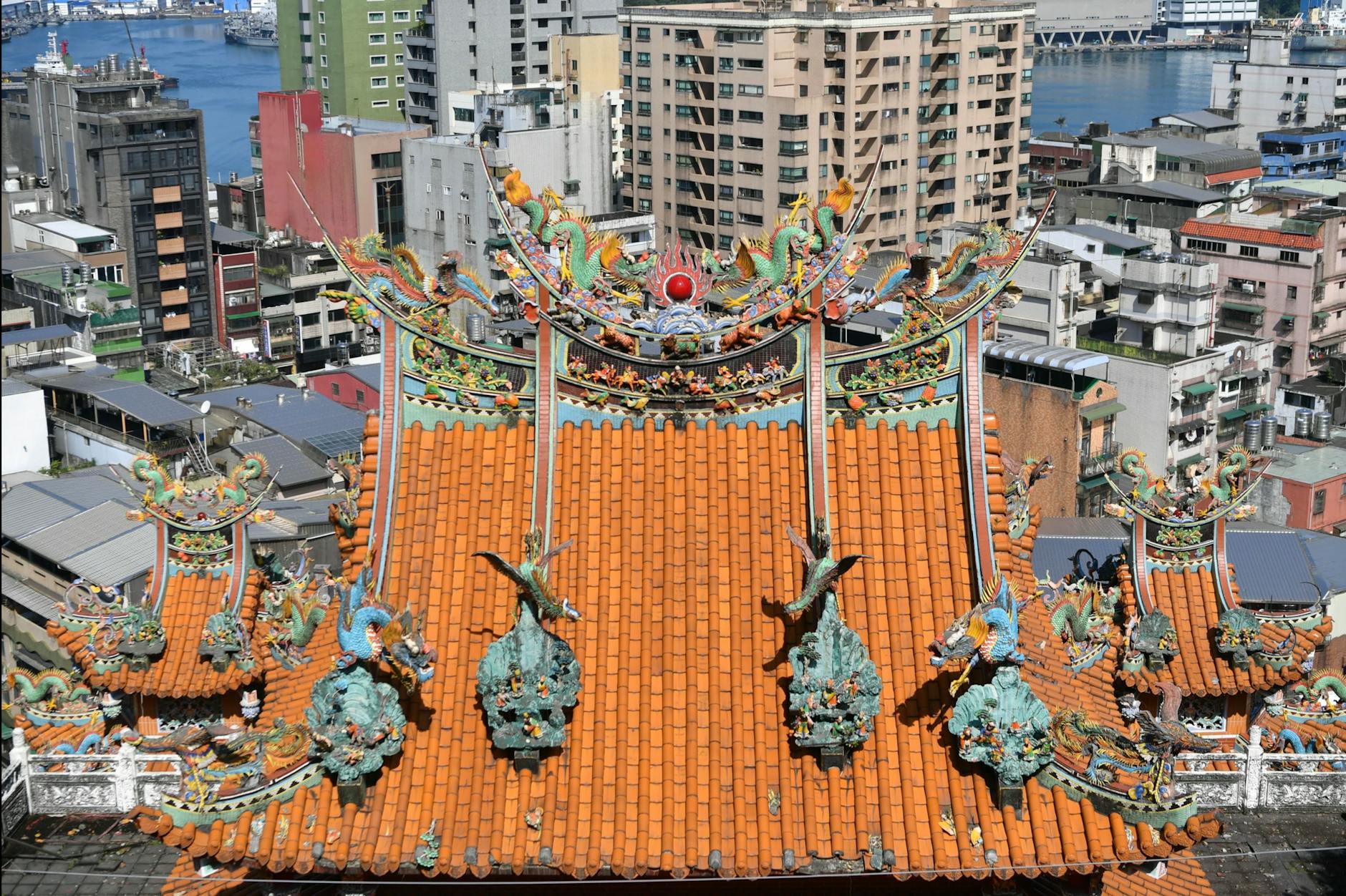
Tainan is not an alpine adventure base, but it can still work for outdoor-minded travelers who understand the setting. Coastal landscapes, Anping waterfront areas, wetlands, salt fields, parks, cycling routes, temple walks, old-street exploration, nearby hot springs, and southern Taiwan side trips can create an active short stay. The challenge is heat, humidity, transport, and distance. A good Tainan outdoor plan is selective. It chooses the right type of movement for the season and avoids pretending every active idea belongs inside one short visit.
Define the outdoor version of Tainan
Outdoor travelers should decide whether the trip is about coast, wetlands, cycling, long urban walks, parks, Anping, hot springs, birding, photography, or a broader southern Taiwan side trip. Tainan's outdoor appeal is real, but it is not one single adventure product. A traveler who wants mountain intensity may need to plan beyond the city itself.
The best short stay chooses one or two outdoor themes and lets the rest of the city support them.
- Choose whether the focus is coast, wetlands, cycling, parks, Anping, hot springs, birding, or long walks.
- Be honest about whether the desired adventure sits inside Tainan or needs a side trip.
- Use one or two outdoor themes instead of scattering the itinerary.
Plan coast, Anping, and wetlands by transport
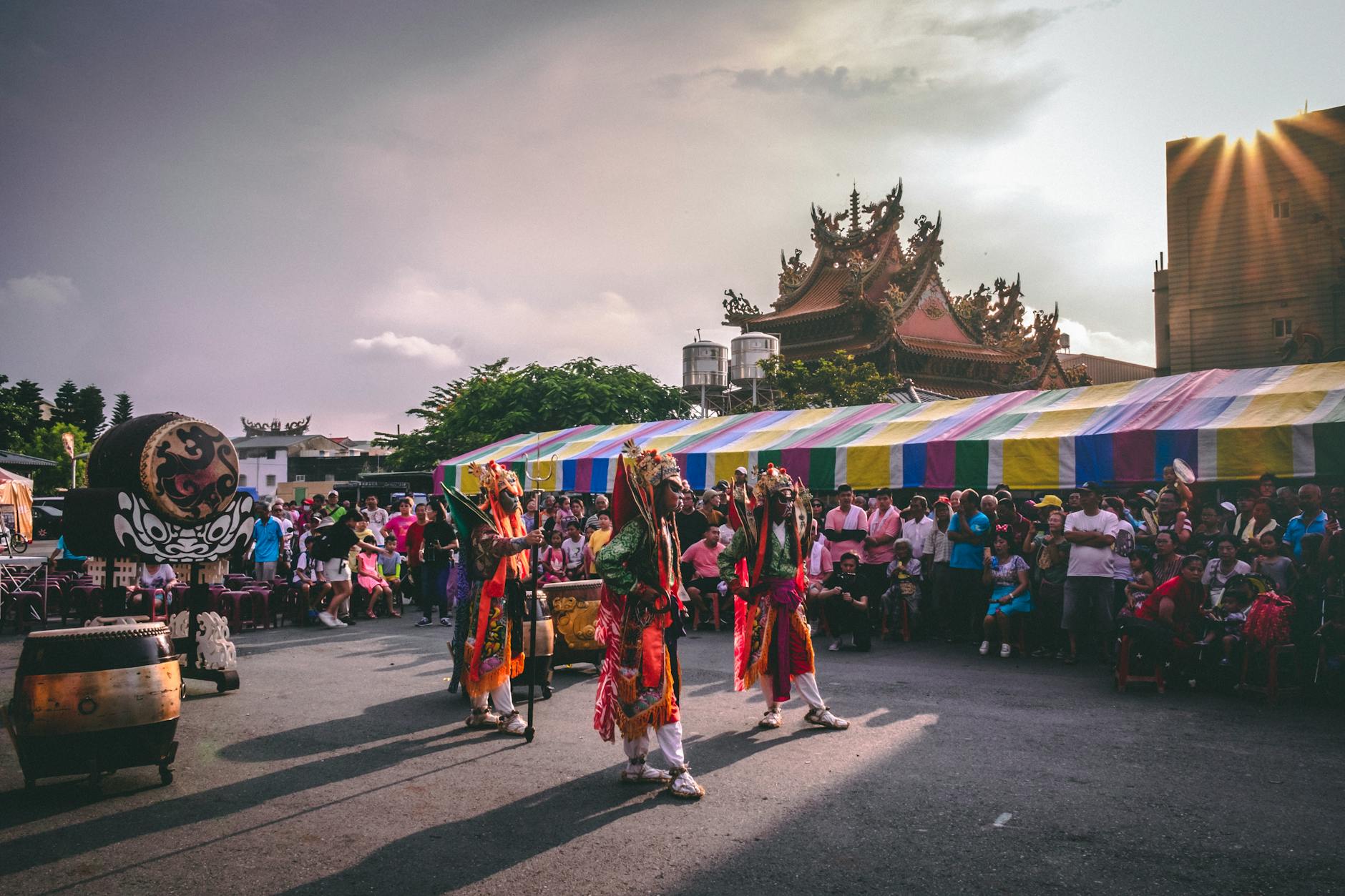
Coastal and waterfront time can be rewarding, but the traveler should plan how to reach Anping, wetlands, salt fields, sunset areas, seafood stops, and return routes. Public transport, taxis, bikes, scooters, and arranged cars all create different safety and timing questions. Improvising late in the day can leave the traveler with a weak return.
Sunset routes should be especially deliberate. The best light is also when many travelers discover they have not solved transport back.
- Plan Anping, wetlands, salt fields, waterfront areas, seafood stops, and sunsets by transport.
- Compare buses, taxis, bikes, scooters, arranged cars, walking, and return timing.
- Solve the return route before committing to a late coastal window.
Treat heat and humidity as safety variables
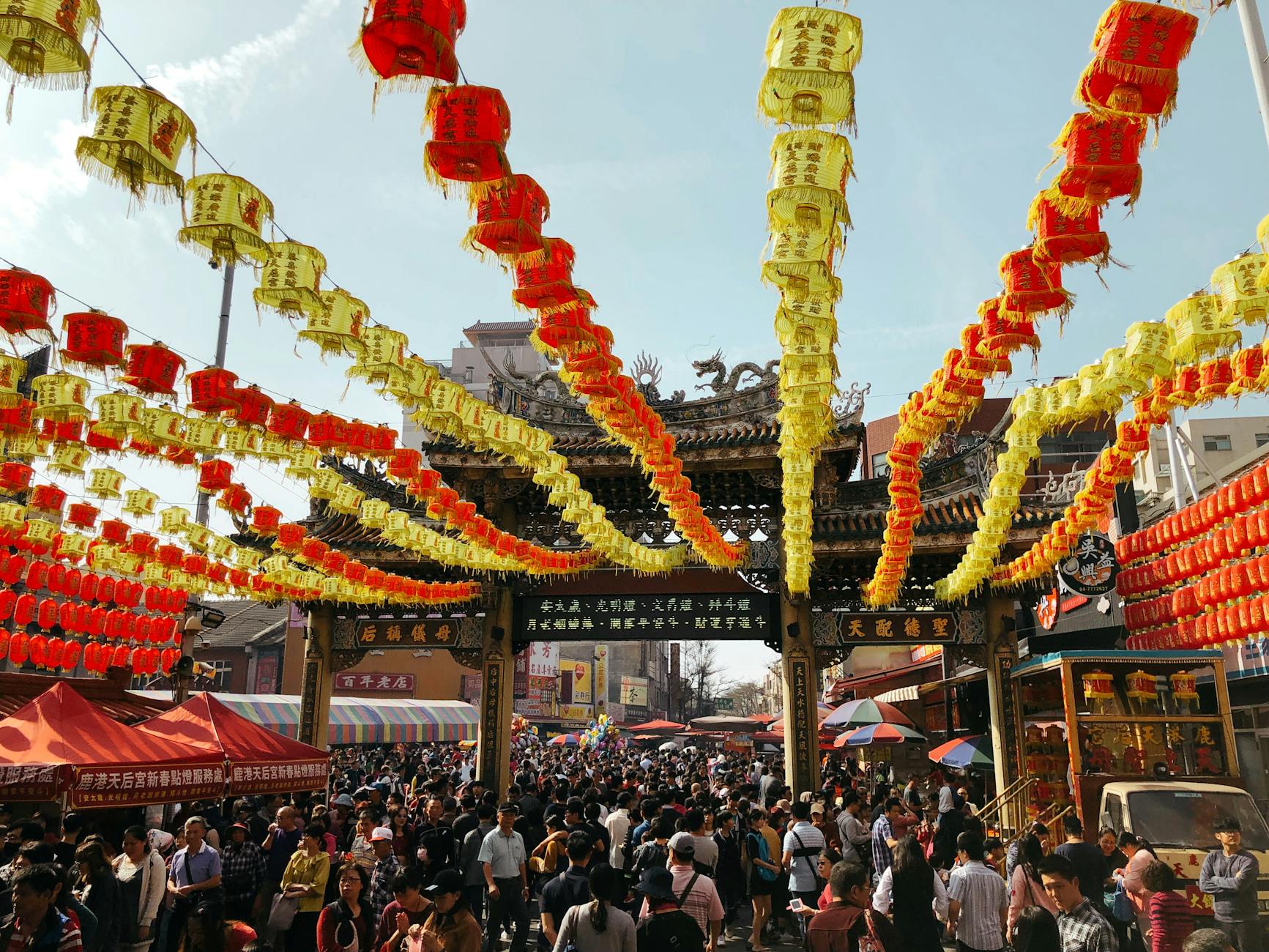
Tainan heat and humidity can turn a modest walk, ride, or outdoor loop into a draining day. The traveler should plan water, sun protection, electrolytes, shoes, shade, indoor breaks, and earlier or later outdoor windows. Midday may be better for museums, cafes, food, or rest than for exposed routes.
Heat planning is not a comfort detail. It affects judgment, pace, hydration, and whether the traveler can enjoy the evening.
- Plan water, electrolytes, sun protection, shoes, shade, indoor breaks, and timing.
- Use early morning and late afternoon for exposed routes when possible.
- Treat heat and humidity as safety factors, not only weather.
Be realistic about cycling, scooters, and roads
Cycling or scooter movement can expand a Tainan outdoor trip, but it should be chosen carefully. Traffic comfort, licensing, helmets, parking, heat, rain, route quality, insurance, and night riding all matter. A traveler who is not confident in local conditions should use taxis, buses, walking clusters, or arranged transport instead.
The goal is active travel, not proving independence at the expense of safety. Road decisions should match the traveler's real experience.
- Check traffic comfort, licensing, helmets, parking, rain, route quality, insurance, and night riding.
- Use taxis, buses, walking clusters, or arranged transport when local road conditions are not a fit.
- Choose active movement by skill level, not by aspiration.
Use side trips selectively
Outdoor travelers may consider Guanziling, Chimei Museum grounds, coastal reserves, salt landscapes, Kaohsiung, or mountain-side routes beyond Tainan. These can add variety, but they require transport, time, weather checks, and a clear reason. A short Tainan stay can be weakened by chasing too many outside options.
The traveler should choose side trips that match the season and return energy. One strong outdoor side trip is usually better than several thin ones.
- Evaluate Guanziling, coast, salt landscapes, Kaohsiung, parks, and mountain-side routes by transport and weather.
- Choose side trips that match season, time, energy, and gear.
- Protect enough time for Tainan itself before leaving the city repeatedly.
Match gear, food, and recovery to the route
A Tainan outdoor day should include the right shoes, breathable clothing, rain protection, water, sunscreen, phone power, cash, transit card, and a plan for meals after activity. Food is a strength of Tainan, but a long queue after a hot ride may not be the best recovery plan.
The traveler should place recovery near the route: a seated meal, hotel shower, cafe break, or quiet evening. Outdoor value increases when the day ends well.
- Carry shoes, breathable clothing, rain gear, water, sunscreen, phone power, cash, and payment.
- Plan food and recovery near the route rather than chasing distant meals after activity.
- Use seated meals, hotel showers, cafes, and quiet evenings as part of the active plan.
When to order a short-term travel report
An outdoor traveler planning simple old-center walks may not need a custom Tainan report. A report becomes useful when the traveler wants coast, wetlands, Anping, cycling, scooters, hot springs, side trips, or active routes that need testing against heat, rain, transport, safety, and return timing.
The report should test lodging fit, HSR and taxi routes, outdoor windows, coast and Anping access, weather, gear, road comfort, side trips, meals, recovery, budget, and what to cut. The value is a Tainan active stay that feels energetic without becoming careless.
- Order when coast, wetlands, cycling, scooters, hot springs, side trips, heat, or transport need testing.
- Provide dates, activity goals, fitness level, gear, arrival mode, lodging options, constraints, and budget.
- Use the report to make the outdoor trip selective, safe, and realistic.