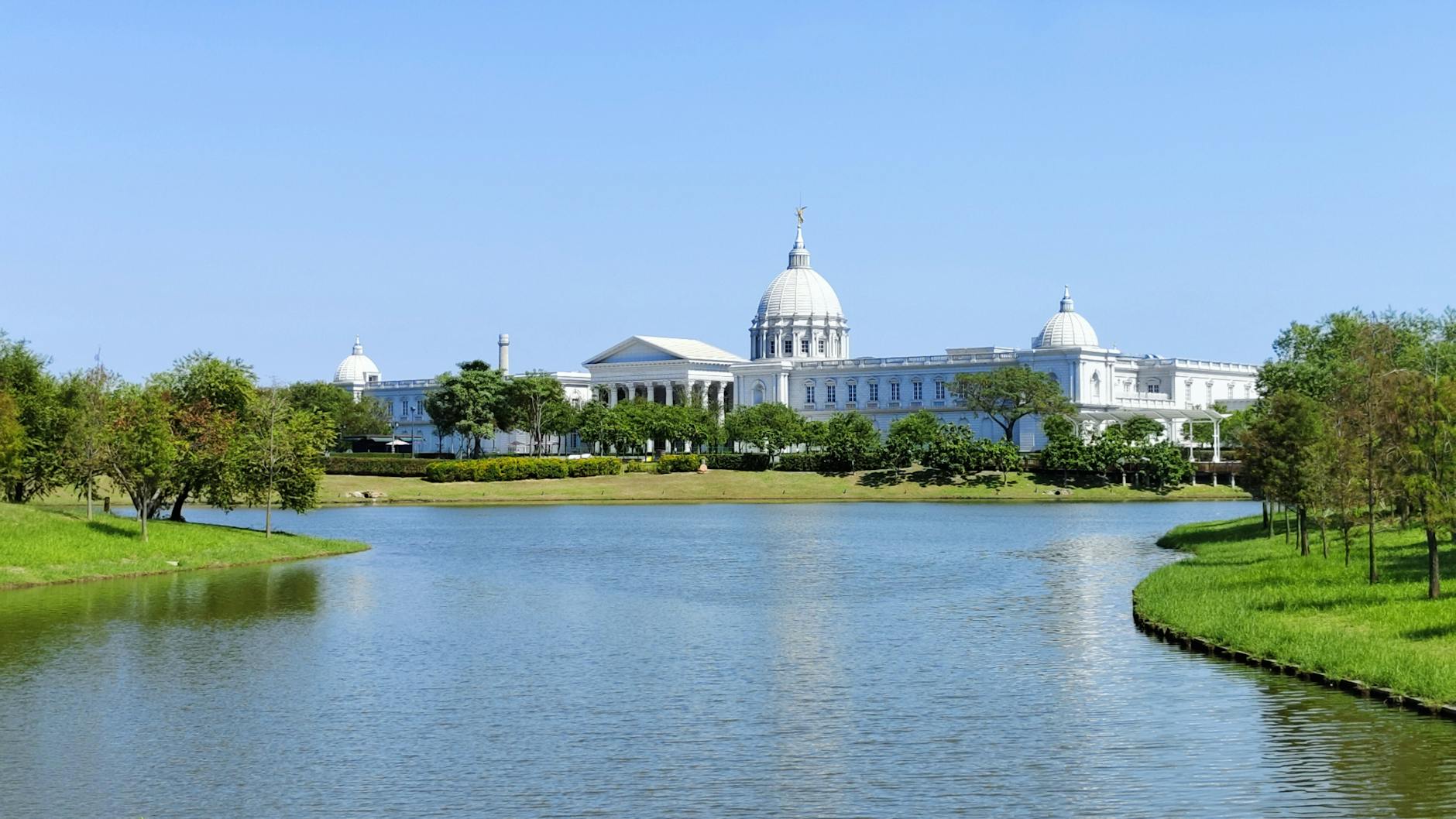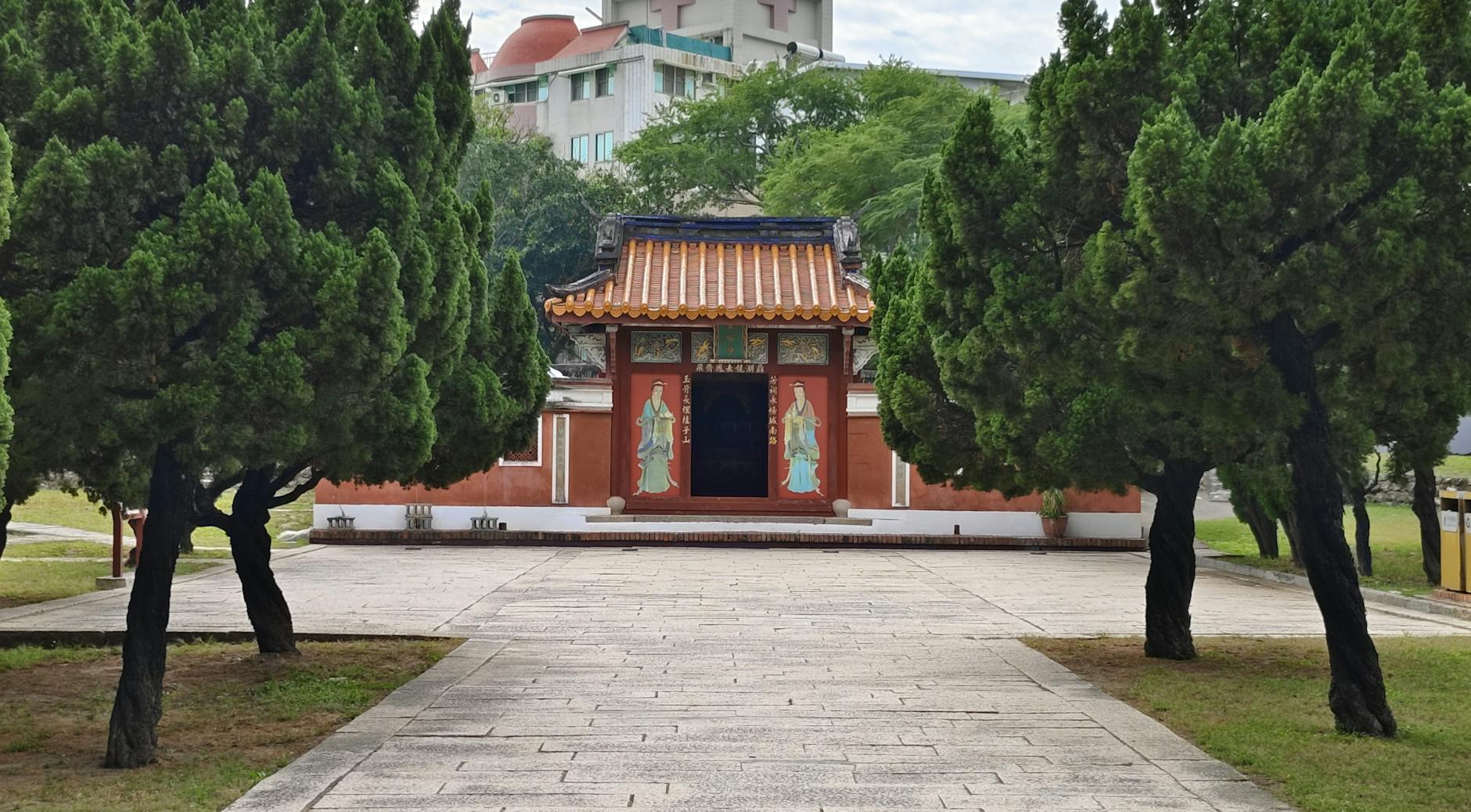
Tainan can be a rewarding academic conference city because universities, research institutions, hospitals, cultural venues, heritage sites, and food districts sit close enough to support a short scholarly visit. It is not, however, a city where the logistics should be guessed from the name of the venue alone. The high-speed rail station, central rail station, university areas, historic districts, hotels, and science-park or hospital sites can sit in different practical worlds. A good Tainan conference plan protects the academic purpose first. It gets the traveler to sessions, panels, meals, and side meetings cleanly, then leaves room for the city without letting sightseeing damage the work.
Confirm the venue before choosing lodging
A Tainan academic trip should start with the exact venue, not the city name. A conference may be at a university, hospital, hotel ballroom, cultural venue, convention facility, or partner campus, and each points to different hotel and transfer choices. Staying in the historic center may be pleasant, but it may not be the best base for early sessions.
The traveler should check venue entrances, registration location, session rooms, poster areas, lunch plans, evening events, and whether the conference has transport guidance that should override generic city advice.
- Identify whether the event is at a university, hospital, hotel, convention venue, or partner site.
- Check registration, room locations, poster areas, evening events, and venue entrances.
- Choose lodging by conference logistics before leisure preference.
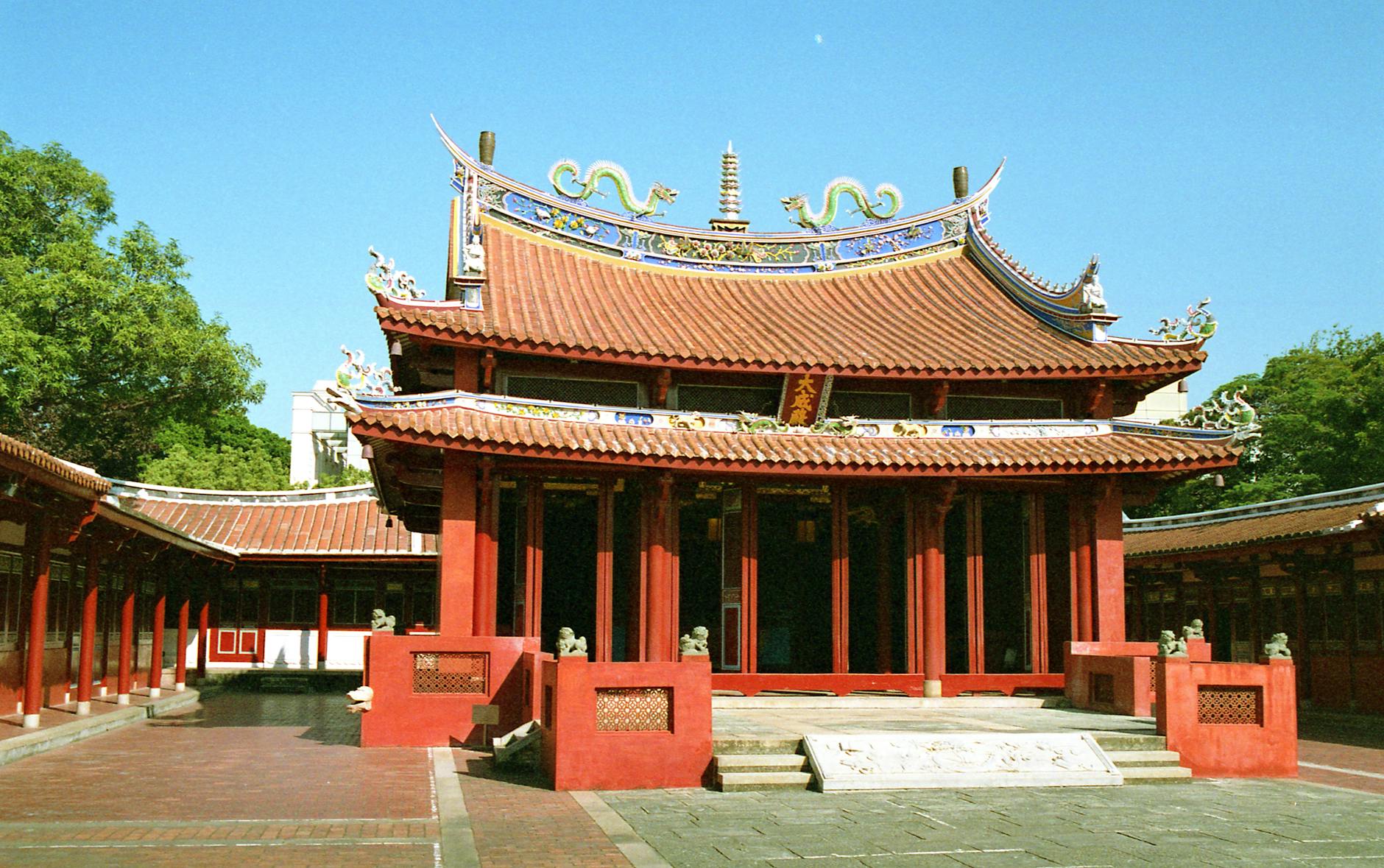
Separate HSR arrival from city arrival
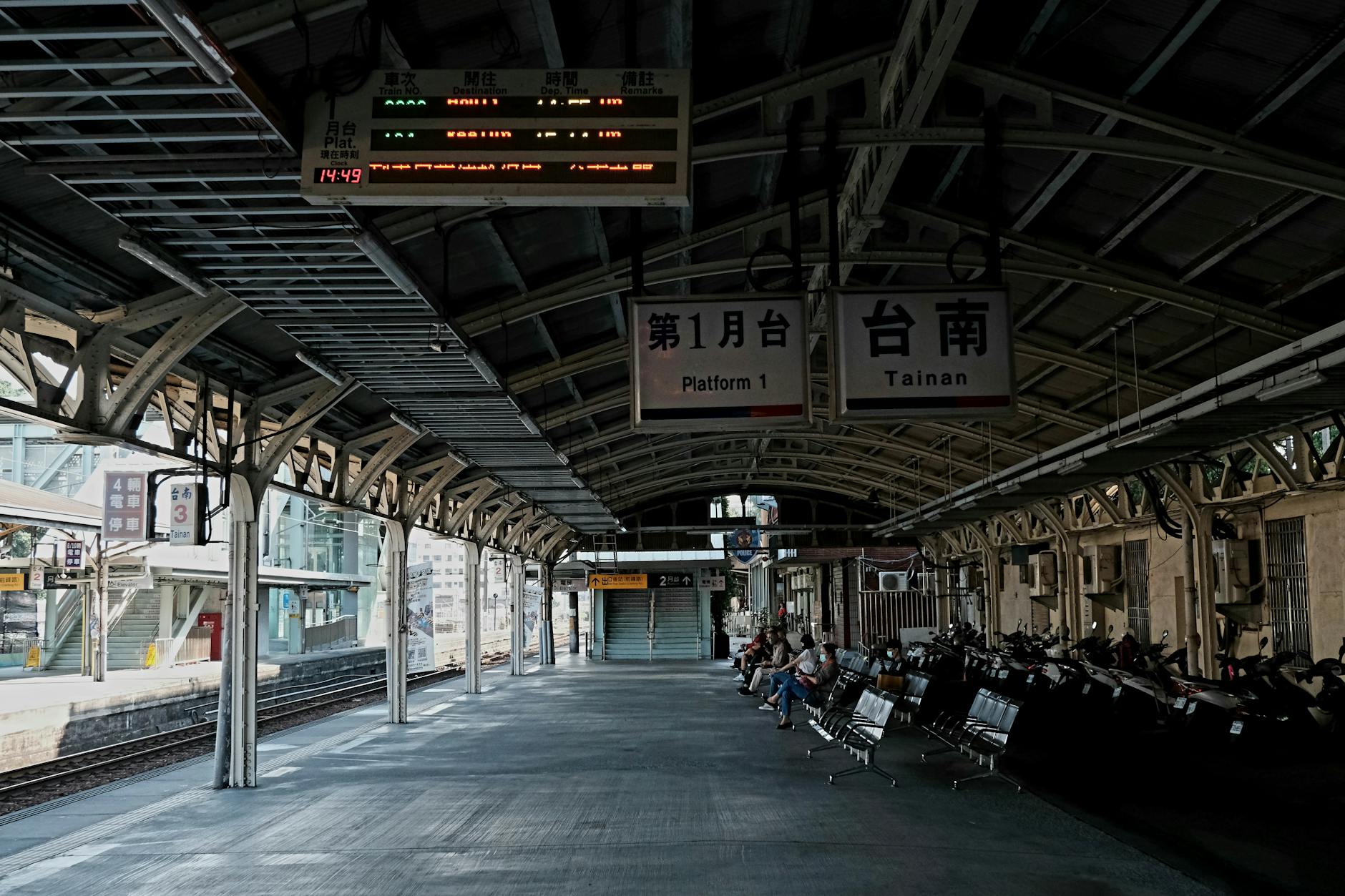
Many academic travelers reach Tainan by high-speed rail, but the HSR station is not the same as the central city or a campus entrance. The plan should include the final leg by shuttle, local rail, taxi, host pickup, or conference bus. A traveler arriving with poster tubes, luggage, or presentation materials should not leave that connection vague.
Airport arrivals through Kaohsiung, Taipei, or other gateways add another decision layer. The safest itinerary gives the final local transfer as much attention as the long-distance travel.
- Plan the leg from HSR, airport, or local rail to the hotel and venue.
- Check shuttle, taxi, host pickup, conference bus, and local rail options.
- Account for luggage, poster tubes, presentation materials, and arrival fatigue.
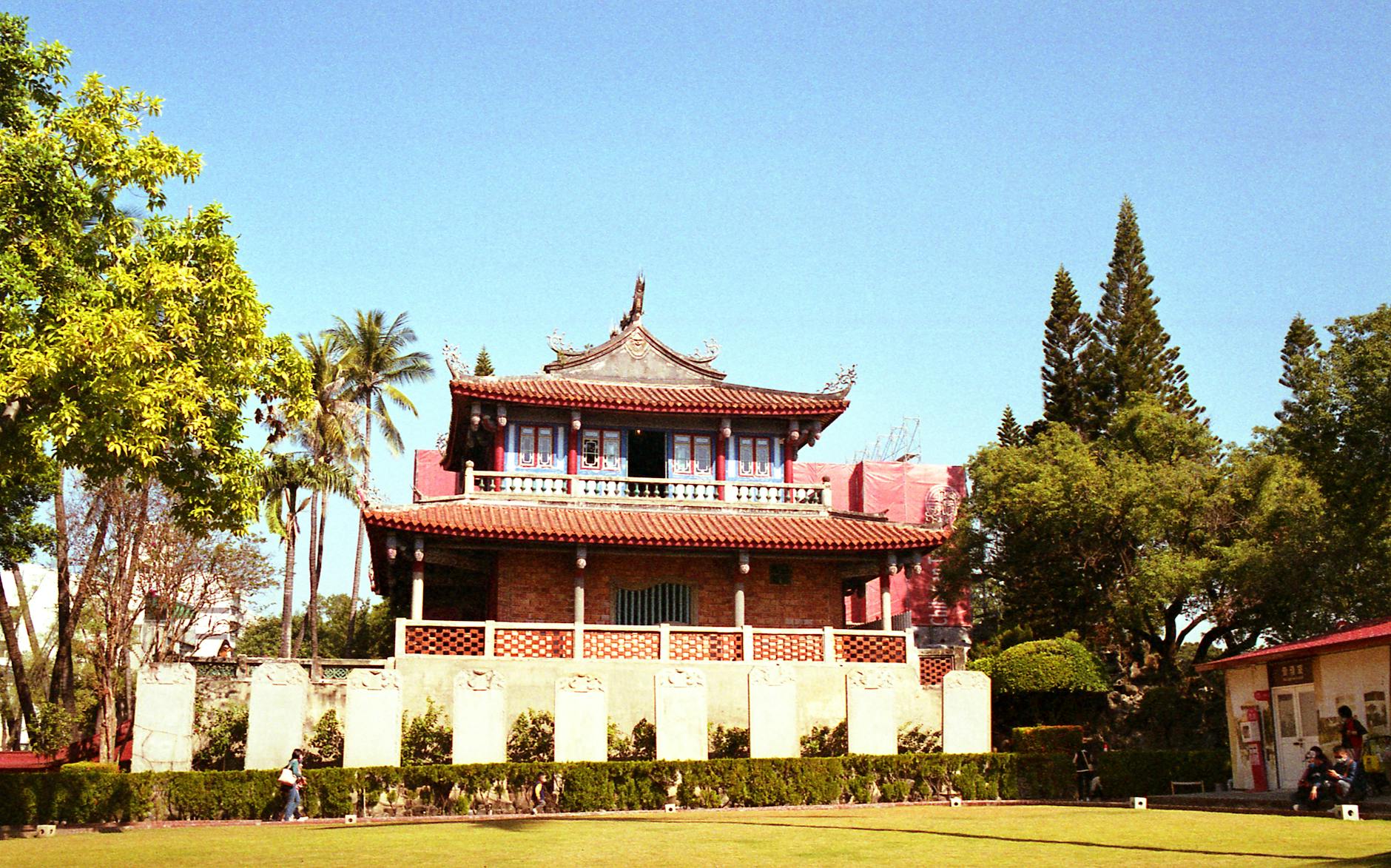
Protect presentation condition
Conference days can be damaged by heat, rain, long walks, and unclear venue layouts. The traveler should plan clothing, backup slides, adapters, local SIM or roaming, water, charging, printed notes, poster transport, and enough time to cool down before speaking. A short walk in humid weather can matter more than expected when the next task is presenting research.
The plan should also include a quiet place to revise slides, take calls, meet a collaborator, or reset between sessions.
- Prepare slides, adapters, chargers, data, printed notes, poster logistics, and backup files.
- Plan clothing and arrival buffers around heat, rain, and walking distance.
- Identify quiet work spaces for revisions, calls, and between-session recovery.
Schedule networking with local geography in mind
Tainan can support strong academic networking, but meals, coffee, campus walks, museum visits, and hosted dinners need geography. A quick lunch near the venue is different from an evening in Anping, the historic center, or a hotel restaurant. Group movement can slow down quickly when taxis, weather, dietary needs, and language are all in play.
The traveler should decide which conversations require quiet, which can happen over food, and which should be scheduled before the conference day fragments.
- Plan meals and coffee around venue location, taxis, weather, and group size.
- Separate quiet collaborator meetings from broader social meals.
- Do not assume every networking opportunity can fit between sessions.
Choose city time that supports the conference
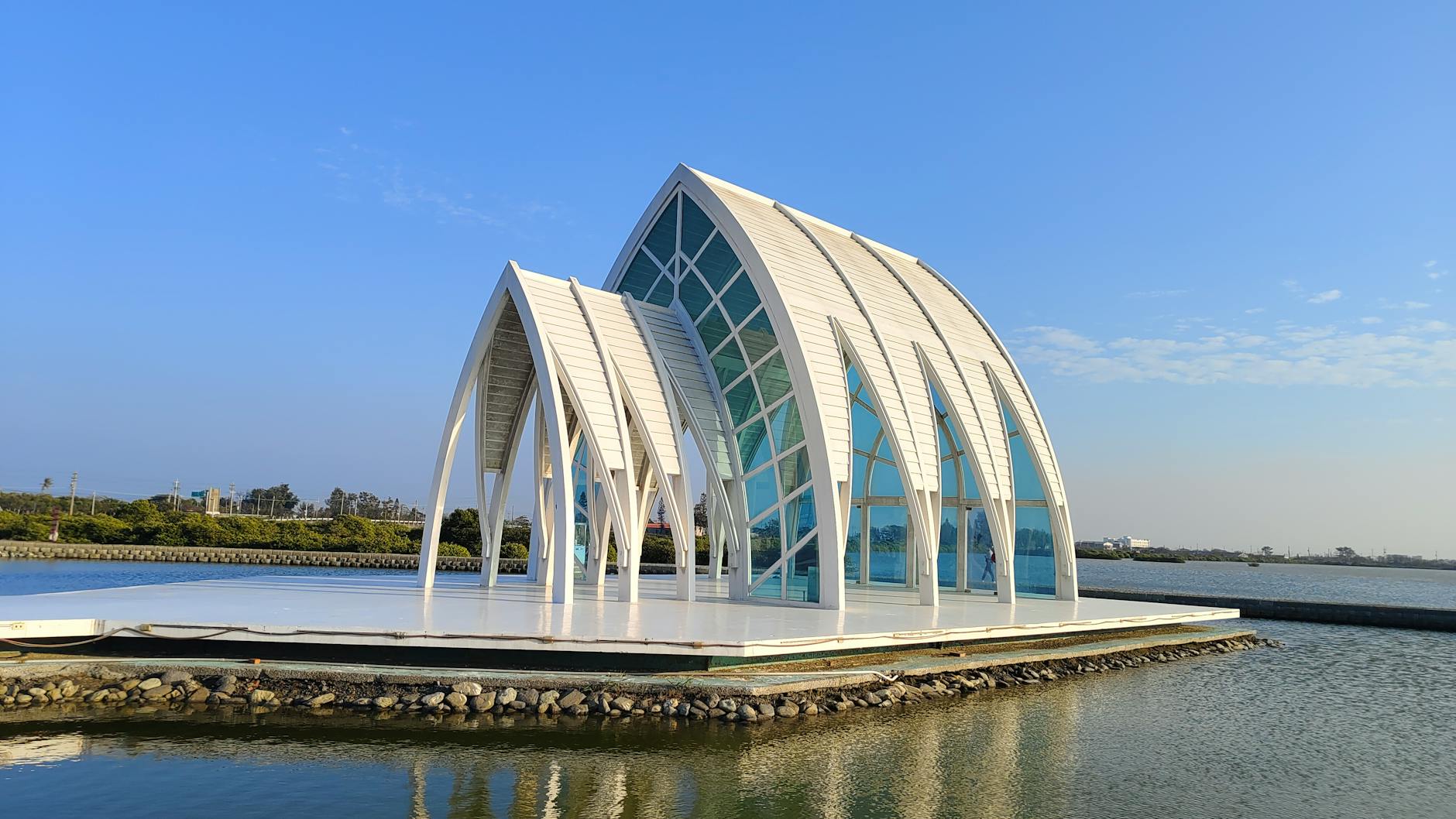
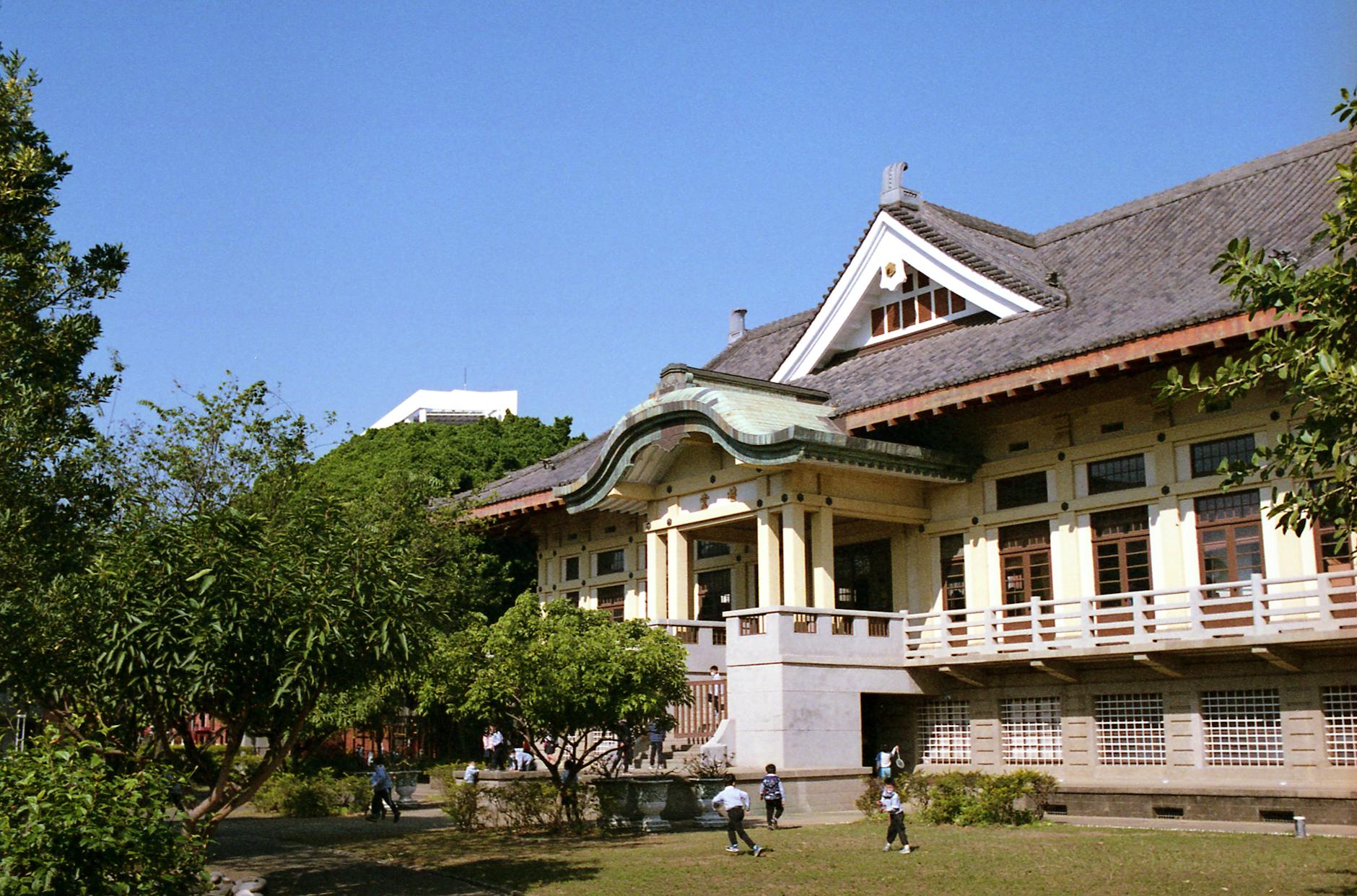
A short academic stay does not need to ignore Tainan, but the city time should be chosen carefully. A focused historic walk, temple visit, Anping route, local food stop, museum, or quiet tea break may fit better than a large sightseeing day. The goal is to leave the traveler sharper for sessions, not more tired.
The best leisure window may be after the main presentation, before a late departure, or on a dedicated extra night rather than between important panels.
- Choose one focused city experience instead of overloading the conference schedule.
- Consider historic walks, temples, Anping, food, museums, or quiet breaks by available time.
- Put heavier sightseeing after the main academic obligation when possible.
Plan accessibility, diet, and reimbursement details
Academic travel often comes with constraints that are easy to overlook: reimbursement rules, per diem limits, accessible rooms, elevators, dietary needs, receipts, invoice formats, institutional booking rules, and host payment customs. Tainan's strong food culture is a plus, but it does not remove the need to plan around allergies, vegetarian needs, late arrivals, or early sessions.
The traveler should keep receipts, address details, and conference documentation organized from the first transfer rather than reconstructing them later.
- Check reimbursement, receipts, per diem, invoices, institutional rules, and host payment expectations.
- Confirm accessibility, elevators, dietary needs, late food, and breakfast timing.
- Keep documentation organized from arrival through departure.
When to order a short-term travel report
An attendee with a hosted hotel and conference shuttle may not need a custom Tainan report. A report becomes useful when the traveler is choosing lodging independently, has a tight HSR or airport transfer, is presenting, needs side meetings, has accessibility or dietary constraints, or wants one useful city experience around a serious academic schedule.
The report should test venue geography, hotel fit, HSR and airport links, session timing, meal options, networking movement, weather, presentation logistics, accessibility, receipts, budget, and what to cut. The value is a Tainan conference trip that supports the work instead of competing with it.
- Order when venue geography, lodging, HSR transfer, presentation logistics, meals, or constraints need testing.
- Provide venue, schedule, hotel options, arrival mode, presentation needs, dietary needs, access needs, and budget.
- Use the report to make the academic trip punctual, comfortable, and still meaningfully local.