Start with venue and campus geography
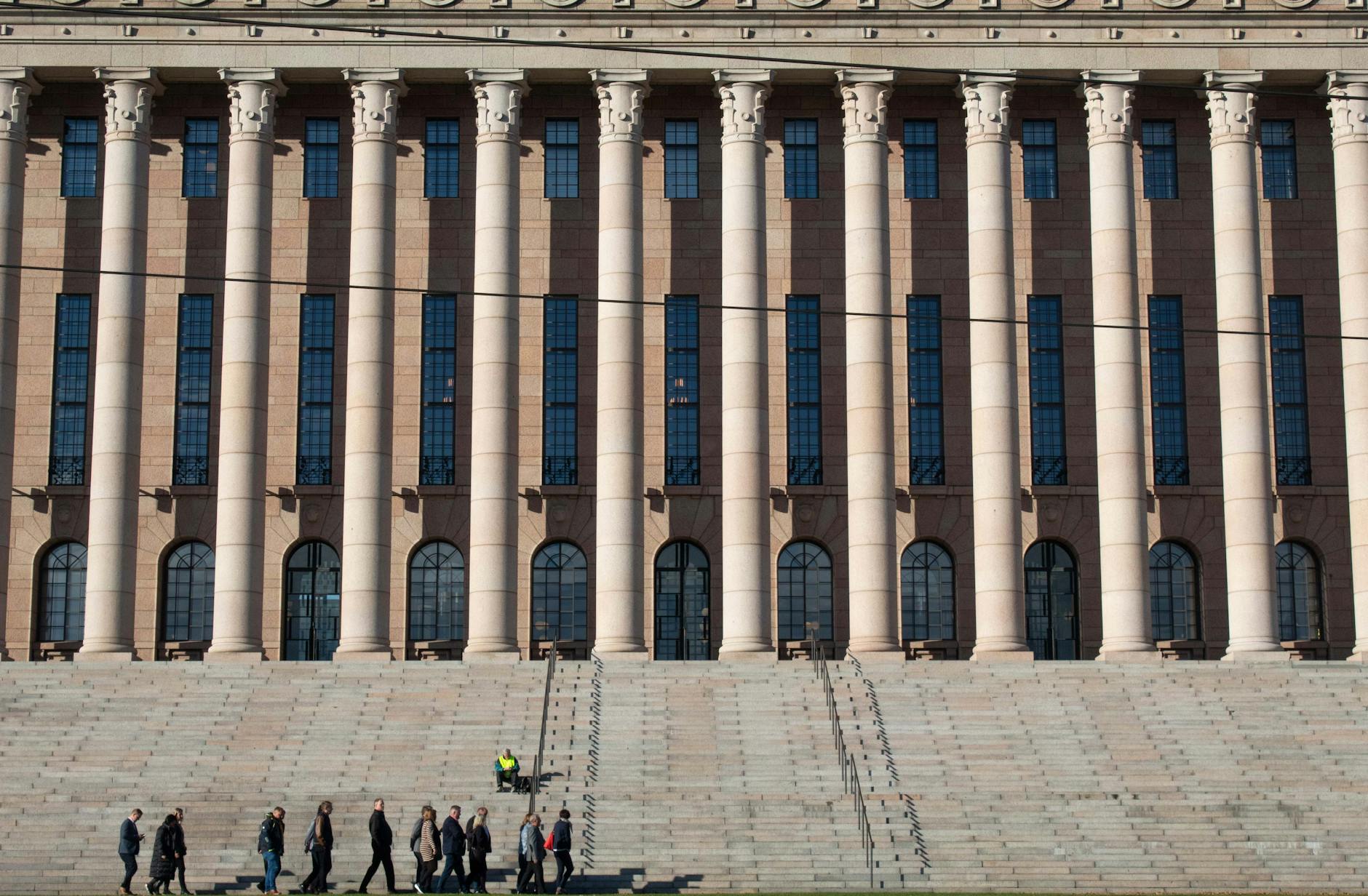
The attendee should confirm the exact conference venue, session rooms, registration desk, poster area, reception location, and any satellite events before choosing hotel or city plans. Helsinki can be efficient, but unfamiliar venue layouts still cost time.
Conference geography should be mapped before arrival.
- Confirm the venue address, entrances, room locations, registration hours, and host contact.
- Map satellite events, receptions, university buildings, and dinner locations against the hotel.
- Keep screenshots of the program, maps, badges, and schedule changes available offline.

Choose lodging around the academic day
A conference hotel should make the academic rhythm easier: early sessions, late receptions, quiet reading, breakfast, Wi-Fi, and a predictable route to the venue. The best location may be near the venue or a simple tram or rail line, not necessarily the most scenic block.
The room should support the work.
- Compare lodging by venue commute, transit simplicity, breakfast timing, desk space, and quiet.
- Check luggage storage for arrival and departure days when sessions overlap with hotel hours.
- Avoid a hotel that turns every poster session, reception, or dinner into a complicated transfer.
Protect registration and first sessions
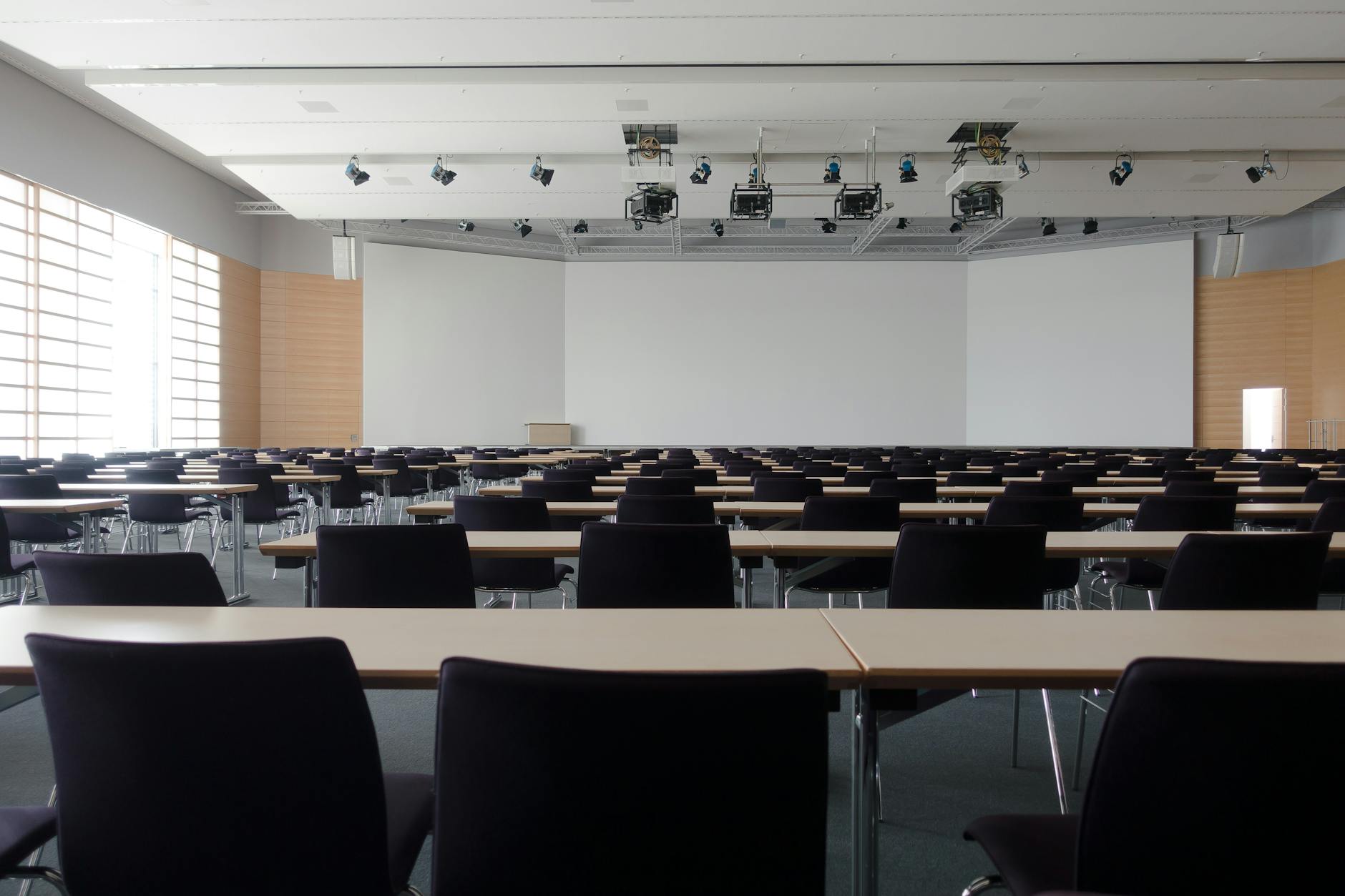
Registration, badge pickup, coat check, coffee queues, and finding the first room can consume the opening hour. The attendee should plan the first morning conservatively, especially after a flight, train, or late arrival.
A calm first session sets up the rest of the conference.
- Leave extra time for registration, badge pickup, cloakroom lines, and locating the first room.
- Arrive with the day's priority sessions, speaker names, and backup choices already marked.
- Keep snacks, water, chargers, medication, and notebook supplies ready before leaving the hotel.

Prepare presentation and poster materials
If the attendee is presenting, the trip needs more structure. Slides, adapters, printed posters, handouts, speaker timing, remote links, and backup files should be checked before travel rather than repaired at the venue.
Presentation logistics should not compete with the research.
- Carry offline copies of slides, poster files, notes, handouts, and required media.
- Confirm screen format, adapter needs, poster dimensions, setup time, and presenter check-in.
- Build a short rehearsal block into the day before or morning of the presentation.

Balance networking and note-taking
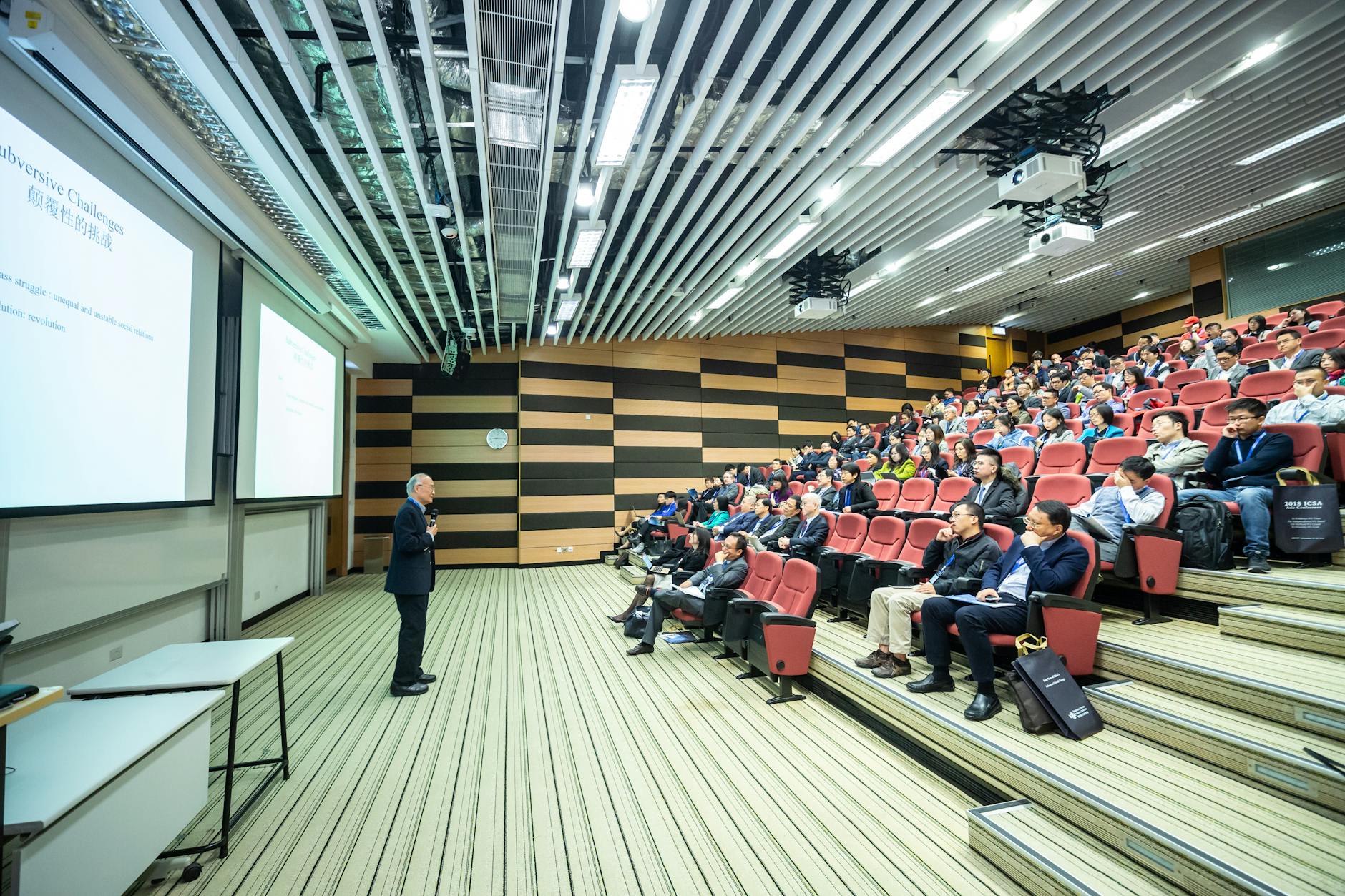
Academic value often comes from conversations between sessions. The attendee should make time for planned meetings, informal introductions, publisher tables, future collaborators, and note cleanup before details fade.
Networking needs room in the schedule.
- Identify priority people, panels, receptions, and coffee breaks before the conference starts.
- Leave short note blocks after important conversations or sessions.
- Avoid filling every meal with networking if the attendee needs time to think or recover.
Use Helsinki without weakening the conference
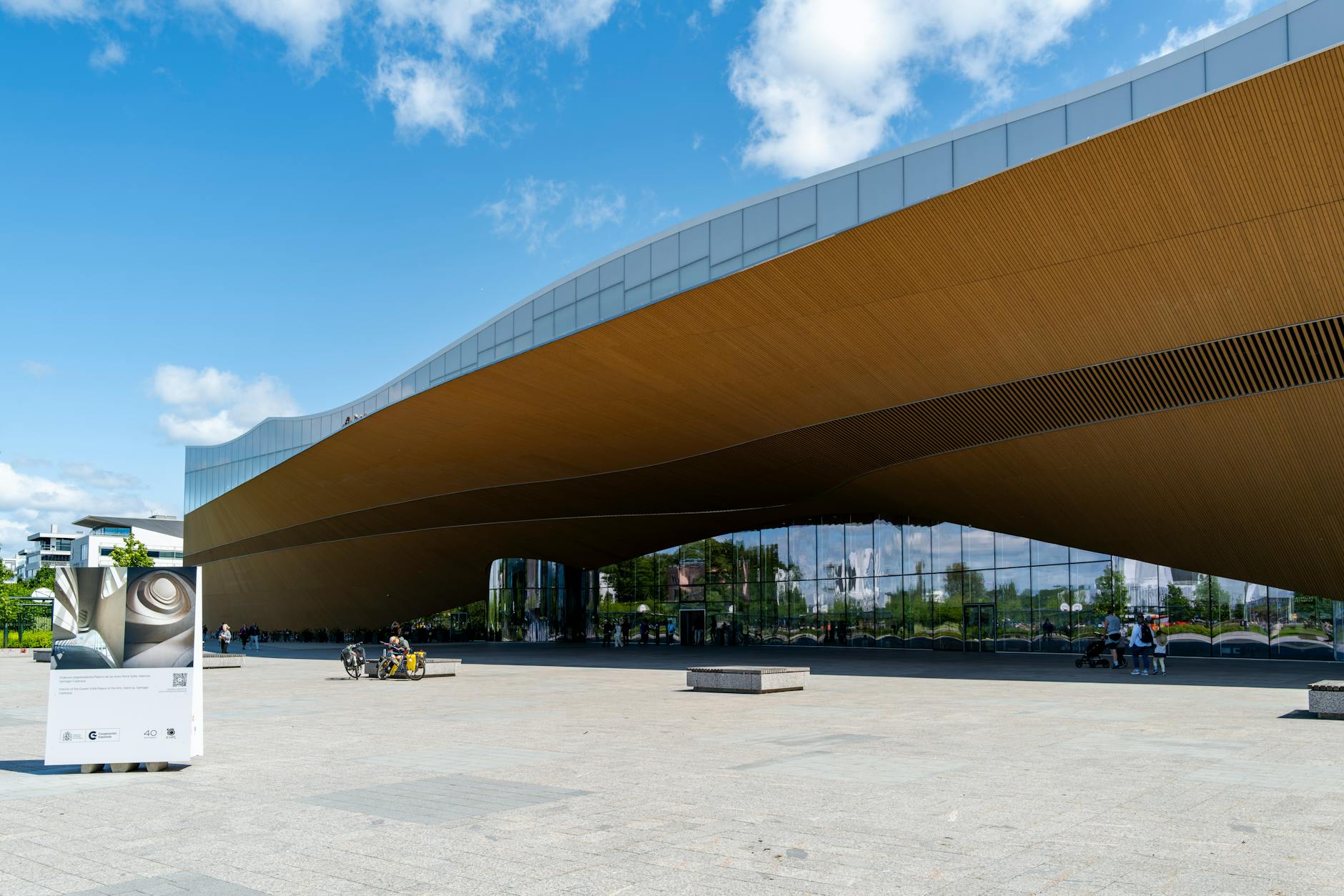
A short conference trip can still include Helsinki, but city time should be compact and restorative. A central walk, library stop, waterfront meal, tram ride, or cathedral view can fit better than an ambitious leisure plan.
The city should support the visit rather than crowd it.
- Choose one or two city moments near the venue, hotel, or direct transit line.
- Plan weather-aware clothing for waterfront wind, rain, snow, or bright summer light.
- Avoid late sightseeing before a presentation, panel, or early flight.
When to order a short-term travel report
An academic conference attendee with a simple venue hotel and light schedule may not need a custom report. A report becomes useful when the attendee is presenting, arriving close to registration, juggling multiple satellite events, or trying to add Helsinki time without weakening the conference purpose.
The report should test venue geography, hotel commute, registration timing, presentation logistics, meeting priorities, receptions, airport and rail transfer, weather, city-time options, and departure buffers. The value is a Helsinki conference trip where attention stays on the work, the people, and the ideas.
- Order when venue logistics, lodging, registration, presentation materials, networking, weather, city time, or departure timing need coordination.
- Provide conference venue, program priorities, presentation needs, lodging options, arrival details, accessibility needs, and meeting plans.
- Use the report to make the Helsinki conference trip focused, punctual, and easier to recover from.