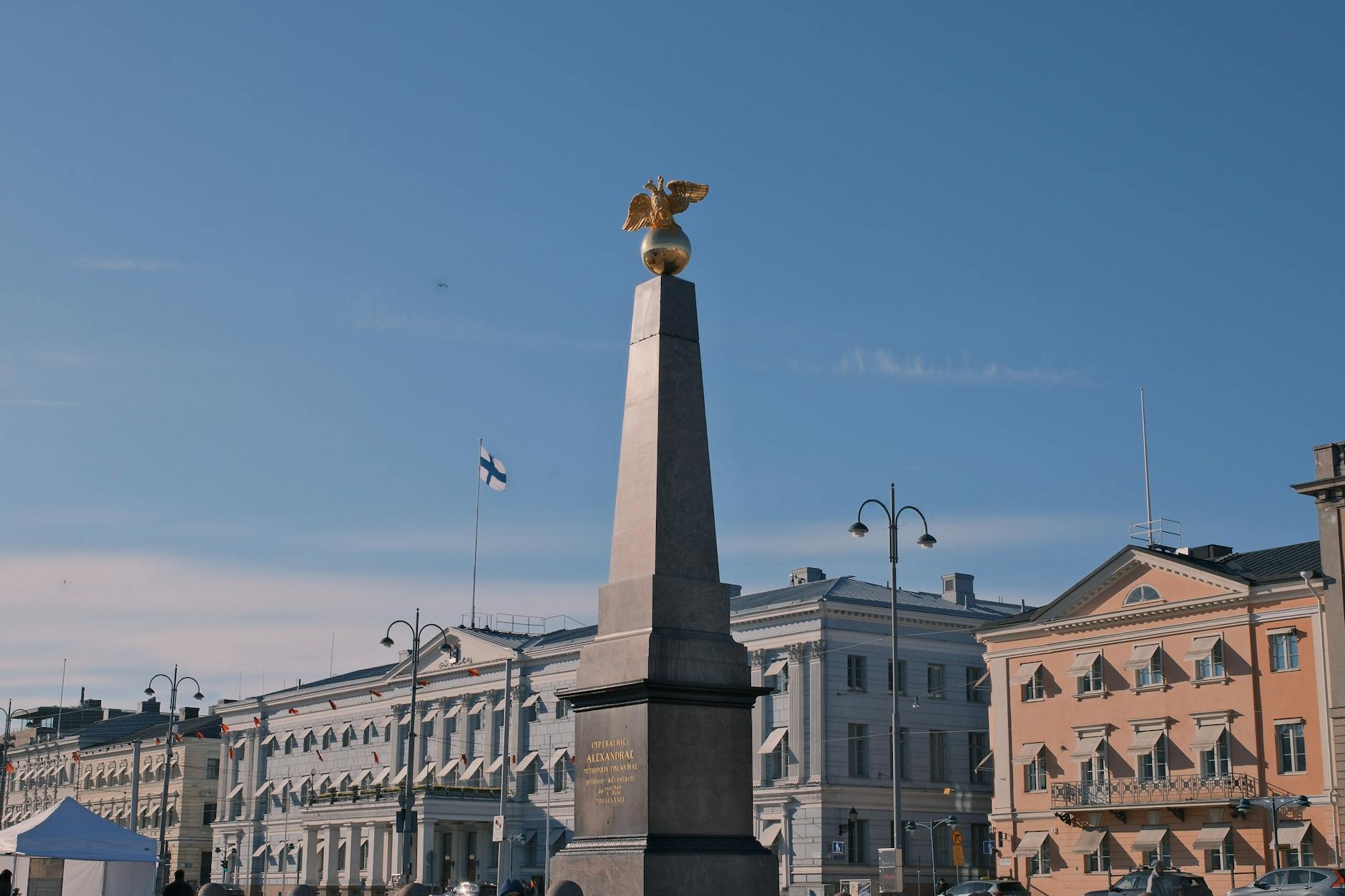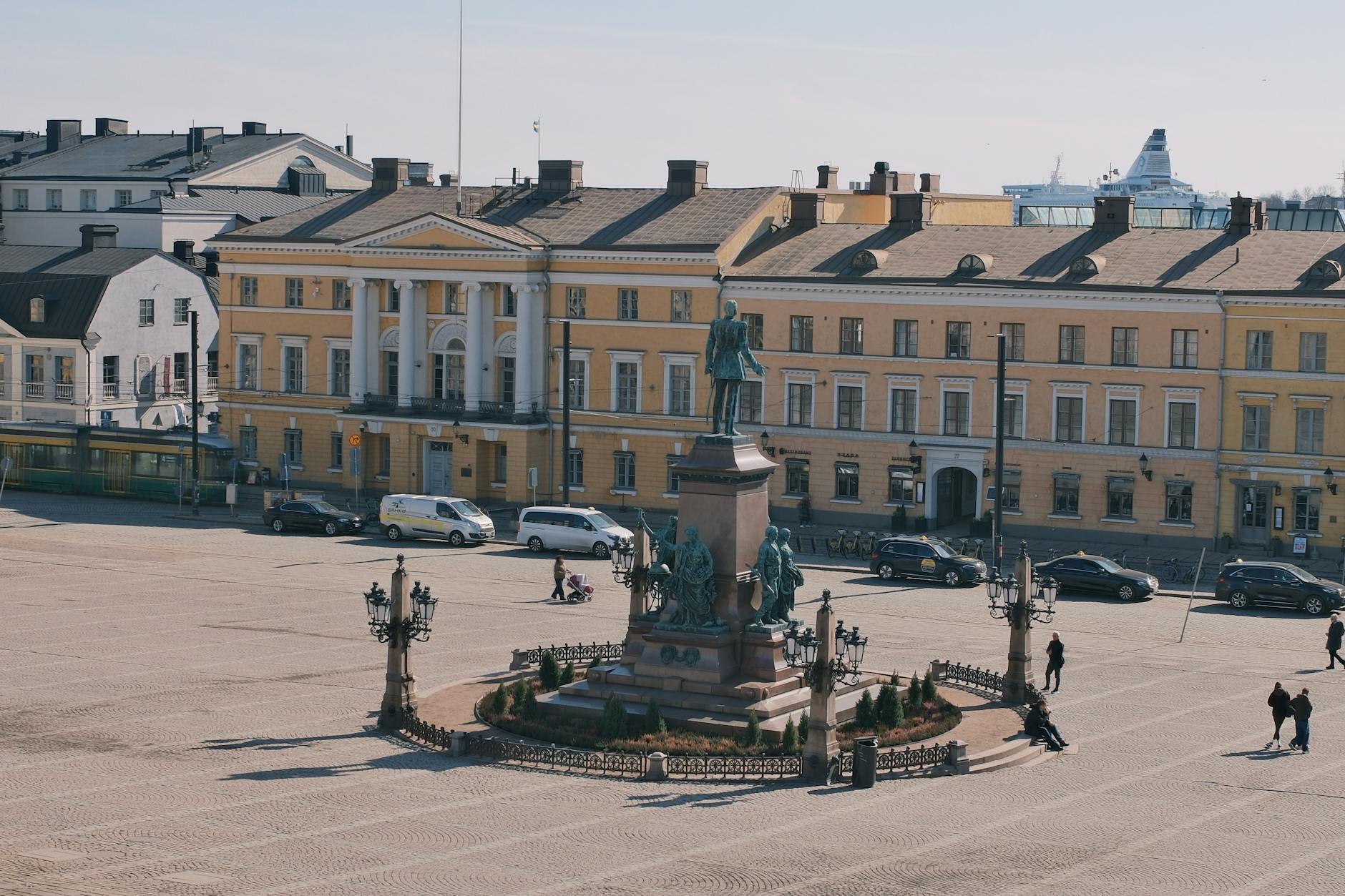
Start with a compact first-day shape
The first Helsinki day should be easy to understand: arrive, settle, learn the local movement pattern, and see one or two strong anchors. A simple route usually works better than bouncing between distant sights.
The first day should build confidence.
- Choose a first route that connects the hotel, central landmarks, food, and transit.
- Keep arrival-day plans light if the traveler is coming from a long flight or ferry.
- Use one waterfront or tram-linked route instead of several disconnected stops.
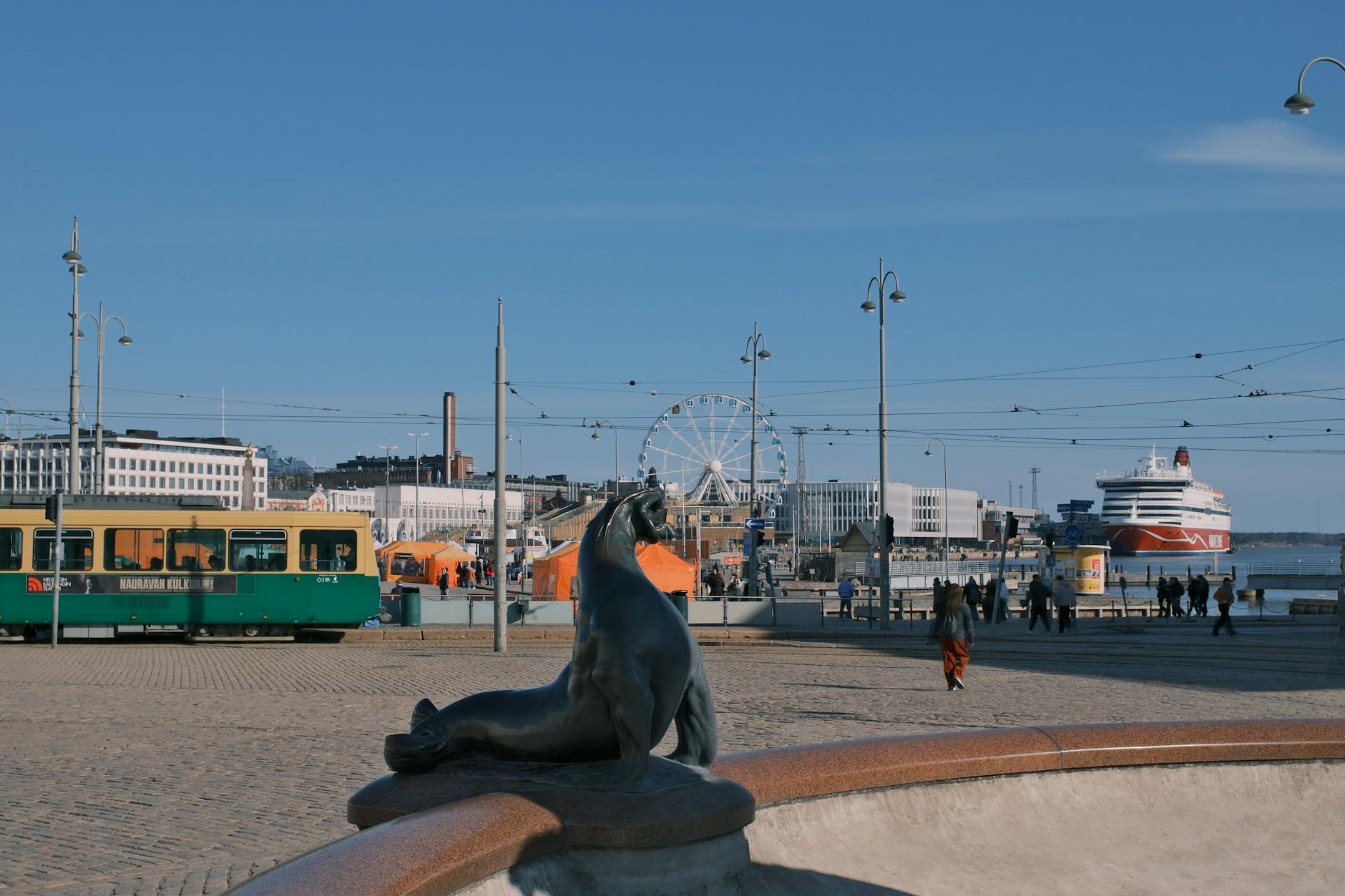
Choose lodging for simple movement
First-time visitors should choose lodging that makes the city easy, not just photogenic. The hotel should work for airport rail, trams, walking, meals, luggage storage, and evening returns.
A convenient base turns Helsinki into a calmer first visit.
- Compare lodging by airport access, tram links, walking routes, and evening comfort.
- Check breakfast, luggage storage, elevator access, quiet, and weather-protected transit options.
- Avoid a bargain location that makes each day start with a complicated transfer.
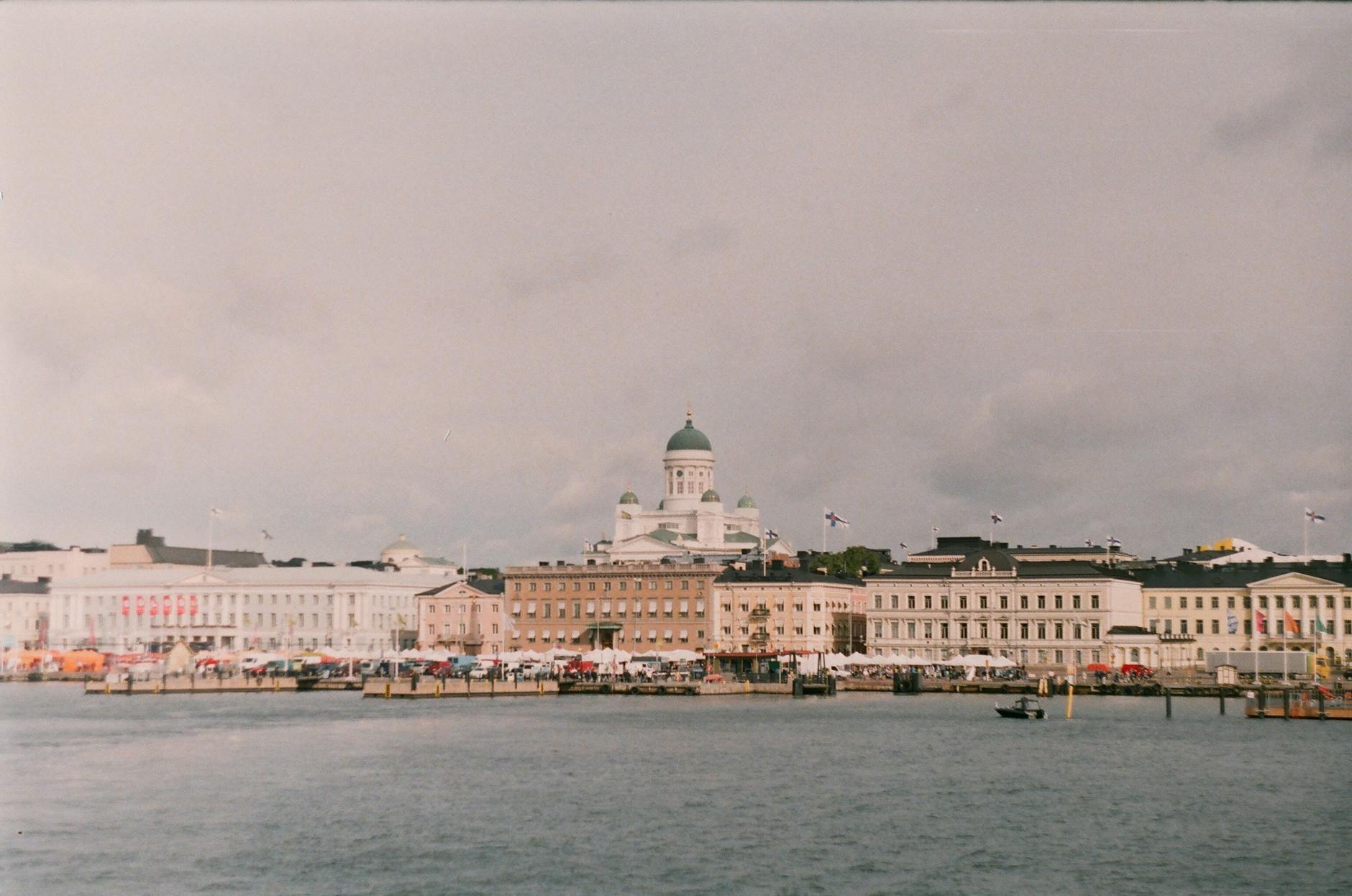
Learn the tram and rail basics early
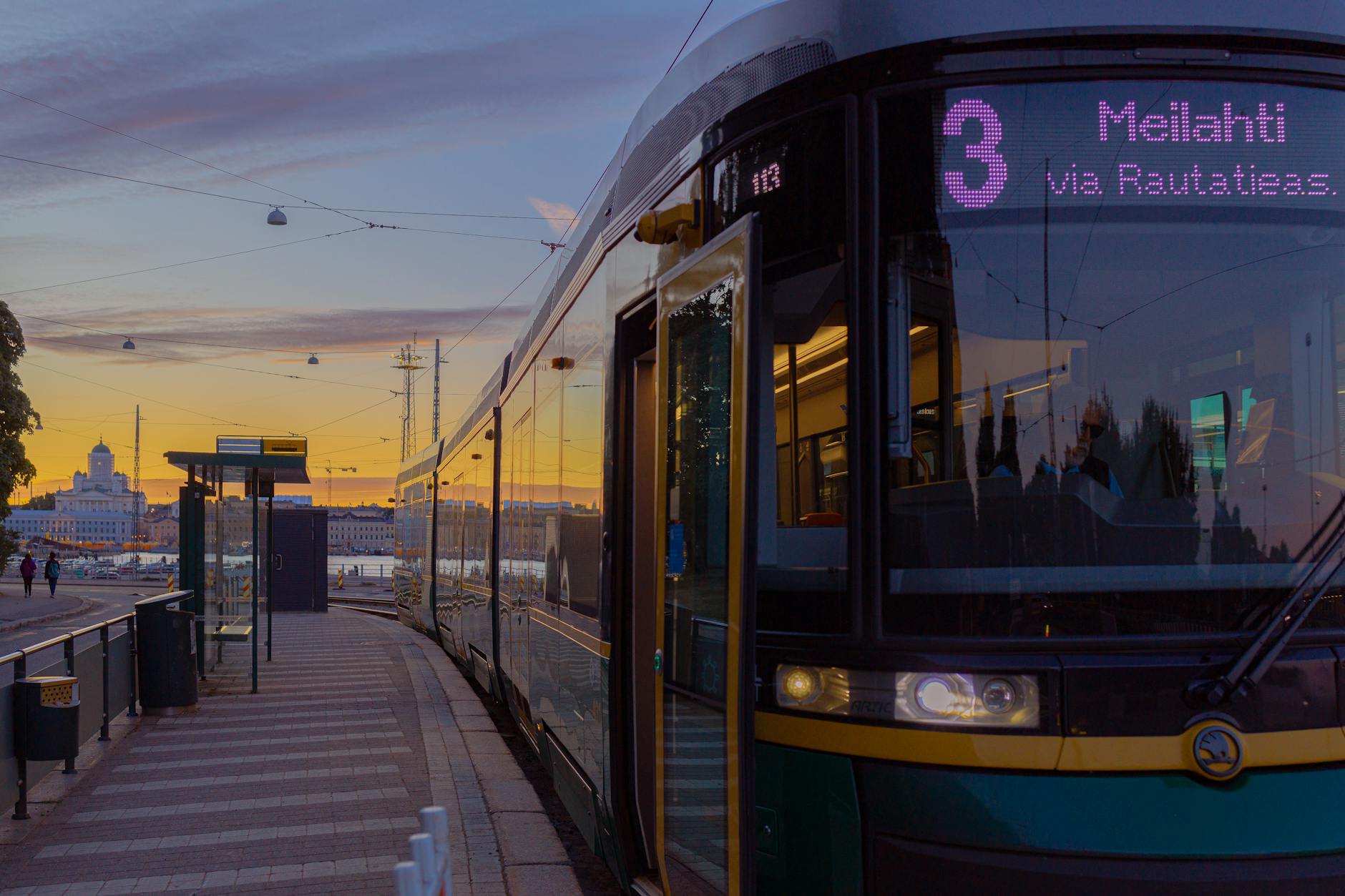
Helsinki transit can help a first-time visitor move efficiently, especially when weather changes. The traveler should learn the airport rail, central station, trams, ticket rules, and a simple return route to the hotel early in the stay.
Transit confidence expands the trip.
- Know the airport or rail arrival route before landing or disembarking.
- Understand tickets, tram stops, central station orientation, and the route back to lodging.
- Keep offline maps and enough phone power for weather or schedule changes.
Prioritize classic anchors
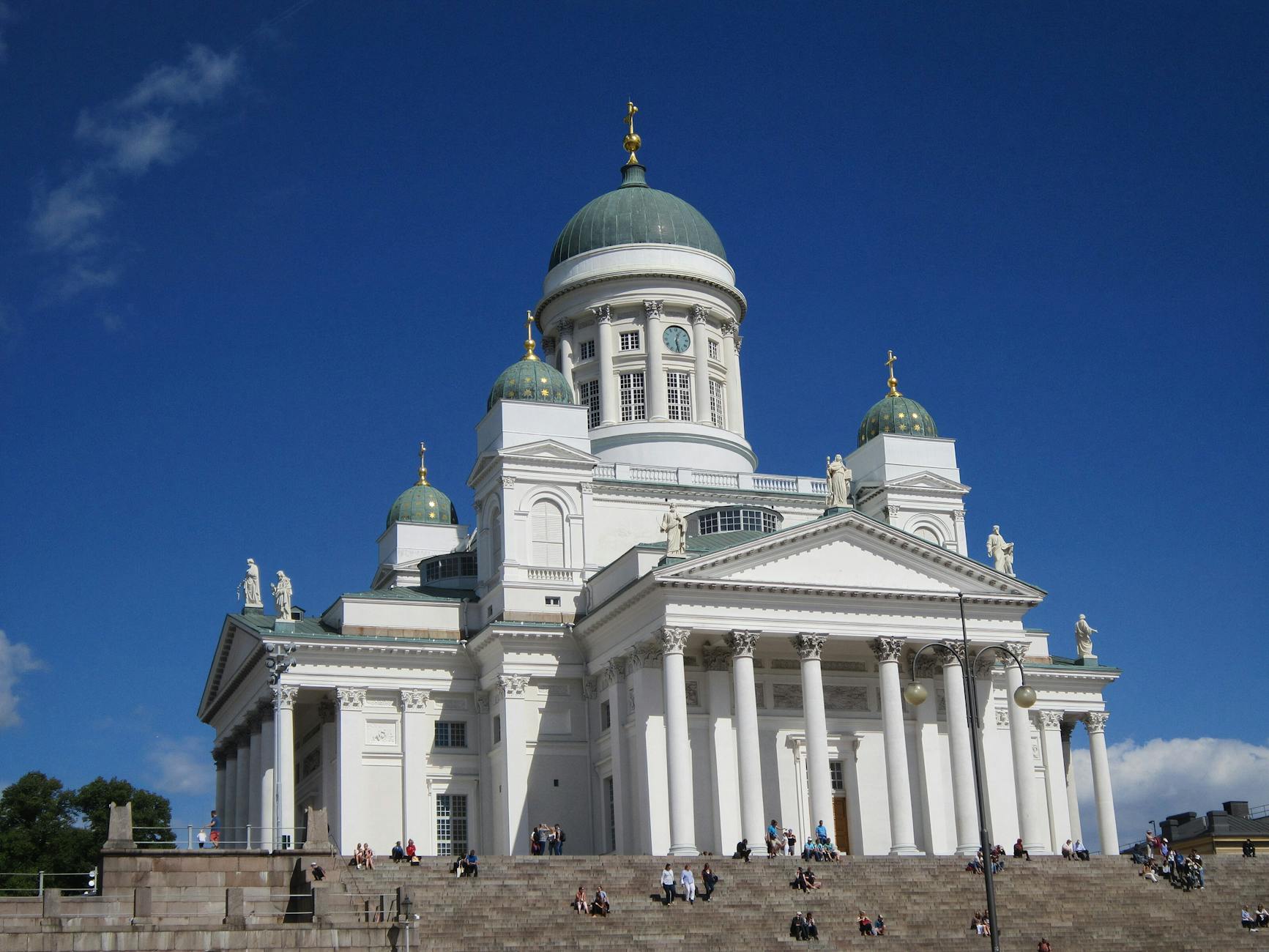
A short first visit should include a few places that explain Helsinki quickly: Senate Square, the cathedral area, the harbor, market edges, central streets, and one or two design or cultural stops. The traveler does not need every landmark.
Classic anchors should be chosen, not stacked.
- Pick a small set of central sights that fit the stay length and season.
- Pair outdoor landmarks with an indoor fallback for rain, wind, snow, or cold.
- Leave time to look, sit, and understand the city rather than only taking photos.
Use the harbor as a city anchor
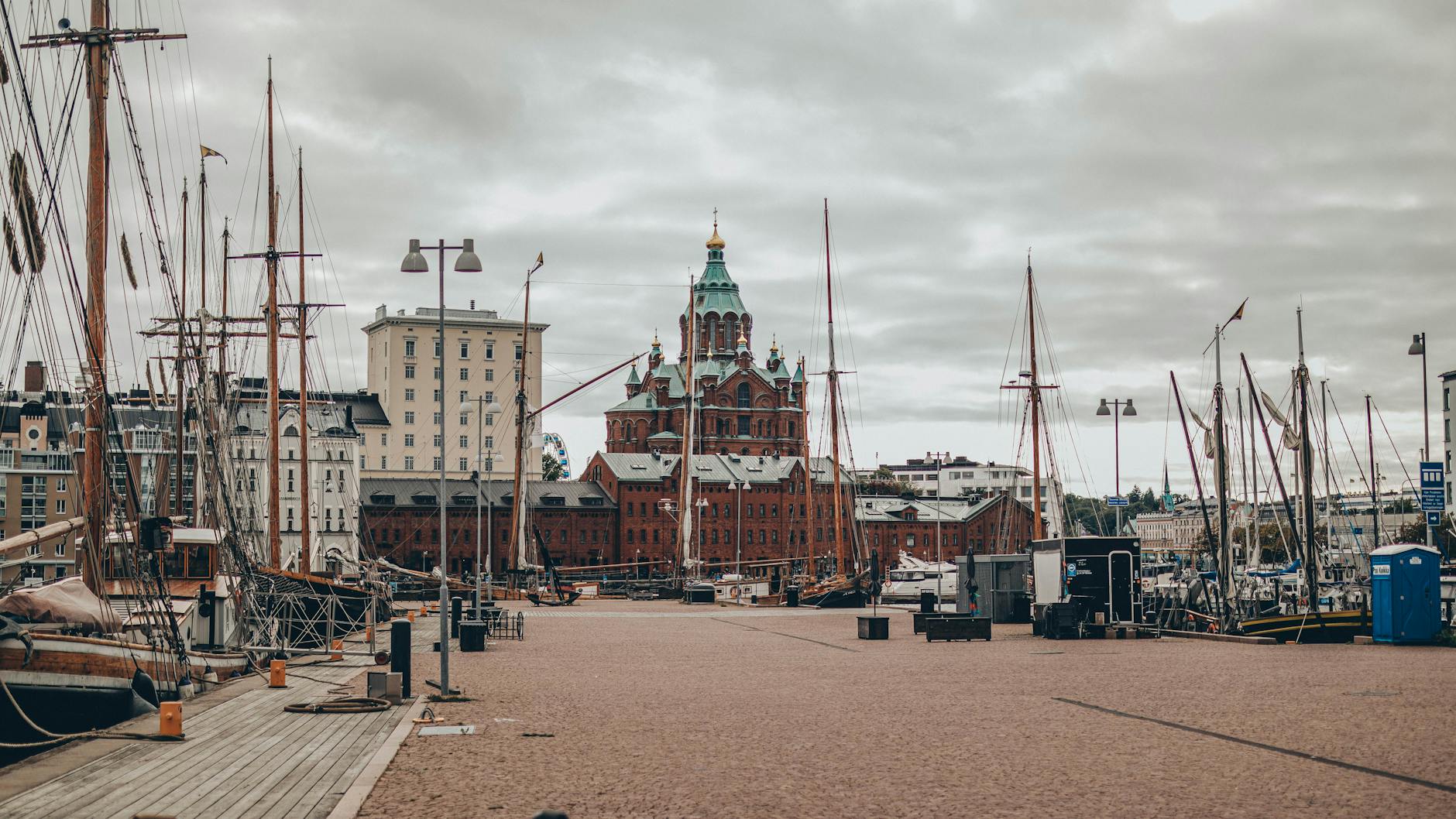
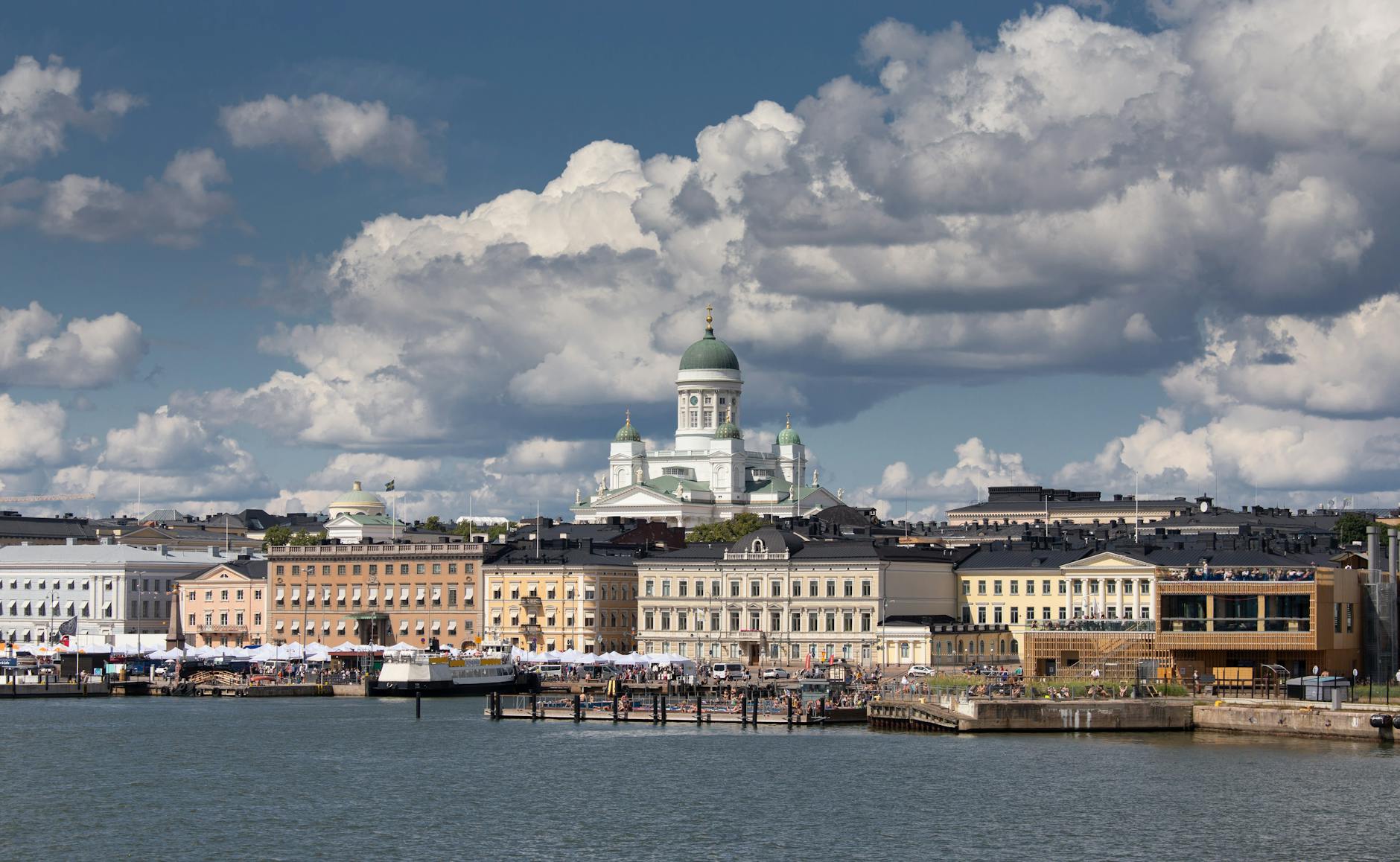
The harbor helps many first-time visitors understand Helsinki's rhythm. Ferries, markets, waterfront walks, cathedral views, and seasonal light can create a strong impression without requiring a complex itinerary.
Waterfront time should be paced around weather.
- Include a harbor or waterfront walk when wind, cold, and daylight make it comfortable.
- Use nearby indoor stops if the weather turns or the traveler needs a break.
- Avoid committing to long island or ferry plans unless the timing is clearly safe.
Plan meals, weather, and rest
A first-time visitor can lose energy quickly if meals are improvised too late or clothing does not match the season. Helsinki is easier when the traveler knows where breakfast comes from, where a simple meal fits, and when to pause.
Comfort makes the city more legible.
- Plan breakfast, one easy casual meal, and one more intentional food stop if time allows.
- Bring layers for waterfront wind, cold interiors, rain, snow, or bright summer daylight.
- Schedule a rest break before evening plans or early departure preparation.
When to order a short-term travel report
A first-time visitor with flexible dates and a simple central hotel may be able to plan independently. A report becomes useful when the stay is short, arrival timing is awkward, weather could affect outdoor plans, lodging choices are confusing, or the traveler wants a clear first impression without wasting time.
The report should test arrival transfer, lodging geography, tram basics, classic landmarks, harbor timing, weather, meals, indoor backups, rest blocks, and departure buffers. The value is a Helsinki first visit that feels calm, coherent, and worth the time.
- Order when arrival, lodging, tram routes, landmarks, harbor plans, weather, meals, rest, or departure timing need coordination.
- Provide dates, arrival details, lodging options, interests, mobility needs, food preferences, and must-see priorities.
- Use the report to make the first Helsinki visit simple, focused, and easy to enjoy.