Choose lodging for comfort and access
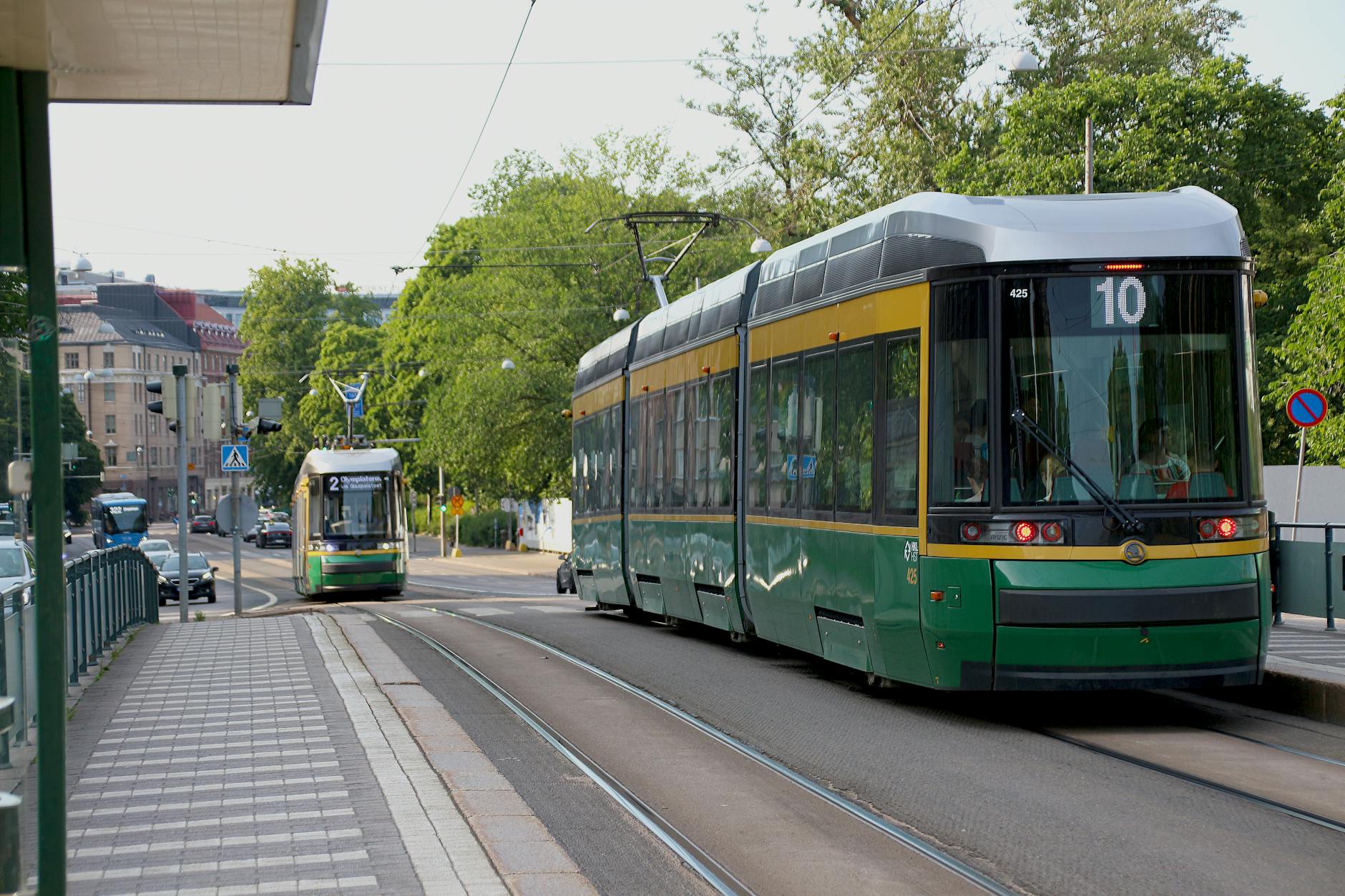
The hotel should reduce daily effort. Elevators, quiet rooms, breakfast, nearby meals, taxi access, tram stops, and a predictable route back in the evening may matter more than a trendy location.
Comfort begins at the base.
- Check elevator access, entrance steps, bathroom comfort, quiet, breakfast, and nearby restaurants.
- Favor lodging near trams, taxis, and a simple route to the main sights.
- Avoid locations that require long walks before the day has even started.
Use trams and taxis to pace the day
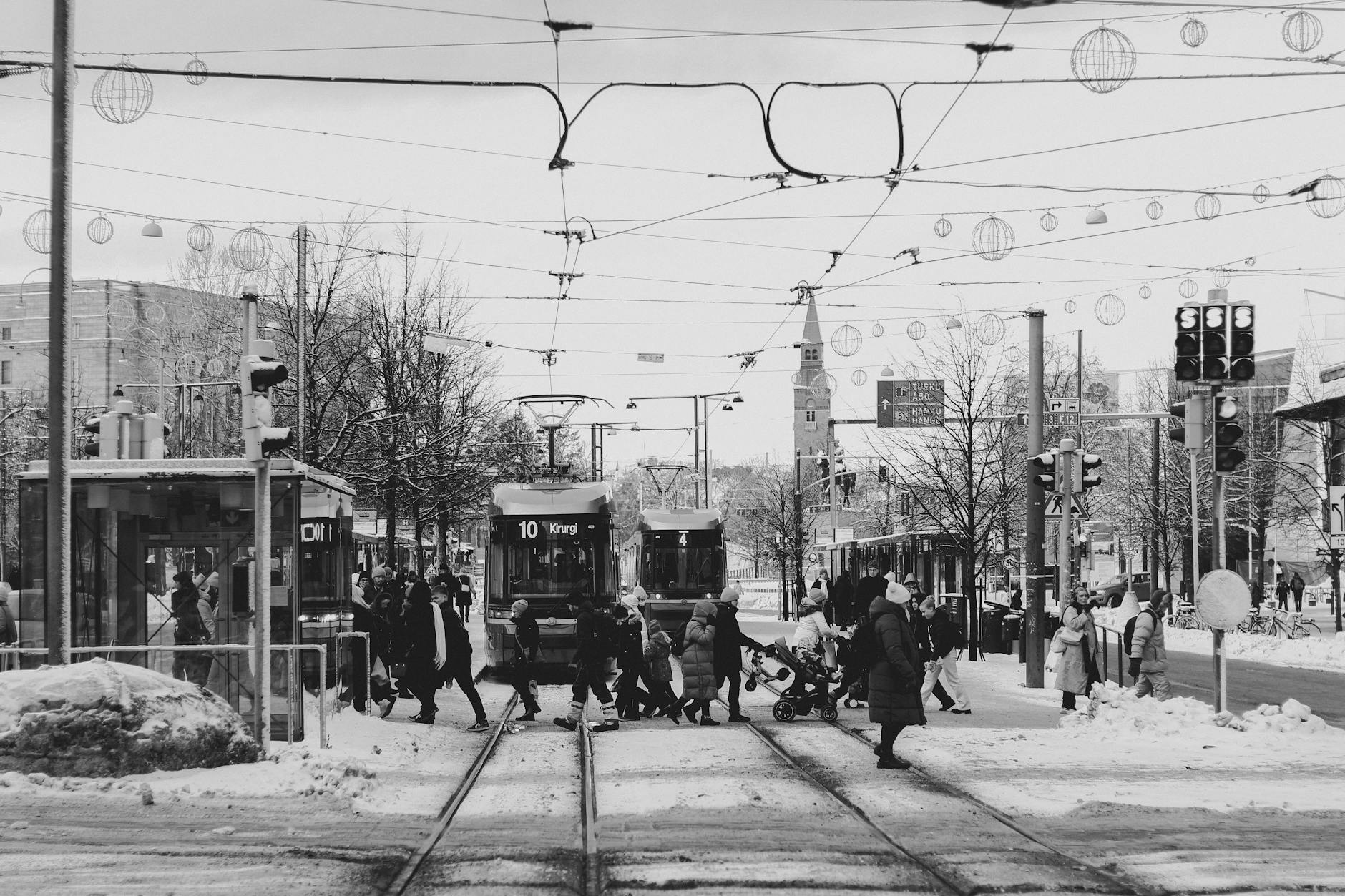
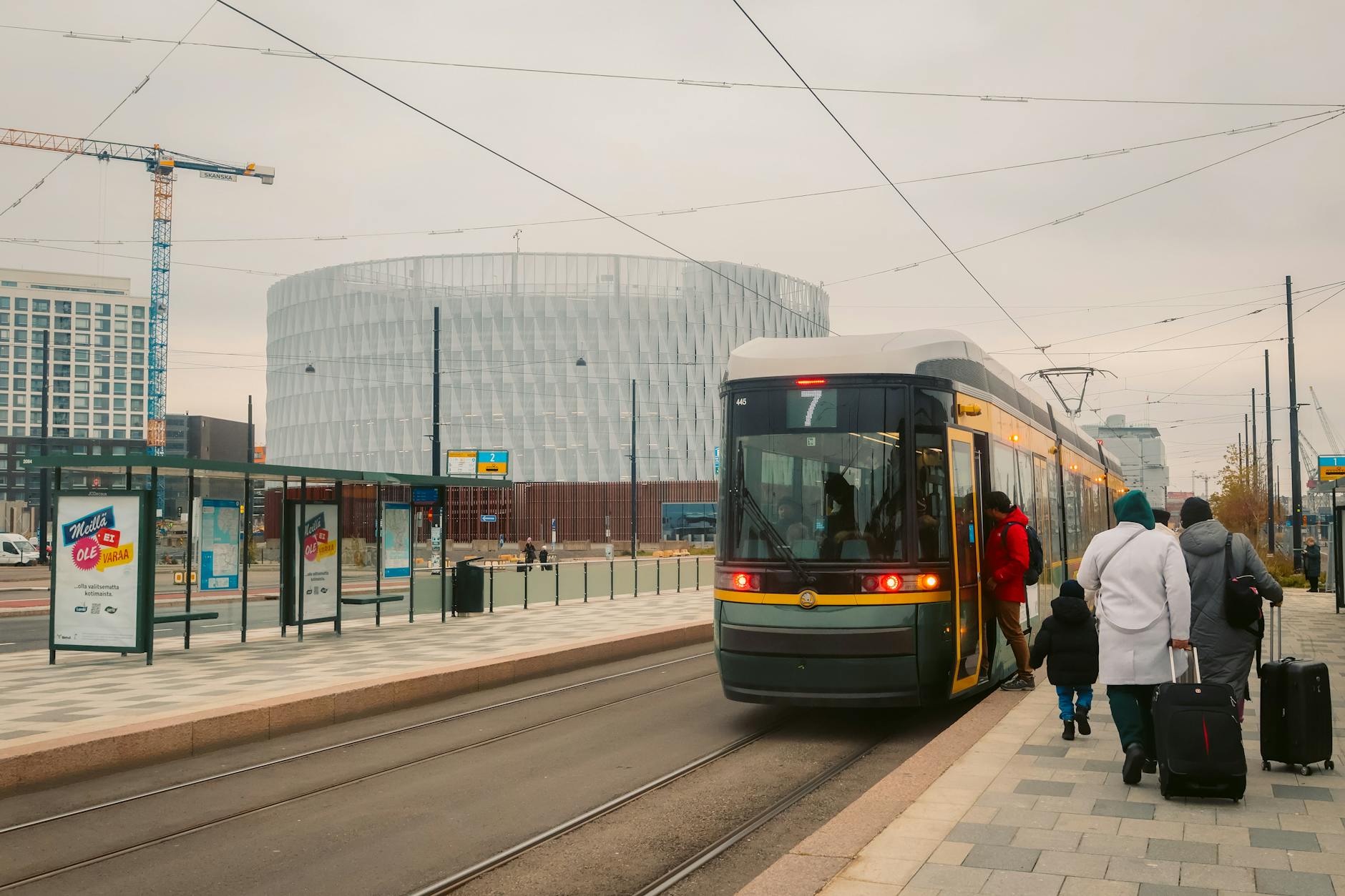
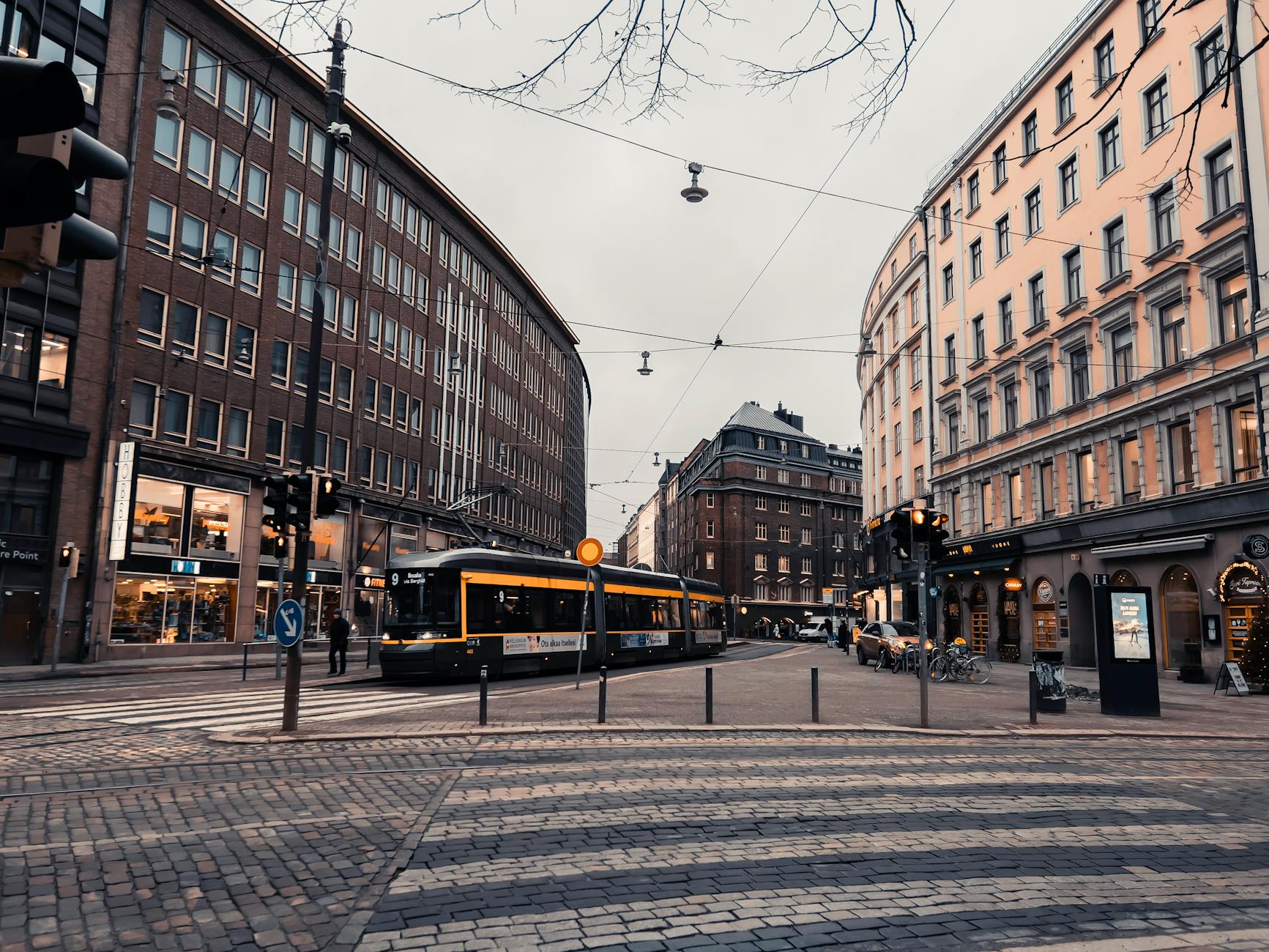
Helsinki trams can make the city easier for an older traveler, but routes should be chosen with station access, weather, seating, and walking distance in mind. Taxis can be useful for first arrivals, evening returns, and tired moments.
Transport should protect energy.
- Plan tram routes around actual stops, walking distance, and return simplicity.
- Use taxis when luggage, fatigue, weather, or evening timing makes transit inefficient.
- Keep the hotel address, payment method, and offline directions easy to reach.
Plan walking distance honestly
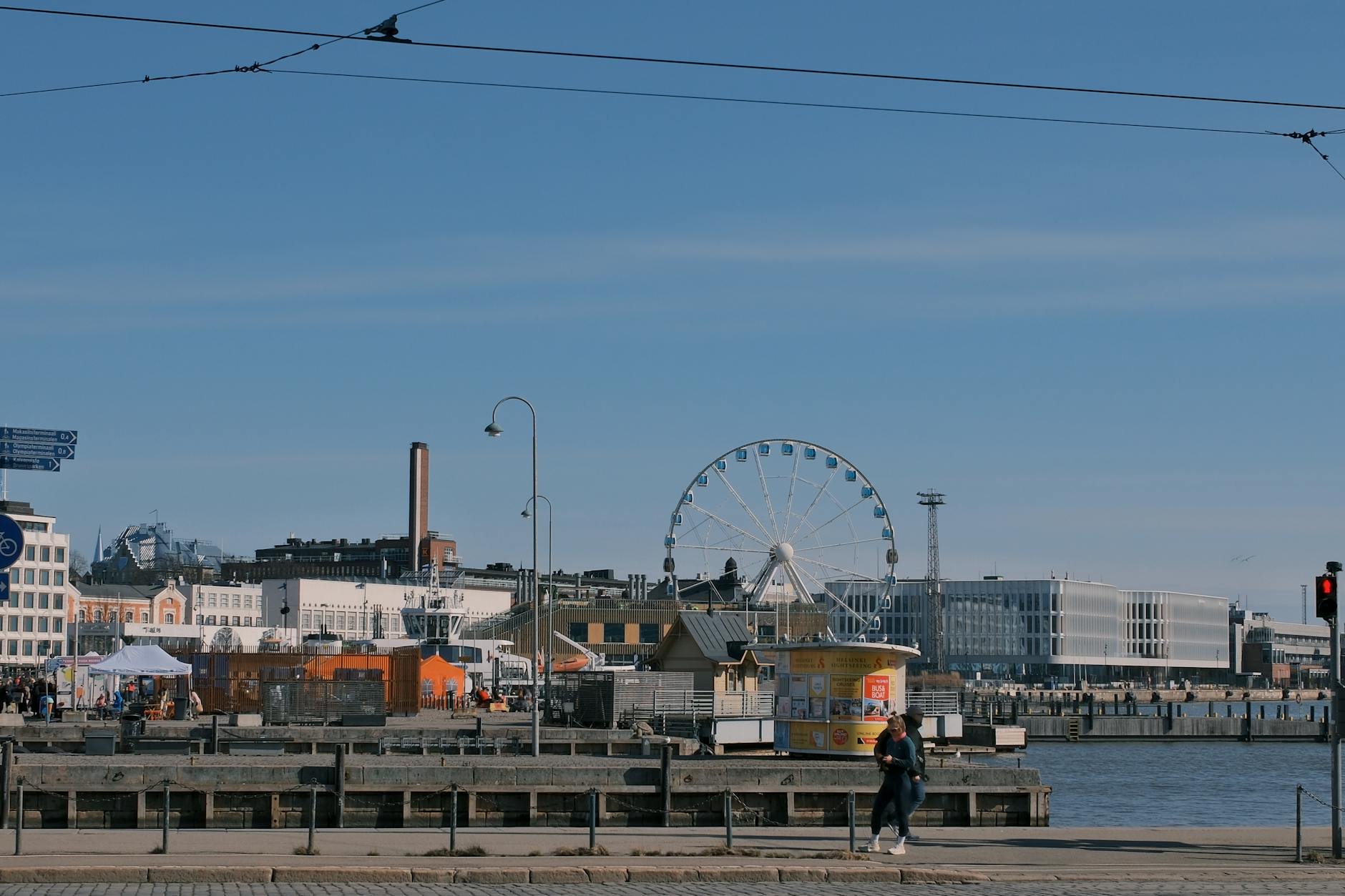
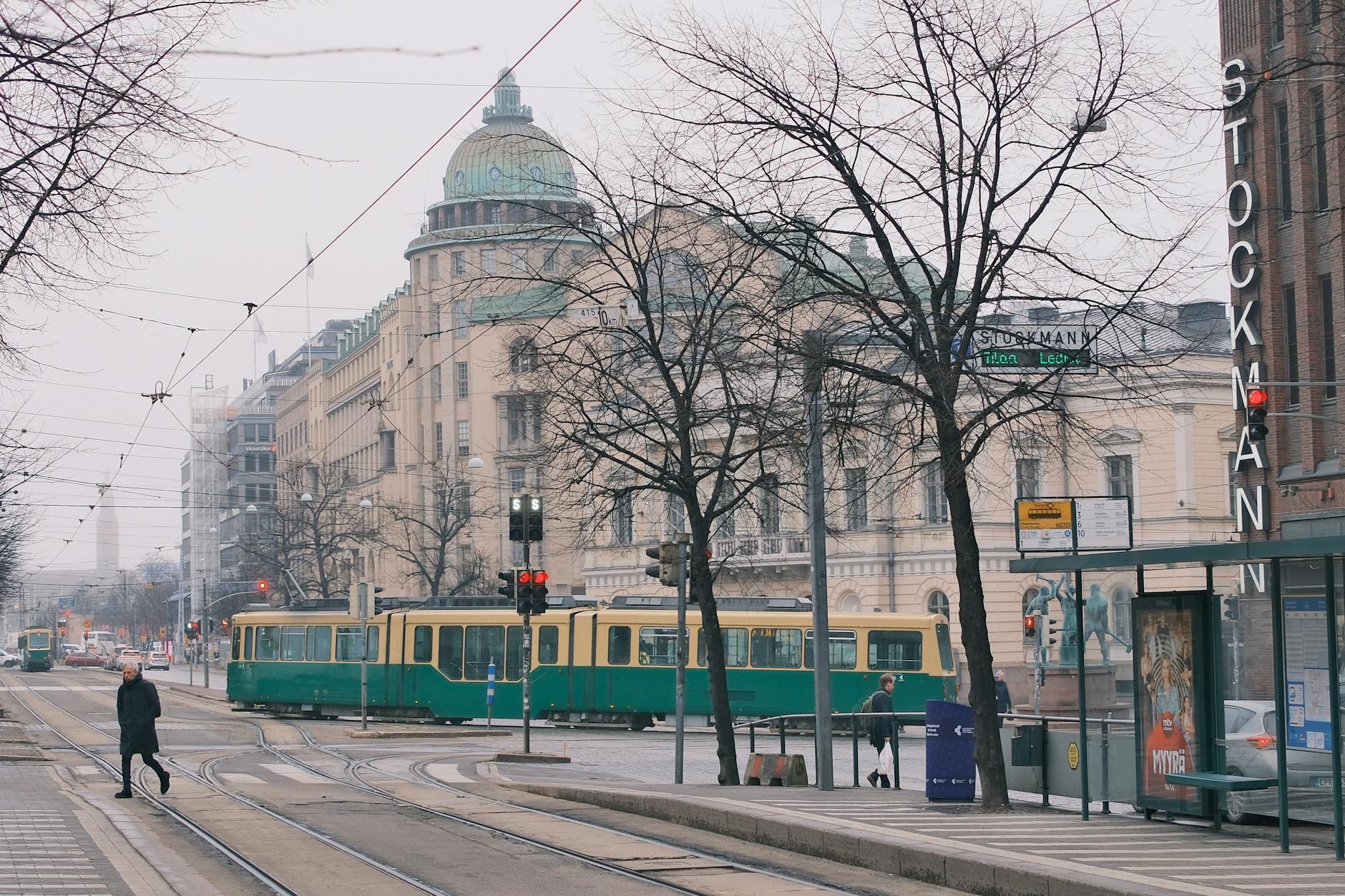
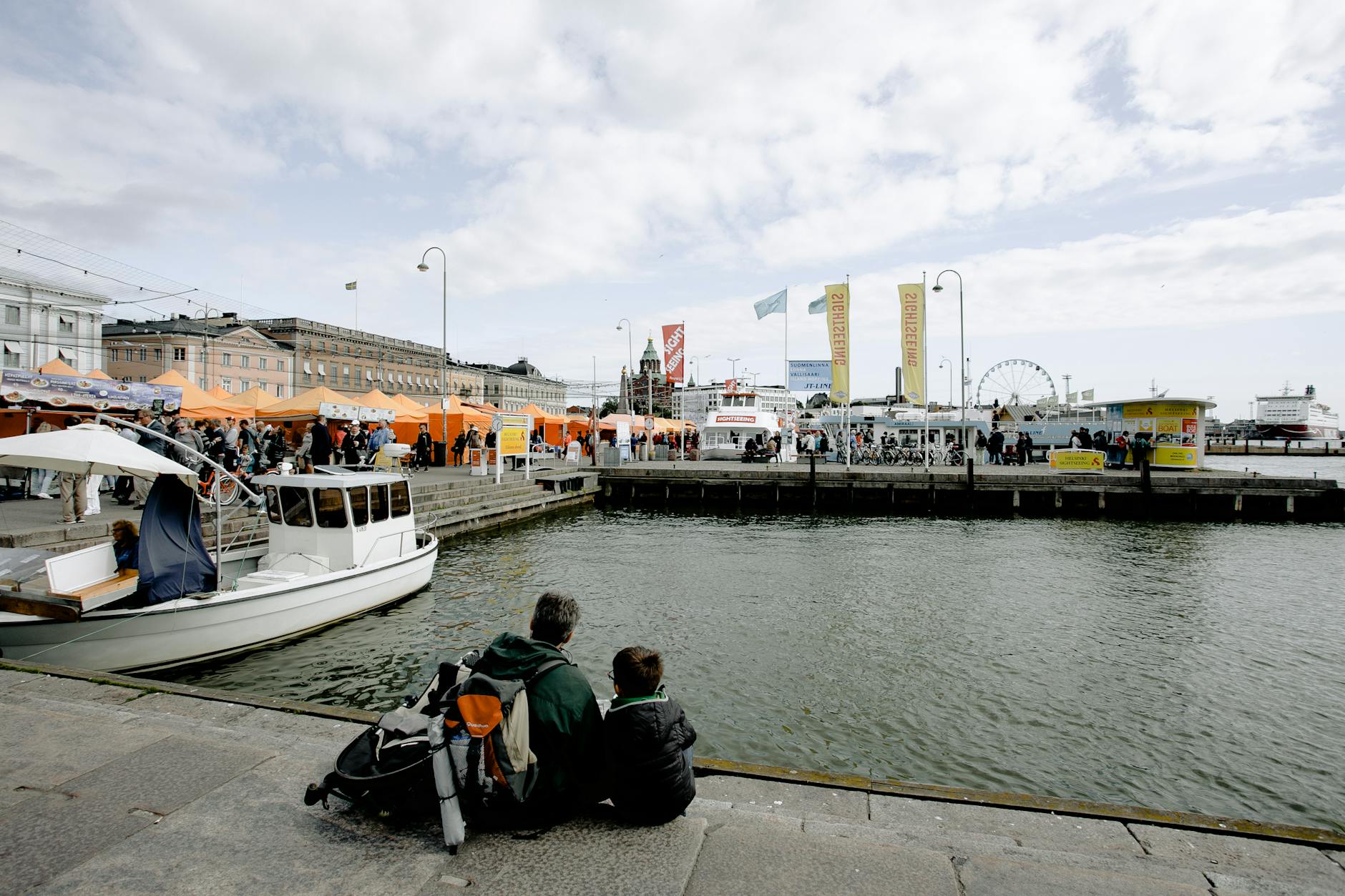
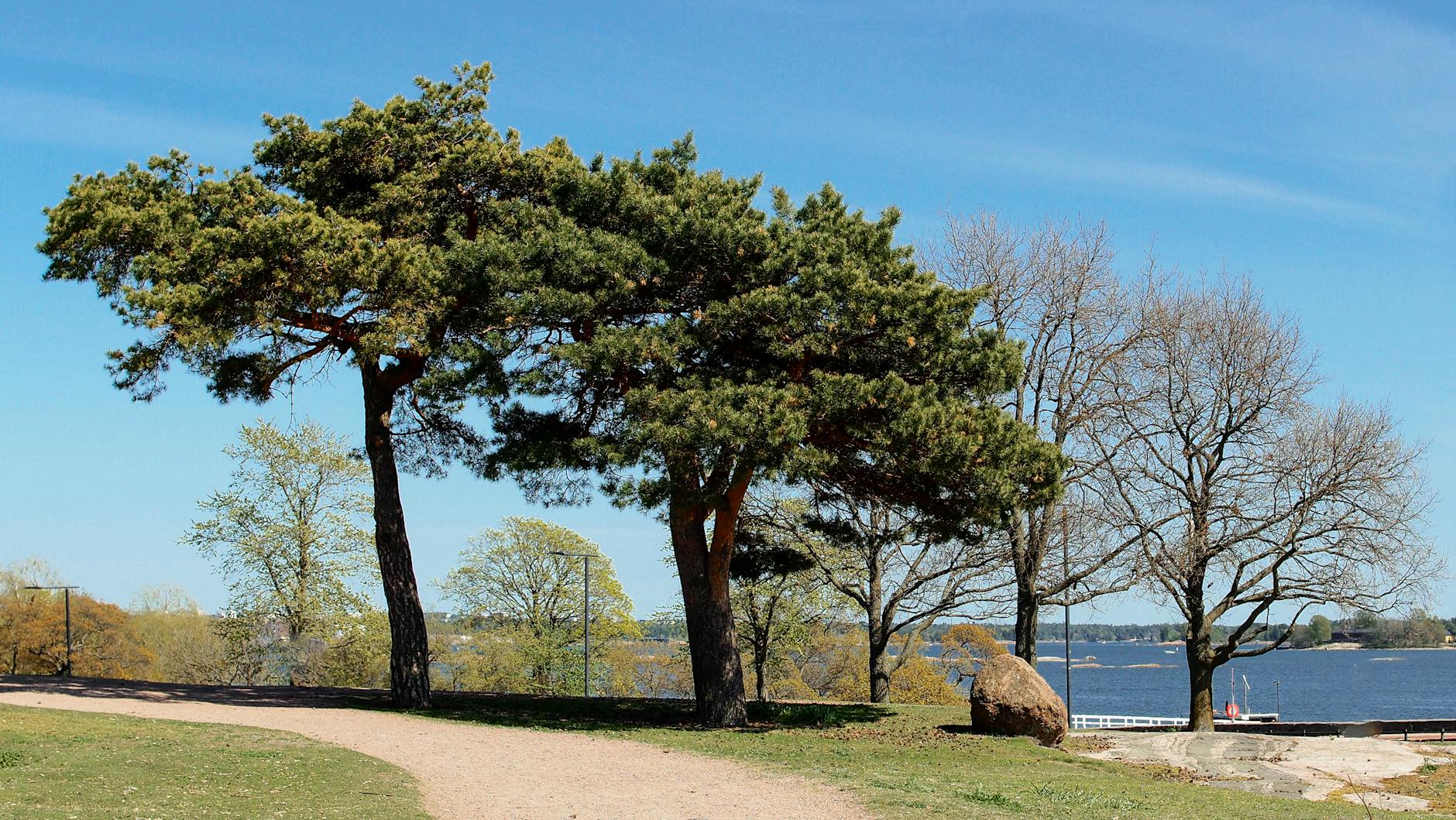
A short Helsinki stay can include plazas, harbor edges, cathedral steps, museums, shops, and parks, but the traveler should know how much walking is comfortable in one outing. Weather and surfaces can change that limit.
A good day leaves energy for the evening.
- Build short loops with benches, cafes, restrooms, and transit exits.
- Avoid stacking long outdoor walks, stairs, museums, and late meals in one day.
- Keep one indoor or seated alternative ready when fatigue arrives early.
Treat weather as a central constraint
Helsinki weather can make a comfortable route feel exposed, especially near the waterfront. Wind, snow, rain, ice, cold interiors, and summer glare should influence clothing, route length, and the number of outdoor stops.
Weather planning is comfort planning.
- Bring layers, secure footwear, rain protection, and sun or cold protection by season.
- Schedule outdoor landmarks during the best weather window when possible.
- Use trams, taxis, and indoor pauses when waterfront wind or winter conditions make walking harder.
Choose a smaller set of anchors
Older travelers often enjoy Helsinki more when the day has fewer, stronger stops. A cathedral area, harbor walk, central tram ride, library, market, or park can be more satisfying than a long list of landmarks.
Quality should beat coverage.
- Pick two or three primary anchors for the day and keep optional stops nearby.
- Include places to sit, warm up, use restrooms, and have a simple meal.
- Protect time for slow looking rather than constantly moving to the next sight.
Handle health, meals, and departure calmly
Medication timing, meals, hydration, rest, medical needs, and departure logistics should be part of the plan. The final day should avoid unnecessary stress, especially when airport rail, luggage, or winter weather is involved.
The trip should end without a scramble.
- Keep medication, emergency contacts, insurance details, and dietary needs easy to access.
- Plan meals before hunger or fatigue makes decisions harder.
- Build extra departure time for luggage, elevators, weather, rail timing, and airport security.
When to order a short-term travel report
An older traveler with central lodging and flexible interests may not need a custom report. A report becomes useful when mobility, weather, medical needs, hotel access, airport transfer, or daily pacing must be checked before arrival.
The report should test hotel access, tram and taxi routes, walking distance, weather exposure, restroom and cafe breaks, meal planning, medical needs, harbor and park routes, indoor backups, and departure buffers. The value is a Helsinki trip that feels comfortable, realistic, and still rich.
- Order when lodging, transit, walking distance, weather, meals, medical needs, rest, or departure timing need coordination.
- Provide dates, lodging options, walking limits, mobility needs, medical constraints, food preferences, arrival details, and must-see interests.
- Use the report to make the Helsinki stay easier on energy without flattening the experience.