
Stavanger can be manageable for a traveler with medical constraints when the trip is built around predictability. The city is compact, but rain, steps, cobblestones, coastal wind, medication timing, food needs, and regional outings can all affect the stay. The goal is not to remove every variable. It is to keep the important variables visible before arrival.
Define the medical limits before the itinerary
The traveler should start with the practical limits that affect the day: walking tolerance, fatigue pattern, pain triggers, medication timing, food requirements, sleep needs, and how quickly help may be needed if symptoms change.
The itinerary should be built around those facts.
- List the constraints that affect transport, hotel choice, meals, weather exposure, and outing length.
- Confirm with the treating clinician what travel precautions, documents, and medication supply are needed.
- Avoid treating a short stay as automatically easy just because Stavanger is compact.

Protect medication and documentation
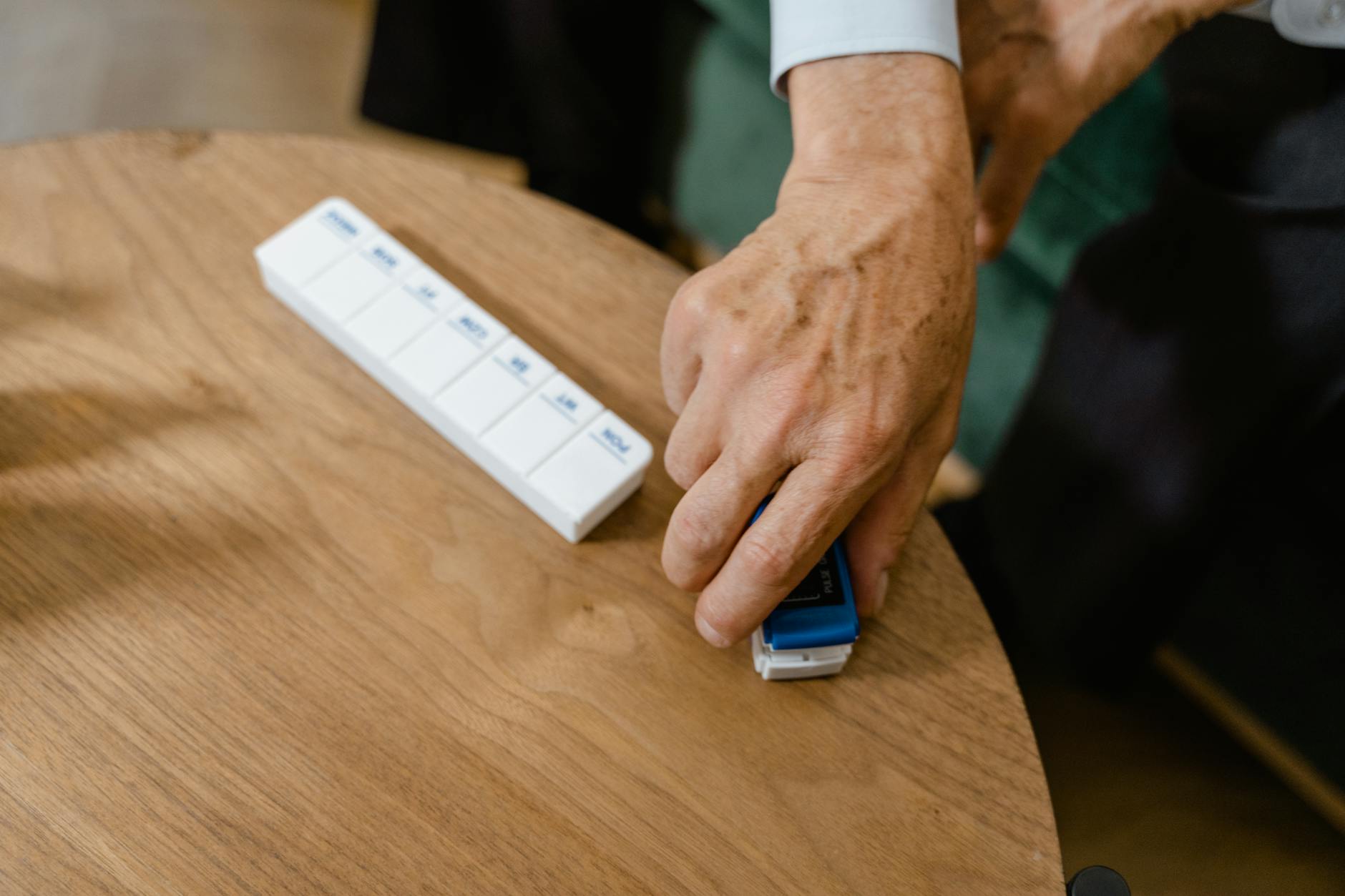
Medication should be planned for flight delays, lost bags, schedule changes, refrigeration needs, and time-zone fatigue. Documentation matters too, especially when prescriptions, devices, injections, allergies, or controlled medicines could raise questions.
The medical kit should travel with the person.
- Carry essential medication, prescription details, clinician letters, device information, allergy notes, and insurance contacts.
- Plan storage, refrigeration, dosing reminders, and extra supply for delays.
- Keep medication names and instructions accessible in plain language for an urgent conversation.

Choose lodging around recovery
The hotel should support rest, medication, bathing, temperature control, meal timing, and easy returns. A good map location is not enough if the room has stairs, poor elevator access, noise, weak climate control, or an awkward path from taxis.
The room is part of the care plan.
- Check elevator access, bathroom setup, bed height, fridge availability, quiet, breakfast timing, and taxi access.
- Choose a base that allows midday rest without losing the whole day.
- Avoid lodging that saves money but increases symptoms, fatigue, or uncertainty.
Know where help would come from
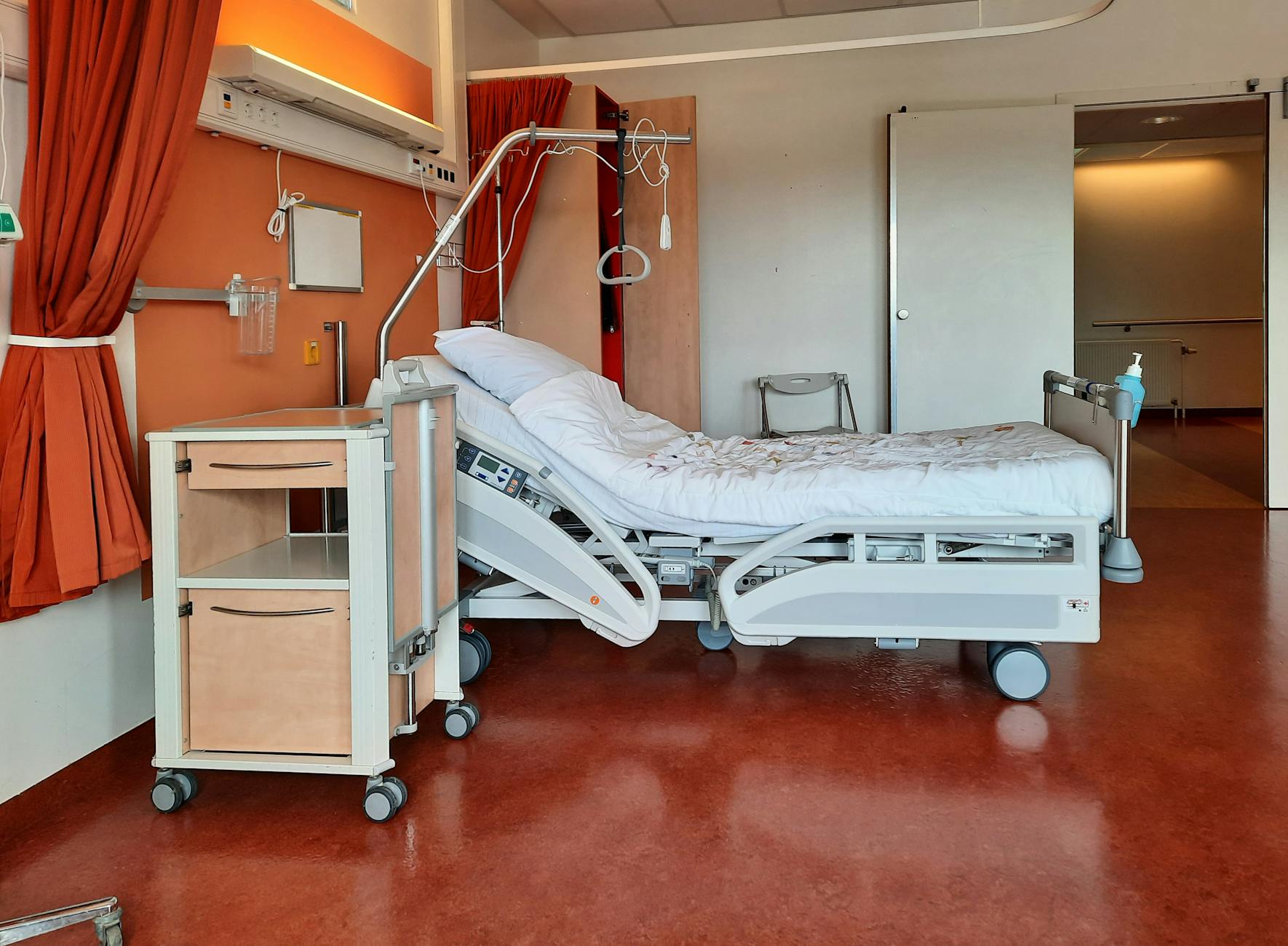
A traveler with medical constraints should identify the nearest appropriate care options before they are needed. That does not mean expecting a problem. It means knowing what to do if symptoms, injury, medication loss, or equipment failure changes the trip.
Backup planning should be calm and specific.
- Identify nearby urgent care, hospital, pharmacy, and hotel staff support before arrival.
- Check insurance procedures, payment expectations, translation needs, and after-hours options.
- Keep emergency contacts and a concise medical summary available offline.
Reduce transport strain
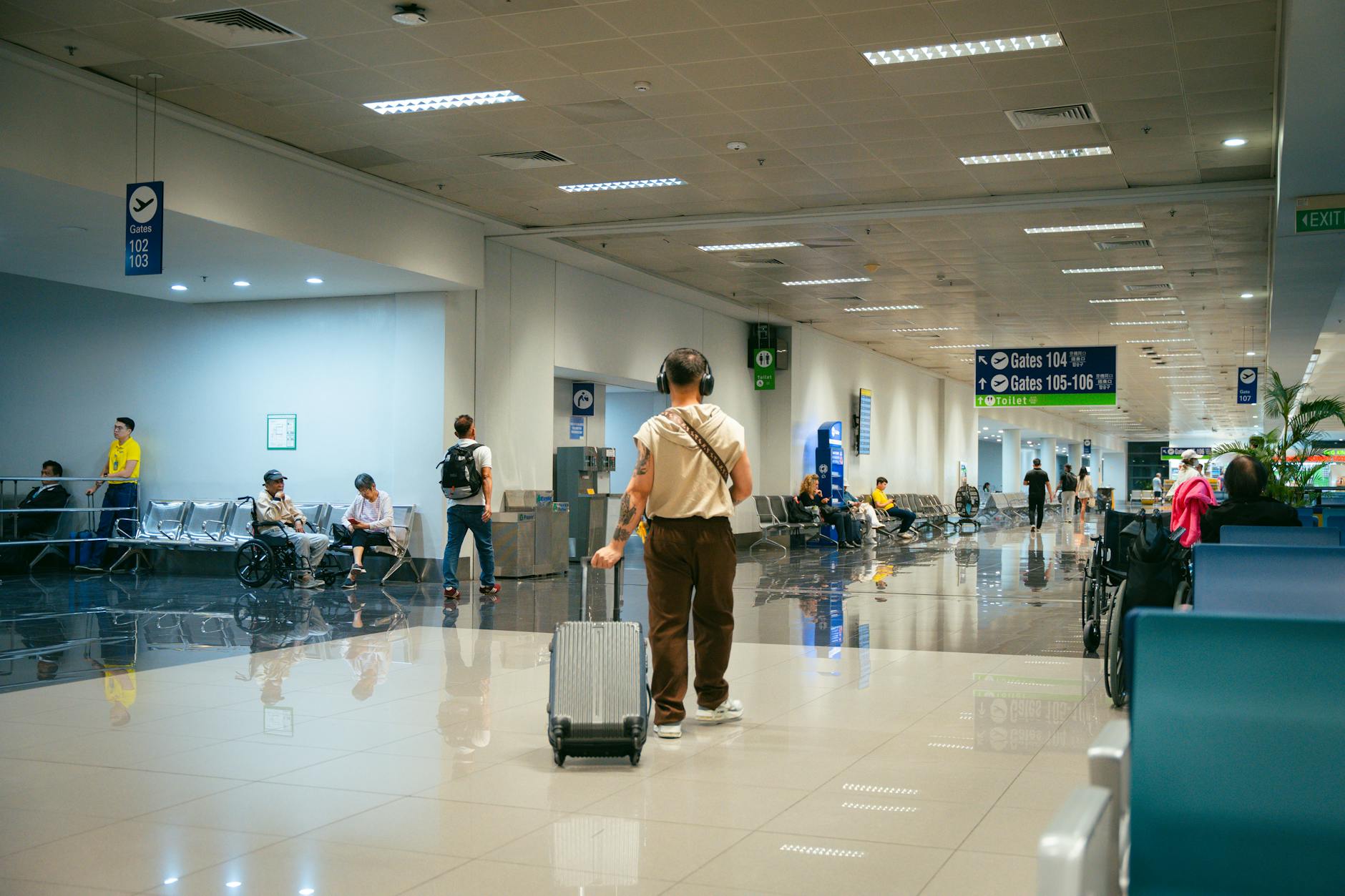
Transport should be chosen for reliability and physical effort, not only price. Airport transfers, taxis, buses, walking routes, waiting time, and luggage handling can all change how much energy remains for the actual visit.
The transfer plan should preserve capacity.
- Arrange realistic airport or station transfers, especially after long flights or late arrivals.
- Plan short walking segments with known places to pause.
- Use taxis early when weather, luggage, fatigue, or symptoms make transit inefficient.
Respect weather and coastal exposure
Rain, wind, cold, slick stones, and exposed coastal paths can affect breathing, balance, pain, circulation, fatigue, and medication timing. A scenic plan should be tested against the traveler's actual condition on the day.
Weather is a medical logistics issue.
- Pack layers, rain protection, traction-friendly shoes, medication access, snacks, and hydration.
- Keep indoor alternatives close to the main route.
- Avoid exposed coastal outings when weather could worsen symptoms or make return transport difficult.

When to order a short-term travel report
A traveler with stable medical needs, a central hotel, and flexible plans may not need a custom report. A report becomes useful when medication timing is complex, hotel setup matters, weather could change symptoms, clinical backup needs mapping, transport strain is a concern, or a regional outing needs careful screening.
The report should test hotel suitability, transfer options, walking load, meal timing, pharmacy and care backup, weather alternatives, excursion limits, recovery blocks, insurance logistics, and departure buffers. The value is a Stavanger stay that protects health while still allowing a real visit.
- Order when medication, hotel setup, transport, weather, clinical backup, excursions, meals, or recovery time need exact planning.
- Provide dates, arrival details, health constraints, mobility limits, medication needs, hotel candidates, and budget.
- Use the report to keep the Stavanger medical-constraints stay realistic, calm, and well supported.