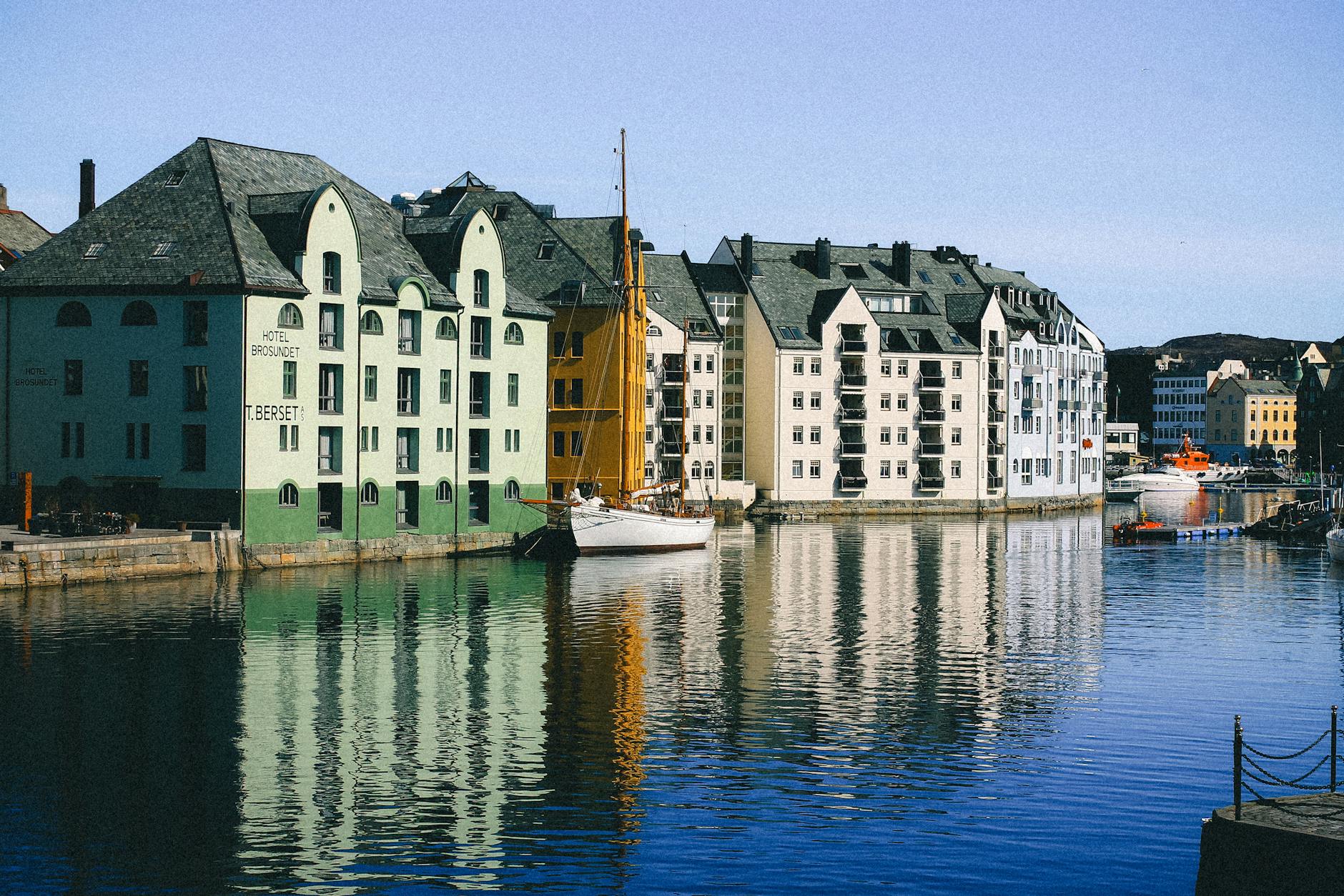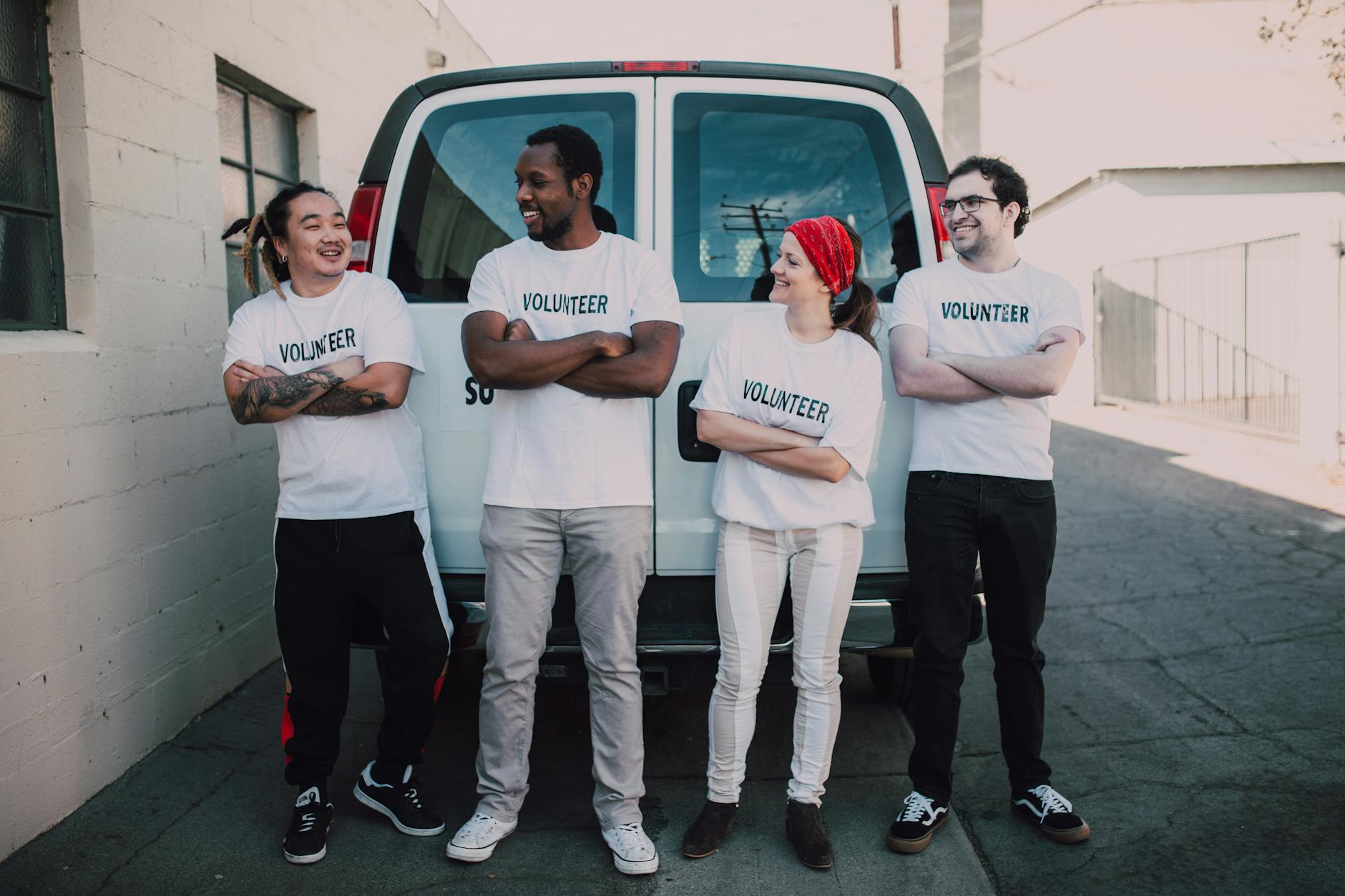
A Stavanger volunteer or NGO trip should be planned around the host organization and the people the work is meant to serve. The daily route, housing setup, field schedule, local contacts, weather, meals, and boundaries all affect whether the stay is useful and respectful. A short visit works best when the traveler is practical before trying to be helpful.
Start with the organization and site
A volunteer or NGO traveler should begin with the exact host organization, work site, supervisor, and daily reporting process. Stavanger can be simple to navigate, but a misplaced base or unclear first-day plan can make a short service trip feel scattered before the work begins.
The host workflow should shape the trip.
- Confirm the organization address, first-day contact, arrival time, ID requirements, and daily check-in process.
- Ask whether the work is office-based, community-based, waterfront-based, school-based, or spread across several locations.
- Avoid booking lodging until the daily route and host expectations are clear.
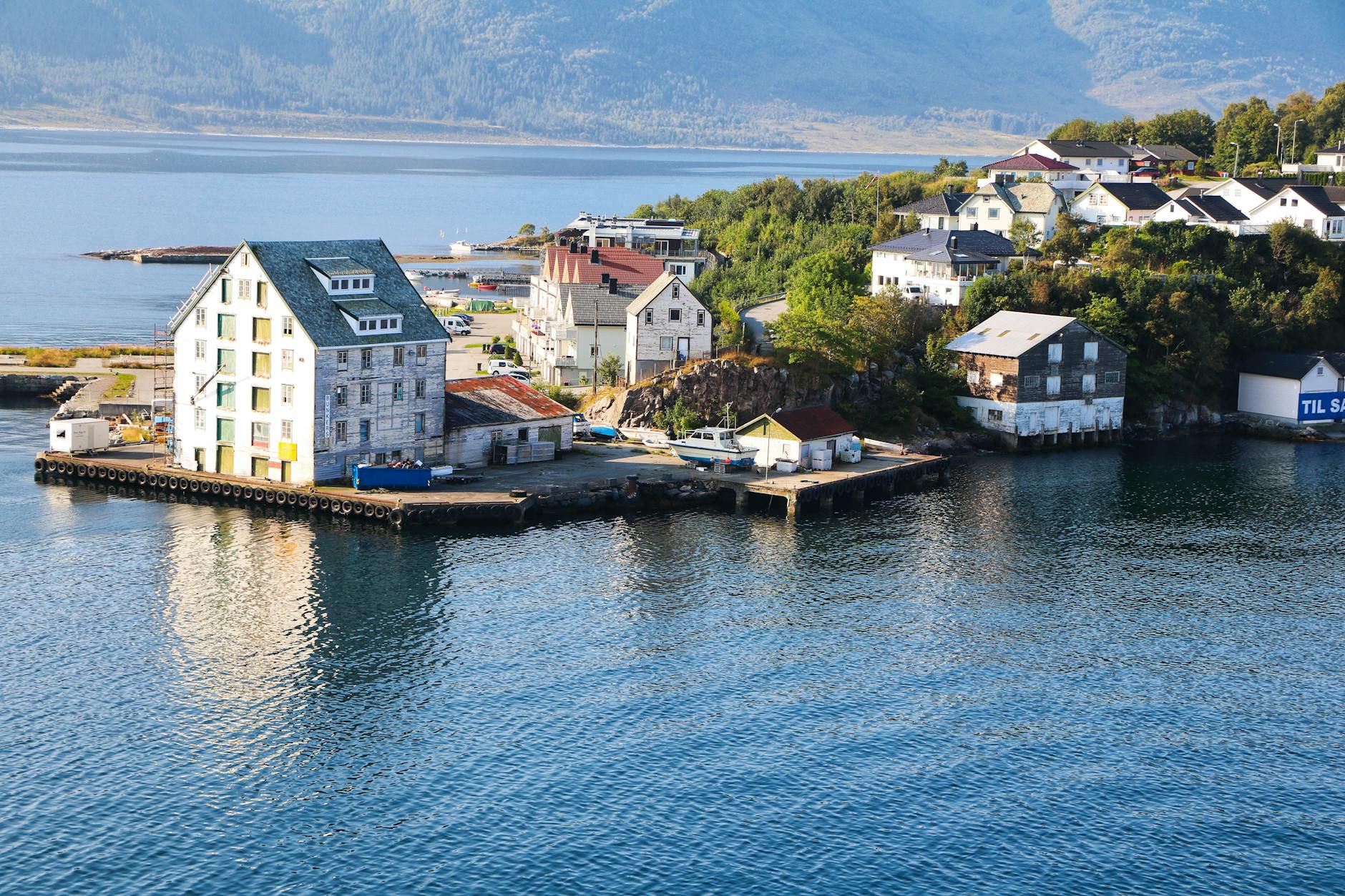
Choose housing that supports the work
Volunteer housing should be judged by rest, kitchen access, laundry, commute, safety, and communication with the host. A low nightly rate is not helpful if the traveler loses sleep, cannot prepare simple meals, or arrives late to the site each morning.
The lodging should protect reliability.
- Check commute time, quiet hours, kitchen access, laundry, heating, desk space, luggage storage, and late-arrival rules.
- Confirm whether the host recommends specific neighborhoods, hotels, guesthouses, or shared housing.
- Budget for the total stay, including transport, groceries, laundry, and phone connectivity.
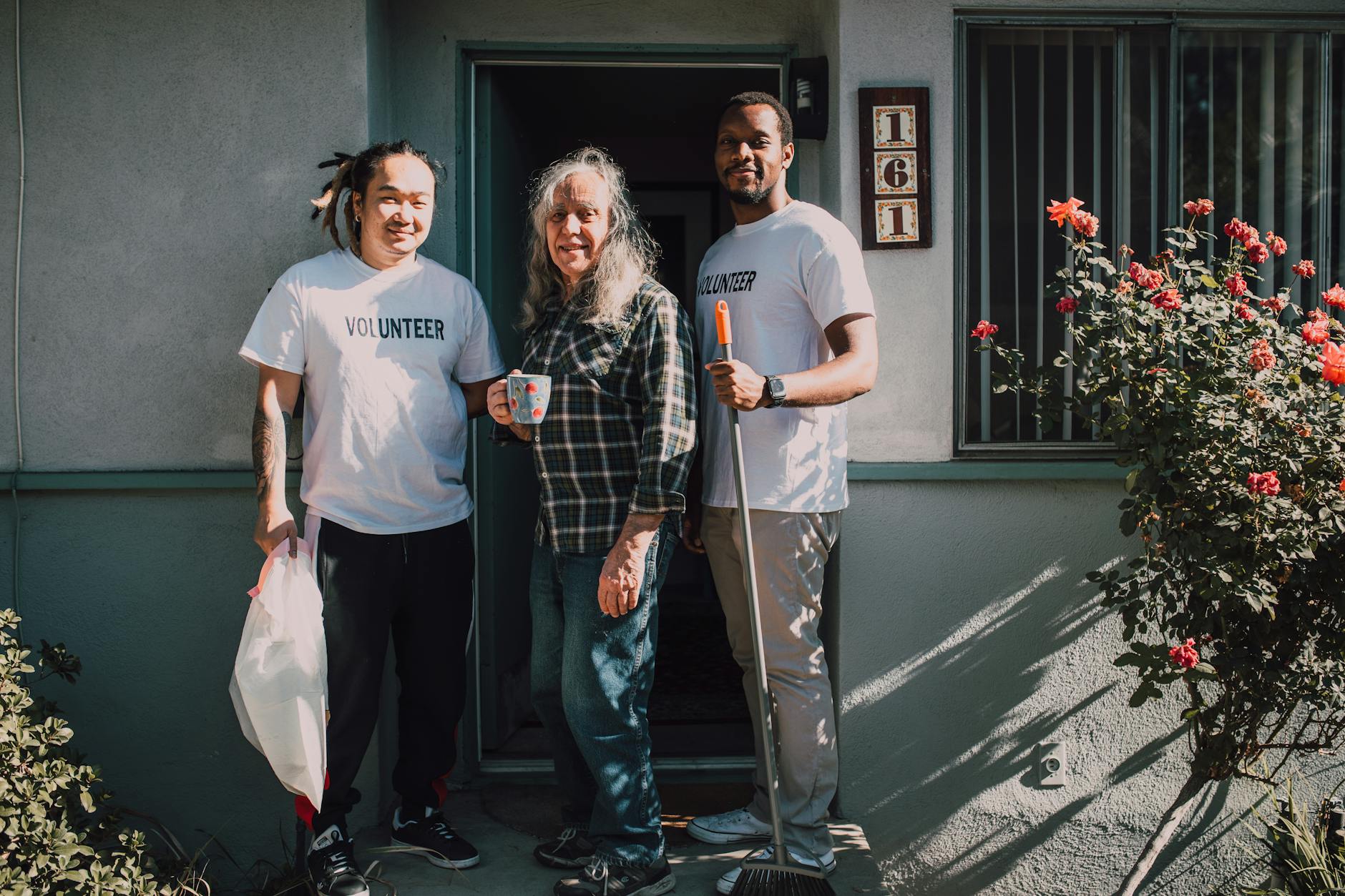
Plan transport and field logistics
A volunteer or NGO schedule may include early starts, group travel, supply movement, home visits, meetings, or weather-exposed work. The traveler should understand how to reach the site and what happens if buses, taxis, or walking routes are slower than expected.
Transport should not become the daily problem.
- Confirm airport transfer, local ticketing, bus routes, walking time, taxi availability, and backup plans.
- Ask whether supplies, documents, equipment, or donations need to move with the traveler.
- Keep the first evening simple so the first workday starts with a tested route.

Respect community and safeguarding rules
Short-term volunteers can cause strain when they arrive without understanding privacy, consent, photography, local authority, or safeguarding rules. The traveler should ask how the organization wants visitors to communicate, document work, and interact with community members.
Good intentions still need structure.
- Confirm rules for photos, social media, interviews, donations, children, vulnerable adults, and confidential information.
- Ask who can speak on behalf of the organization and how introductions should be handled.
- Avoid turning community work into personal content unless the host has clearly approved it.
Keep budget and meals practical
Stavanger costs can surprise travelers who are trying to keep a volunteer trip modest. A realistic plan should cover groceries, simple lunches, transit, rain gear, laundry, phone data, modest social time, and any host-requested contributions.
The budget should match the purpose of the stay.
- Identify grocery stores, low-key meals, water refill options, and kitchen access before arrival.
- Separate personal sightseeing money from work-related transport, supplies, and communication costs.
- Clarify whether the organization expects any contribution, reimbursement process, or shared meal plan.
Protect weather, rest, and boundaries
Rain, wind, long conversations, emotionally demanding work, and unfamiliar routines can make a short volunteer stay more tiring than expected. The traveler should bring weather-appropriate clothing and build in recovery time without disappearing from commitments.
Reliability depends on boundaries.
- Pack waterproof layers, comfortable shoes, spare socks, and a bag setup that protects documents or devices.
- Schedule rest after heavy field days or long community events.
- Be clear with the host about availability, skills, limits, and departure timing.
When to order a short-term travel report
A volunteer or NGO traveler with host housing and a clear site may not need a custom report. A report becomes useful when the host location is uncertain, the budget is tight, work sites change daily, safeguarding rules need clarity, or weather and transport could interfere with commitments.
The report should test housing, daily routes, airport transfer, meal options, budget pressure, host-site access, community rules, weather contingencies, rest windows, and departure timing. The value is a Stavanger service stay that is useful, realistic, and respectful.
- Order when host geography, lodging, transport, budget, field logistics, safeguarding, weather, or departure timing need exact planning.
- Provide dates, host contacts, work locations, housing candidates, budget, skills, mobility needs, and schedule constraints.
- Use the report to keep the Stavanger volunteer or NGO stay organized and host-centered.