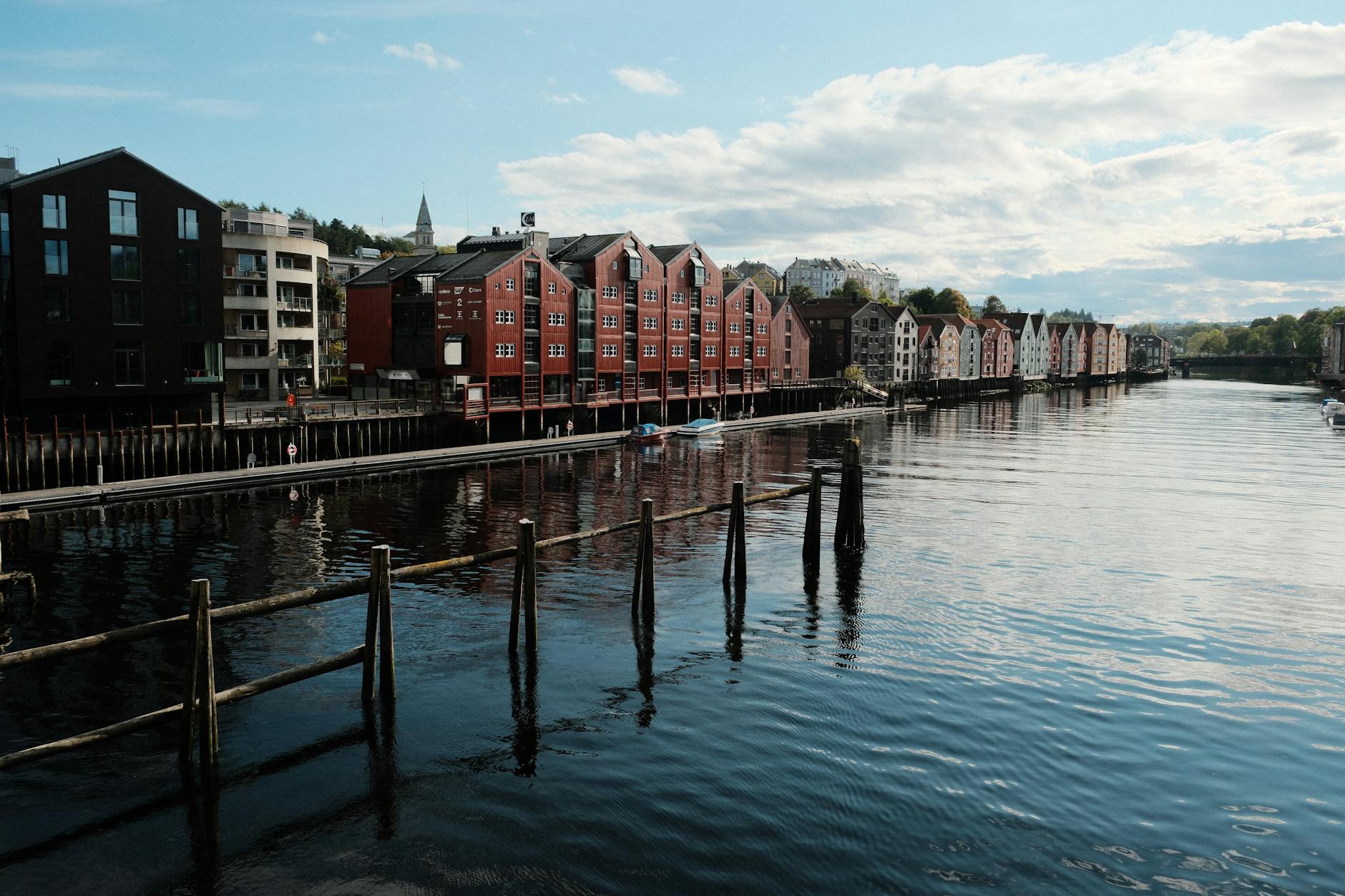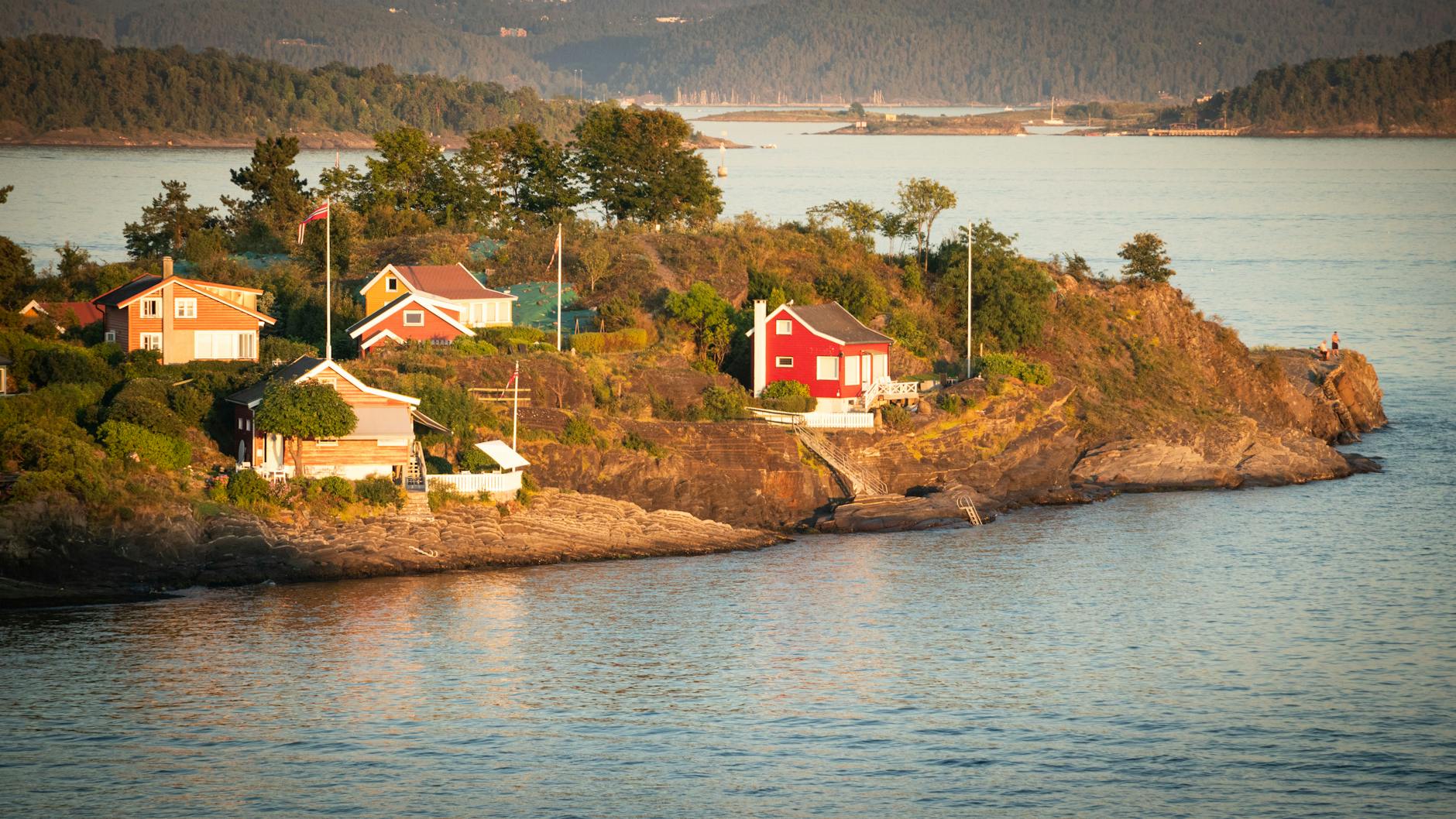
A Stavanger reporting trip should be built around the assignment before anything else. Source locations, interview windows, field access, local context, hotel workspace, weather, batteries, file handling, and publication deadlines can all shape a short stay. The plan should make it easier to report accurately under time pressure.
Define the assignment before arrival
A journalist should arrive with a clear distinction between what must be reported, what would be useful context, and what can be dropped if time tightens. Stavanger may involve city, harbor, energy, university, culture, or regional stories, and each one changes the location plan.
The assignment should decide the map.
- List the required sources, locations, documents, images, and publication deadlines before booking.
- Separate confirmed interviews from speculative source meetings.
- Choose lodging that keeps the main reporting area and departure route manageable.
Build a workable reporting base
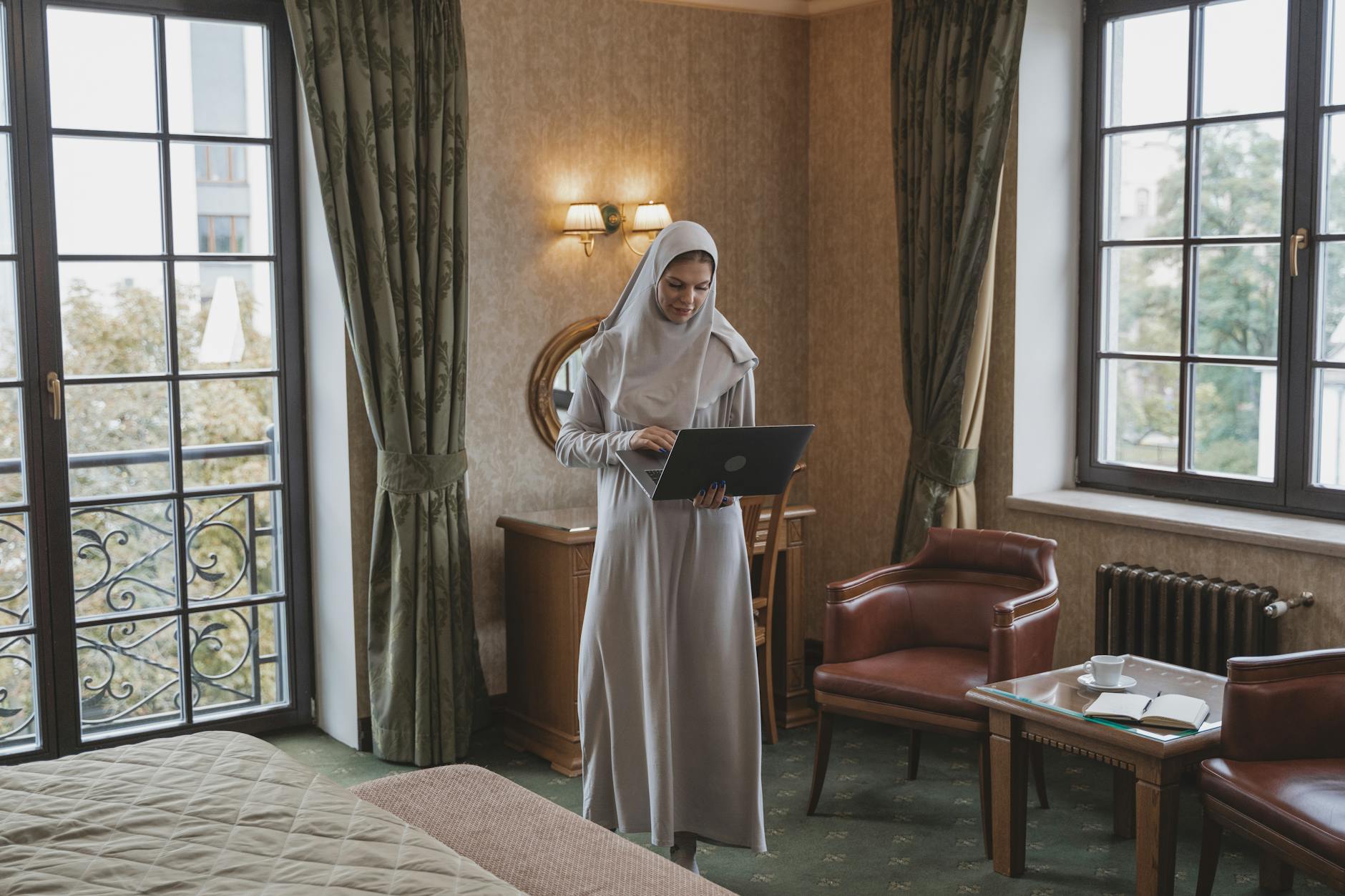
A journalist's hotel room or temporary workspace may need to support calls, transcription, photo review, writing, charging, secure notes, and late filing. A beautiful location is less useful if the room is noisy or the Wi-Fi cannot support the work.
The base should protect filing time.
- Check desk space, Wi-Fi, outlets, room quiet, breakfast timing, luggage storage, and late checkout.
- Identify a backup place for calls or writing if the room is not ready.
- Keep chargers, adapters, headphones, notes, and backup storage easy to reach.
Schedule interviews with buffers
Interviews rarely take only the time shown on the calendar. Arrival, introductions, consent, recording setup, follow-up questions, translation issues, and note cleanup all need room, especially when several sources are grouped into a short stay.
Interview quality needs breathing space.
- Confirm address, contact number, language needs, recording permission, photo permission, and interview length.
- Leave time after each important interview for note cleanup and source follow-up.
- Avoid placing the most sensitive interview after a risky transfer or a weather-exposed route.

Match fieldwork to local context
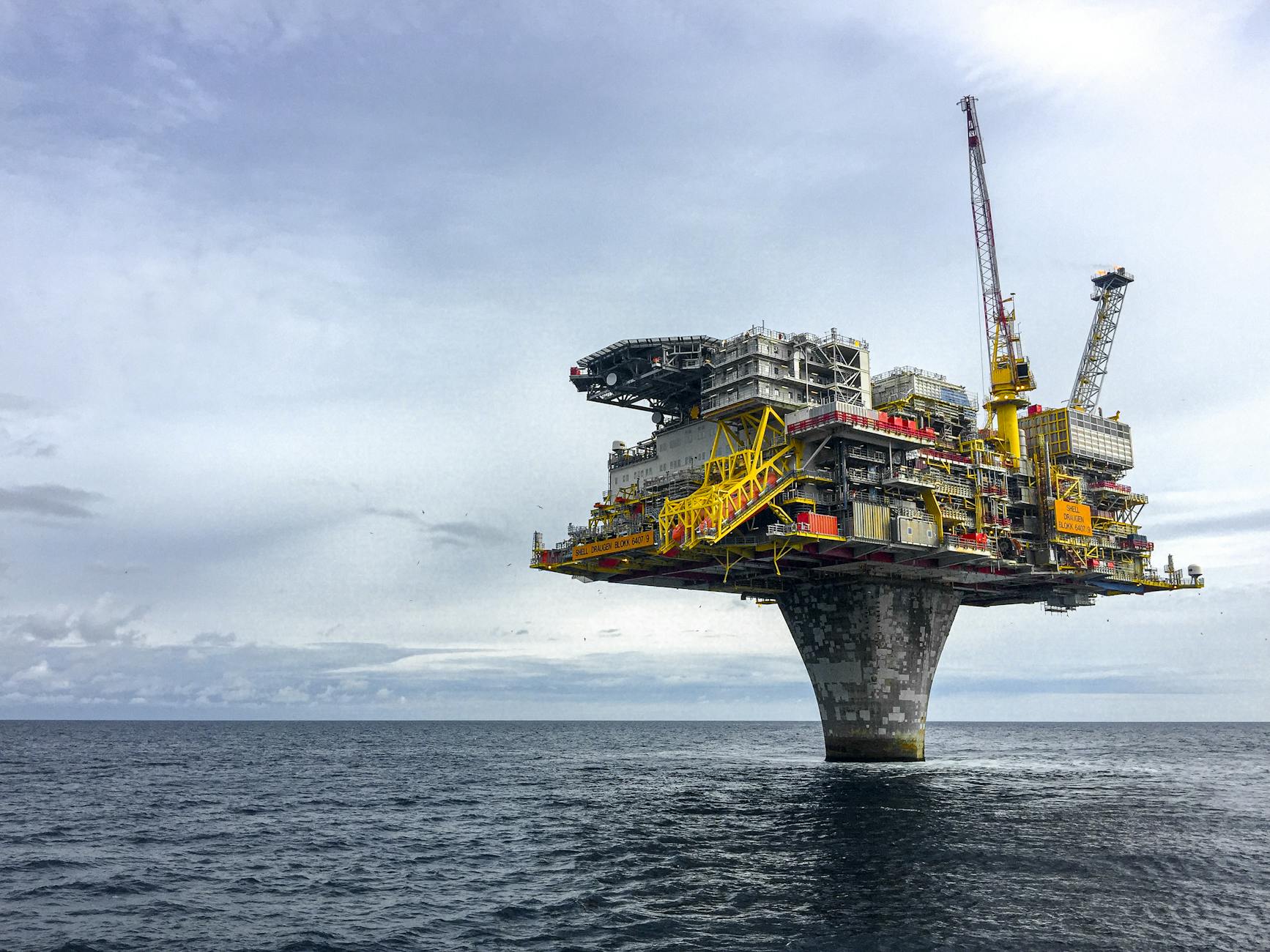
Stavanger stories may touch energy, maritime work, coastal life, local politics, climate, tourism, education, or culture. Fieldwork should be planned around what the story needs rather than around the easiest scenic stop.
Context should serve accuracy.
- Research whether the assignment depends on energy, maritime, municipal, academic, cultural, or community sources.
- Confirm access rules before visiting industrial, port, government, or private sites.
- Use field observations to test the story, not just to collect atmosphere.
Plan press access and verification
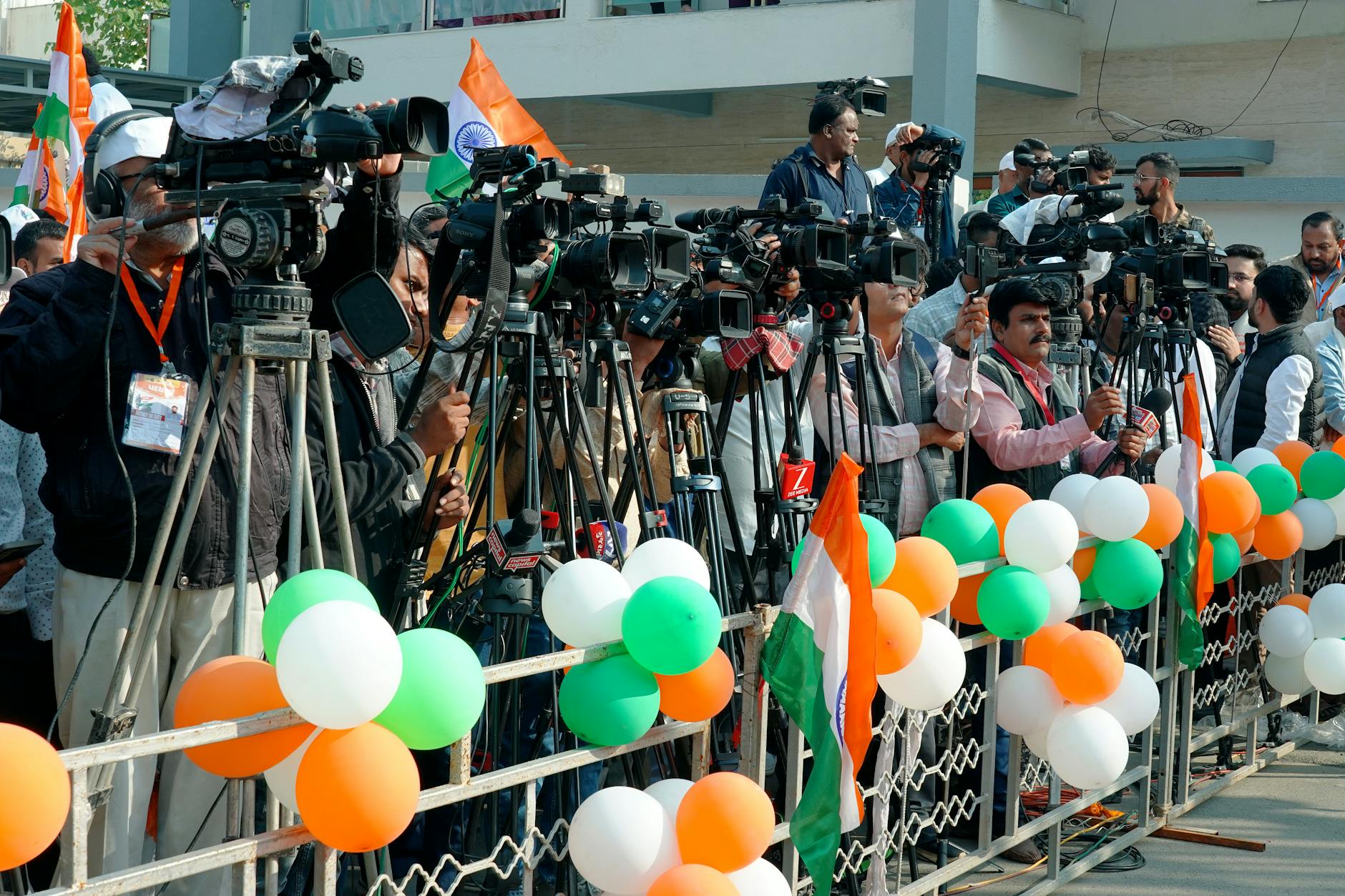
A short reporting trip can become fragile when accreditation, event access, official statements, source documents, or fact-checking contacts are left until the last minute. The journalist should know what needs confirmation before arrival and what can be verified remotely afterward.
Access and verification are logistics.
- Confirm accreditation, media contacts, event rules, camera restrictions, and quote approval norms where relevant.
- Keep source documents, names, spellings, titles, timestamps, and location notes organized.
- Build time for fact-checking before departure if the story depends on local confirmation.
Protect weather, safety, and files
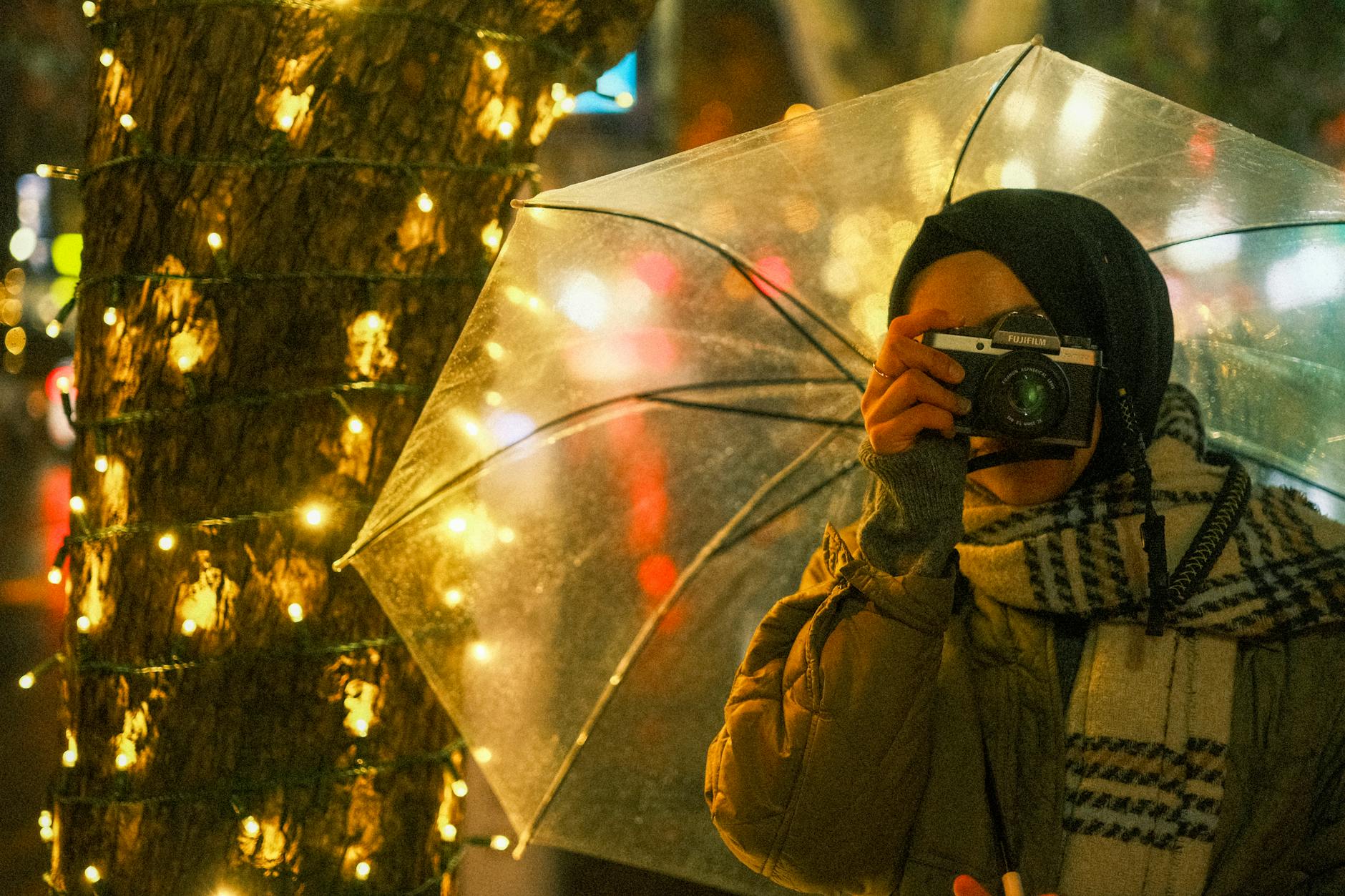
Rain, wind, waterfront routes, camera exposure, low battery, and late filing can complicate a Stavanger assignment. The journalist should plan for equipment protection, personal safety, secure backups, and a realistic route back from evening interviews.
The story should not depend on fragile logistics.
- Carry waterproof protection for camera, recorder, notebook, laptop, and outerwear.
- Back up notes, audio, images, and drafts before moving between locations.
- Plan safe evening routes and avoid visible work on sensitive material in public spaces.
When to order a short-term travel report
A journalist with one event and a clear hotel may not need a custom report. A report becomes useful when source geography is complex, interviews are sensitive, field access is uncertain, weather could affect shooting, or filing deadlines leave little room for error.
The report should test source locations, hotel workability, transport options, interview windows, access rules, weather contingencies, backup workspaces, safe routes, local context, and departure buffers. The value is a Stavanger reporting trip that supports accuracy and deadline control.
- Order when assignment scope, source geography, interviews, access, weather, file handling, or departure timing need exact planning.
- Provide dates, source list, assignment type, interview needs, equipment, hotel candidates, budget, and filing deadlines.
- Use the report to keep the Stavanger journalist stay focused, resilient, and reportable.