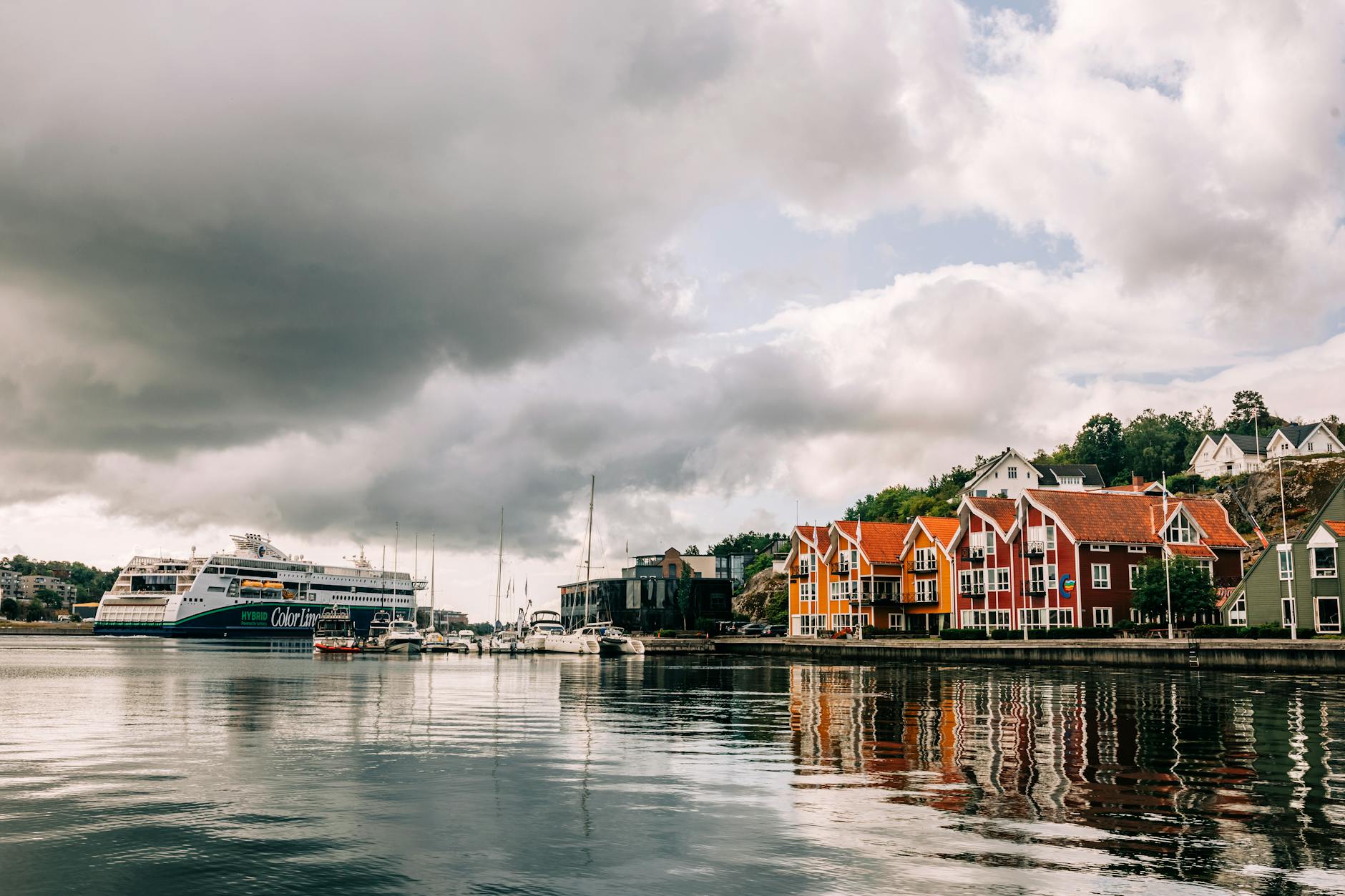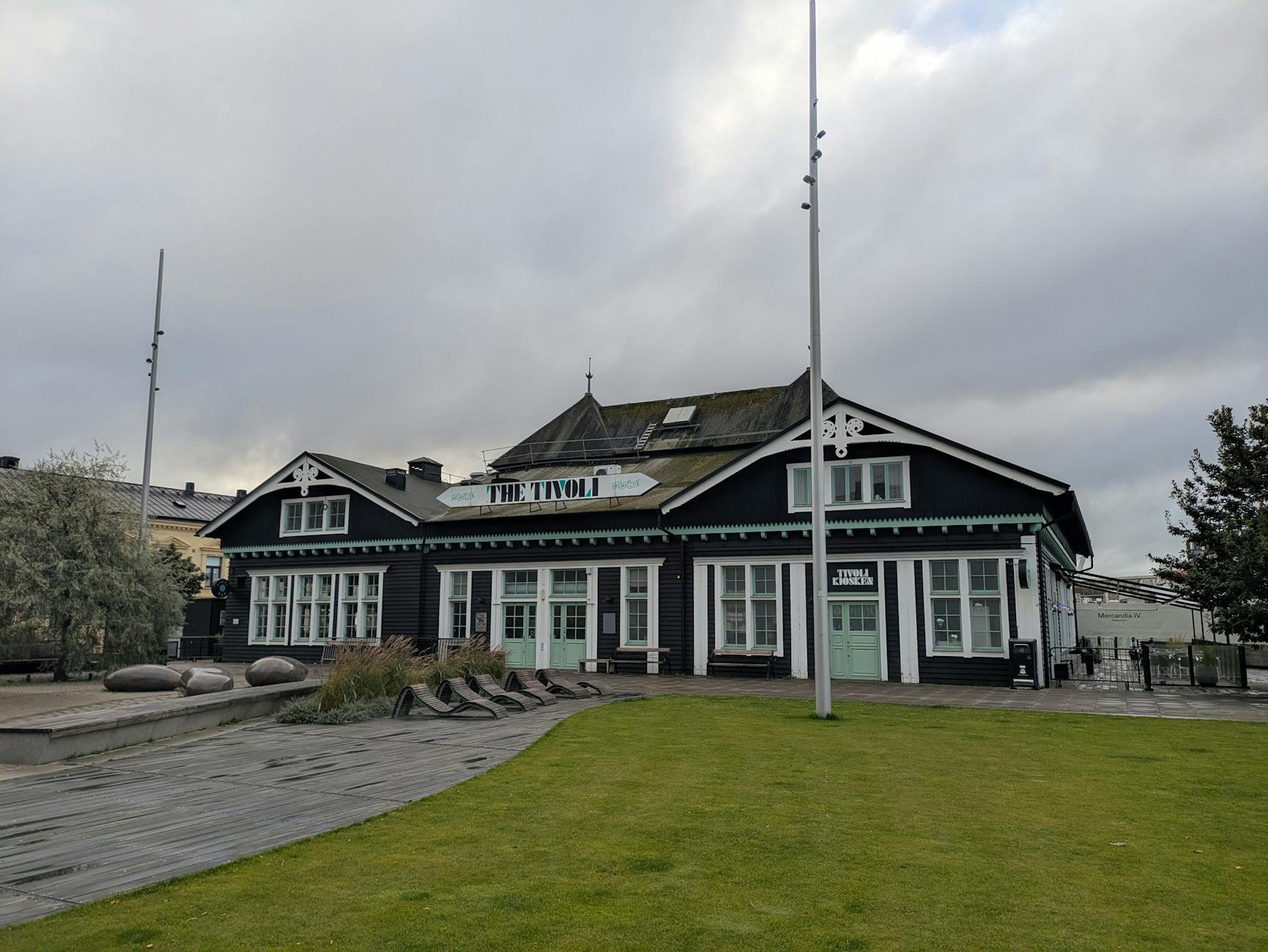
A Stavanger content-creation trip should be planned as a production schedule, not just a scenic weekend. Harbor views, old-town streets, coastal weather, light, permissions, editing space, backups, batteries, and publishing deadlines all affect the final work. A good short stay leaves room for both strong visuals and practical recovery.
Build a visual plan around Stavanger
A creator should decide what the Stavanger story is before chasing every viewpoint. Old wooden streets, harbor edges, food stops, museums, energy context, fjord access, and coastal weather can support different audiences and formats.
The itinerary should match the content brief.
- Define the primary formats, audience, must-capture scenes, and backup scenes before arrival.
- Group harbor, old-town, food, museum, and waterfront scenes by light and walking distance.
- Avoid overloading the day with locations that do not support the final piece.
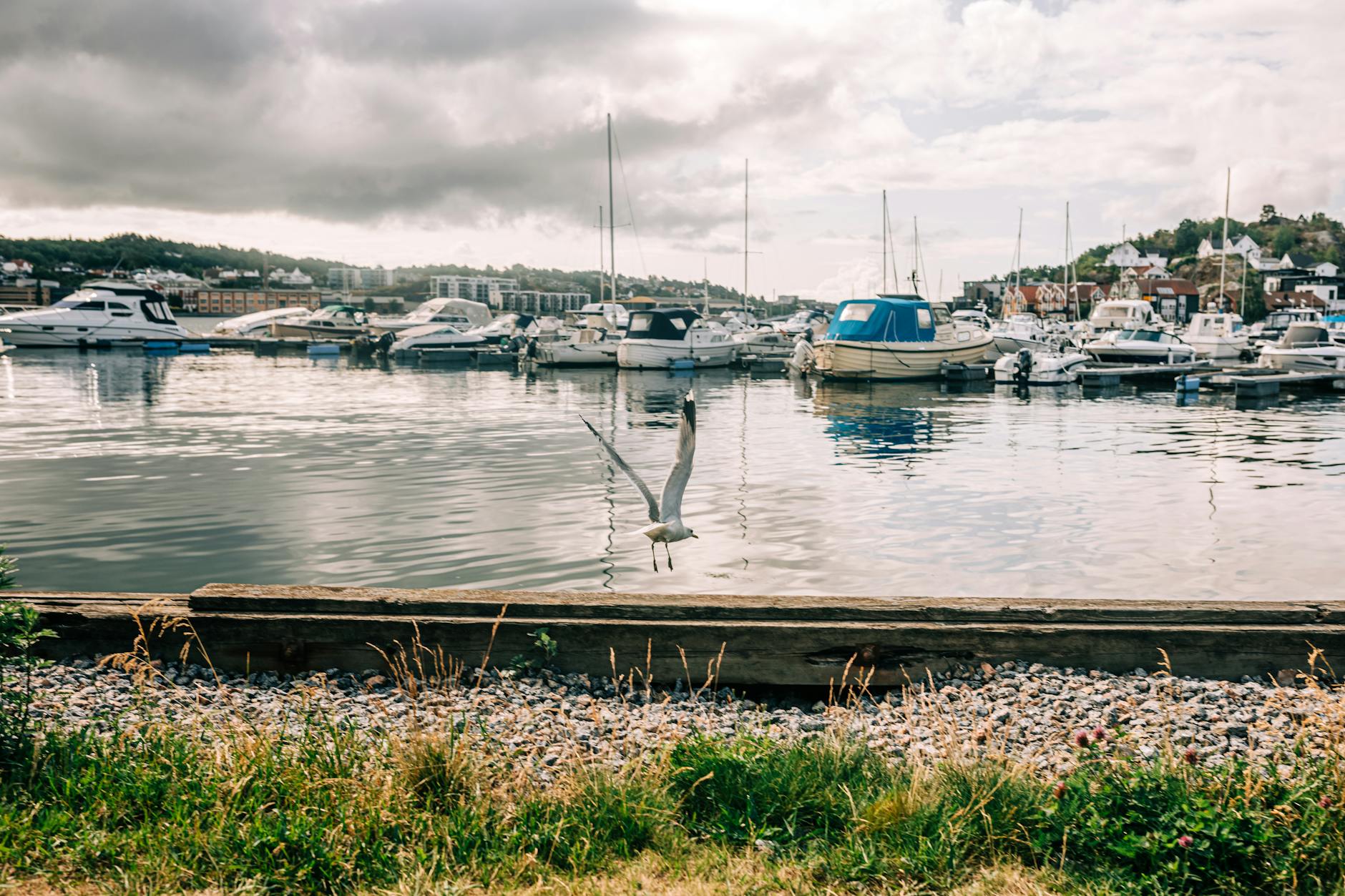
Choose lodging that supports editing
The room or apartment may need to support charging, backups, rough edits, voice notes, captions, client reviews, and quiet sleep. A photogenic location is helpful only if the creator can also recover and process the day's material.
The base should support production.
- Check desk space, outlets, Wi-Fi, room quiet, late checkout, laundry, and secure luggage storage.
- Plan where editing, uploading, and client calls can happen without background noise.
- Choose lodging that makes sunrise, evening, or waterfront routes realistic.

Sequence shooting routes by light and distance
Stavanger can reward compact shooting routes, but light, rain, wind, crowds, opening hours, and battery life need attention. A good route lets the creator capture essential scenes without carrying heavy gear across town all day.
The route should protect the best light.
- Plan morning, midday, and evening scenes separately instead of treating the city as one continuous shoot.
- Keep waterproof packing, spare batteries, memory cards, and lens cloths ready.
- Leave time to return to a good location if the weather or crowd level improves.
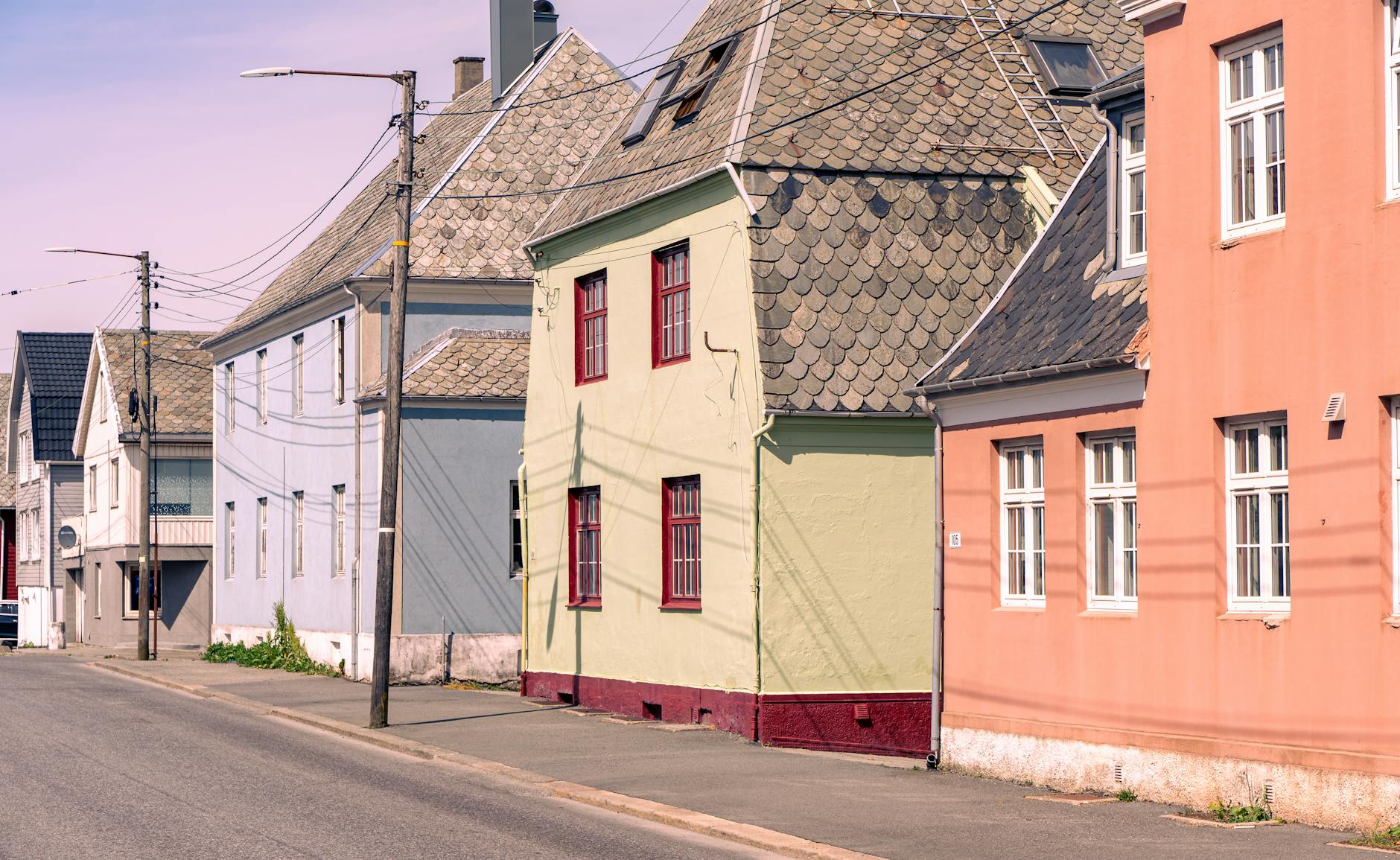
Be deliberate about permissions and privacy
Content work can cross lines quickly when people, private businesses, museums, events, children, or sensitive workplaces appear in the frame. The creator should understand where casual shooting is fine and where permission, discretion, or restraint is required.
Good footage still needs good judgment.
- Confirm camera rules for museums, restaurants, events, private interiors, workplaces, and paid collaborations.
- Avoid filming identifiable people in sensitive contexts without consent.
- Keep sponsored, hosted, or client-driven content clearly separated from personal travel coverage.
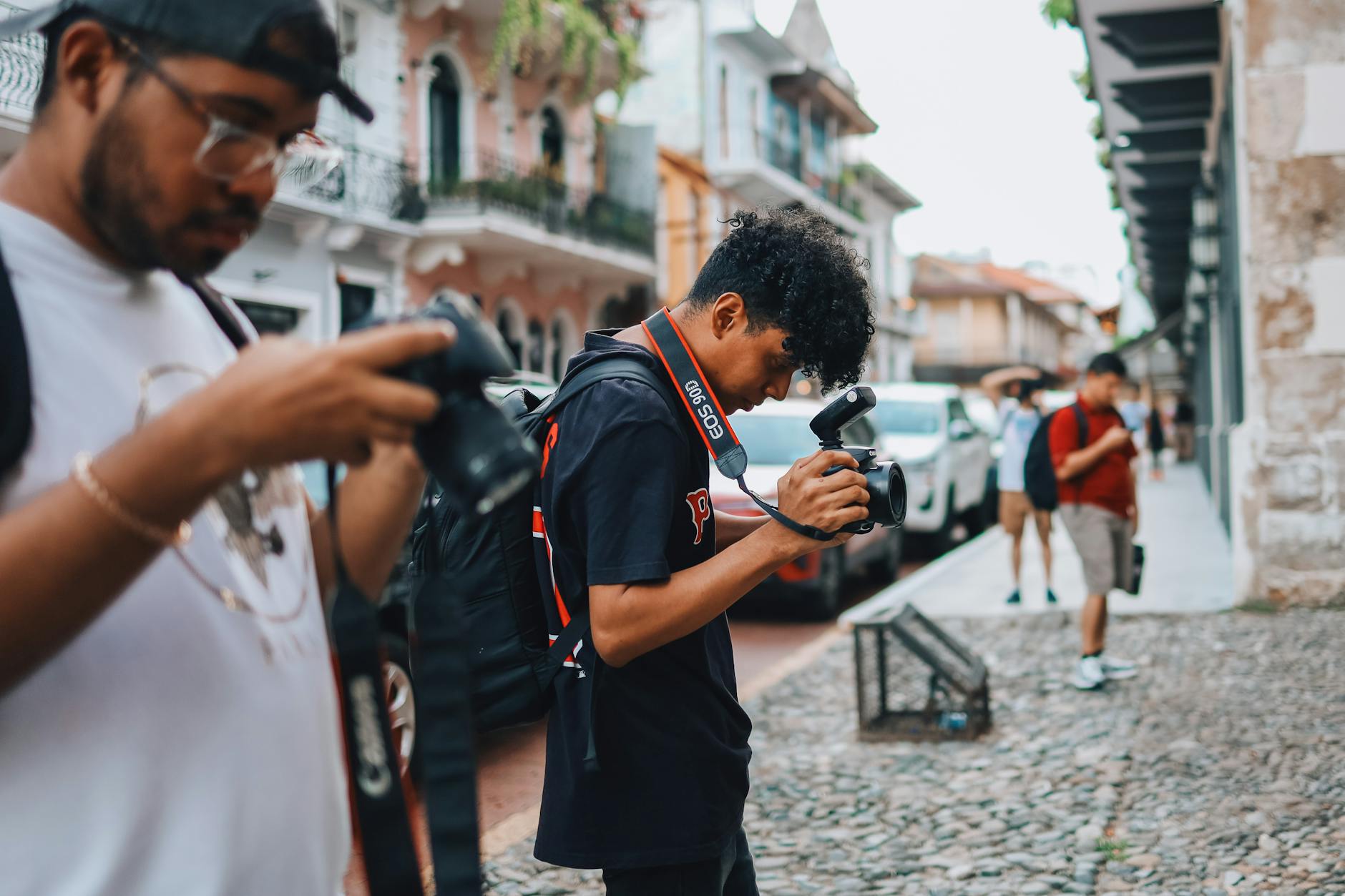
Plan for coastal weather and backup scenes
Rain and wind can ruin a fragile shoot list, but they can also produce useful atmosphere if the creator has backup scenes and protected gear. The plan should include indoor options, short covered routes, and flexible timing for waterfront work.
Weather should become a variable, not a failure.
- Prepare indoor, food, museum, hotel, street-detail, and editing scenes for bad weather windows.
- Protect microphones, cameras, phones, batteries, and clothing from rain and wind.
- Keep fjord or coastal outings flexible enough to cancel if conditions undermine the work.
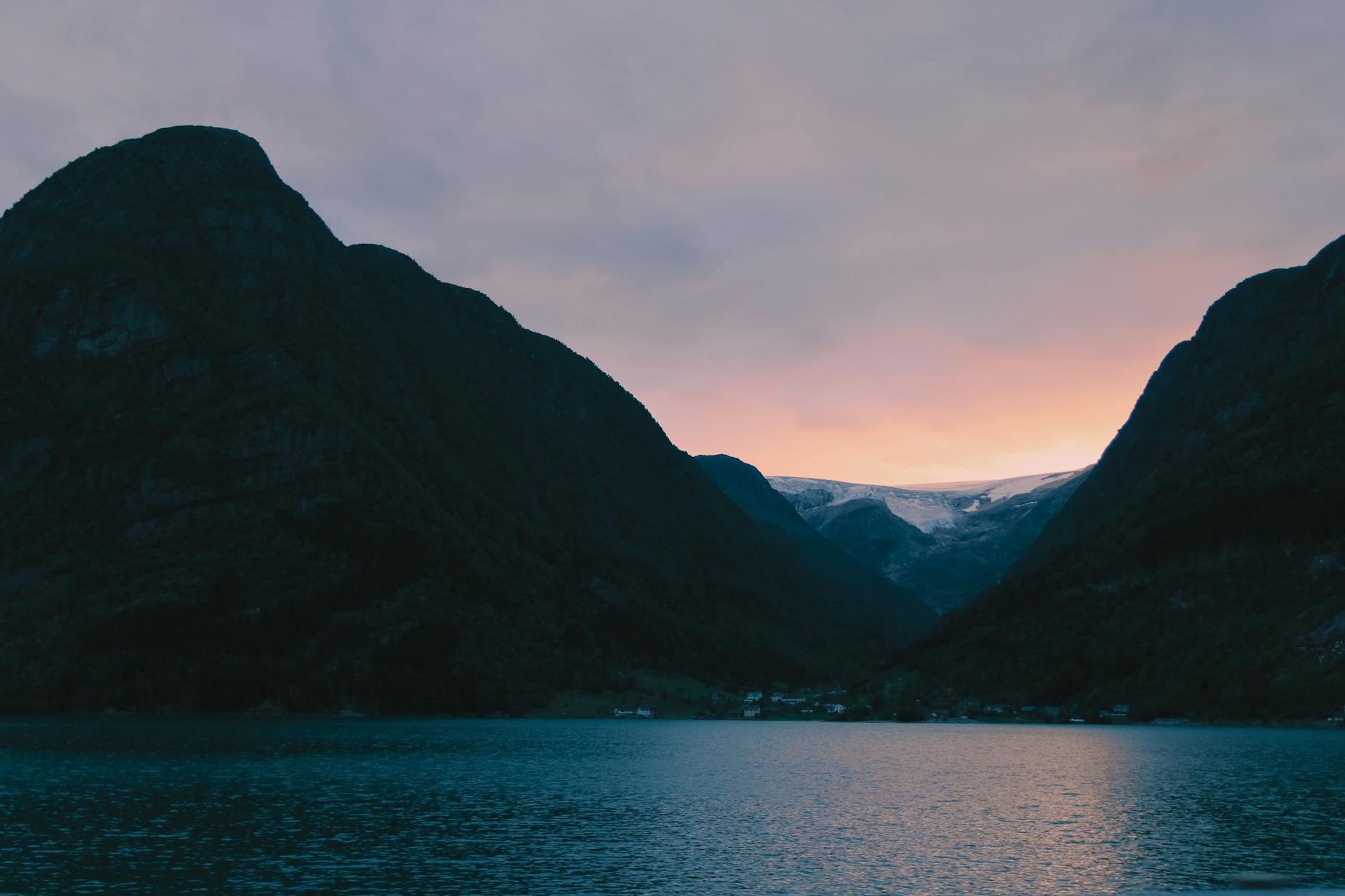
Protect publishing, batteries, and file backups
A short creator trip can fail after the shoot if uploads, captions, edits, backups, charging, or client approvals are left until the final night. The traveler should treat file handling and publishing time as part of the itinerary.
The work is not finished when the camera stops.
- Back up files daily and keep cards, drives, and cloud uploads organized by location or scene.
- Block time for rough edits, captions, metadata, client notes, and platform-specific exports.
- Carry enough power banks, chargers, adapters, and storage for weather delays or long shooting days.

When to order a short-term travel report
A creator with one simple shoot list and a flexible timeline may not need a custom report. A report becomes useful when the stay includes brand commitments, tight posting deadlines, weather-sensitive scenes, permissions, equipment limits, or a need to balance production with rest.
The report should test visual routes, lodging workspace, light timing, indoor backups, transit, permissions, meal stops, file-handling windows, weather contingencies, and departure buffers. The value is a Stavanger content trip that produces useful material without wasting the short stay.
- Order when visual goals, lodging, shooting routes, permissions, weather, files, publishing time, or departure timing need exact planning.
- Provide dates, content goals, platforms, equipment, must-capture scenes, hotel candidates, budget, and collaboration details.
- Use the report to keep the Stavanger creator stay productive, flexible, and audience-aware.