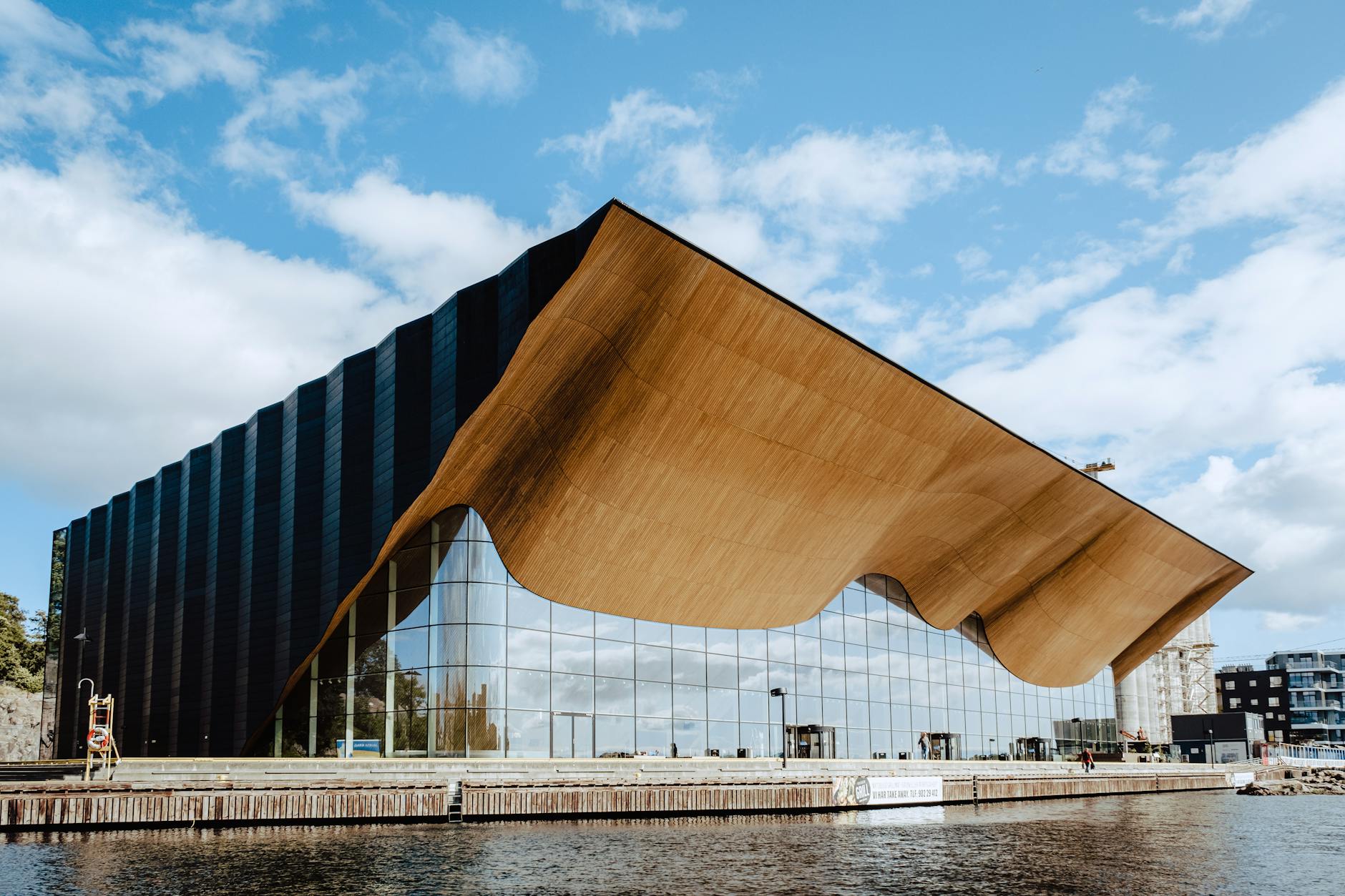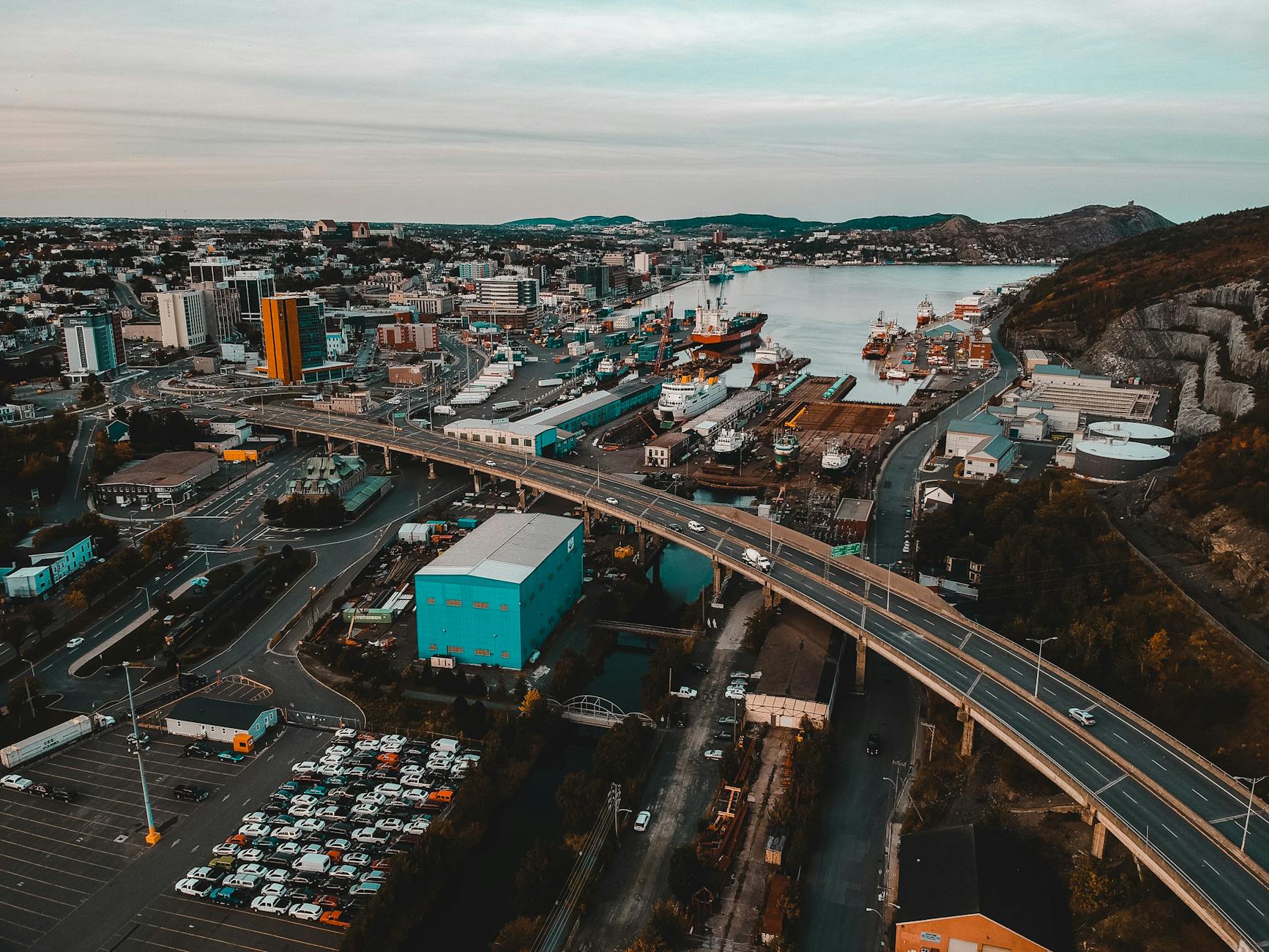
A Stavanger conference trip can work well when the attendee treats the city plan and the event plan as one schedule. Venue location, hotel commute, rain, meals, networking, session fatigue, and any harbor or coastal time all compete for the same limited energy. The best short stay protects the conference purpose while leaving room for a clear sense of place.
Map the venue before choosing the hotel
A conference attendee should start with the venue, not the city wish list. The distance between hotel, venue, harbor, dinners, and transport determines how much energy remains for sessions and networking.
A good hotel is the one that protects the event.
- Check venue address, commute time, taxi access, transit options, and walking exposure in rain.
- Choose lodging that supports early starts, late returns, laptop work, and luggage storage.
- Avoid a scenic base if it makes the event day fragile.
Protect the session schedule
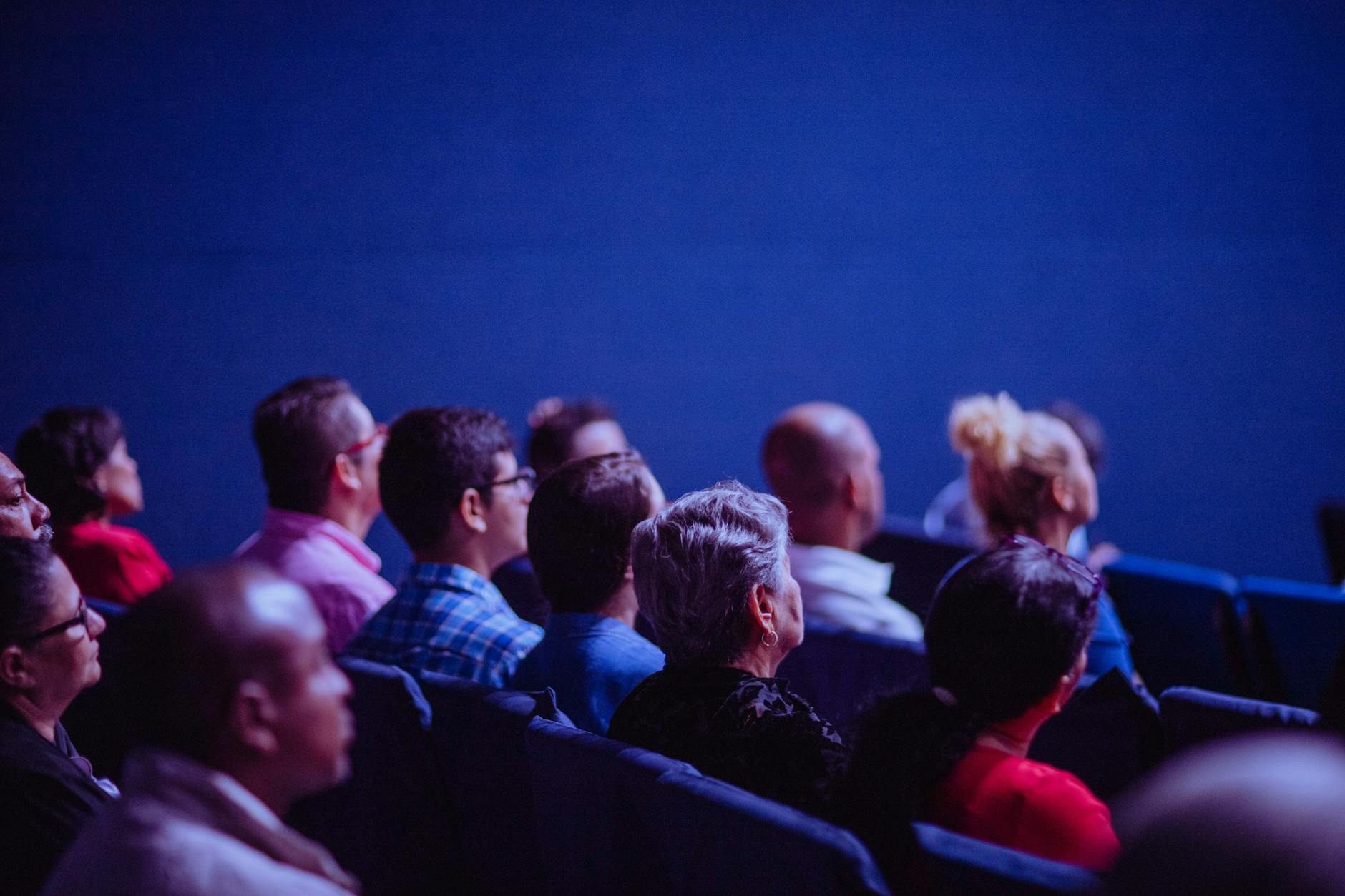
Conference days can disappear into registration lines, parallel sessions, coffee breaks, side meetings, and fatigue. The attendee should decide which sessions are essential and where flexibility is acceptable before arriving.
The schedule should have a hierarchy.
- Mark must-attend sessions, useful optional sessions, meeting blocks, and recovery gaps.
- Plan badge pickup, coat storage, charging, note taking, and quick meal access.
- Do not schedule sightseeing in the narrow gaps that may be needed for event logistics.
Plan work recovery at the hotel
The hotel room often becomes the office, dressing room, storage area, and recovery space. A conference attendee should check desk quality, Wi-Fi, quiet, breakfast timing, ironing or steaming options, and whether the hotel can hold luggage after checkout.
The room needs to support the workday.
- Check Wi-Fi, desk space, outlets, breakfast hours, laundry or pressing, gym access, and quiet rooms.
- Plan a short reset between sessions and dinner if networking continues into the evening.
- Keep presentation materials, chargers, adapters, and business clothing protected from rain.
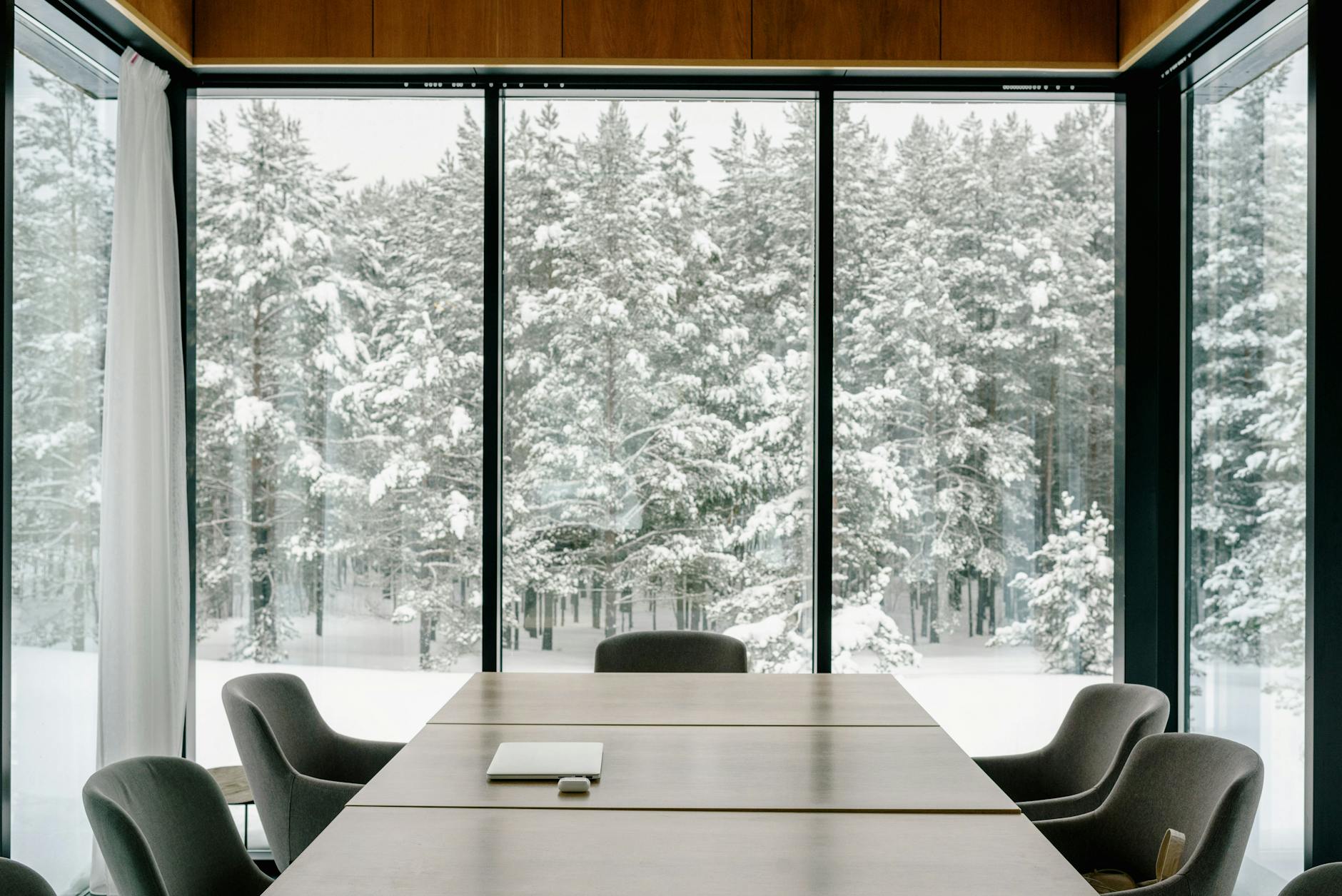
Make networking intentional
Networking is easier when the attendee knows which meals, receptions, and side meetings matter. Stavanger's compact scale can help, but restaurants, harbor walks, and hotel bars should be chosen around conversation quality and return logistics.
Networking should not be left to chance.
- Identify priority contacts, likely reception windows, and one or two calm places for deeper conversation.
- Reserve meals when group size, timing, or dietary needs make walk-ins risky.
- Protect enough quiet time to follow up while the conversation is still useful.

Understand Stavanger's business context
Stavanger is strongly associated with energy, maritime activity, and regional industry, while also offering food, culture, and coastal access. A conference attendee can use that context to make conversations and short city time more grounded.
Local context can improve the trip.
- Note whether the event connects to energy, maritime, technology, academia, or regional development.
- Use local context to choose side meetings, dinners, and brief sightseeing windows.
- Avoid treating the city as only a venue address if business relationships matter.
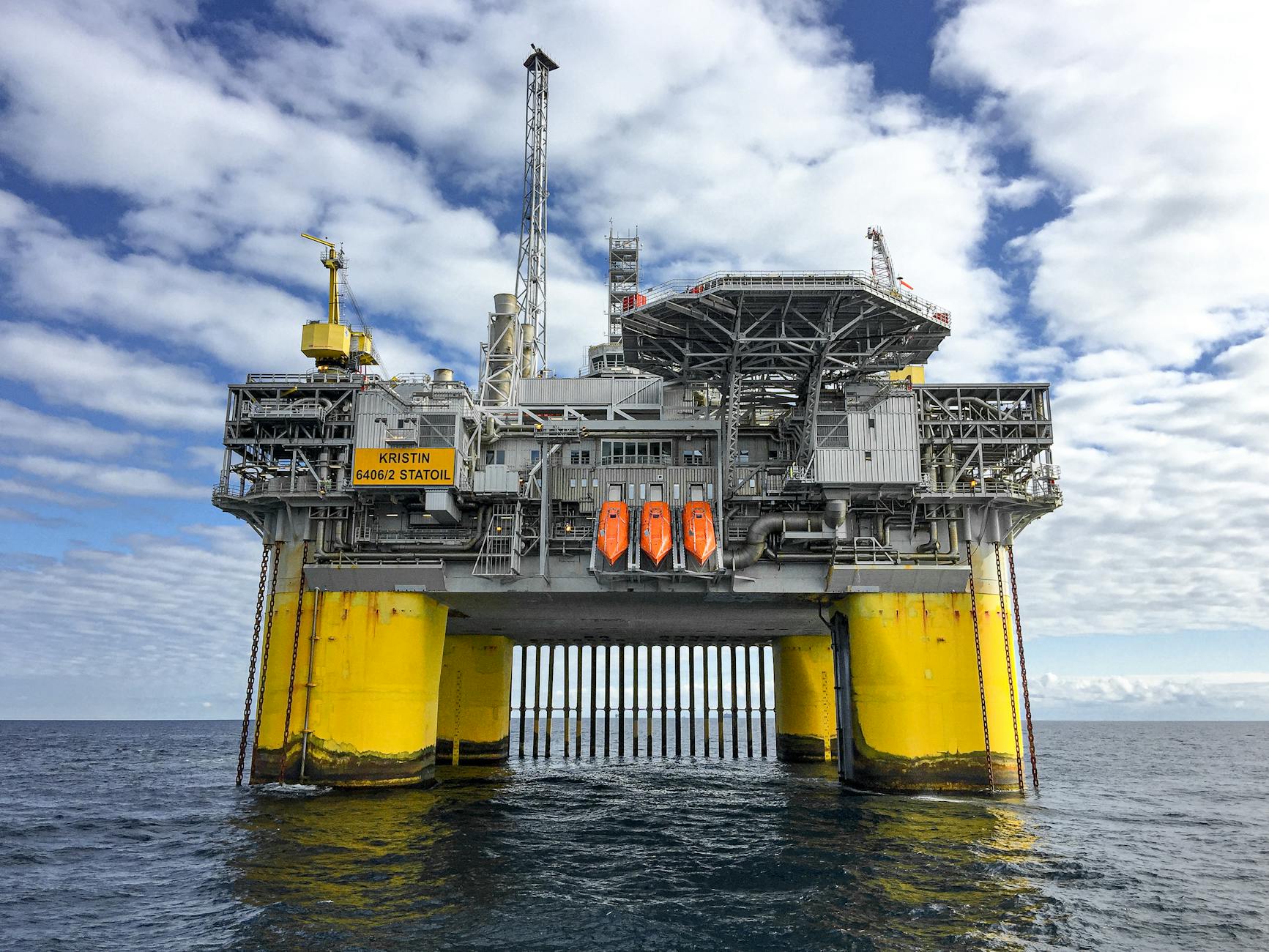
Use short sightseeing windows carefully
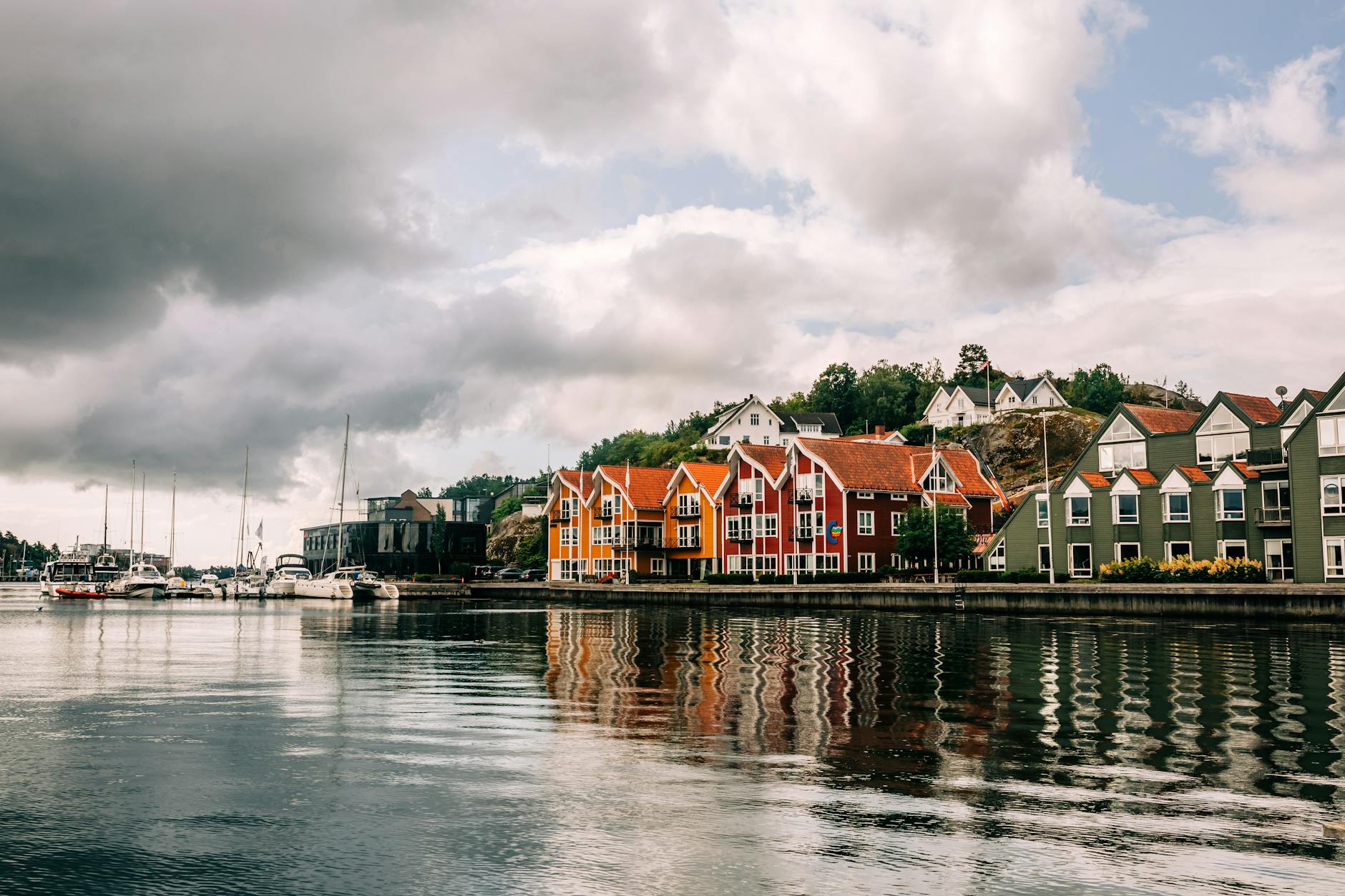
A conference attendee may only have an early morning, a lunch break, or one evening to see Stavanger. The harbor, old-town streets, museums, or a short waterfront walk can work if they do not threaten the event schedule.
Small windows need tight routes.
- Choose one compact route near the hotel, venue, or dinner location.
- Keep rain, footwear, laptop storage, and return time in the plan.
- Save larger coastal outings for extra days unless the conference schedule truly allows them.
When to order a short-term travel report
A conference attendee with a venue hotel and simple schedule may not need a custom report. A report becomes useful when venue location is unclear, hotel choice affects attendance, side meetings need coordination, dinners require reservations, weather could slow movement, or the attendee wants a brief but real city plan around the event.
The report should test hotel fit, venue commute, session priorities, meal and networking options, weather contingencies, work logistics, short sightseeing routes, business context, budget, and departure buffers. The value is a Stavanger conference trip that keeps the event central without wasting the city.
- Order when venue logistics, hotel fit, side meetings, dinners, weather, work needs, sightseeing, or departure timing need exact planning.
- Provide dates, event venue, session schedule, hotel candidates, meeting goals, dining needs, budget, and arrival details.
- Use the report to keep the Stavanger conference stay focused, efficient, and locally grounded.