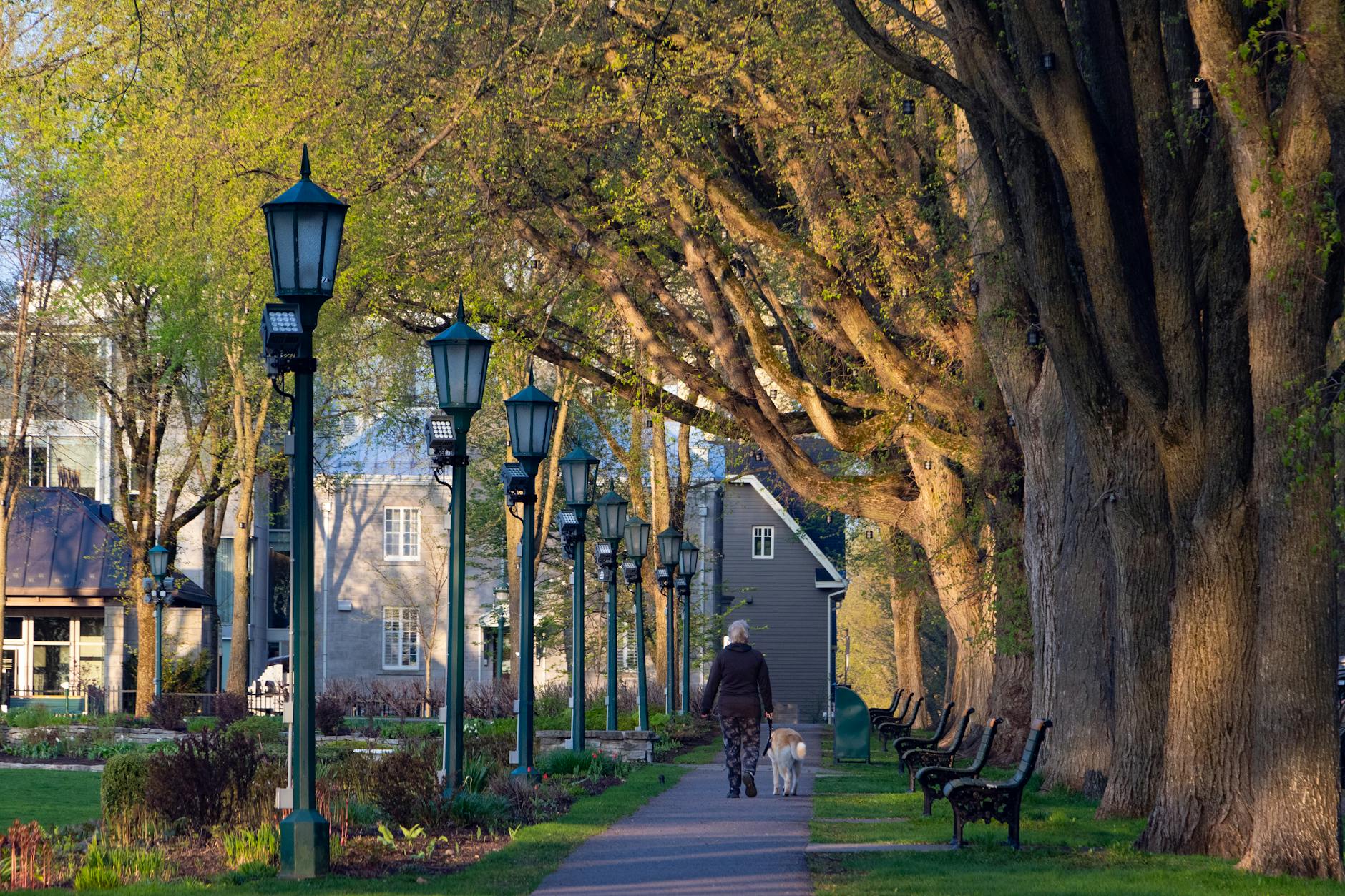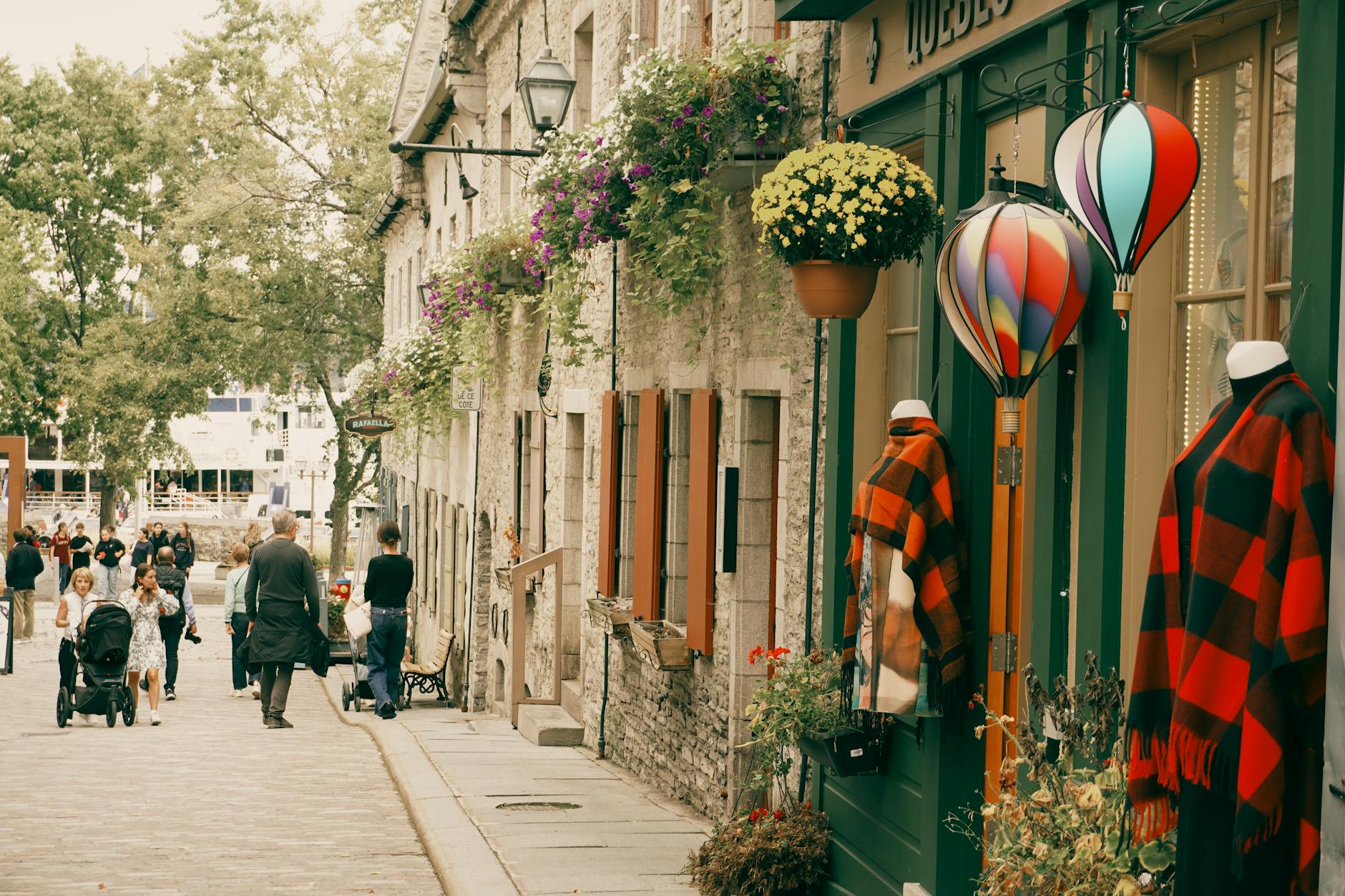
Quebec City can be a strong short-term destination for women travelers because the historic core is compact, atmospheric, and full of places where a traveler can pause comfortably. Its streets, cafes, river views, museums, and old-town scale can support a confident independent visit. The trip still needs practical design around hills, winter surfaces, evening movement, language, and where the traveler wants to be after dark. A good plan does not make the city feel dangerous or small. It makes the traveler's choices easier. The right base, route sequence, taxi fallback, meal style, clothing, and phone setup can make Quebec City feel open while keeping control of the details that matter.
Choose a hotel that supports confidence
A woman traveler should choose a Quebec City hotel by more than charm. Lobby staffing, elevator access, lighting, taxi pickup, nearby restaurants, winter footing, and the route back after dinner matter. A beautiful old-city property can be a good choice if it keeps the traveler close to the places she will actually use.
A hotel that looks only slightly farther away can feel much farther when the walk includes hills, ice, dark streets, or tired legs. The goal is not to hide inside the hotel. It is to use the hotel as a reliable anchor that makes the rest of the city easier.
- Check lobby staffing, taxi pickup, lighting, elevators, nearby meals, and evening return routes.
- Treat hill grade, winter footing, and distance from dinner as real hotel-selection factors.
- Choose atmosphere only when it also supports practical movement and confidence.
Plan evening movement before the evening starts
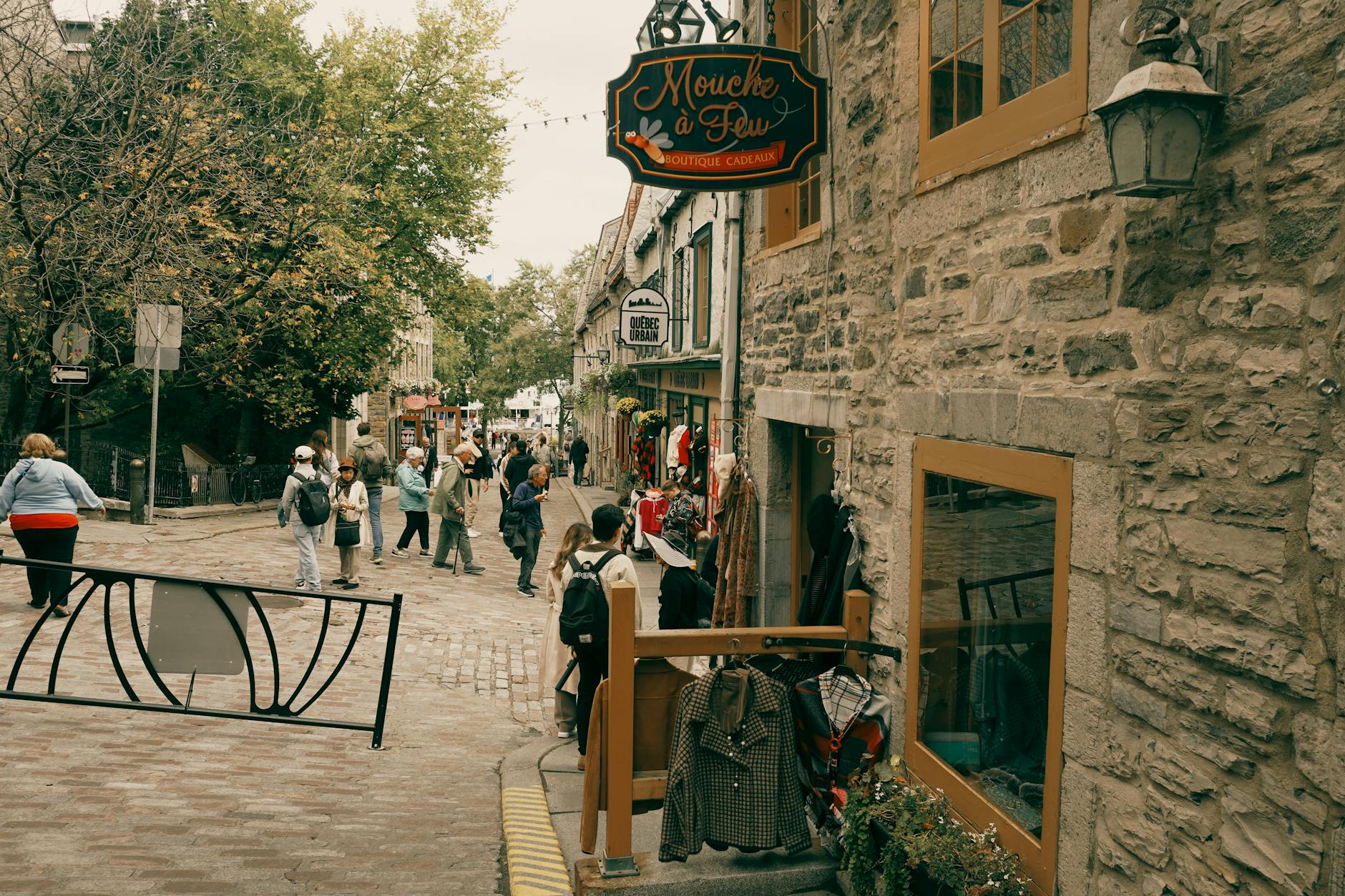
Quebec City can be beautiful after dark, especially around Old Quebec and Petit-Champlain, but evening movement should be intentional. The traveler should know which streets will feel comfortable, how far dinner is from the hotel, where taxis can pick up, and how winter cold or rain changes the route.
This matters most on short trips, when a poor dinner placement or late walk can make the next morning harder. A confident evening plan lets the traveler enjoy the atmosphere without improvising every return.
- Choose evening restaurants and walks with the return route already in mind.
- Use taxis when hills, cold, shoes, late hours, or fatigue make walking less sensible.
- Save unfamiliar or quieter routes for daylight unless there is a clear reason not to.
Prepare enough French to feel direct
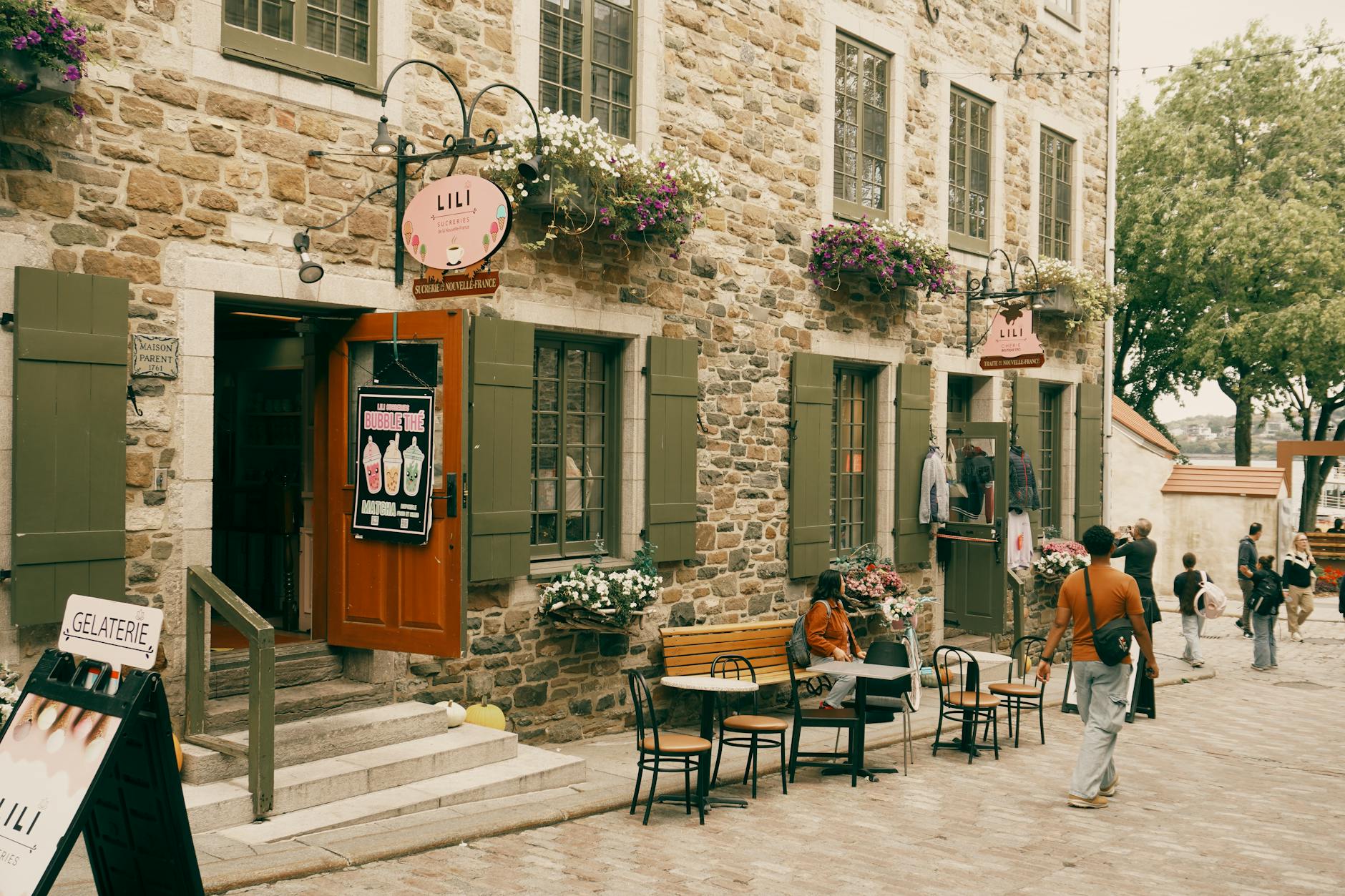
Quebec City is a French-speaking capital. A woman traveler does not need fluency, but she should prepare basic greetings, restaurant language, place names, taxi phrases, and a few direct sentences for clarifying needs. Language comfort can reduce dependence on strangers, guesswork, and awkward moments.
Prepared language also helps with boundaries. Being able to ask for a table, decline help, confirm a destination, or say that something is not needed can make small interactions cleaner.
- Prepare greetings, restaurant language, destination names, taxi phrases, and polite refusals.
- Keep hotel addresses and reservation details available in French and English.
- Use language preparation to make everyday interactions more direct and less dependent on guessing.
Use cafes, shops, and museums as useful pauses
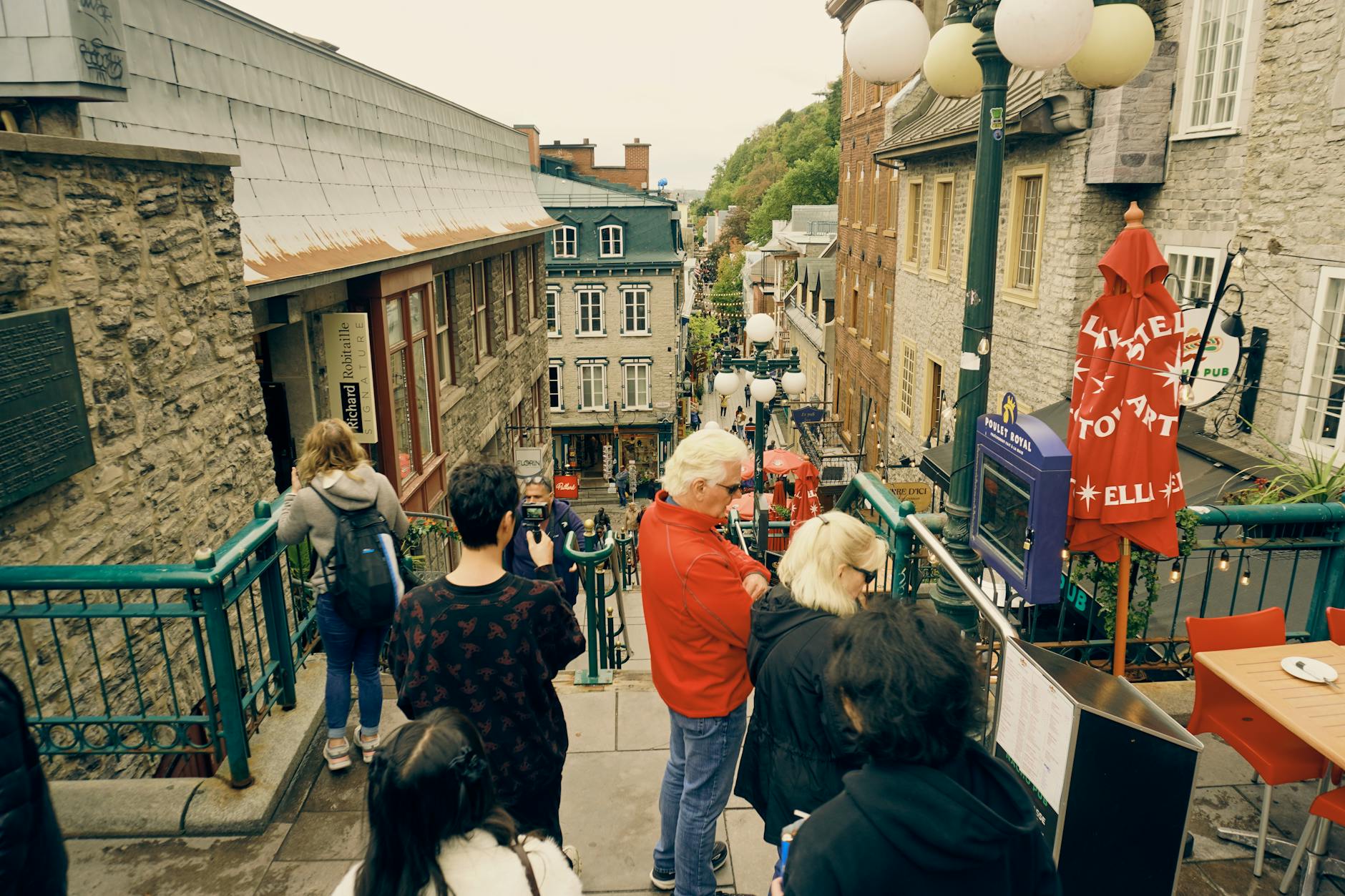
Quebec City gives women travelers many comfortable places to pause: cafes, shops, museums, hotel lounges, churches, galleries, and river viewpoints. These stops can help with weather, phone charging, bathrooms, route resets, or simply taking time to observe the city without rushing.
A short trip should not become an endurance walk across cobblestones. Planned pauses make the day feel more controlled and give the traveler options if a street is crowded, a route is icy, or energy drops sooner than expected.
- Build reliable pauses into each day for bathrooms, warmth, charging, food, and route resets.
- Use indoor stops deliberately during winter, rain, or heavy sightseeing days.
- Treat pauses as part of a good itinerary, not as evidence that the pace failed.
Match meals to mood and logistics
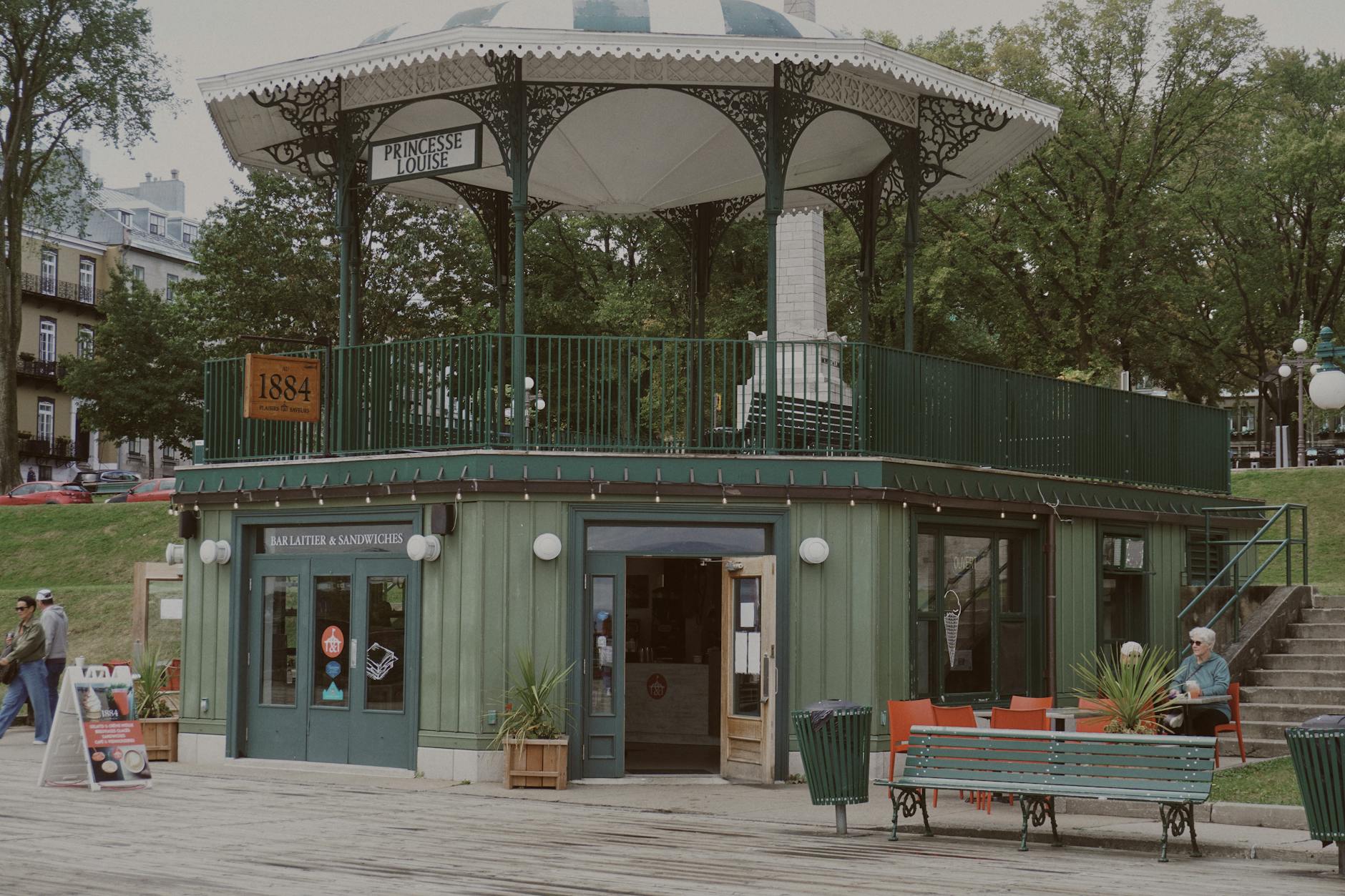
A woman traveler may want a quiet solo dinner, a bar seat, a lively bistro, a formal meal, or an easy cafe night. Quebec City can support all of those, but each choice has different implications for timing, dress, return route, language comfort, and whether the setting feels pleasant alone.
The traveler should reserve important meals and keep one or two easy fallback options near the hotel. A short trip is not the time to discover at 8:30 p.m. that every comfortable nearby option is full.
- Choose meals by setting, timing, language comfort, return route, and how the traveler wants to feel alone.
- Reserve important restaurants and keep hotel-adjacent fallback options ready.
- Avoid late or remote meals when weather, fatigue, or shoes make the return awkward.
Keep phone, clothing, and footwear practical
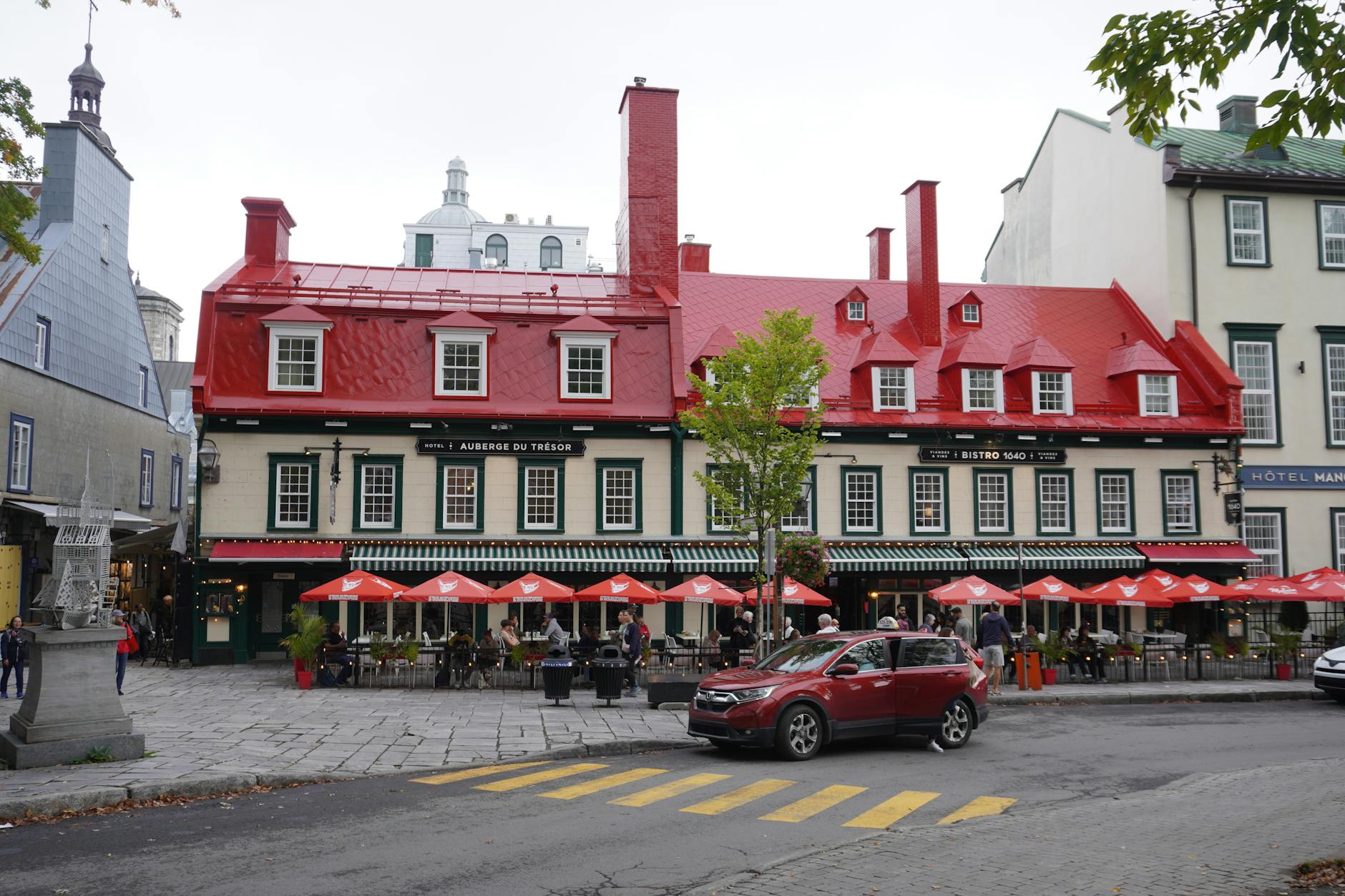
Quebec City asks women travelers to dress for real surfaces and real weather. Cobblestones, stairs, snow, slush, wind, and steep streets can punish shoes chosen only for appearance. A traveler can still dress well, but footwear, layers, gloves, bag security, and battery life need to support the day.
Phone reliability matters because navigation, translation, taxis, reservations, weather, and emergency contacts may all run through it. Cold can drain batteries quickly. A power bank and offline map are simple protections.
- Choose footwear and layers for cobblestones, hills, stairs, snow, slush, wind, and dinner returns.
- Carry a power bank, save offline maps, and keep hotel details easy to reach.
- Use clothing and bag choices that support comfort and movement, not only appearance.
When to order a short-term travel report
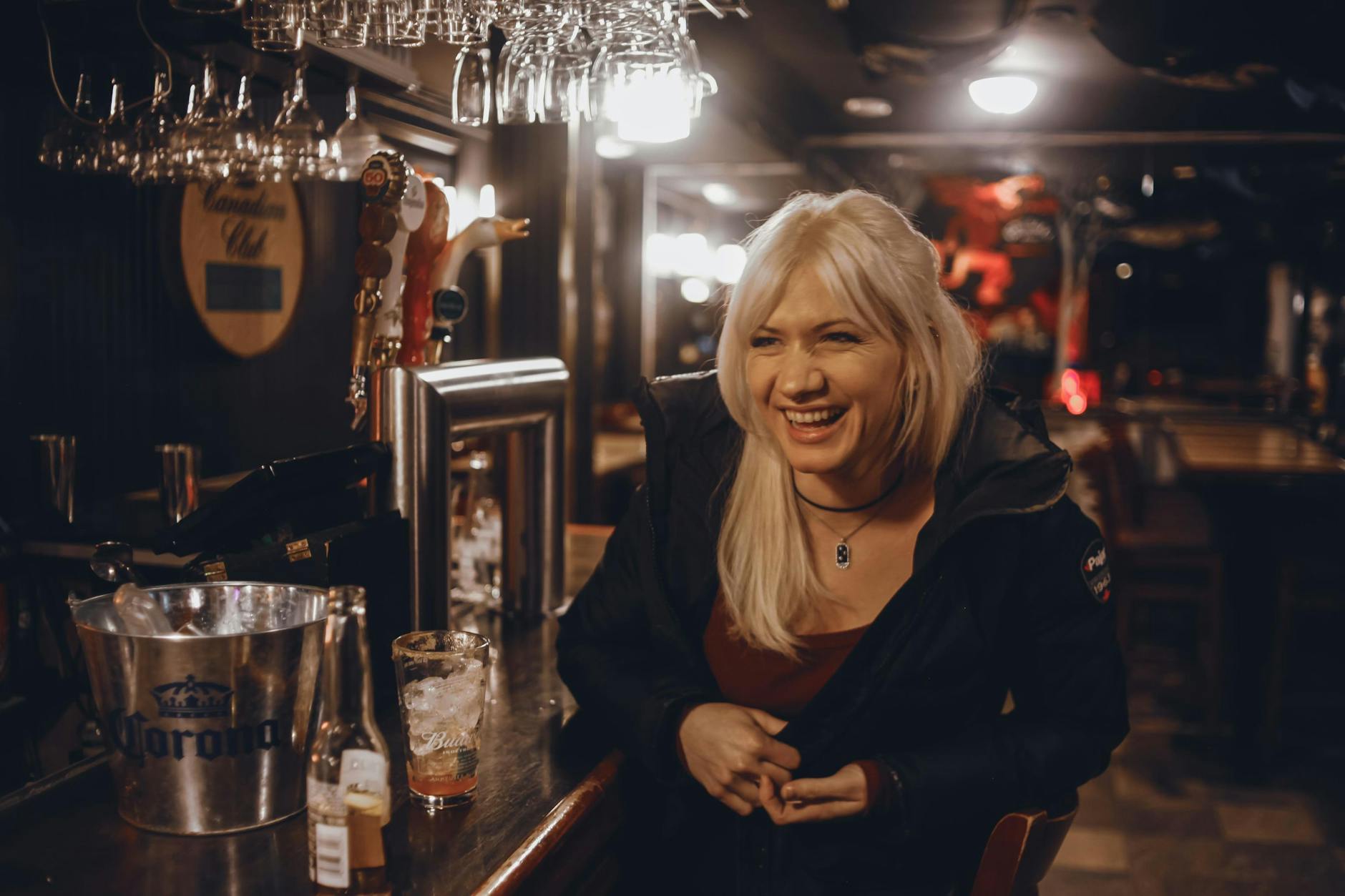
A woman traveler with central lodging, mild weather, and flexible plans may not need a custom Quebec City report. A report becomes useful when hotel location, winter footing, evening movement, language comfort, solo dining, medical needs, budget, mobility, or personal safety preferences could affect the trip.
The report should test hotel fit, evening returns, taxi strategy, route sequence, weather, meals, language needs, phone backup, budget, and what to cut. The value is a Quebec City trip that feels independent, comfortable, and specific to the traveler rather than built from generic reassurance.
- Order when hotel location, winter conditions, evening routes, meals, or language comfort need testing.
- Provide dates, hotel options, walking comfort, dining style, safety preferences, budget, and constraints.
- Use the report to make Quebec City feel open without leaving important details vague.