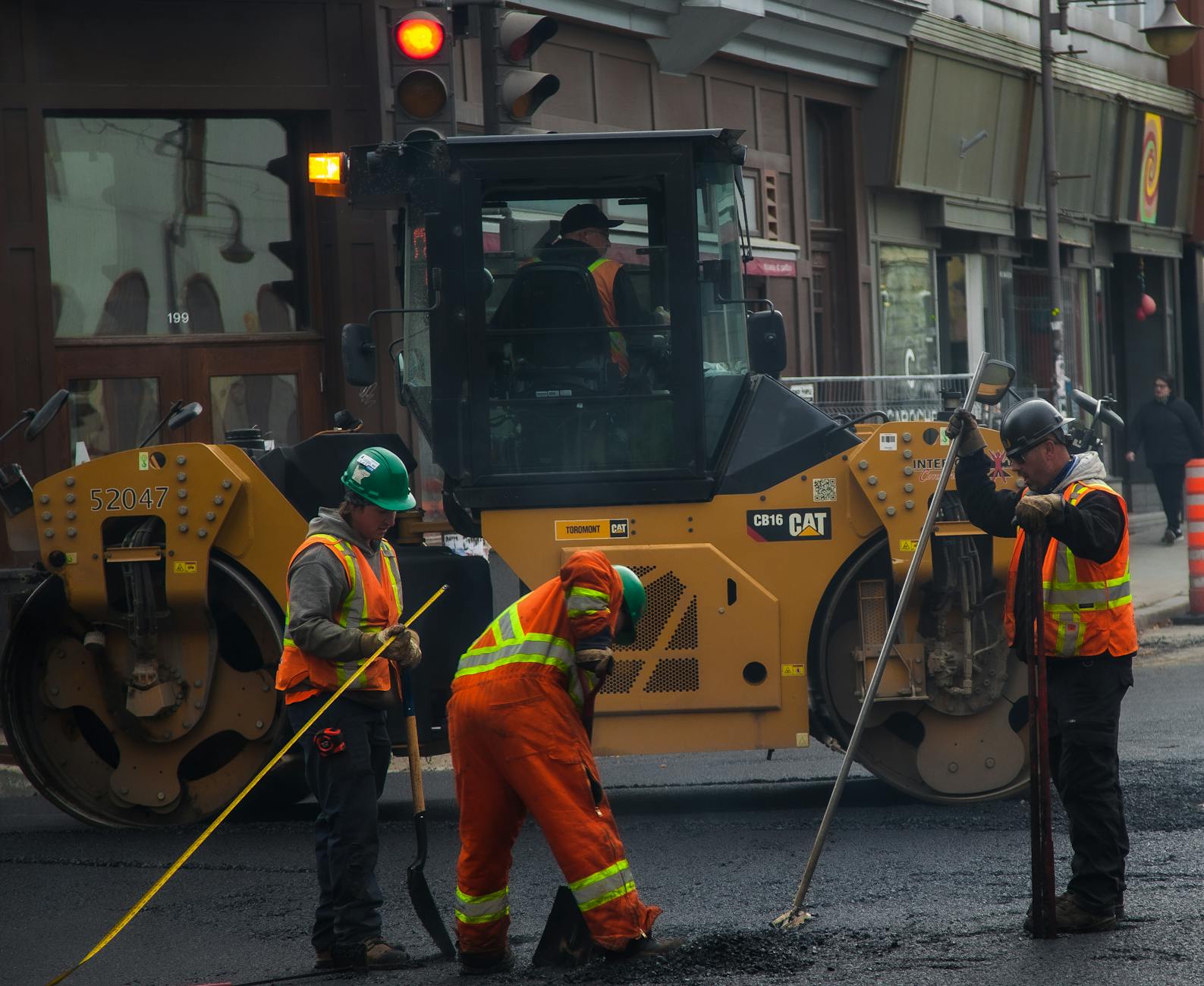
Quebec City can support short volunteer, nonprofit, faith-linked, civic, cultural, student-service, environmental, and NGO-related travel. The city has community organizations, churches, universities, social-service networks, migrant and newcomer support, cultural institutions, and event-linked projects. That range does not make every short service trip automatically sound. The right Quebec City plan starts with the host and the assignment. Housing, transport, language, safeguarding, documentation, budget, weather, and city time should support the work without creating avoidable burden for the people or organization the traveler hopes to help.
Verify the host and the assignment
A volunteer or NGO traveler should verify the Quebec City host before treating the trip as useful. The organization, project lead, location, schedule, responsibilities, supervision, insurance, background-check requirements, and point of contact should all be clear. Good intentions do not replace a real assignment.
The traveler should ask what problem the short visit solves, what skills are actually needed, and what work should not be attempted by a visitor. A well-defined role protects the host and the community.
- Confirm the host, project lead, site address, schedule, supervision, and responsibilities.
- Ask what the short visit can realistically accomplish and what should be left to local staff.
- Avoid vague service plans that rely on goodwill more than operational need.

Map the work site before choosing lodging
Quebec City volunteer work may take place near Old Quebec, Saint-Roch, Sainte-Foy, university areas, churches, community centers, shelters, event venues, suburbs, or outdoor project sites. A lodging choice that looks convenient for tourism may be poor for early shifts, winter commuting, or repeated movement with supplies.
The traveler should map the project site, host office, transit, walking routes, taxi access, meal options, and return timing before booking. Short assignments leave little room for a weak base.
- Plot project sites, host offices, transit, taxis, meals, and winter walking conditions together.
- Choose lodging by assignment reliability rather than sightseeing appeal.
- Check whether supplies, uniforms, or group transport change the best location.

Respect safeguarding and community boundaries
Volunteer and NGO travel requires discipline around boundaries. Quebec City projects may involve children, elders, newcomers, unhoused people, patients, faith communities, cultural organizations, or vulnerable households. Photography, social media, personal stories, gifts, rides, and informal contact should follow the host's rules, not the traveler's instincts.
The traveler should clarify safeguarding, consent, privacy, mandatory reporting, and what can be discussed publicly. The most useful visitor is often the one who understands what not to do.
- Confirm safeguarding, consent, privacy, photography, and social media rules before starting.
- Avoid turning service work, vulnerable people, or private stories into travel content.
- Follow host boundaries on gifts, contact details, rides, money, and follow-up communication.

Prepare language, paperwork, and conduct rules
Quebec City volunteer work may involve French-language instructions, bilingual forms, local safety rules, liability waivers, insurance questions, background checks, health documentation, or site-specific training. The traveler should not wait until arrival to discover that a form, phrase, or clearance is missing.
Basic French preparation can also matter. Even when the host can support English speakers, greetings, instructions, transport questions, food needs, and respectful daily exchanges are easier with a little language readiness.
- Confirm waivers, insurance, background checks, training, health forms, and site conduct rules.
- Prepare basic French for greetings, directions, food, safety instructions, and emergencies.
- Ask whether materials, schedules, or supervision will be in French, English, or both.
Plan transport around the project
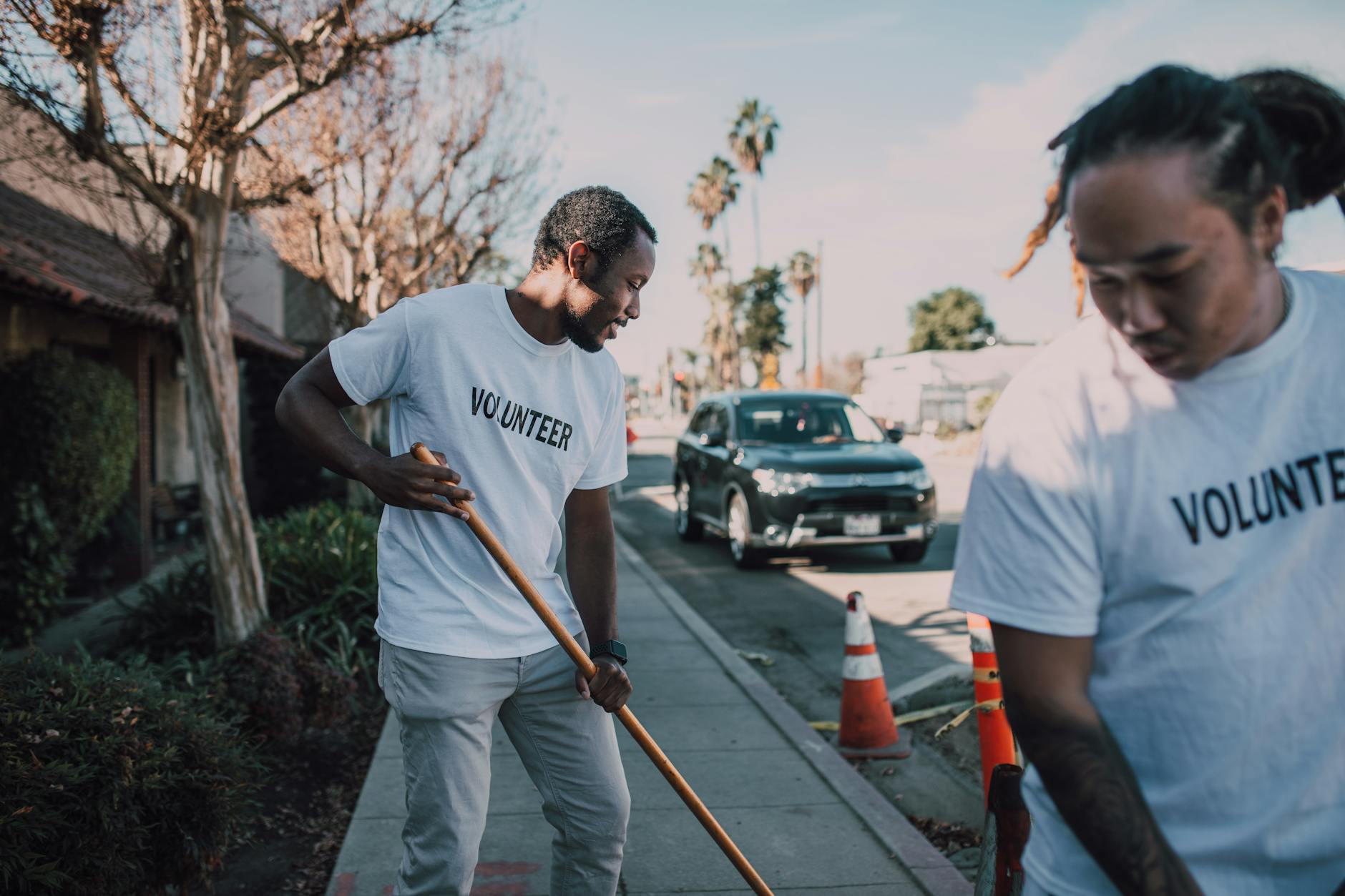
Transport should be planned around the volunteer assignment, not around a visitor's ideal city day. Early starts, winter sidewalks, carrying supplies, group meeting points, rural or suburban project sites, and evening returns can all change what is practical. A beautiful walk through Quebec City may be inappropriate before a long shift.
The traveler should know the reliable route, the backup route, and the cost of using taxis when weather or timing requires it. Being late can create real operational problems for a small organization.
- Plan normal and backup routes for each project site before the first shift.
- Account for supplies, uniforms, winter gear, group transport, and late returns.
- Budget for taxis or rides when weather or safety makes transit unrealistic.
Budget and recover like the work matters
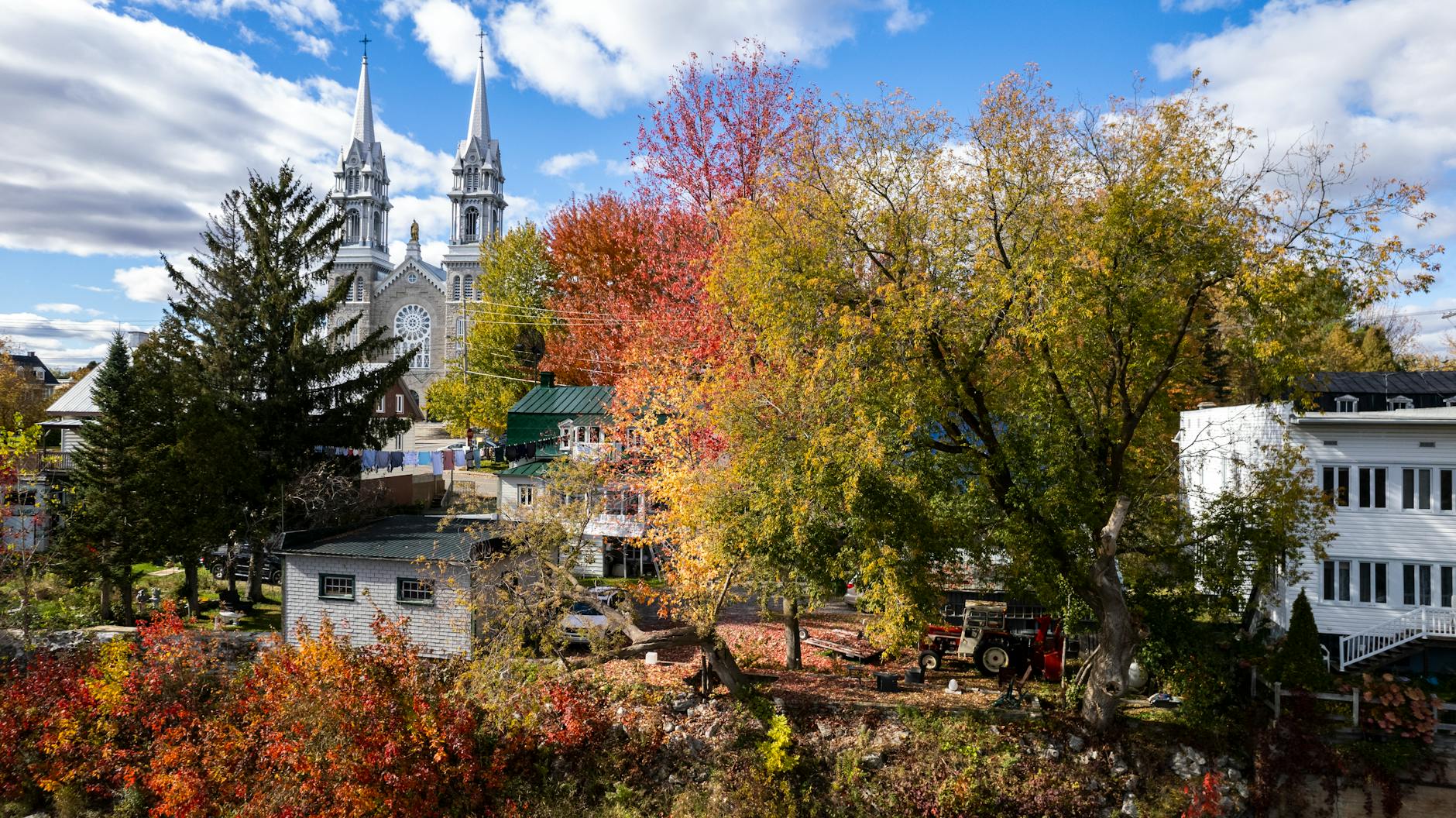
Volunteer and NGO travelers sometimes under-budget because the work feels modest or service-oriented. Quebec City still requires money for meals, transit, winter clothing, laundry, phone data, taxis, project contributions, backup lodging, and rest. The traveler should avoid becoming a logistical problem for the host.
Recovery matters too. Outdoor work, emotional service work, language fatigue, winter weather, and long shifts can make aggressive sightseeing unrealistic. A sustainable schedule is usually more respectful than an exhausted one.
- Budget for meals, transit, taxis, laundry, phone data, winter clothing, and backup needs.
- Protect rest after long, emotional, outdoor, or language-heavy project days.
- Avoid asking the host to solve preventable travel, money, or recovery problems.

When to order a short-term travel report
A volunteer with a fully organized group program, included housing, and local transport may not need a custom Quebec City report. A report becomes useful when the traveler must choose lodging, verify commute practicality, manage medical or mobility needs, work in winter, handle French-language context, compare host credibility, or add personal travel around the assignment.
The report should test host fit, project site geography, housing, transit, weather, paperwork, safeguarding, budget, recovery, city time, and what to cut. The value is a Quebec City service trip that helps the host instead of complicating the work.
- Order when host fit, housing, transport, winter, language, or health constraints need testing.
- Provide host details, project sites, schedule, lodging options, budget, documents, and constraints.
- Use the report to make the short assignment useful, realistic, and respectful.