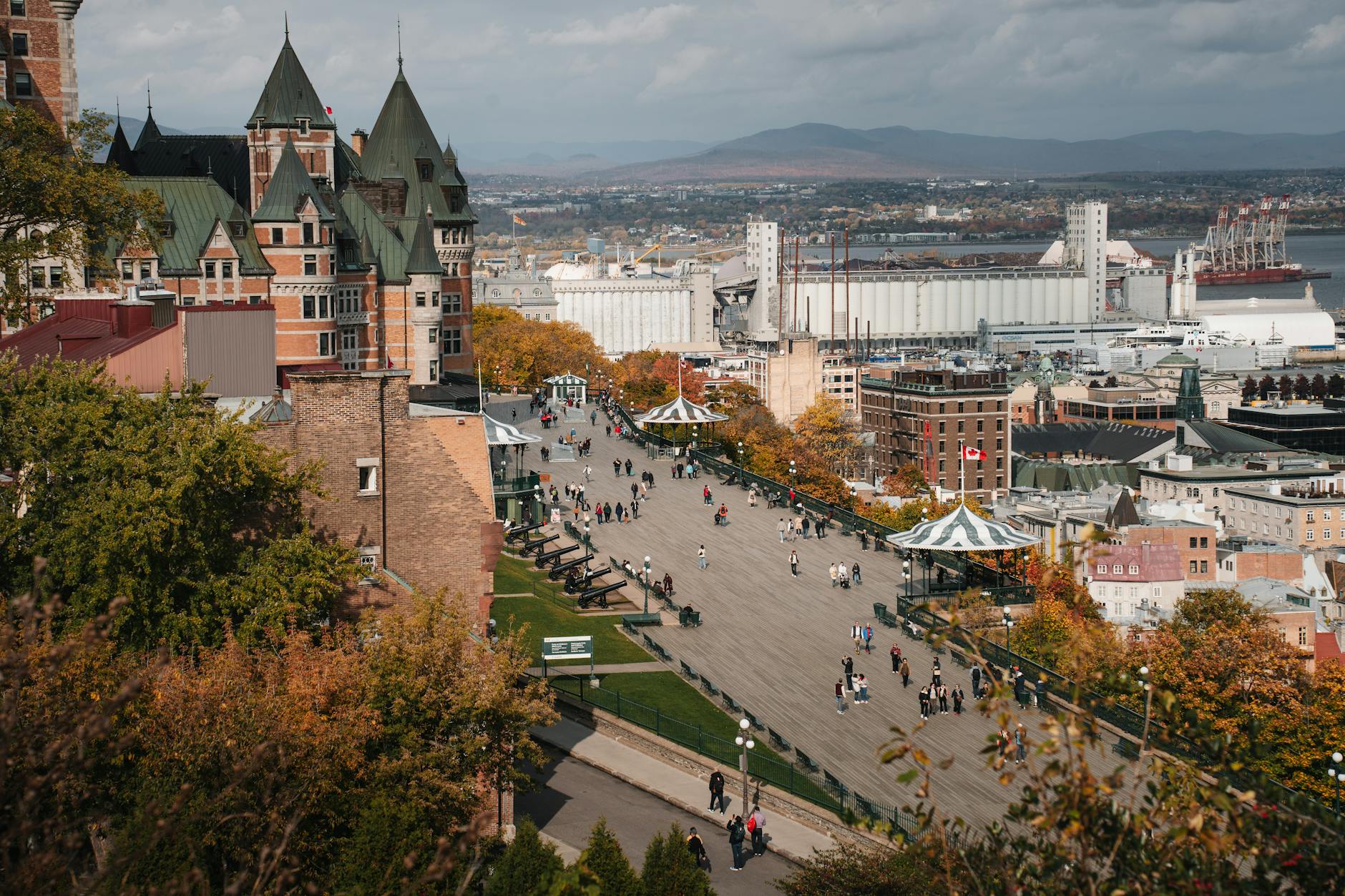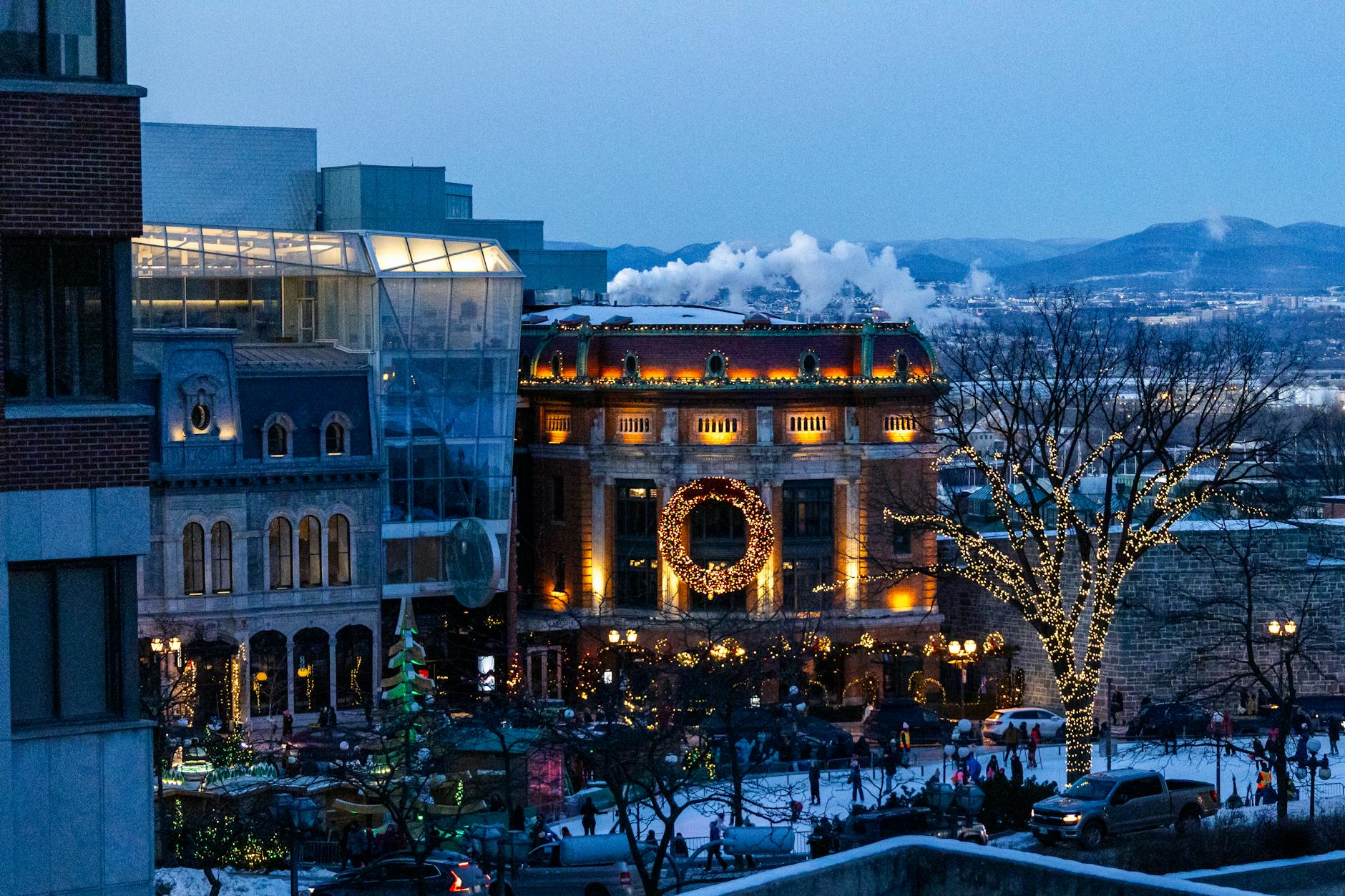
Quebec City can be rewarding for travelers with mobility limitations, but it requires more planning than its compact map suggests. Old Quebec's beauty is tied to hills, stairs, cobblestones, narrow streets, weather exposure, and the movement between Upper Town and Lower Town. A traveler who plans only by distance may discover that a short route still asks too much. A good mobility-conscious Quebec City plan does not remove the character of the city. It chooses the right hotel, uses taxis or the funicular without hesitation, groups sights by level, builds in seated pauses, and treats winter footing as a central design issue rather than a detail.
Treat terrain as the first planning constraint
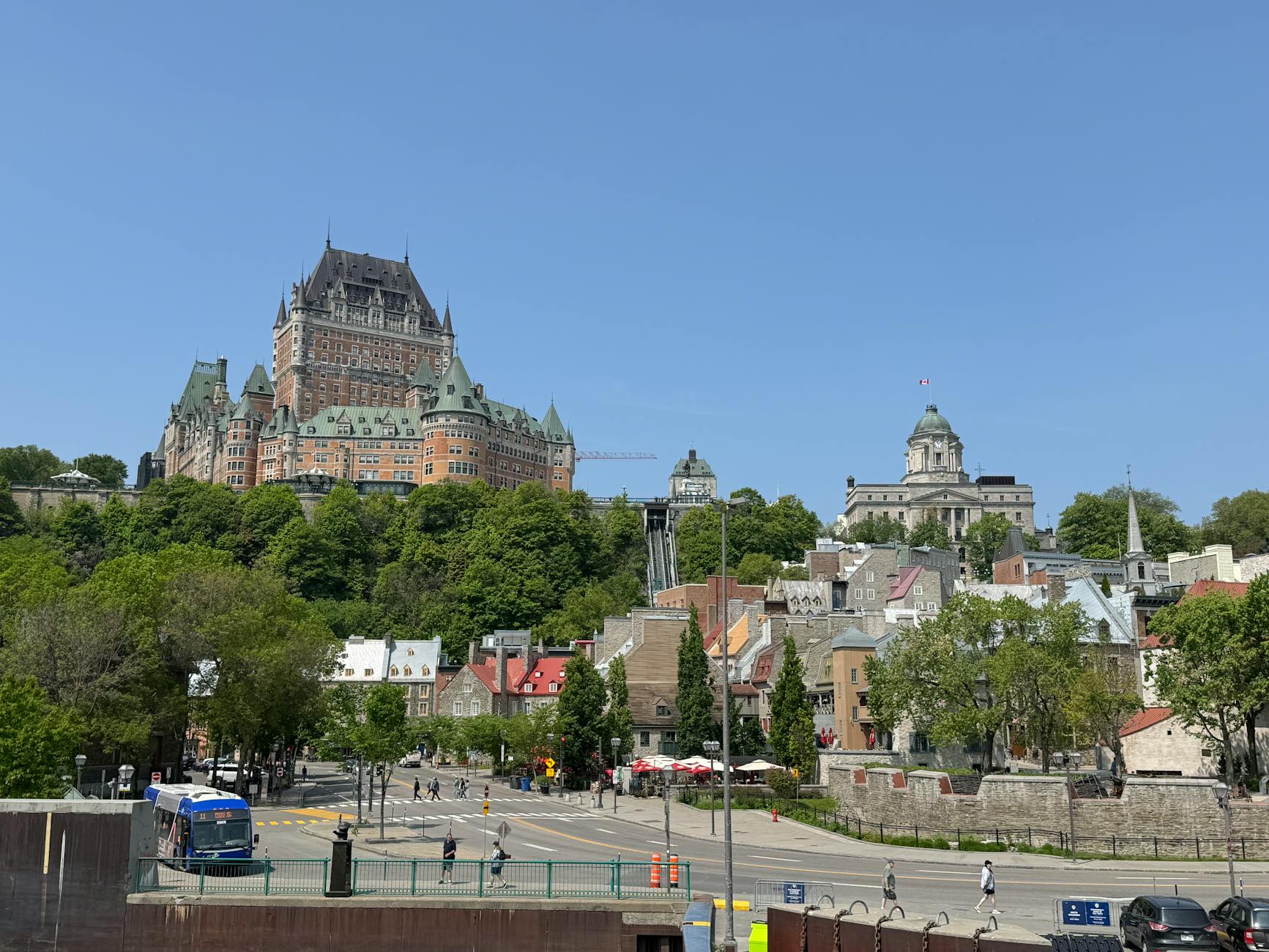
Quebec City's old core is not just compact; it is layered. Slopes, stairs, curbs, uneven stone, narrow sidewalks, crowds, and the Upper Town to Lower Town transition can all affect a traveler with mobility limitations. The itinerary should be built from the body's actual limits rather than from a tourist map.
This means grouping sights by level, choosing shorter loops, and accepting that some famous streets may be better viewed in one direction than another. A route that respects terrain can still feel rich.
- Plan around slopes, stairs, cobblestones, curbs, crowds, and Upper Town to Lower Town movement.
- Group sights by level instead of repeatedly climbing and descending.
- Choose routes by effort, surface, rest points, and pickup options, not just distance.
Choose the hotel for access, not romance alone
Hotel access can determine whether a mobility-conscious Quebec City trip works. Elevator reliability, step-free entry, taxi drop-off, bathroom layout, room distance from the lobby, restaurant proximity, quiet, heating, cooling, and the grade outside the entrance all matter. Historic charm is not enough if every exit is difficult.
The traveler should confirm details directly, especially in older buildings. The best hotel is the one that gives the traveler a stable base and reduces the number of hard decisions made while tired.
- Check elevators, step-free entry, taxi drop-off, bathroom layout, room access, and outside grade.
- Confirm hotel access details directly instead of relying on general descriptions.
- Choose a base that reduces daily effort and supports easy returns.
Use taxis, drop-offs, and the funicular deliberately
A mobility-limited traveler should not treat taxis, car service, or the funicular as backup only after fatigue sets in. In Quebec City, these tools can make the difference between a pleasant day and a day dominated by recovery. Pickup points and drop-off points should be chosen before the route begins.
The traveler should also know which streets are poor choices in bad weather or at the end of a long meal. Saving effort is not a concession. It is how the city becomes usable.
- Plan taxi, car-service, and funicular use before fatigue or weather forces the decision.
- Identify practical pickup and drop-off points for major sights and restaurants.
- Spend walking effort where it adds value, not where a hill simply blocks progress.
Respect winter and wet-weather surfaces
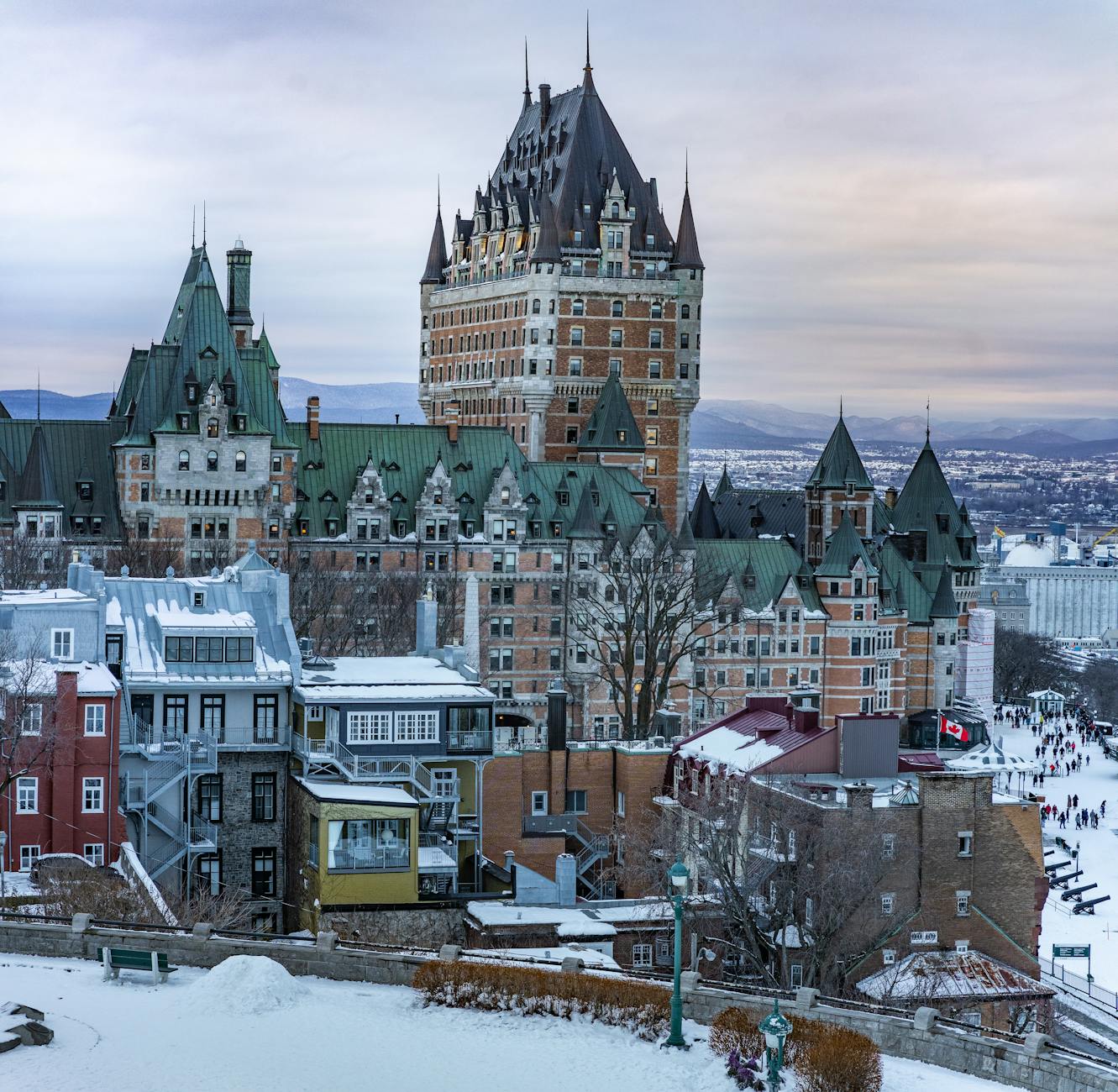
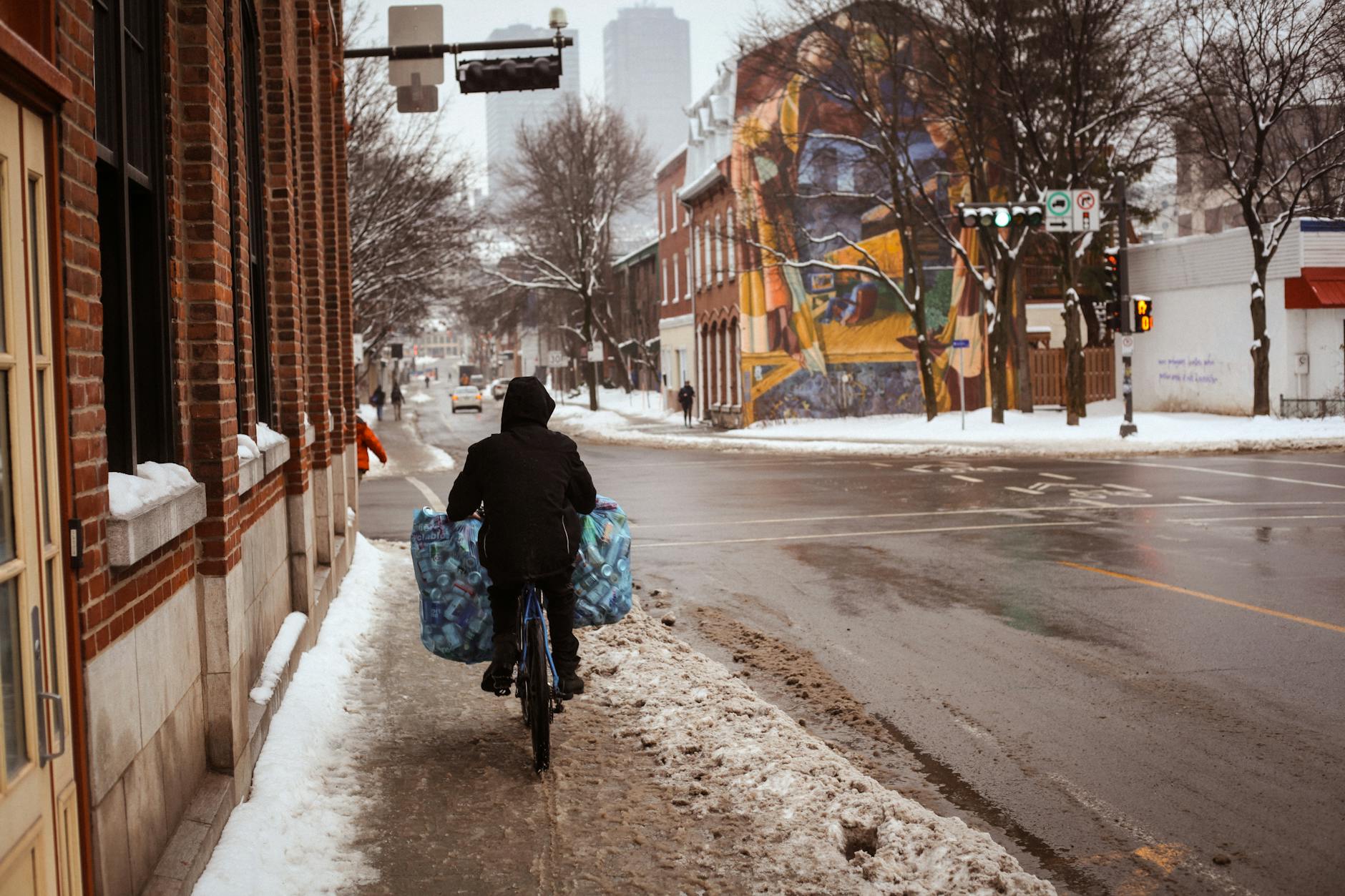
Winter can make Quebec City beautiful and difficult at the same time. Snow, ice, slush, freezing rain, wind, short daylight, and wet entrances can change which routes are reasonable for a traveler with mobility limitations. Shoulder-season rain can create its own footing problems.
The traveler should plan footwear, traction, shorter outdoor segments, warm indoor breaks, and flexible reservations. A winter trip can work very well, but only if surface conditions are treated as central rather than decorative.
- Plan for snow, ice, slush, rain, wind, short daylight, and wet entrances.
- Use traction-conscious footwear, shorter outdoor segments, and warm indoor breaks.
- Keep enough flexibility to change routes when surfaces become difficult.
Build seated pauses and bathrooms into the route
A mobility-conscious itinerary should identify seated pauses and bathrooms before the day starts. Cafes, museums, churches, hotel lounges, restaurants, viewpoints, and taxis all become part of the mobility plan when used deliberately. A route without rest points can make a modest outing feel unsafe or punishing.
The traveler should also avoid long gaps between meals or breaks. Quebec City rewards slow looking, so rest can feel like part of the visit rather than a retreat from it.
- Map seated pauses, bathrooms, warm interiors, and reliable meal stops before each outing.
- Use cafes, museums, churches, hotel lounges, and viewpoints as pacing tools.
- Avoid routes that depend on pushing through pain, fatigue, or uncertainty.

Place meals where the return still works
Restaurants should be chosen by access as well as taste. A strong dinner that ends with an icy uphill walk, a difficult taxi pickup, or too many stairs can weaken the whole evening. The traveler should check entrance access, restroom access, seating comfort, timing, noise, and the route back to the hotel.
A closer, easier restaurant may be the better choice than a more famous one that adds too much effort. Meal placement should support the trip rather than test endurance.
- Choose restaurants by entrance access, seating, restroom access, taxi pickup, and return route.
- Avoid dinner plans that require difficult uphill or icy returns.
- Let meal placement reduce daily strain instead of adding another mobility problem.
When to order a short-term travel report
A traveler with mild mobility limitations, central lodging, and flexible timing may not need a custom Quebec City report. A report becomes useful when hotel access, winter surfaces, Upper and Lower Town movement, taxi strategy, restaurant placement, bathrooms, medical needs, fatigue, or limited time could affect whether the trip works.
The report should test hotel fit, route effort, access points, taxis, funicular use, weather, seated breaks, bathrooms, meals, budget, and what to cut. The value is a Quebec City trip that preserves the city's beauty without making the traveler fight the terrain.
- Order when hotel access, terrain, winter surfaces, taxis, meals, or bathrooms need testing.
- Provide dates, hotel options, mobility limits, device use, walking tolerance, meal needs, and budget.
- Use the report to make Quebec City manageable without making it feel reduced.