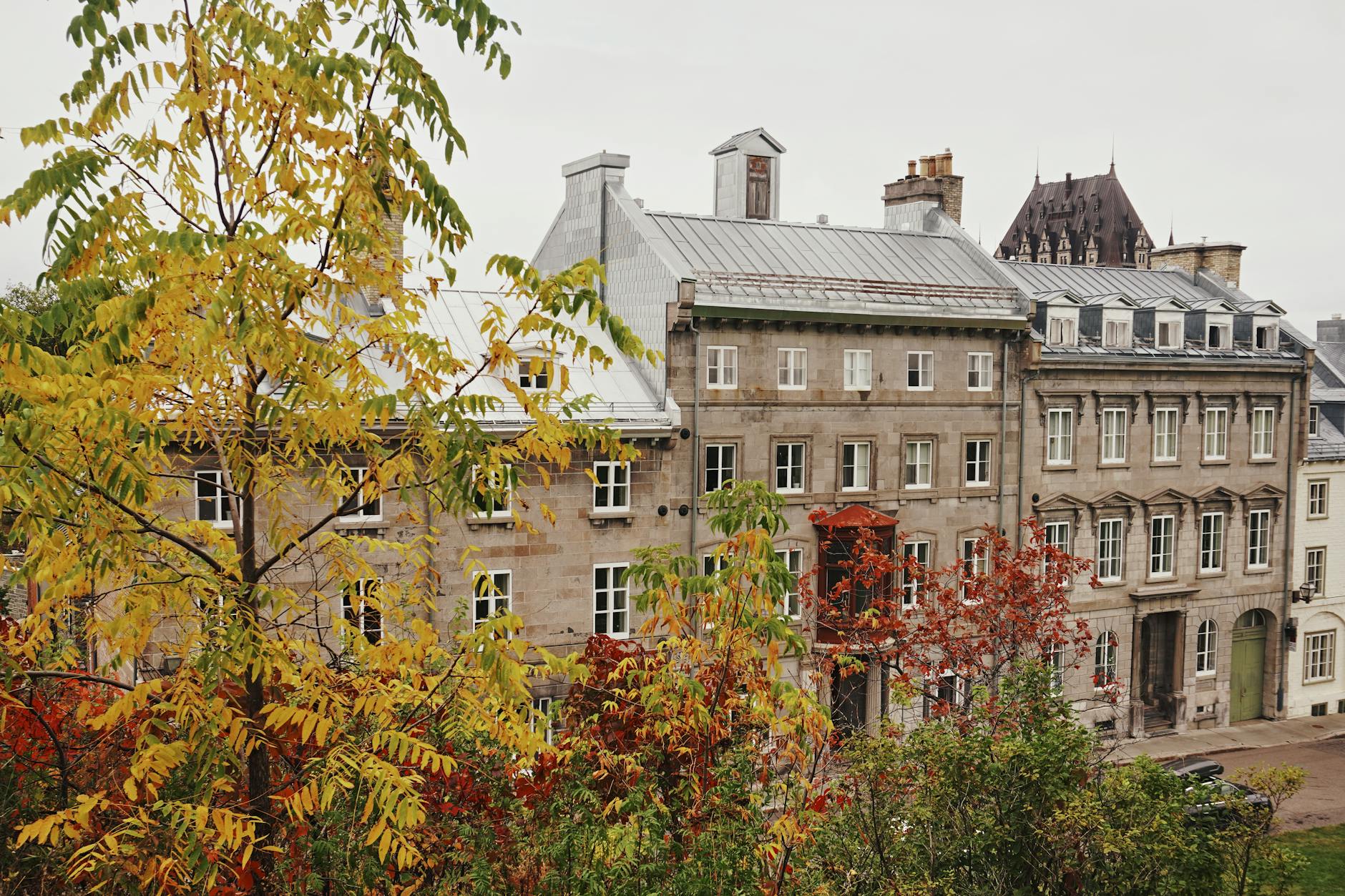
Quebec City can work well for travelers with medical constraints because the visitor core is compact, hotels and restaurants are strong, and many days can be shaped around short routes and indoor pauses. It can also become difficult if the traveler underestimates hills, stairs, cobblestones, winter ice, cold air, medication timing, food needs, or the effort of moving between Upper Town and Lower Town. A strong plan begins with the constraint, not with the sightseeing list. Whether the issue involves medication, stamina, mobility, respiratory concerns, immune risk, food restrictions, pain, heat or cold sensitivity, or recovery after treatment, the itinerary should protect the traveler's normal routine before adding extra ambition.
Define the constraint before choosing the route
A traveler with medical constraints should be specific about what the trip needs to protect. Medication timing, refrigeration, pain flares, fatigue, immune risk, food restrictions, respiratory sensitivity, balance, sleep, hydration, or post-treatment recovery all point to different itinerary decisions. A vague statement that the traveler needs an easy trip is not enough.
Quebec City's compact old core can help, but it cannot remove hills, weather, stairs, and uneven surfaces. The plan should translate the medical reality into daily limits, route rules, and backup choices.
- Define medication, stamina, immune, respiratory, food, pain, sleep, or mobility constraints clearly.
- Translate the constraint into route length, taxi use, meal timing, rest breaks, and hotel requirements.
- Do not build the trip first and try to fit medical needs around it afterward.
Choose the hotel by access and recovery
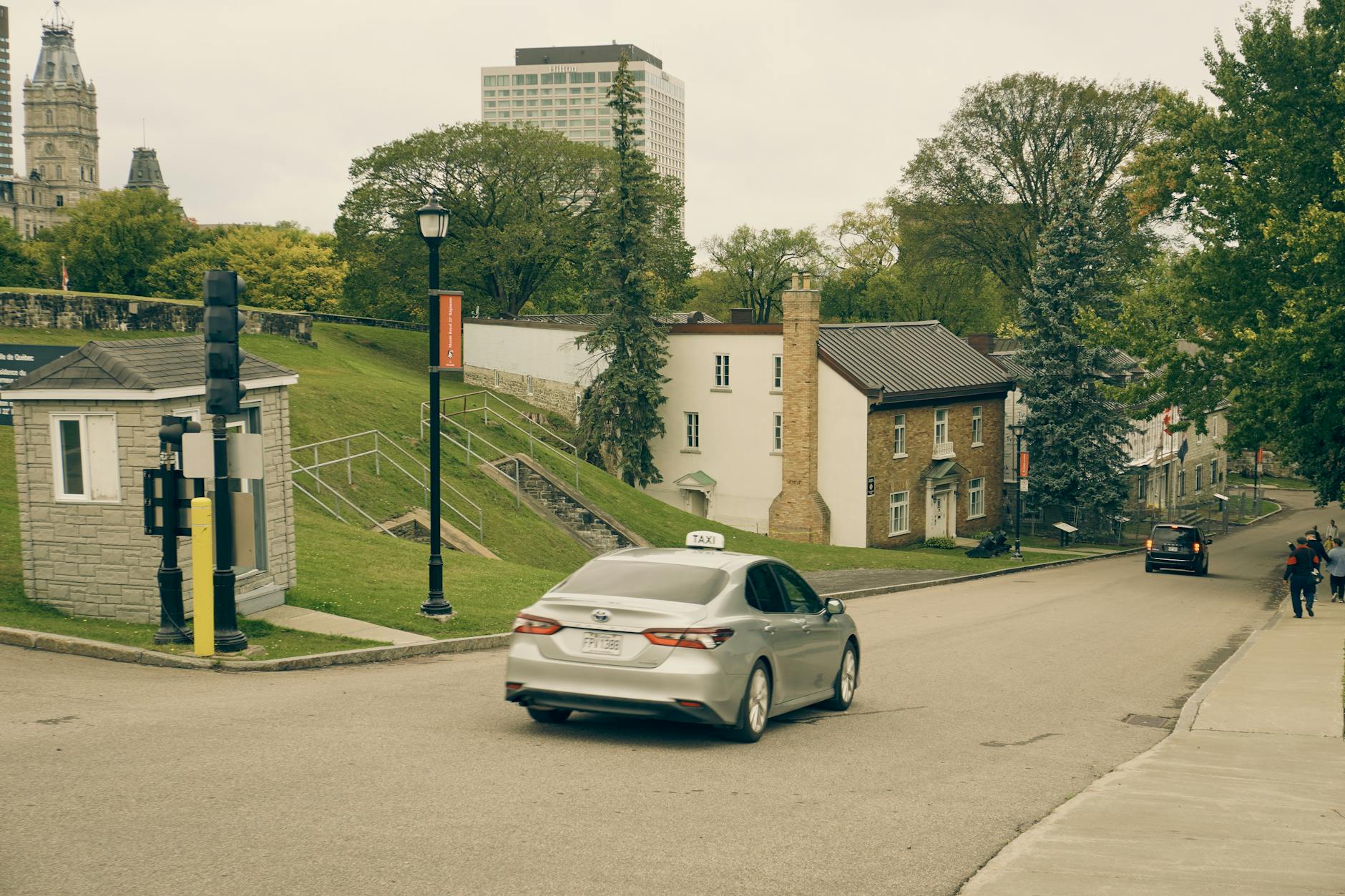
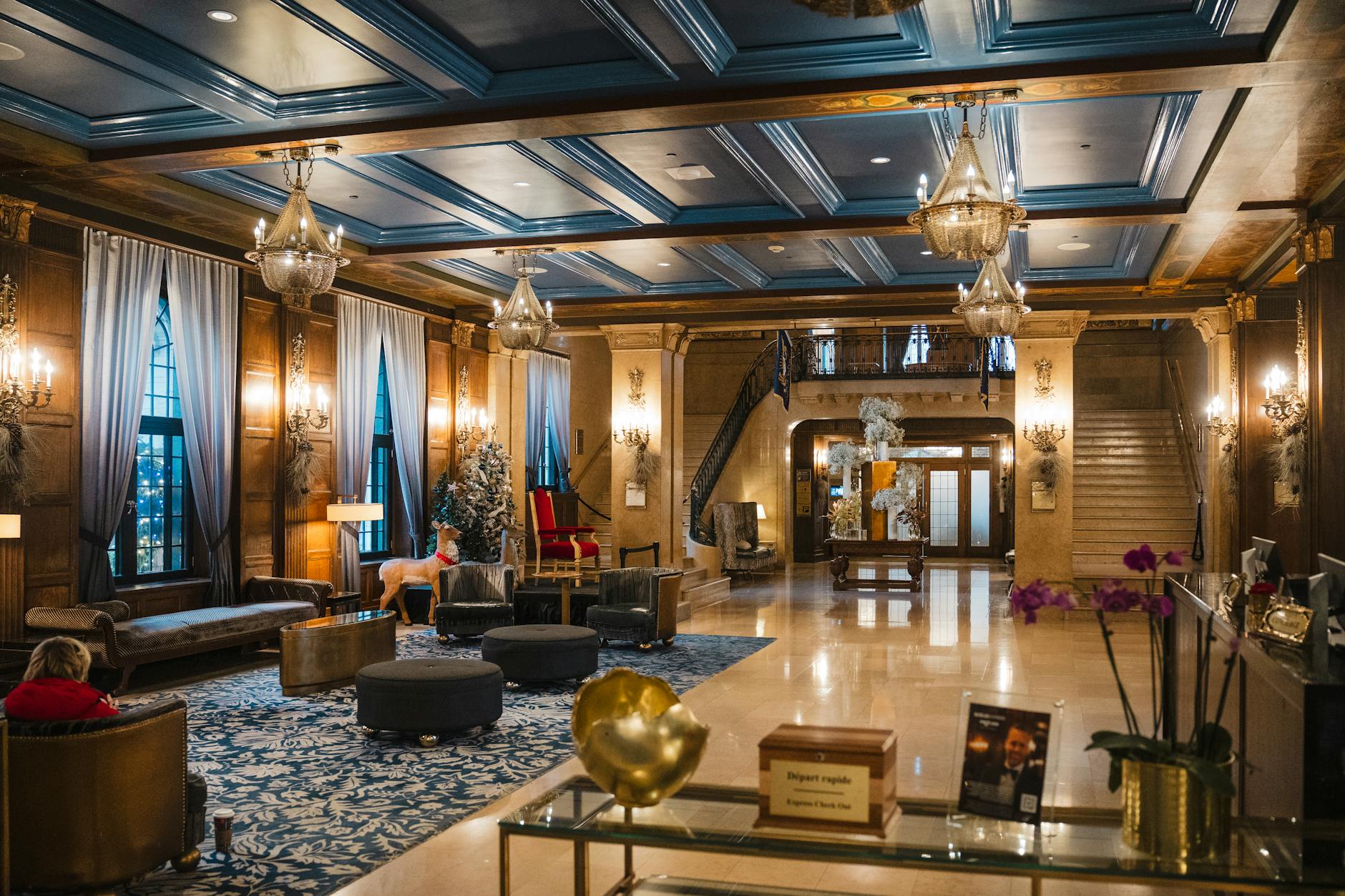
Hotel choice matters heavily for a traveler with medical constraints. Elevator reliability, step-free entry, taxi drop-off, bathroom setup, quiet rooms, heating and cooling, room service, breakfast, nearby pharmacy access, and proximity to easy meals can determine whether the traveler recovers between outings.
Old Quebec charm should be tested against practical details. A room that is beautiful but difficult to reach, noisy, cold, or far from reliable food can turn every day into a negotiation with the body.
- Check elevators, step-free entry, taxi access, bathroom setup, quiet, heating, cooling, and food access.
- Confirm room details and access paths before booking, especially in older properties.
- Use the hotel as a recovery base, not merely a scenic address.
Respect winter as a health variable
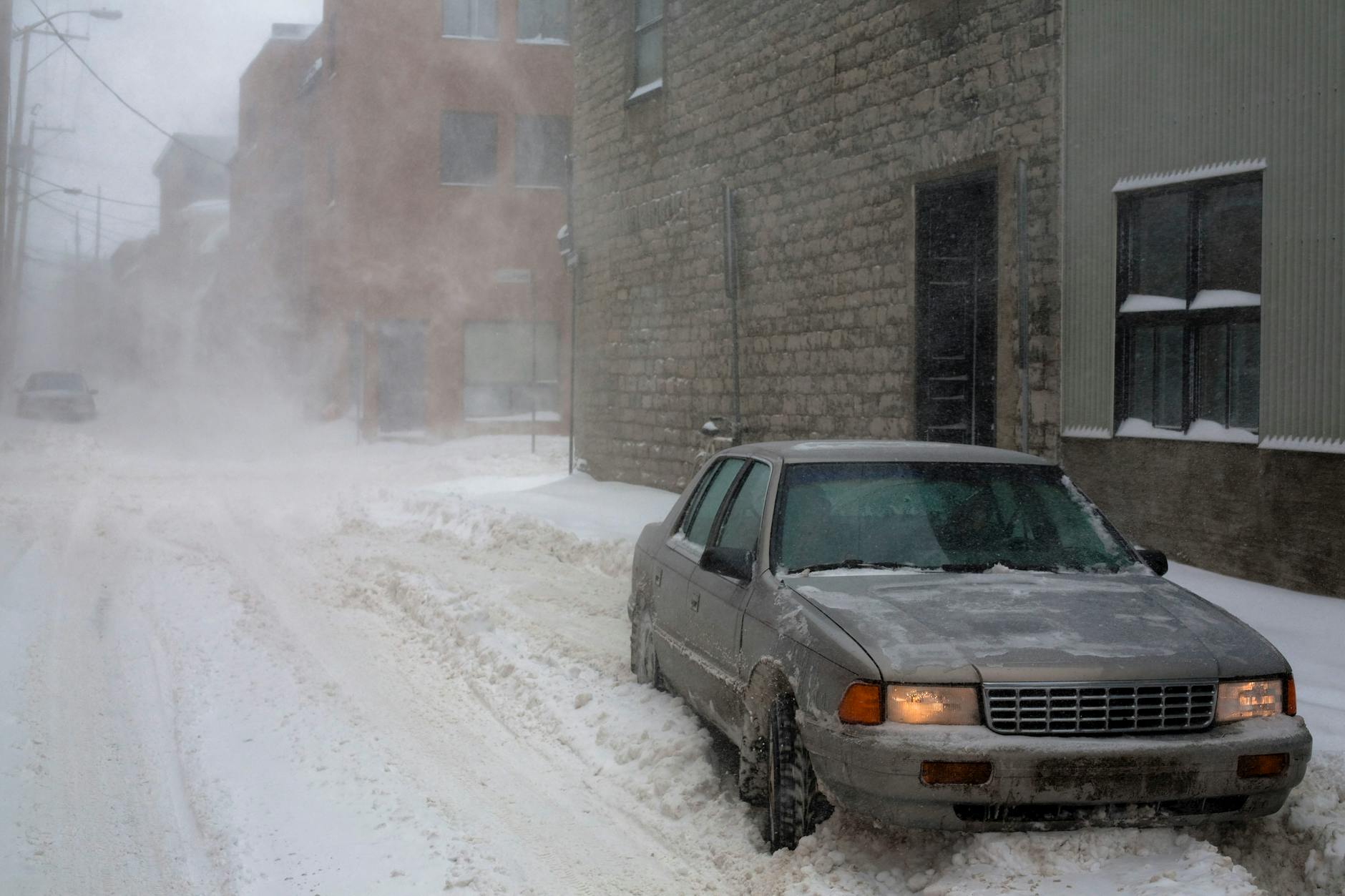
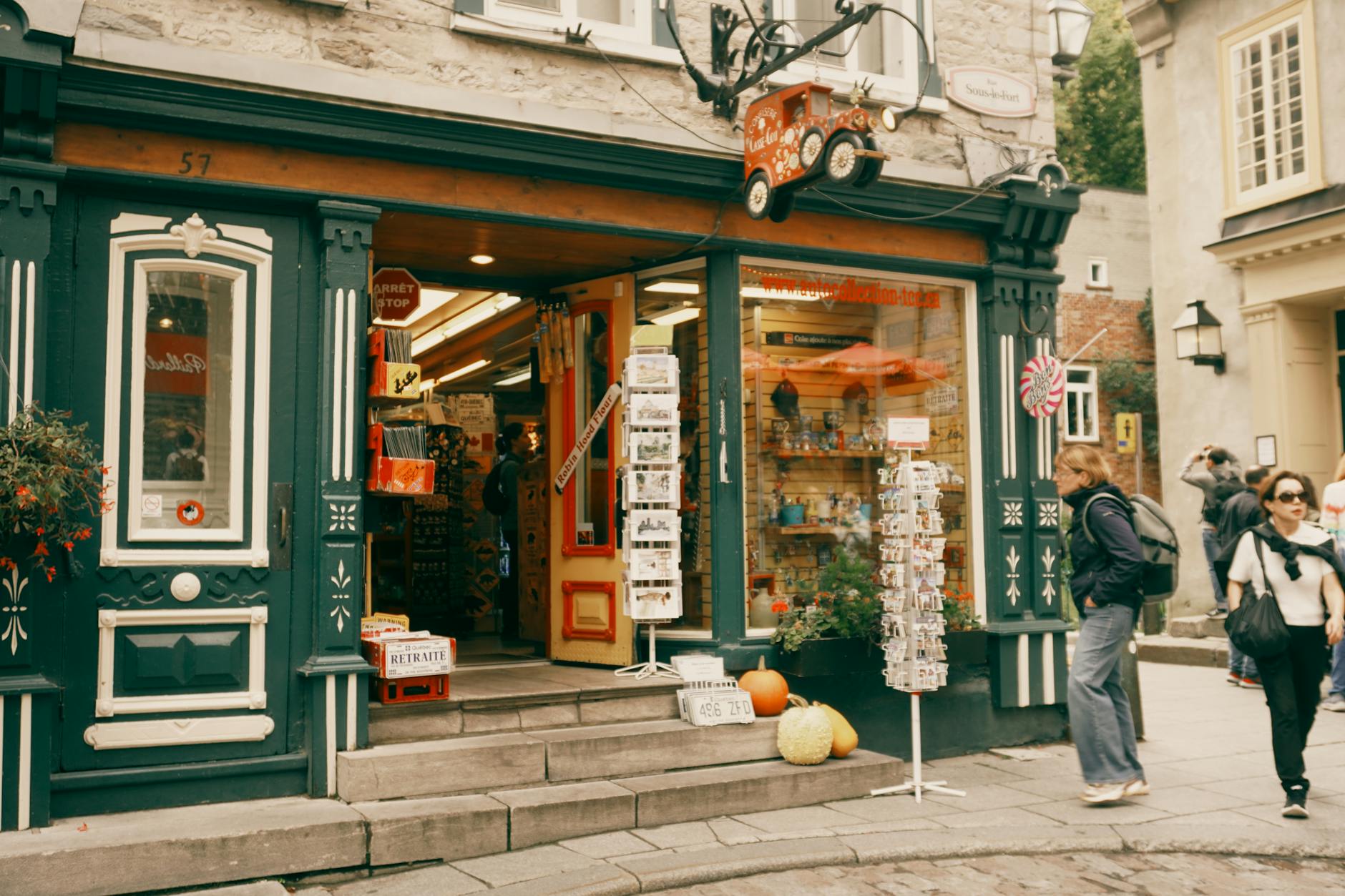
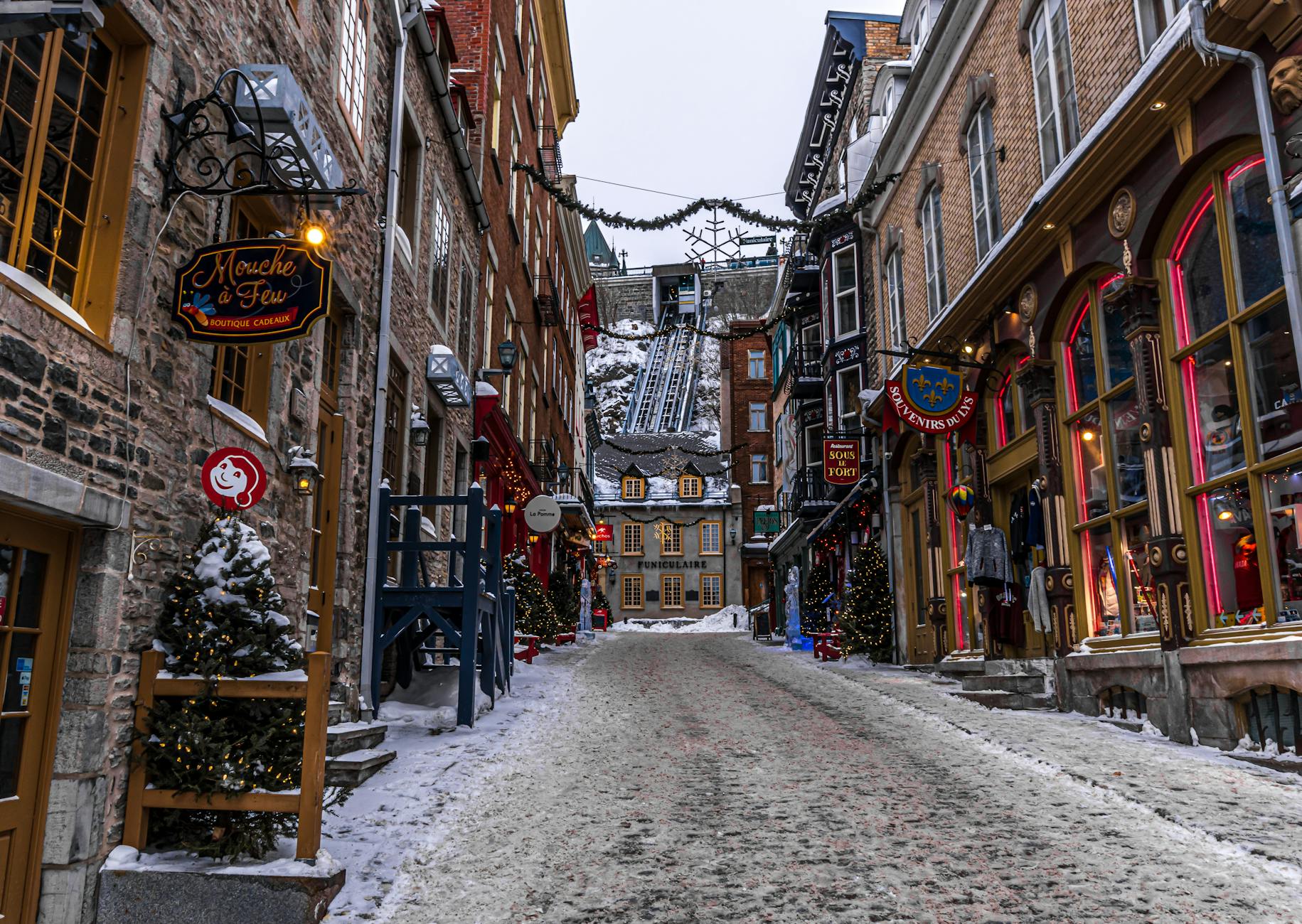
Winter in Quebec City can affect medical planning directly. Cold air, wind, snow, ice, slush, short daylight, heavy clothing, and wet footwear can influence pain, asthma, balance, circulation, fatigue, and medication routines. Even travelers who love winter should build the trip around controlled exposure.
A winter itinerary should use shorter outdoor segments, warm interiors, traction-conscious footwear, taxi options, and flexible cancellation rules. The traveler should avoid routes that become unsafe or draining if weather shifts.
- Treat cold, wind, ice, slush, snow, and short daylight as medical planning variables.
- Use shorter outdoor segments, warm breaks, traction-conscious shoes, and taxi fallbacks.
- Build flexibility into winter reservations so health needs can override the schedule.
Protect medication and medical information
Medication logistics should be planned before flights are booked. The traveler should consider carry-on supply, timing across travel days, refrigeration, prescriptions, translated names, insurance documentation, emergency contacts, pharmacy access, and what happens if luggage or flights are delayed. A short trip still needs redundancy.
Quebec City has medical resources, but that does not mean the traveler should rely on last-minute problem solving. Key details should be available offline and shared with a travel companion if one is present.
- Carry medication, prescriptions, emergency contacts, insurance details, and medical notes accessibly.
- Plan refrigeration, dosing times, delays, and backup supply before departure.
- Identify pharmacy and medical access near the hotel without assuming it will be needed.
Use taxis and rest breaks deliberately
A traveler with medical constraints should not treat taxis as a failure of planning. In Quebec City, a taxi can protect energy, balance, pain levels, respiratory comfort, or medication timing. This is especially true when moving between Upper Town and Lower Town, returning from dinner, or crossing exposed streets in winter.
Rest breaks should be planned with the same seriousness. Cafes, hotel lounges, museums, churches, and restaurants can become part of the health plan when they provide seating, warmth, bathrooms, food, or a quiet reset.
- Use taxis to protect energy, pain control, breathing, balance, and medication timing.
- Plan seated breaks, bathrooms, warm interiors, and quiet pauses into the route.
- Conserve effort for the places where walking meaningfully improves the visit.
Plan food, hydration, and sleep with care
Food and sleep can matter as much as sightseeing for travelers with medical constraints. Restaurant timing, dietary restrictions, alcohol, salt, sugar, caffeine, late meals, hydration, and the walk back to the hotel can all affect symptoms. Quebec City's dining scene is a strength, but the traveler should select it through a practical lens.
The plan should include easy breakfast, nearby fallback meals, snacks if needed, and enough time after dinner to sleep well. A memorable meal is not useful if it destabilizes the next day.
- Plan meals around dietary needs, medication timing, hydration, sleep, and return logistics.
- Keep easy breakfast, snacks, and nearby fallback meals available.
- Avoid late or heavy meals when they could compromise symptoms or the next morning.
When to order a short-term travel report
A traveler with mild constraints, a central hotel, and flexible timing may not need a custom Quebec City report. A report becomes useful when medication, winter conditions, hills, food restrictions, hotel access, respiratory concerns, fatigue, pain, mobility, immune risk, or travel insurance details could affect whether the trip works.
The report should test hotel access, route effort, taxi strategy, pharmacy and medical context, meal timing, winter exposure, rest breaks, medication routines, budget, and what to cut. The value is a Quebec City trip that remains satisfying without treating medical reality as an afterthought.
- Order when medication, weather, terrain, food, access, fatigue, or medical planning need testing.
- Provide dates, hotel options, diagnosis-relevant constraints, medication needs, food limits, budget, and pace.
- Use the report to make Quebec City manageable without stripping the trip of pleasure.