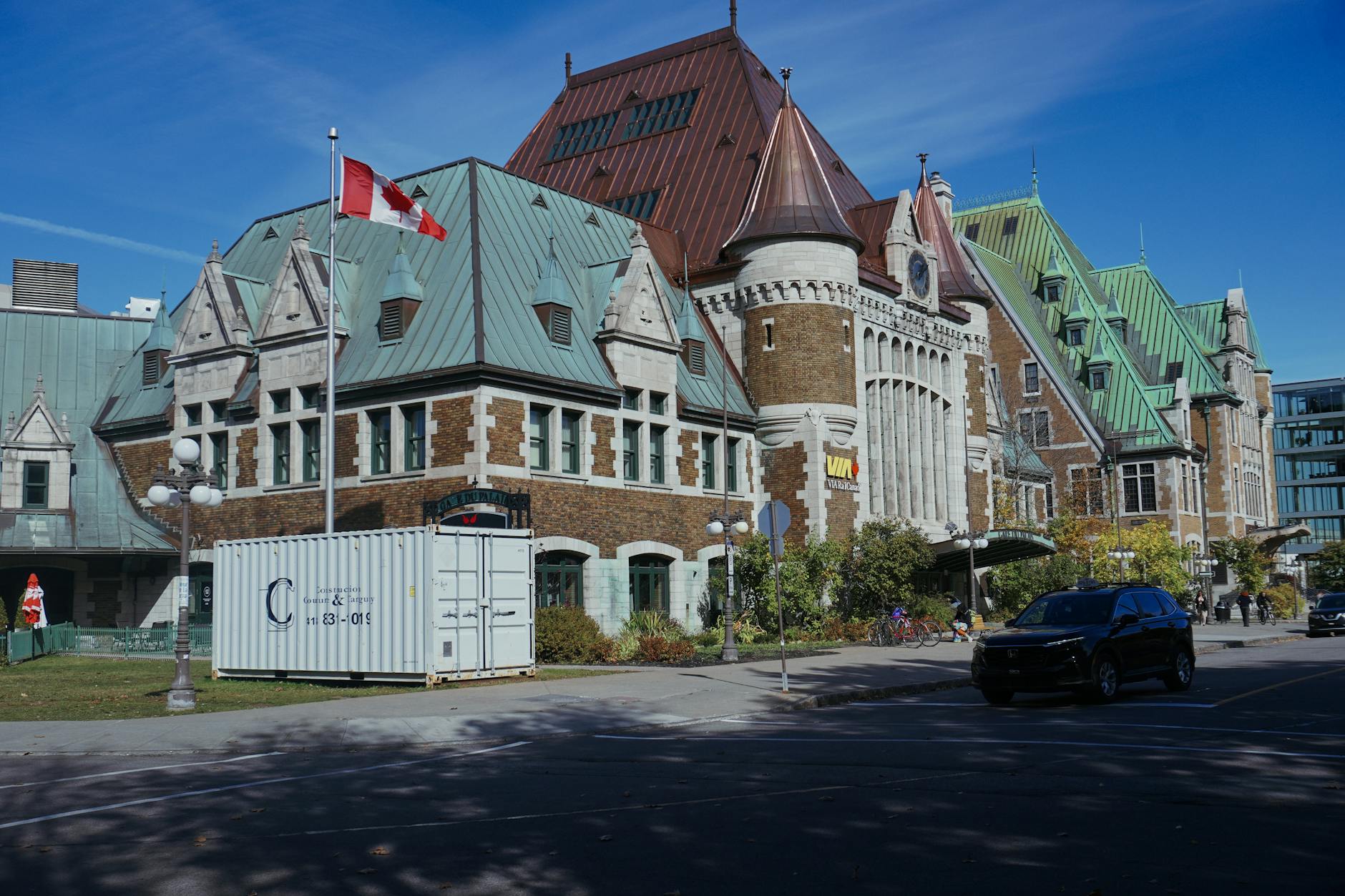
Quebec City can be a rewarding stopover because Old Quebec, Lower Town, river views, cafes, and historic streets can fit into a short route when timing is realistic. It can also punish overconfidence. Jean Lesage International Airport, Gare du Palais, intercity buses, road approaches, winter weather, luggage, and uphill walking all affect whether the stopover is worth leaving the transit path. A strong Quebec City transit plan starts with hard constraints: arrival time, onward departure, baggage, transfer mode, weather, fatigue, and the latest safe return. The city should be fitted into the stopover, not forced into it.
Start with the real usable time
A stopover traveler should calculate usable Quebec City time after every constraint is subtracted. Landing, deplaning, baggage, taxi or bus waiting, rail timing, hotel check-in, winter clothing, security, boarding, traffic, and fatigue all reduce the window. A five-hour gap is not five hours in Old Quebec.
The traveler should set a minimum city time threshold. If the safe window is too small, a calm meal near the airport, station, or hotel may be better than a rushed historic-center visit.
- Subtract baggage, transfers, check-in, weather, security, boarding, traffic, and fatigue.
- Set a minimum usable city window before deciding to leave the transit path.
- Choose a conservative plan when the safe window is narrow.
Choose the transfer mode before the route
Quebec City stopovers can involve airport taxis, rental cars, buses, Gare du Palais, hotel shuttles, or road-trip detours. The route should be built after the transfer mode is known. A traveler arriving by air has different timing than someone stepping out from the train station or pausing during a road journey.
The traveler should compare taxi reliability, transit frequency, road conditions, parking, and return timing before choosing the city route. The best stopover is often the one with the simplest return.
- Confirm airport, rail, bus, car, taxi, or hotel-shuttle timing before choosing sights.
- Compare transfer reliability, parking, transit frequency, and return risk.
- Make the return route simpler than the outward route.

Solve luggage before entering Old Quebec
Luggage can make or break a Quebec City stopover. Cobblestones, hills, stairs, snow, slush, crowded sidewalks, and small cafes are poor companions for rolling bags. The traveler should confirm bag storage before attempting Old Quebec, Lower Town, or a quick restaurant route.
If luggage cannot be stored reliably, the stopover should shrink. A station-area meal, airport lounge, hotel lobby plan, or short taxi-view route may be wiser than dragging bags through the old city.
- Confirm luggage storage at the hotel, station, airport, or a reliable service before sightseeing.
- Avoid rolling bags over hills, stairs, cobblestones, snow, or crowded streets.
- Shrink the route if baggage cannot be stored cleanly.
Pick one compact Quebec City route
A stopover should not try to cover all of Quebec City. A compact route might mean Gare du Palais to Lower Town, a taxi to Chateau Frontenac views, a short Old Quebec loop, a cafe and viewpoint, or a winter-safe walk near the hotel. One good route is more valuable than three rushed fragments.
The route should also have a clear exit point. The traveler should know when to stop exploring and begin the return, even if the city feels close.
- Choose one compact route: Lower Town, Old Quebec, Chateau Frontenac, cafe, or viewpoint.
- Avoid stacking multiple neighborhoods into a short connection.
- Set a clear exit point before the route starts.

Account for winter, documents, and onward risk
Winter can turn a short Quebec City stopover into a different calculation. Snow, freezing rain, icy sidewalks, wet luggage, delays, and cold waiting time can reduce the value of leaving the terminal, station, or hotel. Documents and onward-risk rules also matter for international travelers and anyone with a tight connection.
The traveler should protect passport, visa, boarding, rail, and car-return requirements before adding city time. A stopover should never put the onward move at risk.
- Adjust plans for snow, freezing rain, icy sidewalks, wet luggage, and cold waiting time.
- Protect passport, visa, boarding, rail, rental-car, and security requirements.
- Skip the city route if the onward move would become fragile.

Use transit confidence, not transit optimism
A good Quebec City stopover depends on confidence built from real timing, not optimism. The traveler should know taxi pickup points, station layout, route distance, payment method, phone battery, backup transportation, and what to do if the first plan fails. A short route can be relaxed if the return is controlled.
The traveler should also leave room for fatigue. A stopover after an early flight, red-eye, long drive, or rail delay may need food and rest more than scenery.
- Know pickup points, payment, battery, backup transport, route distance, and failure options.
- Use a return buffer that survives a delayed taxi, slow meal, or weather change.
- Treat fatigue as a planning variable, not a character flaw.
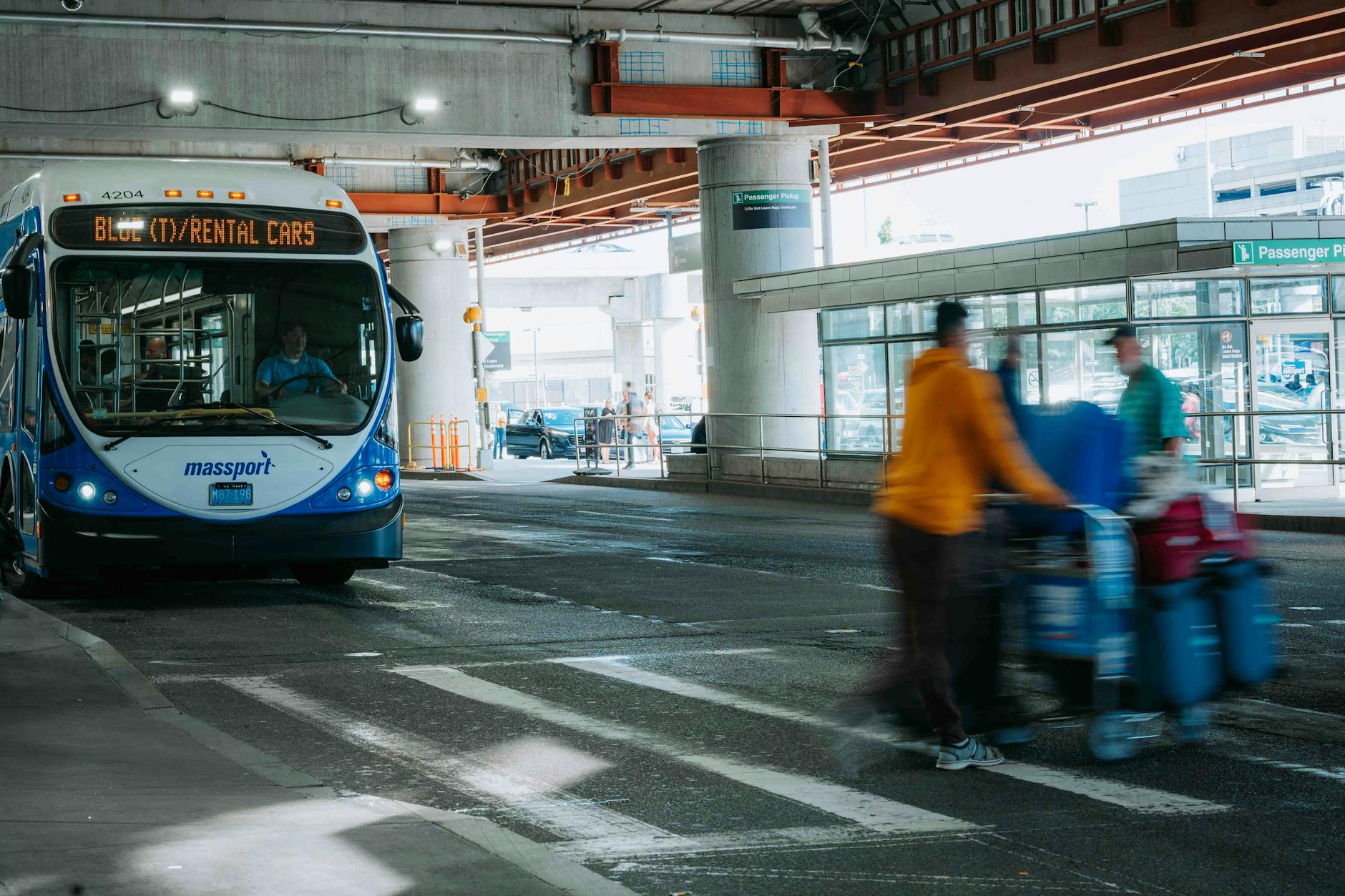
When to order a short-term travel report
A traveler with a long overnight stop and a central hotel may not need a custom Quebec City report. A report becomes useful when the connection is tight, luggage storage is uncertain, winter weather matters, mobility is limited, the traveler is choosing between airport, rail, bus, or road options, or the stopover must include a specific meal, meeting, or sight.
The report should test usable time, transfer mode, luggage, route choice, weather, documents, fatigue, backup plans, budget, and what to cut. The value is a Quebec City stopover that is worthwhile without endangering the onward journey.
- Order when usable time, luggage, transfers, weather, mobility, or onward risk need testing.
- Provide arrival and departure details, baggage needs, route interests, hotel options, budget, and constraints.
- Use the report to decide whether leaving the transit path is worth it.