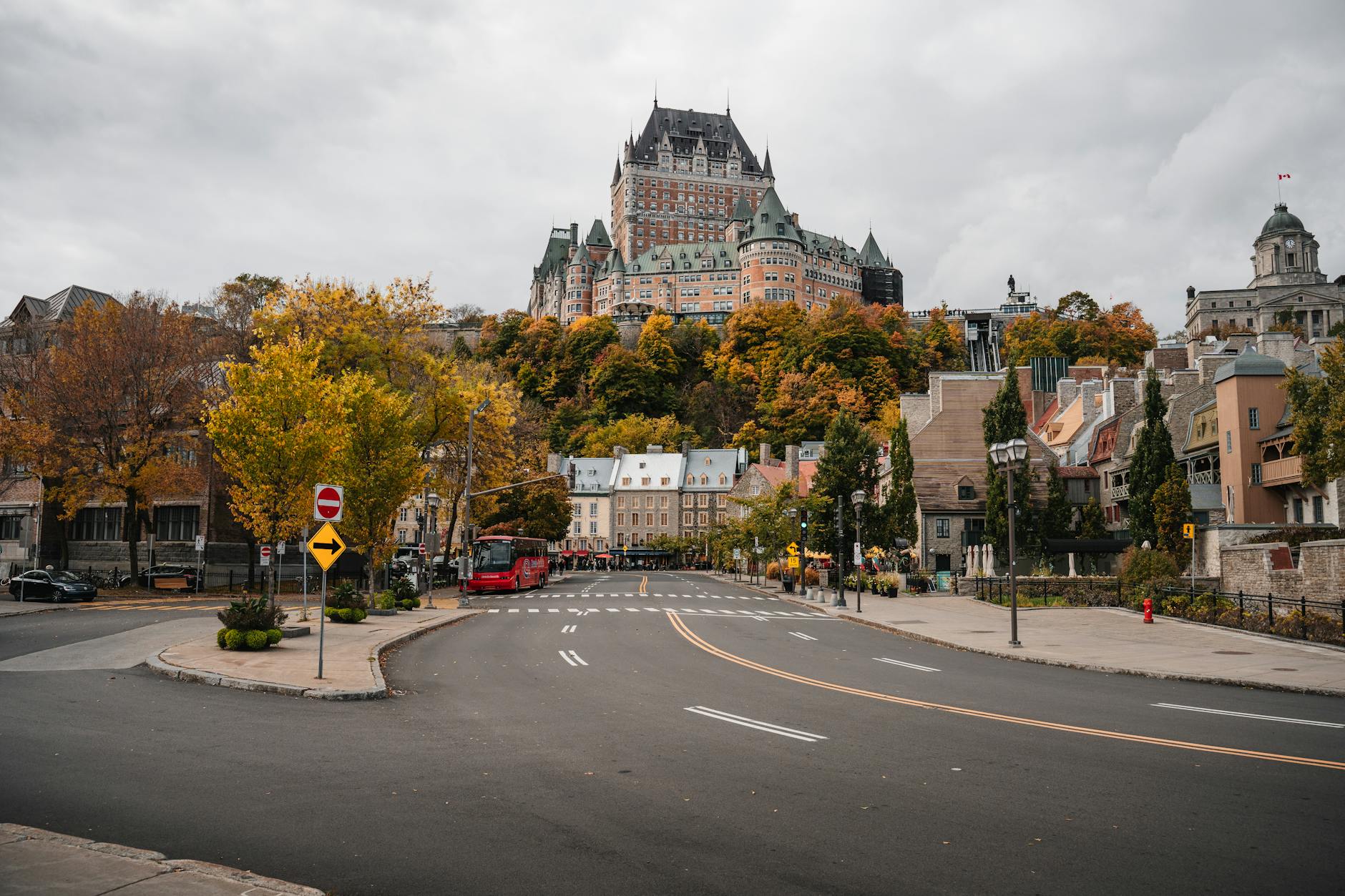
Quebec City can be an effective trade-show destination because it combines convention infrastructure, strong hotels, provincial-capital context, a distinctive setting, and memorable hospitality opportunities. It can also create friction if the attendee treats it like a simple city break. Booth materials, samples, badges, shipment timing, winter conditions, bilingual context, and venue access can all affect the outcome. A strong trade-show trip starts with the commercial purpose. Exhibiting, scouting vendors, meeting buyers, supporting a booth, attending sessions, or hosting clients all require different hotel choices, work blocks, meal reservations, and transport decisions.
Clarify the trade-show role first
A trade-show attendee should define the Quebec City trip by role before booking logistics. Exhibitor, sponsor, buyer, vendor scout, sales lead, technical specialist, executive host, and junior booth support all need different schedules. The role determines arrival timing, hotel location, materials, clothing, meals, and how much city time is realistic.
The traveler should also identify the success metric. Leads, meetings, orders, vendor comparisons, partner introductions, or brand visibility require different use of time once the event starts.
- Define whether the trip is for exhibiting, buying, scouting, selling, hosting, or support.
- Identify success metrics before adding dinners, sightseeing, or optional sessions.
- Choose flights, hotel, and work blocks around the commercial role.
Map the venue, hotel, and load-in path
Trade-show logistics depend on the relationship between venue, hotel, loading access, storage, taxi pickup, restaurants, and any shipping or booth-service desk. A hotel that is acceptable for an ordinary conference may be poor for an exhibitor carrying samples, banners, cases, or technical equipment.
Quebec City's hills and winter weather make this more important. The attendee should know whether materials are shipped, carried, stored, or delivered locally, and what happens if weather or flight timing disrupts the plan.
- Check venue access, hotel distance, loading rules, storage, taxi pickup, and shipment timing.
- Plan for samples, cases, banners, technical equipment, and booth-service needs.
- Do not assume a walkable hotel is practical when materials or winter weather are involved.
Prepare for bilingual trade-show context
Quebec City trade-show settings may involve French, English, or both, depending on sector and audience. The attendee should prepare booth copy, brochures, product names, pricing sheets, greetings, lead forms, signage, and follow-up templates with language context in mind. This is especially important when selling into the Quebec market.
Even if the official event language is comfortable, informal conversations may shift. A little preparation can make the booth or meeting feel more respectful and more effective.
- Prepare booth language, greetings, brochures, product terms, lead forms, and follow-up templates.
- Confirm whether the event audience expects French, English, or bilingual materials.
- Use local language preparation as a sales tool, not just courtesy.
Plan clothing for booth work and weather
Trade-show clothing in Quebec City has to work for the booth, networking, walking, and weather. Winter may require heavy outerwear, boots, layers, and indoor shoes. Summer may require breathable clothing for walking between hotel, venue, and receptions. The attendee should not discover at the venue that the chosen shoes fail on hills or ice.
This matters because trade shows require long standing hours. Clothing should help the attendee remain composed and functional throughout the day.
- Plan booth shoes, layers, outerwear, bag choice, and indoor footwear by season.
- Account for long standing hours, hills, ice, slush, rain, and evening receptions.
- Keep professional appearance and physical endurance aligned.
Protect lead follow-up time
The value of a trade show often depends on what happens after the conversation. A Quebec City attendee should block time for lead capture, CRM notes, meeting summaries, pricing clarifications, internal debriefs, and next-step emails. If every evening is filled with sightseeing or social meals, good leads can decay quickly.
The traveler should decide which leads require same-day response, which require a team discussion, and which can wait until return. Follow-up windows belong in the itinerary.
- Block time for lead notes, CRM updates, pricing follow-up, debriefs, and next-step emails.
- Separate urgent leads from ordinary contacts before the day ends.
- Do not let Quebec City atmosphere consume the follow-up that makes the trip worthwhile.
Use meals for commercial intent
Quebec City can support strong client dinners and team meals, but trade-show attendees should use dining with purpose. A prospect dinner, vendor meeting, sponsor reception, staff debrief, and quiet recovery meal need different restaurants, timing, noise levels, and return logistics. The city should help the conversation, not distract from it.
Reservations should be made early, especially when a large event overlaps with visitor demand. The attendee should also keep one low-effort meal option for nights when booth work runs long.
- Match meals to prospects, vendors, sponsors, staff debriefs, or recovery needs.
- Reserve early and choose restaurants by noise, timing, language comfort, and return route.
- Keep a simple fallback meal near the hotel for long booth days.
When to order a short-term travel report
A trade-show attendee with a simple badge and a conference hotel may not need a custom Quebec City report. A report becomes useful when booth materials, winter conditions, hotel choice, bilingual materials, client dinners, limited staff, lead follow-up, venue geography, or tight arrival timing could affect the commercial result.
The report should test venue and hotel fit, load-in needs, shipment timing, transfer plans, weather, clothing, meals, follow-up windows, language context, budget, and what to cut. The value is a Quebec City trade-show trip that produces business instead of just attendance.
- Order when booth logistics, hotel choice, winter, bilingual materials, or lead follow-up need testing.
- Provide event venue, schedule, trade-show role, materials, hotel options, meetings, budget, and constraints.
- Use the report to keep Quebec City supportive of the commercial purpose.