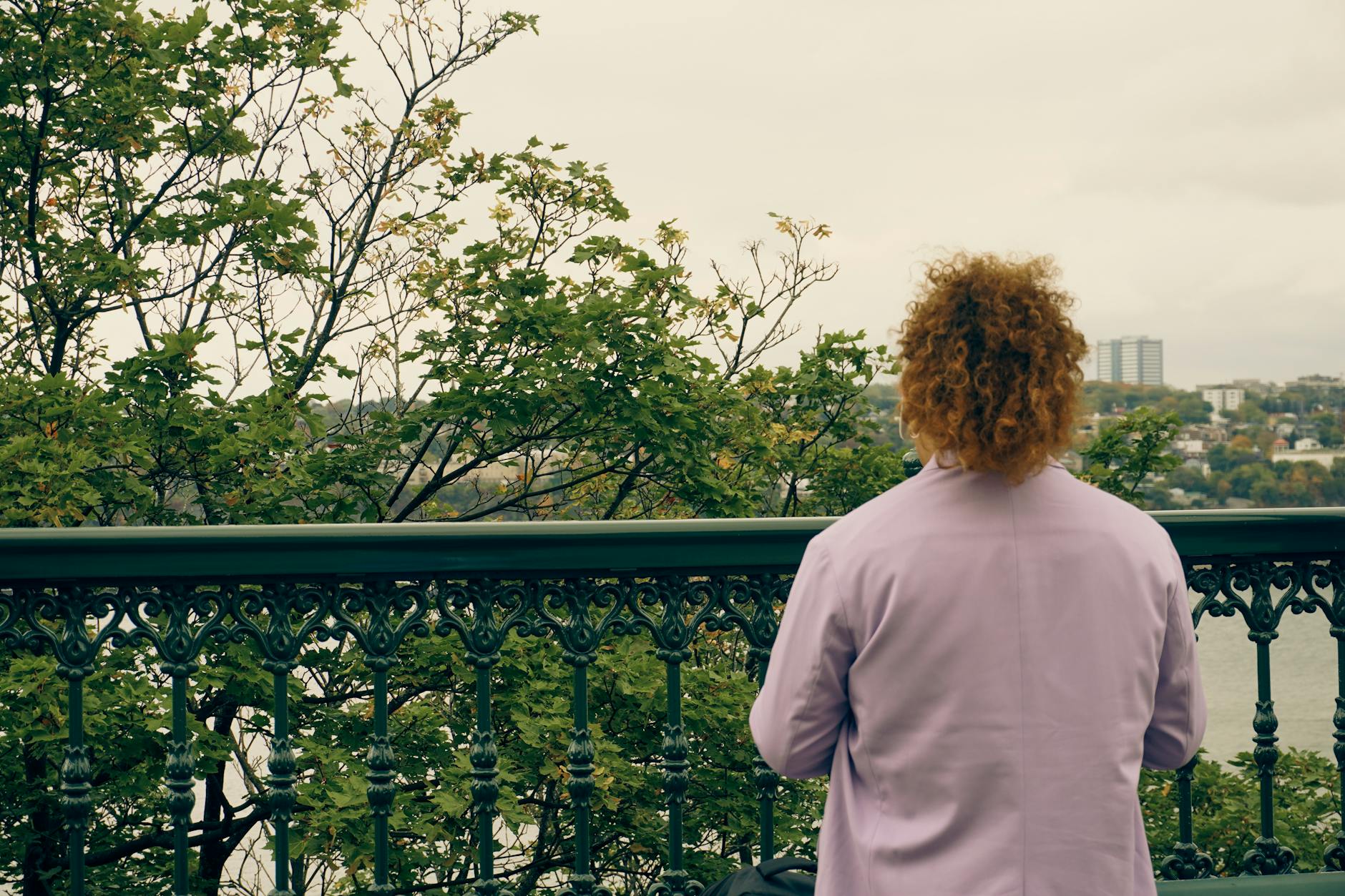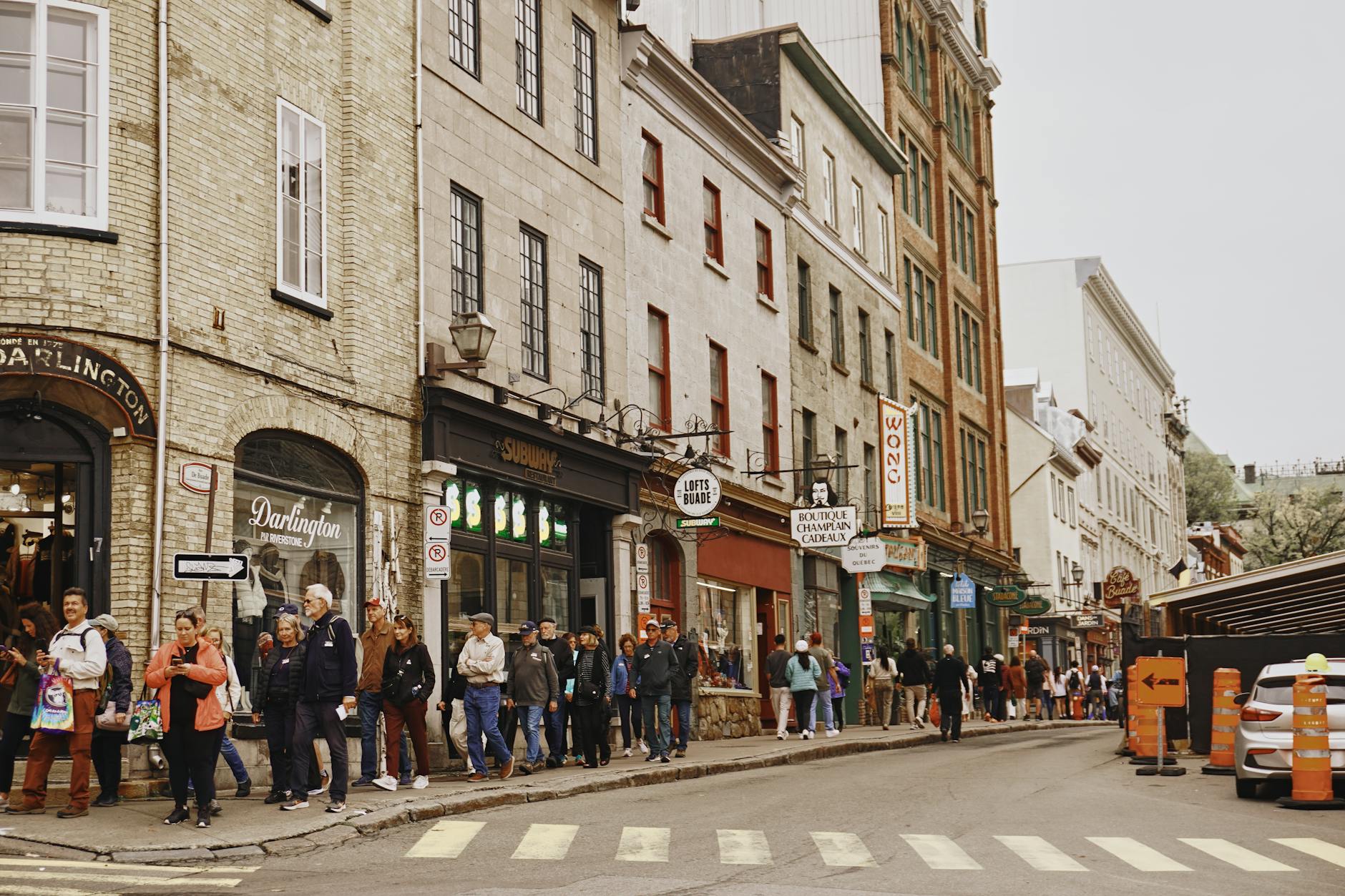
Quebec City gives tourists a strong first impression quickly: a walled old town, Chateau Frontenac, stone streets, river views, Lower Town, French-language culture, and a historic core that feels distinct from other Canadian city breaks. That strength can make the trip look simple. It is not. Hills, cobblestones, stairs, winter weather, restaurant demand, crowds, and Upper Town to Lower Town movement all shape how much a tourist can comfortably do. A strong Quebec City tourist plan does not try to see every attractive corner at once. It chooses the essential sights, protects meal and weather logistics, and leaves enough space for the city to feel atmospheric instead of merely photographed.
Start with Old Quebec, but structure the day
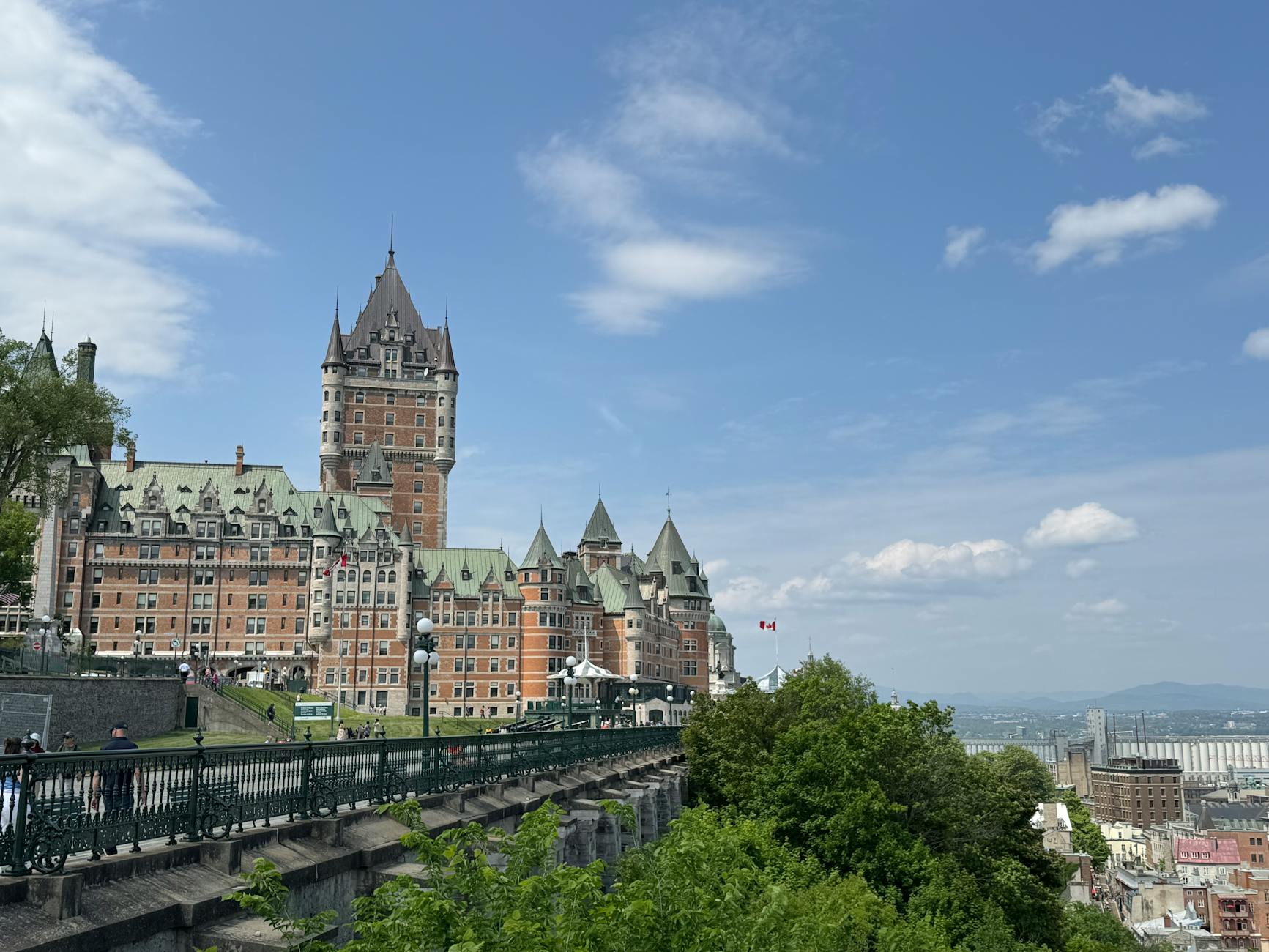
Most tourists should begin with Old Quebec, but wandering without structure can turn the day into repeated climbs and crowded bottlenecks. The tourist should understand the relationship between Upper Town, Lower Town, Chateau Frontenac, Terrasse Dufferin, Petit-Champlain, the walls, and the river before deciding the order.
The city is compact enough for a beautiful day, but not flat enough for careless sequencing. A good route lets the tourist absorb the old town without crossing the same hill three times.
- Group Upper Town and Lower Town sights instead of moving between them repeatedly.
- Build the route around Chateau Frontenac, Terrasse Dufferin, Petit-Champlain, walls, and river views.
- Use the funicular, taxis, or shorter loops when the route would otherwise waste energy.
Choose the season honestly
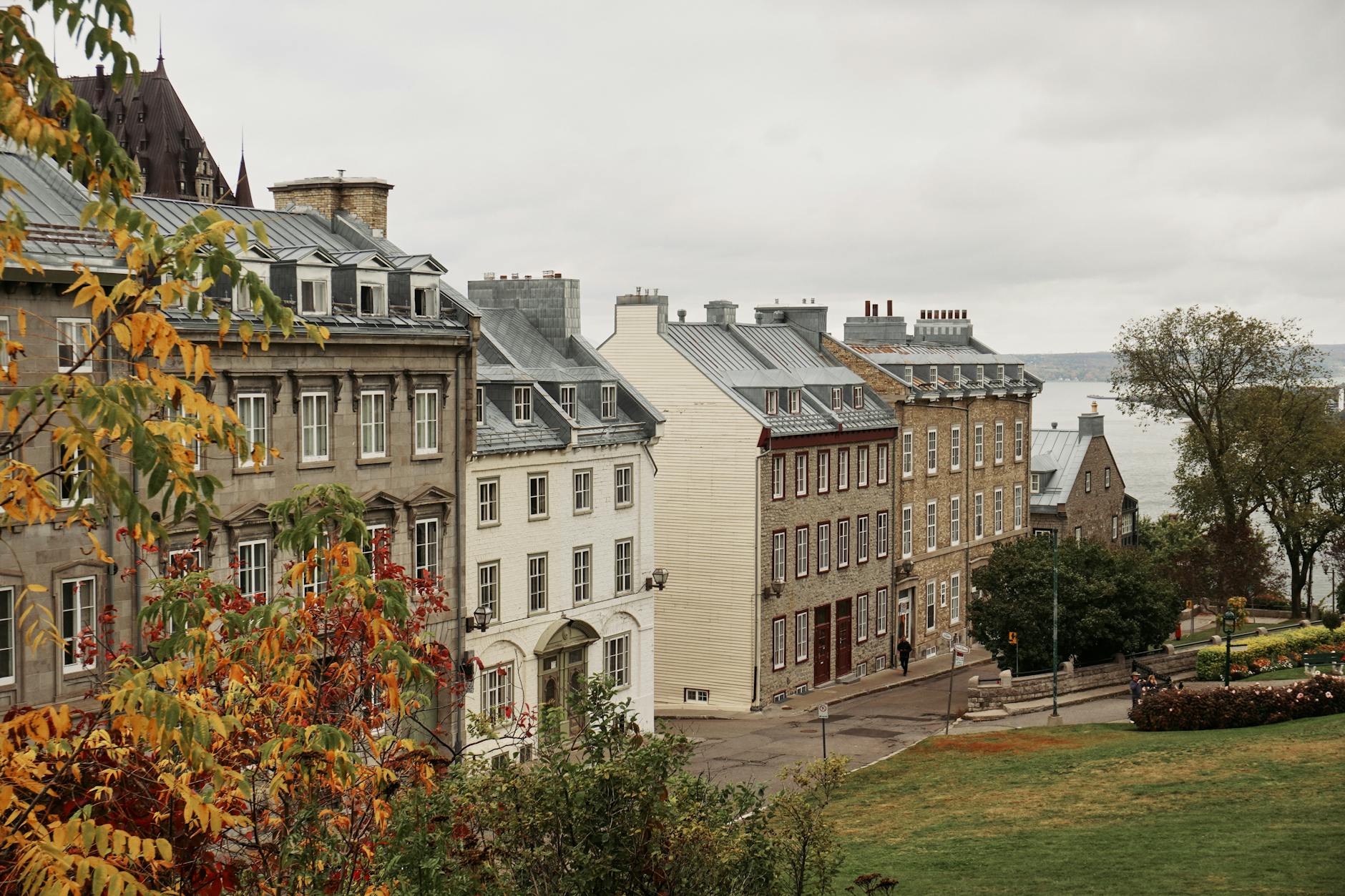
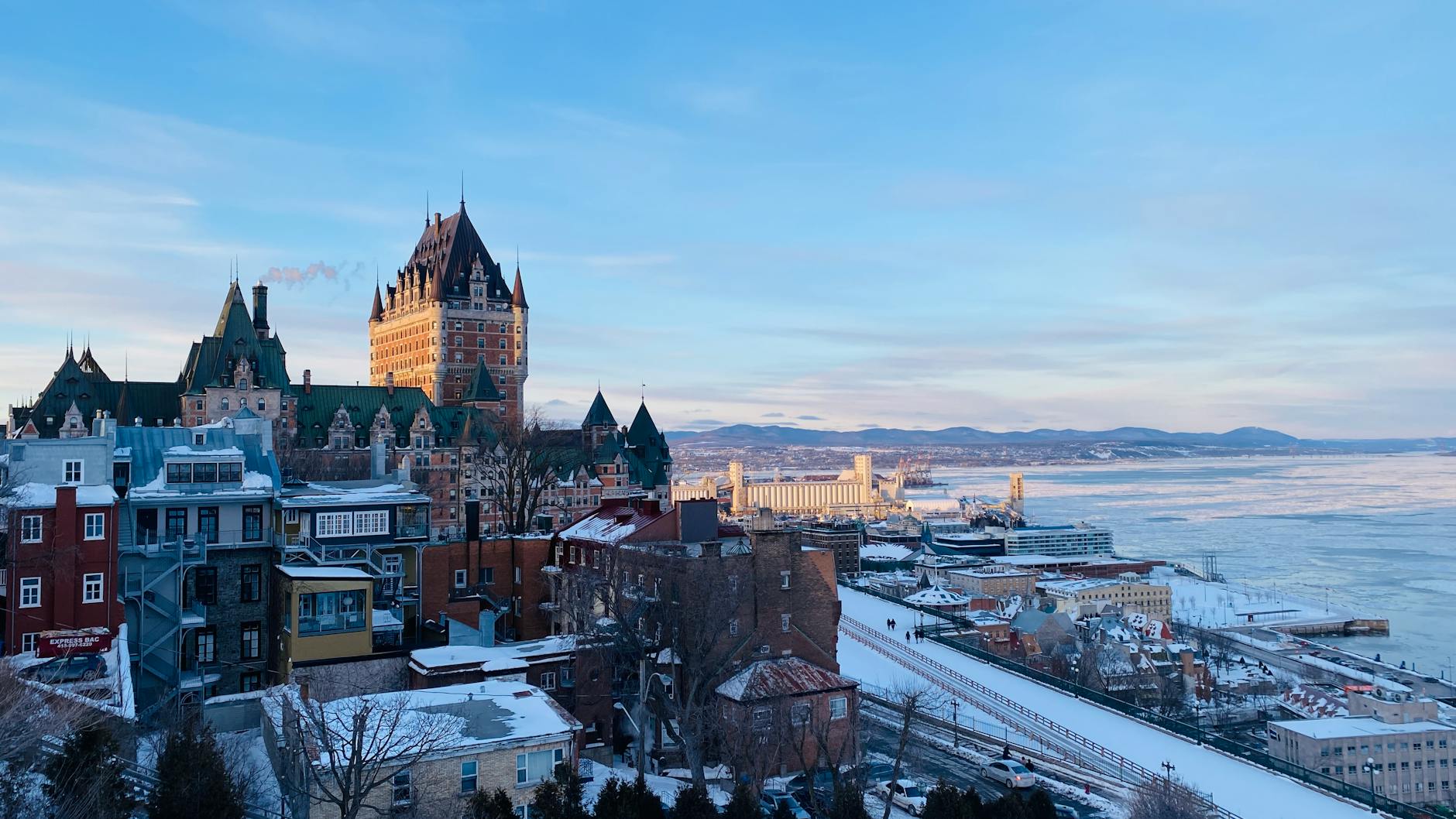
Quebec City can be excellent in winter, summer, autumn, or shoulder season, but each version is a different trip. Winter adds snow, ice, wind, short daylight, heavy clothing, and holiday atmosphere. Summer adds easier movement, terrace life, crowds, and higher demand. Autumn can be beautiful but still changeable.
A tourist should not copy an itinerary from a different season without adjusting pace. The same streets can feel relaxed in June and demanding in February.
- Match route length, footwear, outdoor time, and meal timing to the actual season.
- Plan winter trips around ice, cold, wind, short daylight, and warm indoor breaks.
- Expect summer and autumn crowds around the most photographed streets and viewpoints.
Do not let the icons consume the whole trip
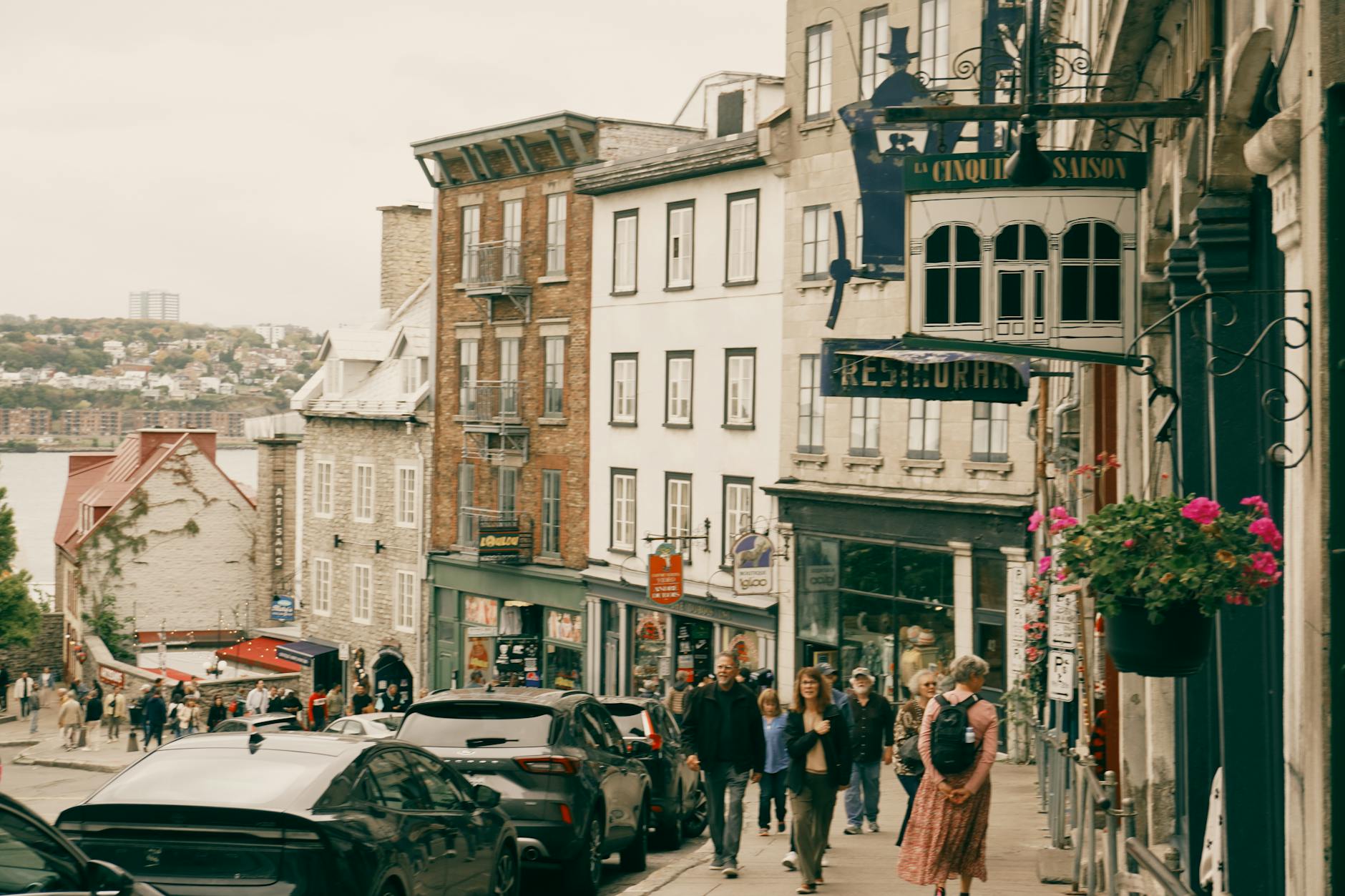
Chateau Frontenac, Petit-Champlain, the city walls, and Terrasse Dufferin deserve attention, but a tourist trip can become thin if every decision is built around the same few views. Quebec City's value also comes from food, museums, churches, river movement, neighborhood edges, and the feeling of the streets between major sights.
The tourist should choose the must-see places and then leave time for a cafe, a ferry perspective, a museum, or a slower walk. The city rewards pause as much as coverage.
- See the major icons, then leave room for food, museums, churches, river views, and quiet streets.
- Use one or two strong viewpoints rather than chasing every possible photo angle.
- Avoid turning a short visit into a route that is all exterior snapshots and no context.
Reserve meals before hunger makes decisions
Tourist areas can make food feel easy until the best times are full or the nearest option is not what the traveler wants. Quebec City dining is part of the experience, but restaurant choice should reflect location, language comfort, budget, dress, weather, and the route back to the hotel.
A tourist should reserve the meals that matter and keep simpler options for days with uncertain timing. A good lunch or dinner can anchor the day; a poorly placed meal can create unnecessary backtracking.
- Reserve key meals early, especially around Old Quebec, weekends, holidays, and event dates.
- Choose restaurants by route, budget, language comfort, weather, and return logistics.
- Keep one easy fallback meal near the hotel for tired or delayed evenings.
Use French-language context respectfully
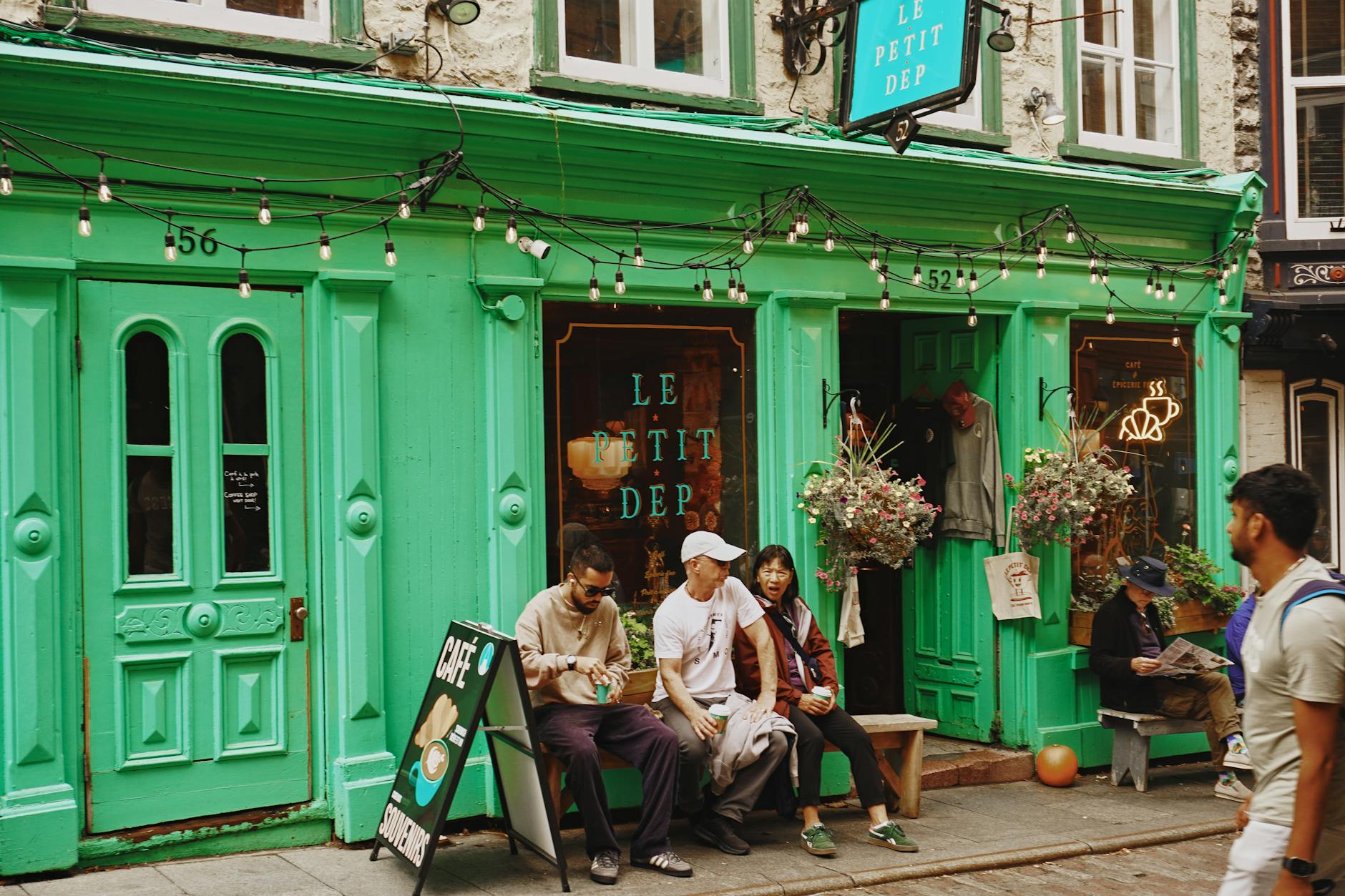
Quebec City is a French-speaking capital, not a generic old-town backdrop. Tourists should prepare basic greetings, place names, restaurant language, and the expectation that English comfort varies by setting. This is not difficult, but it changes the tone of the visit.
A little context also improves the sightseeing. The city is shaped by French, British, Indigenous, Catholic, political, military, and Canadian histories. A tourist who sees those layers will get more from the same streets.
- Prepare basic French greetings, place names, restaurant phrases, and polite language expectations.
- Treat Quebec City as a specific French-speaking capital, not simply scenery.
- Use a guide, museum, or reading to connect the old town to its deeper history.
Decide whether the river belongs in the plan
The St. Lawrence is central to Quebec City's identity, but many tourist itineraries treat it as background. A river view, ferry ride, boardwalk pause, or Levis perspective can add scale to a short trip. The choice should depend on weather, daylight, schedule, and whether the tourist wants a wider view of the city.
The river can also provide a break from the tight old streets. It is worth planning deliberately rather than adding only if there is time left.
- Consider a ferry ride, river viewpoint, boardwalk pause, or Levis perspective if weather supports it.
- Use the river to widen the trip beyond the densest old-town streets.
- Check daylight and wind before making river movement central to the day.
When to order a short-term travel report
A tourist with flexible dates, mild weather, a central hotel, and modest goals may not need a custom Quebec City report. A report becomes useful when season, hotel location, hills, winter footing, restaurant demand, French-language comfort, family needs, mobility, budget, or limited time could determine whether the trip feels smooth.
The report should test hotel location, route sequence, Upper and Lower Town movement, weather, meals, river options, crowd timing, language context, budget, and what to cut. The value is a Quebec City tourist trip that feels complete without becoming a checklist.
- Order when hotels, winter conditions, crowds, meals, mobility, language, or short timing need testing.
- Provide dates, hotel options, traveler pace, interests, restaurant preferences, budget, and constraints.
- Use the report to see Quebec City clearly without overpacking the visit.