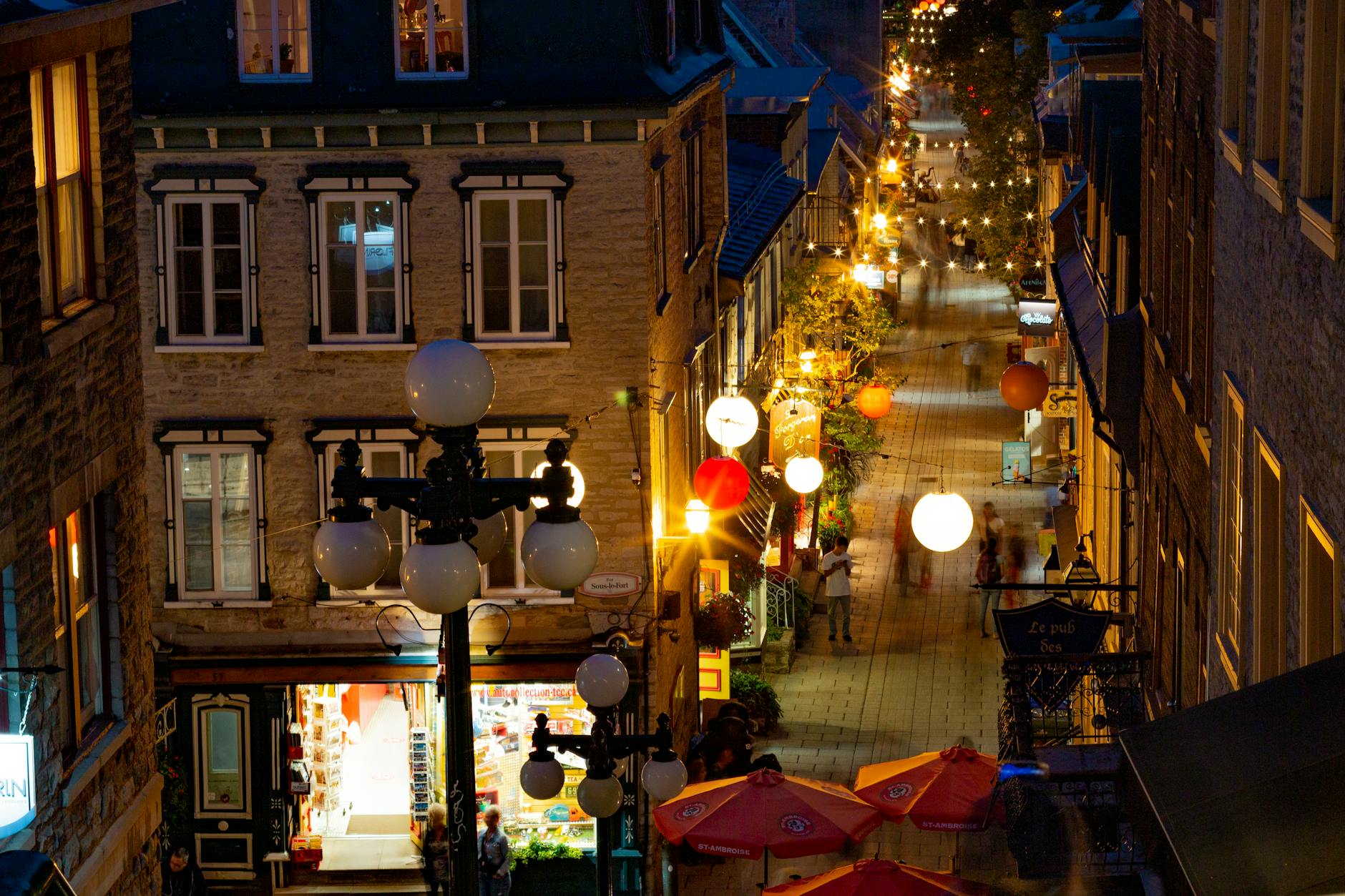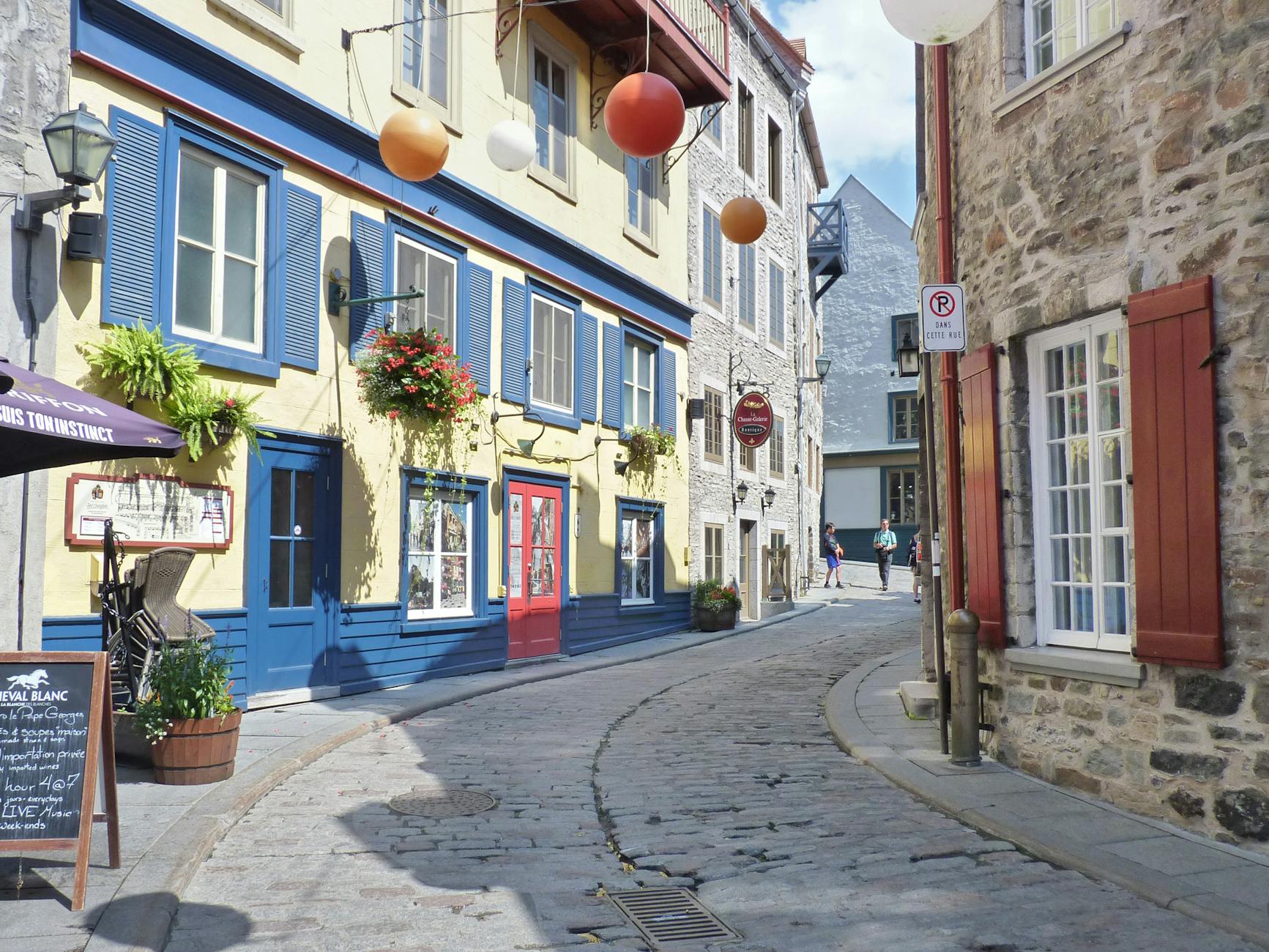
Quebec City can be a rewarding solo destination because the historic core is compact, visually rich, and easy to understand once the traveler has a good base. It offers cafes, museums, river views, walks, food, winter atmosphere, and enough structure for a traveler who likes to move alone at their own pace. It also asks the solo traveler to be honest about hills, ice, evening routes, language comfort, and where they want to be after dark. A strong solo Quebec City plan uses independence carefully. The traveler should know when to wander, when to reserve, when to use a taxi, when to stay in a lively area, and when a quiet evening is a better choice than another climb through cold streets.
Choose a base that makes solo movement easy
Solo travelers should choose a Quebec City hotel by how the surrounding streets feel at the times they will actually use them. A romantic old-city address may be ideal if it keeps meals, walks, cafes, taxis, and evening returns close. A cheaper or quieter location can become a poor choice if it requires repeated uphill walks or awkward late returns alone.
The traveler should check lobby staffing, elevator access, taxi pickup, nearby food, lighting, winter footing, and the route back from dinner. Good solo hotel placement makes the city feel open instead of making every outing a calculation.
- Pick the hotel by evening return routes, nearby meals, taxi access, lighting, and walking grade.
- Check winter footing and hill exposure before assuming a map distance is easy.
- Use the hotel as a practical anchor, not just a place to sleep.
Prepare enough French to reduce friction
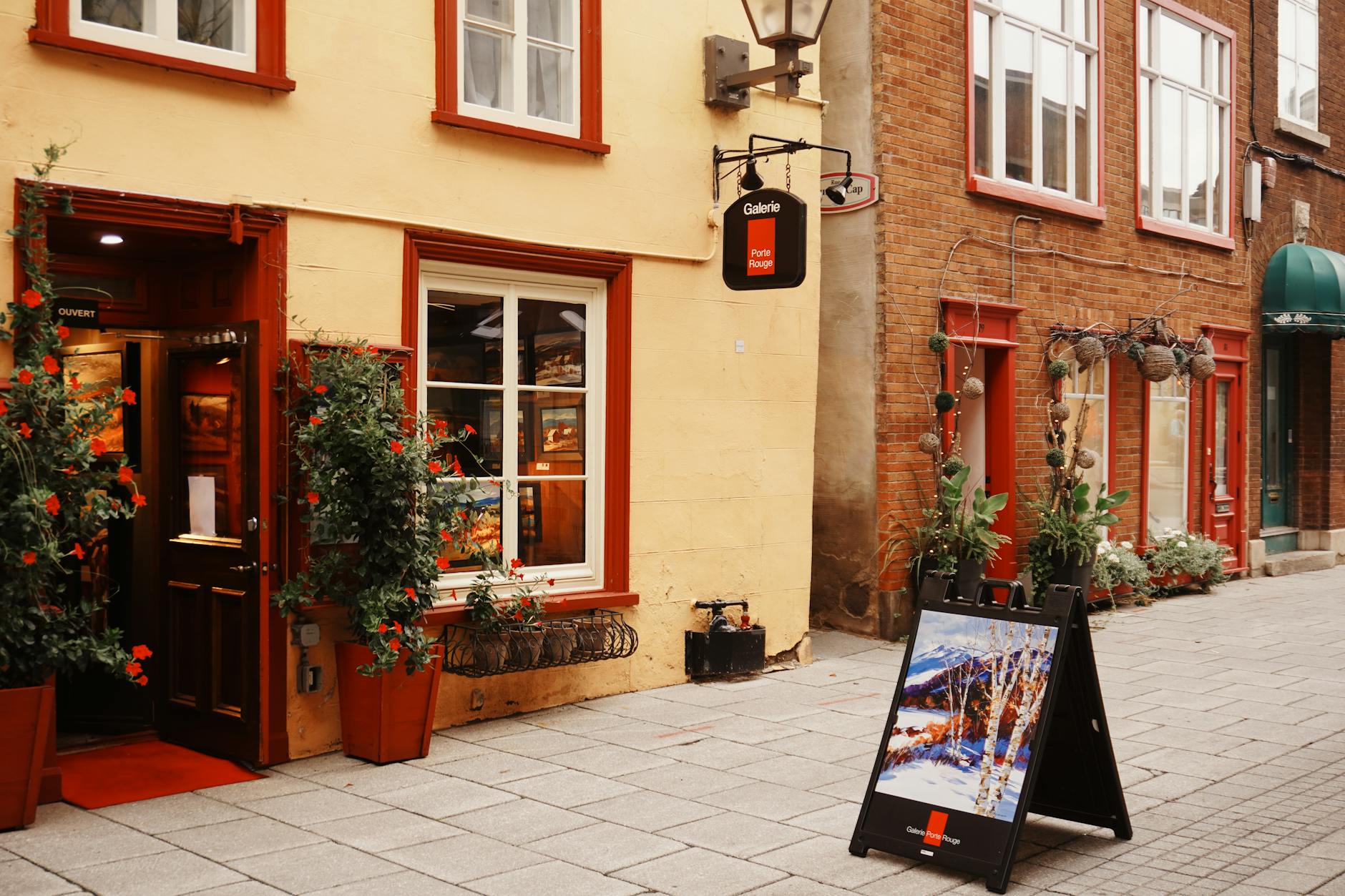
A solo traveler in Quebec City should prepare basic French greetings, restaurant language, place names, and polite phrases. Many visitor-facing settings can handle English, but a solo traveler has fewer companions to absorb awkward moments, translate menus, or clarify directions. Language preparation helps the traveler feel less dependent on chance.
This is not about fluency. It is about entering shops, cafes, taxis, museums, and restaurants with enough confidence to be courteous and clear. A few prepared phrases can make the trip feel more relaxed.
- Prepare basic greetings, ordering language, place names, and polite phrases.
- Save key addresses and reservation details in French and English where useful.
- Use language preparation to reduce small solo-travel frictions throughout the day.
Design evening plans carefully
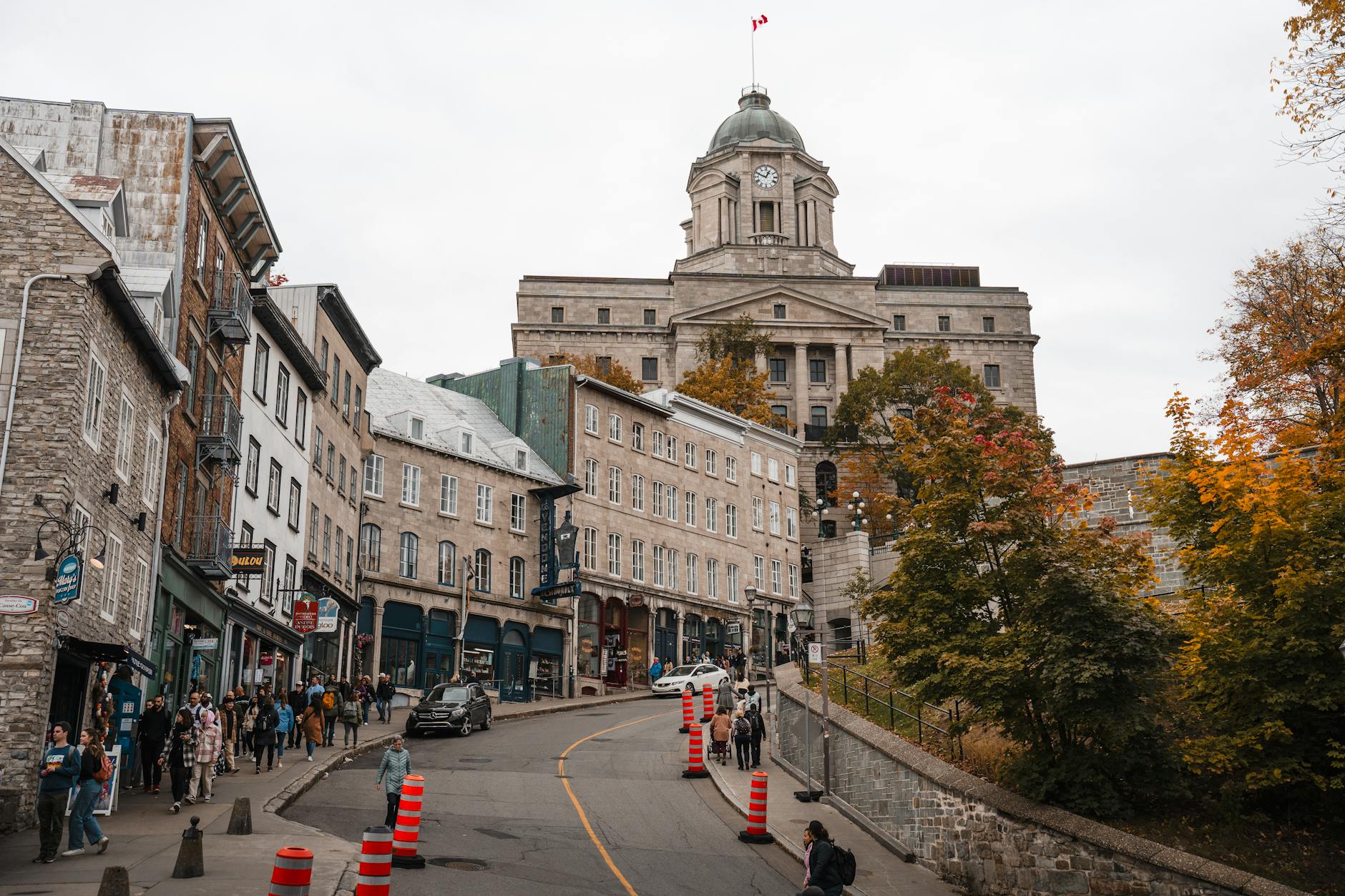
Quebec City can be atmospheric at night, especially around Old Quebec and Petit-Champlain, but solo evening plans should be deliberate. The traveler should decide which streets feel comfortable after dark, which restaurants are close enough for a walk, when a taxi is smarter, and whether winter cold will make an evening route feel longer than expected.
A solo dinner can be one of the best parts of the trip if seating, timing, and return logistics are chosen well. It can also feel exposed if the restaurant is too formal, too remote, or too late for the traveler.
- Plan dinner timing, seating style, walking route, taxi fallback, and cold-weather return before going out.
- Use lively central areas when that supports comfort and confidence.
- Do not make the best evening view depend on a route that feels wrong alone.
Use cafes and museums as pacing tools
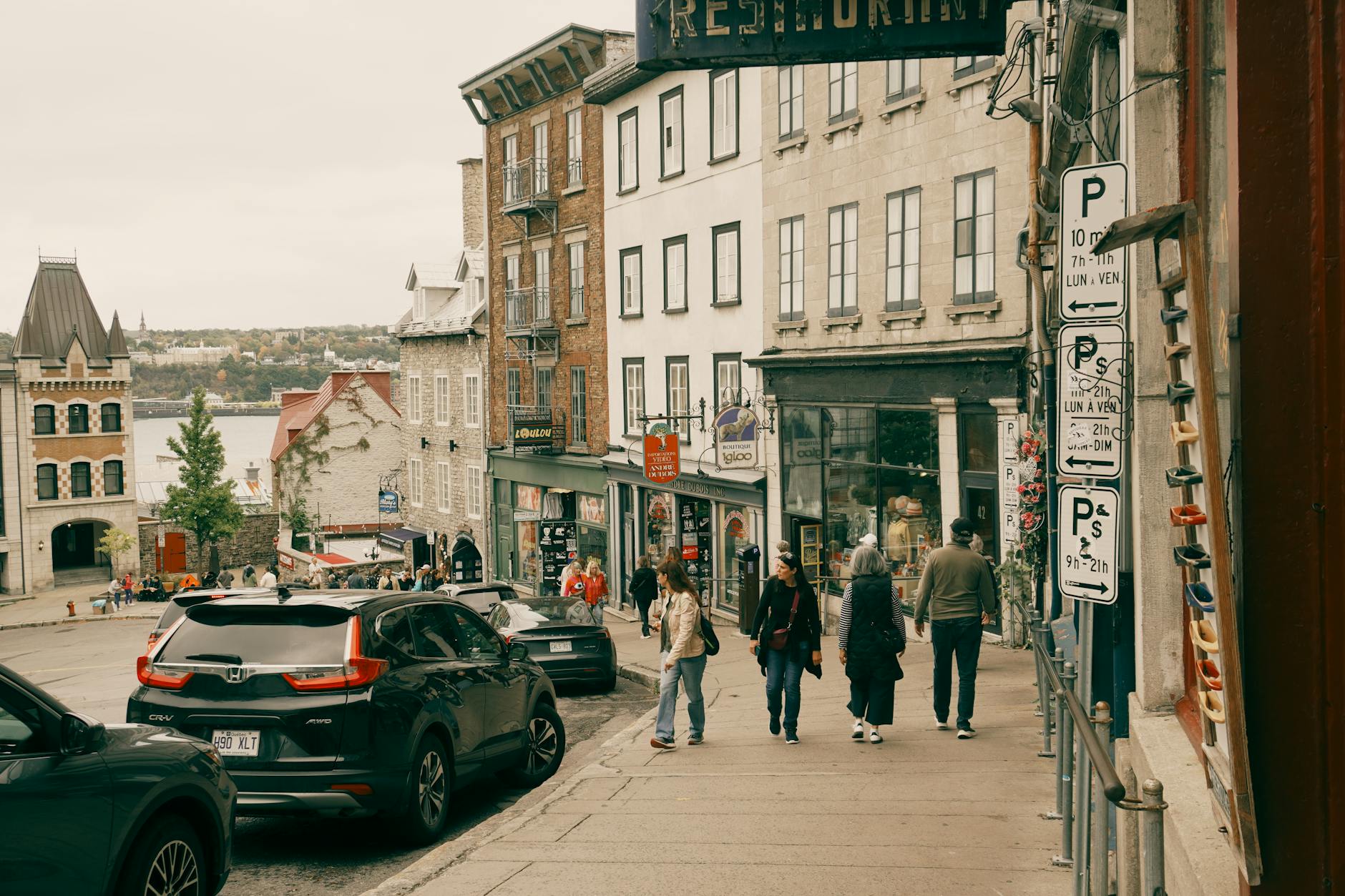
Solo travelers can move efficiently in Quebec City, but that can become a trap. Without companions to slow the day, the traveler may climb too much, stay outside too long in winter, or treat every scenic street as a task. Cafes, museums, churches, hotel lounges, bookstores, and river-view pauses help the day breathe.
The best solo itinerary includes places where the traveler can sit comfortably without feeling rushed. These stops are not filler. They are how a short solo trip stays observant instead of becoming a long walk.
- Build cafes, museums, lounges, churches, shops, and viewpoints into the route.
- Use indoor pauses to manage winter cold, rain, fatigue, and phone battery.
- Let solo pacing include stillness, not only efficient movement.
Keep phone, payment, and backup plans simple
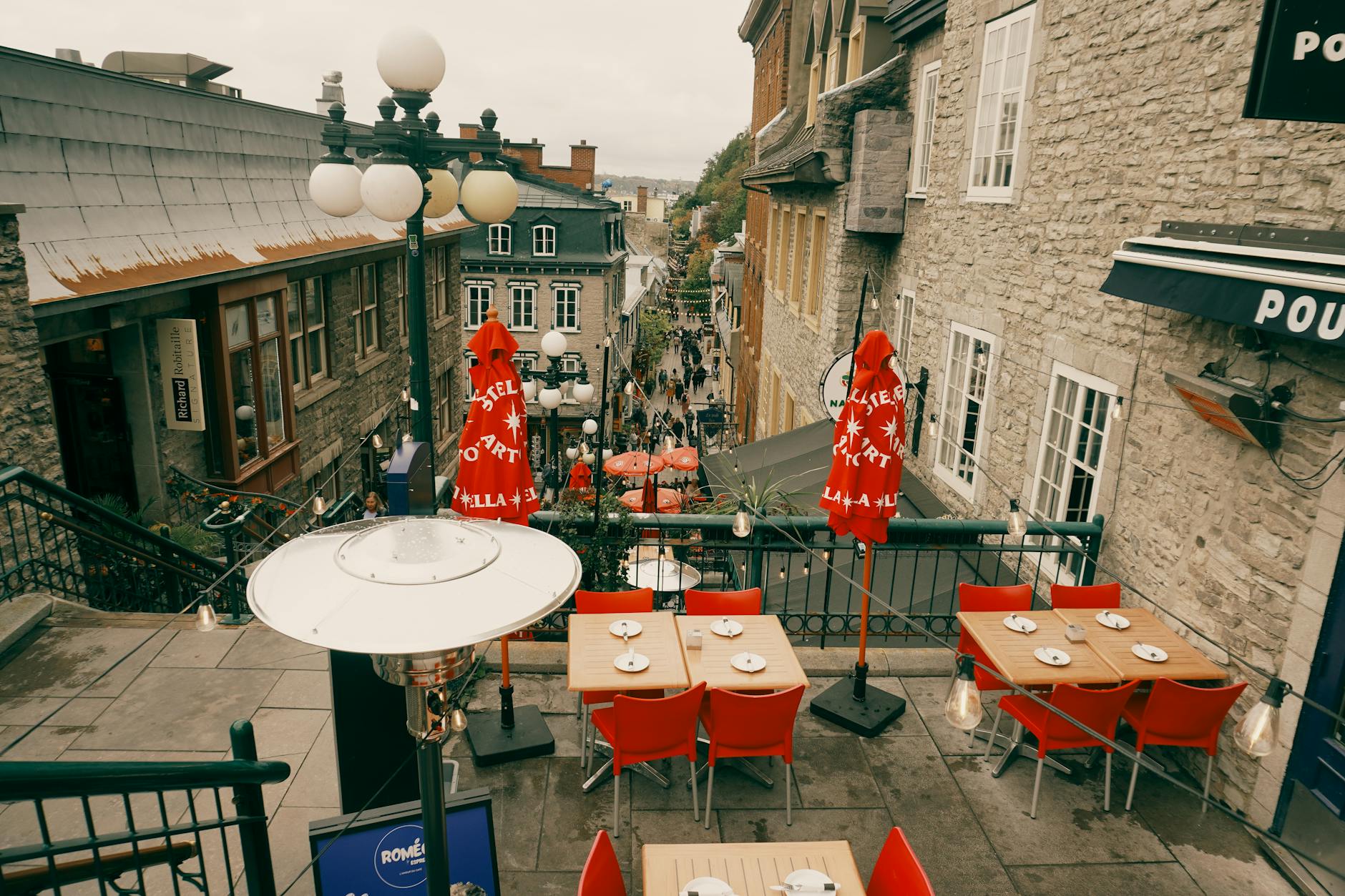
A solo Quebec City traveler should not let phone reliability become an afterthought. Navigation, translation, ride-hailing or taxi calls, restaurant reservations, museum tickets, weather alerts, and emergency contacts may all depend on the device. Cold weather can drain batteries faster, and gloves can make phone use awkward.
The traveler should carry a power bank, save offline maps, keep hotel details accessible, and avoid overloading a day with reservations that depend on perfect timing. Solo travel feels easier when small backups are already in place.
- Carry a power bank, save offline maps, and keep hotel and reservation details accessible.
- Plan around cold-weather battery drain and the need to use a phone with gloves.
- Keep enough schedule margin that one delay does not disrupt the entire solo day.
Choose independence over overcommitment
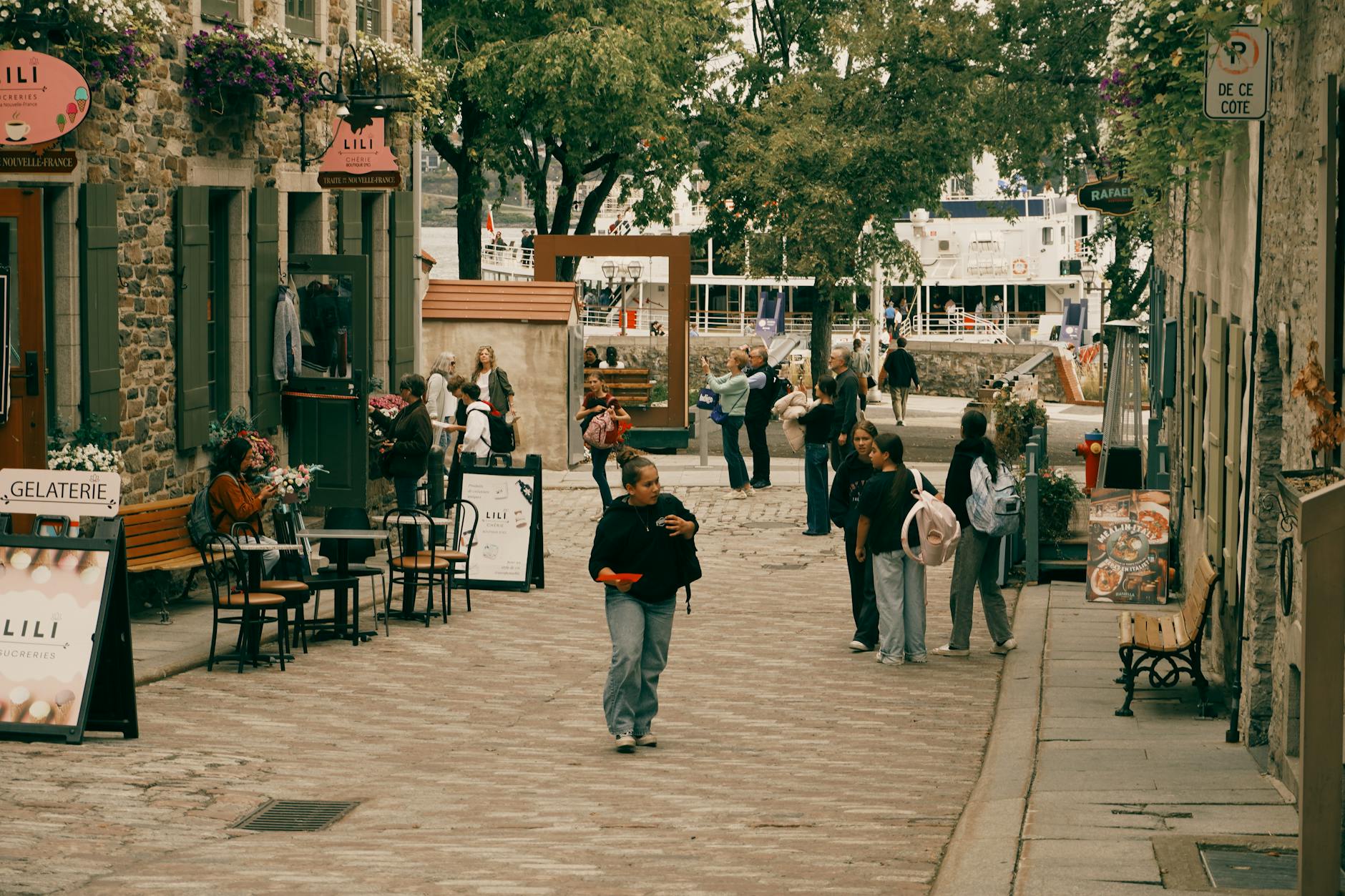
The advantage of solo travel is freedom, but a short Quebec City trip can become overcommitted if the traveler schedules every meal, tour, museum, and viewpoint. The city rewards curiosity. A solo traveler should leave room for weather shifts, quiet streets, a longer cafe stop, a ferry ride, or a decision to skip an uphill section.
At the same time, the traveler should reserve the meals, tours, and tickets that matter most. The right balance is one or two anchors each day with enough open space to respond to the city.
- Use one or two firm anchors per day, then leave space for weather and curiosity.
- Reserve important meals or tours, but avoid turning the whole trip into appointments.
- Let solo flexibility solve fatigue, cold, crowds, and changing interests in real time.
When to order a short-term travel report
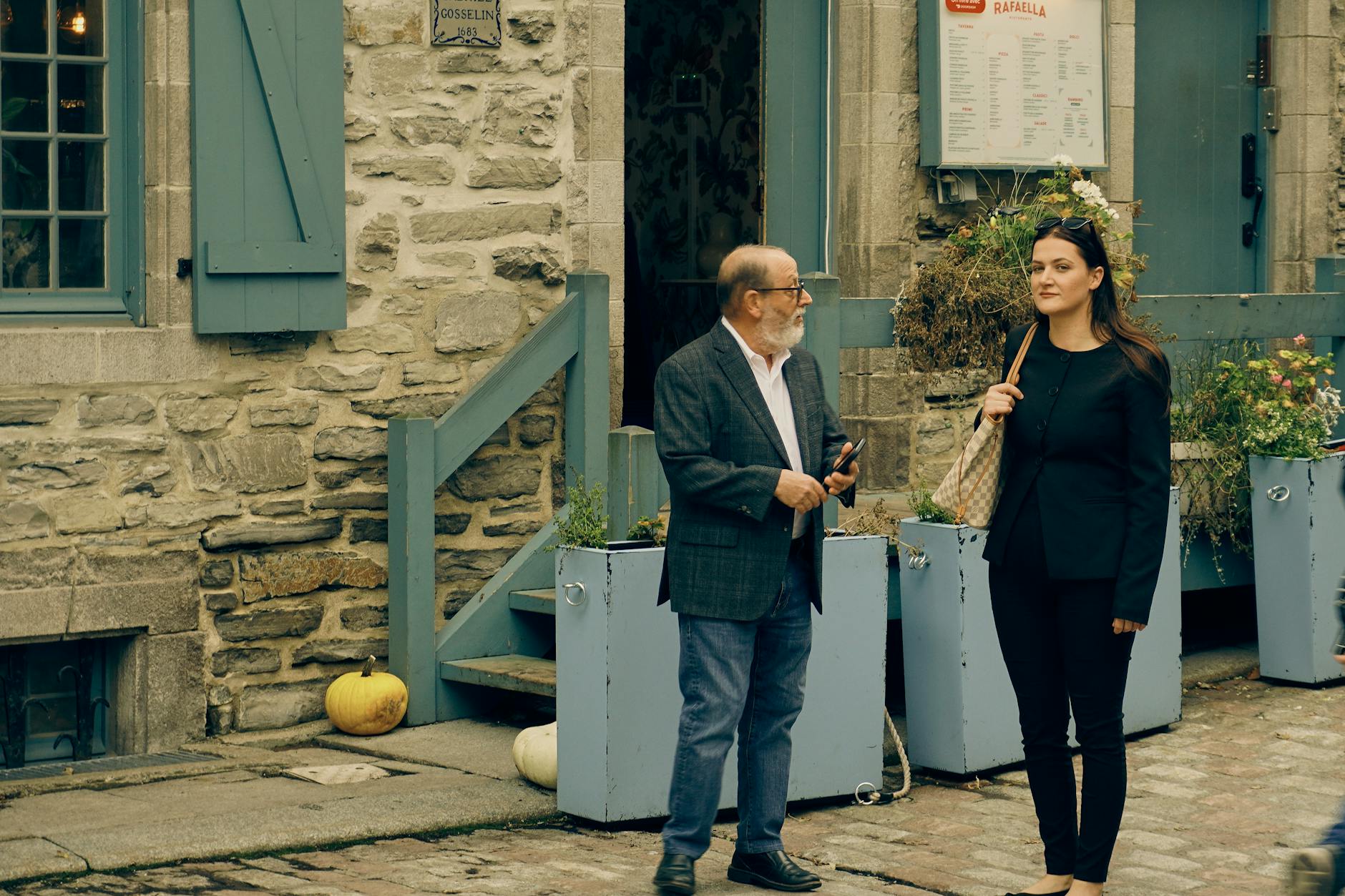
A solo traveler with central lodging, mild weather, and a flexible style may not need a custom Quebec City report. A report becomes useful when the traveler is concerned about hotel location, winter footing, evening movement, language comfort, meal planning, budget, personal safety, limited time, or how to structure a trip alone without overpacking it.
The report should test hotel fit, route sequence, evening returns, taxi strategy, language needs, restaurants, indoor pauses, weather, phone backups, budget, and what to cut. The value is a Quebec City solo trip that feels independent without becoming exposed, lonely, or logistically thin.
- Order when hotel location, winter footing, language, meals, or evening routes need testing.
- Provide dates, hotel options, walking comfort, dining style, interests, budget, and safety concerns.
- Use the report to make solo time in Quebec City feel deliberate and comfortable.