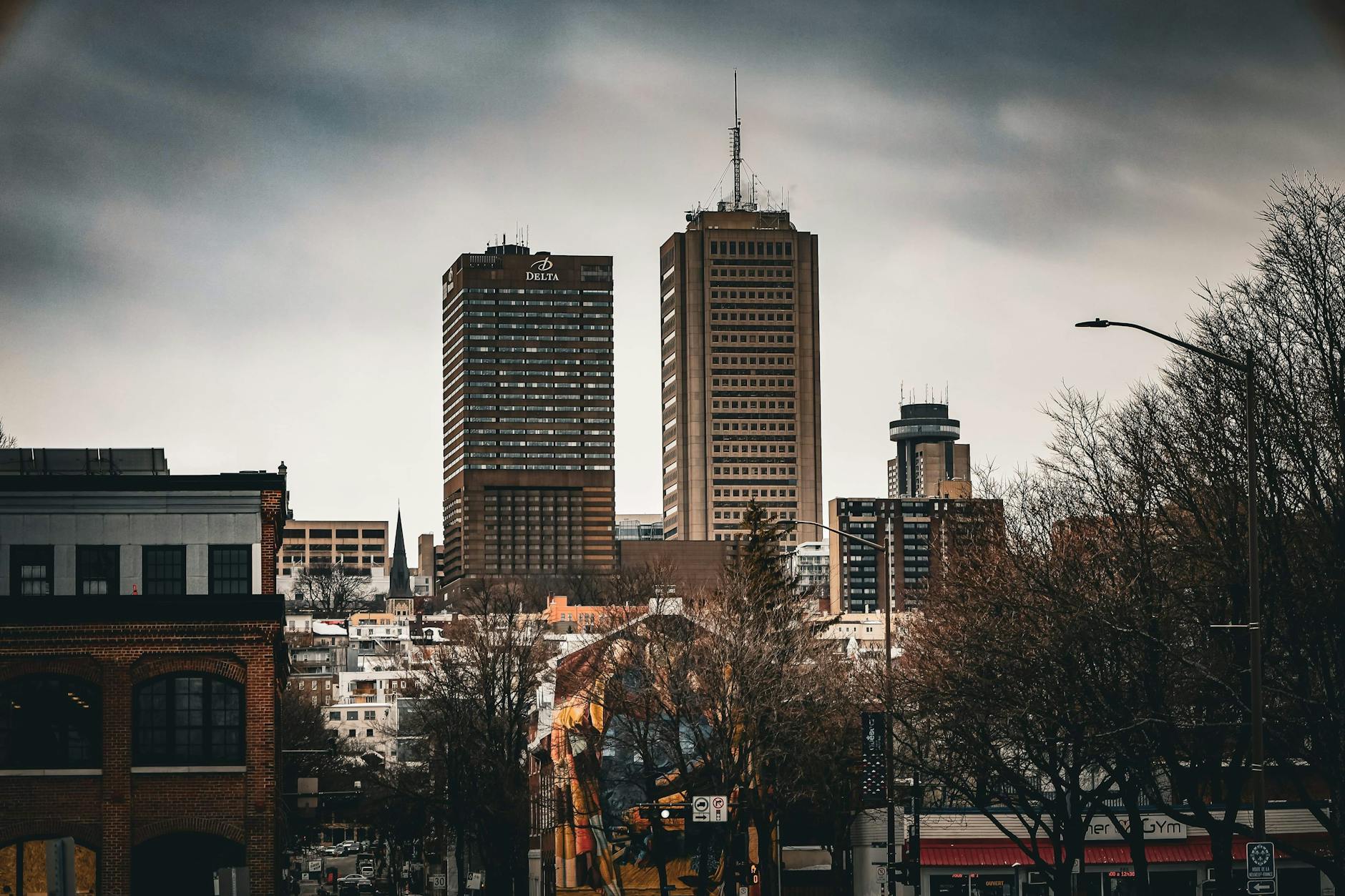
Quebec City can work well for a short sales trip because it offers strong hotels, memorable client hospitality, government and institutional access, and a compact historic center that can make meetings feel distinctive. It can also create practical friction if the traveler assumes the city is easier than it is. Hills, winter conditions, Old Quebec pedestrian patterns, taxi timing, French-language context, and account locations outside the tourist core can all change the sales day. A Quebec City sales trip should start with the commercial objective. Once the traveler knows which accounts matter, what must be shown, where the buyer sits, and when follow-up must happen, the city can support the sale instead of absorbing the schedule.
Define the sales outcome before the route
The sales traveler should define the Quebec City trip by commercial outcome before choosing flights, hotel, meals, or city time. A first prospect meeting, distributor review, renewal conversation, public-sector sales call, site visit, or executive close each needs a different plan. The more specific the outcome, the easier it is to protect the day.
That means naming the priority account, the decision-maker, the proof needed, the objection likely to appear, and the follow-up that must leave the city with the traveler. The itinerary should be built around that sequence.
- Name the account, decision-maker, proof point, likely objection, and desired next step.
- Sequence meetings by revenue importance instead of by sightseeing convenience.
- Keep the sales objective visible before adding hospitality or leisure time.

Map accounts and hotel geography together
Quebec City can look compact on a map, but sales calls may sit across Old Quebec, Saint-Roch, Sainte-Foy, government-adjacent offices, industrial parks, hotels, universities, or client sites outside the center. A hotel that feels ideal for dinner may be inefficient for the actual account plan.
The traveler should map account addresses, meeting times, taxis, parking, weather exposure, and return-to-hotel work blocks together. The best base is the one that protects sales execution, not necessarily the most charming property.
- Plot account addresses before choosing a hotel or client dinner area.
- Account for hills, pedestrian zones, traffic, taxis, parking, and winter walking conditions.
- Choose the base that protects the meeting sequence and follow-up work.

Respect bilingual commercial context
A Quebec City sales traveler should prepare for French-language context even when meetings are expected to happen in English. Buyers may use French internally, documents may need bilingual handling, and titles, greetings, agendas, and follow-up language can affect trust. Treating language as an afterthought can make a polished visit feel careless.
The traveler should confirm meeting language, document needs, presentation language, and whether a local colleague or translated material is useful. The goal is not perfection; it is commercial respect.
- Confirm meeting language, document language, names, titles, and follow-up expectations.
- Prepare bilingual or French-language support when it will reduce buyer friction.
- Use language preparation as part of trust-building, not as a cosmetic detail.
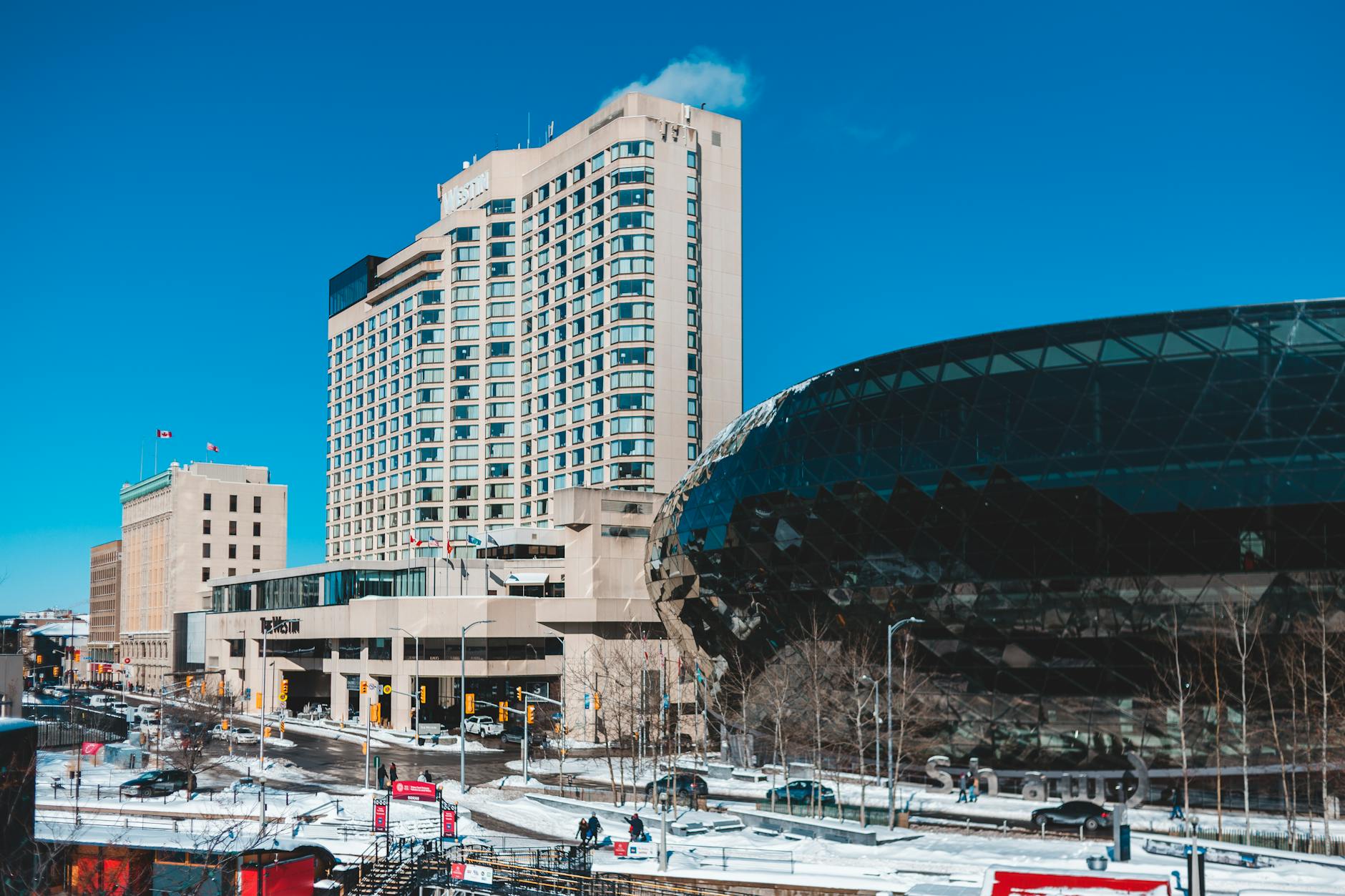
Protect the first commercial moment
The first buyer-facing moment of a Quebec City sales trip deserves more protection than the traveler may expect. Airport timing, hotel check-in, clothing changes, winter outerwear, sample handling, taxi availability, and presentation setup can all affect whether the traveler arrives composed. A rushed arrival can weaken the meeting before the pitch begins.
The traveler should decide whether to arrive the evening before, use a car service, avoid a same-day connection, or keep the first meeting deliberately lighter. The cost of an extra buffer may be lower than the cost of a poor opening conversation.
- Plan flights, luggage, hotel check-in, clothing changes, taxis, and meeting setup as one sequence.
- Add buffers when winter weather, samples, or a high-value account are involved.
- Avoid letting travel stress become the buyer's first impression.

Control demos, samples, and sales materials
Sales travelers carrying samples, demo devices, printed materials, contracts, or branded gifts need a practical Quebec City logistics plan. Customs, checked luggage, winter slush, hotel storage, courier timing, security rules, and meeting-room setup can all matter. The traveler should not assume materials will simply follow the itinerary.
A good plan separates what must travel personally, what can ship ahead, what needs backup, and what can be shown digitally. It also keeps materials protected from weather and visible only when useful.
- Decide what travels personally, what ships ahead, and what needs a digital backup.
- Check storage, courier, customs, hotel, and meeting-room constraints before arrival.
- Protect samples and documents from weather, loss, and awkward handling.
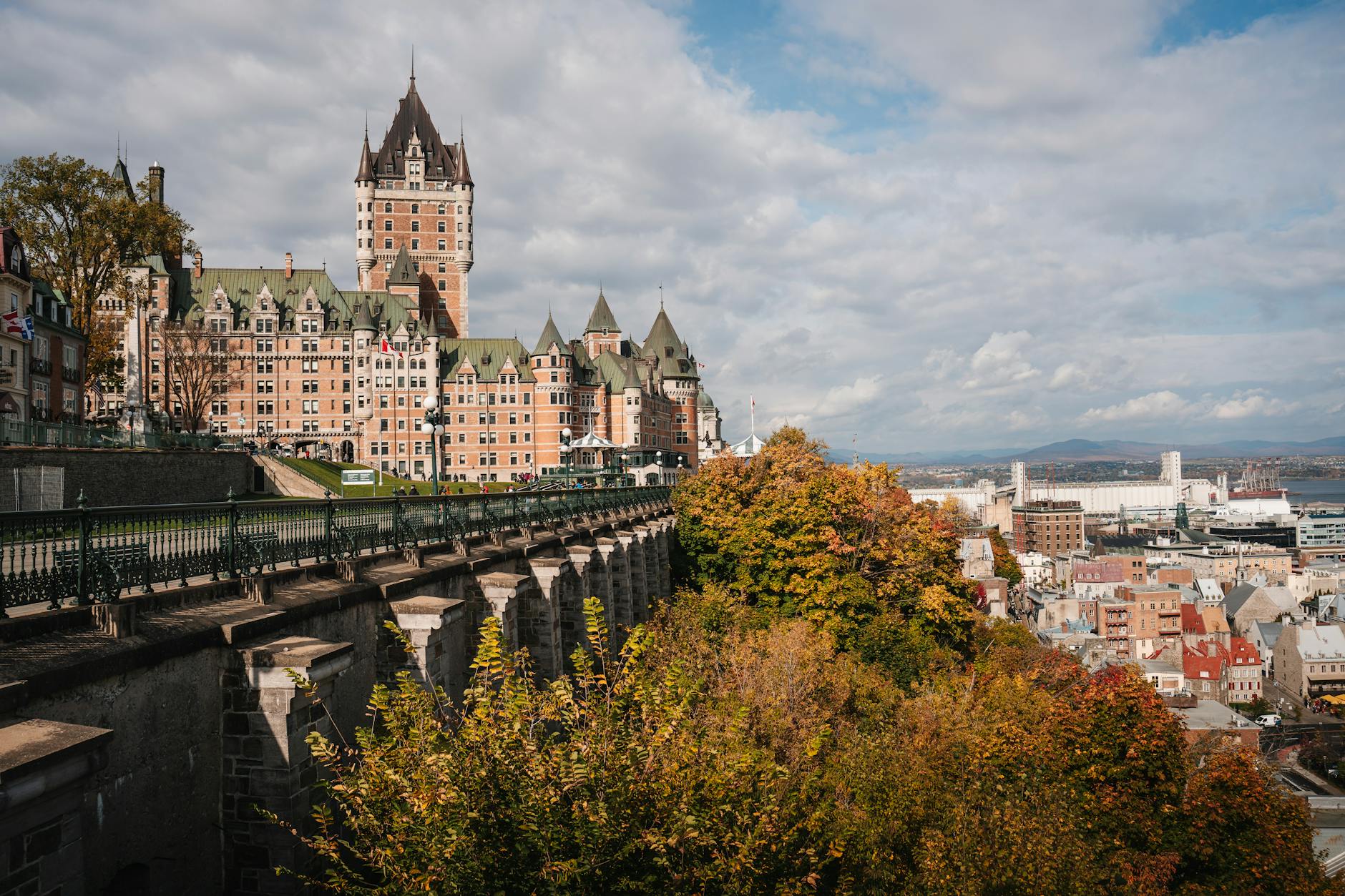
Make client meals serve the sale
Quebec City is strong for client hospitality, but a sales meal should still be tied to a commercial purpose. A first relationship dinner, renewal conversation, channel partner meal, executive close, or informal debrief each needs a different room, noise level, timing, language comfort, and return route. A beautiful restaurant is not enough if it weakens the conversation.
The traveler should book early, choose restaurants that fit the account, and keep one low-effort backup near the hotel. Meals should help the buyer talk honestly and help the traveler follow up cleanly afterward.
- Match restaurants to the account stage, conversation type, noise level, and language comfort.
- Reserve early when conferences, winter weekends, or peak visitor periods could tighten supply.
- Keep a backup meal that preserves energy and follow-up time after long sales days.

When to order a short-term travel report
A sales traveler with one familiar account and a known hotel may not need a custom Quebec City report. A report becomes useful when several accounts, bilingual materials, winter travel, samples, client meals, airport timing, unfamiliar neighborhoods, public-sector meetings, or tight follow-up windows could affect revenue.
The report should test account geography, hotel fit, transfer timing, weather, language needs, meal choices, material handling, schedule risk, budget, and what to cut. The value is a Quebec City sales trip that produces commercial progress instead of a pleasant but unfocused visit.
- Order when account geography, language context, winter, samples, or buyer meals need testing.
- Provide account addresses, meeting schedule, materials, hotel options, budget, and constraints.
- Use the report to protect revenue, follow-up, and buyer confidence.