A repeat leisure visit to Quebec City should not simply reproduce the first trip. Old Quebec, Chateau Frontenac, Petit-Champlain, and Terrasse Dufferin may still belong in the plan, but the value of returning is the chance to move slower, look sideways, and let the city become more specific. That may mean neighborhood walks, river time, different seasons, deeper food choices, museums, architecture, local history, or a quieter hotel rhythm. The repeat visitor's risk is complacency. Familiar streets can make logistics feel automatic, but weather, crowds, restaurant demand, hills, and hotel access still matter. The better return trip keeps what worked and deliberately changes what no longer needs repeating.
Decide what not to repeat
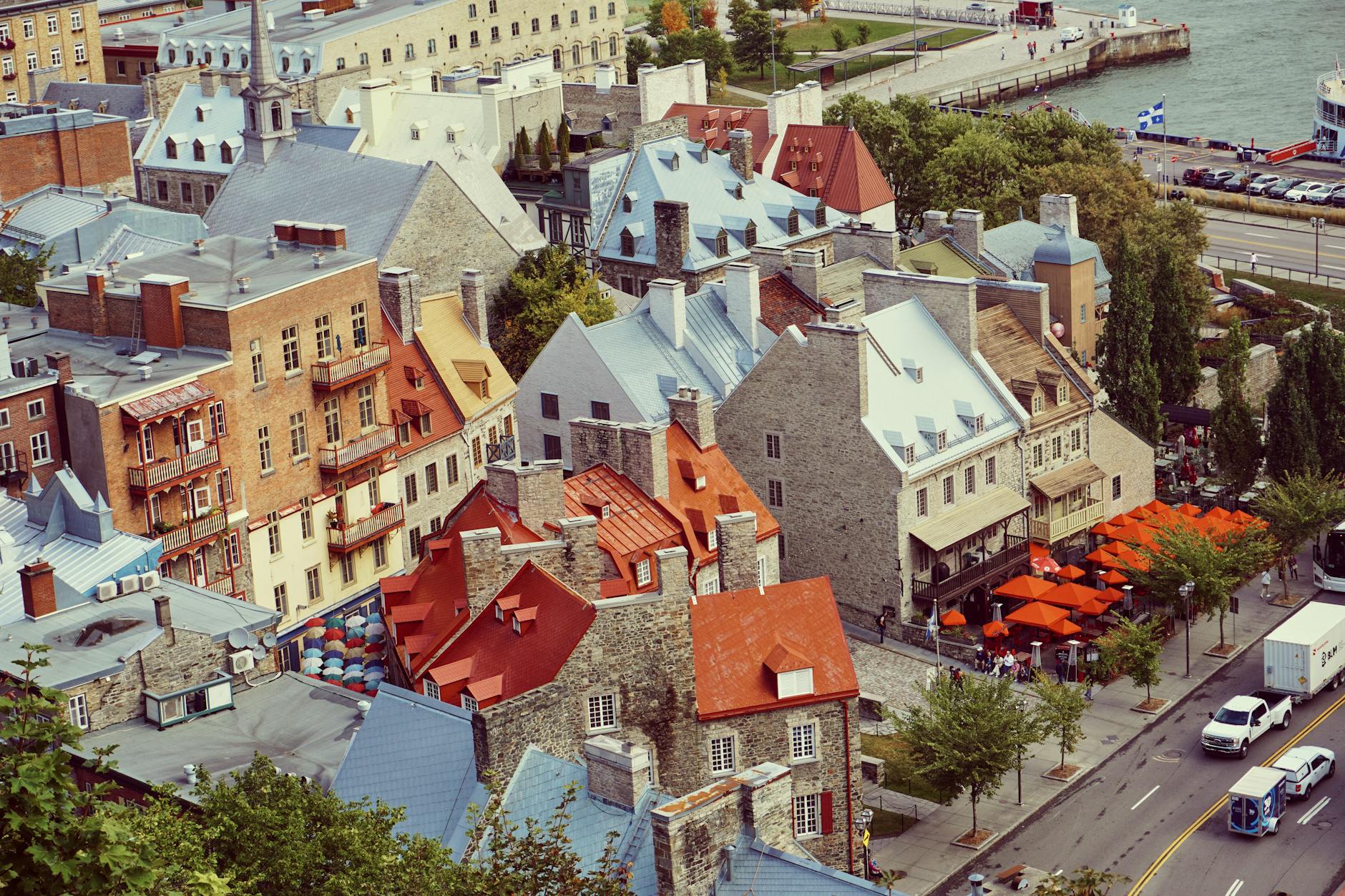
A repeat visitor should decide which first-trip sights deserve another look and which can be reduced or skipped. Chateau Frontenac, the walls, Petit-Champlain, and the boardwalk may still be enjoyable, but they should not crowd out the reason for returning. The traveler should name the new purpose of the trip before booking.
That purpose might be food, winter atmosphere, museums, photography, French practice, river views, a slower stay, or time with someone who has never been. Without a purpose, the trip can become the same route with fewer surprises.
- Identify which first-trip sights still matter and which can be skipped or shortened.
- Give the return visit a new purpose: food, winter, museums, river, language, photography, or rest.
- Protect time for discovery instead of letting familiar landmarks consume every day.
Look beyond the tight old-town circuit
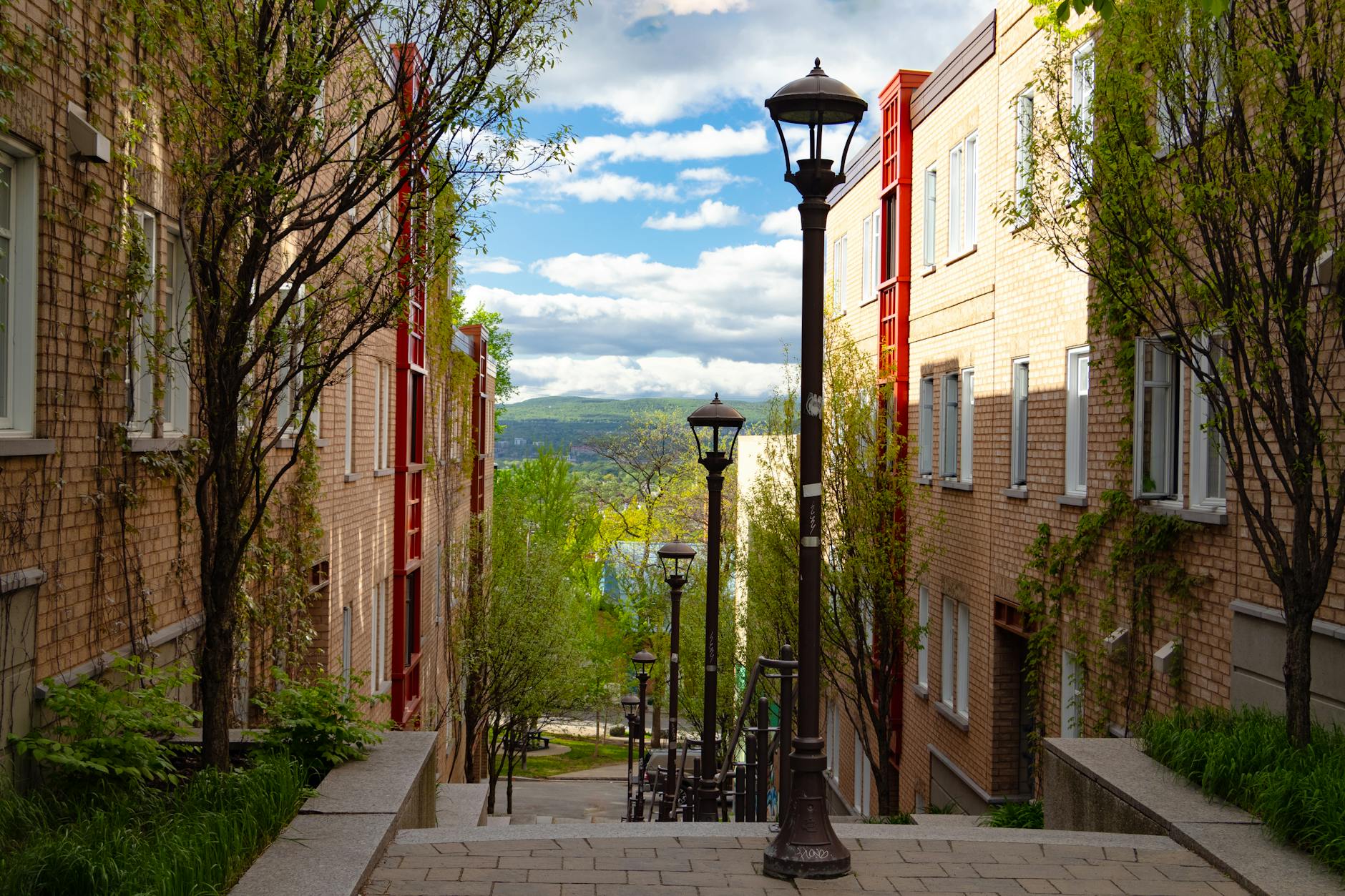
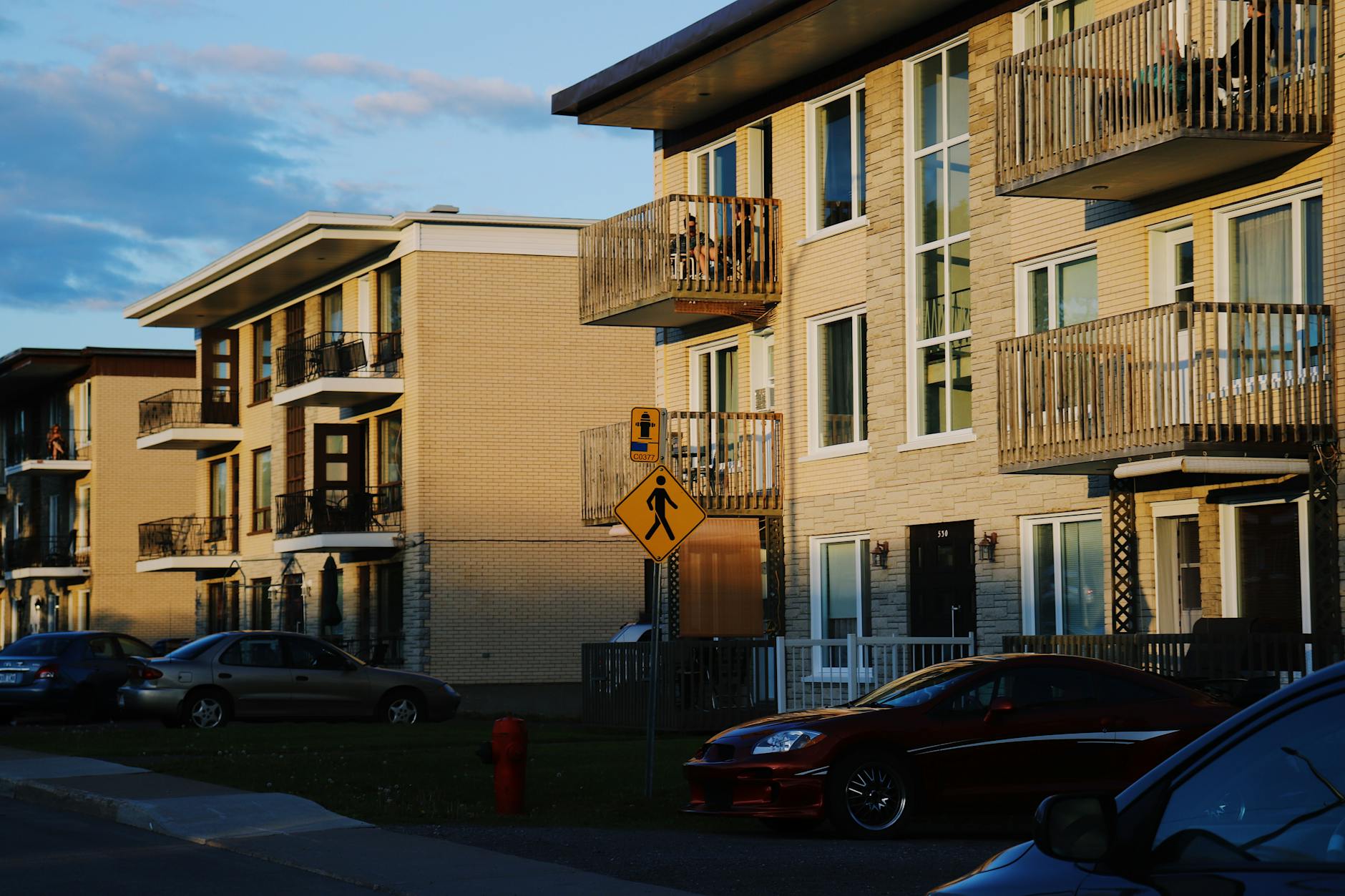
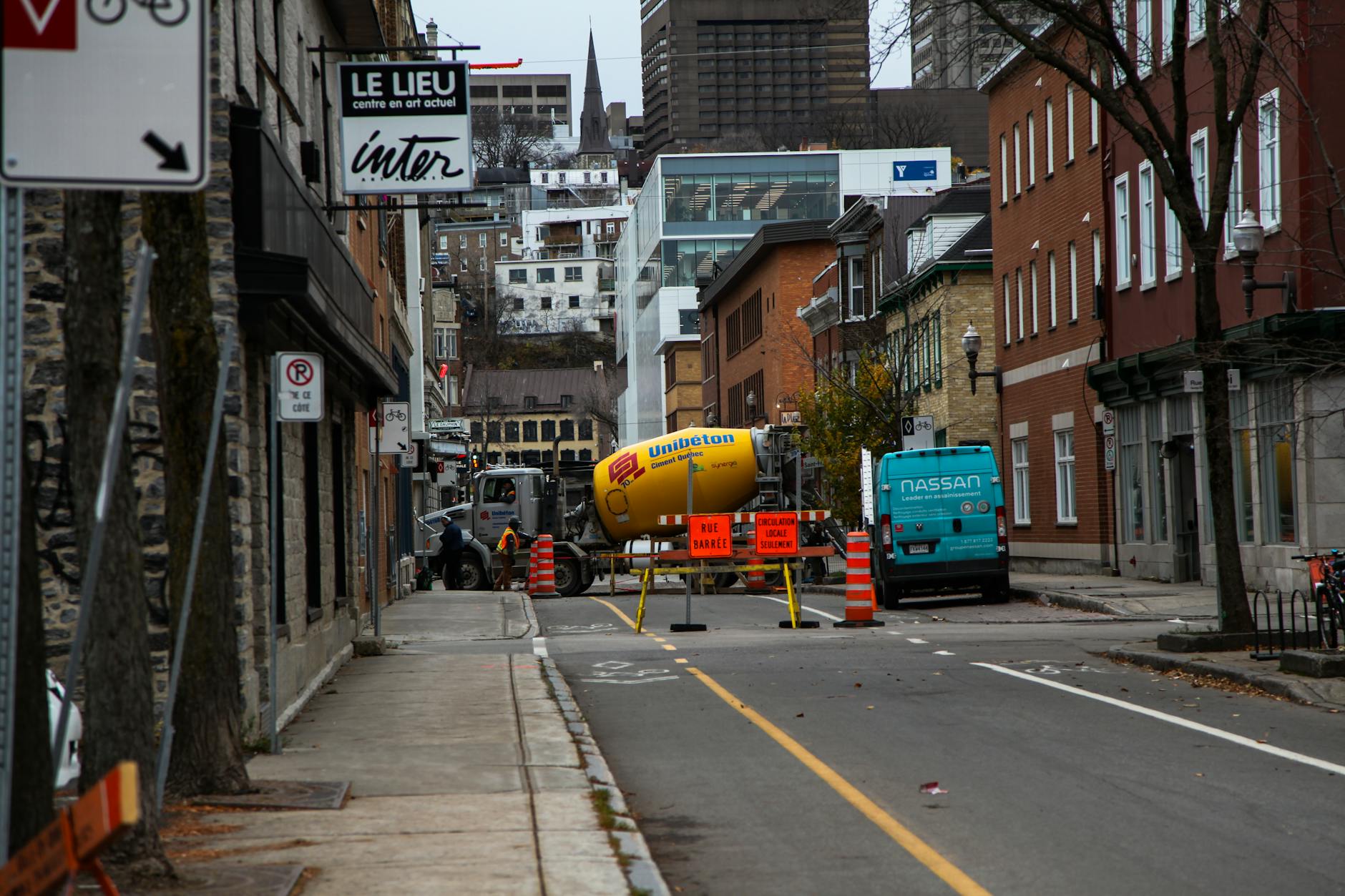
The repeat visitor has more freedom to move beyond the densest tourist circuit. Saint-Roch, Saint-Jean-Baptiste, the Saint-Charles River, residential streets, galleries, markets, and less obvious viewpoints can make Quebec City feel less like a postcard and more like a lived city. The traveler should still plan distances and hills carefully.
The point is not to reject Old Quebec. It is to balance it with places that show other rhythms. A return trip should have fewer obligatory photos and more texture.
- Add neighborhoods, river paths, residential streets, galleries, markets, and quieter viewpoints.
- Keep Old Quebec in the plan if it still gives pleasure, but reduce automatic repetition.
- Check transit, taxi, weather, and walking effort before expanding the map.
Use season to make the city different
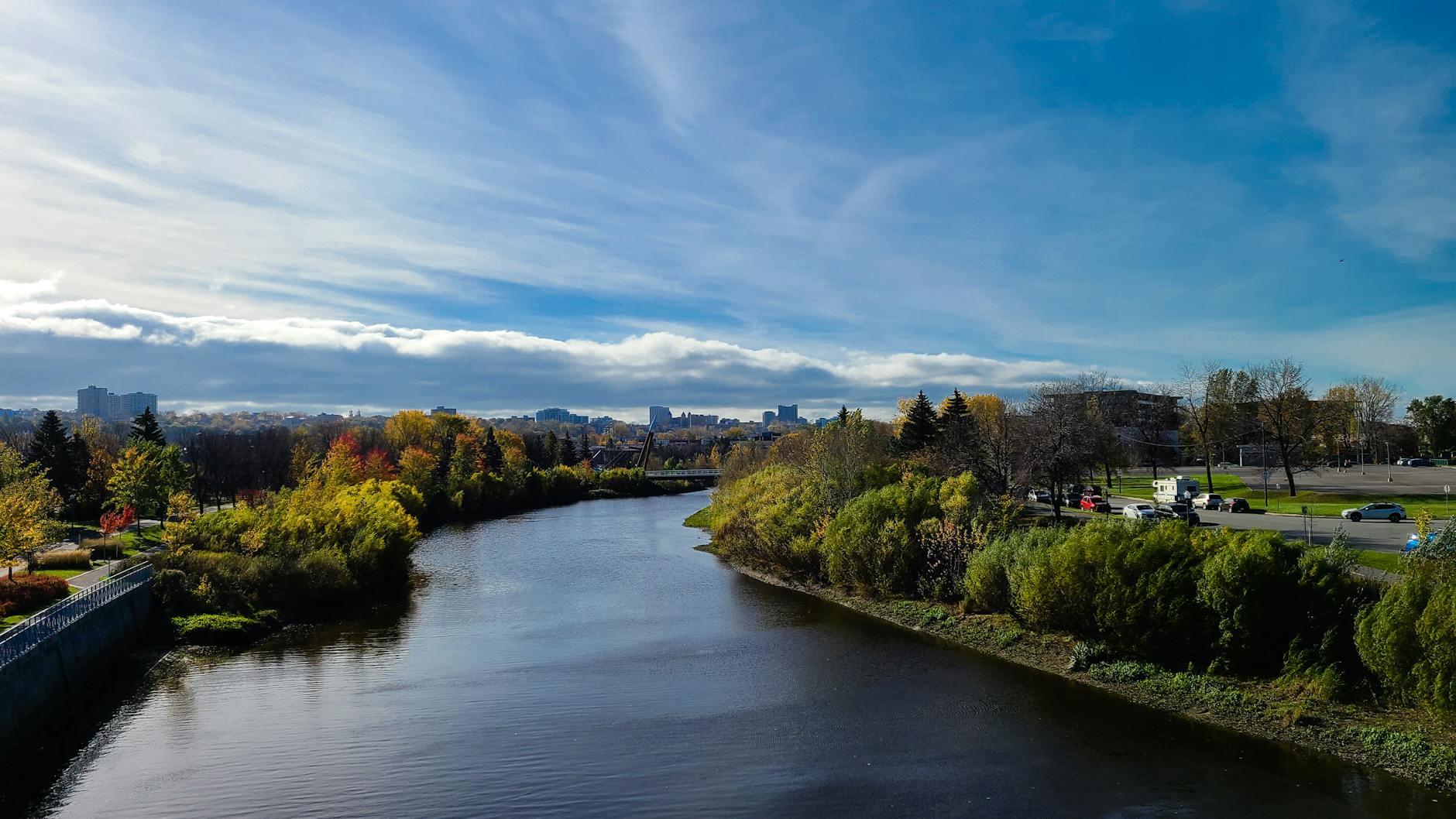
Quebec City changes dramatically by season. A traveler who first came in summer may find winter or autumn gives the city an entirely different pace; a winter repeat visitor may want terraces, river walks, and longer daylight. The return trip should use season as a deliberate design choice.
That also means respecting seasonal costs. Winter beauty brings cold, ice, short daylight, and heavy clothing. Summer ease brings crowds, higher demand, and fuller restaurants. Repeat visitors should not assume familiarity removes those tradeoffs.
- Use a different season to change the trip instead of repeating the same visual experience.
- Plan honestly for winter cold, summer crowds, autumn demand, or shoulder-season rain.
- Adjust hotels, meals, and walking routes to match the season selected.
Make food more specific
A repeat leisure visitor has already solved the basic tourist meal problem. The return trip can be more specific: a neighborhood bistro, a market stop, a long lunch, a wine-focused dinner, a bakery route, a hotel bar, or a meal tied to a walk that would not fit the first visit. The traveler should choose food by curiosity, not only convenience.
Reservations still matter. Familiarity with Quebec City does not guarantee a good table at the desired time, especially during weekends, festivals, conferences, holidays, and winter events.
- Use the return visit for more specific food choices, not just obvious old-town convenience.
- Reserve meals that matter and leave space for casual cafes, bakeries, markets, and bars.
- Connect meals to neighborhoods or walks that deepen the trip.
Change the hotel logic
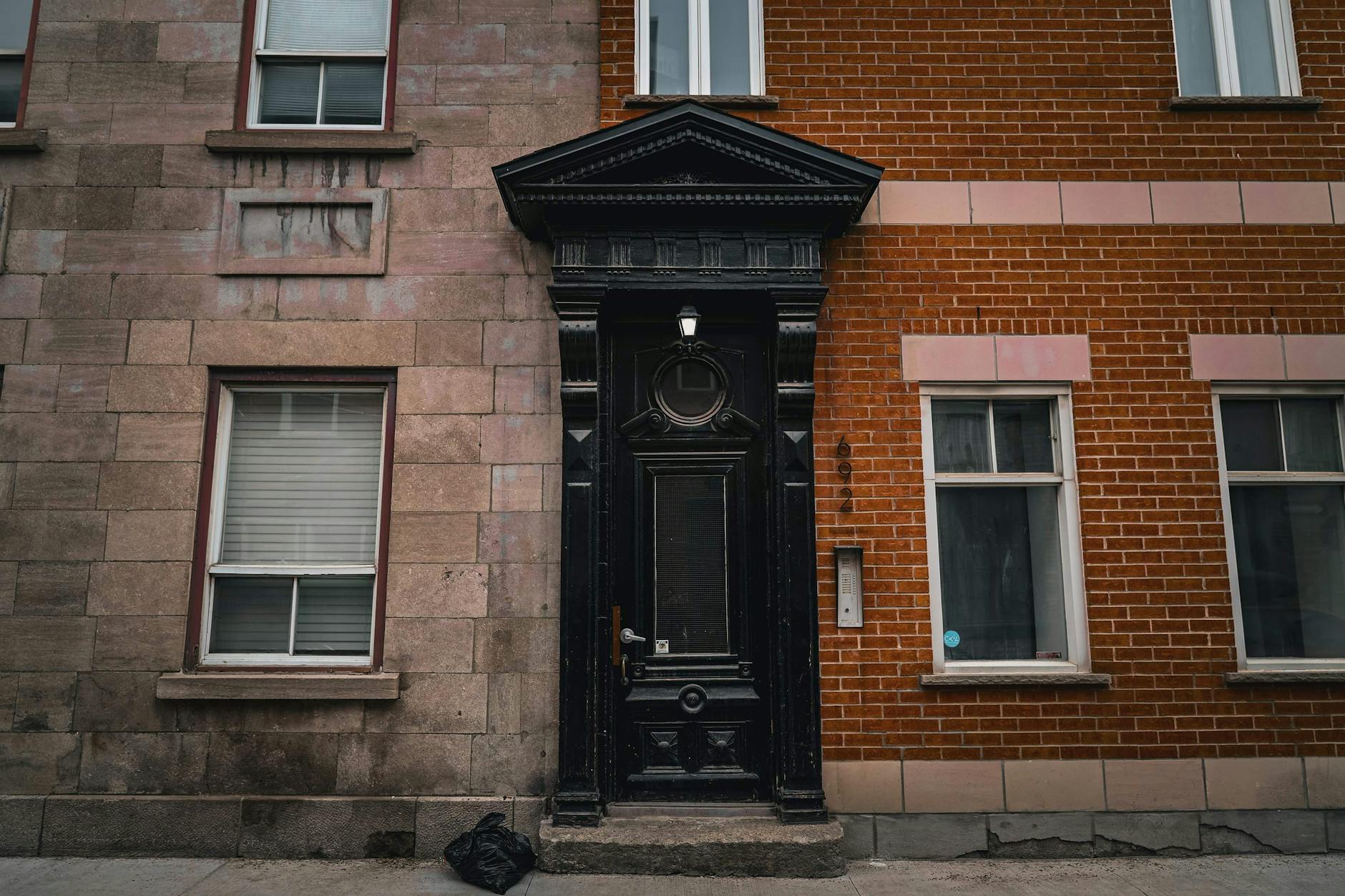
A first Quebec City trip often rewards a central old-town base. A repeat leisure visit may need a different hotel logic: quieter rooms, easier parking, stronger food access, a neighborhood feel, a better view, spa time, or a location that supports a new route. The traveler should not automatically rebook the same area.
If the repeat visit includes winter, mobility changes, a different companion, or a slower pace, hotel access should be reassessed from scratch. What worked once may not be ideal for a different version of the trip.
- Reconsider hotel location by the new purpose of the return trip.
- Check quiet, parking, view, food access, route fit, spa time, and weather movement.
- Do not assume the first-trip hotel is still the best base for a different itinerary.
Use the river and Levis differently
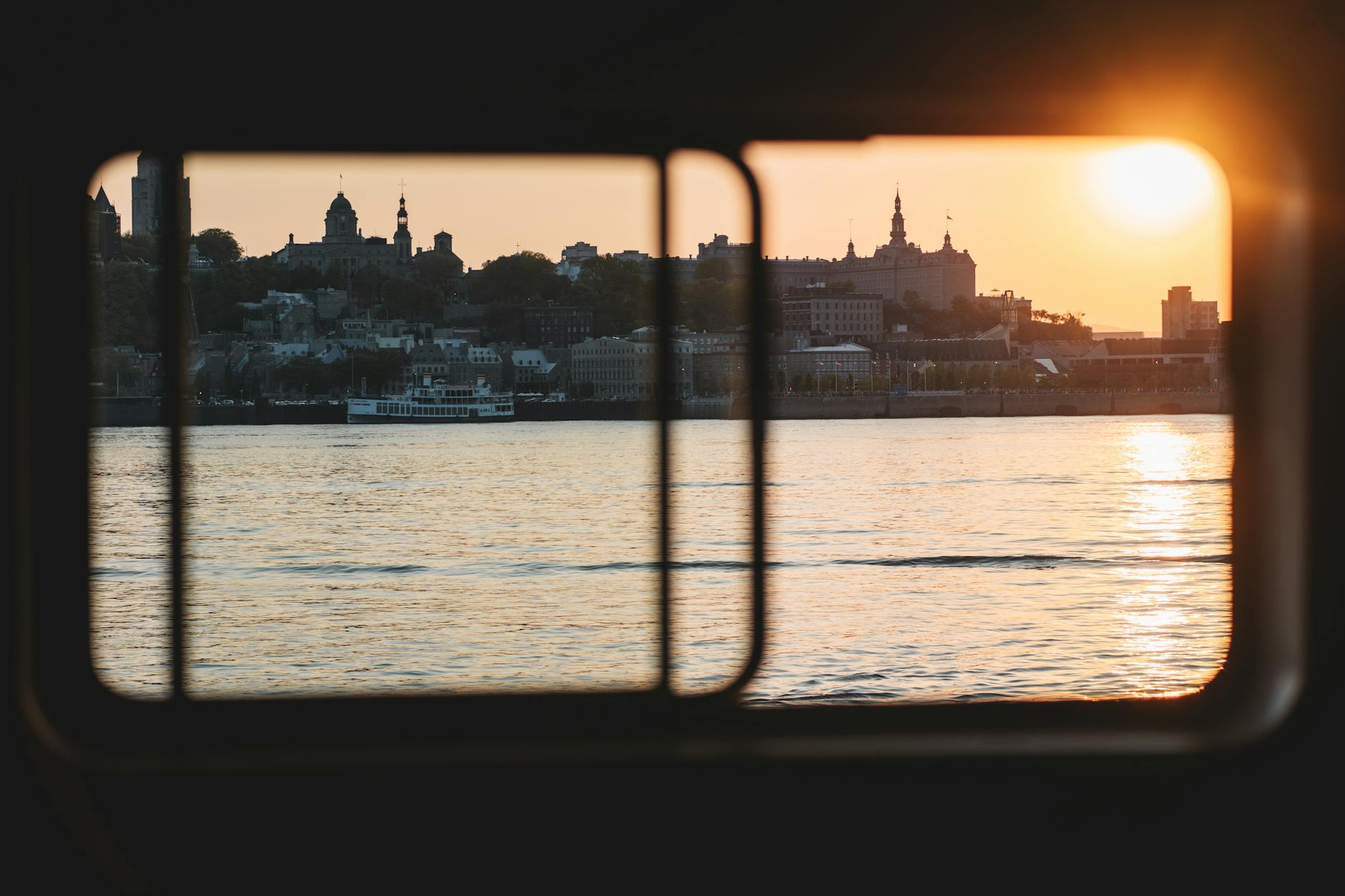
The river can give repeat visitors a different Quebec City. A ferry ride, Levis view, riverfront walk, evening skyline, or simple pause away from crowded streets can reset the trip. Repeat visitors are often better positioned to give the river real time because they are not racing through every first-time sight.
Weather still matters. Wind, cold, rain, and short daylight can change whether the river feels refreshing or punishing. The river should be planned with the same care as old-town walking.
- Use the ferry, Levis views, river walks, or skyline time to widen the return trip.
- Plan river movement around wind, temperature, daylight, and meal timing.
- Let the river provide contrast to the tight streets of Old Quebec.
When to order a short-term travel report
A repeat leisure visitor with a clear plan and known preferences may not need a custom Quebec City report. A report becomes useful when the traveler wants to avoid repeating the first trip, choose a different season, compare hotels, add neighborhoods, deepen food planning, manage winter conditions, include a new companion, or decide what is actually worth changing.
The report should test hotel fit, new routes, neighborhood value, seasonal tradeoffs, meals, river options, language context, budget, and what to cut. The value is a return to Quebec City that feels intentional rather than automatic.
- Order when the return trip needs a new purpose, new routes, or a different hotel strategy.
- Provide prior itinerary, dates, hotel preferences, interests, budget, pace, and what disappointed last time.
- Use the report to make the second visit deeper, not merely familiar.