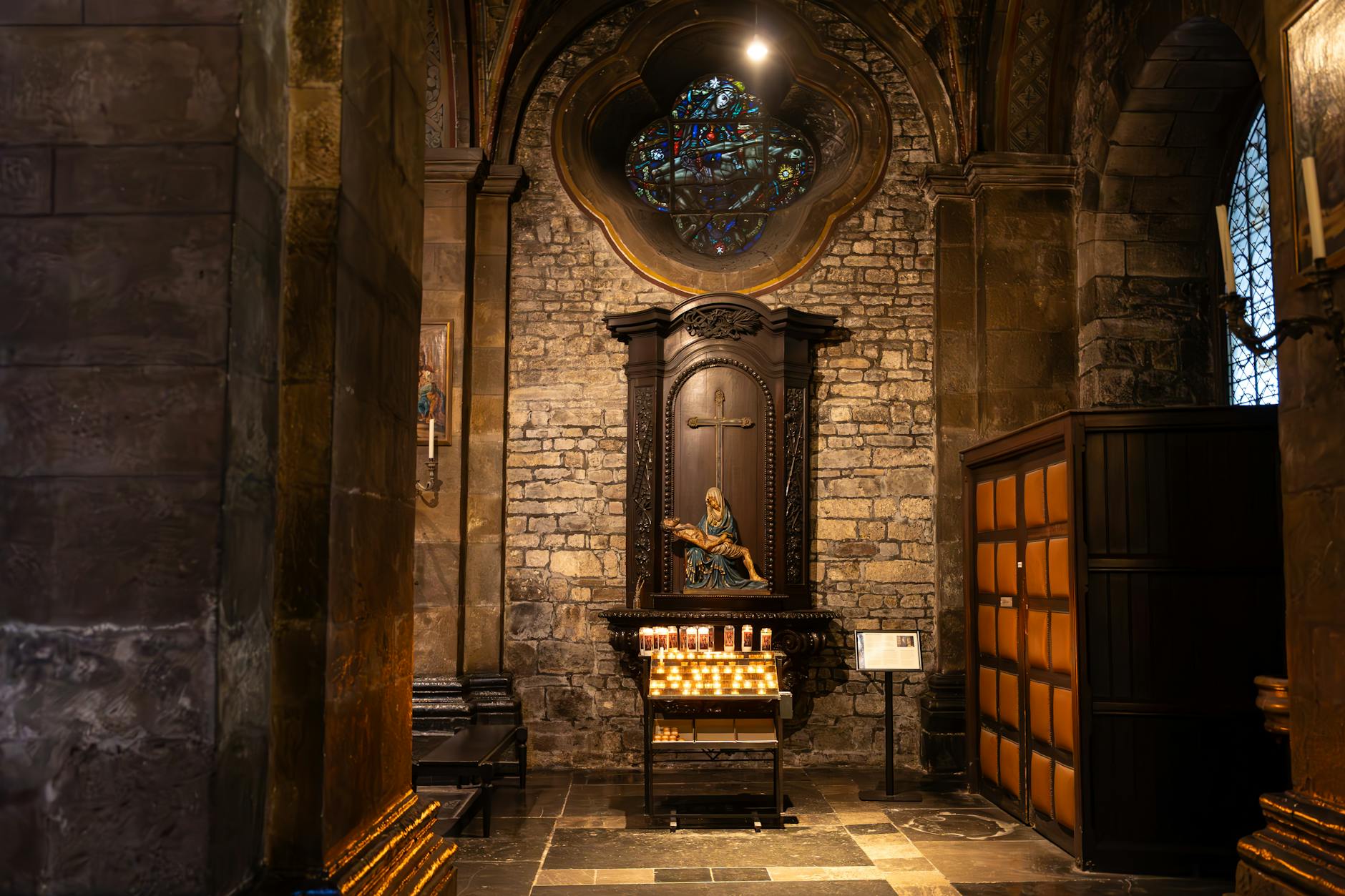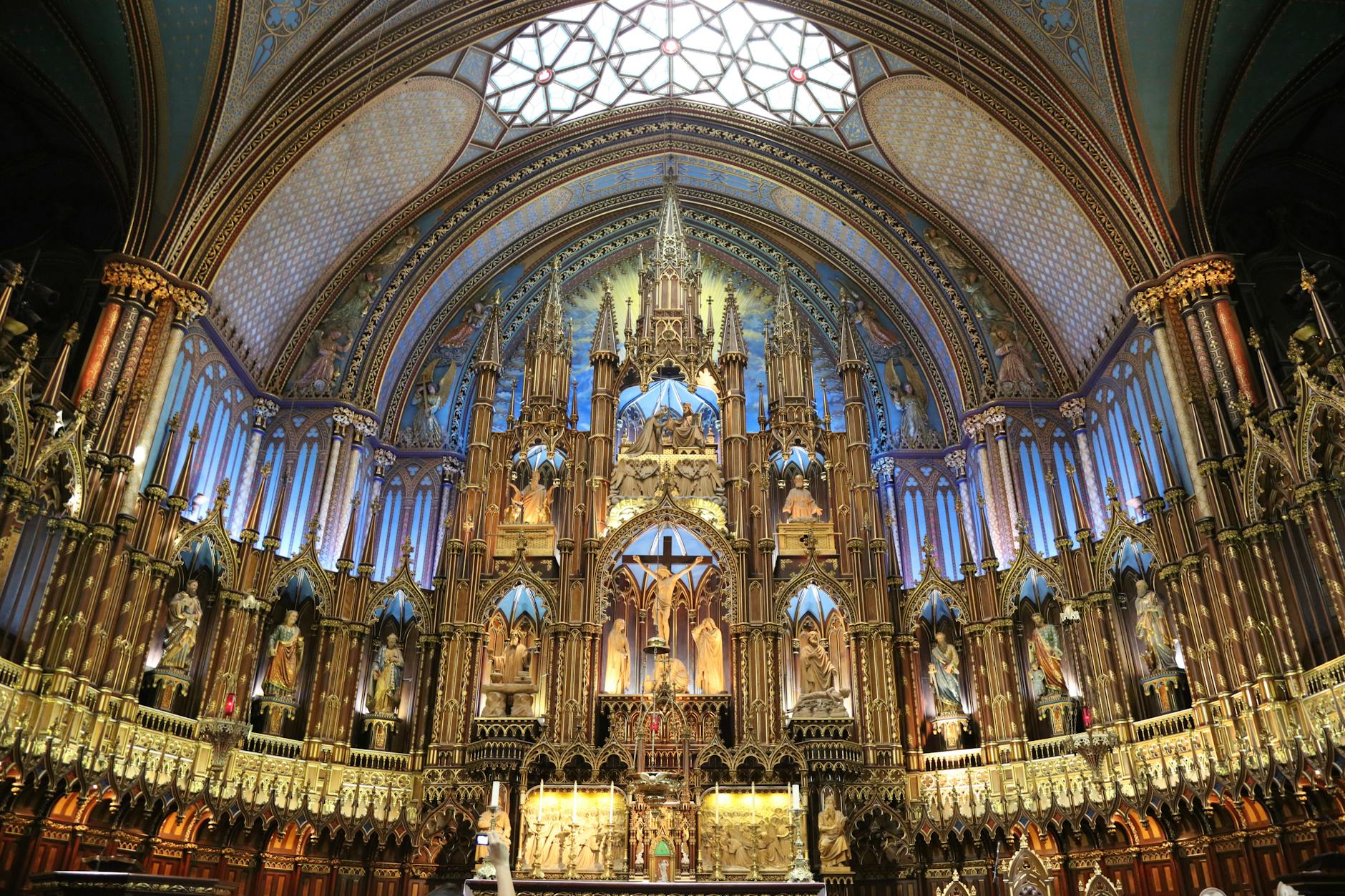
Quebec City can be a meaningful destination for religious and pilgrimage travel. Old Quebec has historic churches, chapels, religious art, convent and seminary context, and Catholic heritage close to visitor routes. Sainte-Anne-de-Beaupre, outside the city, can also become the main purpose of a short pilgrimage. That richness can be diluted if the traveler treats sacred sites as another scenic stop. A strong Quebec City religious trip starts with purpose. A traveler attending Mass, visiting Notre-Dame de Quebec, going to Sainte-Anne-de-Beaupre, traveling with a parish group, studying sacred architecture, or seeking personal reflection needs different timing, conduct, mobility planning, language preparation, and quiet space.
Define the spiritual purpose before the itinerary
A religious traveler should decide what the Quebec City trip is for before adding sites. Worship, pilgrimage, retreat, family devotion, sacred art, church history, parish travel, or personal reflection each needs a different rhythm. A route that works for a tourist may feel rushed or unfocused for someone traveling with a spiritual purpose.
The traveler should name the anchor: Mass, prayer, confession, a shrine visit, a guided heritage visit, time at Sainte-Anne-de-Beaupre, or quiet personal reflection. Everything else should support that anchor.
- Name the main purpose before listing churches, museums, meals, or scenic stops.
- Decide which sacred site, service, shrine, or quiet block is the real anchor.
- Keep the itinerary from becoming a sightseeing route with religious labels attached.
Check sacred-site access and service rhythm
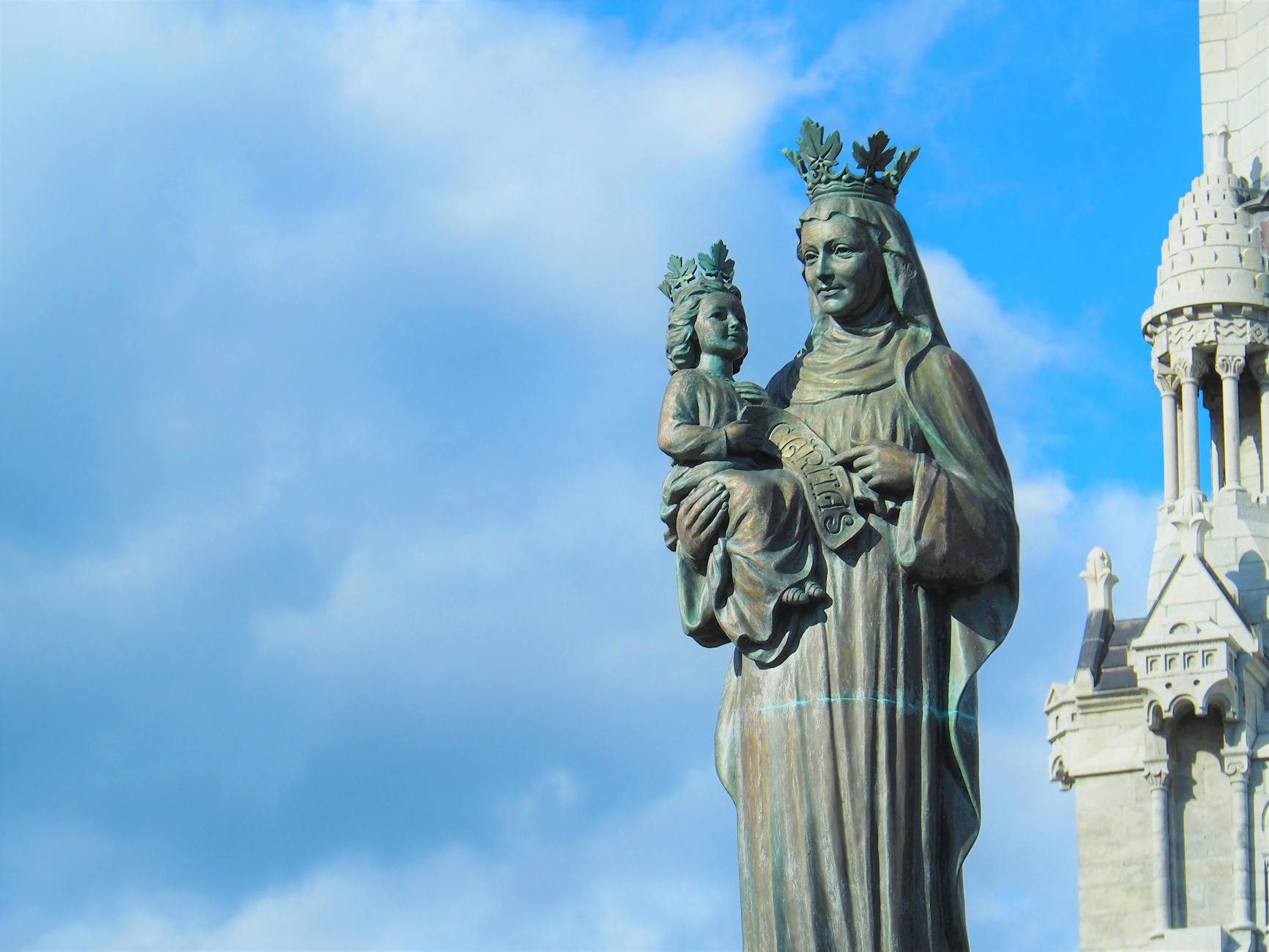
Quebec City sacred sites can have worship schedules, visiting hours, restoration closures, special events, group rules, and photography limits. A traveler should not assume that a church is open simply because it appears on a map. Service language, seasonal hours, and access to particular chapels or devotional areas may also matter.
This is especially important if Sainte-Anne-de-Beaupre is part of the trip. It requires transfer planning and enough time to arrive, pray, attend a service if desired, and return without rushing.
- Confirm service times, visiting hours, access limits, closures, language, and group requirements.
- Plan Sainte-Anne-de-Beaupre as a real excursion, not a casual add-on.
- Leave margin around worship, prayer, confession, and guided visits.
Separate worship from sightseeing time
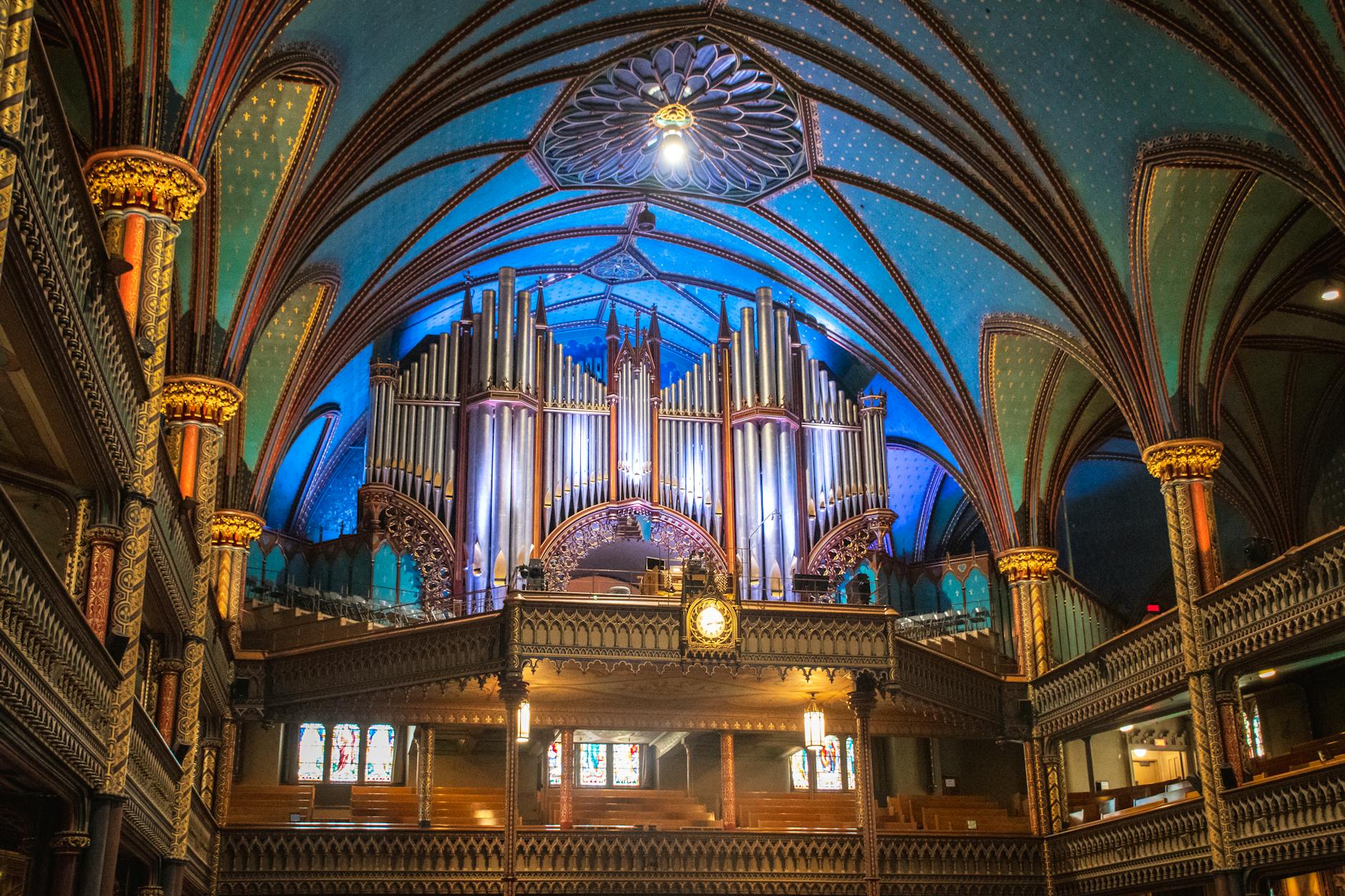
Old Quebec makes it easy to move from church to viewpoint to cafe to museum without noticing how quickly the day becomes ordinary sightseeing. A religious traveler should deliberately separate worship, reflection, heritage learning, meals, and leisure. Each has value, but they should not crowd one another.
A simple structure can help: one sacred anchor in the morning, a quiet rest block, one heritage stop, and limited evening activity. The goal is a trip that remains spiritually coherent.
- Give worship and reflection their own time blocks instead of fitting them between attractions.
- Use meals, museums, and walks around the spiritual purpose, not in competition with it.
- Avoid overloading a short stay with too many sacred and secular stops.
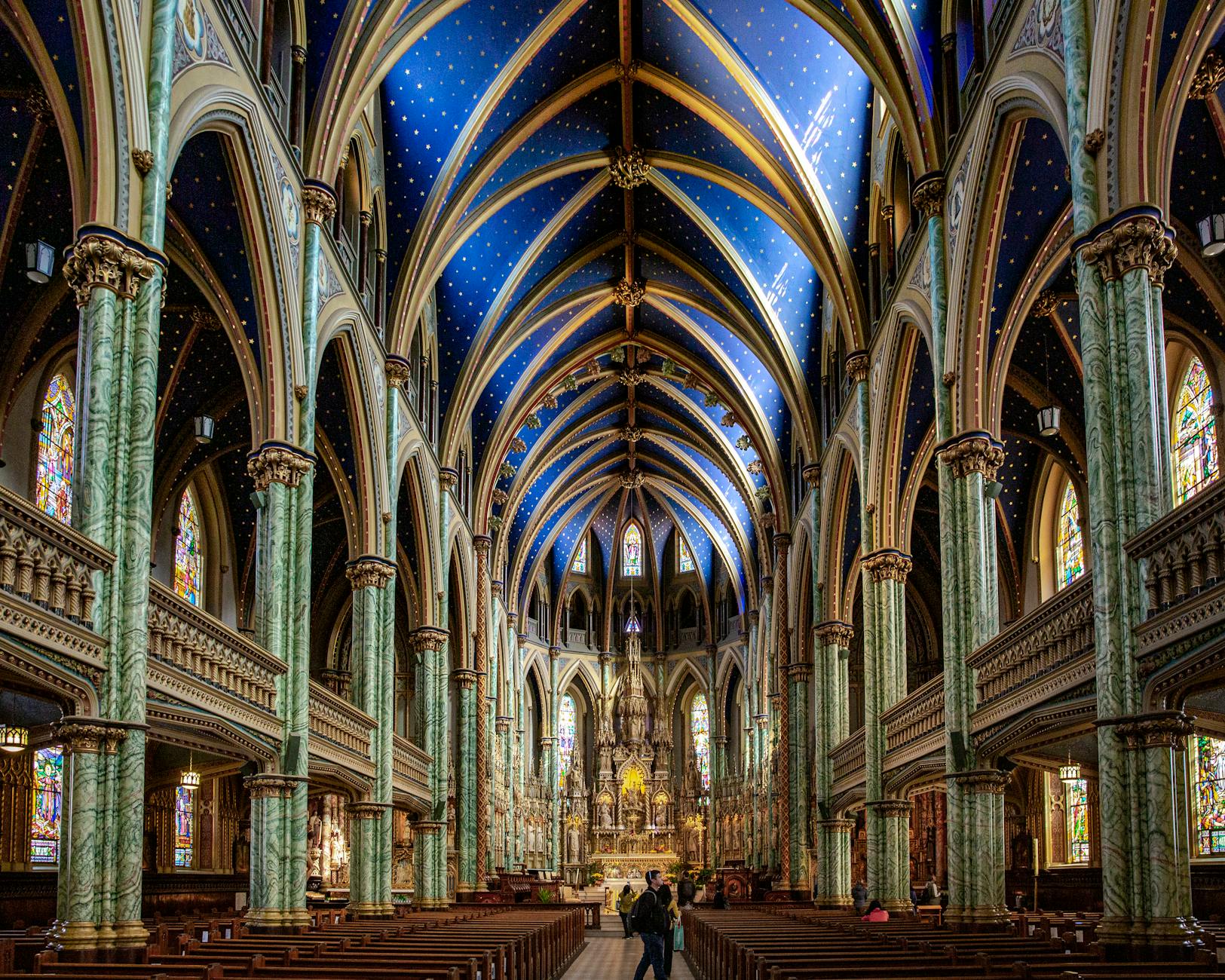
Plan conduct, dress, and photography in advance
Sacred places in Quebec City should be approached with attention to conduct. Dress, silence, phone use, flash photography, tripod use, group movement, donations, candles, and behavior during services should be planned before arrival. French-language signage may make rules less obvious for some visitors.
The traveler should also decide what not to photograph. A meaningful religious trip does not need to turn every devotional moment, worshipper, or quiet space into content.
- Check dress, silence, phone, flash, tripod, donation, candle, and group conduct expectations.
- Prepare basic French for greetings, service questions, and site rules.
- Avoid photographing worshippers, private devotion, or restricted areas without clear permission.
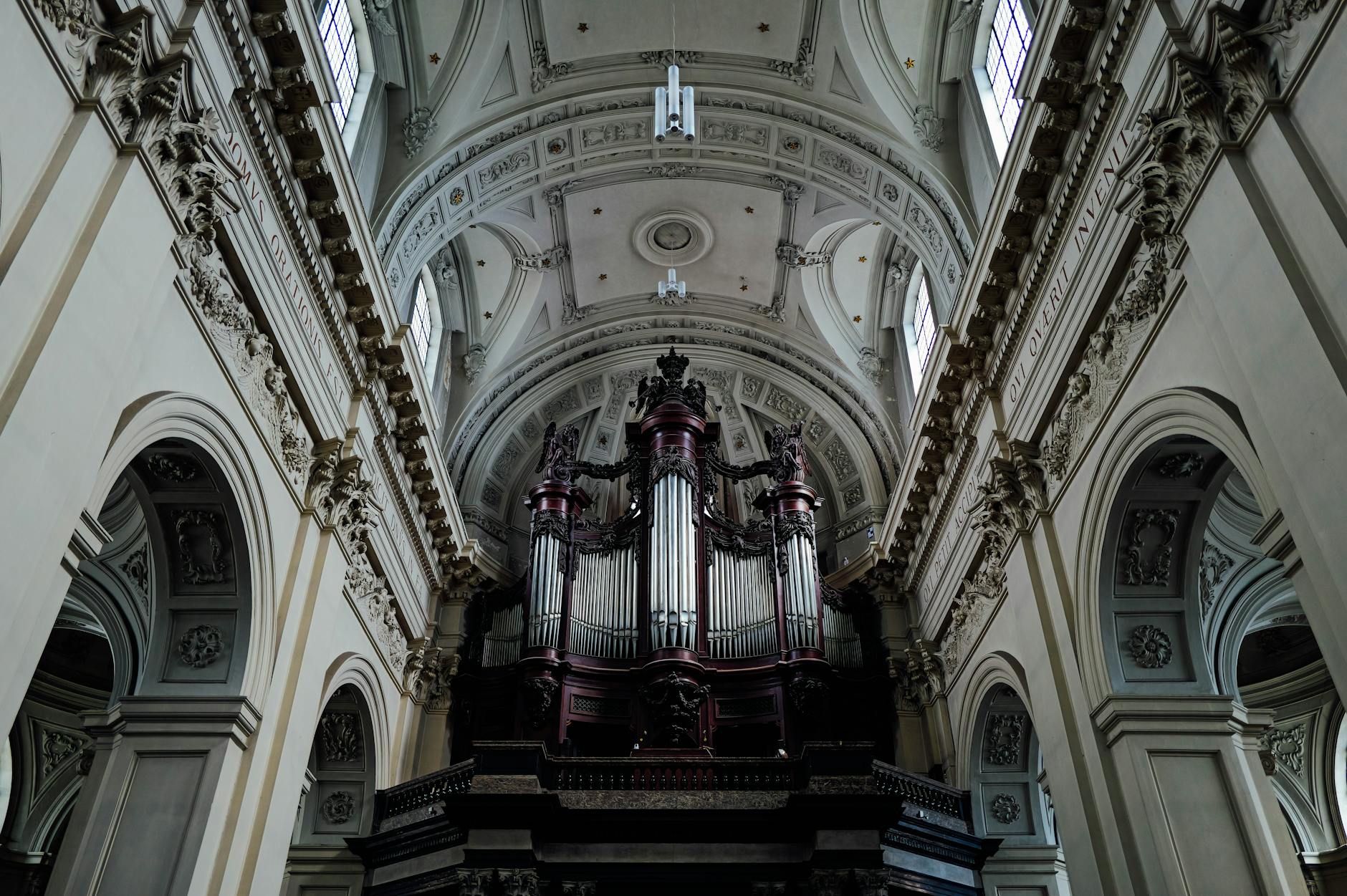
Account for hills, winter, mobility, and fatigue
Quebec City can be physically demanding for religious travelers. Old Quebec has hills, stairs, cobblestones, ice, snow, wind, and uneven surfaces. Sacred sites may have steps, limited seating, long standing periods, or crowded entrances. A pilgrimage group with older travelers or mobility limits should plan carefully.
The traveler should choose footwear, taxis, rest stops, accessible entrances, and pacing based on the actual season. Reverence is harder when the day is physically unrealistic.
- Plan around hills, stairs, cobblestones, snow, ice, wind, and long standing periods.
- Confirm accessible entrances, seating, taxis, and rest stops before the day starts.
- Use winter clothing and footwear that support worship, not just photographs.
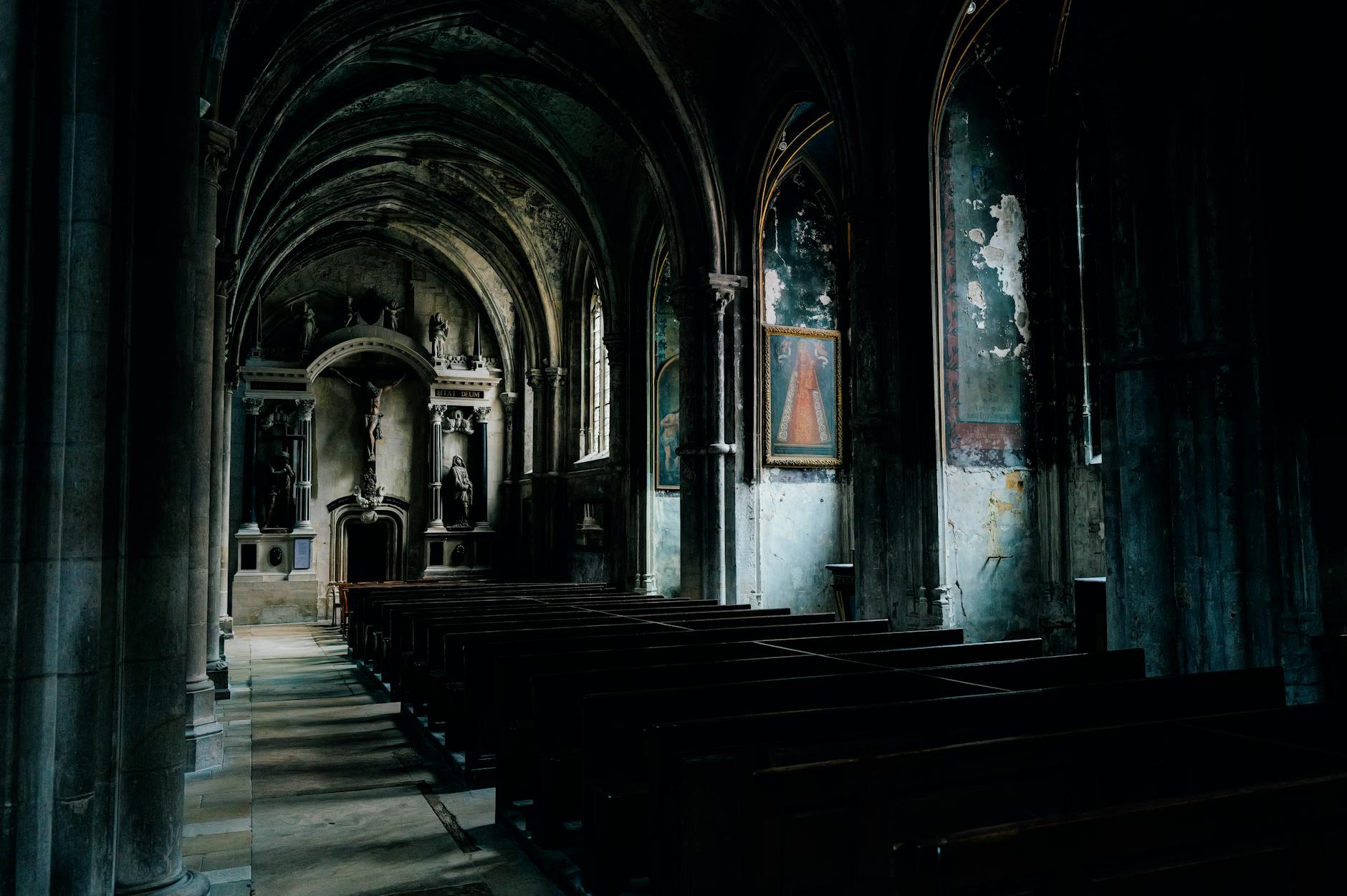
Handle heritage and history with care
Religious heritage in Quebec City is not just decorative architecture. Churches, seminaries, shrines, religious communities, cemeteries, missions, Indigenous history, colonial history, and language politics can carry complex meaning. A traveler should approach sacred history with humility rather than collecting sites as trophies.
Guided visits, good reading, and thoughtful pacing can help. The traveler should leave time to understand what a place represents, not only how it looks.
- Treat churches, shrines, cemeteries, religious art, and community histories as more than scenery.
- Use guided context or preparation when heritage is central to the trip.
- Leave time for reflection after sites with complex religious or historical meaning.
When to order a short-term travel report
A traveler attending one familiar service in Quebec City may not need a custom report. A report becomes useful when the trip involves Sainte-Anne-de-Beaupre, a parish group, older travelers, winter mobility, several sacred sites, French-language service questions, photography limits, accessible routes, or a need to balance pilgrimage with family sightseeing.
The report should test sacred-site timing, service access, transportation, mobility, winter clothing, quiet time, meal placement, lodging, budget, and what to cut. The value is a Quebec City religious trip that remains reverent, realistic, and personally meaningful.
- Order when sacred-site access, winter mobility, service timing, or group pacing need testing.
- Provide dates, sacred priorities, service needs, lodging options, mobility constraints, budget, and group details.
- Use the report to keep the trip spiritually coherent and practically workable.