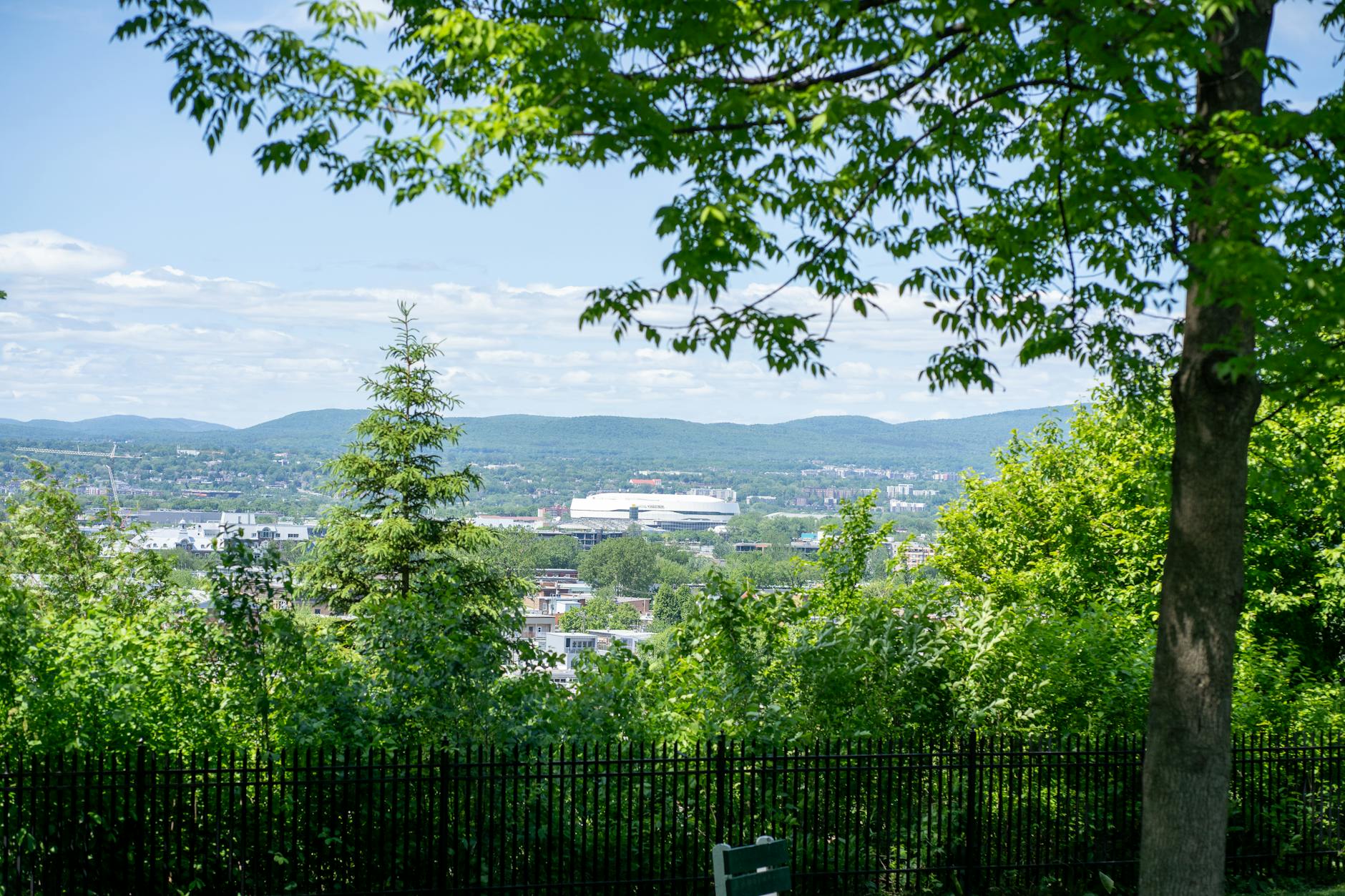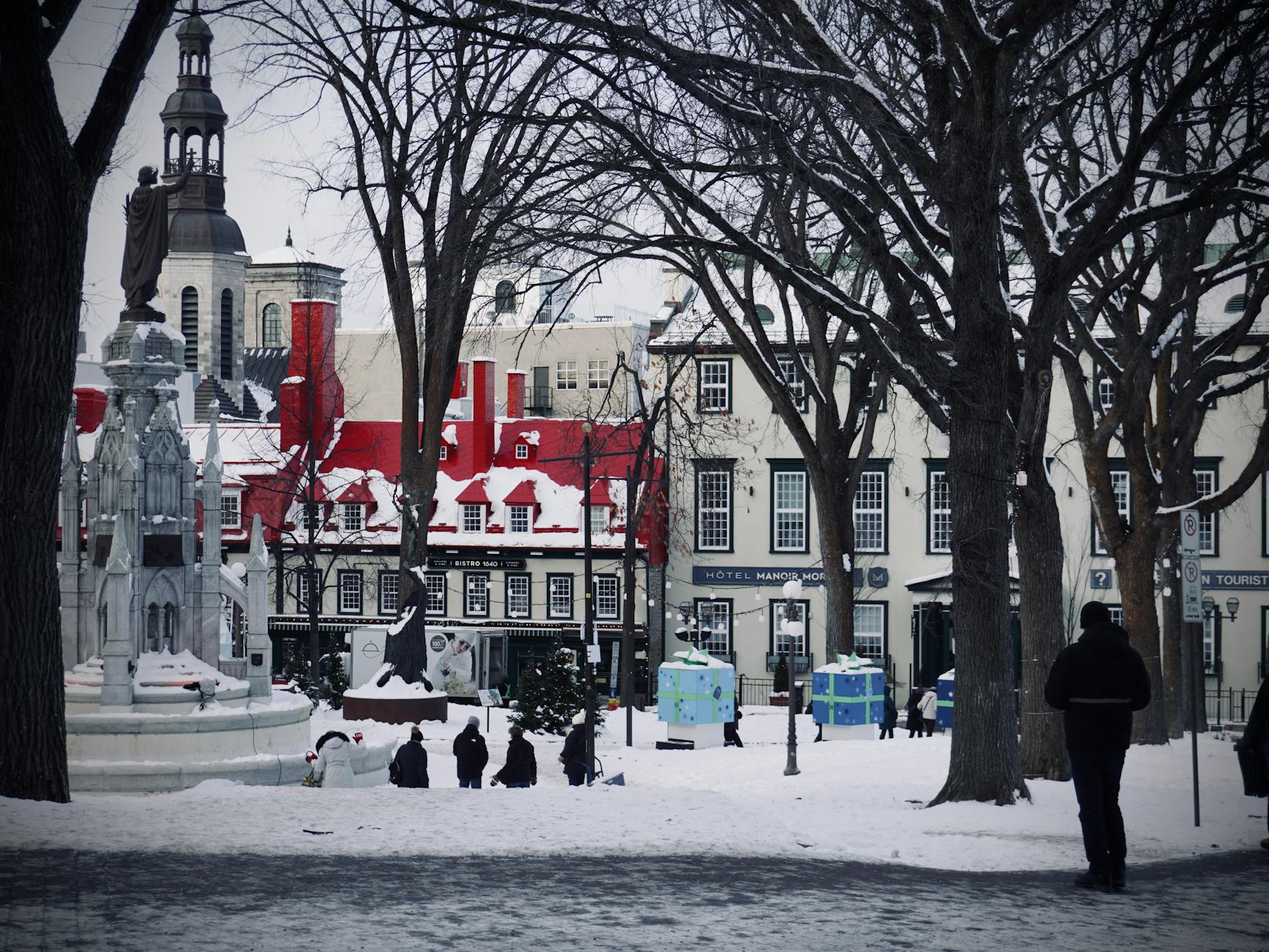
Quebec City can be deeply rewarding for older travelers because it offers strong hotels, historic streets, river views, good meals, compact sightseeing, and a sense of place that appears quickly. It can also become physically demanding if the traveler underestimates hills, cobblestones, stairs, winter ice, and the effort of moving between Upper Town and Lower Town. A strong older-traveler plan does not make the city smaller. It makes it more usable. The right base, taxi strategy, seasonal clothing, route order, meal timing, and rest breaks can turn Quebec City from a beautiful endurance test into a well-paced stay.
Plan around hills, cobblestones, and winter footing
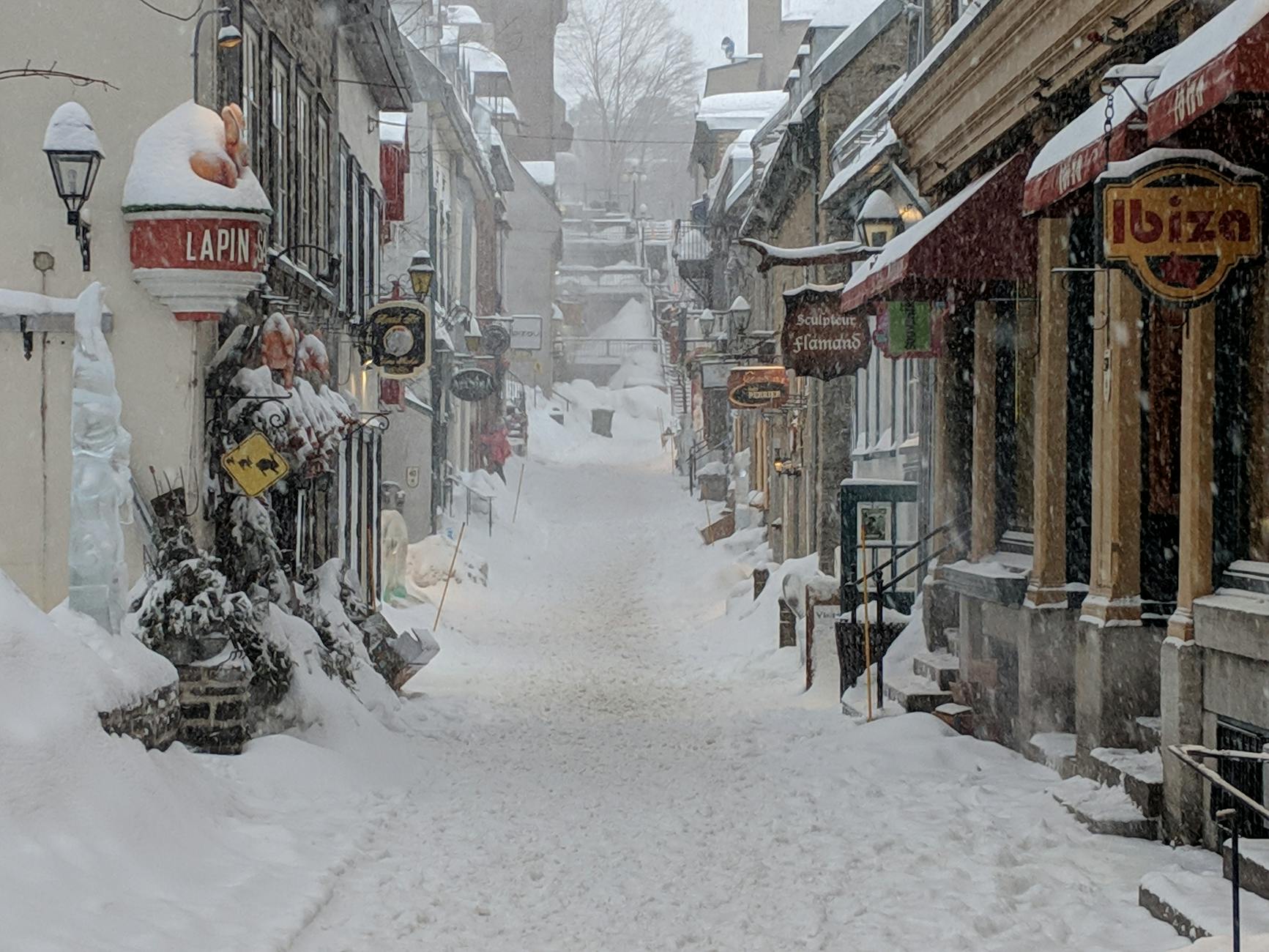
Older travelers should treat Quebec City's terrain as a central planning issue. Old Quebec is beautiful partly because it is old, sloped, and textured. Cobblestones, stairs, curbs, narrow sidewalks, winter ice, slush, and uneven surfaces can affect balance, knees, hips, stamina, and confidence.
This does not mean avoiding the historic core. It means choosing route order, footwear, taxi use, and rest breaks carefully enough that the traveler can enjoy it without spending the trip recovering from it.
- Plan for hills, cobblestones, stairs, curbs, snow, ice, slush, and uneven sidewalks.
- Use footwear and traction appropriate to the season and walking surface.
- Choose routes that protect balance and stamina rather than proving endurance.
Choose the hotel for access first
Hotel choice matters more for older travelers in Quebec City than it may appear. Elevators, step-free entrance, taxi drop-off, bathroom safety, heating or air conditioning, quiet rooms, breakfast, room service, nearby restaurants, and the walking grade to main sights can determine whether the stay feels comfortable.
A charming old property can be excellent if access details work. If they do not, charm becomes friction. The traveler should check the exact room type, entry sequence, and route from lobby to street before booking.
- Check elevators, step-free entry, taxi access, bathroom safety, quiet, breakfast, and room comfort.
- Verify the walking grade from hotel to sights, restaurants, and pickup points.
- Do not let historic charm override access needs that will matter every day.
Use taxis and shorter routes without guilt
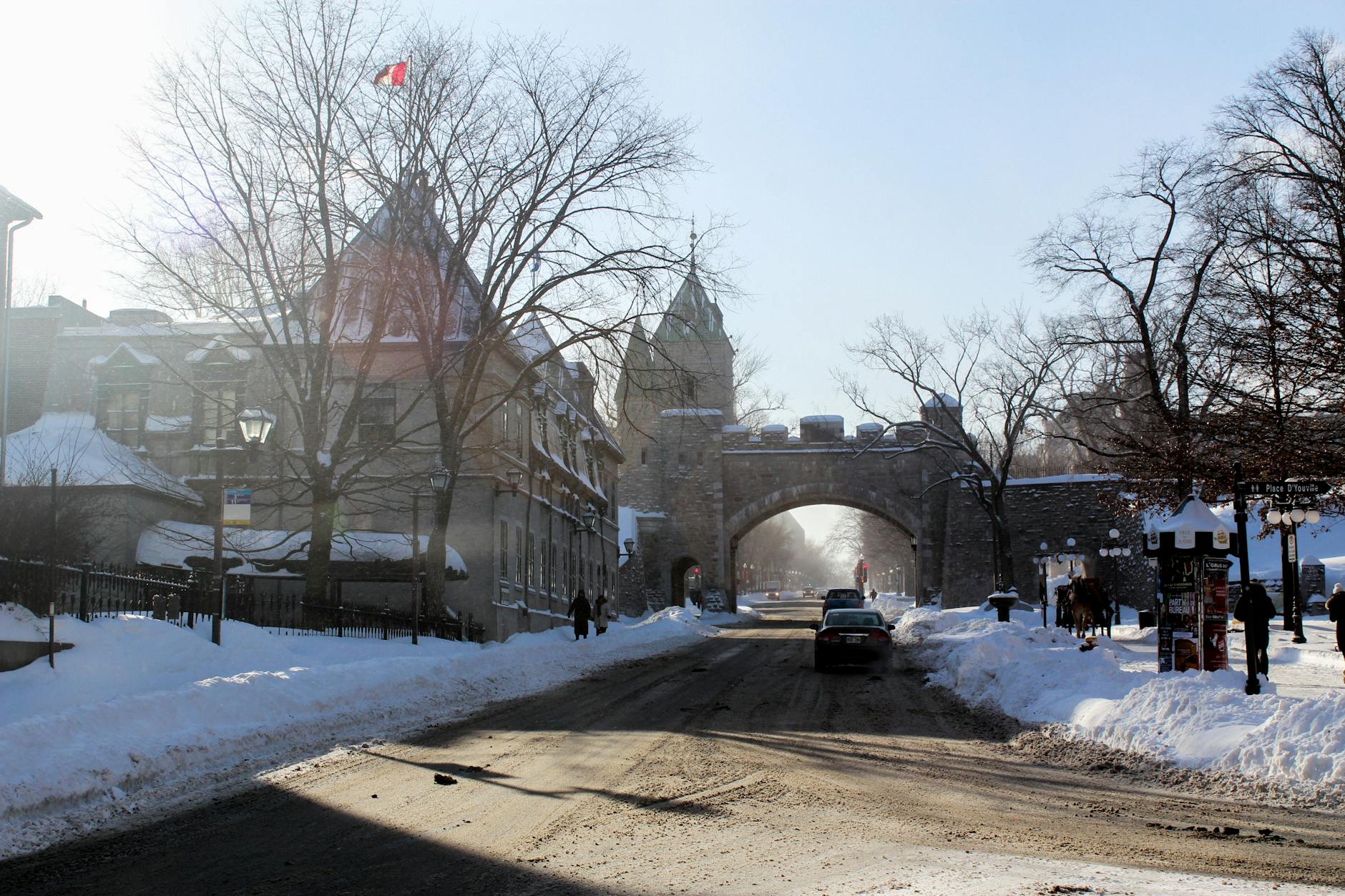
Quebec City is compact, but compact does not mean effortless. Older travelers should use taxis, car service, funicular options, and shorter routes when they protect the quality of the day. A taxi up a hill may be the difference between enjoying dinner and arriving tired before the meal starts.
The traveler should identify pickup points, hotel taxi access, likely wait times, and what routes should never be walked in bad weather. Conserving energy is not a concession. It is how a short trip stays enjoyable.
- Use taxis, car service, funicular options, and shorter routes to protect the day.
- Identify pickup points and difficult walking segments before weather or fatigue intervenes.
- Save walking effort for the places where it actually improves the visit.
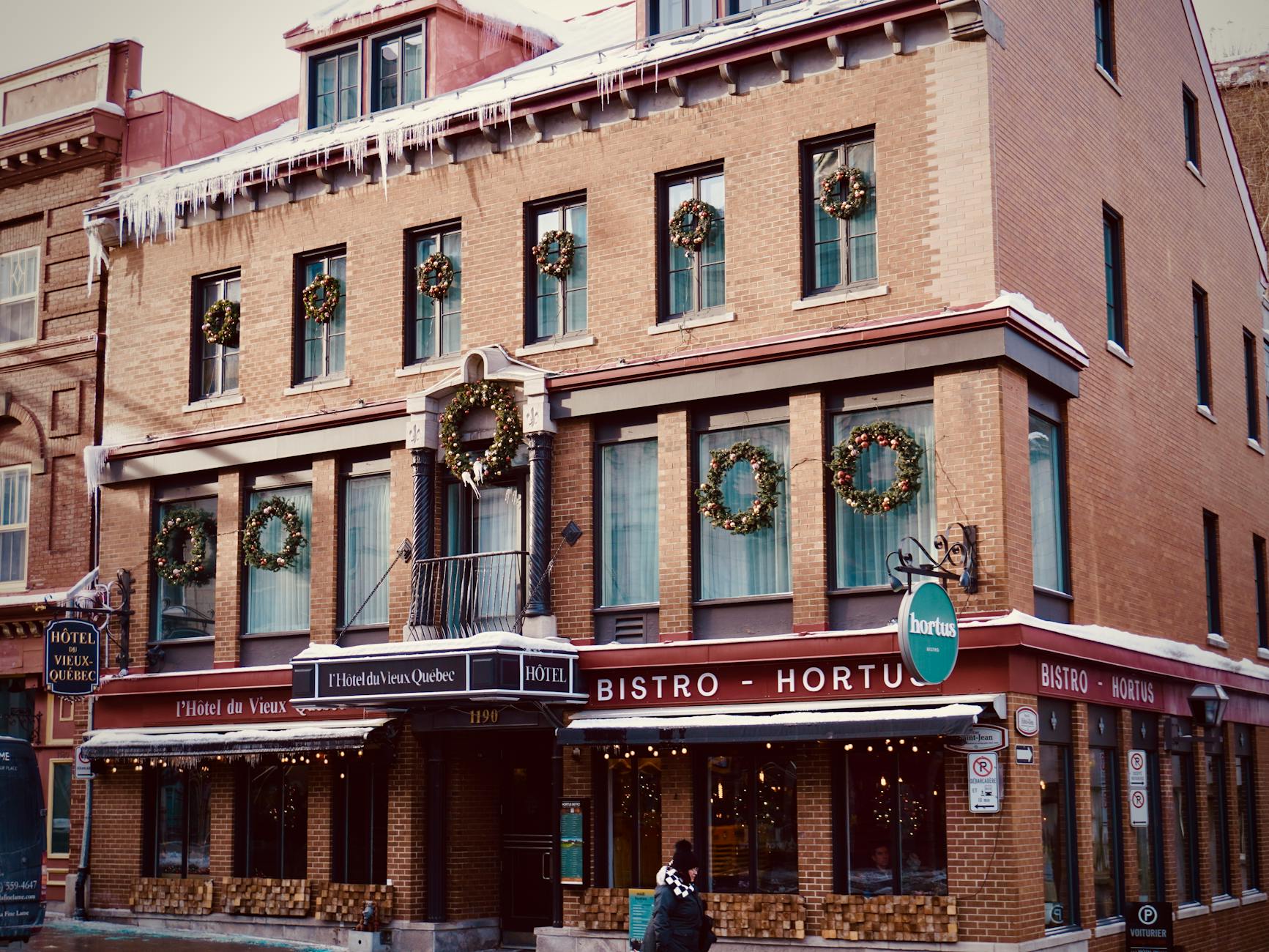
Build rest breaks into the route
Quebec City rewards slow looking, which makes it well suited to older travelers when the schedule allows pauses. The itinerary should include seated breaks, warm interiors in winter, shaded pauses in summer, reliable bathrooms, and meals that are not placed too far apart. A route without rest points can make a modest day feel difficult.
Museums, cafes, hotel lounges, restaurants, churches, viewpoints, and short scenic stops can all help. The plan should make rest feel like part of the trip rather than a failure to keep up.
- Schedule seated breaks, bathrooms, warm interiors, shaded pauses, and realistic meal timing.
- Use cafes, museums, hotel lounges, churches, restaurants, and viewpoints as pacing tools.
- Treat rest as itinerary design, not as an emergency response.
Handle medication, meals, and medical contingencies
Older travelers should plan medication timing, refrigeration if needed, travel insurance, pharmacy access, mobility aids, emergency contacts, and how weather or delays could affect health routines. Quebec City is not remote, but a short trip can still become stressful if normal routines are disrupted.
Meals matter too. Heavy winter food, late reservations, alcohol, long waits, and uphill returns can affect sleep and comfort. The traveler should choose restaurants that match both taste and practical needs.
- Plan medication, refrigeration, pharmacy access, insurance, emergency contacts, and mobility aids.
- Choose meal timing and restaurants that support comfort, sleep, and return logistics.
- Carry health information and essentials in a way that survives delay or lost luggage.
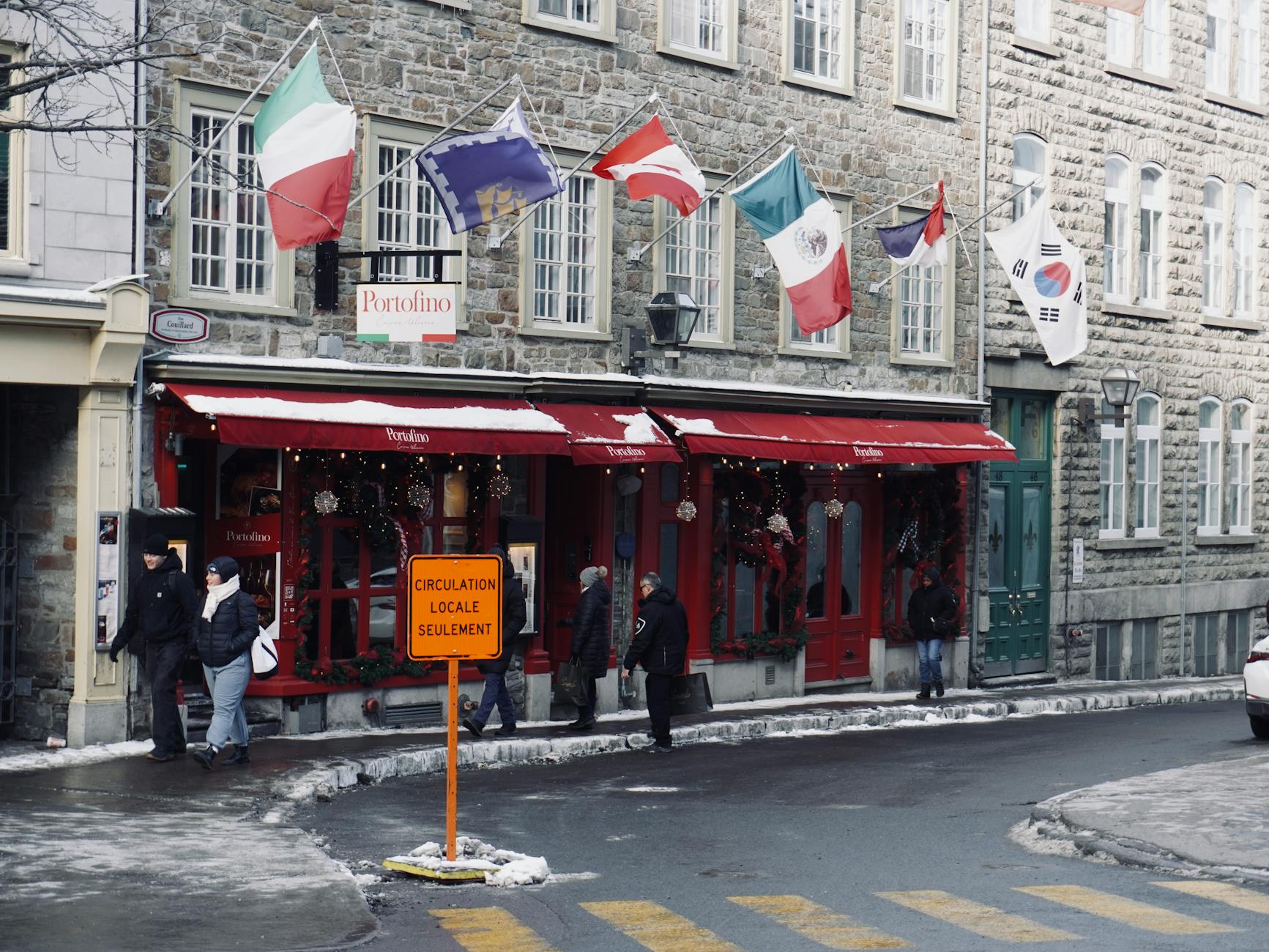
Choose the season honestly
Quebec City winter can be beautiful, but it is physically demanding. Older travelers should decide whether snow, ice, cold, short daylight, and heavy clothing are part of the desired experience or a risk to the trip. Summer and autumn may be easier, but crowds, prices, and heat can still matter.
The right season is the one that matches the traveler's stamina, balance, medical needs, and interest in outdoor walking. A traveler who loves winter may thrive; a traveler who worries about footing should not be talked into romance by photos alone.
- Evaluate winter beauty against snow, ice, cold, short daylight, and walking confidence.
- Consider summer and autumn for easier surfaces, while still planning for crowds and cost.
- Choose season by stamina, balance, medical needs, and desired outdoor time.
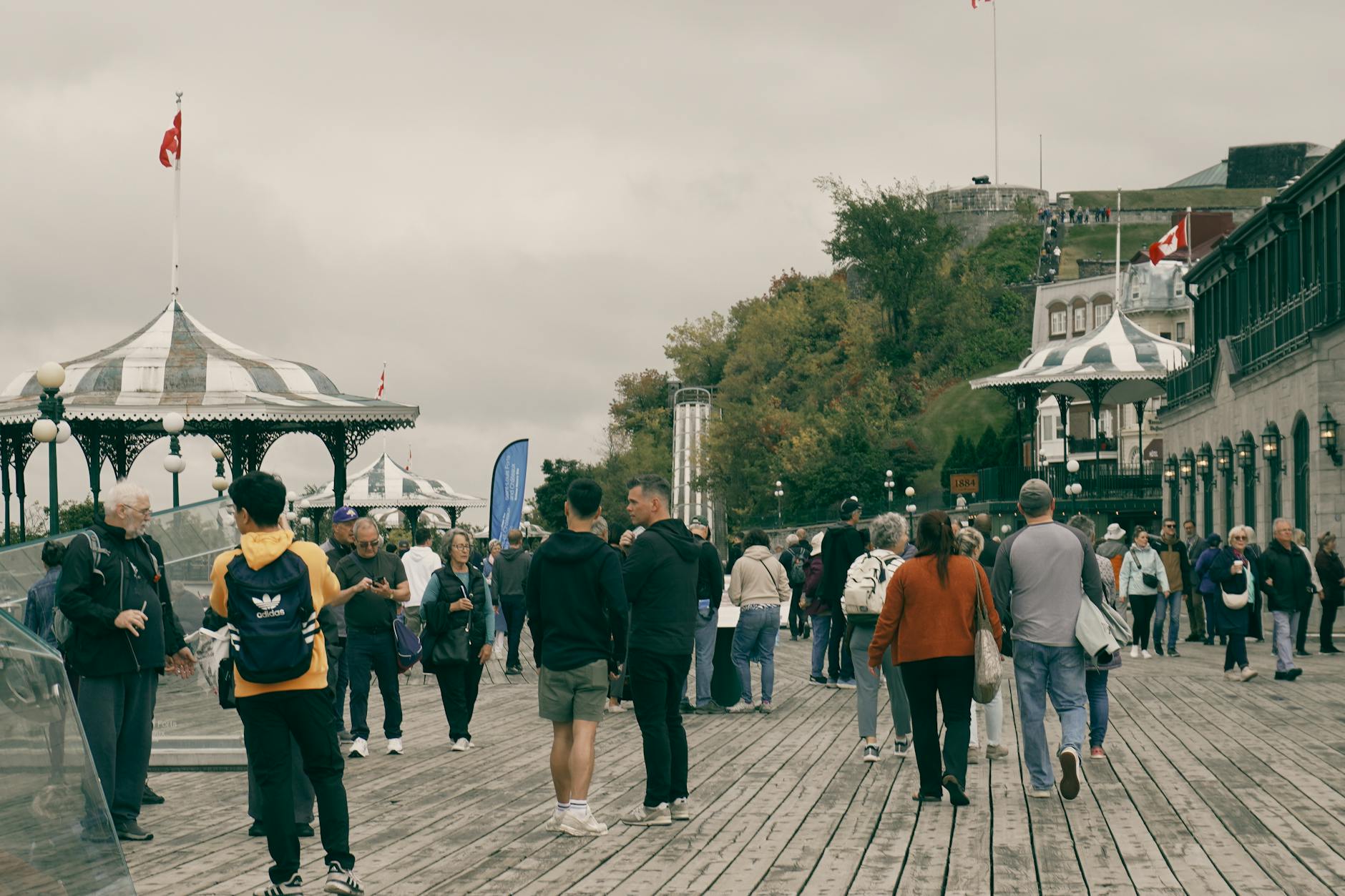
When to order a short-term travel report
An older traveler with a strong hotel, mild-season dates, and flexible pacing may not need a custom Quebec City report. A report becomes useful when hills, winter footing, hotel access, medication logistics, mobility aids, restaurant timing, airport transfers, or a tight itinerary could affect comfort and safety.
The report should test hotel access, route effort, taxi strategy, weather, rest breaks, bathrooms, meals, medication routines, airport movement, budget, and what to cut. The value is a Quebec City trip that remains rich without making the traveler fight the city.
- Order when terrain, winter footing, hotel access, medication, mobility, or pacing need testing.
- Provide dates, hotel options, walking limits, medical constraints, meal needs, budget, and priorities.
- Use the report to keep Quebec City beautiful and manageable at the same time.