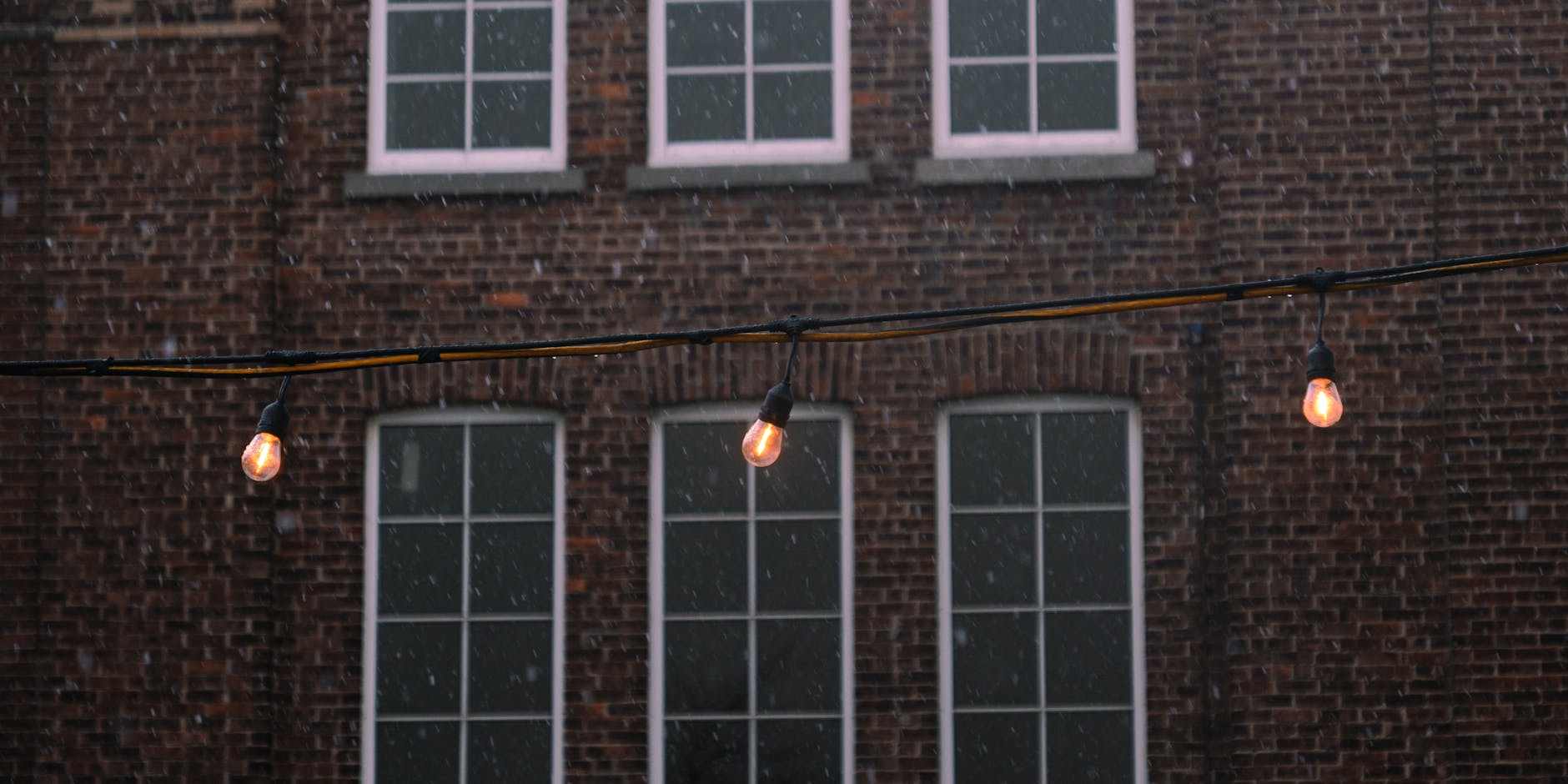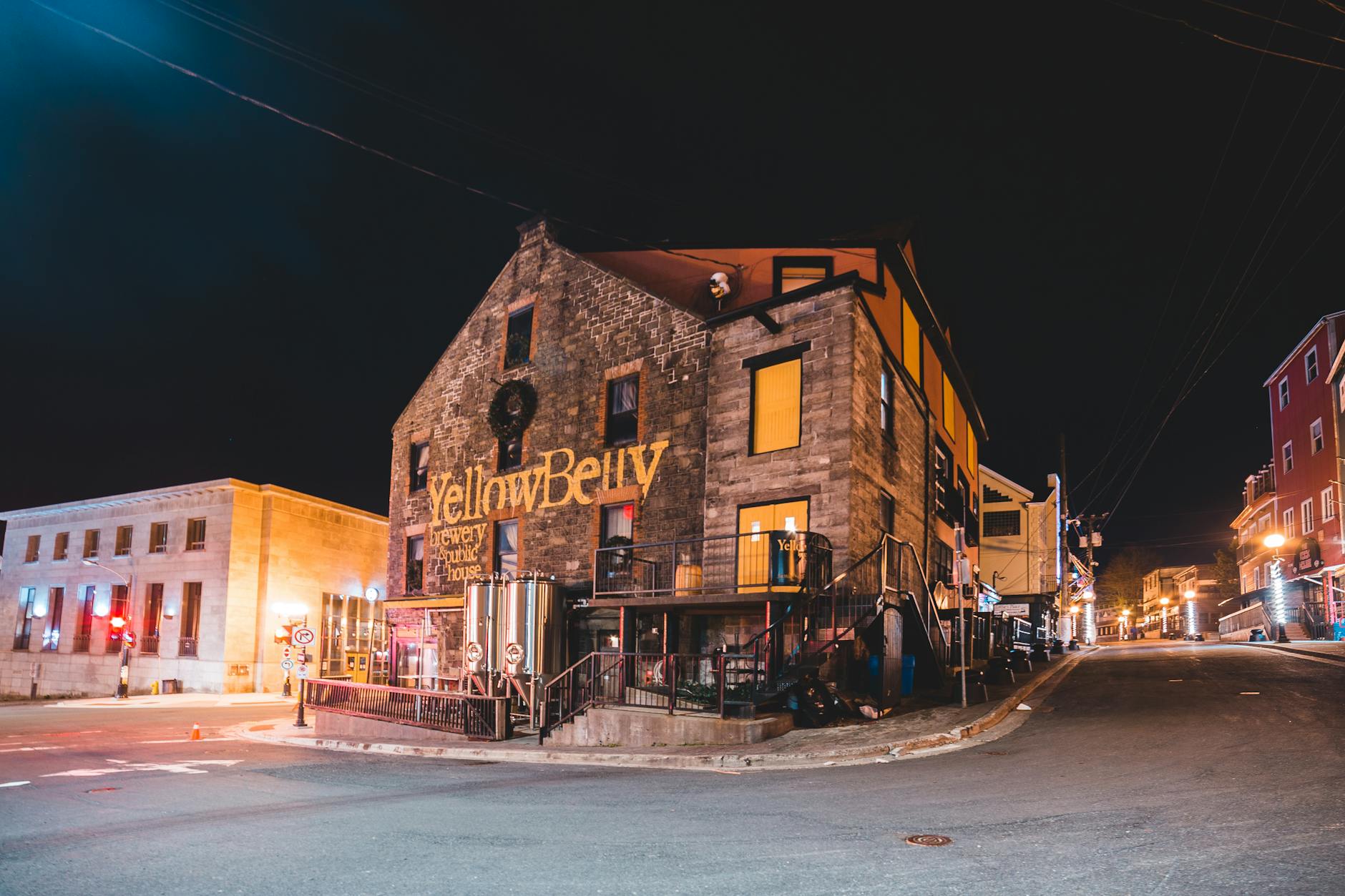
Quebec City nightlife is smaller and more atmospheric than many big-city party districts, which can be an advantage for the right traveler. Old Quebec, Saint-Roch, hotel bars, restaurants, pubs, cocktail rooms, live music, winter lights, and festival periods can produce strong evenings. The risk is expecting a generic nightlife city and failing to plan around local geography, language, weather, and closing rhythms. A strong Quebec City nightlife trip is not just a list of bars. The traveler needs to choose the right tone, neighborhood, hotel base, dinner timing, late transport, spending discipline, safety rules, and recovery rhythm so the nights support the trip instead of consuming it.
Choose the kind of night before choosing venues
A nightlife-focused traveler should decide what kind of Quebec City evening they want before choosing venues. A quiet cocktail night, food-led evening, pub crawl, live music plan, festival night, hotel-bar evening, or late social night each requires different neighborhoods, clothing, budget, transport, and recovery. The city rewards clarity.
Without a defined tone, the traveler may spend too much time moving between places that do not match. A short trip usually works better with one clear evening plan than with a vague list of options.
- Choose the evening tone: cocktails, food, pubs, live music, festival, hotel bar, or late social night.
- Match venues, clothing, transport, and budget to that tone.
- Avoid building a night around too many disconnected stops.
Choose neighborhoods by atmosphere and risk
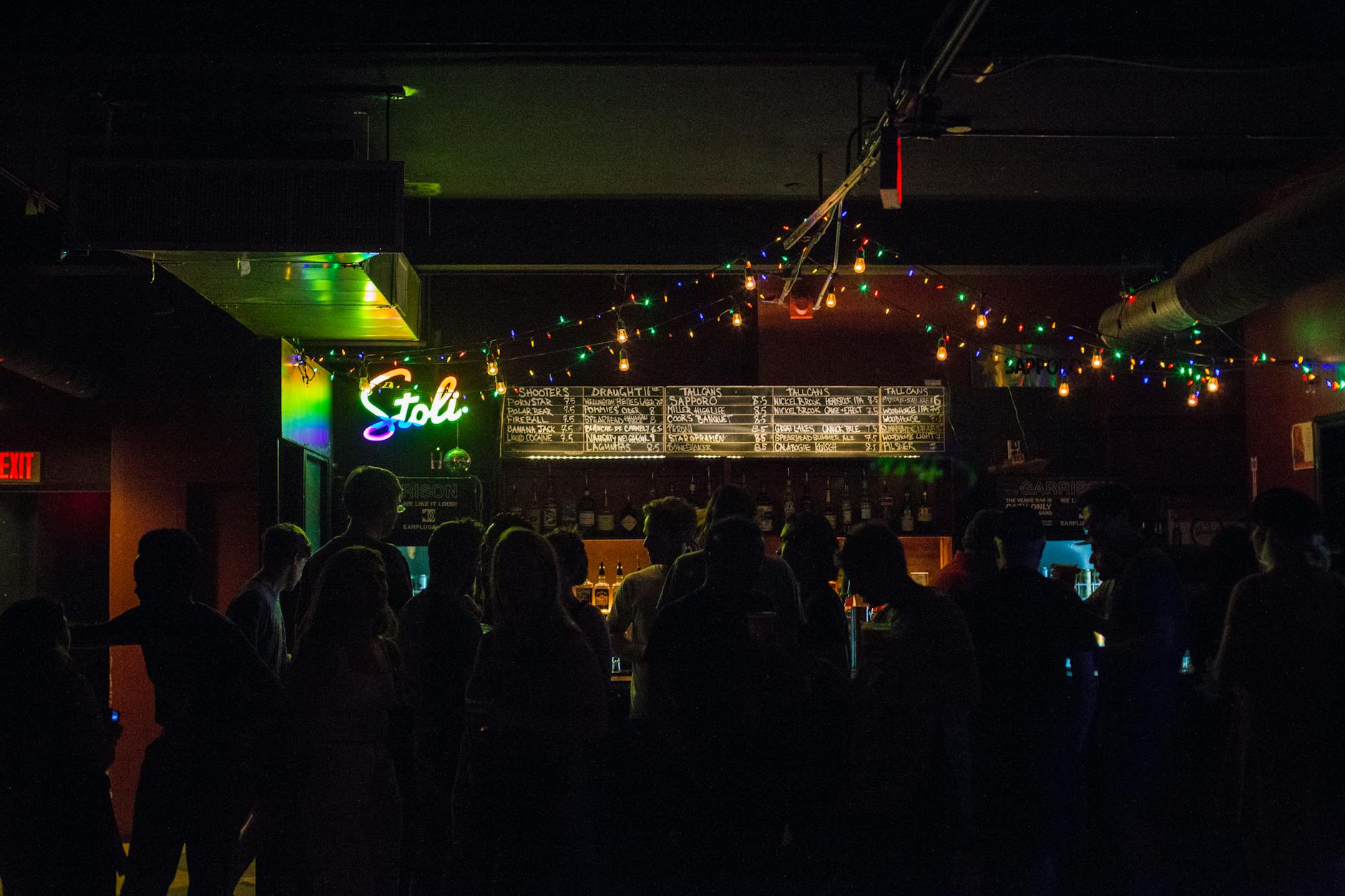
Old Quebec, Saint-Roch, Grande Allee, hotel districts, restaurant streets, and event areas can feel different after dark. A traveler should choose neighborhoods by atmosphere, walking distance, winter exposure, language comfort, crowd type, and the trip's safety profile. The most scenic evening route may not be the simplest late-night route.
Hotel location matters. A nightlife traveler should know whether they can walk back safely, use a taxi, or keep the evening close to lodging when weather or fatigue is a factor.
- Compare Old Quebec, Saint-Roch, Grande Allee, hotels, and restaurant areas by tone and logistics.
- Plan late returns before the first drink, especially in winter.
- Choose a hotel base that reduces exposed late-night movement.
Time dinner, shows, bars, and late transport together
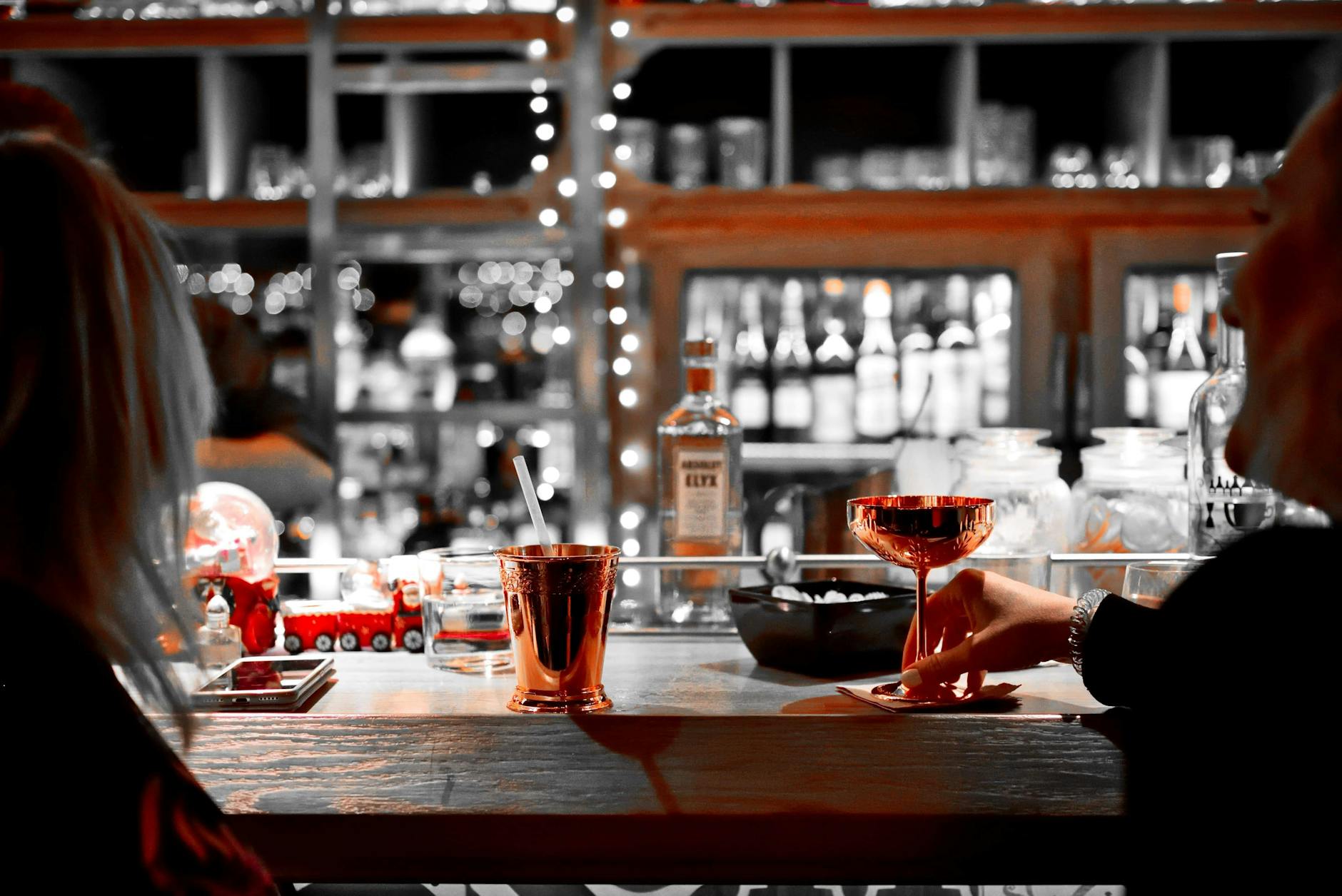
Quebec City evenings can work beautifully when dinner, live music, bars, winter walking, and late transport are planned as one sequence. A reservation far from the next stop, a show that ends after taxis are scarce, or a long icy walk between venues can weaken the night quickly.
The traveler should reserve key meals, confirm show times, check venue hours, and decide the final stop before going out. A clean evening sequence usually creates more freedom, not less.
- Plan dinner, shows, bars, walking distance, weather exposure, and late transport together.
- Reserve key venues when weekends, festivals, or winter events could tighten supply.
- Decide the final stop and return route before the night begins.
Be realistic about alcohol, crowds, and winter movement
Nightlife-focused travelers should treat alcohol, crowds, winter streets, and language context as practical risks. Snow, ice, hills, unfamiliar streets, and cold can make a late return harder than expected. Alcohol also reduces judgment around taxis, spending, strangers, and next-day commitments.
A simple plan helps: set a spending limit, know the return route, keep phone battery, avoid isolated walks, and decide what conditions would end the night early. That does not make the evening less fun; it keeps it under control.
- Set alcohol, spending, phone battery, taxi, and return-route rules before going out.
- Avoid icy, isolated, or confusing late-night walks after drinking.
- Keep winter clothing practical enough for the actual return journey.
Match budget, dress, and expectations to the venue
Quebec City nightlife can range from casual pubs to polished hotel bars, music rooms, seasonal events, restaurants, and cocktail-focused spaces. The traveler should match budget, clothing, language comfort, reservation needs, cover charges, and tipping expectations to the venue. A mismatch can make the evening awkward or more expensive than planned.
This is especially true on winter nights, when footwear and outerwear need to be warm enough for movement but appropriate enough for the venue. Practical clothing can still be intentional.
- Check reservation needs, cover charges, dress expectations, tipping, and language comfort.
- Budget for drinks, food, taxis, coat check, covers, and late-night snacks.
- Choose winter footwear and outerwear that work for both streets and venues.
Protect the next day
A Quebec City nightlife trip can fail the next morning if the traveler ignores recovery. Early flights, winter sightseeing, family plans, meetings, outdoor activities, or sacred-site visits can all be weakened by a night that ran too late. The traveler should decide which mornings can absorb nightlife and which cannot.
A good plan uses recovery blocks, later starts, simple breakfasts, hydration, and realistic next-day routes. The goal is to enjoy the night without sacrificing the rest of the trip.
- Protect mornings with flights, meetings, winter routes, family plans, or timed reservations.
- Build hydration, breakfast, late starts, and low-effort recovery into the plan.
- Avoid making the strongest day of the trip depend on the weakest morning.
When to order a short-term travel report
A traveler planning one dinner and one drink in Quebec City may not need a custom report. A report becomes useful when nightlife is a major purpose of the trip, the traveler is choosing between neighborhoods, winter conditions matter, several venues are involved, safety concerns are present, late transport is uncertain, or the next day has important commitments.
The report should test neighborhood tone, hotel location, dinner and bar sequencing, event timing, late transport, winter movement, budget, safety, recovery, and what to cut. The value is a Quebec City nightlife trip that feels intentional rather than improvised.
- Order when neighborhood choice, late transport, winter movement, safety, or recovery need testing.
- Provide dates, hotel options, venue interests, budget, group details, constraints, and next-day commitments.
- Use the report to make nightlife enjoyable without letting it control the trip.