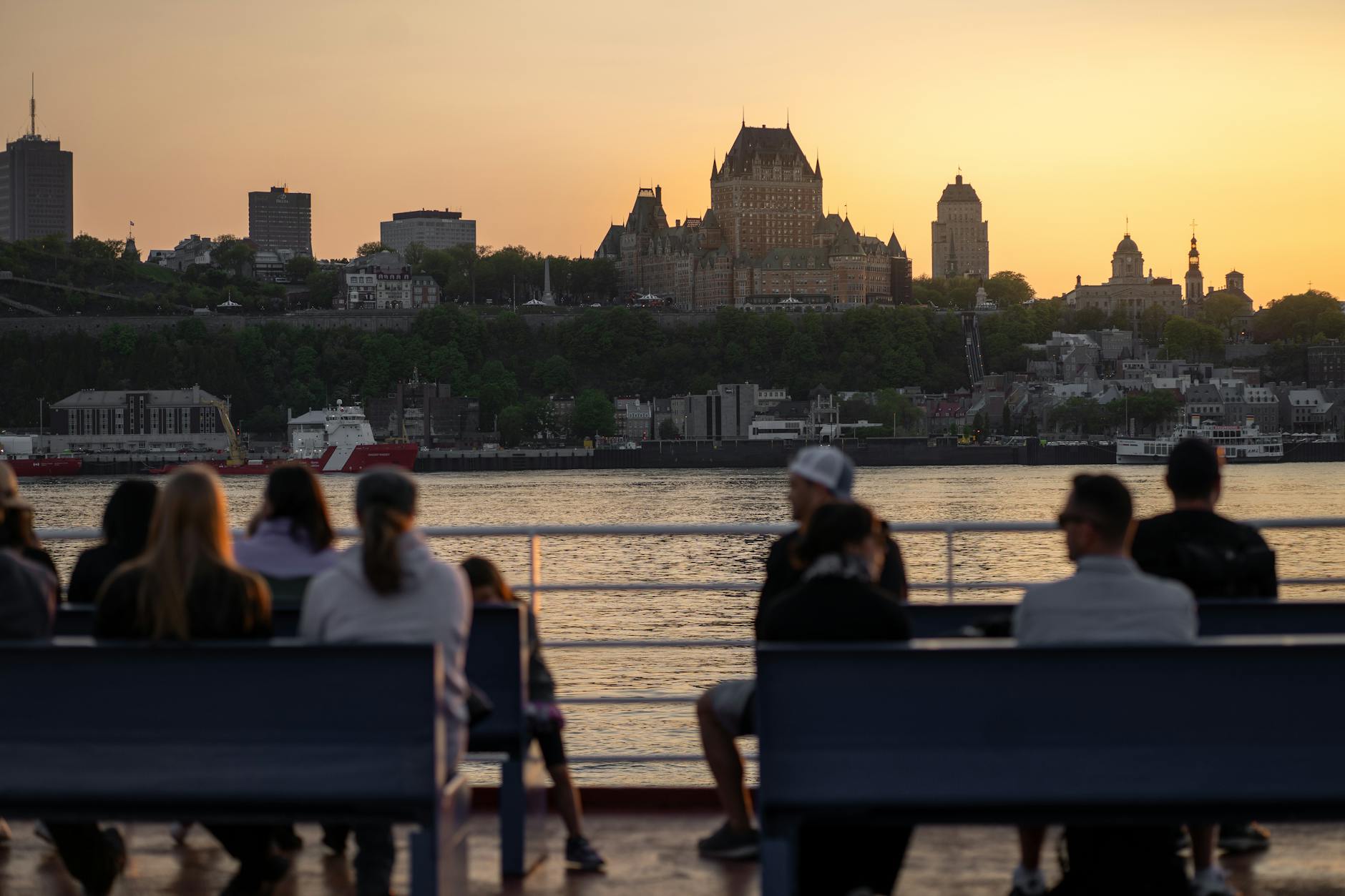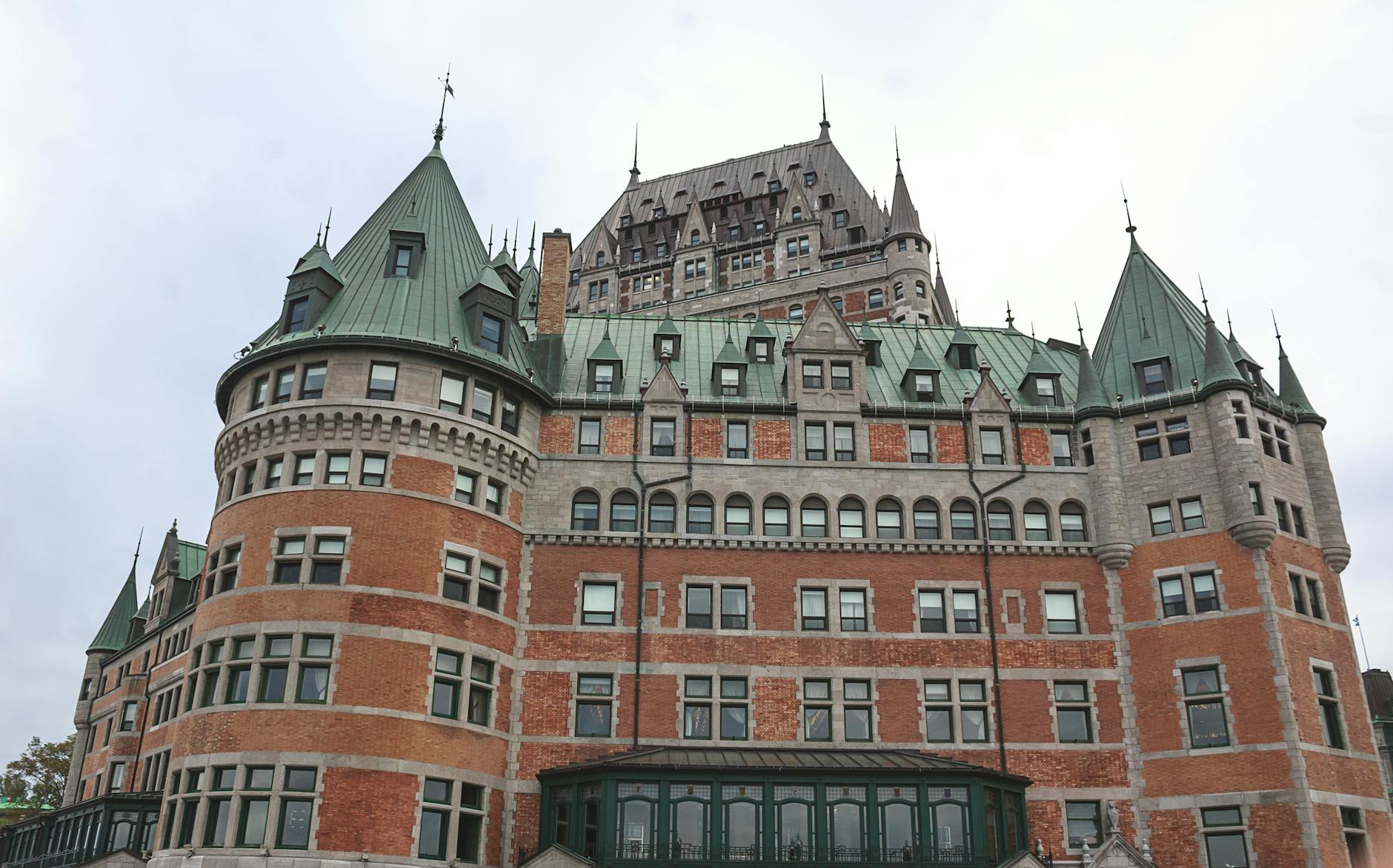
Quebec City can work beautifully for luxury travelers because it offers grand hotels, historic architecture, river views, formal dining, winter atmosphere, and a sense of occasion that appears quickly. The risk is assuming the setting alone will create a seamless trip. The city is compact, but hills, cobblestones, weather, language context, restaurant timing, and hotel access still shape the experience. A strong luxury Quebec City plan treats comfort as design. The right room, arrival transfer, meal sequence, spa buffer, private guide, warm clothing, and route logic can make a short stay feel elegant rather than merely expensive.
Choose the hotel for atmosphere and friction
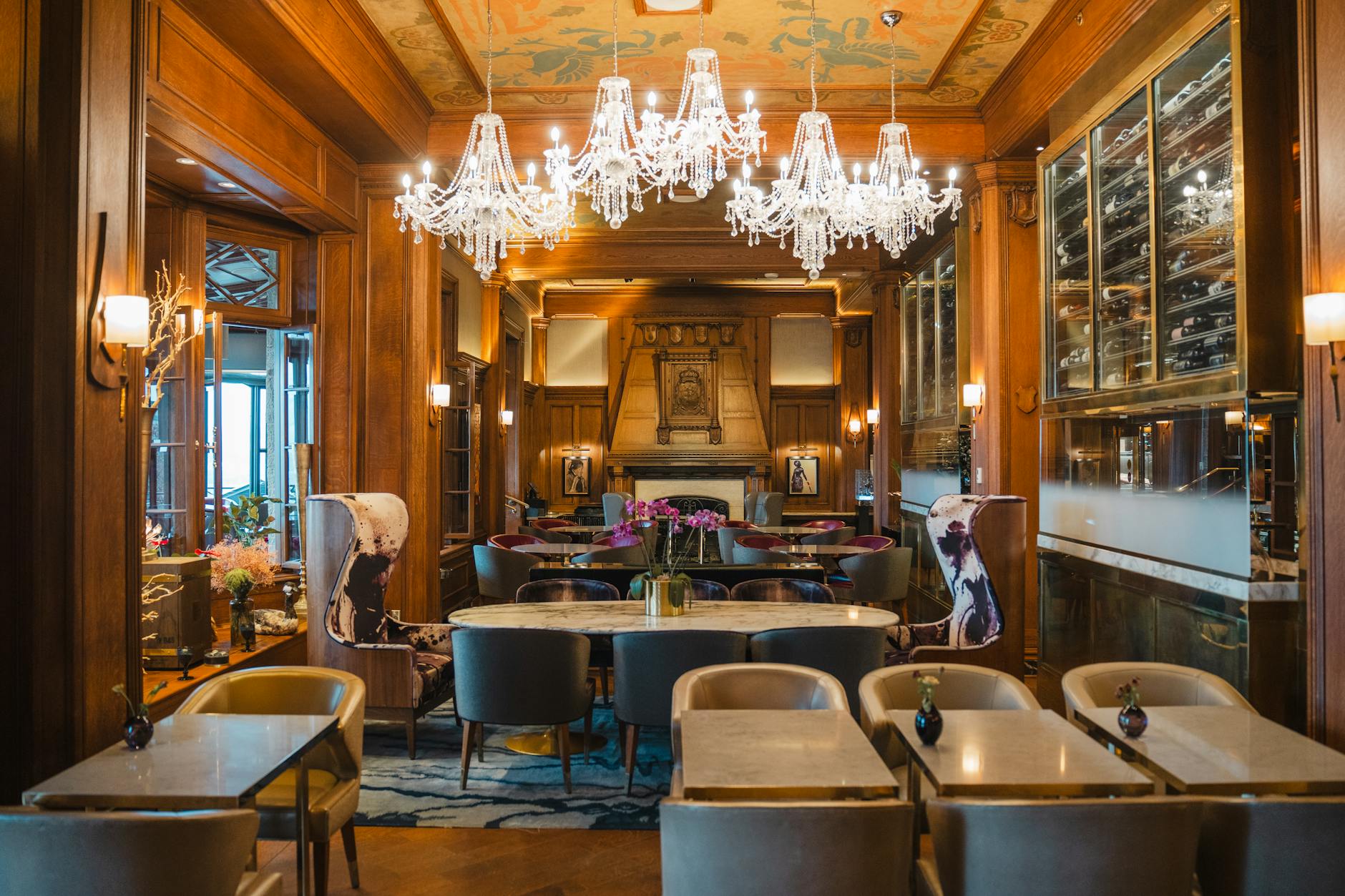
Luxury hotel choice in Quebec City should start with more than room category. The traveler should test view, room size, elevator access, taxi drop-off, spa access, breakfast, concierge depth, noise, and the walk from the door to the places that matter. A dramatic old-city address can be excellent, but it must still work in rain, snow, and evening dress shoes.
The best base depends on whether the traveler wants grand-hotel ceremony, boutique privacy, easier conference access, or a quieter retreat outside the busiest streets. Luxury is not just the property. It is how little the traveler has to fight the property every day.
- Choose the hotel by room quality, access, view, service depth, taxi logistics, and daily walking grade.
- Check whether Old Quebec atmosphere creates convenience or extra friction for the specific dates.
- Protect quiet, arrival comfort, breakfast, spa access, and weather-proof movement before booking.
Treat arrival as part of the experience
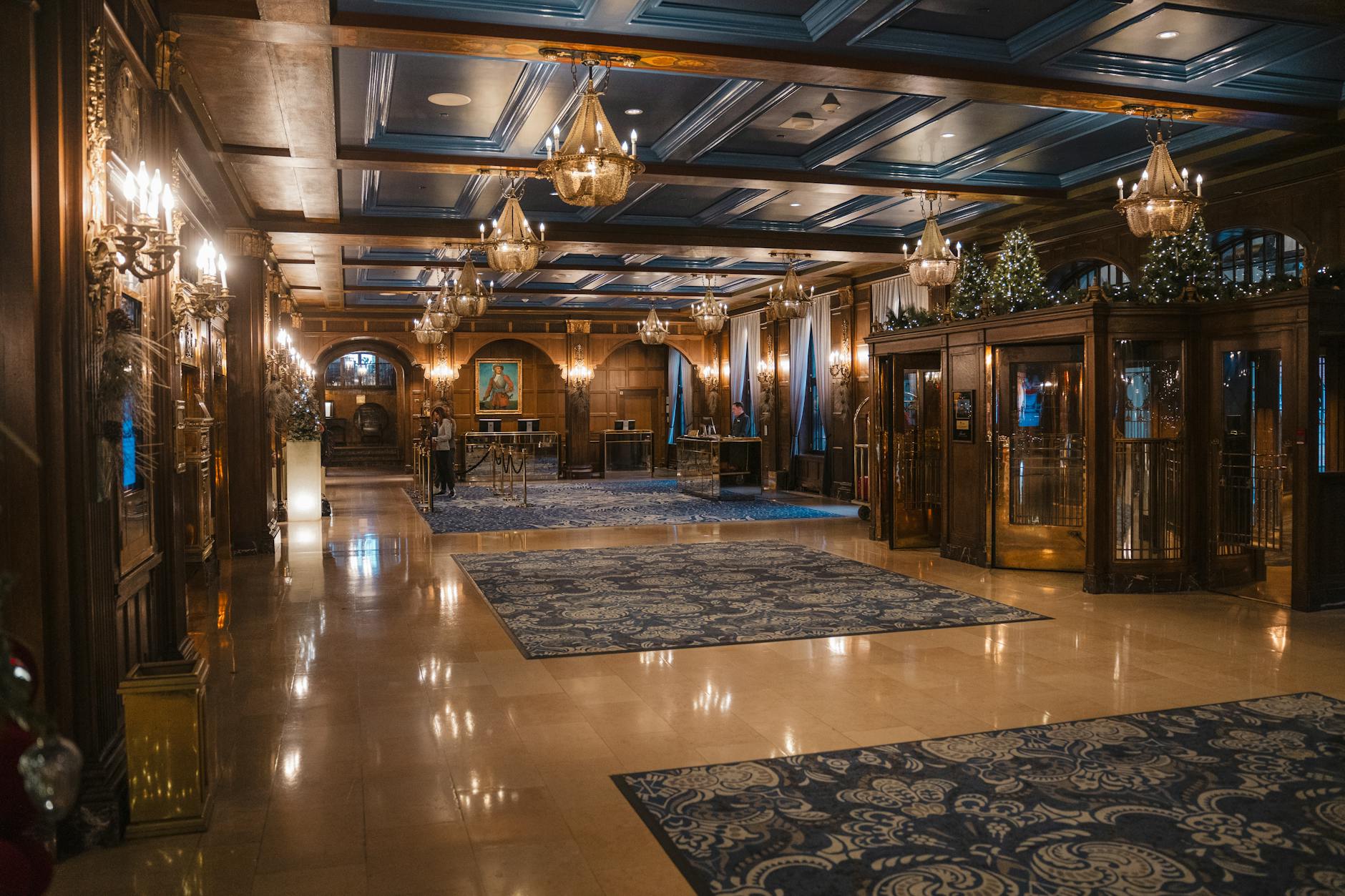
A luxury Quebec City trip can lose polish during the first hour if transfer planning is vague. Quebec City Jean Lesage International Airport is manageable, but flight timing, winter delays, luggage, taxi queues, room readiness, and dinner reservations can still collide. A private transfer or confirmed car service may be worthwhile when the stay is short or the arrival is late.
The traveler should also plan the transition from airport clothing to dinner, spa, or an evening walk. A polished arrival gives the trip a settled opening instead of forcing the first night to absorb every delay.
- Decide in advance whether taxi, private transfer, hotel car, or rental car best matches the trip.
- Protect room-readiness, luggage, dinner timing, clothing changes, and weather buffers on arrival day.
- Use the first evening for a controlled opening rather than a race from airport to reservation.
Reserve meals with purpose, not just prestige
Quebec City can support strong dining, but a luxury traveler should not treat restaurant choice as a list of expensive tables. A formal dinner, a romantic tasting menu, a business-adjacent meal, a private celebration, a relaxed bistro lunch, and a winter comfort meal call for different timing and locations. The route home matters as much as the room.
French-language service culture, wine expectations, dress, winter footwear, and late seating should all be part of the decision. A good meal can anchor a short stay; a poorly placed one can exhaust it.
- Match restaurants to the purpose of each meal rather than choosing only by reputation.
- Account for language comfort, wine, dress, winter footwear, taxi return, and late seating.
- Use meals to create rhythm across the trip instead of stacking every night with formality.
Use private guiding to go deeper
Old Quebec is scenic enough for casual wandering, but luxury travelers often get more value from a private guide who can connect architecture, French colonial history, British military layers, Indigenous context, Catholic institutions, provincial politics, and the St. Lawrence. The guide should match the traveler, not simply recite landmarks.
A good guide can also solve logistics: Upper Town to Lower Town movement, warm pauses, crowd timing, photography windows, and what to skip. Private guiding is especially useful in winter, when improvised strolling can become cold and inefficient quickly.
- Use a private guide when history, architecture, politics, food, or photography matter.
- Select the guide by subject depth, pacing style, language ability, and weather flexibility.
- Let guided time reduce route friction instead of adding another obligation to the schedule.
Plan winter comfort like a luxury service
Quebec City winter can be magnificent, but it is not a backdrop the traveler can ignore. Cold, wind, snow, slush, ice, short daylight, heavy coats, and wet footwear affect transfers, walking, photography, dinner clothing, and how long the traveler wants to remain outside. Luxury planning should remove avoidable discomfort before it appears.
That may mean heated transfer options, traction-conscious footwear, a hotel with strong common spaces, fewer outdoor segments, a spa buffer, and reservations that do not require a long exposed walk. Winter beauty is easier to enjoy when warmth is already designed into the day.
- Plan footwear, layers, heated transfers, indoor pauses, and shorter outdoor segments in winter.
- Choose hotels and restaurants that make cold-weather movement simple.
- Use spa time, lounges, fireplaces, and warm meal pacing as part of the itinerary structure.
Balance spectacle with privacy
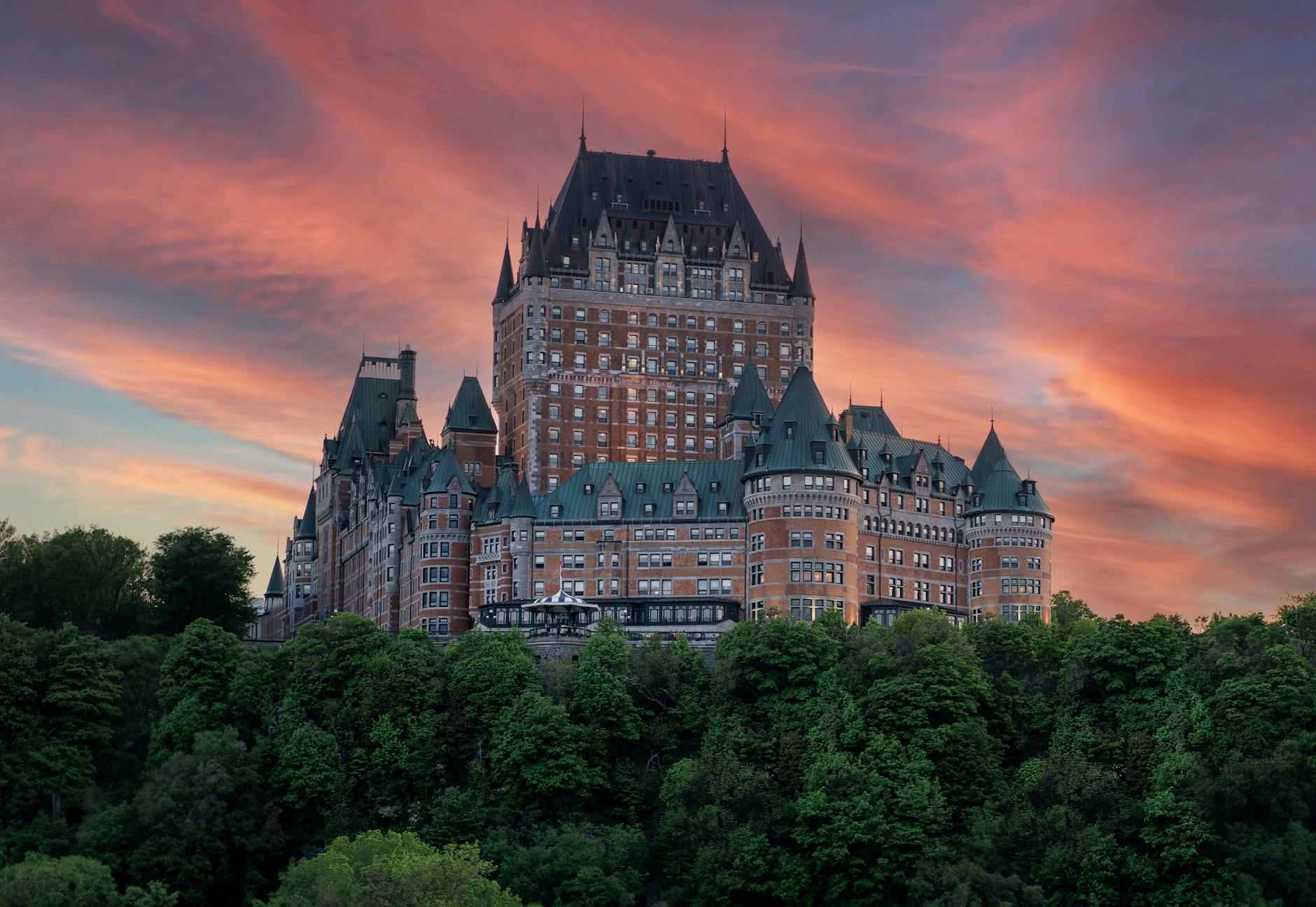
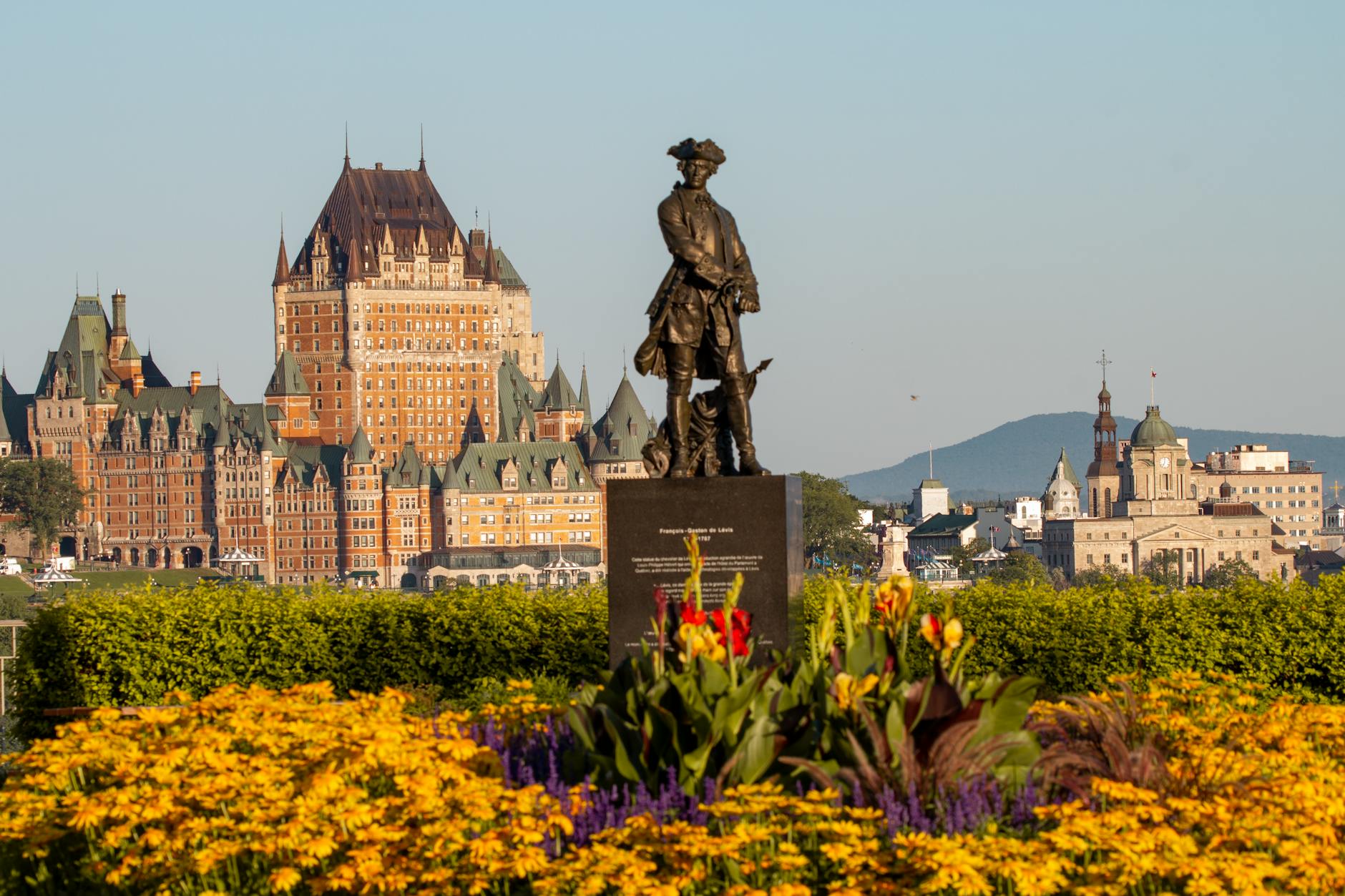
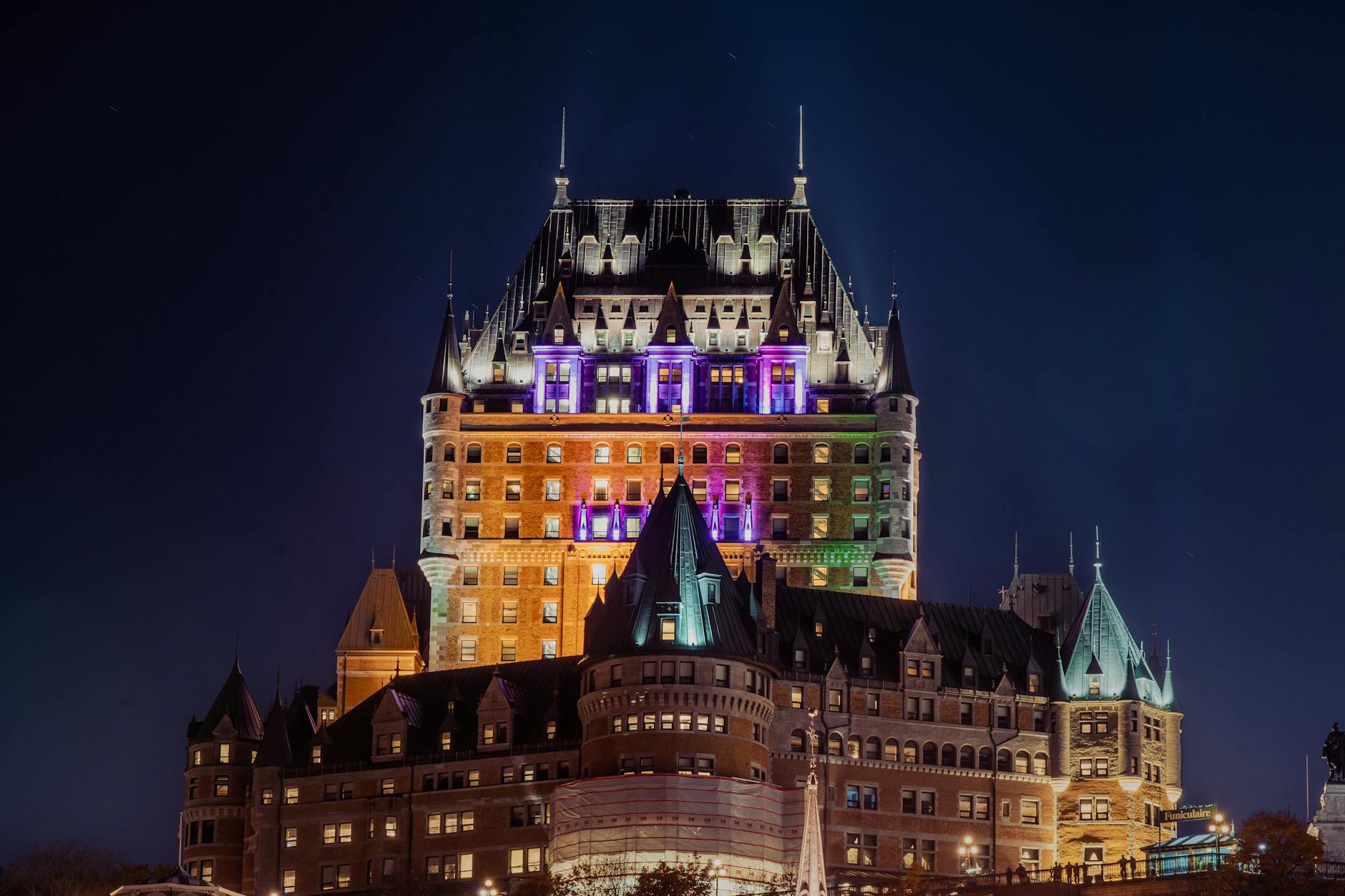
Quebec City's most famous views are public and popular. A luxury traveler may want Chateau Frontenac, Terrasse Dufferin, Petit-Champlain, the city walls, the river, and evening lights, but the trip should also include quieter moments that feel private. Otherwise the stay can become a procession through the same crowded places everyone sees.
The traveler should consider early walks, private dining rooms, less obvious viewpoints, a river-facing room, spa time, museum timing, and car-assisted stops outside the densest pedestrian core. The goal is not to avoid the icons. It is to experience them without letting crowds define the trip.
- Use timing, private rooms, quieter viewpoints, and room choice to create privacy.
- See the iconic streets and river views without letting crowd flow control every day.
- Build restorative time into the itinerary so luxury feels calm rather than performative.
When to order a short-term travel report
A luxury traveler with flexible dates, a known hotel, and simple restaurant plans may not need a custom Quebec City report. A report becomes useful when the trip includes high room rates, winter weather, a special occasion, private guiding, limited time, dining expectations, mobility preferences, spa time, business overlap, or a need for precise transfer planning.
The report should test hotel fit, room category, arrival flow, private transfers, route effort, winter comfort, restaurant sequence, guiding value, river views, budget, and what to cut. The value is a Quebec City trip where the money spent actually removes friction and deepens the stay.
- Order when hotel choice, winter comfort, special-occasion timing, dining, or private services need testing.
- Provide dates, room options, dining preferences, pace, service expectations, budget, and constraints.
- Use the report to make Quebec City feel elegant, local, and controlled at the same time.