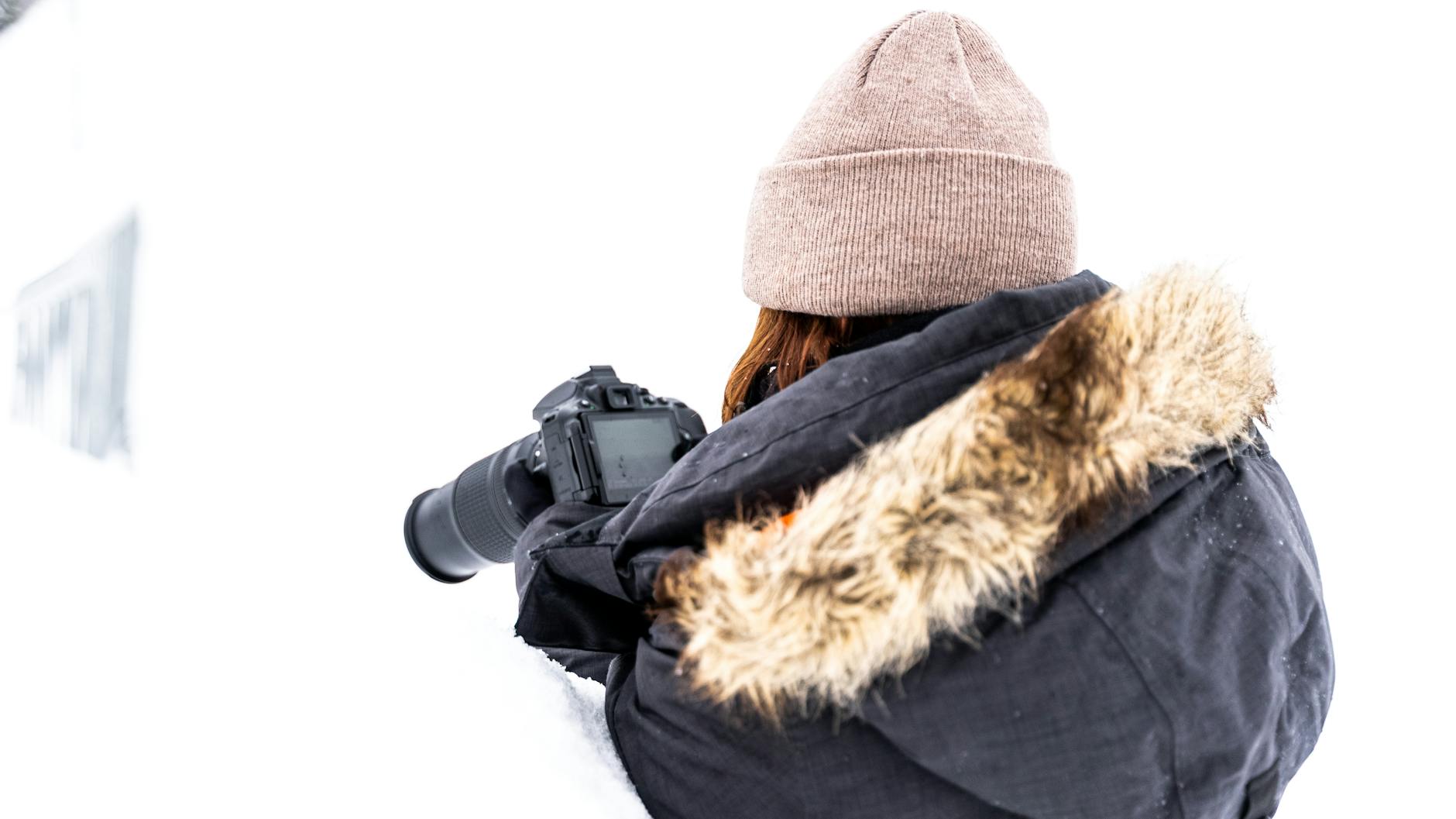
Quebec City is visually strong and politically, culturally, historically, and linguistically layered, which makes it attractive for journalists and easy to oversimplify. A short assignment may cover government, tourism, language, heritage, education, culture, business, winter life, migration, climate, food, or regional Quebec context. The story should decide the route. The right Quebec City reporting plan starts with the question being reported. Source access, neighborhoods, language, permissions, equipment, data security, weather, transport, deadlines, and backup interviews should be organized before the journalist loses time to scenic but low-value wandering.
Define the assignment before chasing scenes
Quebec City offers strong visual material, but a journalist should not let the old streets, winter atmosphere, river views, and landmark architecture replace the reporting question. The assignment may need sources in government, tourism, culture, education, business, language policy, community organizations, or neighborhoods outside the visitor core.
The journalist should define the angle, evidence needed, source categories, visual needs, and filing deadline before building the route. The city should serve the story.
- Name the reporting question, evidence needed, source categories, and visual requirements.
- Separate essential reporting locations from atmospheric but low-value scenes.
- Build the route around the story, not around the most photogenic walk.
Build source access before arrival
Short reporting trips are often won or lost before the journalist lands. Quebec City sources may require French-language outreach, institutional approval, public-affairs routing, availability around provincial schedules, or careful framing of why the interview matters. Waiting until arrival can leave the journalist with generic quotes and thin context.
The reporter should line up primary sources, backup sources, translators or fixers if needed, and clear interview windows. The schedule should include time for follow-up questions and source verification.
- Arrange primary sources, backup sources, interview windows, and language support before travel.
- Confirm whether institutions, government offices, or organizations require advance approval.
- Leave time for follow-up questions, fact checks, and source verification.

Choose neighborhoods for reporting value
Old Quebec can be visually useful, but it may not be where the story lives. Reporting may require Saint-Roch, Sainte-Foy, university areas, government buildings, community organizations, suburbs, hotels, transit routes, winter streets, or sites outside the city. The journalist should choose neighborhoods by reporting value.
This matters for time and accuracy. A story about tourism, housing, language, public policy, or daily life can be distorted if the journalist only moves through visitor-facing spaces.
- Map neighborhoods, institutions, community sites, and visual needs before booking lodging.
- Avoid treating Old Quebec as a substitute for the whole city.
- Use neighborhood choice to improve accuracy, not only imagery.
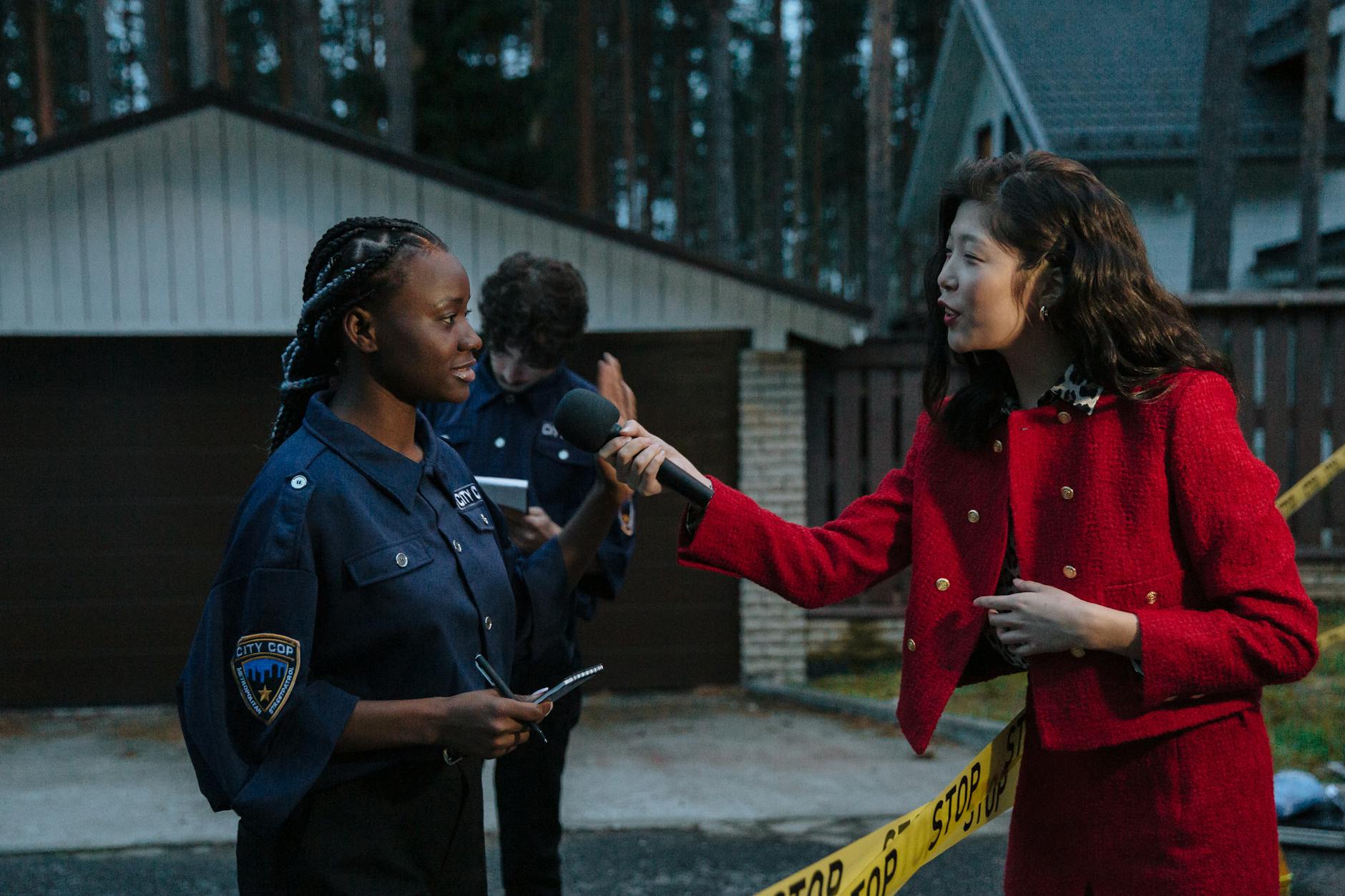
Protect equipment, notes, and data
Journalists in Quebec City should plan how cameras, phones, recorders, laptops, memory cards, notebooks, and source details will be protected. Winter weather, crowded public areas, hotel lobbies, cafes, taxis, and event venues can all create equipment and data risk. The issue is not only theft; it is losing the material that makes the story possible.
The journalist should use backups, secure storage, weather protection, charging plans, and careful note handling. Sensitive source information should not be exposed in public workspaces.
- Plan weather protection, charging, backups, storage, and memory-card handling.
- Keep source names, recordings, notes, and documents out of casual public view.
- Choose hotels and workspaces that support secure filing and equipment management.
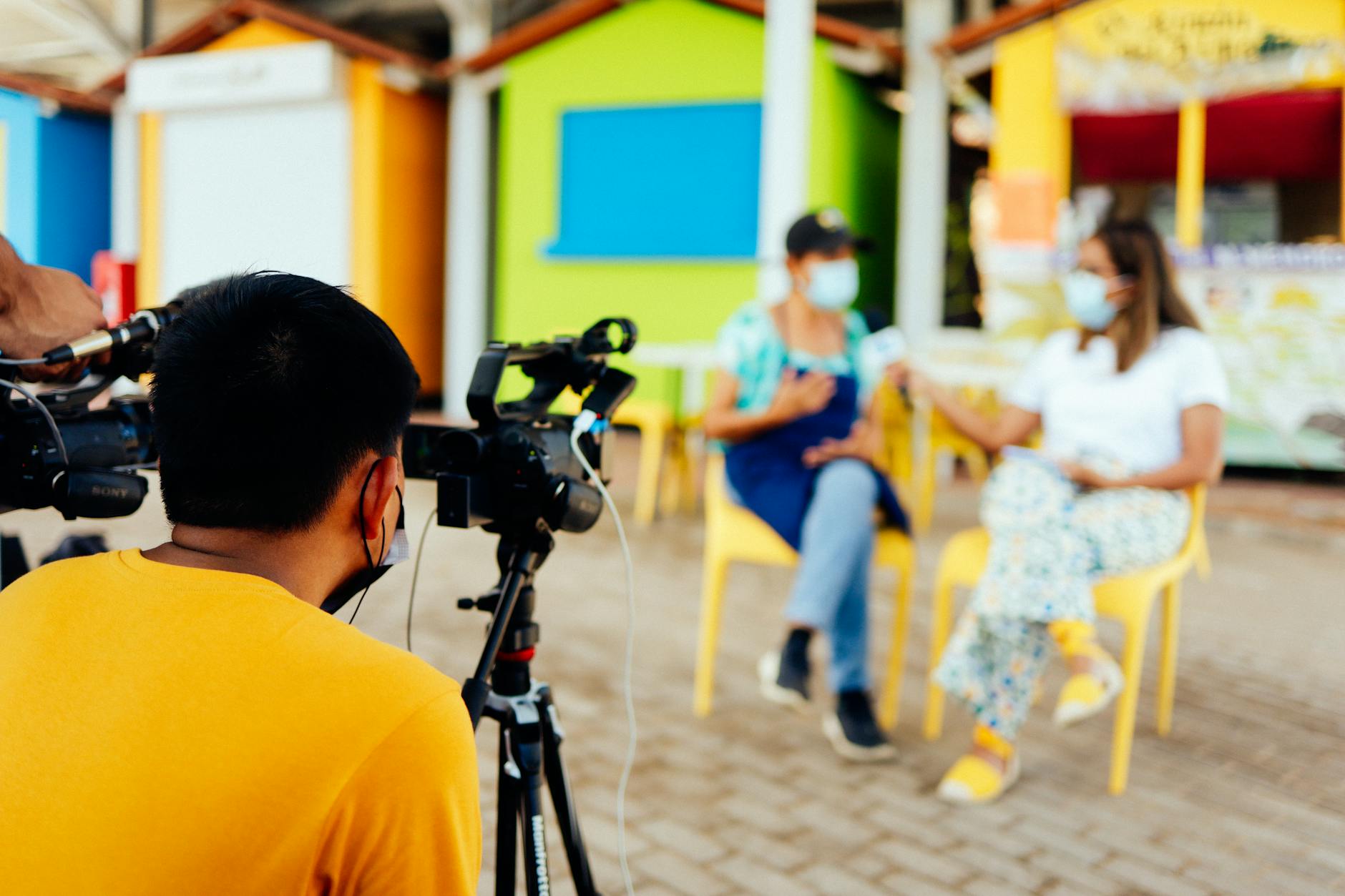
Know consent, access, and visible-reporting limits
A journalist should understand consent and access expectations before recording or photographing in Quebec City. Public spaces, private businesses, religious sites, schools, government settings, events, hotels, and community organizations can have different rules. French-language context can also affect how clearly permissions are understood.
The reporter should decide when visible reporting is appropriate, when to ask permission, when to avoid filming, and when a local contact can help. Respectful access protects both the story and the people in it.
- Confirm rules for recording, photography, private interiors, events, schools, and institutions.
- Prepare French-language consent language or local support when needed.
- Avoid turning access confusion into a source relationship problem.

Build deadline time into the city plan
Quebec City can tempt a journalist to keep reporting until the last hour, but filing, editing, transcription, image selection, fact-checking, and source follow-up need protected time. A short assignment with winter movement or multiple language contexts can become thin if the journalist has no quiet block to assemble the story.
The plan should include a reliable workspace, backup Wi-Fi, realistic transfer times, and one or two cuttable scenes. Deadline time is part of the reporting itinerary.
- Reserve time for filing, transcription, edits, fact checks, images, and follow-up questions.
- Choose a hotel or workspace with reliable Wi-Fi, quiet, power, and backup options.
- Identify lower-priority scenes to cut if the story needs more reporting or writing time.

When to order a short-term travel report
A journalist with a simple, prearranged assignment and a familiar editor may not need a custom Quebec City report. A report becomes useful when the story involves several neighborhoods, French-language source access, government or institutional settings, winter weather, sensitive interviews, equipment-heavy work, tight deadlines, or uncertain lodging and transport.
The report should test source geography, hotel work fit, transfer timing, weather, language needs, access rules, equipment risk, filing blocks, budget, and what to cut. The value is a Quebec City reporting trip that protects the story instead of collecting attractive but weak material.
- Order when source access, language, winter, equipment, deadlines, or access rules need testing.
- Provide assignment scope, source list, locations, deadlines, equipment, lodging options, budget, and constraints.
- Use the report to keep the story stronger than the scenery.