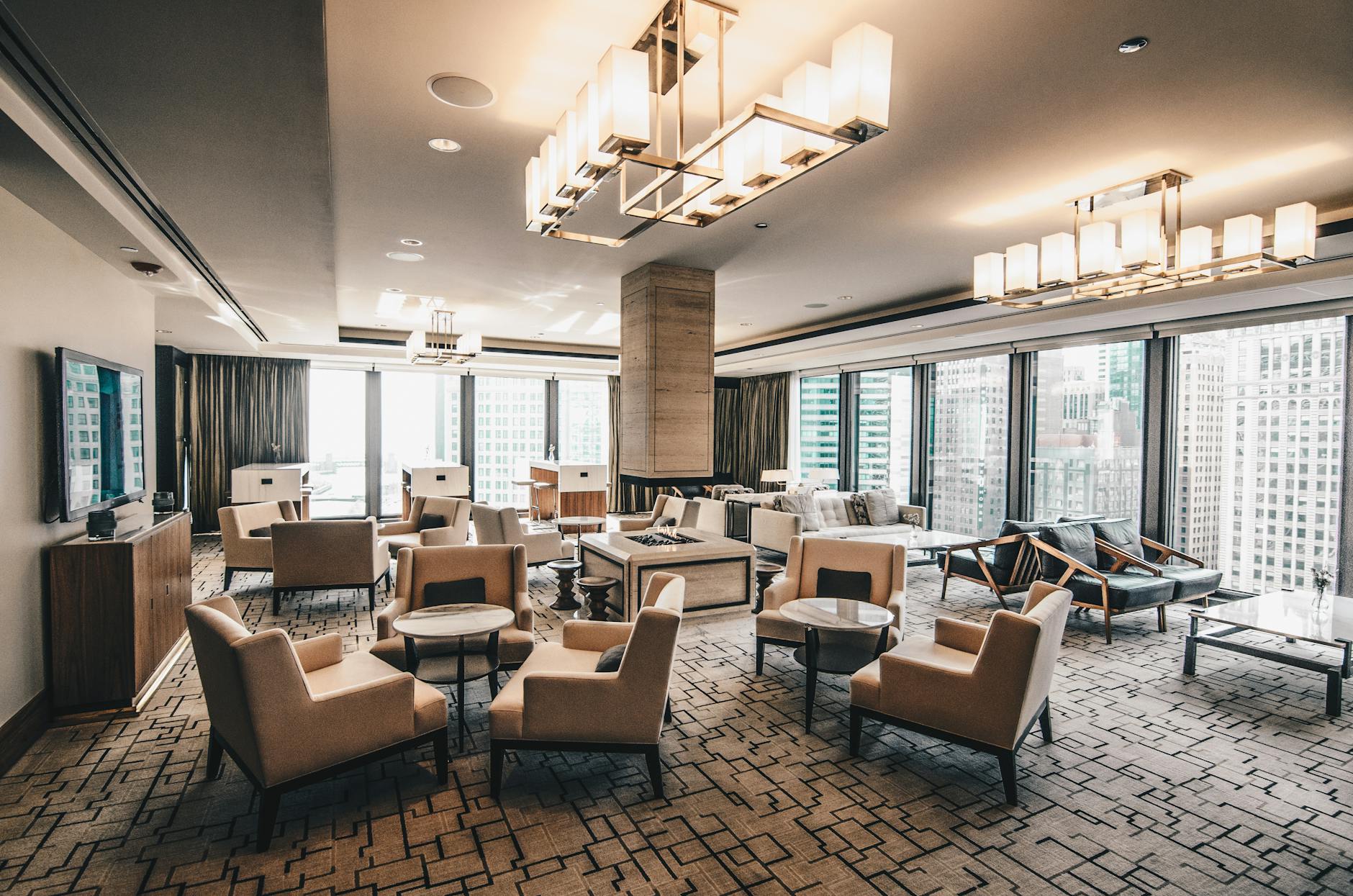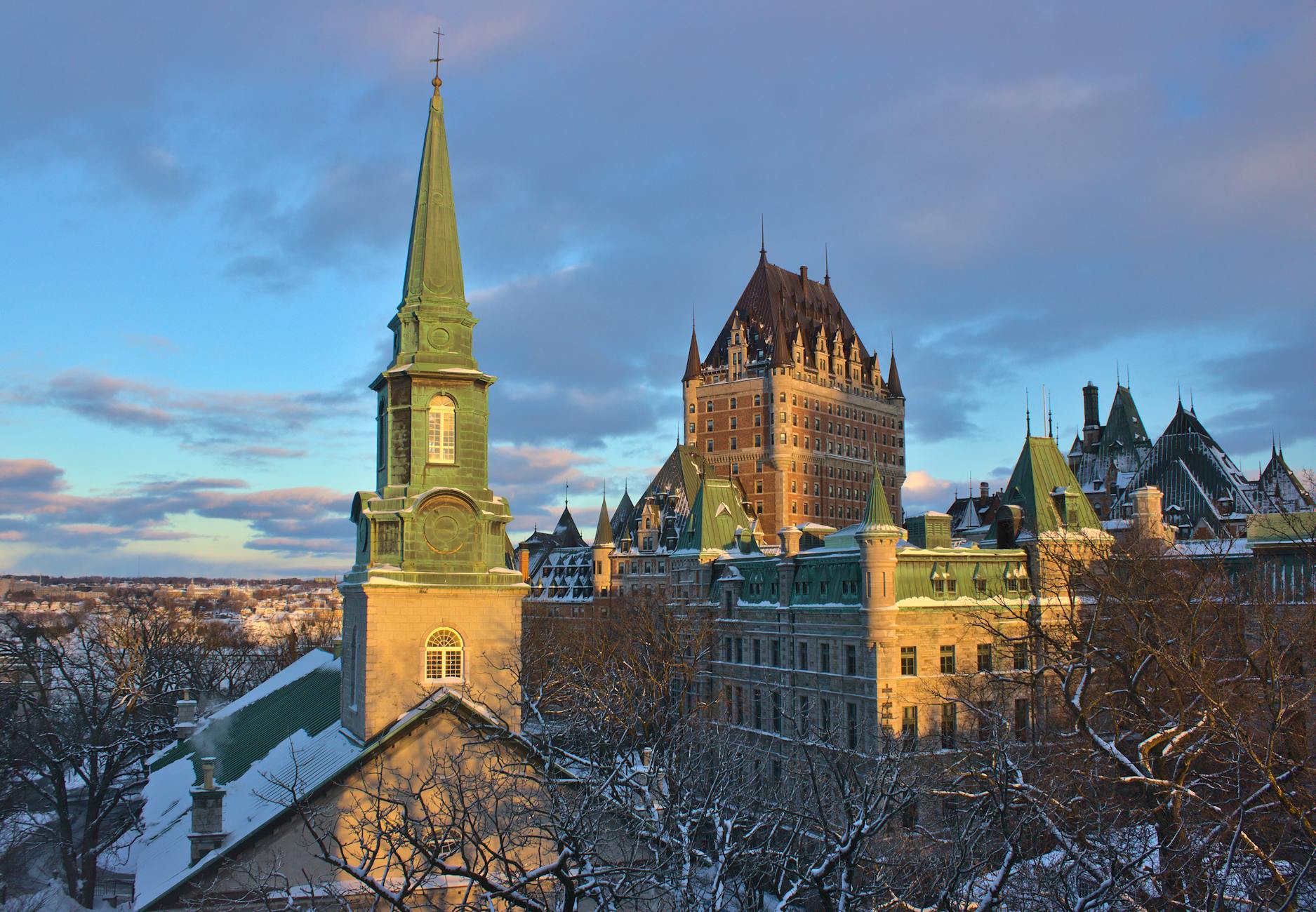
A Quebec City trip for an investor or deal team member should be built around the decision the trip must support. The traveler may be meeting founders, management teams, public-sector contacts, lenders, advisers, university partners, asset operators, or portfolio companies. The city can provide a serious and memorable setting, but the transaction should shape the route. Quebec City also creates deal-work risks that are easy to miss: confidential calls in public hotel spaces, winter delays before site visits, French-language documents, meetings outside the historic center, and dinners that consume the synthesis time the team actually needs. The stronger plan protects discretion, stamina, and judgment.
Start with the deal question
An investor or deal team member should define the Quebec City trip by the question that must be answered. Is the trip testing management credibility, diligence gaps, site feasibility, public-sector relationships, asset condition, market access, or post-close execution risk? The answer should determine who is seen, where the team goes, and how much unscheduled time remains.
Without a clear deal question, the trip can become a sequence of polite meetings and attractive meals. With one, the itinerary becomes a tool for better judgment.
- Name the decision, diligence gap, stakeholder group, and evidence needed before booking.
- Sequence meetings around deal importance rather than local convenience.
- Protect unscheduled time for analysis, document review, and internal debate.

Map stakeholders before choosing the base
Quebec City deal work may involve meetings in Old Quebec, Sainte-Foy, government offices, universities, industrial areas, suburbs, hotels, or sites outside the city. A central hotel can be excellent for adviser dinners but weak for morning site visits. The team should map stakeholders before falling in love with a property.
The base should support punctuality, confidential work, transfer reliability, and evening synthesis. A polished lobby is useful only if the team can work privately and move efficiently.
- Plot management, advisers, lenders, public-sector contacts, and site visits before choosing lodging.
- Consider taxis, parking, winter roads, meeting density, and return-to-hotel work blocks.
- Choose a base that supports discretion, punctuality, and team synthesis.
Protect confidentiality and document control
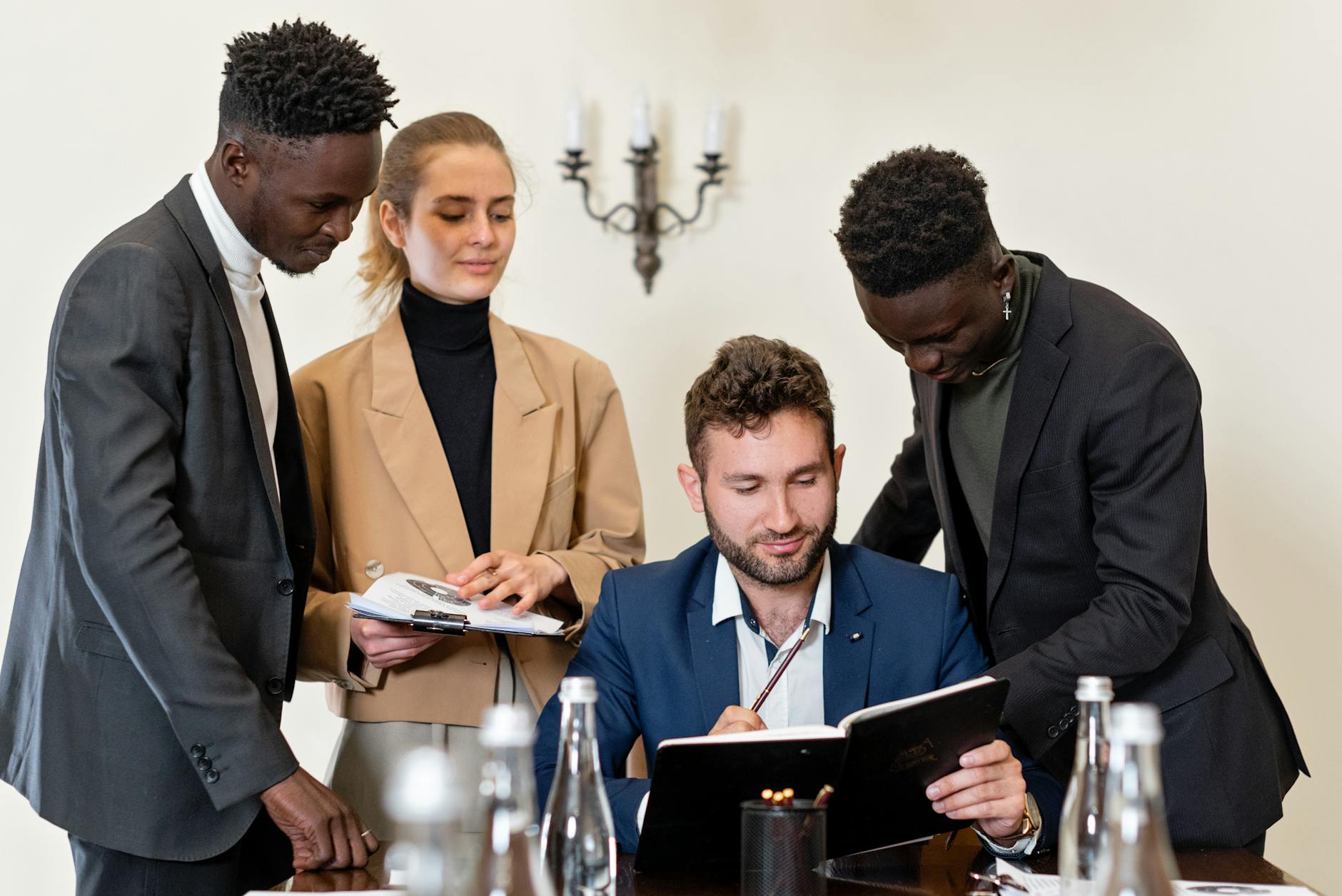
Deal work in Quebec City should be planned with confidentiality in mind. Hotel lounges, cafes, taxis, reception spaces, and restaurants may be comfortable but not private. The team should decide where calls happen, how documents are carried, what can be discussed in public, and how laptops and papers are handled between meetings.
Language can add another layer. If documents, names, or materials move between English and French, the team should confirm who controls translation, versioning, and follow-up notes.
- Pre-plan private call locations, document handling, laptop security, and paper storage.
- Avoid sensitive deal discussion in lobbies, taxis, crowded cafes, and loud restaurants.
- Clarify translation, document versioning, and bilingual follow-up responsibilities.

Choose hotel work conditions deliberately
For investors and deal teams, the hotel is not just a place to sleep. It may need to support confidential calls, late document review, early breakfast meetings, adviser sessions, internal debate, printing, and quiet recovery between site visits. A beautiful room with poor desk space can hurt the quality of the work.
The team should check Wi-Fi, desk setup, meeting-room availability, lobby privacy, room service, breakfast timing, taxi access, and whether winter clothing and luggage can be managed without chaos.
- Check desk setup, Wi-Fi, meeting rooms, privacy, printing, breakfast, and taxi access.
- Confirm whether the hotel can support late work and confidential team conversations.
- Do not let historic charm override the requirements of deal execution.
Build site visits and winter buffers
If the trip includes site visits, facility tours, property inspections, or meetings outside the core, Quebec City weather and geography need attention. Snow, freezing rain, road conditions, parking, boots, document bags, and daylight can all affect the quality of the visit. A rushed inspection is not good diligence.
The team should leave space for transfers, note-taking, photographs where allowed, and immediate follow-up questions. Site visits should be treated as evidence gathering, not as calendar filler.
- Plan site visits around weather, daylight, road conditions, parking, footwear, and materials.
- Leave time after each visit for notes, questions, and team calibration.
- Protect diligence quality by reducing unnecessary transfers and compressed inspection windows.
Use dinners and hospitality with discipline
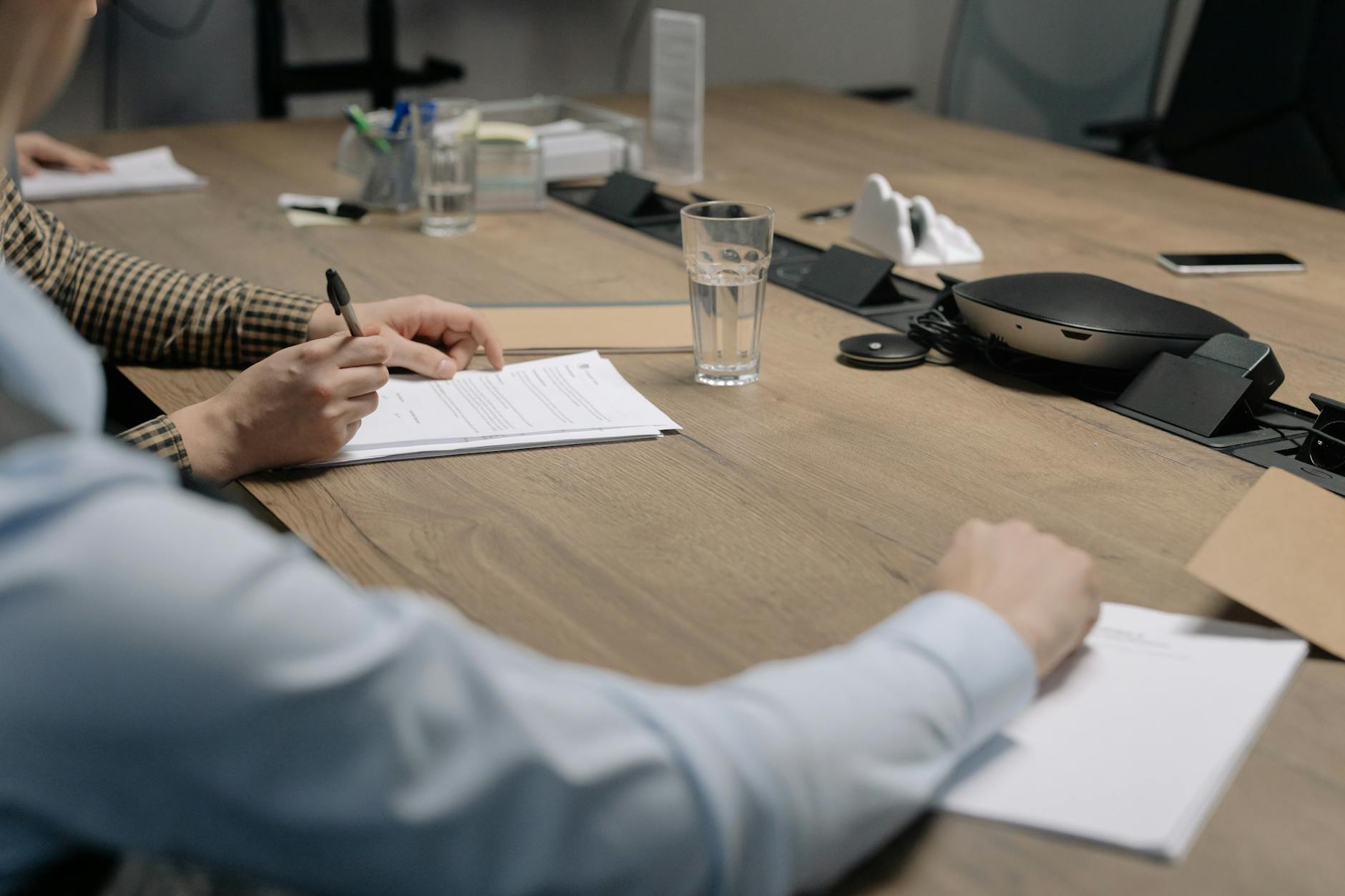
Quebec City can support excellent deal dinners, but hospitality should not take over the work. A management dinner, adviser meal, lender discussion, founder dinner, and internal team debrief each need different seating, privacy, timing, language comfort, and alcohol boundaries. The wrong meal can blur judgment or consume the only useful synthesis window.
The team should decide what each dinner is supposed to accomplish and what still has to happen afterward. The best hospitality helps people speak clearly while leaving enough energy for decisions.
- Match meals to management, advisers, lenders, founders, or internal team work.
- Choose restaurants by privacy, noise, timing, language comfort, and return route.
- Protect post-dinner synthesis when the team must compare notes or revise assumptions.
When to order a short-term travel report
An investor with one simple meeting and a familiar hotel may not need a custom Quebec City report. A report becomes useful when the trip involves several stakeholders, bilingual materials, site visits, public-sector context, winter risk, confidential work, adviser dinners, unfamiliar neighborhoods, or a decision that depends on tight timing.
The report should test stakeholder geography, hotel work fit, transfer timing, confidentiality, language needs, site-visit logistics, dinner choices, schedule risk, budget, and what to cut. The value is a Quebec City deal trip that supports judgment instead of merely filling the calendar.
- Order when stakeholder geography, confidentiality, site visits, language, or winter risk need testing.
- Provide meeting addresses, deal purpose, hotel options, site visits, constraints, budget, and decision deadlines.
- Use the report to protect discretion, stamina, and investment judgment.