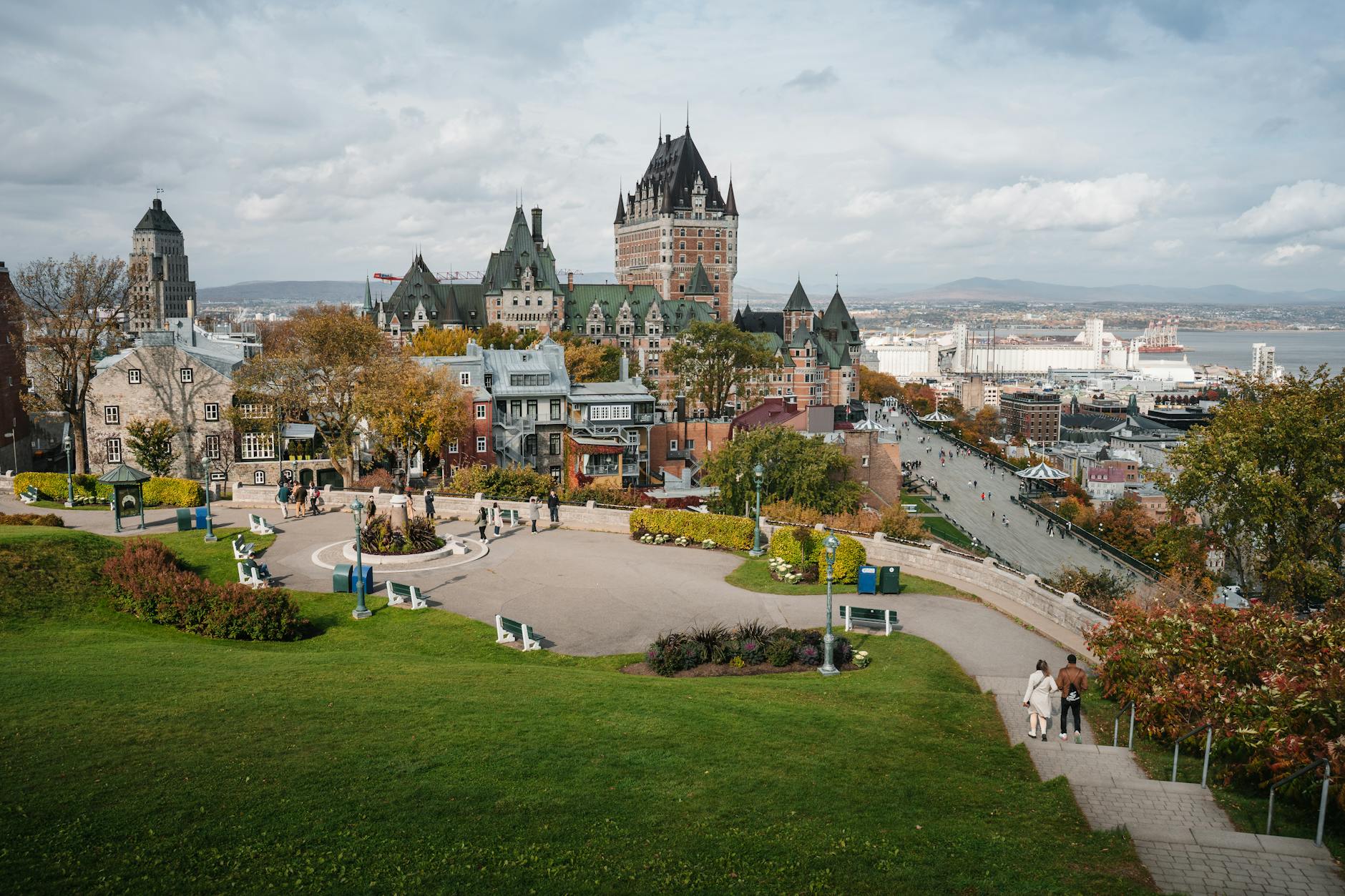
Quebec City can feel immediately legible to a first-time visitor because Old Quebec, Chateau Frontenac, city walls, narrow streets, and river views create a strong first impression. That clarity can be deceptive. The city is compact, but it has hills, winter severity, French-language context, seasonal crowd patterns, and enough distinct zones that a short trip still needs structure. A good first Quebec City visit is not a race through every pretty street. It is a paced introduction to Upper Town, Lower Town, the St. Lawrence, historic sites, food, weather realities, and the choice between atmospheric lodging and operational ease.
Understand that Old Quebec is the entry point, not the whole city
First-time visitors rightly start with Old Quebec, but they should not assume that the postcard district explains everything. Upper Town, Lower Town, Petit Champlain, Place Royale, the walls, the riverfront, Parliament Hill, Grande Allee, and nearby neighborhoods each create a different version of the city.
The best first trip uses Old Quebec as the anchor while leaving room for the river, food, history, and local rhythm. A traveler who only follows the busiest lanes may leave with a beautiful but thin impression.
- Use Old Quebec as the anchor, not the entire interpretation of the city.
- Include Upper Town, Lower Town, Petit Champlain, Place Royale, walls, river, and Parliament Hill selectively.
- Avoid judging the city only by the busiest souvenir and photo corridors.
Choose lodging by terrain and season
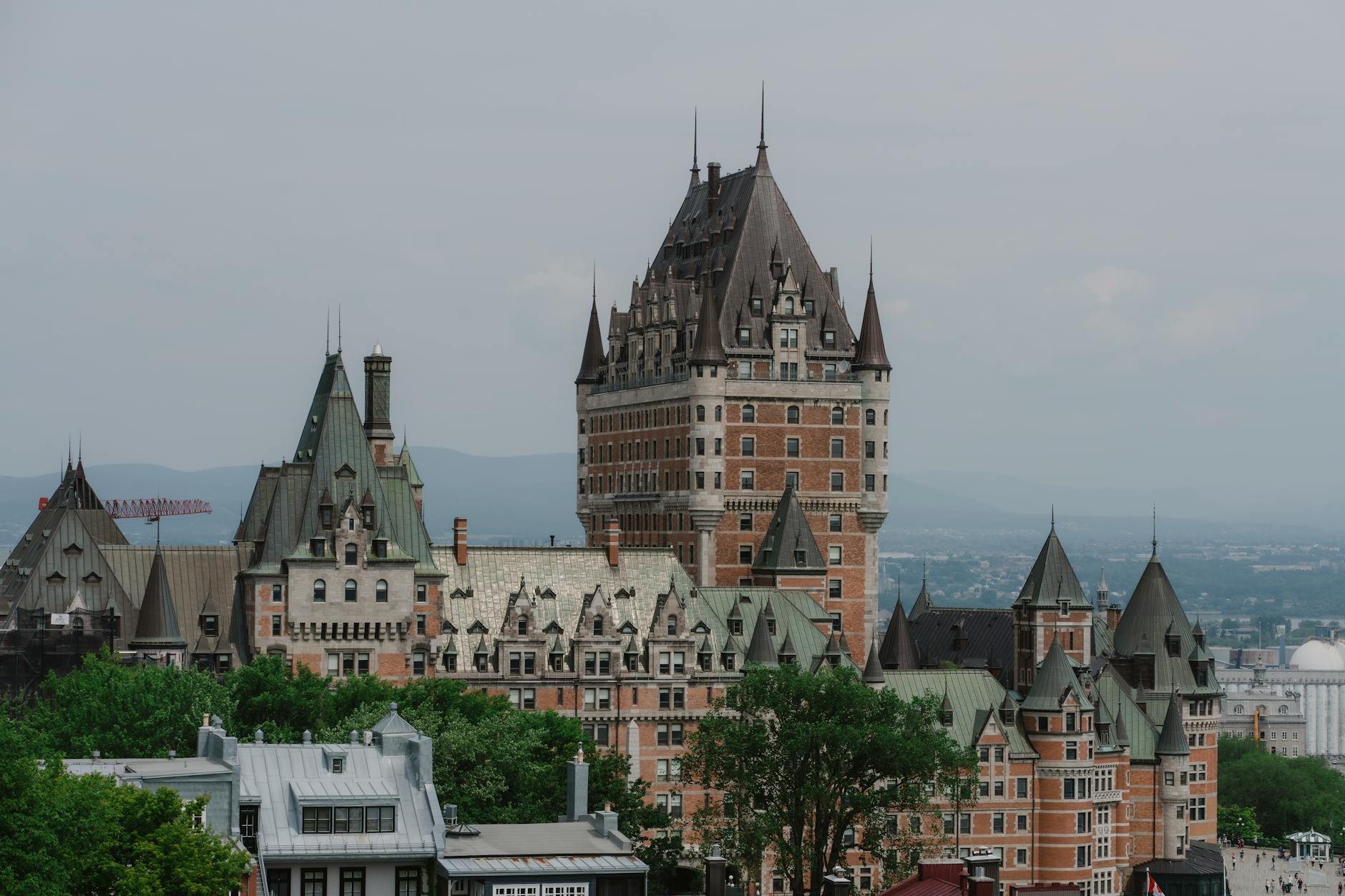
Hotel location matters in Quebec City because the historic core is not flat and weather can be serious. A first-time visitor may want the romance of Old Quebec, the convenience of a convention-center or Parliament Hill area, or easier taxi access outside the tightest old streets. Each choice changes the trip.
The traveler should check elevators, taxi drop-off, stairs, room warmth or air conditioning, breakfast, restaurant proximity, and walking routes. A charming hotel can still be the wrong hotel if it makes every outing harder.
- Compare Old Quebec atmosphere with access near Parliament Hill, the convention area, and easier taxi routes.
- Check elevators, stairs, taxi drop-off, breakfast, room comfort, and nearby restaurants.
- Let season and terrain influence hotel choice as much as charm.
Plan the Upper Town and Lower Town transition
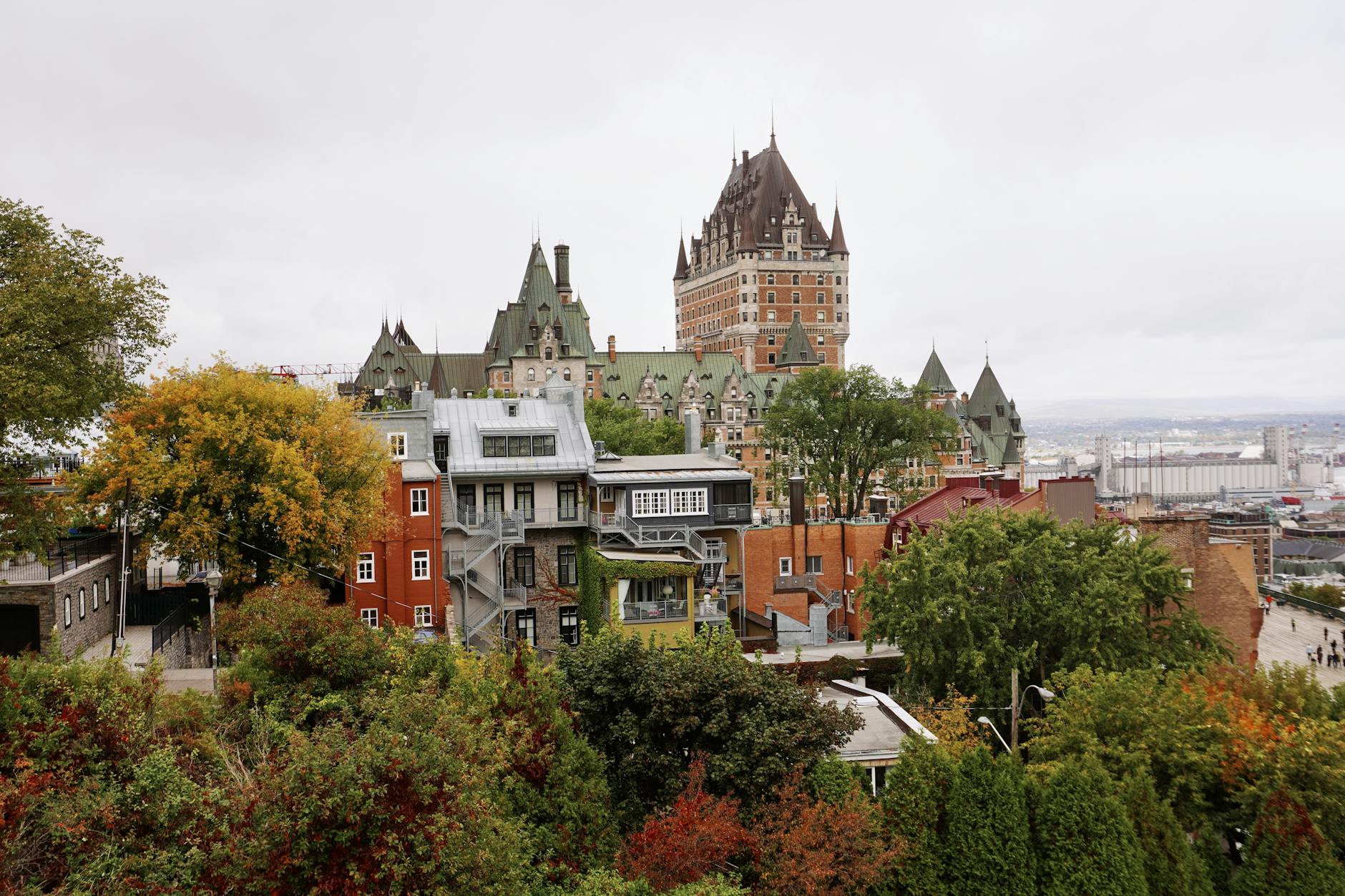
Quebec City's visitor core depends on the relationship between Upper Town and Lower Town. Stairs, slopes, funicular choices, winter footing, crowds, and timing can shape how the day feels. A first-time visitor should not build a route that constantly climbs and descends without reason.
A clean plan groups sights by level, uses the funicular or taxis when sensible, and places meals where they reduce backtracking. That structure makes the city feel graceful rather than exhausting.
- Group Upper Town and Lower Town sights instead of climbing and descending repeatedly.
- Use funicular, taxi, or shorter routes when slopes, weather, or stamina require it.
- Place meals and breaks to reduce backtracking across hills and old streets.
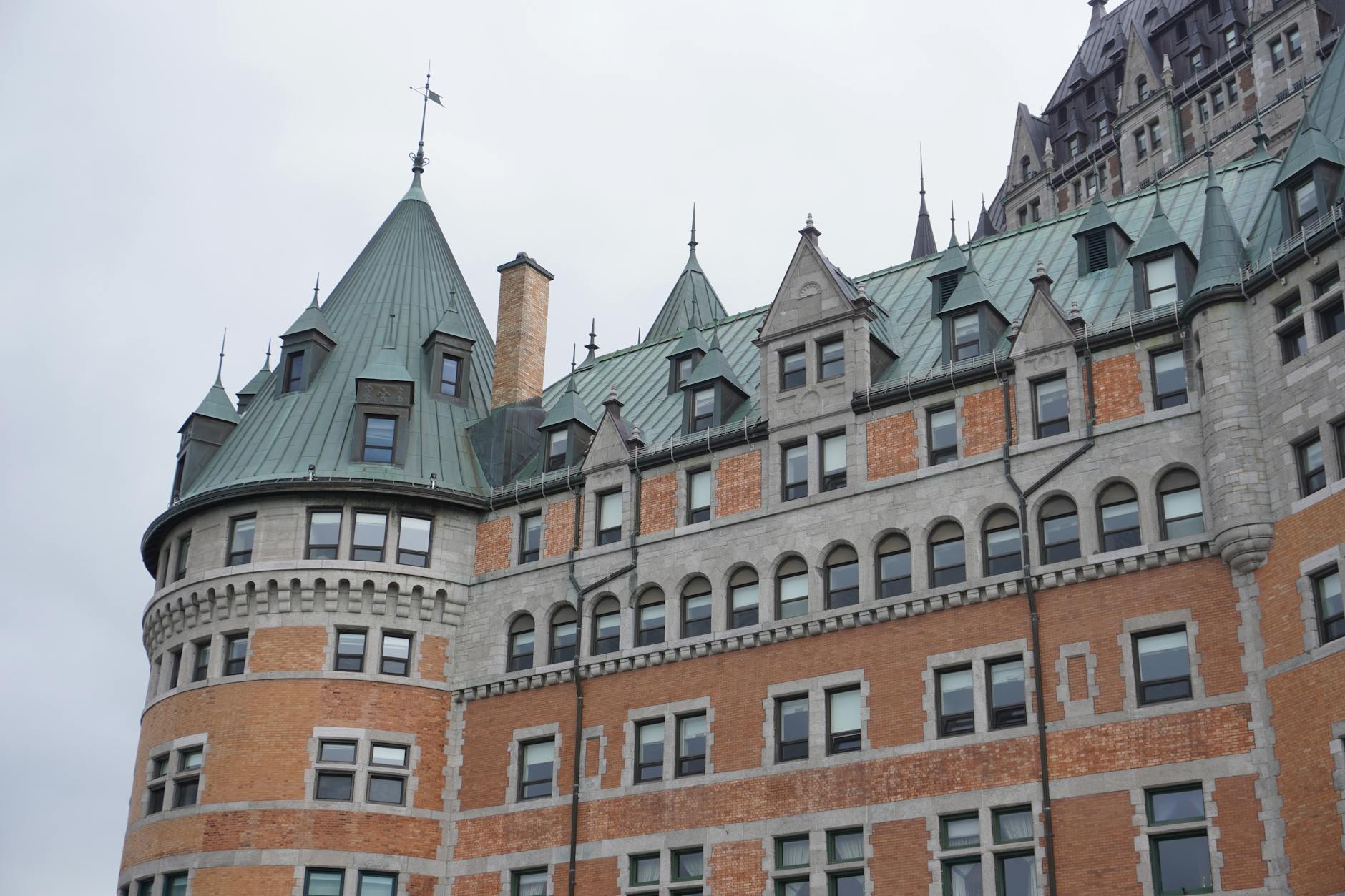
Take French-language context seriously
Quebec City is welcoming to visitors, but it is a French-speaking capital with its own cultural rhythm. A first-time visitor should prepare basic greetings, restaurant phrases, place names, and the expectation that English use varies by setting. This is not difficult, but it changes the tone of the trip.
The traveler should also understand that Quebec City is not simply a European imitation in North America. Its French, British, Indigenous, Catholic, political, and Canadian histories are specific. The trip becomes richer when those layers are not flattened.
- Prepare basic greetings, place names, restaurant language, and polite language expectations.
- Do not treat Quebec City as generic Europe-in-Canada scenery.
- Use history and cultural context to make the first visit deeper than a photo walk.
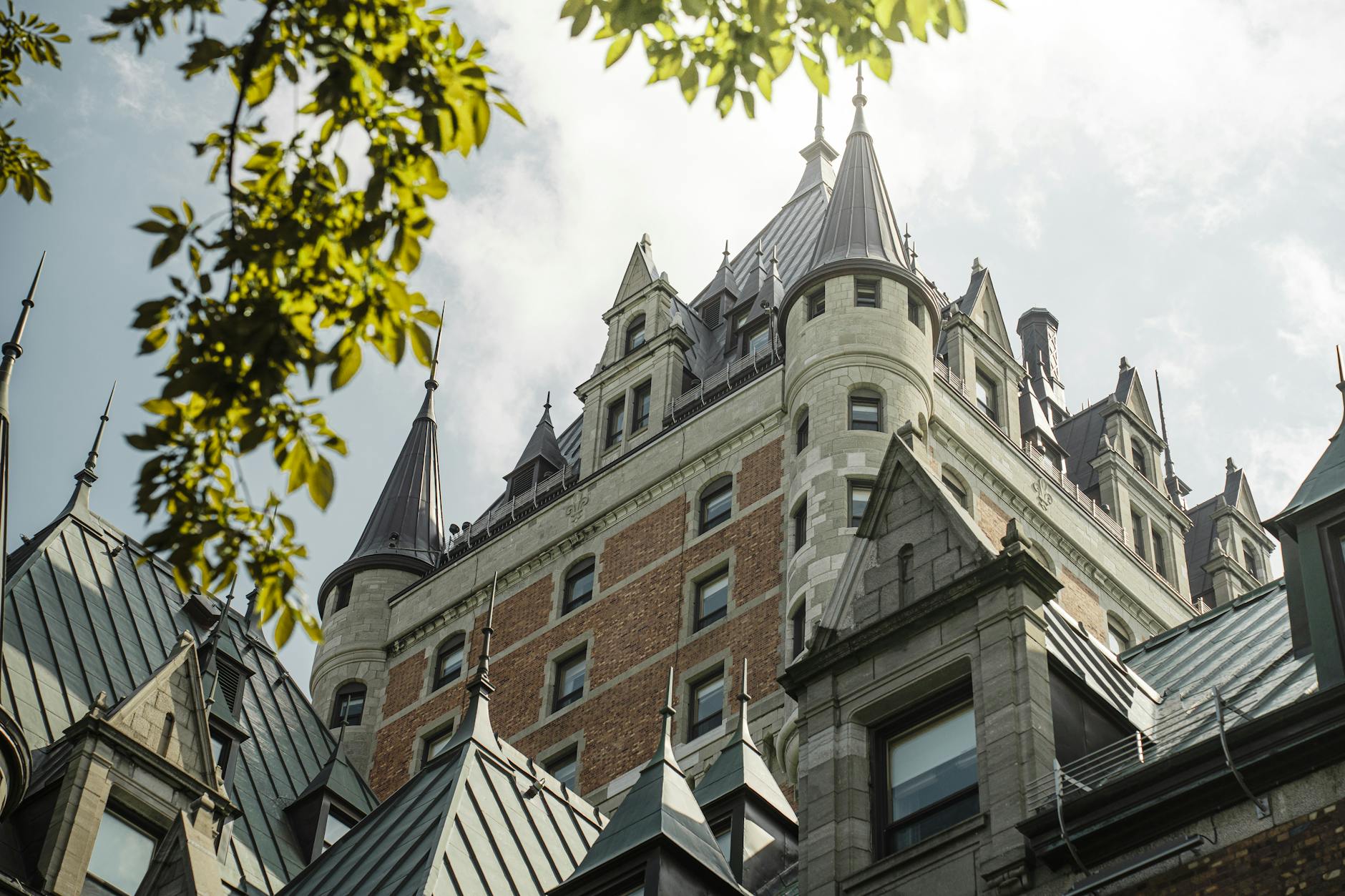
Respect winter, rain, and shoulder-season mood
Quebec City can be magical in winter, but winter is not a decorative theme. Snow, ice, wind, cold, short daylight, and slush affect footwear, taxis, outdoor time, restaurant choices, and how many sights a traveler can comfortably combine. Summer and autumn are easier, but crowds and hotel prices can rise.
The first-time visitor should build the trip for the actual season. A winter itinerary needs warm indoor breaks and sensible footwear. A summer itinerary needs crowd timing and restaurant reservations. A shoulder-season trip needs weather flexibility.
- Plan for snow, ice, wind, cold, short daylight, rain, crowds, or high-season pricing by date.
- Use footwear, layers, indoor breaks, and reservation timing as real itinerary tools.
- Avoid copying a summer route into winter without changing effort and timing.
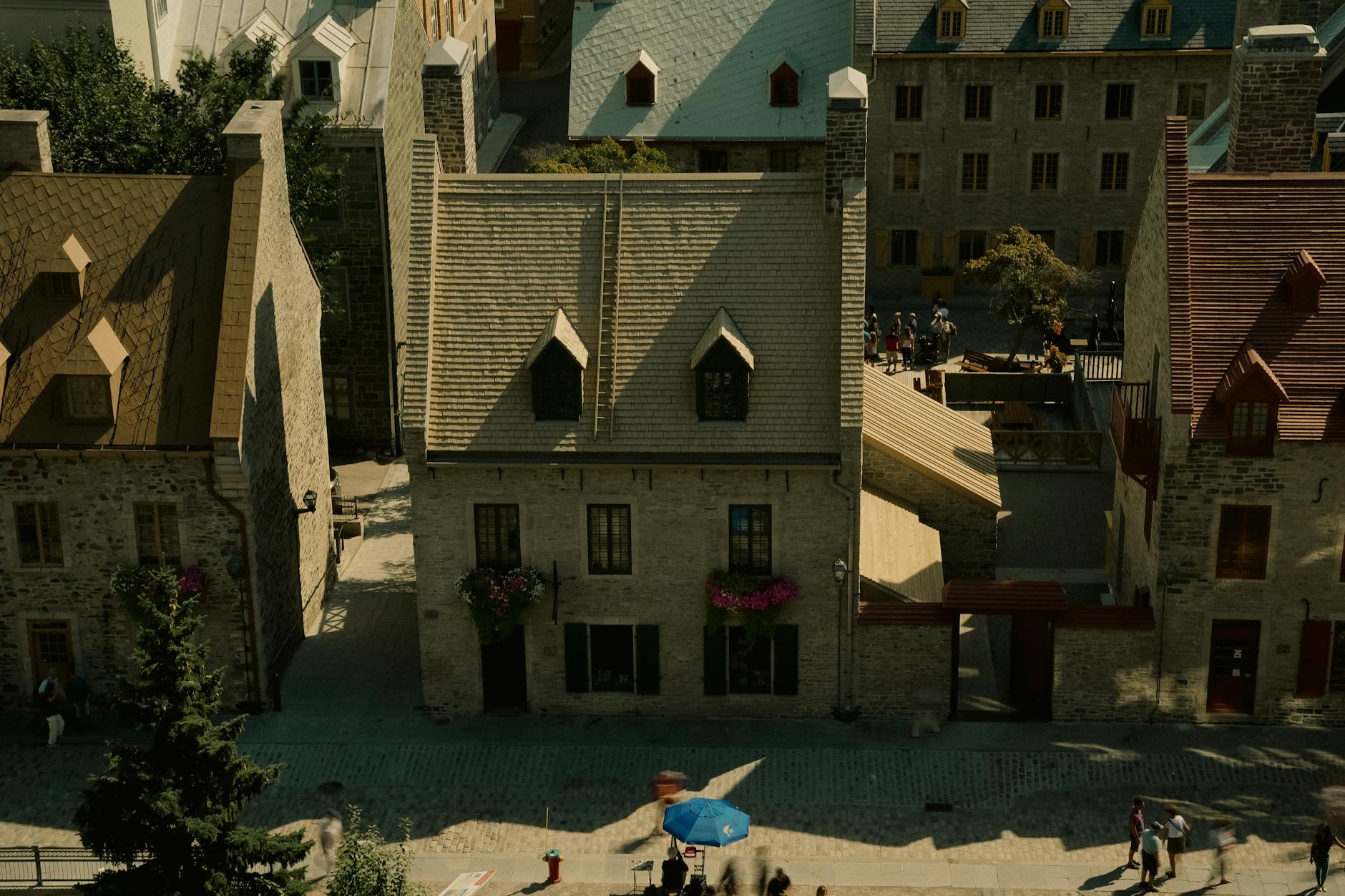
Use food, river, and evening time deliberately
A first Quebec City visit should include more than daytime streets. The city can work beautifully through a strong dinner, a river view, a ferry perspective, an evening walk, or a quieter cafe pause. The traveler should reserve meals with enough care that food supports the trip instead of becoming whatever is available near the crowd.
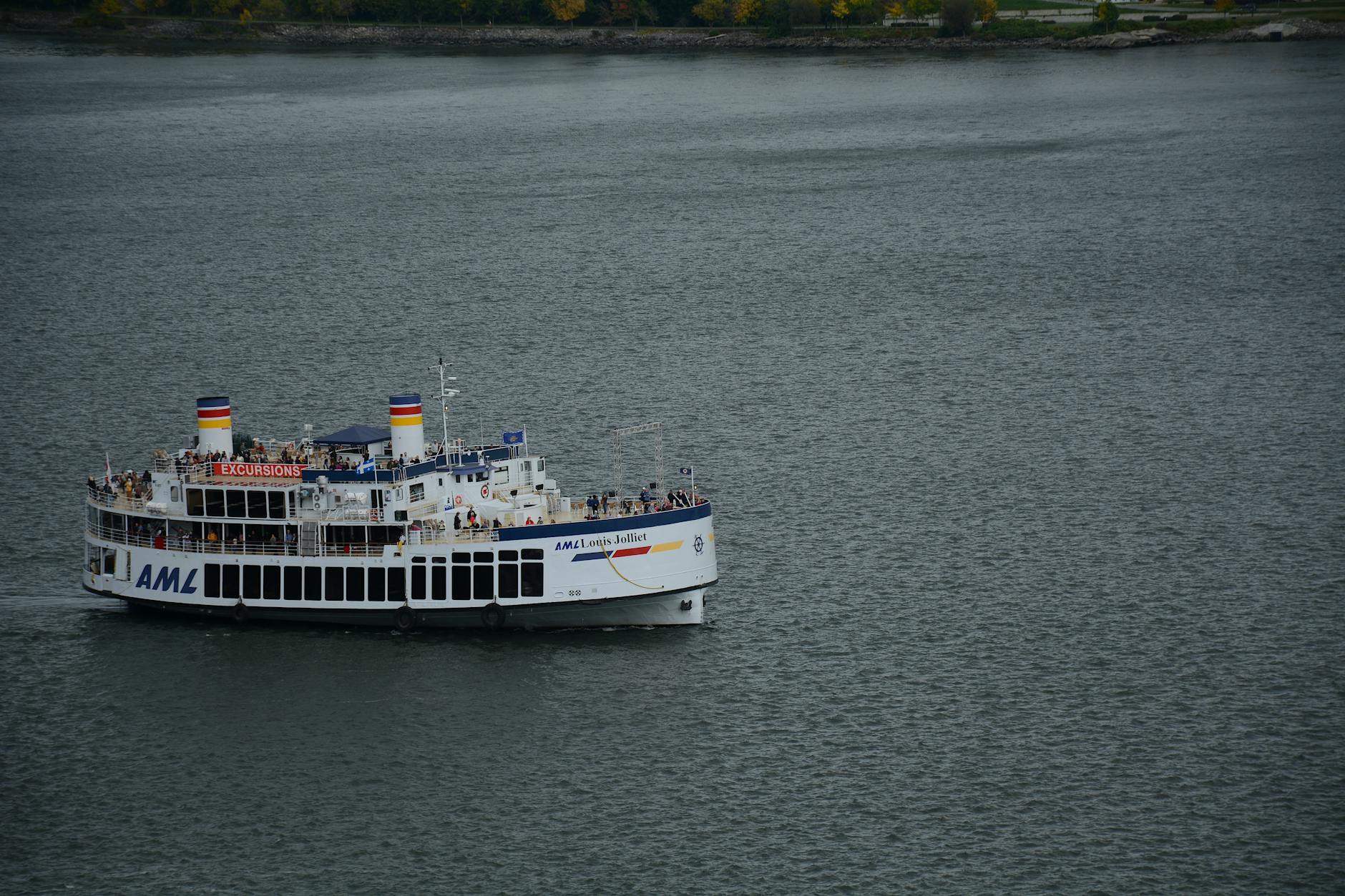
The St. Lawrence and Levis ferry can add perspective, but they should fit the weather and schedule. Evening streets can be atmospheric, but winter cold and tired legs may make a shorter route better.
- Reserve meals that match budget, language comfort, location, and desired atmosphere.
- Use the river, ferry, and evening walks when weather and stamina support them.
- Let food and quieter pauses balance the heavy visual pull of the old city.
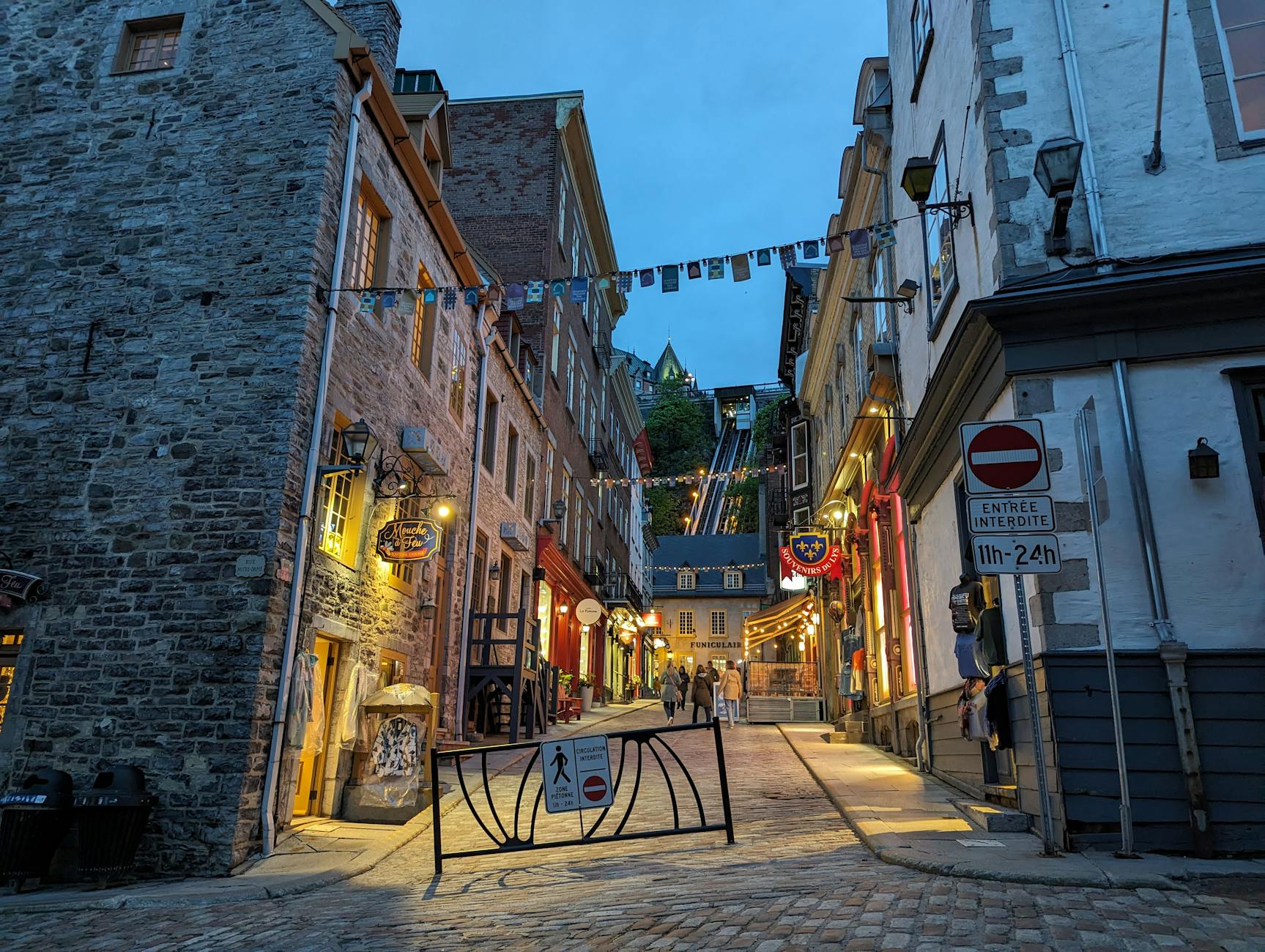
When to order a short-term travel report
A first-time visitor with flexible dates, a central hotel, and modest goals may not need a custom Quebec City report. A report becomes useful when season, hotel choice, mobility, language comfort, restaurant planning, arrival timing, winter conditions, family needs, or limited time could determine whether the trip works.
The report should test hotel location, route sequence, Upper and Lower Town movement, weather, meals, language, airport transfers, river options, crowd timing, budget, and what to cut. The value is a first Quebec City visit that feels complete without becoming overpacked.
- Order when season, hotels, mobility, language, meals, or tight timing need testing.
- Provide dates, hotel options, traveler pace, interests, food needs, budget, and constraints.
- Use the report to make the first visit coherent instead of merely scenic.