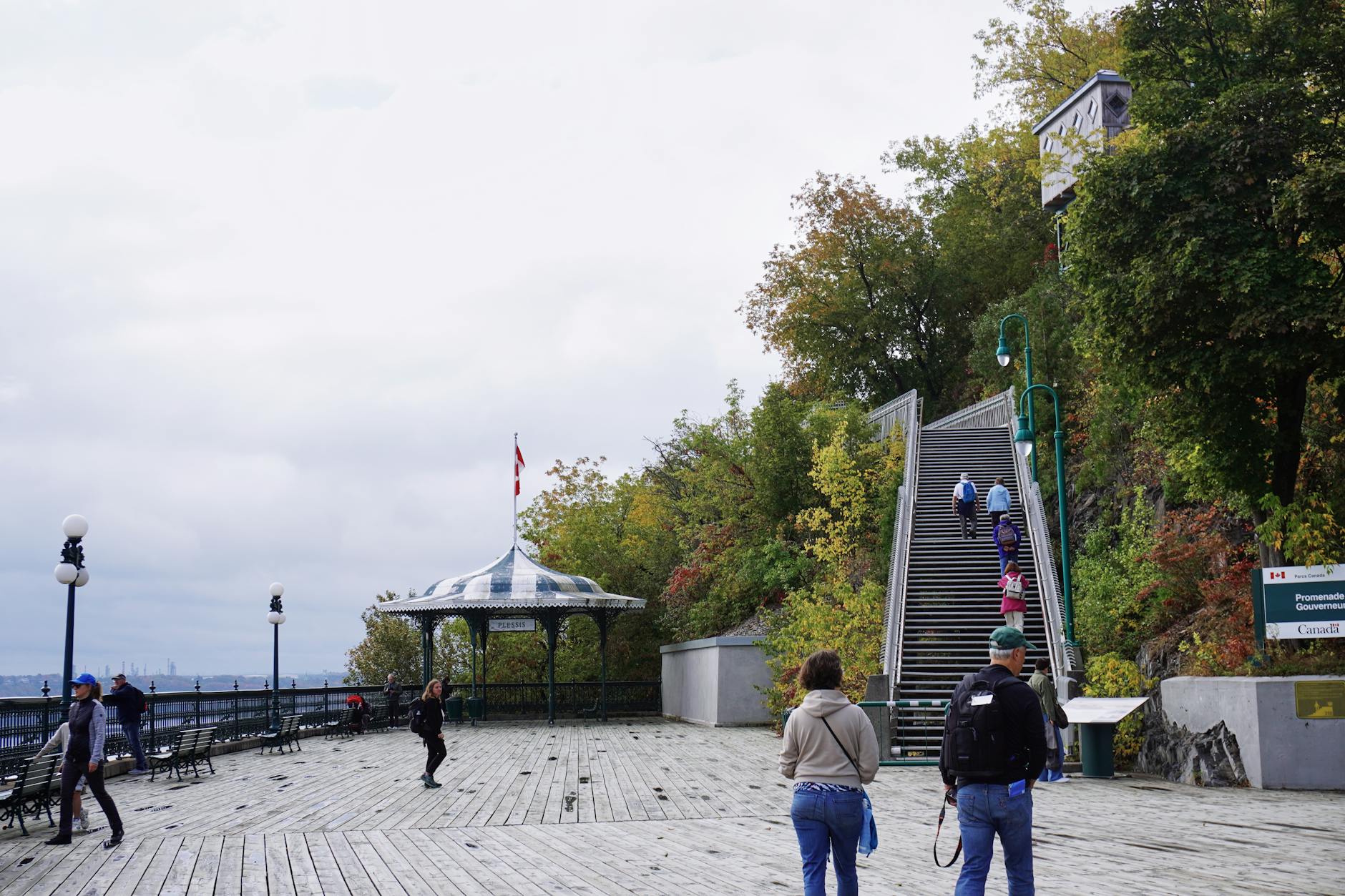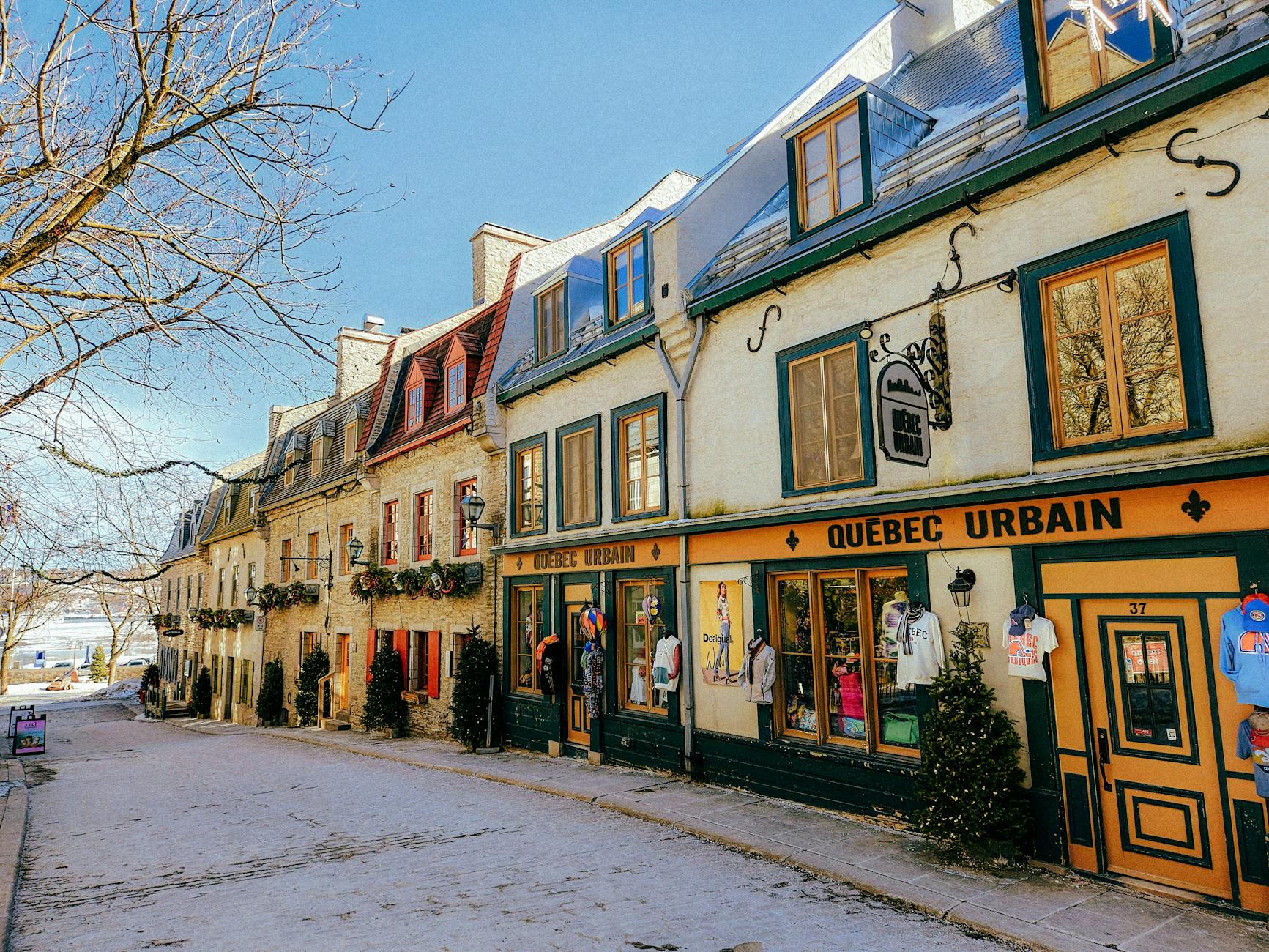
Quebec City can be excellent for families because it gives children a strong sense of place quickly: walls, towers, narrow streets, ferries, snow, river views, performers, cafes, and a historic core that feels different from ordinary city travel. It can also become hard if parents underestimate hills, cobblestones, stairs, winter footing, meal timing, stroller limits, and the fatigue that comes from repeated Upper Town and Lower Town transitions. A strong family Quebec City plan uses the city's atmosphere without trying to turn children into adult sightseers. The trip should include short routes, warm or shaded breaks, practical meals, flexible sleep, and enough novelty to keep the city memorable.
Choose the hotel by family mechanics
Family hotel choice in Quebec City should start with room layout, sleeping arrangements, elevators, breakfast, bathroom setup, stroller storage, noise, laundry, nearby food, and taxi access. A beautiful old property can be a poor fit if the room is cramped, the stairs are awkward, or the evening walk back is too steep for tired children.
Families should also think about whether they want to stay inside Old Quebec for atmosphere or slightly outside the tightest streets for easier access. The best choice is the one that keeps mornings, naps, meals, and returns manageable.
- Check room layout, elevators, breakfast, bathrooms, stroller storage, noise, and nearby food.
- Choose Old Quebec atmosphere only when the daily access works for the children and adults.
- Protect naps, early nights, luggage handling, and weather-proof returns before booking.
Plan routes for legs, not maps
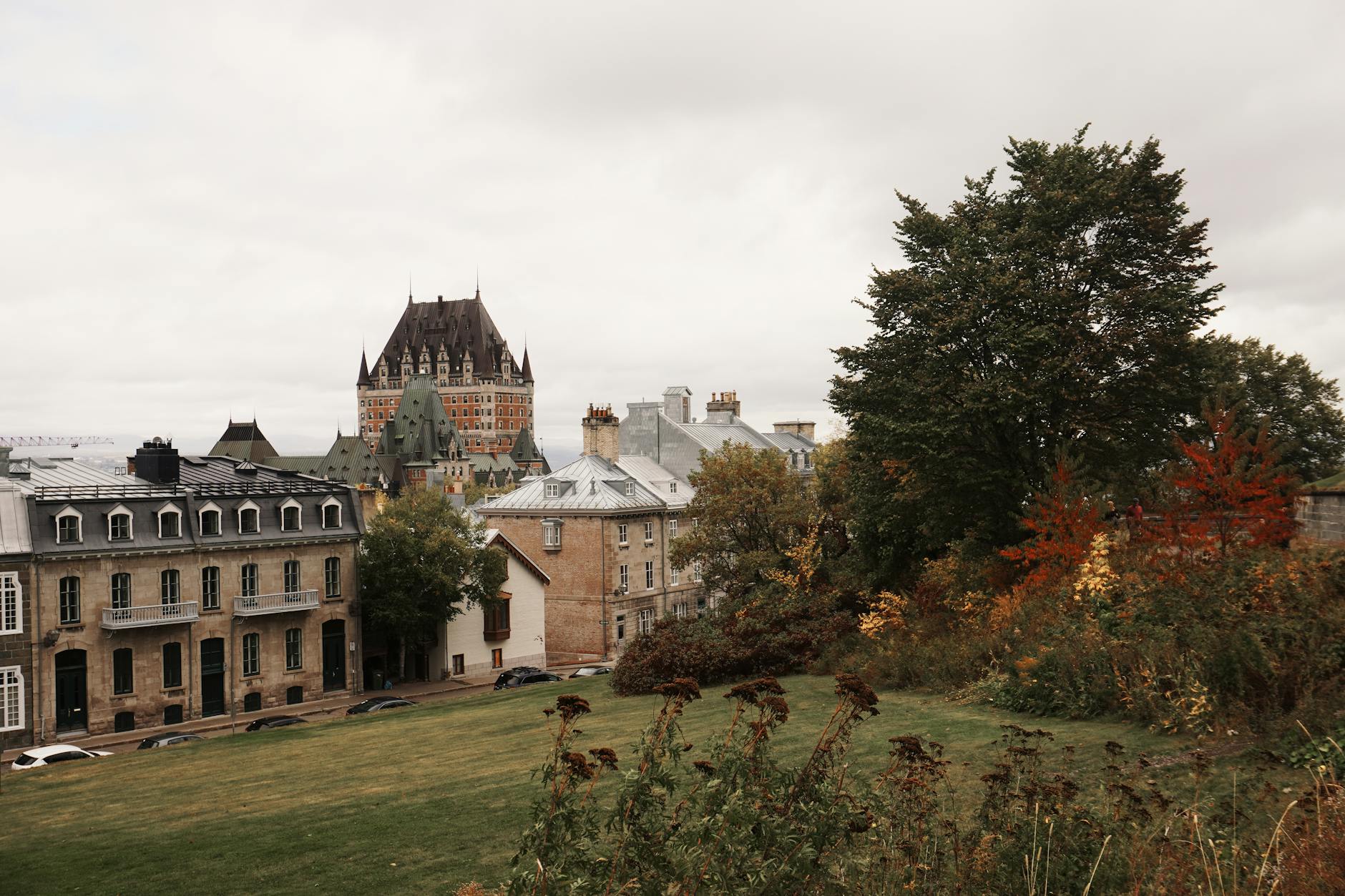
Quebec City distances can look small while still feeling large to a family. Hills, stairs, cobblestones, crowds, snow, slush, and wind can turn a short map route into a difficult outing with children. Parents should group Upper Town and Lower Town sights, use the funicular or taxis when sensible, and avoid repeated climbs.
A family route should have a clear first goal, a break option, a bathroom plan, and a way back that still works when a child is tired. The route is successful when it preserves energy for enjoyment.
- Plan by hills, stairs, cobblestones, weather, bathrooms, and child stamina rather than distance.
- Group Upper Town and Lower Town sights to avoid unnecessary climbing.
- Use taxis, funicular choices, and shorter loops before fatigue makes the decision for you.
Make winter magical and practical
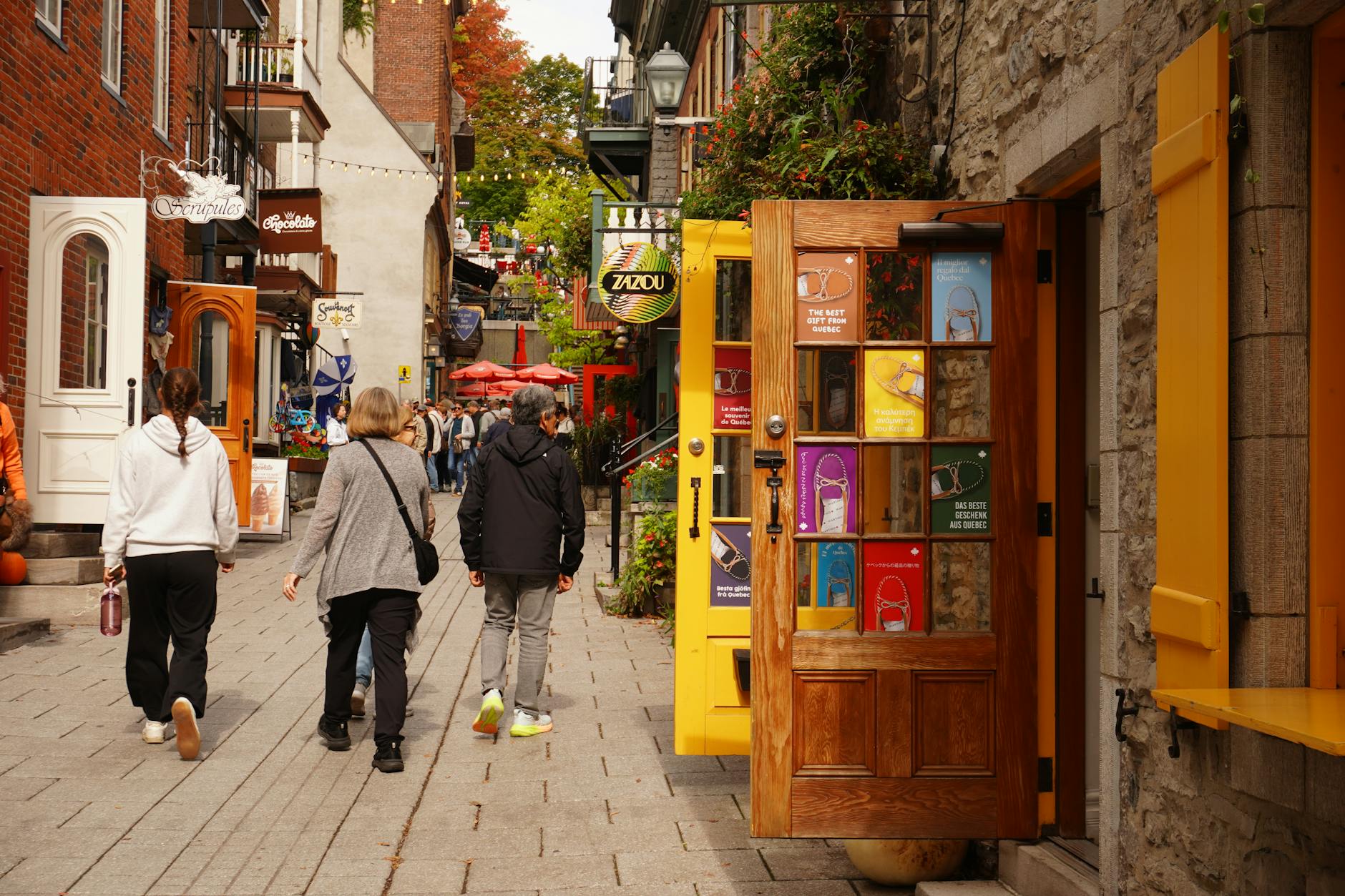
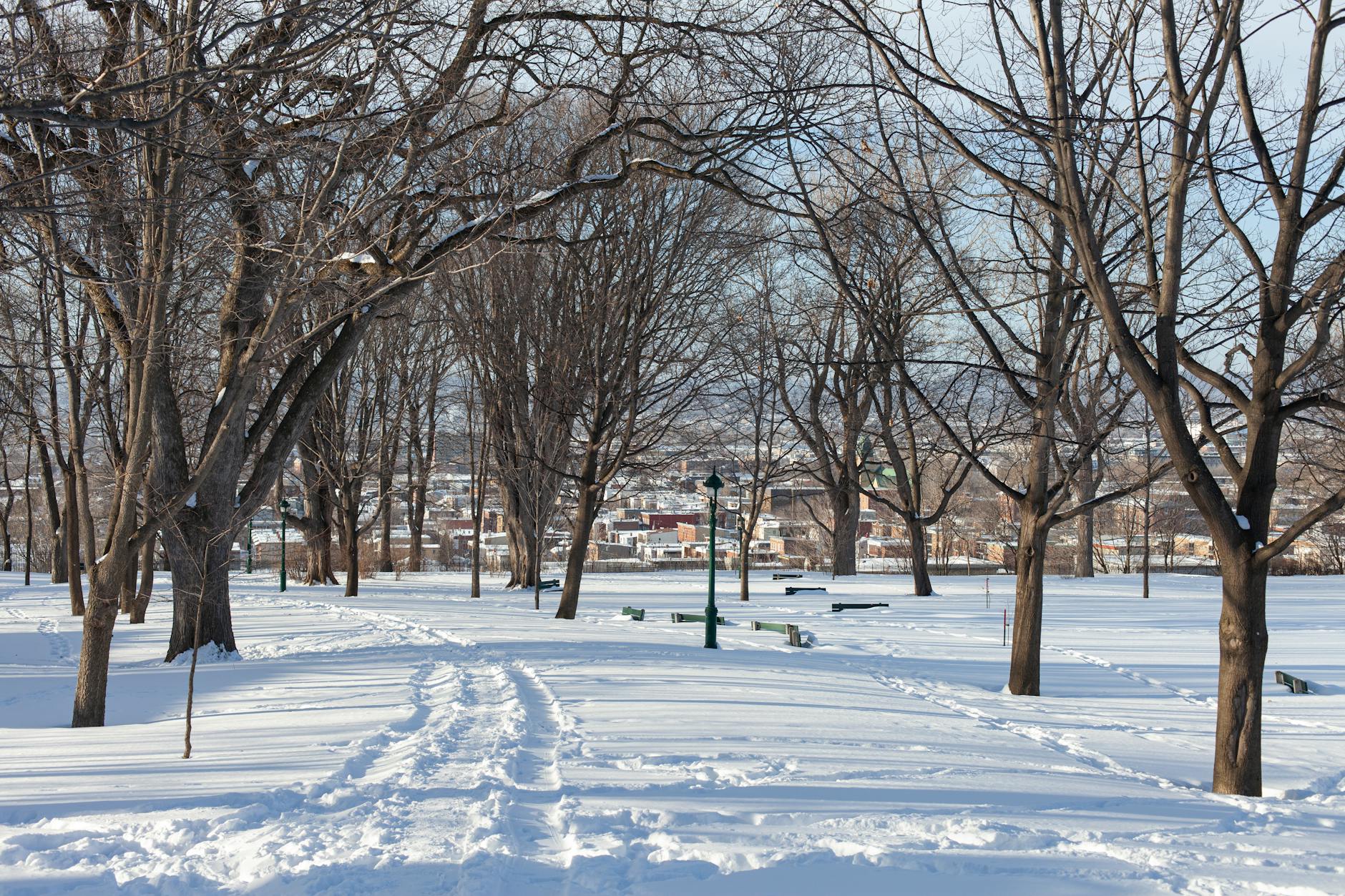
Quebec City winter can be unforgettable for families, but snow is not just decoration. Parents should plan boots, layers, gloves, hats, traction, stroller limits, shorter outdoor intervals, warm interiors, and backup activities. A child who is cold, wet, or tired will not care how beautiful the street looks.
Winter works best when outdoor moments are paired with warm breaks and simple meals. Families should avoid long exposed walks between dinner and hotel and should treat daylight as a resource.
- Pack and plan for snow, ice, wind, short daylight, wet gear, and cold hands.
- Pair winter walks with warm cafes, museums, hotel breaks, and short route segments.
- Avoid late or exposed returns that ask too much of children after dinner.
Use the city walls, river, and ferry as structure
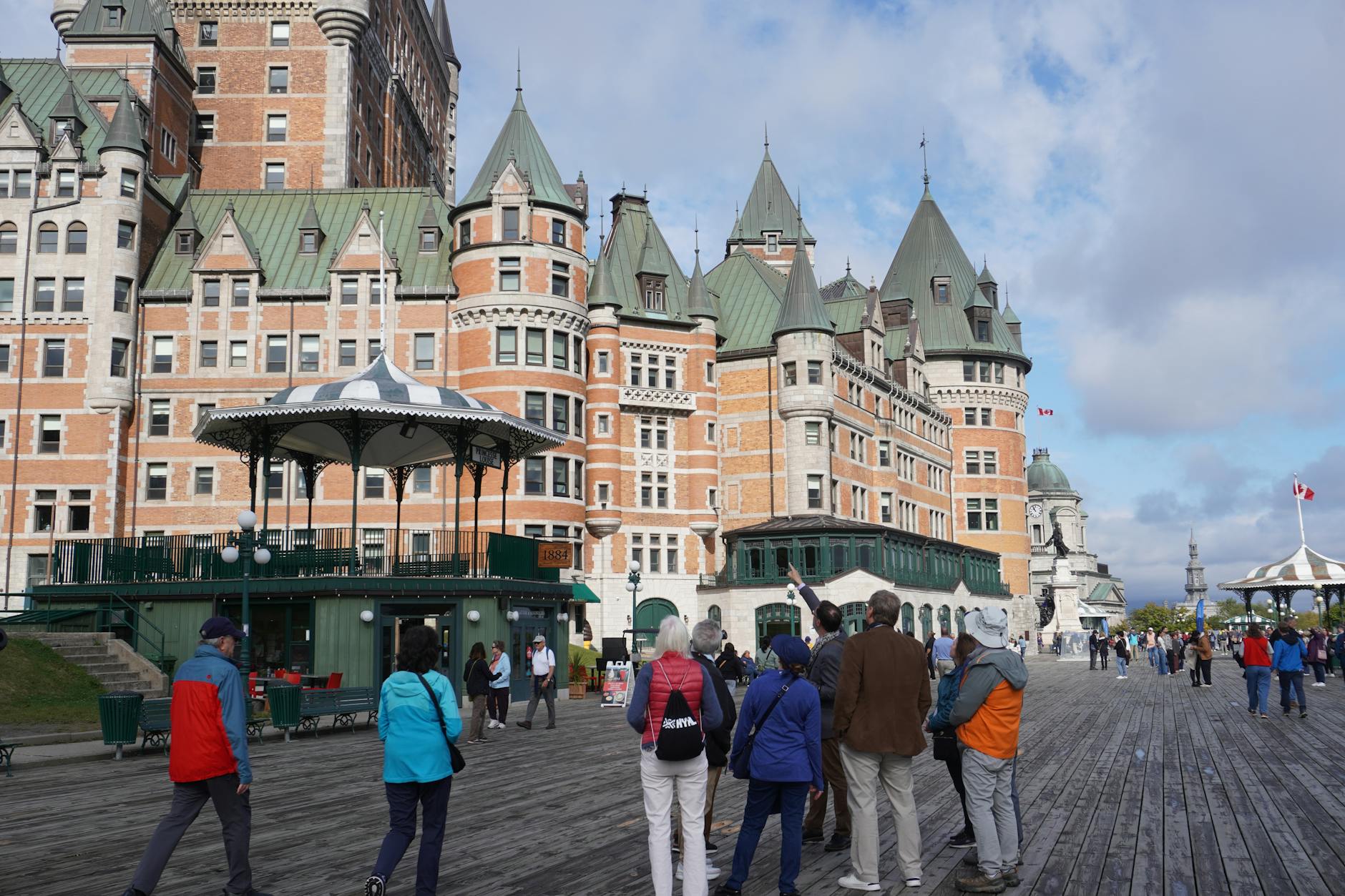
Families often do better when the day has tangible anchors. Quebec City gives them: city walls, gates, cannons, river views, the Levis ferry, boardwalks, funicular movement, and visible landmarks. These features help children understand the place without needing a long history lecture.
The family should choose a few memorable anchors rather than trying to cover every museum and street. A ferry ride or wall walk can carry more value than another adult-oriented stop if it gives children movement, views, and a clear story.
- Use walls, gates, river views, ferries, boardwalks, and landmarks as child-friendly anchors.
- Choose a few memorable experiences instead of covering every adult sight.
- Let movement and clear visual cues help children connect with the city.

Handle meals before hunger takes over
Family dining in Quebec City should be planned with timing, menus, reservations, stroller space, high chairs, noise, walk-back routes, and child patience in mind. Parents may want good food, but they also need meals that happen before everyone is too hungry or too cold to enjoy them.
The city can support relaxed bistros, cafes, markets, bakeries, and more formal dinners, but not every strong restaurant is a good family fit. Parents should reserve carefully and keep one or two easy fallback options near the hotel.
- Plan meal timing, reservations, menus, stroller space, high chairs, and return routes.
- Keep easy bakery, cafe, market, or hotel-adjacent fallback options ready.
- Choose one special meal only if the timing and setting work for the children.
Set expectations for language and pace
Quebec City is a French-speaking capital, and families should prepare children for that context in simple ways. Learning greetings, recognizing place names, and understanding that not every interaction begins in English can become part of the trip rather than a source of stress. Parents should also set expectations about walking, weather, and daily goals.
A family trip works better when children know the day will include both adult sights and child-friendly pauses. The itinerary should not depend on perfect cooperation. It should make reasonable cooperation possible.
- Prepare children for French greetings, place names, menus, and local cultural context.
- Set realistic expectations for walking, weather, meals, breaks, and daily goals.
- Balance adult interests with child-friendly pauses so the city stays enjoyable.
When to order a short-term travel report
A family with older children, mild weather, a central hotel, and flexible plans may not need a custom Quebec City report. A report becomes useful when the trip includes young children, winter conditions, stroller needs, limited time, special meals, multiple generations, mobility concerns, nap schedules, tight budgets, or uncertainty about where to stay.
The report should test hotel fit, room layout, route effort, Upper and Lower Town movement, winter comfort, meals, bathrooms, ferry or river options, child pacing, budget, and what to cut. The value is a Quebec City family trip that feels rich without asking children or parents to absorb poor logistics.
- Order when hotel layout, winter weather, stroller use, meals, nap timing, or route effort need testing.
- Provide dates, children's ages, hotel options, walking limits, food needs, budget, and priorities.
- Use the report to make Quebec City memorable without exhausting the family.