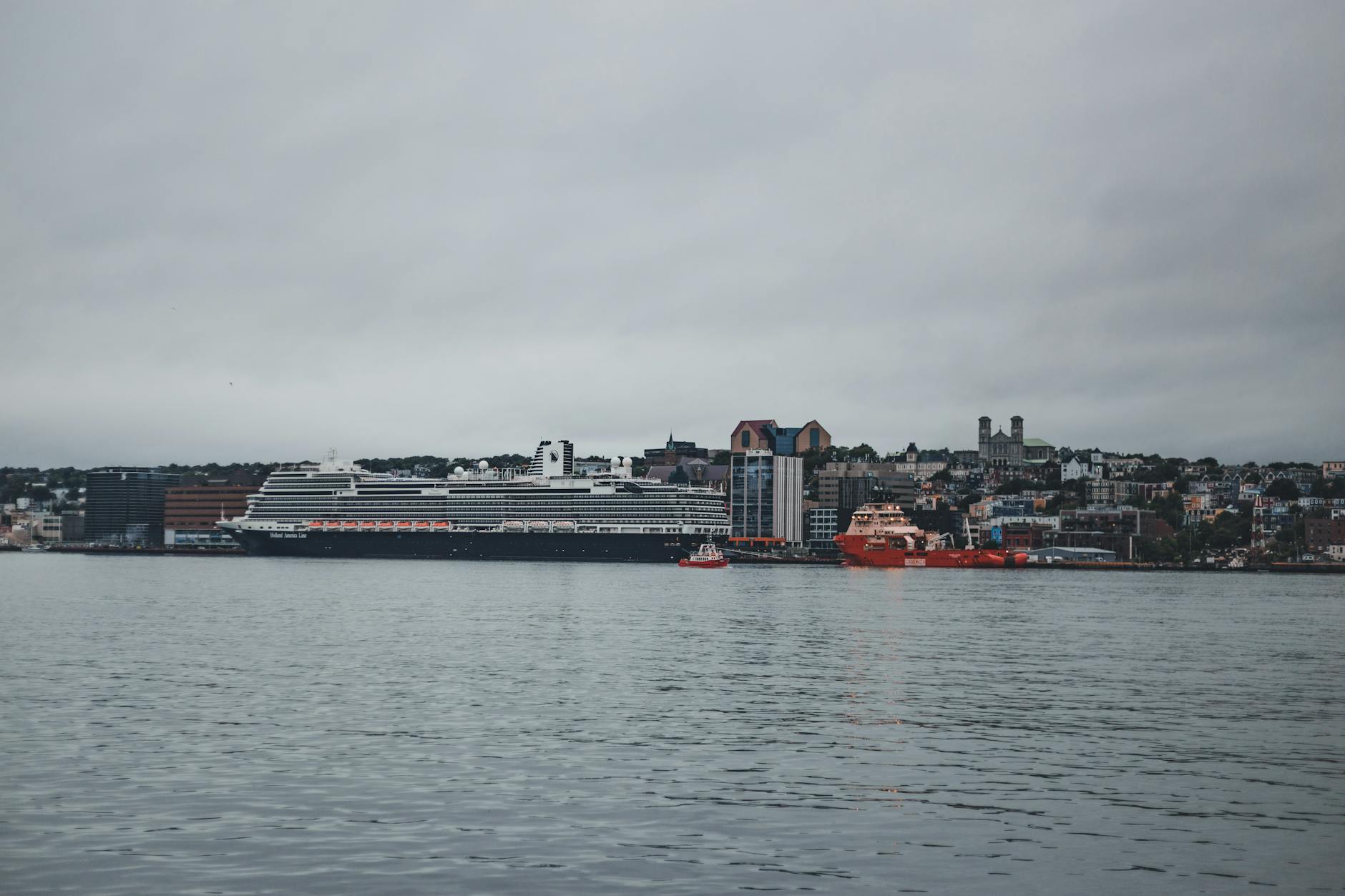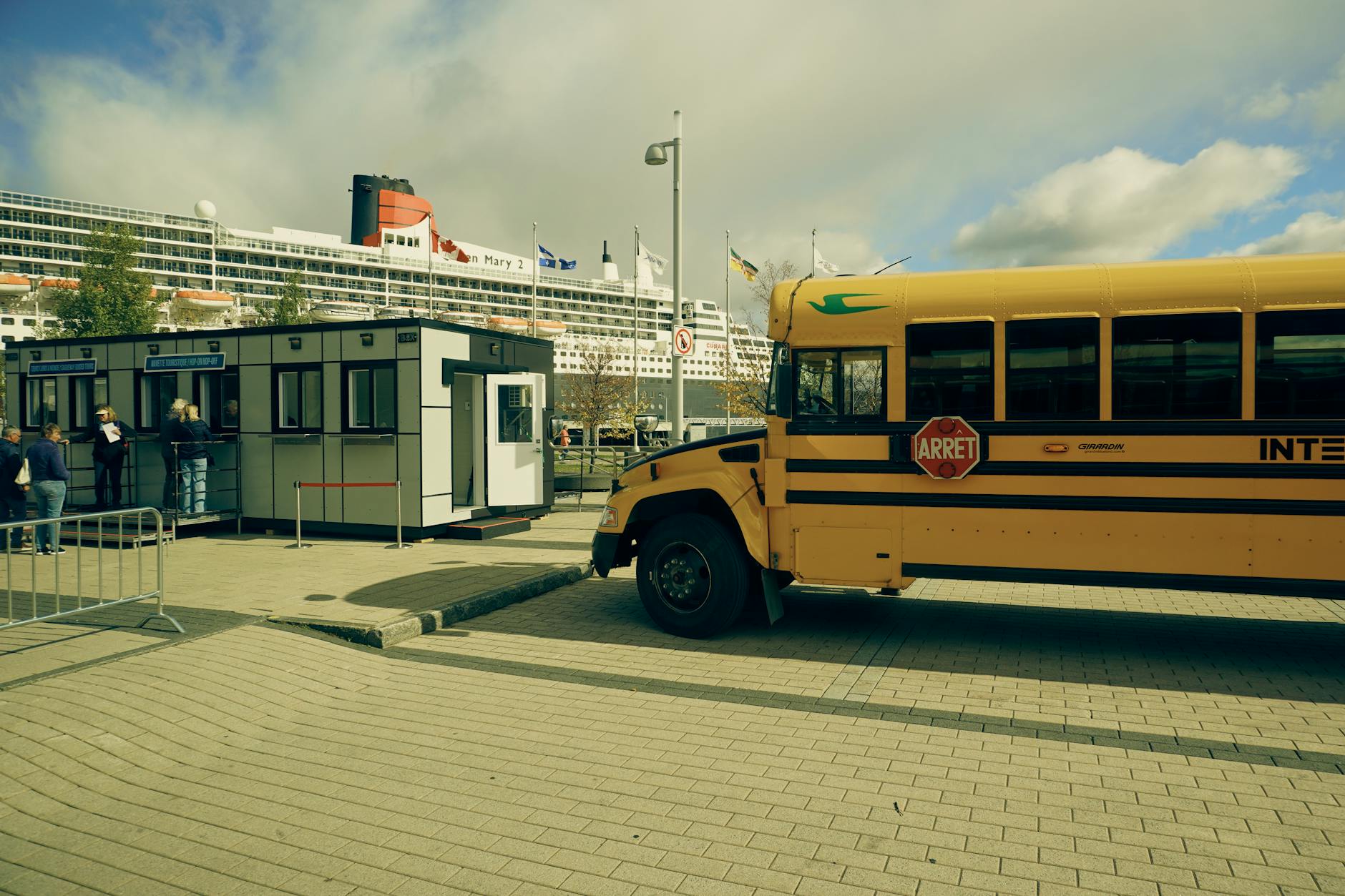
Quebec City is one of the more rewarding St. Lawrence cruise stops because the port sits close to Old Quebec, Lower Town, river views, restaurants, historic streets, and Chateau Frontenac. That proximity can make the day feel simple. It can also make travelers overconfident. Hills, stairs, cobblestones, fall crowds, ship timing, weather, and mobility constraints can change what is realistic during a short call. A strong Quebec City cruise or port-call plan starts with the actual ship schedule. A same-day port call, embarkation day, disembarkation day, overnight call, Canada-New England itinerary, or St. Lawrence extension each requires different pacing, luggage choices, transfer planning, and return discipline.
Start with the real port-call window
A cruise traveler should start with the real usable time in Quebec City, not the headline arrival and departure times. Gangway timing, ship clearance, shuttle queues, mobility pace, weather, lunch, restroom stops, and the all-aboard buffer can reduce the day quickly. The city is close, but the clock still controls the call.
The traveler should identify whether the day is a simple port call, an overnight stay, embarkation, disembarkation, or a pre- or post-cruise extension. Each version has a different risk profile.
- Subtract ship clearance, gangway queues, shuttles, meals, weather, and return buffer from the schedule.
- Separate port-call, overnight, embarkation, disembarkation, and extension logic.
- Keep the strongest city priorities inside the dependable part of the day.
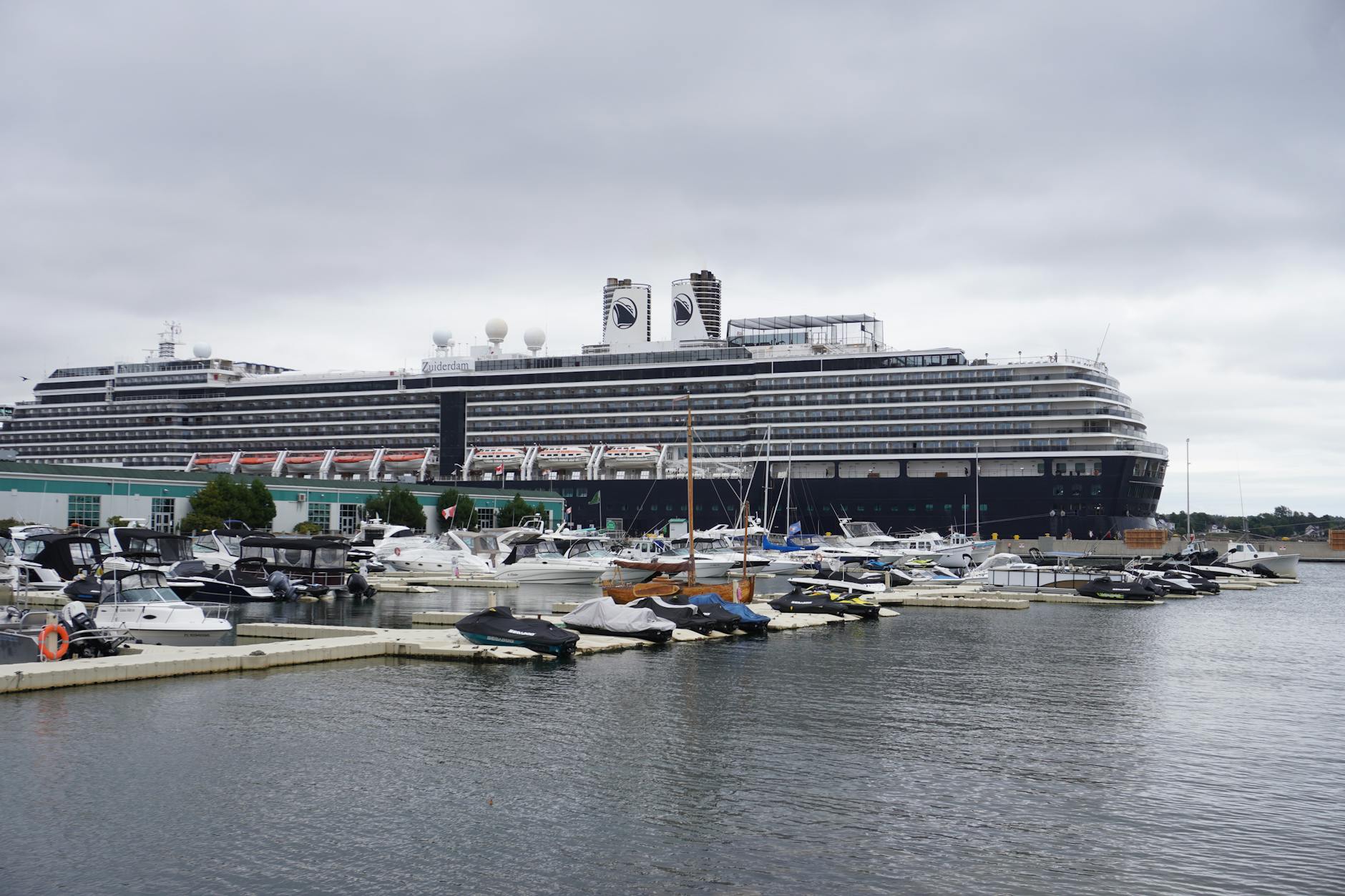
Understand the port-to-Old-Quebec climb
Quebec City's port location is convenient, but the move from the waterfront into Old Quebec can involve hills, stairs, uneven surfaces, and crowding. Lower Town may be easy to reach, while the Upper Town route can be more demanding than a map suggests. This matters for older travelers, mobility limits, winter or rain, and anyone trying to do too much before lunch.
The traveler should decide whether to walk, use a shuttle, take a taxi, or structure the day around Lower Town and a limited Upper Town visit. The route should match ability and weather.
- Treat Lower Town and Upper Town as different effort levels, not one flat port district.
- Plan for hills, stairs, cobblestones, crowds, rain, snow, and mobility limits.
- Use taxis or shuttles when the climb would consume energy needed for the rest of the day.
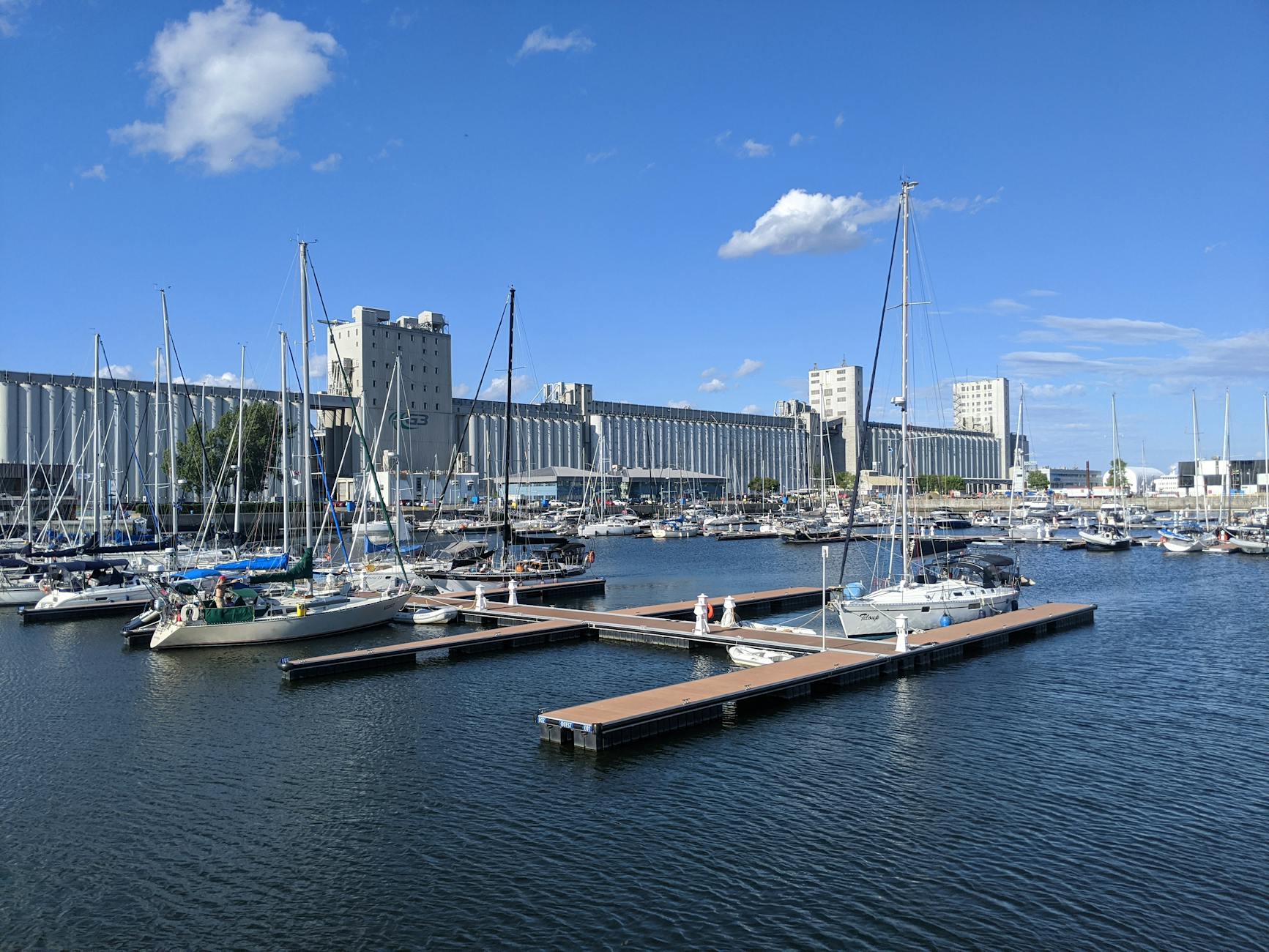
Build the day around one or two anchors
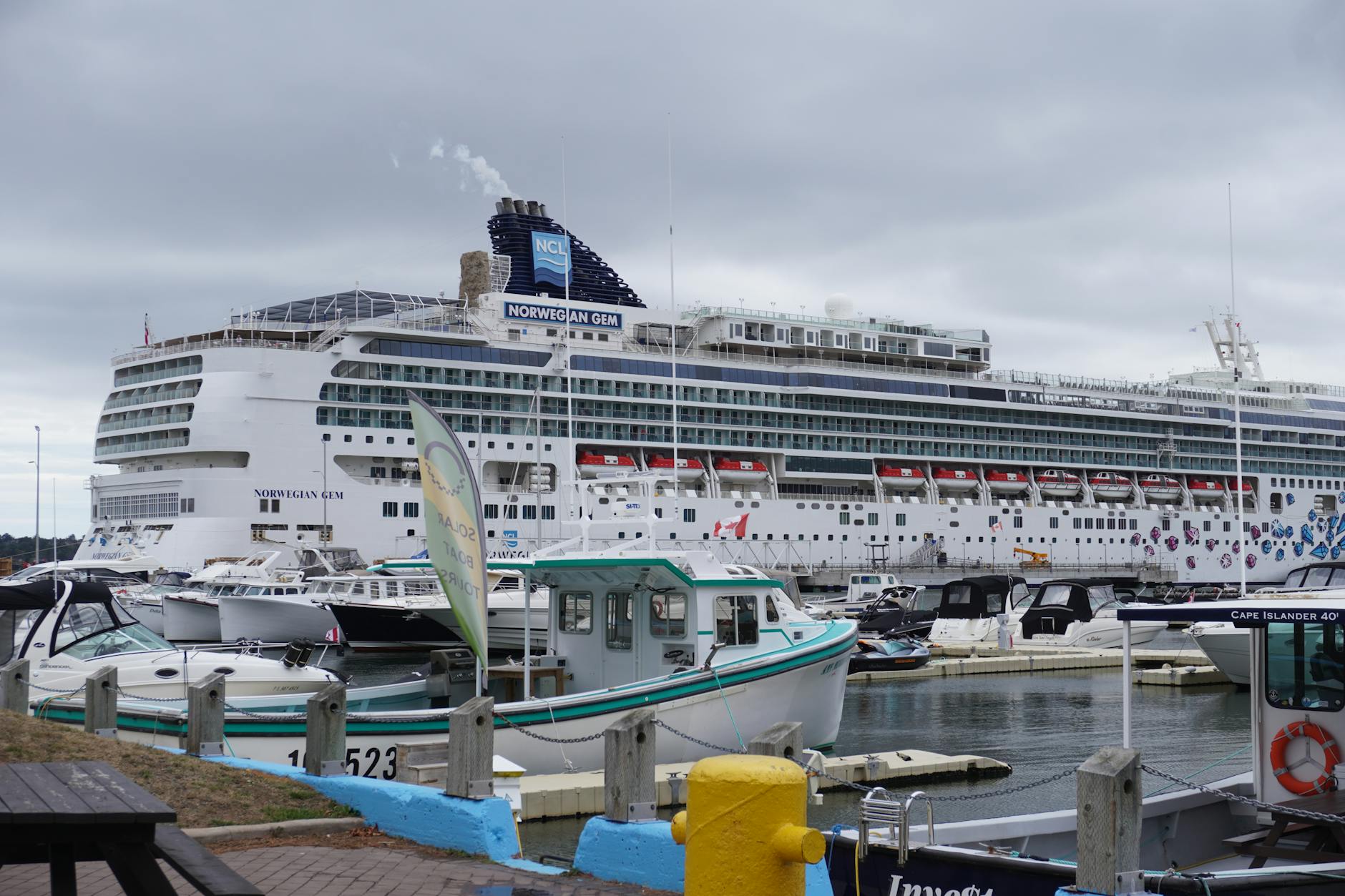
A Quebec City port call can easily fill with too many small stops: Petit-Champlain, Place Royale, Chateau Frontenac views, the fortifications, churches, cafes, shops, museums, funicular movement, and riverfront photos. A short call works better when the traveler chooses one or two anchors and leaves the rest flexible.
For many visitors, a strong day might mean Lower Town plus a Chateau Frontenac viewpoint, or a guided Old Quebec walk plus a deliberate lunch. Trying to cover everything can turn a beautiful port into a rushed checklist.
- Choose one or two anchors before adding cafes, shops, museums, or extra viewpoints.
- Use Lower Town, Chateau Frontenac, Old Quebec, or a guided walk as the day's structure.
- Leave optional stops cuttable if crowds, weather, or ship timing shift.
Handle luggage and embarkation pressure
If Quebec City is an embarkation or disembarkation point, luggage becomes central to the plan. Airport transfers, hotel check-in, bag storage, cruise terminal timing, customs or security, taxi availability, and weather can determine whether the traveler can enjoy the city or spends the day managing bags.
The traveler should confirm storage, transfer timing, hotel access, and what can be carried comfortably over cobblestones or through crowded streets. A port day with luggage should be planned more conservatively than a normal sightseeing day.
- Confirm bag storage, transfer timing, cruise terminal rules, hotel check-in, and taxi plans.
- Avoid routes that require heavy luggage on hills, stairs, cobblestones, or crowded sidewalks.
- Protect embarkation and disembarkation days from unrealistic sightseeing ambition.
Treat weather and season as port-call variables
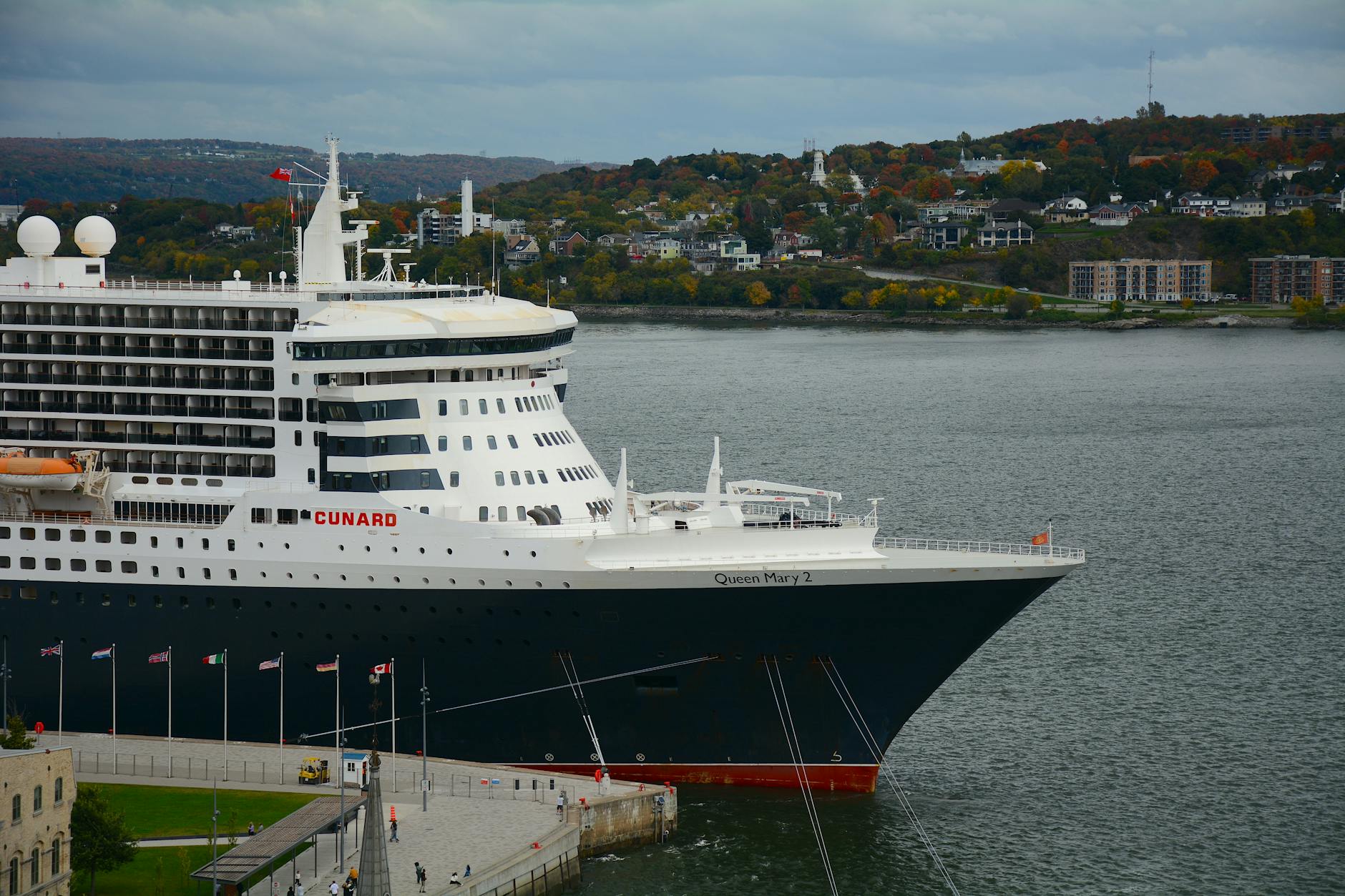
Quebec City cruise calls can be shaped by fall foliage demand, chilly river winds, rain, early darkness, winter shoulder conditions, or warm-weather crowds. The traveler should not plan the day as if conditions are neutral. Clothing, footwear, route choice, and indoor backup stops can all affect whether the port call feels comfortable.
The St. Lawrence setting also means wind and temperature can feel different near the water than in protected streets. Layers and realistic shoes matter more than cruise-day outfits.
- Plan for river wind, rain, chilly mornings, fall crowds, early darkness, and uneven surfaces.
- Choose shoes and layers for walking, waiting, and returning to the ship.
- Keep indoor or low-exposure alternatives ready if weather weakens the route.
Protect the return to ship
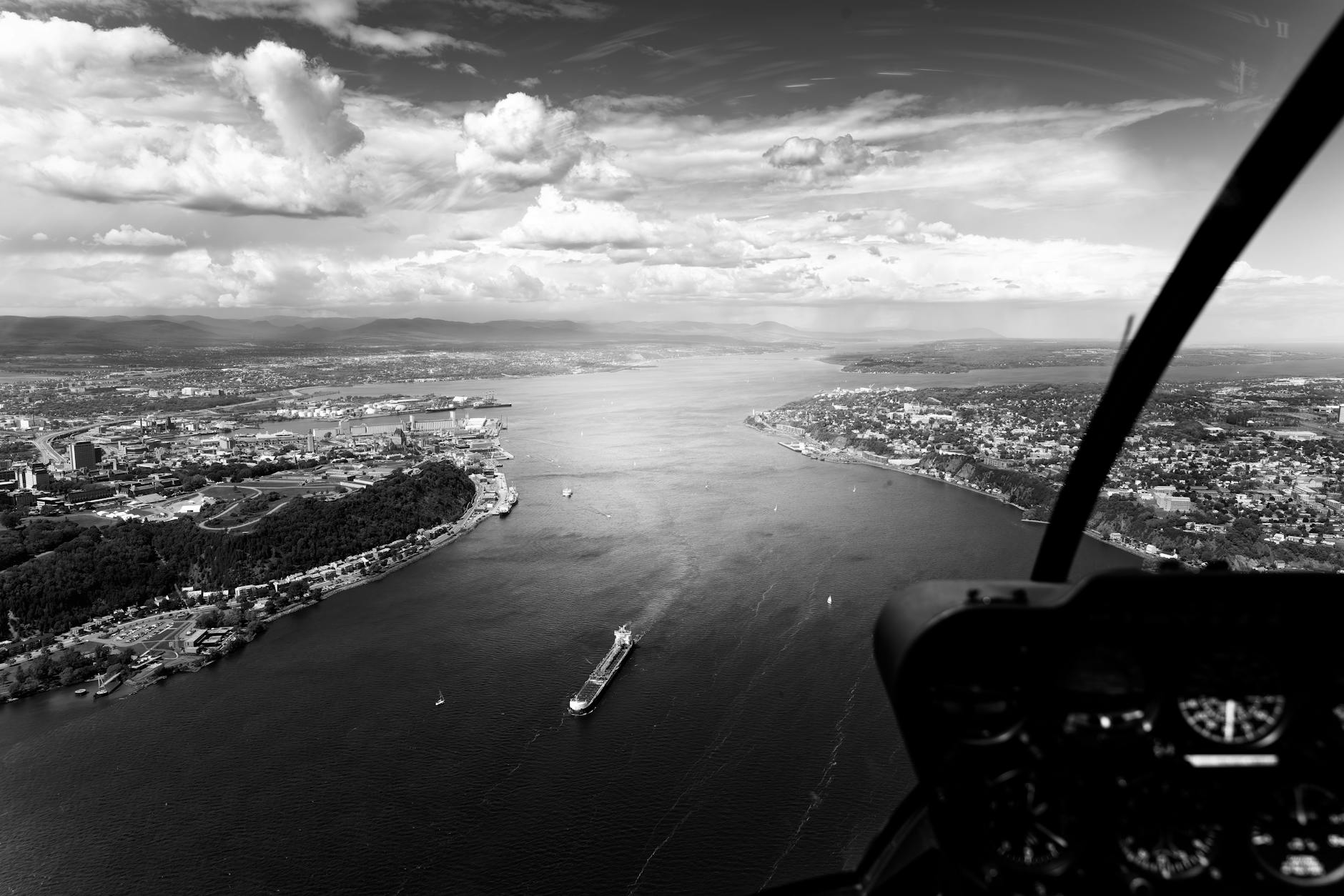
A Quebec City port call can feel relaxed because the ship is visibly close, but the return still needs discipline. Lunch delays, shop queues, slow walking, taxi scarcity, sudden rain, and crowded streets can tighten the final hour. A traveler should decide the last safe stop and the latest return time before leaving the terminal area.
The return plan should be simpler than the outbound plan. If the day depends on a last-minute climb, taxi, or long walk, the itinerary is too fragile.
- Set a latest return time and a last safe stop before entering Old Quebec.
- Keep the final route back to the ship simple, familiar, and weather-aware.
- Avoid making the all-aboard buffer depend on a taxi, long meal, or steep last walk.
When to order a short-term travel report
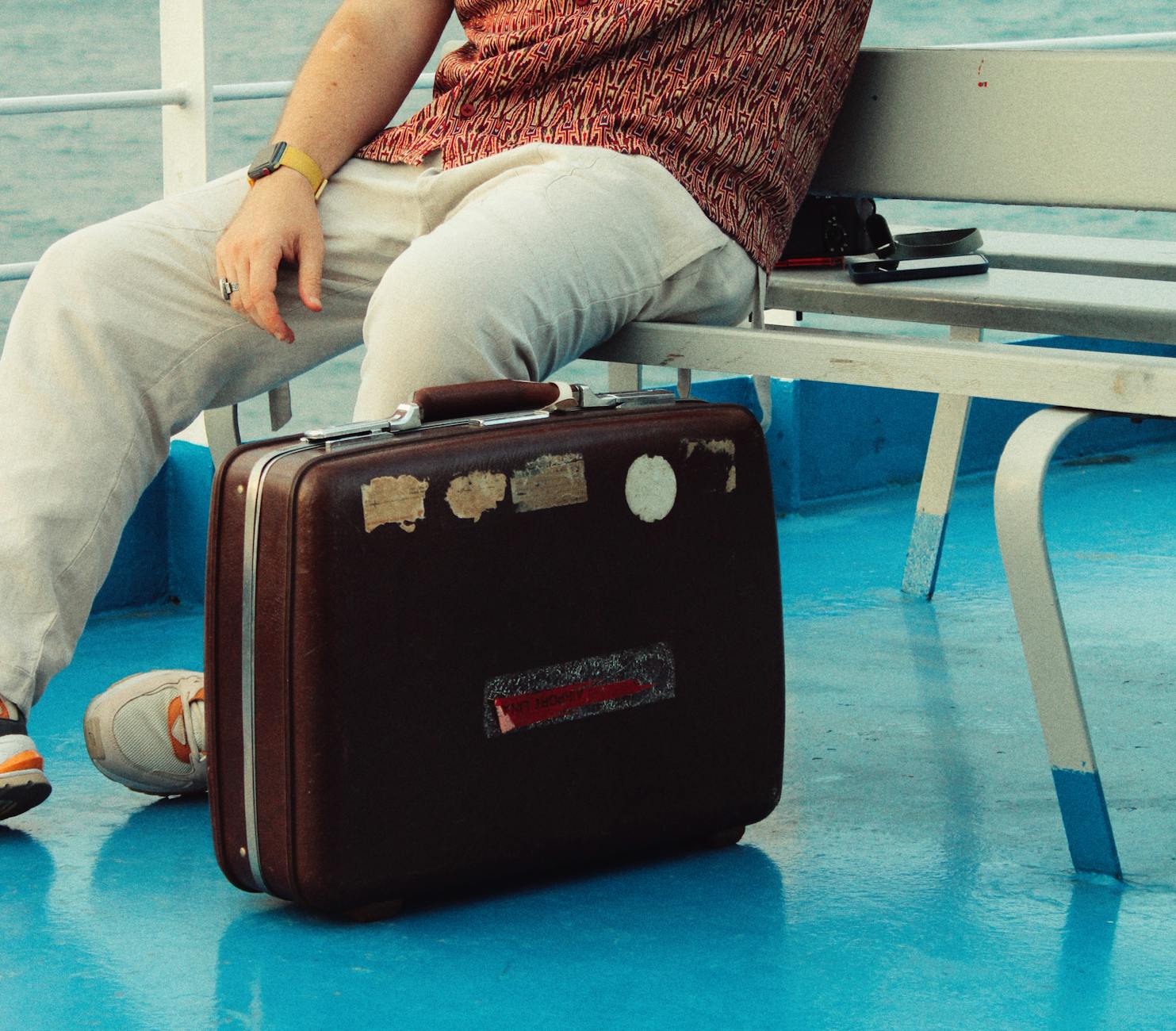
A cruise traveler with a long, simple Quebec City call and good mobility may not need a custom report. A report becomes useful when the traveler has limited port time, mobility constraints, luggage, embarkation or disembarkation pressure, fall crowds, winter or rain risk, a group with mixed abilities, or a desire to compare shore excursion options with independent touring.
The report should test the port window, walking effort, transfer timing, luggage, weather, excursion value, lunch placement, return buffer, budget, and what to cut. The value is a Quebec City port day that feels memorable without risking the ship schedule.
- Order when port timing, mobility, luggage, weather, excursions, or mixed group needs require testing.
- Provide ship schedule, terminal details, mobility limits, interests, excursion options, budget, and constraints.
- Use the report to make the port call realistic, focused, and calm.