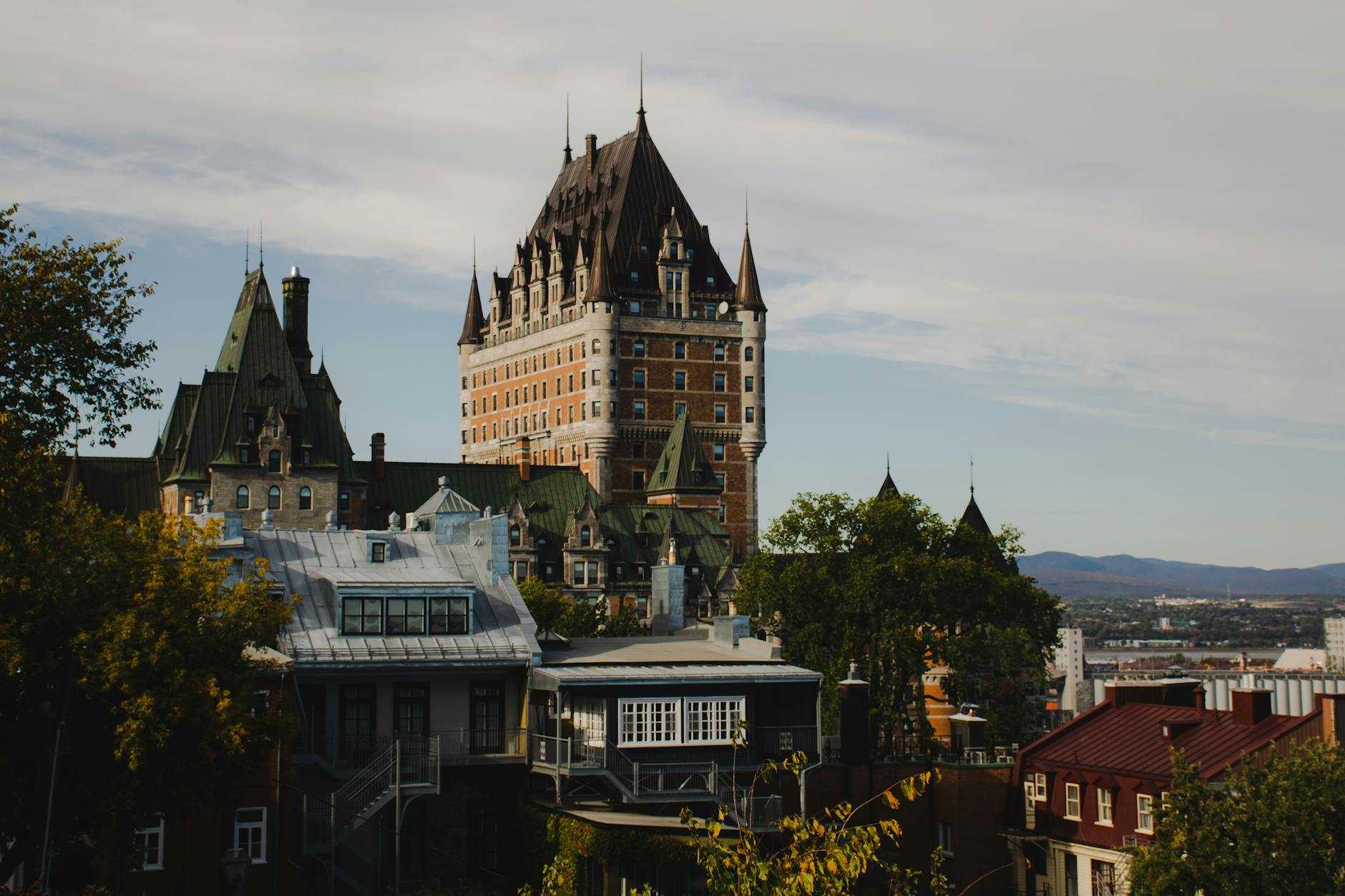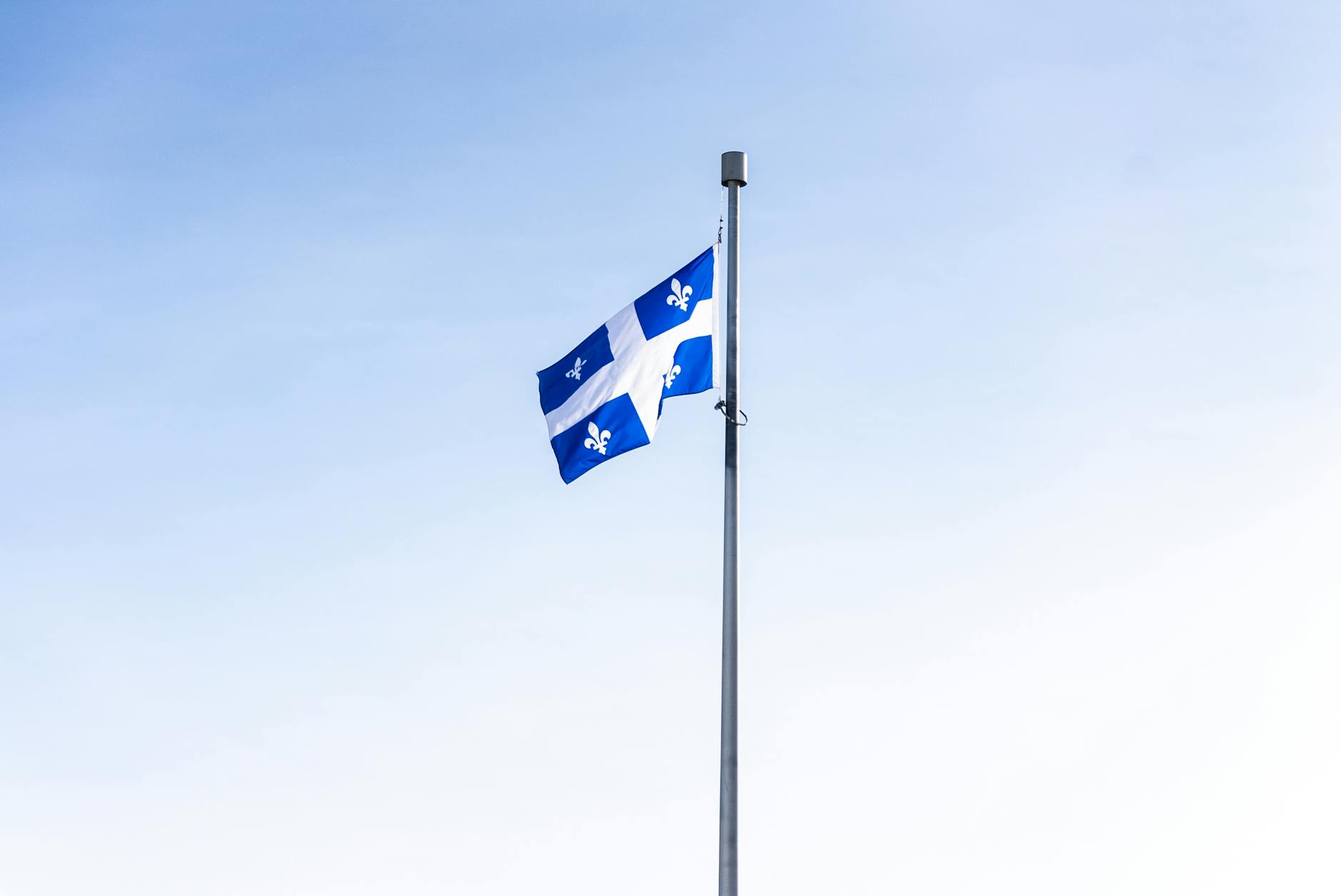
Quebec City can be a memorable conference destination because it combines a compact center, strong hotels, provincial-capital context, historic streets, river views, and a setting that makes informal networking feel distinctive. It can also create friction if the attendee underestimates hills, winter weather, bilingual context, venue geography, and the temptation to overfill the schedule with sightseeing. A strong conference plan starts with the professional purpose. Presenting, selling, recruiting, learning, exhibiting, networking, or representing an organization all require different choices about arrival timing, hotel location, work blocks, meals, clothing, and how much of Quebec City to add around the program.
Map the venue, hotel, and old city together
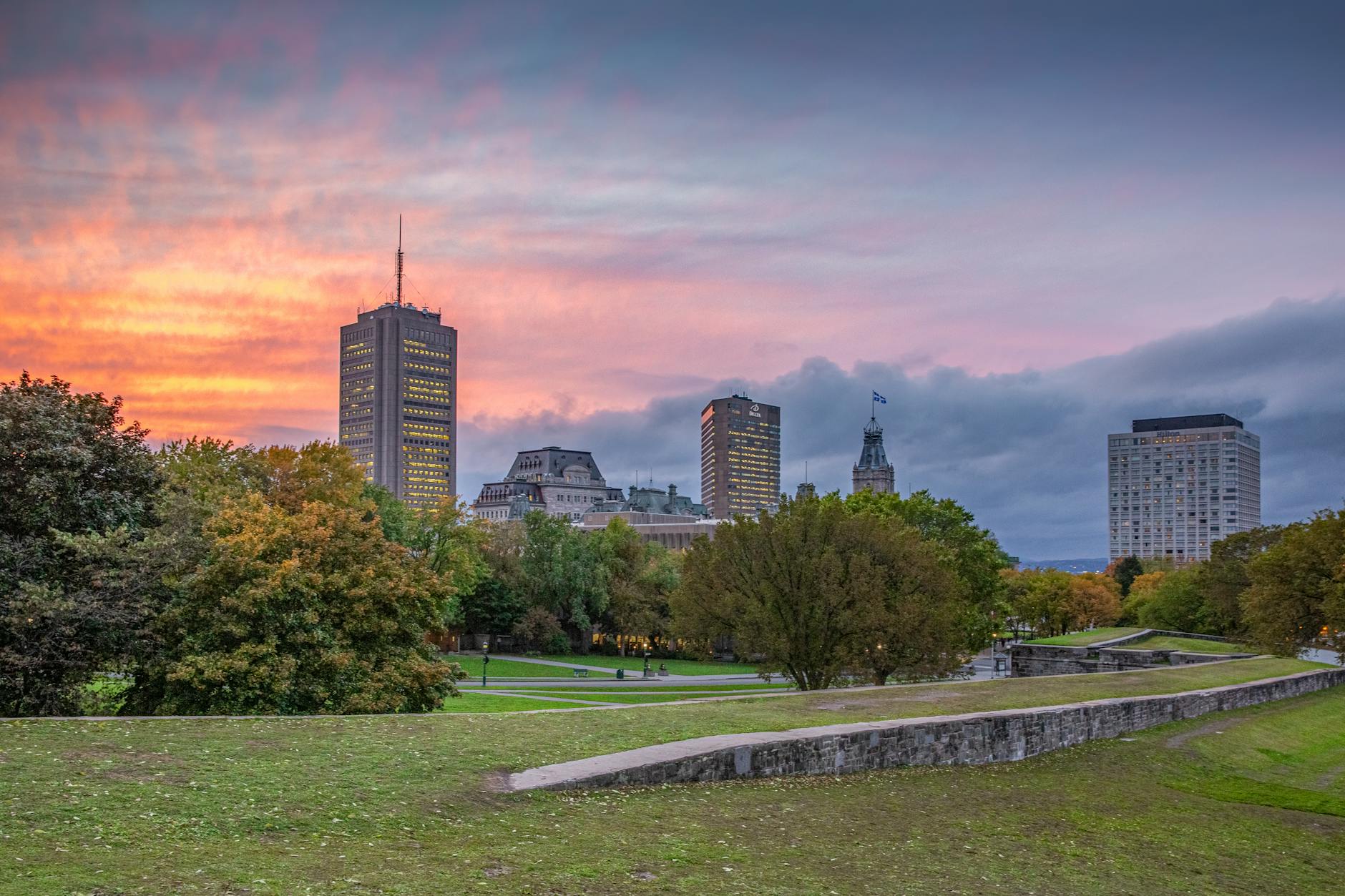
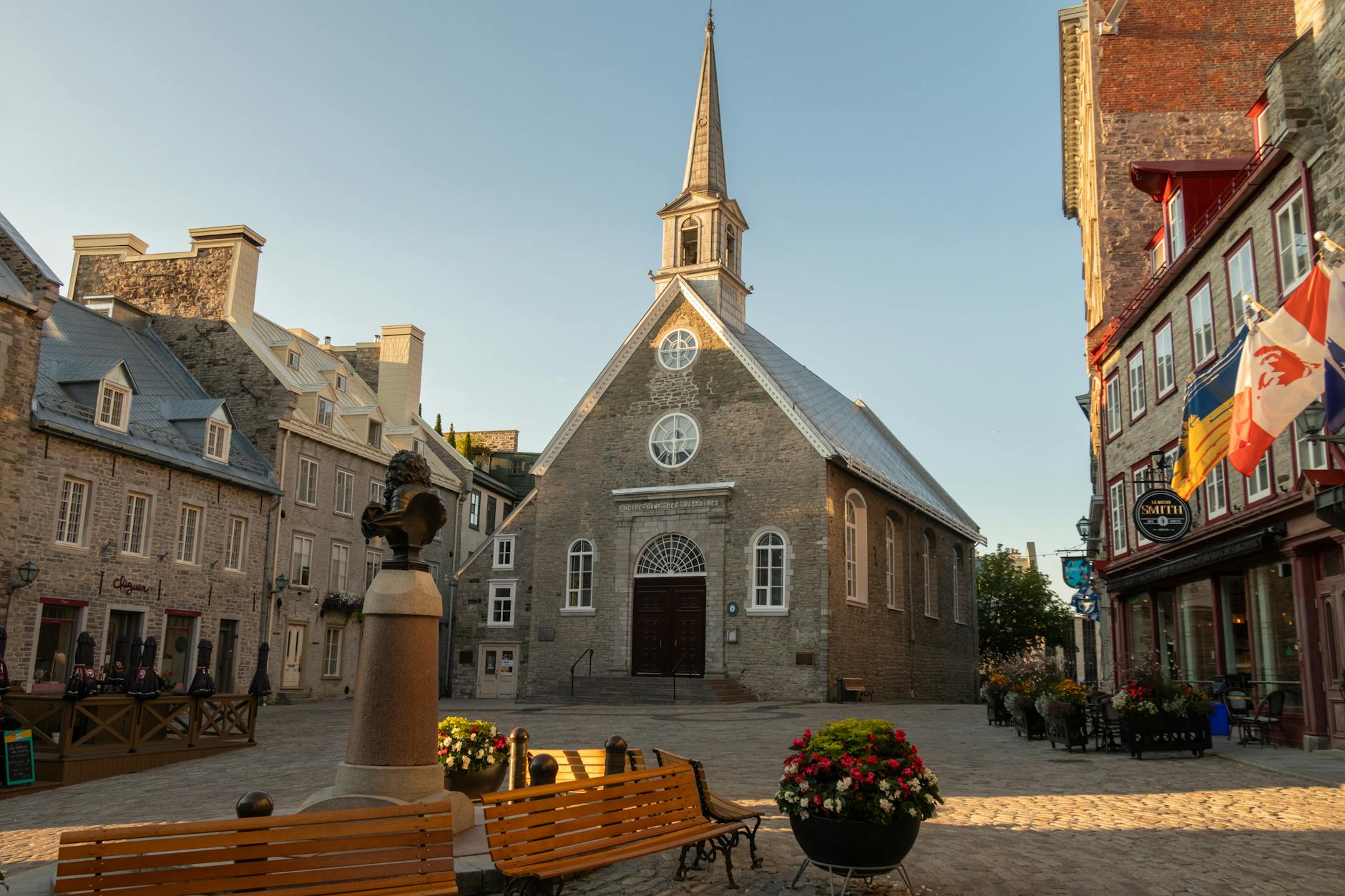
A Quebec City conference attendee should test the relationship between the venue, hotel, Old Quebec, Parliament Hill, restaurants, and taxi pickup points before booking. A hotel that looks close may still involve hills, winter surfaces, or awkward indoor-outdoor transitions when carrying a laptop, badge, conference bag, or dress shoes.
The right hotel depends on the purpose of the trip. An attendee who needs every morning session, an exhibitor with materials, a speaker, and a casual learner may not need the same base.
- Check venue distance, hills, winter surfaces, taxi pickup, restaurants, and hotel access together.
- Choose the hotel by the conference role, not only by rate or old-city atmosphere.
- Protect morning sessions and evening returns before adding scenic detours.
Account for bilingual and local context
Quebec City conference settings may be bilingual, French-forward, English-forward, or mixed by industry. The attendee should prepare greetings, badge names, slides, signage, booth language, restaurant reservations, and informal introductions with French-language context in mind. Even when English is widely used, the local setting is not incidental.
This preparation can improve networking. A traveler who understands the city as a provincial capital and French-speaking environment is better positioned than one who treats it as a generic Canadian conference stop.
- Prepare greetings, names, slides, signage, booth language, and reservations for bilingual context.
- Confirm whether sessions, receptions, or materials involve French, English, or both.
- Use local awareness to make networking more respectful and effective.
Plan for winter clothing and conference clothing
Winter can complicate conference dressing in Quebec City. The attendee may need warm outerwear, traction-conscious footwear, indoor shoes, layers, a bag that handles snow or slush, and enough time to arrive looking composed. A short walk in mild weather can become a serious clothing problem in freezing rain or wind.
Even outside winter, rain, heat, and hills can affect presentation clothing and comfort. The attendee should not assume conference attire and city movement will automatically work together.
- Plan outerwear, footwear, layers, bags, and indoor shoes for the actual season.
- Build extra time for snow, slush, wind, rain, or hill-heavy venue access.
- Keep conference appearance and walking comfort aligned rather than treating them separately.
Protect presentation and work blocks
Conference trips fail when the attendee leaves no time for slides, printing, charging, email, follow-up, or decompression before an important session. Quebec City is attractive enough to pull every free hour into walking or dining, but the conference purpose should control the schedule.
A speaker, exhibitor, sponsor, job seeker, buyer, or delegate should protect work blocks before adding optional sightseeing. The city is easier to enjoy after the critical obligations are secure.
- Block time for slides, charging, printing, email, follow-up, and session preparation.
- Schedule the highest-stakes conference obligations before optional city plans.
- Avoid using every gap for sightseeing when rest or preparation would improve outcomes.
Use meals as networking tools
Quebec City can make conference meals memorable, but the attendee should match each meal to its purpose. A sponsor dinner, client meeting, academic conversation, team meal, prospect coffee, and solo recovery dinner all require different locations, noise levels, timing, and formality.
Restaurants near the historic core can book quickly during events. The traveler should reserve early, choose return routes carefully, and avoid placing every important conversation in a setting that is too loud, too formal, or too far from the hotel.
- Match restaurants to networking purpose, noise level, timing, formality, and return logistics.
- Reserve early when a conference overlaps with visitor demand or large groups.
- Keep one low-effort meal option for nights when the program runs long.
Add Old Quebec without losing the agenda
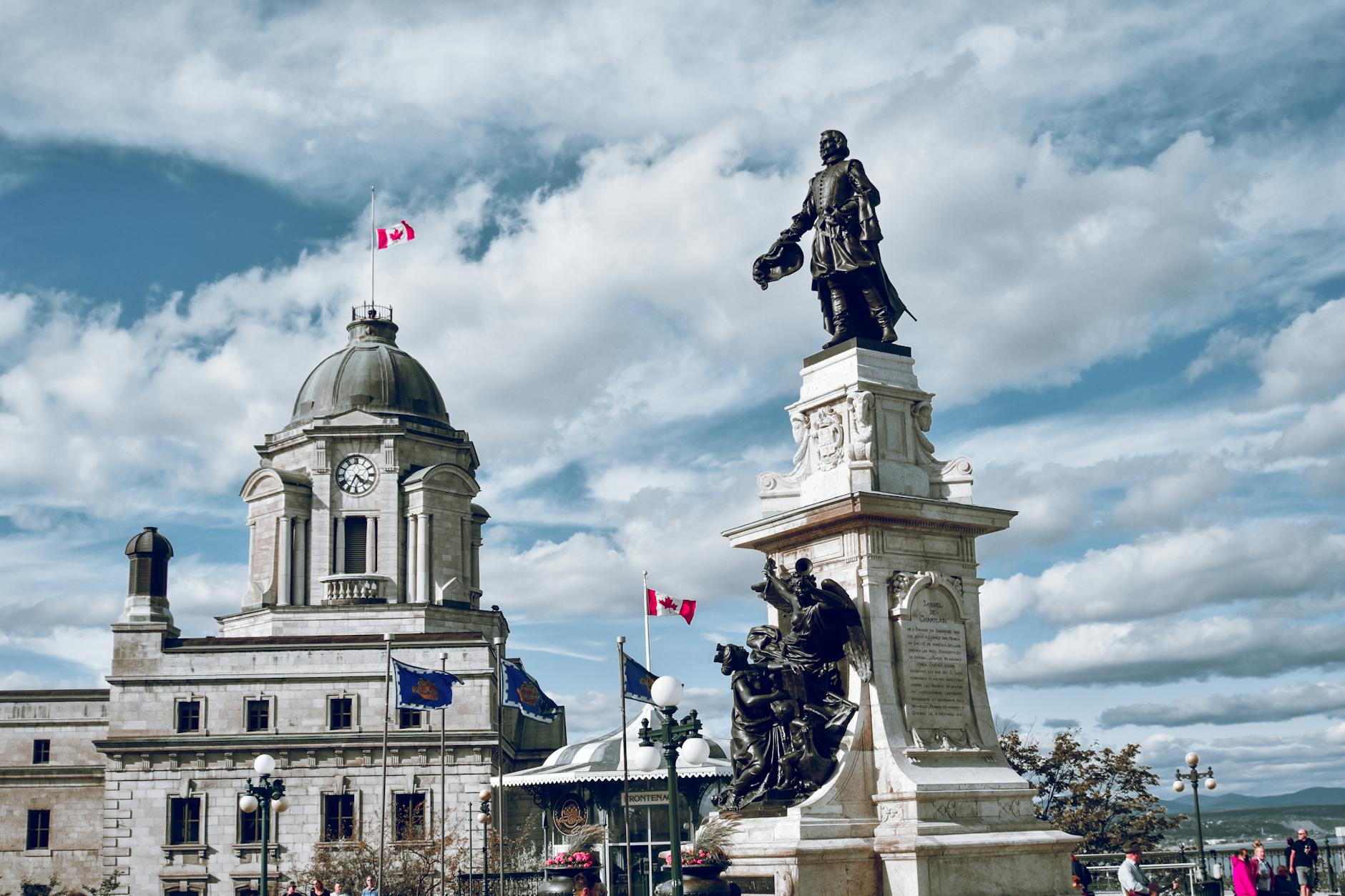
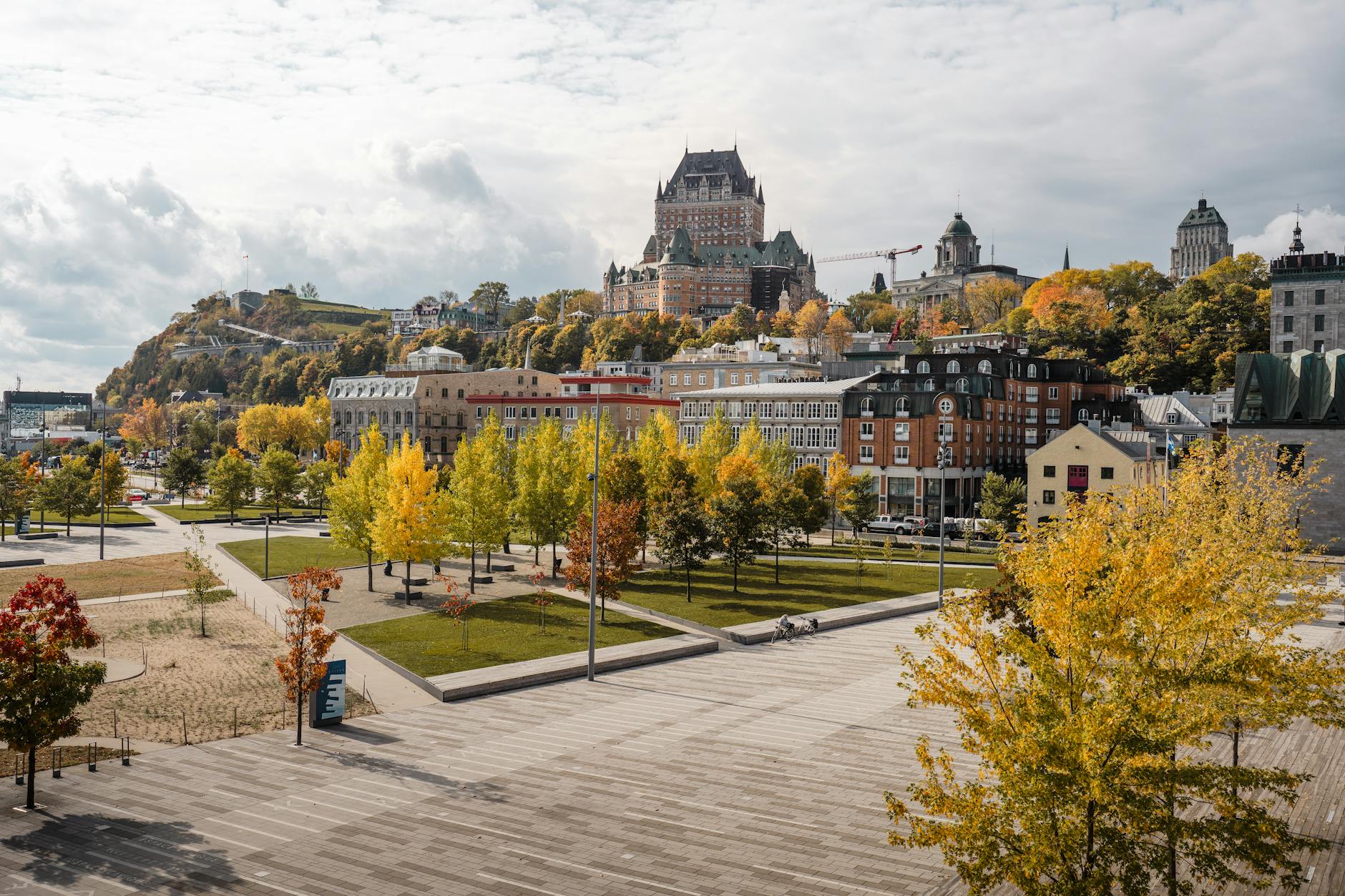
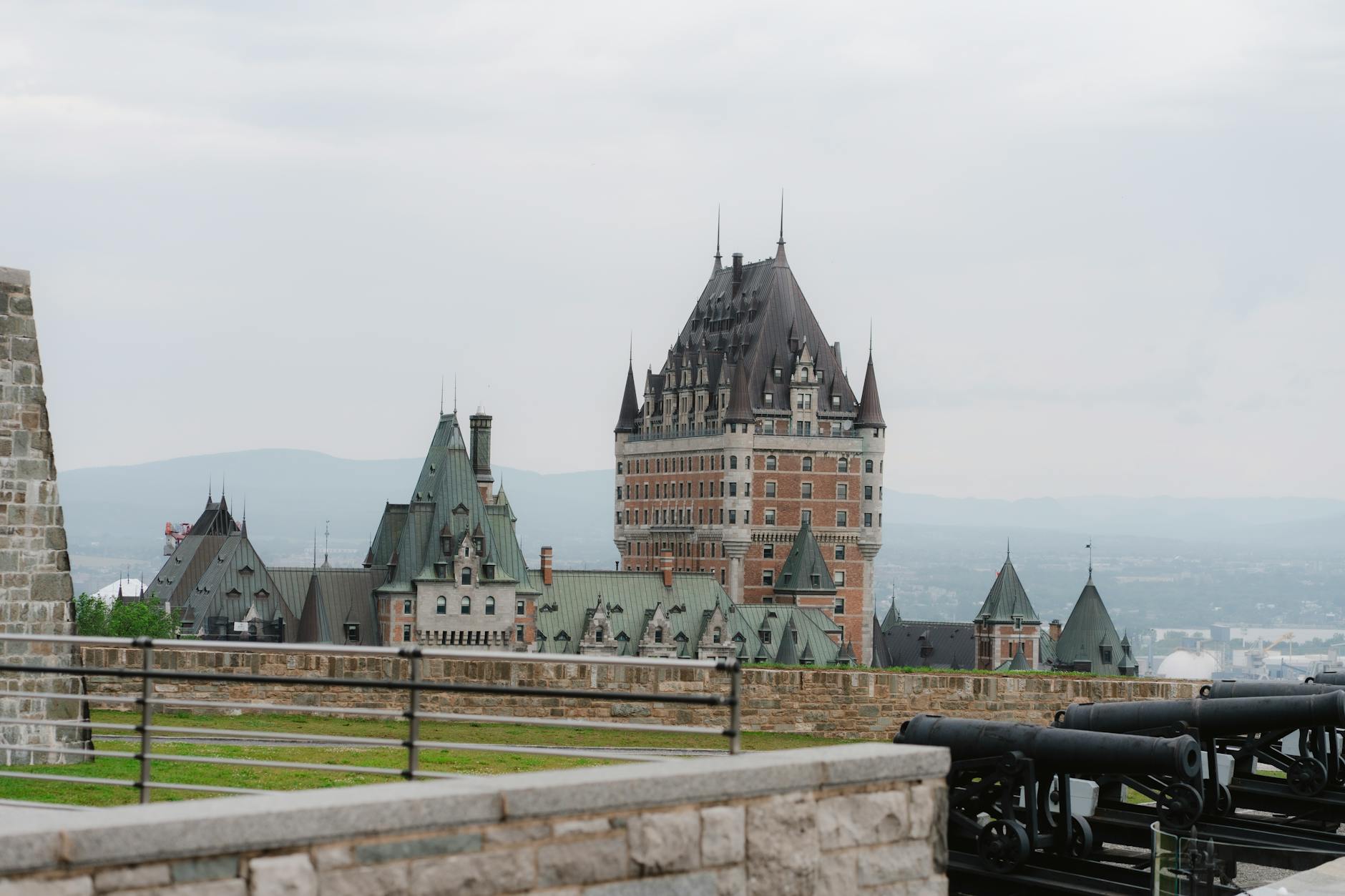
A conference attendee should see some of Quebec City if time allows, but the city should not consume the trip by accident. Old Quebec, Chateau Frontenac, Terrasse Dufferin, Lower Town, the river, and a short evening walk can add value when placed around conference obligations carefully.
The attendee should choose one or two meaningful city experiences rather than trying to force a tourist itinerary into every gap. A focused walk or dinner can be better than a rushed list of sights.
- Choose one or two city experiences that fit around sessions, meetings, and rest.
- Use Old Quebec and the river as focused additions, not as a competing agenda.
- Leave enough margin for networking and follow-up after the formal program ends.
When to order a short-term travel report
A conference attendee with a conference hotel, low-stakes sessions, and flexible timing may not need a custom Quebec City report. A report becomes useful when the attendee is speaking, exhibiting, meeting clients, managing a team, handling bilingual materials, traveling in winter, choosing between hotels, or trying to add sightseeing without weakening the professional purpose.
The report should test venue geography, hotel fit, arrival timing, weather, clothing, work blocks, meals, networking, Old Quebec options, budget, and what to cut. The value is a Quebec City conference trip that uses the destination well while keeping the event outcome in control.
- Order when hotel choice, winter logistics, speaking duties, exhibiting, or networking needs testing.
- Provide conference venue, schedule, hotel options, role, meetings, dining needs, budget, and constraints.
- Use the report to make Quebec City support the conference instead of competing with it.