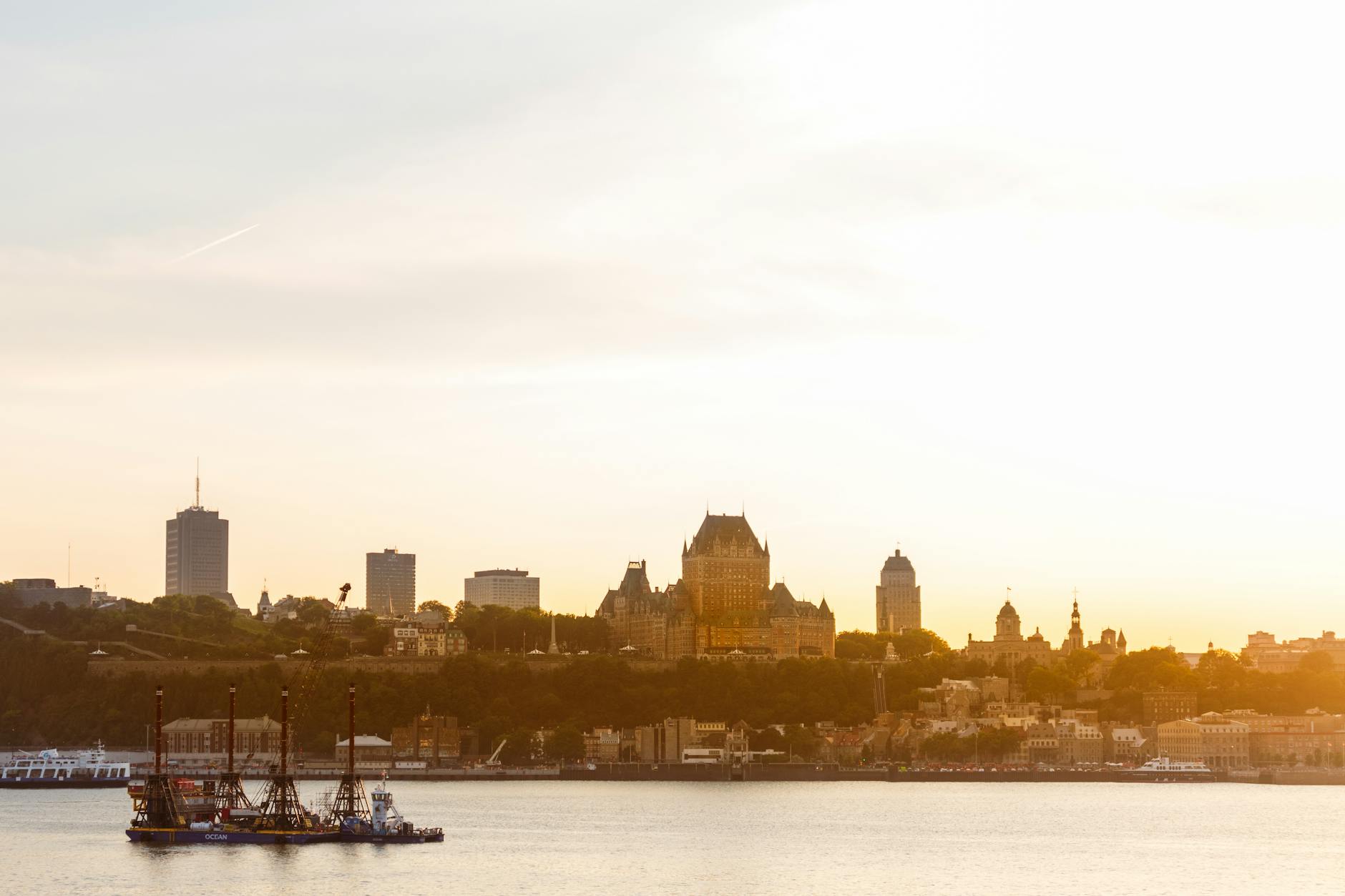
Quebec City can be an effective business destination because it combines provincial-government gravity, conference infrastructure, strong hotels, a memorable old-city setting, and a compact core. It can also surprise business travelers who assume a small, beautiful city will be operationally simple. The practical issues are specific: French-language expectations, winter weather, hills, cobblestones, hotel access, client hospitality, government calendars, convention timing, and the difference between staying in Old Quebec for atmosphere and staying near the meeting spine for efficiency.
Clarify the business setting before choosing the base
A Quebec City business trip may involve provincial government, a convention, university or research contacts, tourism and hospitality partners, insurers, infrastructure firms, legal counsel, regional clients, or a sales meeting tied to the wider Quebec market. Each version points to different hotel and transport choices.
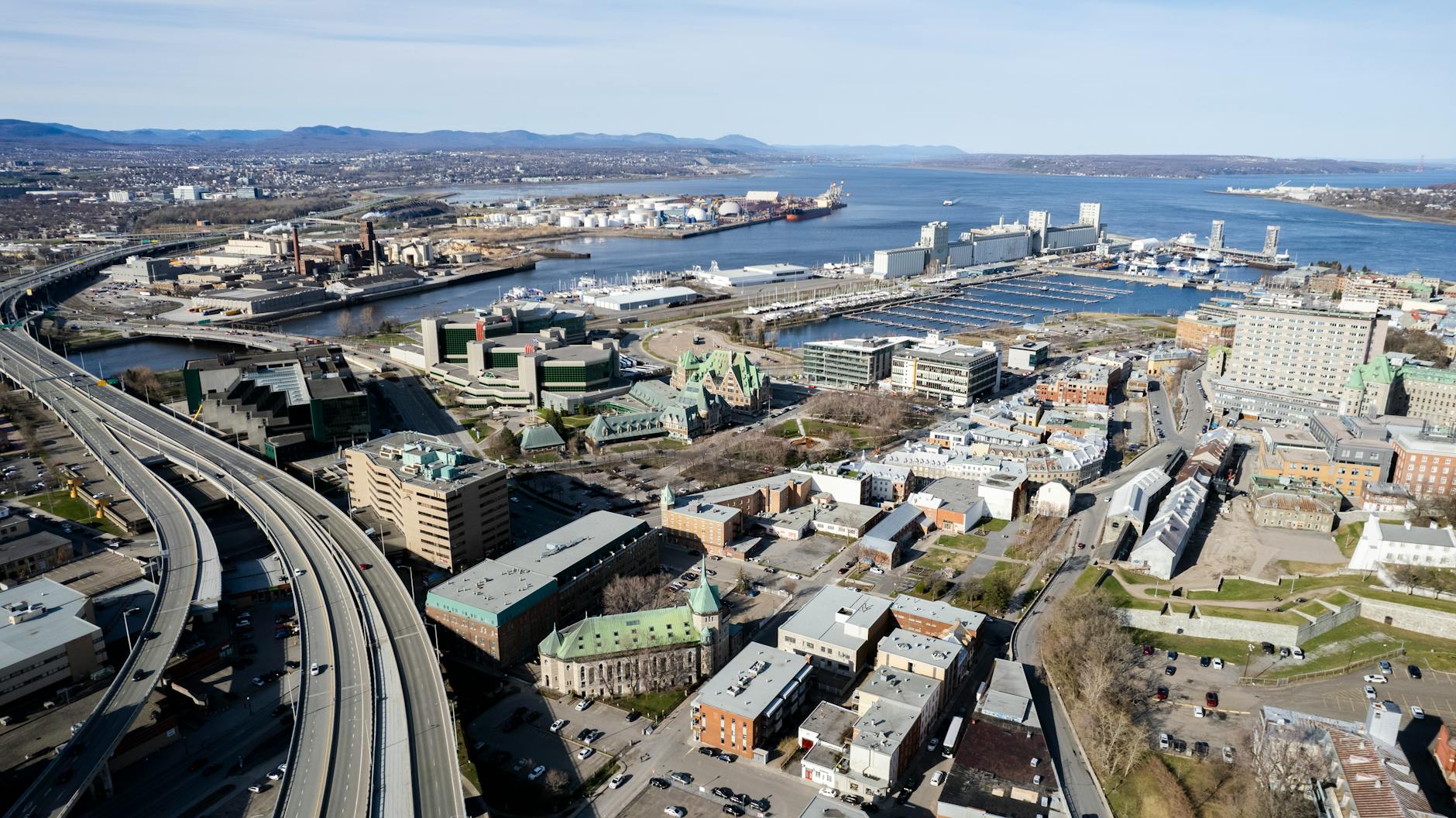
The traveler should identify whether proximity to the convention center, Parliament Hill, Old Quebec, a client office, the airport, or a dinner venue matters most. In a compact city with hills and winter weather, the wrong base can still create friction.
- Define whether the trip is government, conference, client, sales, legal, research, or regional-market focused.
- Choose the hotel around the primary meeting spine, not only the most picturesque address.
- Account for hills, weather, and client dinner geography before finalizing the base.
Respect the French-language business context
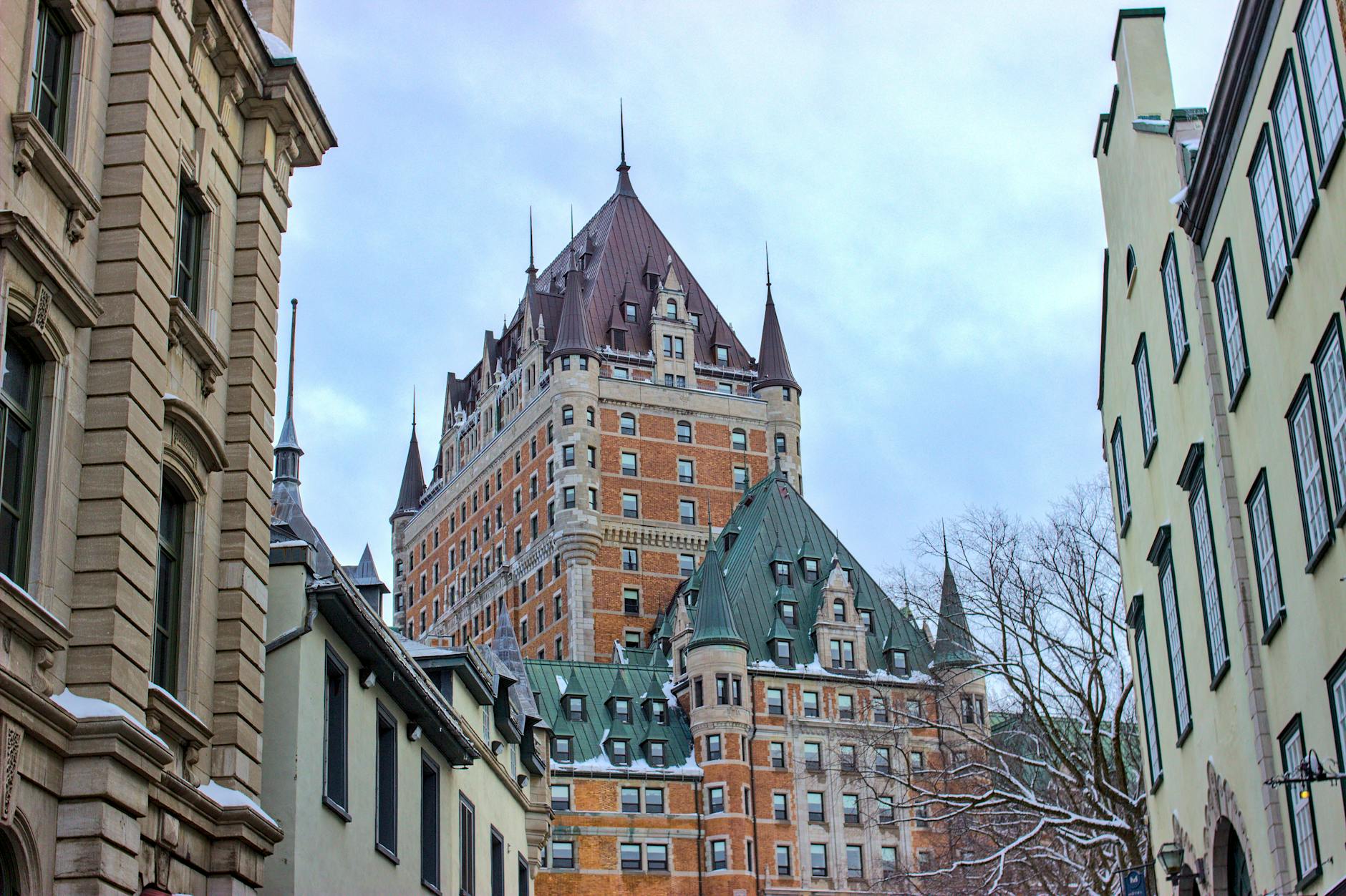
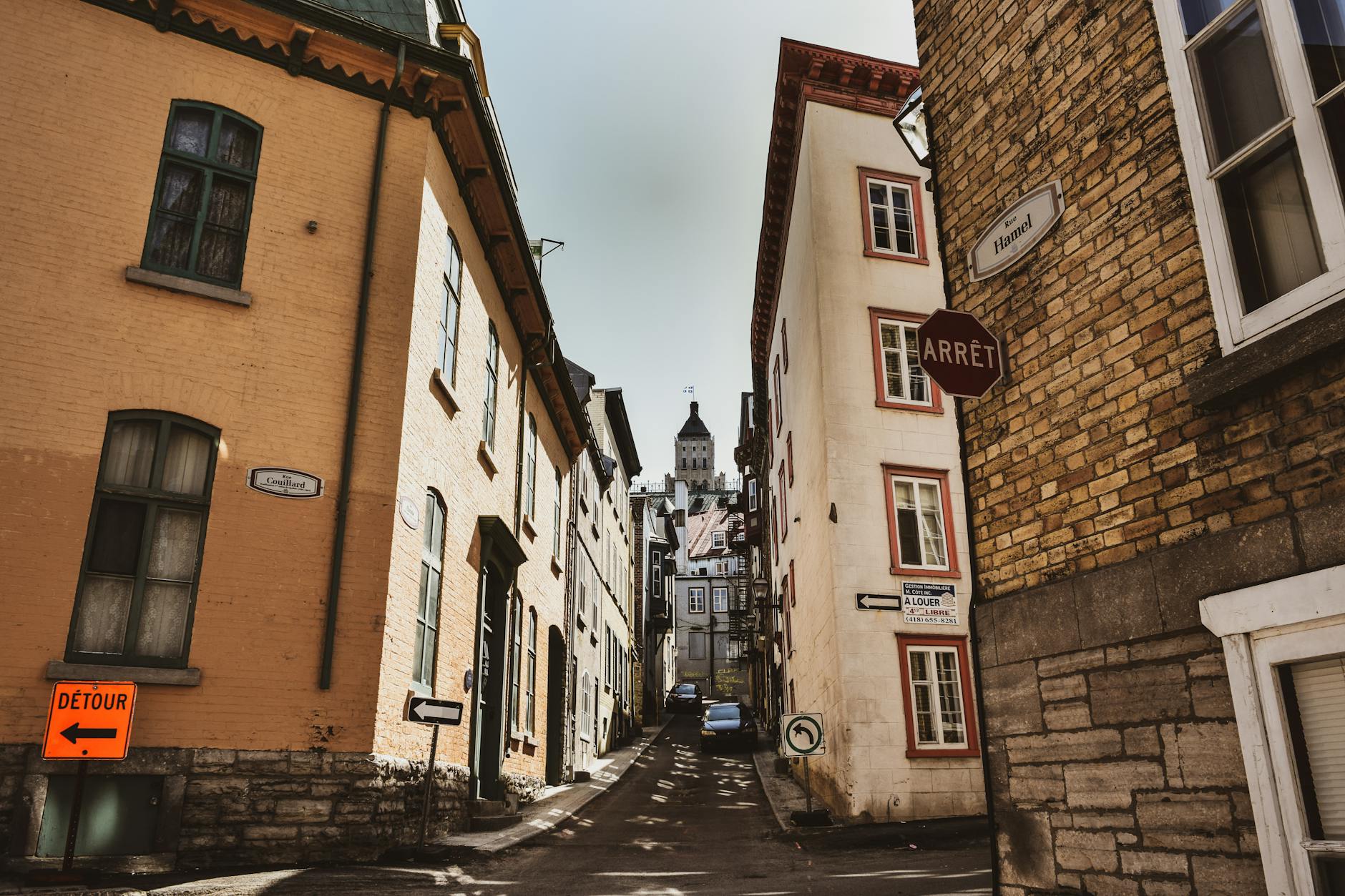
Quebec City is a French-speaking capital, not simply an English-speaking Canadian city with local flavor. Many business settings will handle English professionally, but the traveler should prepare names, greetings, documents, slides, signage, and etiquette with French-language context in mind.
This is especially important for government, public-sector, education, legal, cultural, and locally rooted business meetings. A small amount of preparation can change the tone of the trip and prevent the visitor from appearing careless.
- Prepare greetings, names, documents, and slides with French-language expectations in mind.
- Ask in advance when bilingual materials, interpreters, or translated summaries would help.
- Treat language preparation as business respect, not tourism polish.
Plan winter and shoulder-season operations seriously
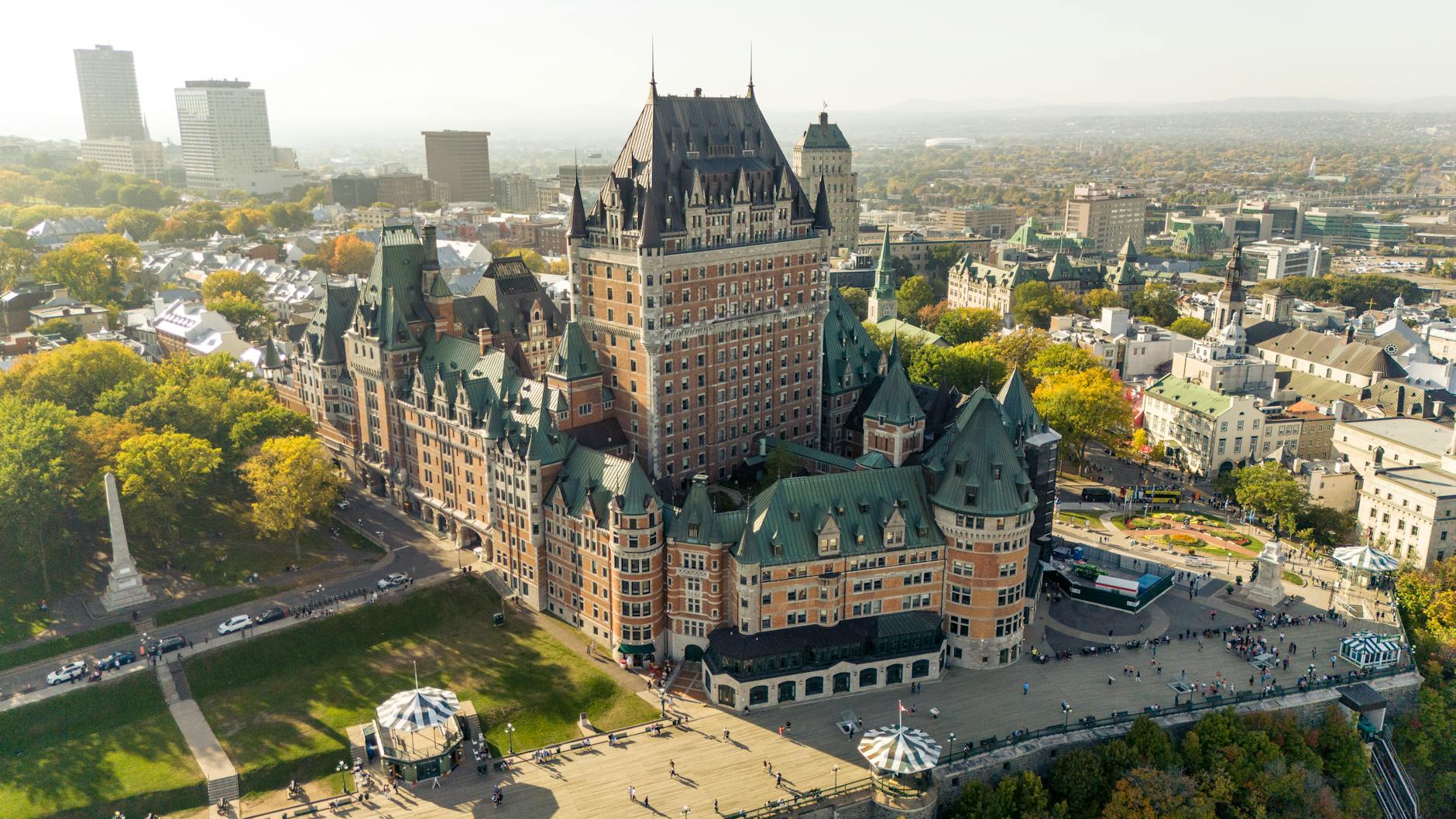
Quebec City weather can affect business travel more than travelers expect. Snow, ice, wind, freezing rain, slush, and cold can alter airport timing, taxi availability, walking comfort, clothing, footwear, and whether an old-city route feels polished or punishing. Even shoulder seasons can be wet and changeable.
The traveler should build clothing, transfer buffers, indoor meeting locations, and backup dinner movement into the plan. Looking prepared matters when the trip depends on credibility.
- Check snow, ice, cold, wind, freezing rain, slush, and airport disruption risk by date.
- Pack footwear and outerwear that work for business dress and real street conditions.
- Use transfer buffers and indoor backups when weather could weaken punctuality.
Coordinate airport, hotel, and meeting timing
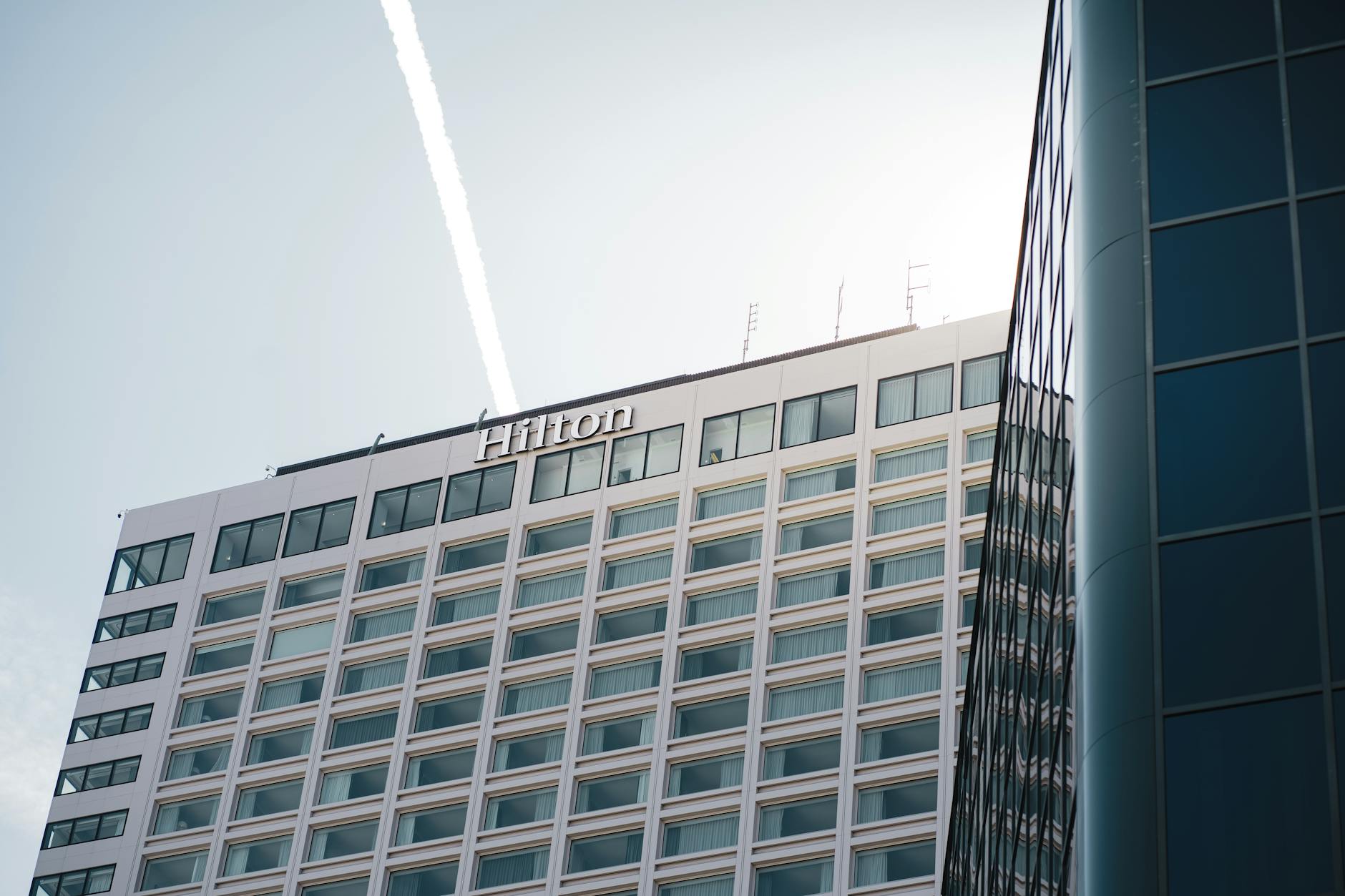
Quebec City Jean Lesage International Airport is manageable, but a short business trip should still protect arrival buffers, taxi or car-service plans, hotel check-in, luggage drop, and meeting readiness. A compact city does not eliminate the risk of a delayed flight or an awkward first transfer.
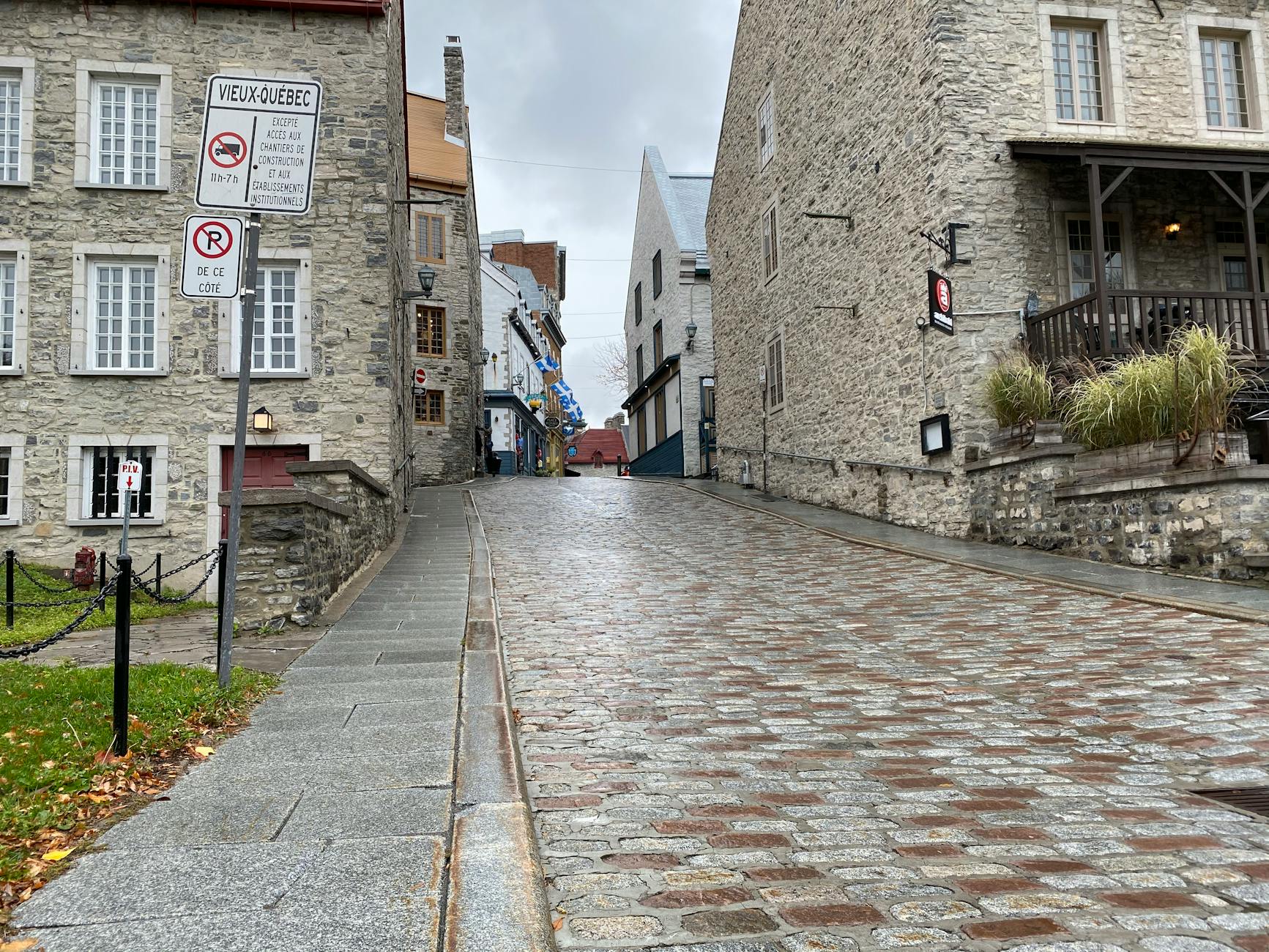
If meetings are near Old Quebec, Parliament Hill, or the convention center, the traveler should understand the final approach, walking grade, and whether taxis can stop close to the entrance. That detail matters more in winter, with luggage, or before a formal meeting.
- Plan airport transfer, hotel check-in, luggage drop, and meeting-readiness buffers.
- Check taxi access and final walking segments near Old Quebec, Parliament Hill, and the convention center.
- Use car service when arrival timing is tight or formal business starts soon after landing.
Make client hospitality specific, not decorative
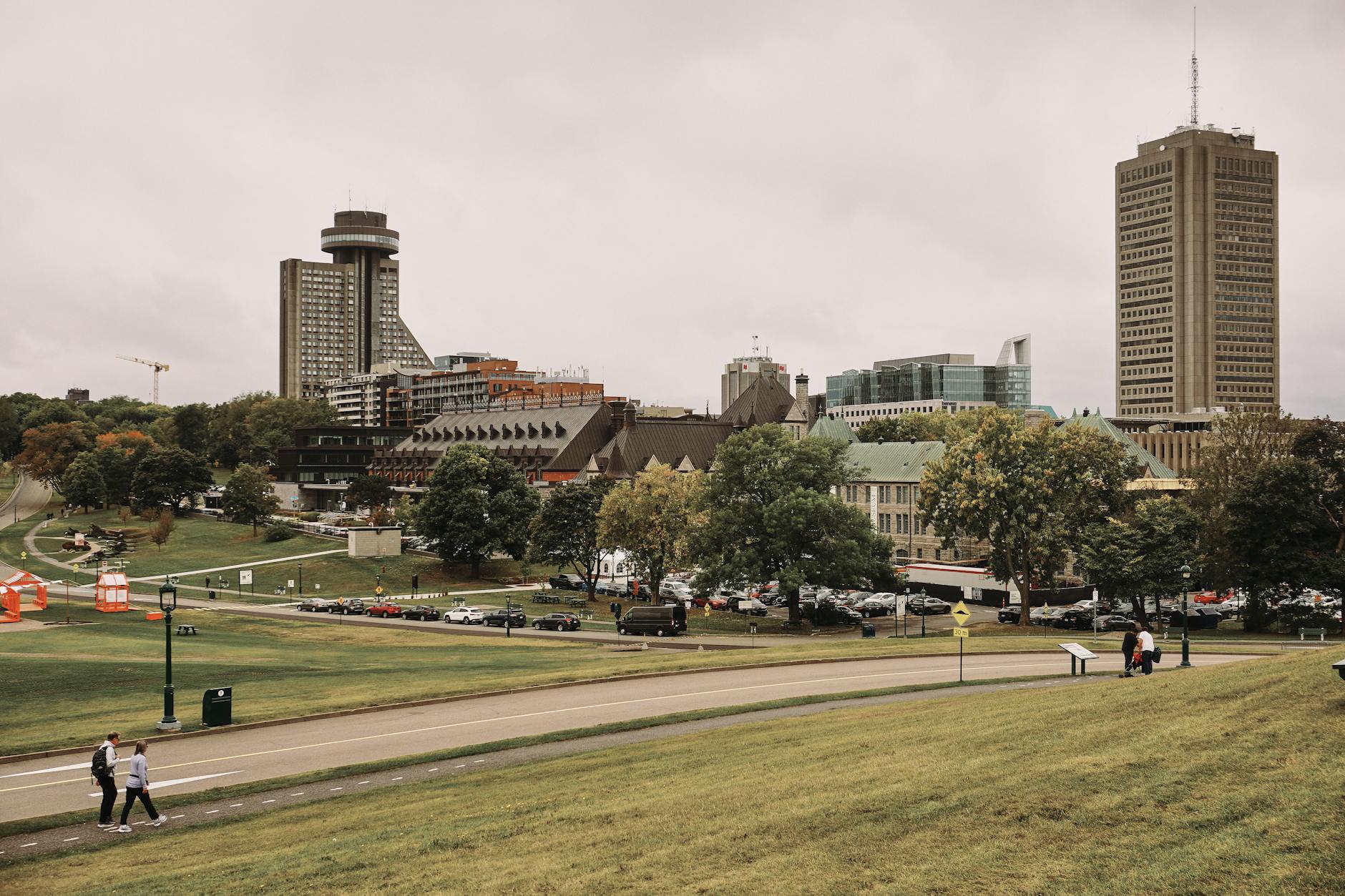
Quebec City can support excellent business hospitality, but the setting should match the purpose. A formal client dinner, a government-adjacent meal, a convention networking evening, a quiet executive conversation, and a casual team dinner require different restaurants, timing, and table choices.
Old Quebec atmosphere can help, but it should not be the only criterion. Noise, winter walking, dietary needs, wine expectations, language comfort, and the return route can determine whether the dinner supports the meeting or distracts from it.
- Match dinner format to client tone, privacy, language comfort, budget, and desired follow-up.
- Check reservations, noise, dietary needs, winter access, and return transport.
- Use atmosphere where it helps business, not as a substitute for fit.
Protect work time around the city's charm
Quebec City is visually rewarding, and a business visitor may reasonably want Old Quebec, the river, a short walk, or a strong meal to be part of the trip. The risk is letting scenic movement consume preparation, follow-up, or rest. A short business trip should protect the commercial work first.
The traveler should schedule email blocks, document review, call time, and post-meeting follow-up before adding optional sightseeing. A good Quebec City business trip uses the setting as an advantage without letting it become the agenda.
- Protect preparation, document review, calls, email, and follow-up before adding city time.
- Use Old Quebec, the river, and short walks as controlled additions, not schedule anchors.
- Avoid a scenic itinerary that leaves the business purpose under-supported.
When to order a short-term travel report
A business visitor with one familiar meeting and a known hotel may not need a custom Quebec City report. A report becomes useful when government timing, conference logistics, French-language expectations, winter conditions, hotel choice, client dinners, airport transfers, or limited schedule margin could affect the outcome.
The report should test meeting geography, hotel fit, language preparation, transfer timing, weather, dining, work blocks, follow-up windows, budget, and what to cut. The value is a Quebec City business trip that respects the place while keeping the commercial purpose in control.
- Order when language context, weather, government or conference timing, hotels, or client dinners need testing.
- Provide meeting locations, dates, language needs, hotel options, dinner plans, budget, and constraints.
- Use the report to make Quebec City feel productive rather than merely beautiful.