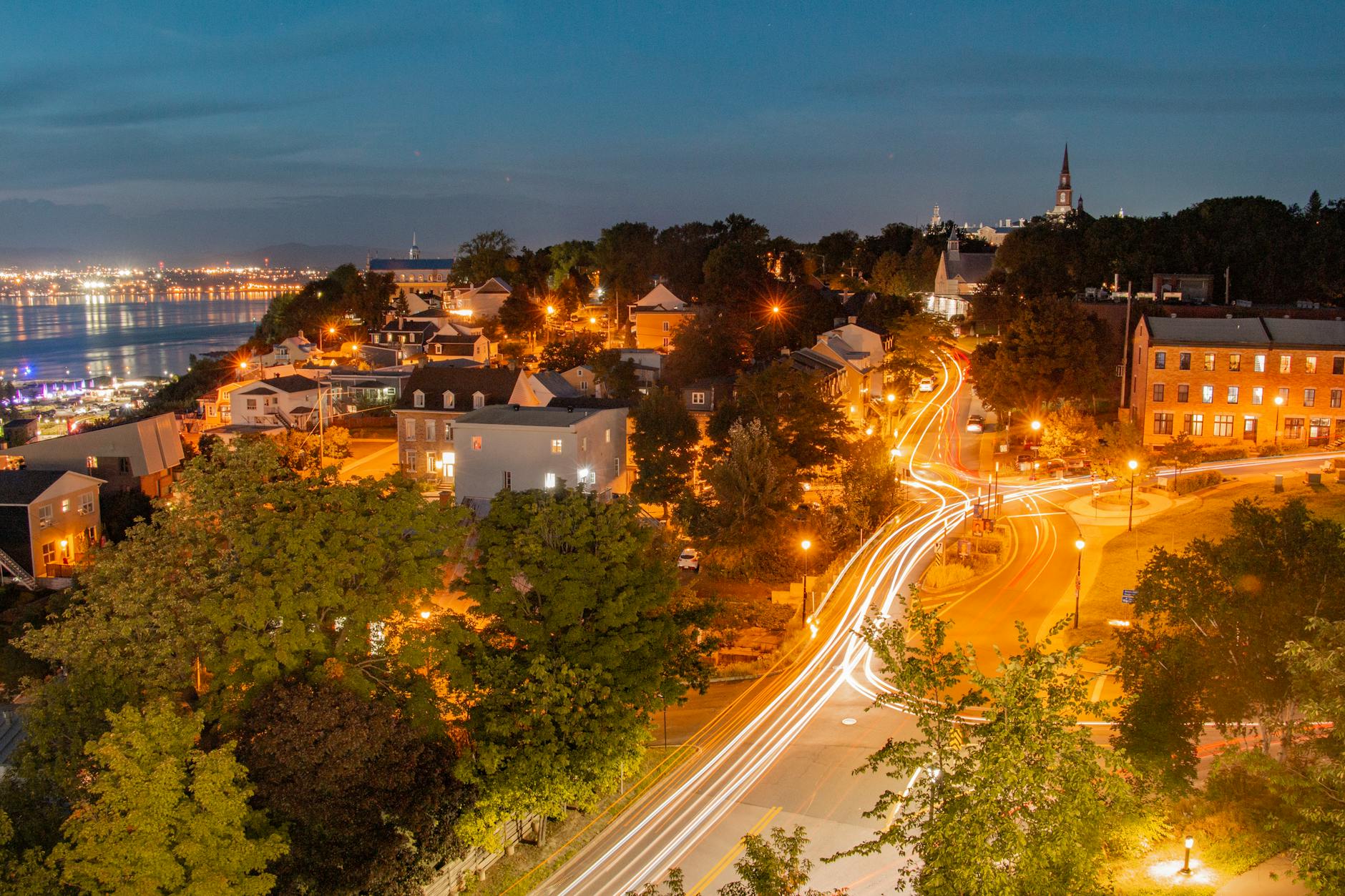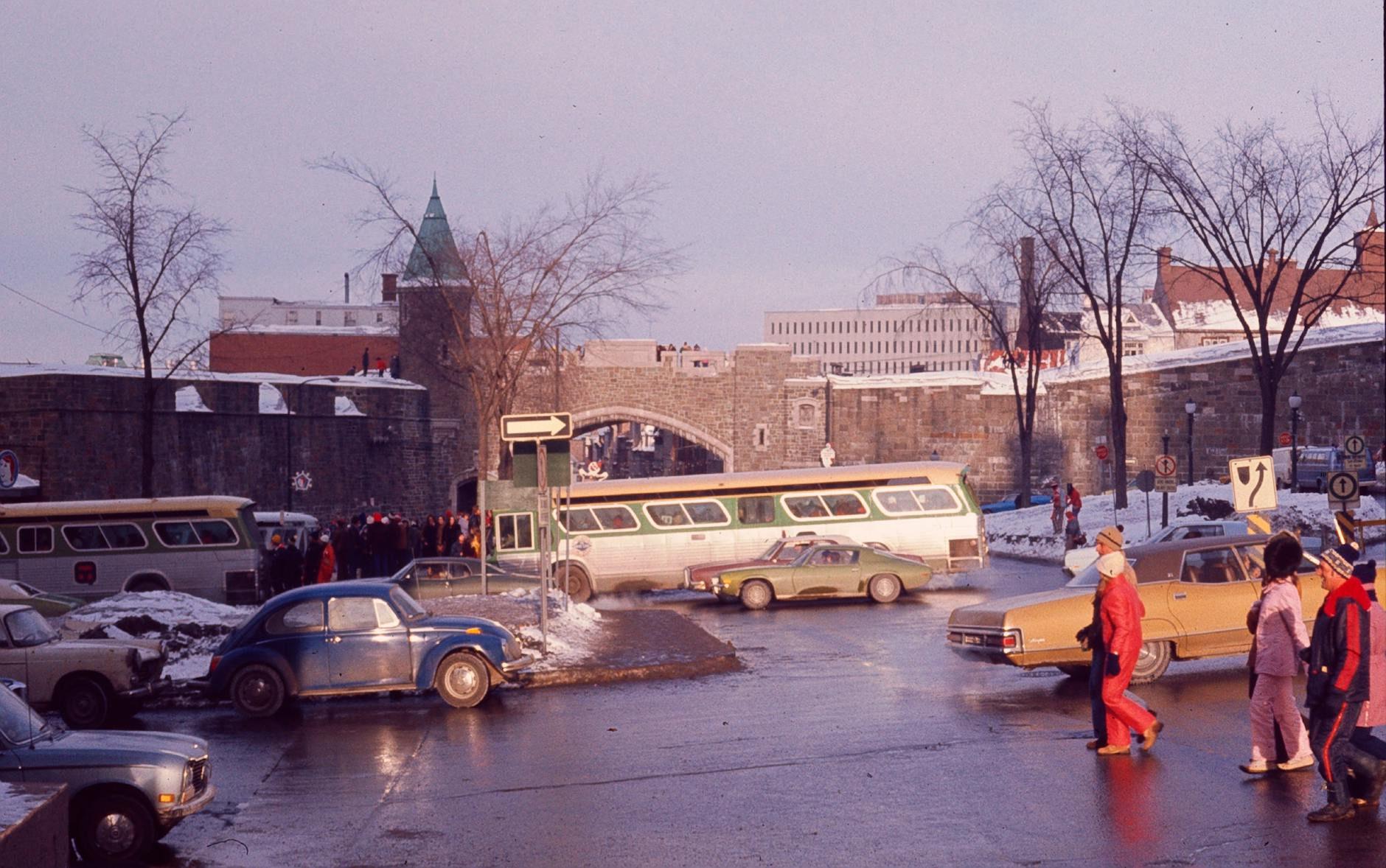
Quebec City can work well for budget travelers because many of its strongest pleasures are public: old streets, walls, river views, churches, parks, viewpoints, markets, and atmosphere. The danger is that savings in the wrong place can create expensive friction. A cheap bed far from the right routes, poor winter footwear, improvised meals, or repeated taxi needs can erase the budget advantage quickly. A strong budget plan is not a stripped-down version of a luxury trip. It makes deliberate tradeoffs: where to stay, when to walk, what to book, where to eat, which paid sights matter, and when spending a little more protects the value of the whole visit.
Do not let cheap lodging create expensive movement
Budget lodging in Quebec City should be judged by total trip cost, not nightly rate alone. A cheaper room can become a poor deal if it requires taxis, long winter walks, awkward bus transfers, or meals in inconvenient places. The traveler should calculate the cost of time, weather exposure, and fatigue.
Staying close to Old Quebec or a reliable transit route may cost more upfront but save money and energy across a short stay. The best budget base is the one that lets the traveler use free or low-cost sights efficiently.
- Compare lodging by total movement cost, not just nightly rate.
- Check walking grade, winter footing, transit access, nearby food, and late return options.
- Spend slightly more on location when it prevents repeated taxis or wasted hours.
Build around free and low-cost sights
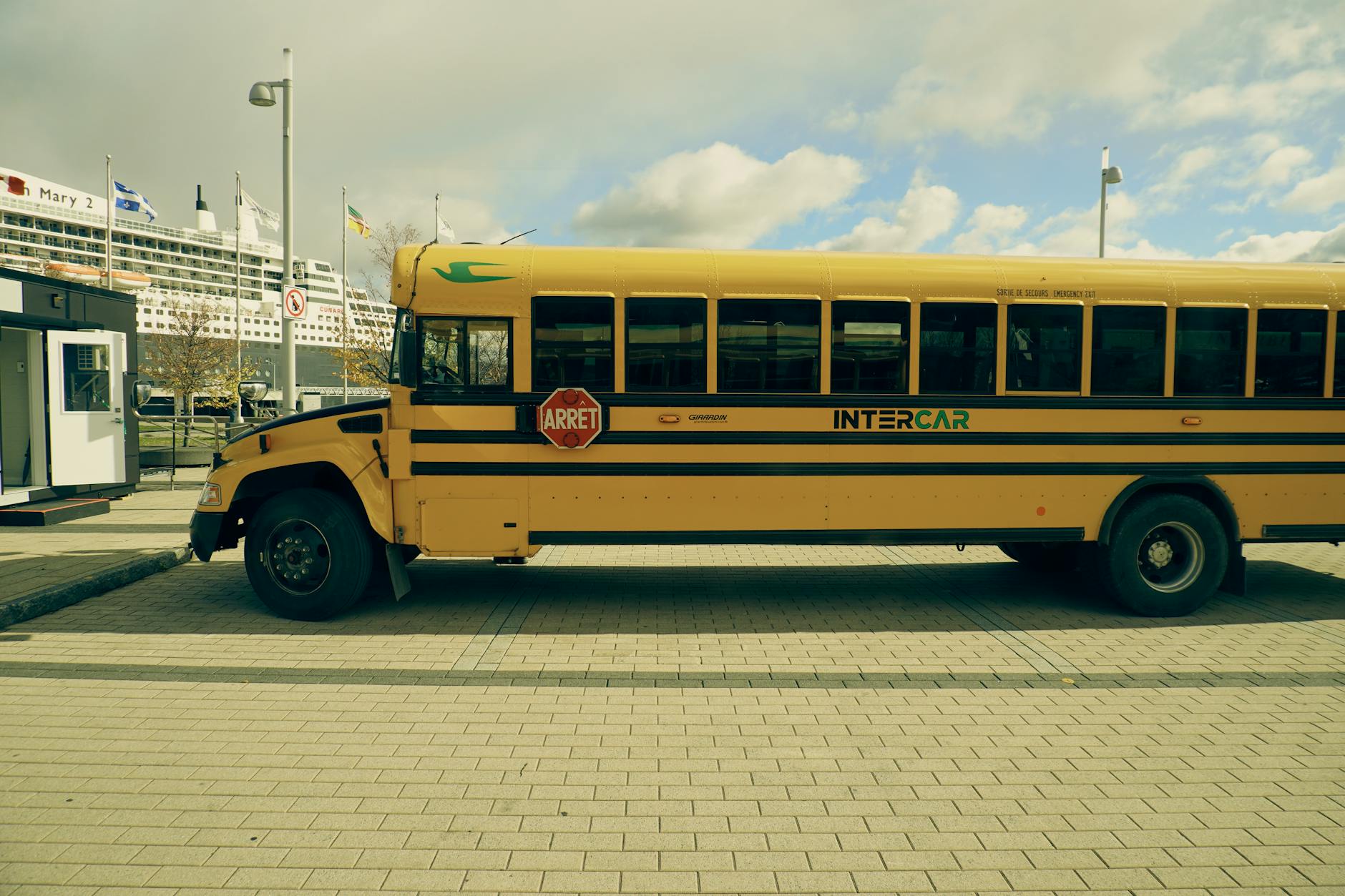
Quebec City gives budget travelers a strong base of free or inexpensive experiences: Old Quebec streets, city walls, river viewpoints, parks, public squares, church exteriors, markets, and the atmosphere of Petit-Champlain and Terrasse Dufferin. The traveler should make these the backbone rather than treating them as filler.
Paid attractions can still be worth it, but each one should earn its place. A short budget trip works best when one or two paid experiences deepen the visit instead of replacing the city's public pleasures.
- Use old streets, walls, river views, parks, squares, and markets as the core itinerary.
- Choose paid sights selectively by weather, interests, and actual added value.
- Avoid paying for convenience when a better route or timing choice solves the problem.
Use transit, walking, and ferry choices realistically
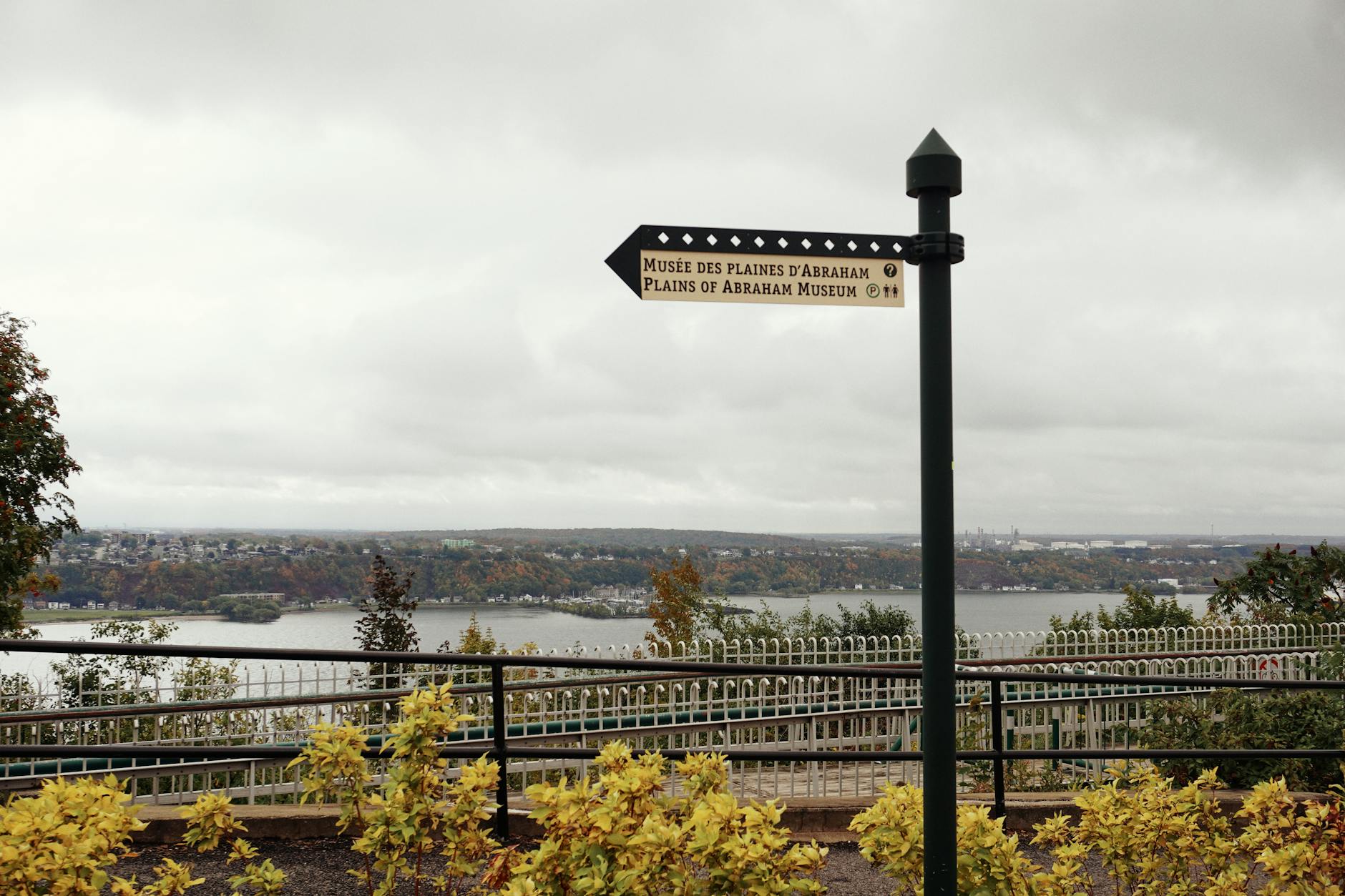
Budget travelers may want to walk everywhere, but Quebec City is not flat and winter can change the meaning of a short distance. Public buses, the funicular, the ferry, and occasional taxis should be evaluated as tools, not failures. The cheapest option is not always the best use of a limited trip.
The traveler should know which routes are worth walking, where a bus saves meaningful effort, and when a ferry ride adds both transportation value and perspective. A budget plan should protect energy as carefully as money.
- Use walking where it improves the visit, and transit where it saves real effort.
- Plan around hills, snow, ice, bus timing, ferry schedules, and late returns.
- Reserve taxis for moments where spending prevents a larger problem.
Control food costs without wasting meals
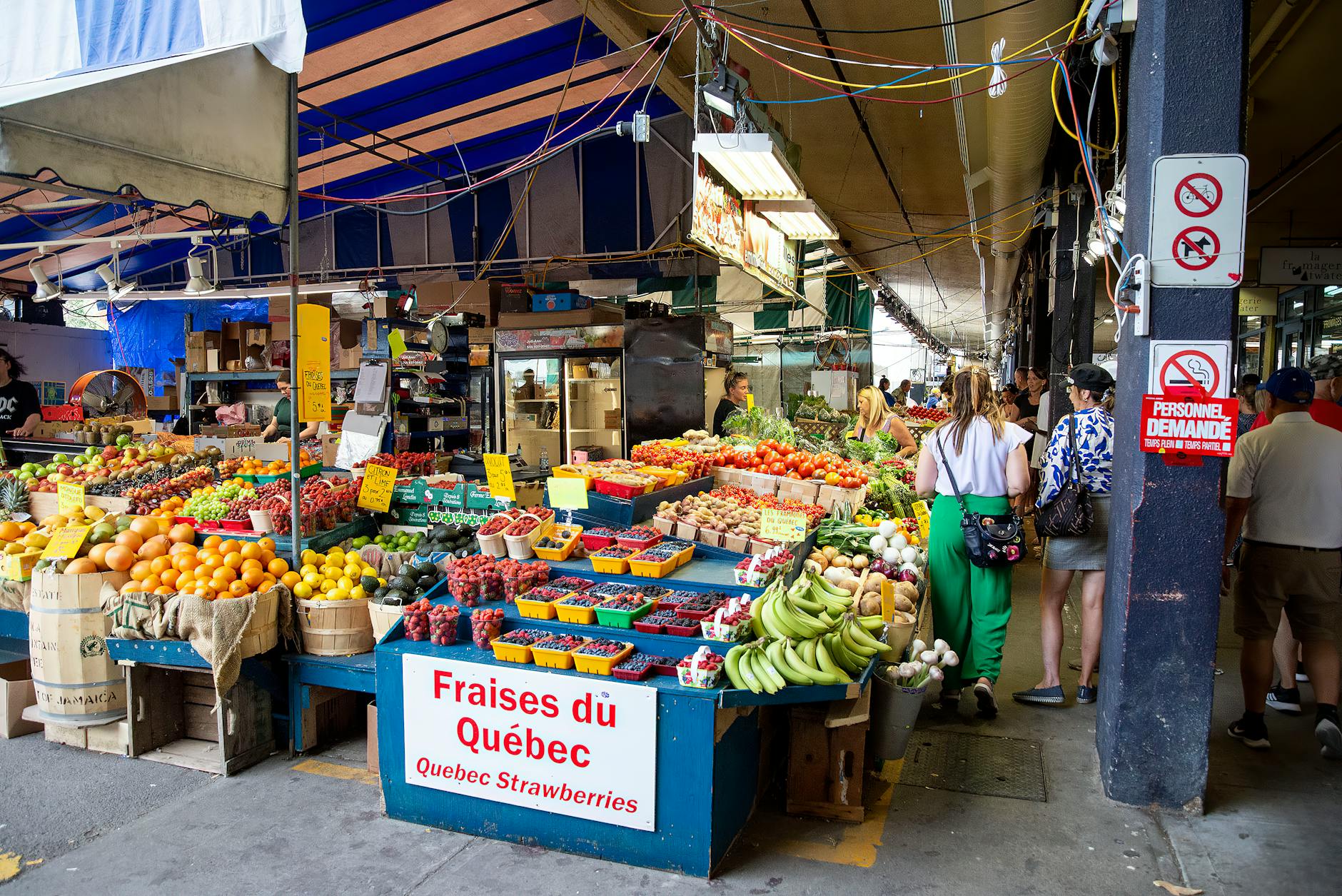
Food can quietly break a Quebec City budget if every meal happens in the most touristed streets at peak times. Budget travelers should plan bakeries, markets, cafes, grocery stops, casual lunches, and one or two meals that are worth paying for. The goal is not to eat poorly. It is to choose where money actually improves the trip.
Hotel breakfast, room setup, and nearby groceries matter. A traveler who can handle breakfast and snacks easily has more freedom to spend on the meal that matters most.
- Use bakeries, markets, groceries, casual cafes, and simple lunches to control daily spend.
- Choose one or two paid meals deliberately instead of drifting into expensive convenience.
- Check whether lodging breakfast, kettle, fridge, or nearby grocery access changes the budget.
Do not underbudget winter gear
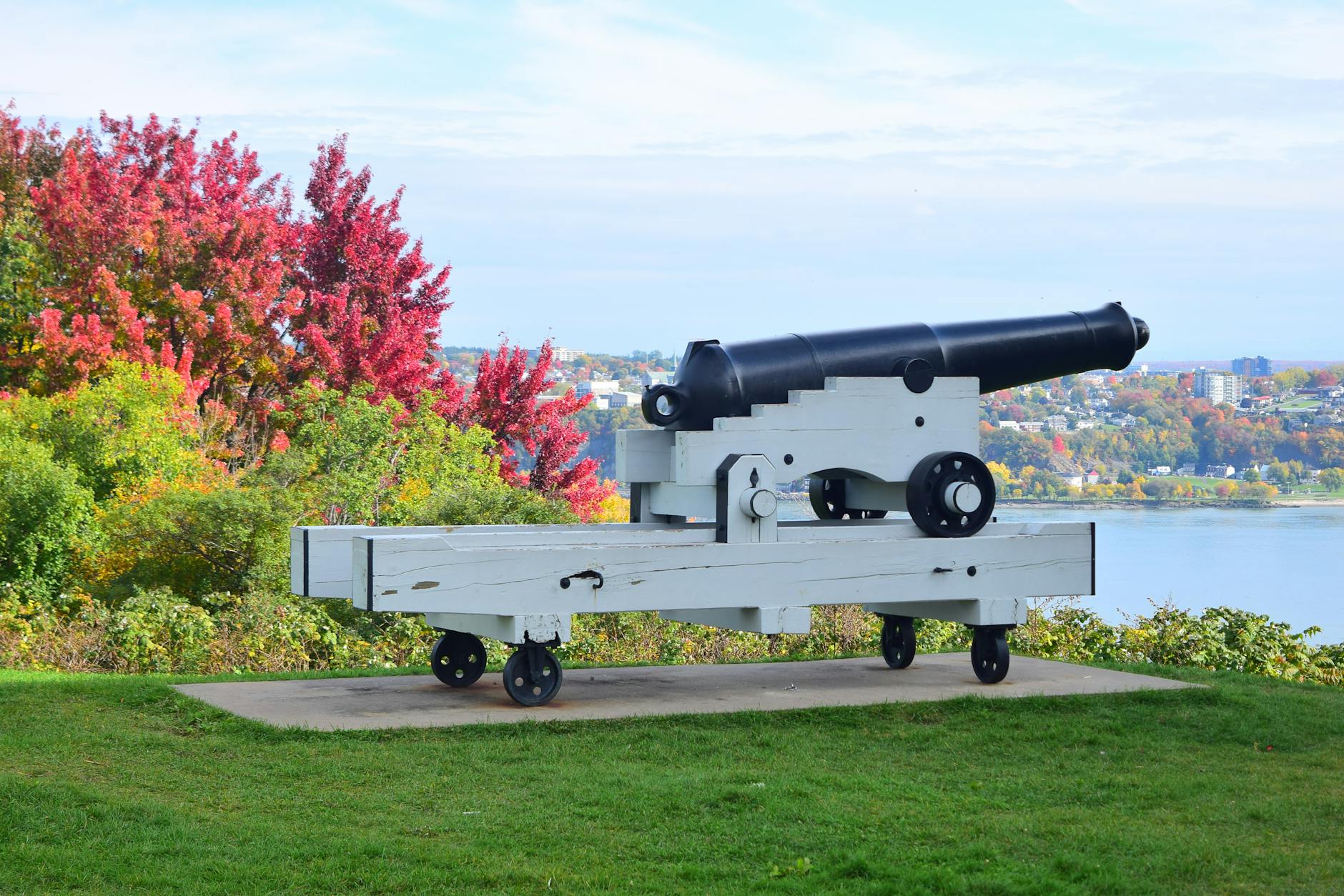
Budget travelers are especially vulnerable to underplanning winter in Quebec City. Cheap shoes, thin gloves, poor socks, or no traction can make free walking miserable or unsafe. Buying emergency gear after arrival may cost more than packing correctly, and cold fatigue can push the traveler into taxis and indoor spending.
Winter can be a budget advantage if the traveler is prepared: beautiful public scenery, atmospheric streets, and fewer temptations to overbook. But the gear needs to support the plan.
- Budget for footwear, socks, gloves, layers, and traction before a winter trip.
- Use warm public spaces and short outdoor segments to reduce fatigue and spending.
- Do not let inadequate gear turn free sightseeing into taxi and cafe costs.
Prepare basic French and payment details
A budget traveler can reduce friction by preparing basic French greetings, menu words, transit terms, place names, and polite questions. Language confidence helps with markets, buses, casual food, small shops, and less tourist-focused areas. It also helps the traveler avoid paying extra simply because a situation feels unclear.
Payment planning matters too. The traveler should understand card acceptance, foreign transaction fees, cash needs, tips, taxes, and whether a phone data plan is necessary for maps and transit. Small costs add up.
- Prepare basic French for menus, markets, buses, place names, and polite questions.
- Check card fees, cash needs, taxes, tipping, data access, and transit payment options.
- Use clarity to avoid convenience spending caused by confusion.
When to order a short-term travel report
A budget traveler with central lodging, mild weather, and simple goals may not need a custom Quebec City report. A report becomes useful when lodging location, winter gear, transit choices, food costs, paid attractions, limited time, language comfort, mobility, or strict budget limits could determine whether the trip works.
The report should test lodging value, route sequence, free sights, transit and ferry use, meal strategy, winter exposure, paid attraction choices, language needs, budget, and what to cut. The value is a Quebec City trip that saves money without wasting the trip on preventable friction.
- Order when lodging, transit, winter, food, paid sights, or tight budget limits need testing.
- Provide dates, lodging options, budget ceiling, walking comfort, food needs, interests, and constraints.
- Use the report to spend carefully without making Quebec City feel thin.