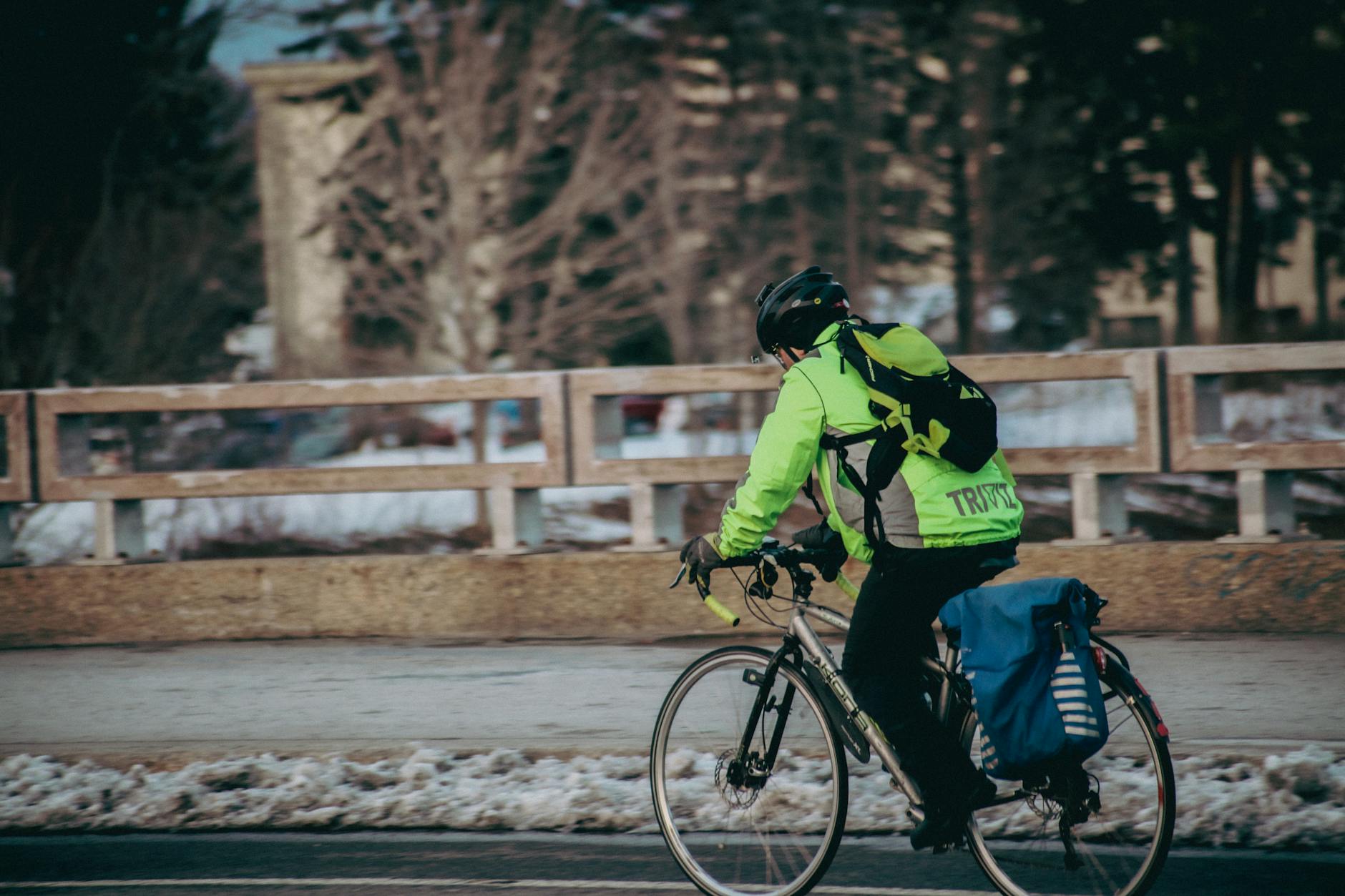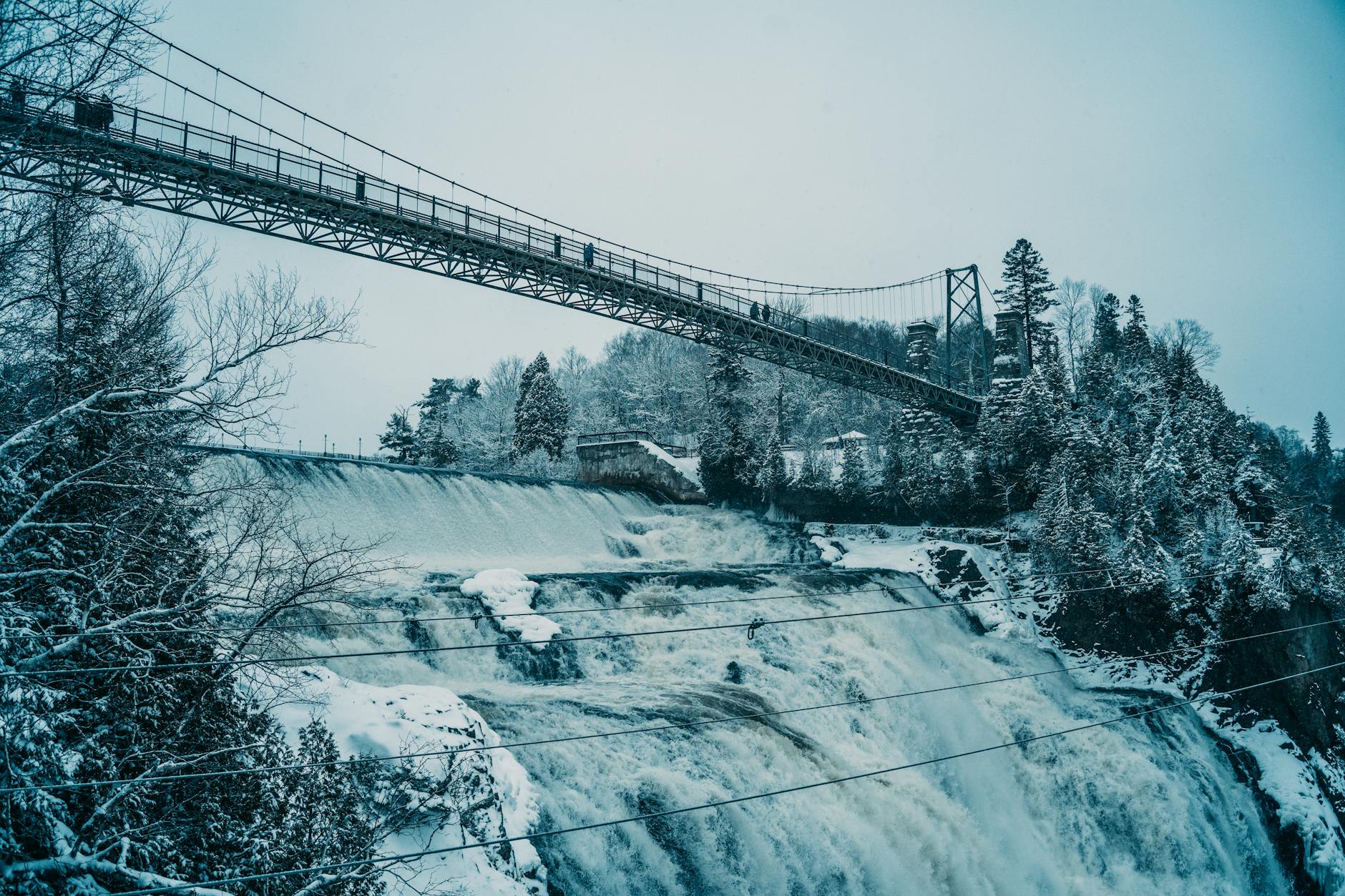
Quebec City is often sold through history and architecture, but an outdoor traveler can build a strong short trip around Montmorency Falls, river views, winter walks, cycling, stair climbs, parks, forested edges, snowshoeing, nearby trails, and active neighborhood exploration. The risk is assuming that scenic walking is the same as a deliberate outdoor plan. A strong Quebec City outdoor itinerary uses the city's seasons carefully. Winter can make the trip memorable, but it changes daylight, footing, clothing, transport, and recovery. Summer and fall can make longer routes easier, but crowds, heat, rain, and route planning still matter.
Decide what kind of outdoor trip Quebec City should be
An outdoor traveler should decide whether Quebec City is a winter walking trip, waterfall excursion, cycling base, active city break, park-and-trail trip, snowshoe weekend, or scenic recovery stop. Each version requires different lodging, gear, daylight planning, and transport. Trying to do every version in a short stay creates a thin itinerary.
The traveler should choose one or two outdoor priorities and build around them. A clear outdoor purpose makes it easier to decide what to skip.
- Choose the main outdoor purpose before adding parks, falls, cycling, or winter activities.
- Match lodging, gear, transport, and pacing to that purpose.
- Avoid filling a short trip with too many disconnected active plans.
Use falls, hills, parks, and the river as the route spine
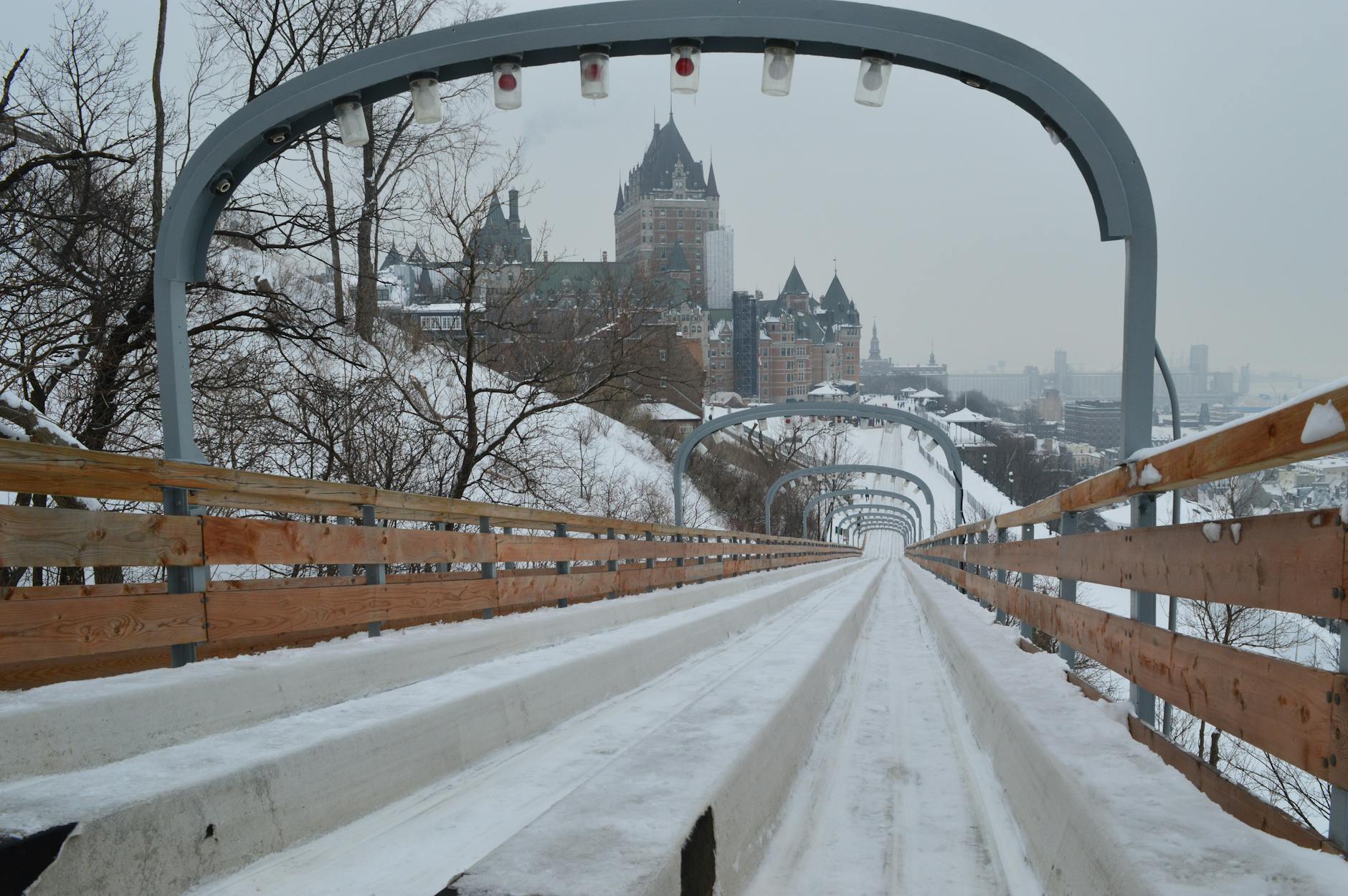
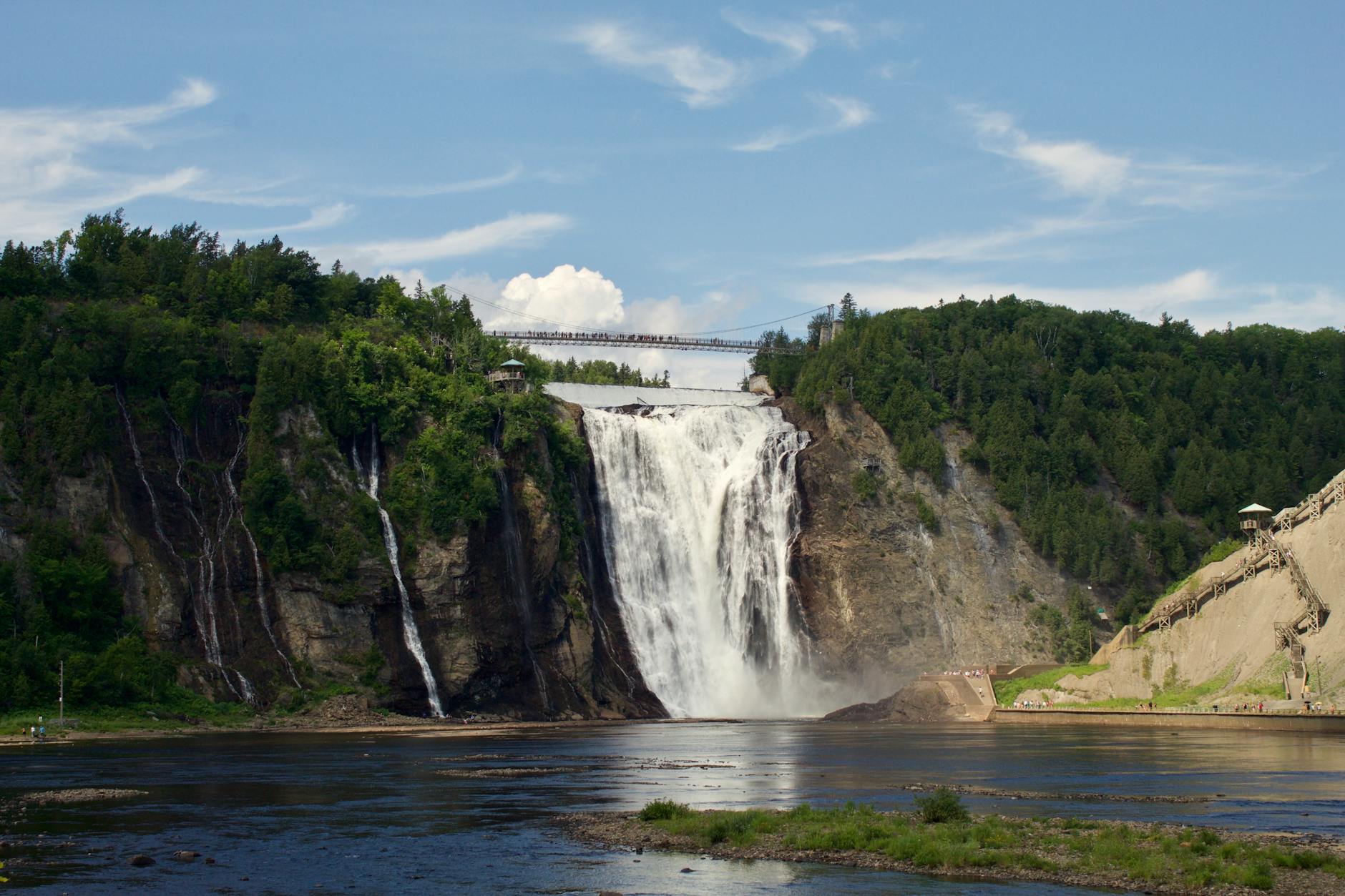
Quebec City outdoor planning works better when the traveler groups routes by terrain. Montmorency Falls, Old Quebec hills, riverfront views, stair climbs, Plains of Abraham, neighborhood parks, and nearby natural areas can all fit a short trip, but not all in the same day. The route should have a spine instead of scattered points.
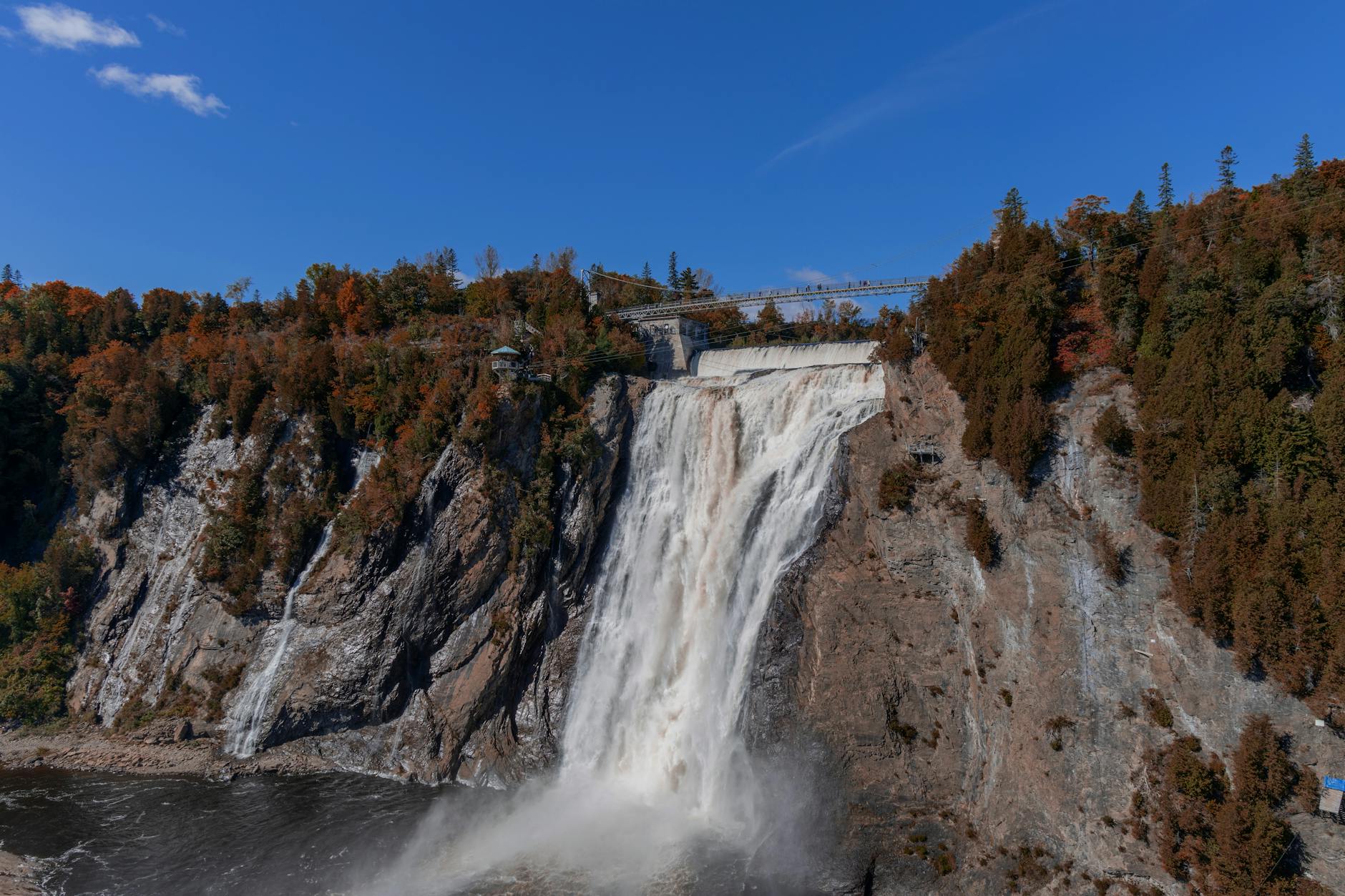
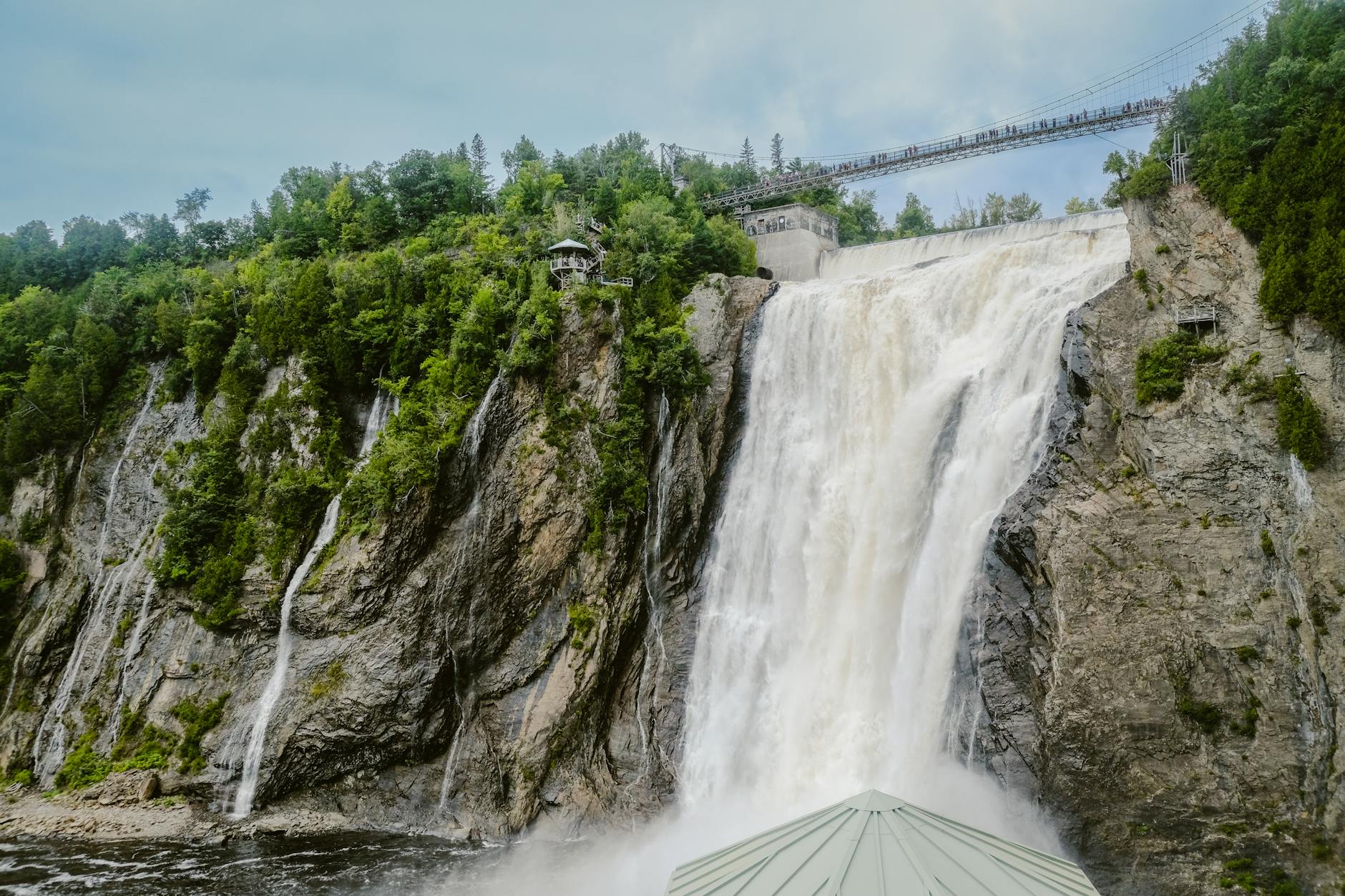
Montmorency Falls deserves special planning because it sits outside the old-town walking loop. Transfer time, weather, stairs, viewing areas, and return logistics should be treated as part of the activity.
- Group routes by terrain: falls, river, hills, parks, forest, or active city walking.
- Plan Montmorency Falls as an excursion with transport and weather built in.
- Reduce backtracking so outdoor time is spent moving well, not fixing the route.
Treat weather and daylight as operating constraints
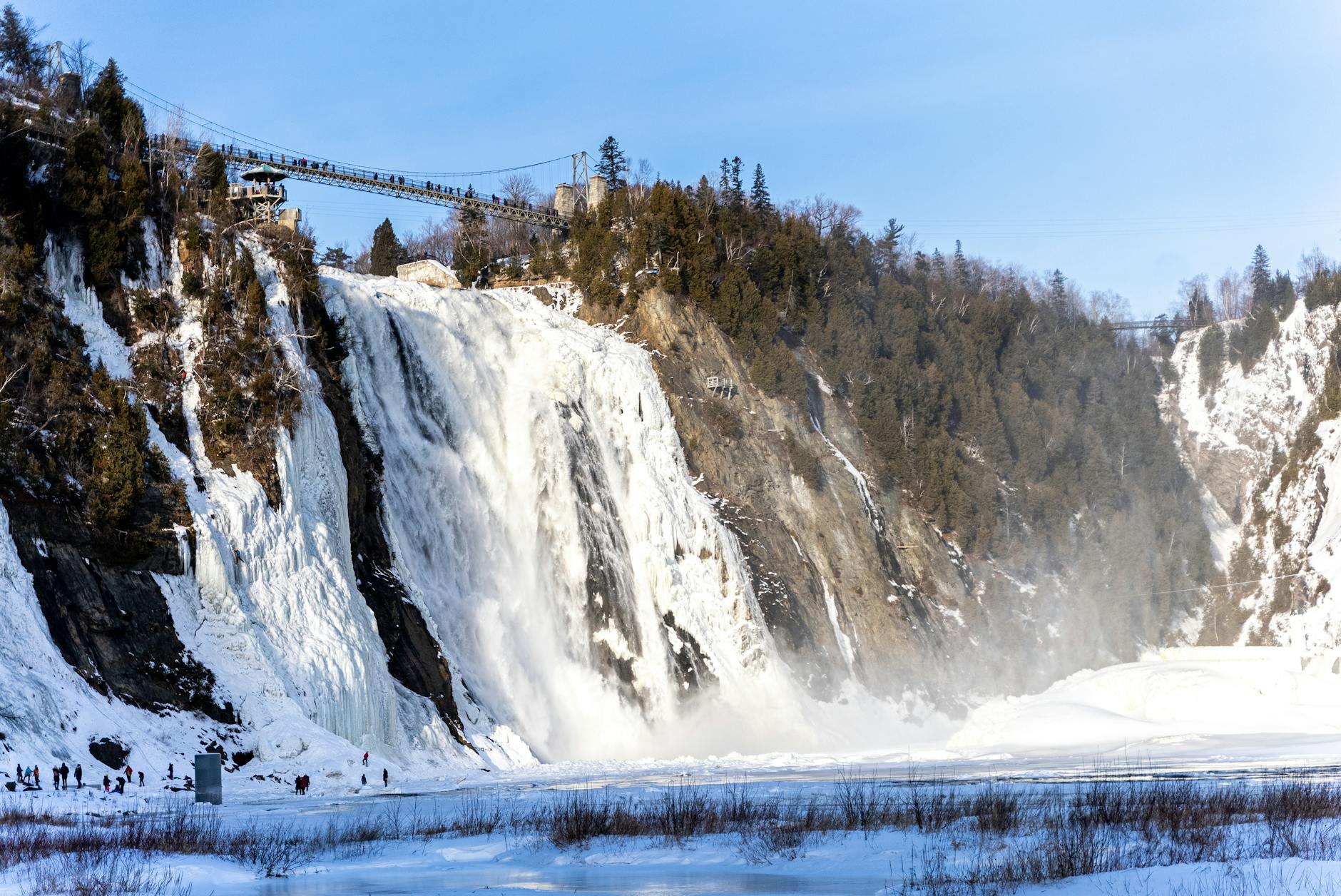
Quebec City weather is not a background detail for outdoor travelers. Snow, ice, freezing rain, wind, humidity, heat, sudden rain, and short winter daylight can change what is safe and enjoyable. A route that looks easy in October may be slow or risky in February.
The traveler should check sunrise, sunset, wind, precipitation, trail or path condition, and transit timing. A good plan includes a lower-risk alternative for bad weather.
- Check daylight, wind, snow, ice, rain, heat, and route conditions before each active day.
- Keep an indoor or lower-exposure backup route for rough weather.
- Avoid exposed routes or icy stairs when conditions make them impractical.
Choose footwear and gear for mixed surfaces
Quebec City can combine cobblestones, stairs, icy sidewalks, river paths, wet leaves, packed snow, slush, and forest trails in one short trip. Outdoor travelers should choose footwear and gear for mixed surfaces, not just for photos or city dining. Winter traction can be the difference between a memorable day and a limited one.
Layers, gloves, hats, water, small packs, phone batteries, maps, and dry socks can matter even on a city-based route. The traveler should also decide when rental gear is better than packing too much.
- Choose shoes for cobblestones, stairs, slush, ice, paths, and trails.
- Bring layers, gloves, water, dry socks, battery backup, and weather protection.
- Use rental or local gear when it improves safety without overpacking.
Plan food, water, bathrooms, and recovery
Short outdoor days in Quebec City still need ordinary support. Food, water, bathrooms, warming stops, cafe breaks, transportation back to the hotel, and recovery time should be planned before the traveler is tired. In winter, breaks may need to be warmer and more frequent than expected.
The traveler should avoid stacking a demanding outdoor day with a late dinner, early flight, or heavy nightlife plan unless recovery is realistic. Active trips work better when recovery is treated as part of the itinerary.
- Plan meals, water, bathrooms, warming stops, and return transport before the route starts.
- Leave recovery time after long walks, falls visits, cycling, snowshoeing, or icy routes.
- Avoid pairing the hardest outdoor day with the tightest evening or next-morning schedule.
Handle navigation and safety without overcomplicating the trip
Quebec City outdoor travel usually does not require expedition planning, but it does require basic safety. Offline maps, route timing, transport schedules, emergency contacts, weather alerts, phone battery, and knowledge of when to turn back can matter. A short trip should not depend on constant improvisation.
The traveler should share plans if going outside the central area, check whether trails or viewpoints are open, and avoid isolated or icy routes after dark. Simple precautions keep the trip relaxed.
- Use offline maps, battery backup, weather alerts, route timing, and clear turn-back points.
- Check whether viewpoints, trails, stairs, or cycling routes are open and safe.
- Avoid isolated outdoor routes after dark or in poor winter conditions.
When to order a short-term travel report
An outdoor traveler doing one simple city walk may not need a custom Quebec City report. A report becomes useful when the trip includes winter movement, Montmorency Falls, cycling, snowshoeing, older travelers, mobility limits, unfamiliar trail choices, tight daylight, hotel selection, or a need to balance outdoor plans with dining and cultural time.
The report should test route logic, weather, daylight, transport, gear, lodging, bathrooms, meals, recovery, safety, budget, and what to cut. The value is a Quebec City outdoor trip that is active without becoming fragile.
- Order when winter, route choice, transport, gear, mobility, or daylight need testing.
- Provide dates, outdoor priorities, fitness level, hotel options, constraints, budget, and backup preferences.
- Use the report to keep outdoor ambition realistic and enjoyable.