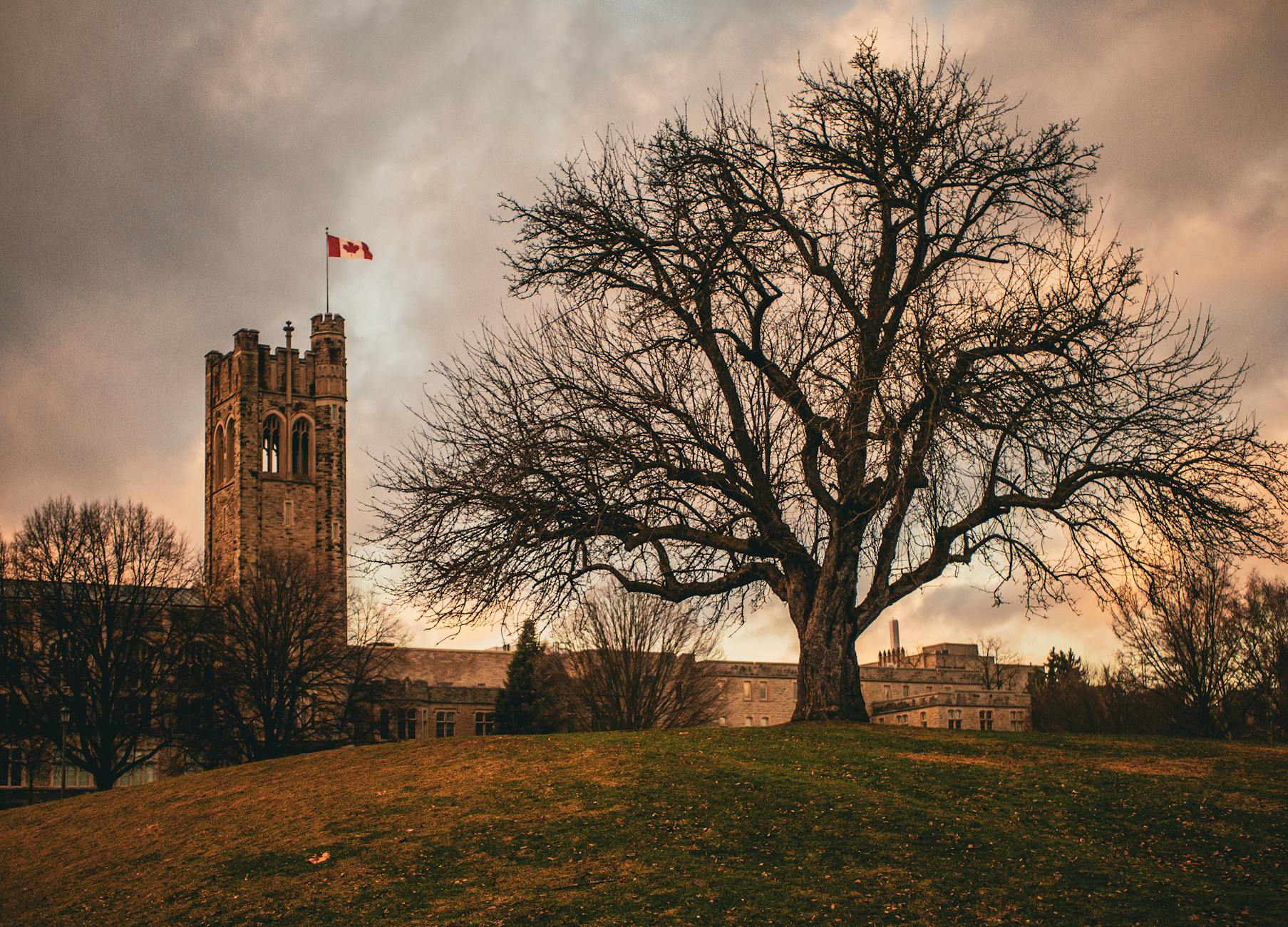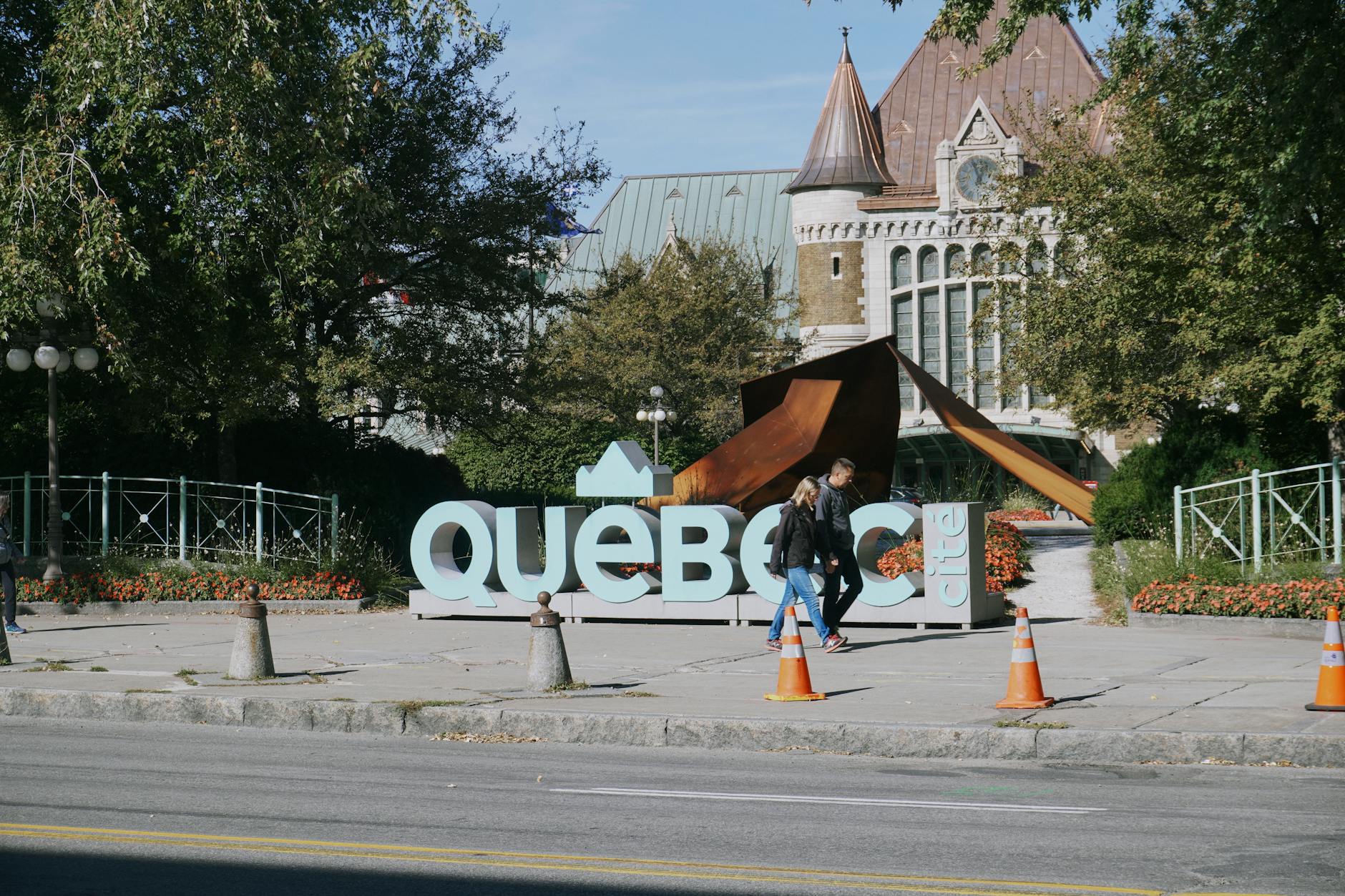
Quebec City can be a strong academic conference destination because it combines government gravity, research institutions, convention infrastructure, historic setting, and a compact visitor core. It can also be more operationally specific than attendees expect, especially when French-language context, winter weather, hills, and old-city logistics enter the schedule. A strong Quebec City conference trip starts with the academic purpose. Presenting a paper, chairing a panel, attending a discipline meeting, recruiting collaborators, interviewing for a role, or bringing students to a conference will require different preparation, lodging, meals, and recovery time.
Map the academic purpose before the city plan
An academic conference attendee should identify the purpose of the Quebec City trip before choosing flights, hotel, and optional sightseeing. A presenter, panel chair, grant collaborator, job-market candidate, graduate student, senior scholar, or association officer needs a different schedule. The city is attractive enough to pull attention away from the conference if priorities are vague.
The traveler should know which sessions are mandatory, which meetings need quiet preparation, and which networking moments matter most. That academic spine should govern the hotel, meal, and movement plan.
- Clarify whether the trip is presentation, networking, recruitment, collaboration, association work, or student support.
- Protect mandatory sessions, preparation blocks, and the few meetings that matter most.
- Let the academic purpose govern the city plan rather than adding sessions around tourism.
Understand venue and hotel geography
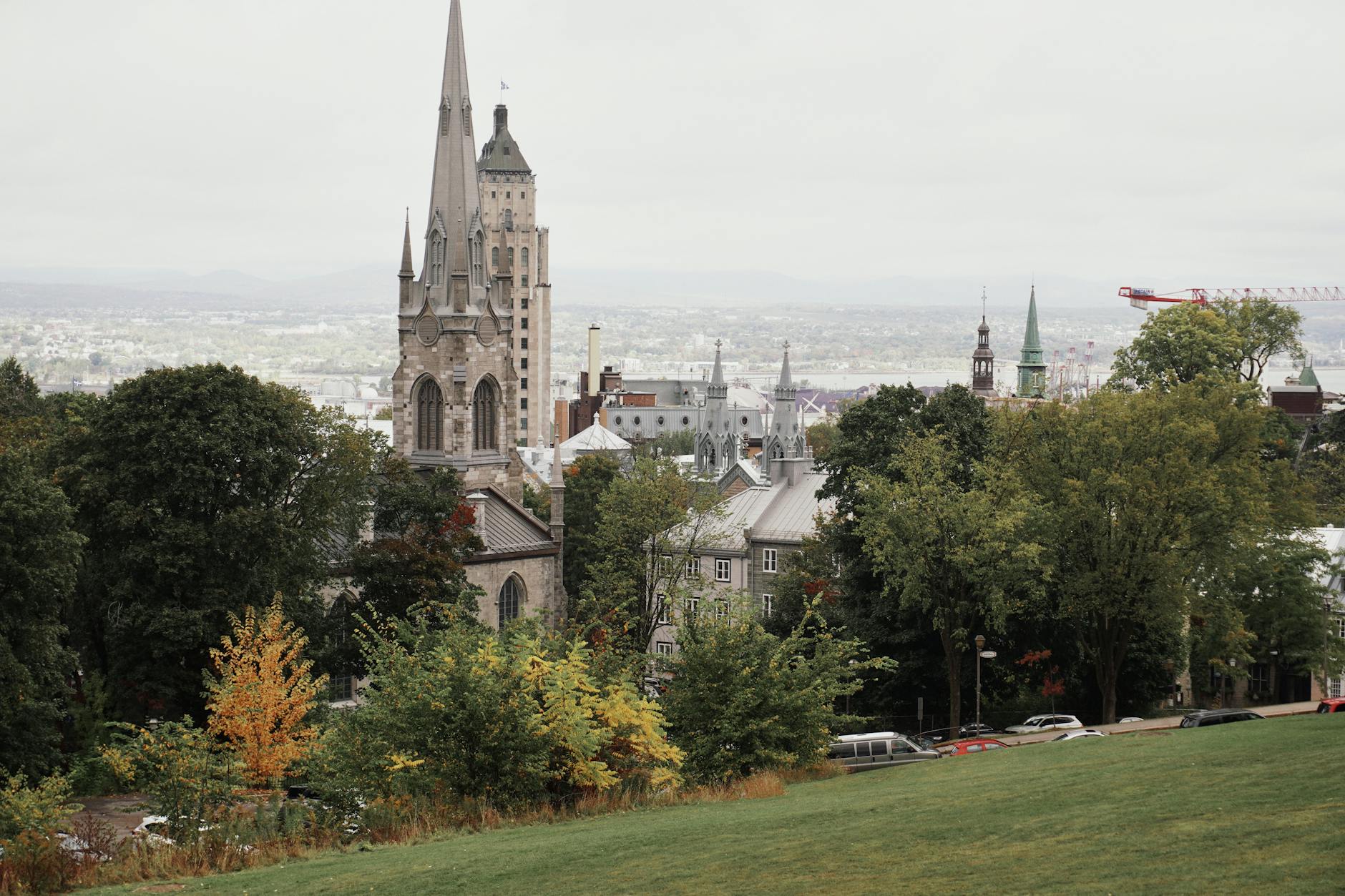
Quebec City conference logistics often depend on the relationship between the venue, Parliament Hill, Old Quebec, the hotel district, and dinner locations. A hotel that looks close on a map may still involve hills, winter surfaces, indoor-outdoor transitions, or taxi needs. This matters when carrying a laptop, poster tube, books, dress shoes, or winter clothing.
The attendee should check whether the conference hotel is worth the rate, whether overflow hotels are practical, and whether networking events require late returns. Convenience is not laziness when the trip depends on being alert and presentable.
- Compare conference hotel, overflow hotels, Old Quebec, Parliament Hill, and dinner geography.
- Account for hills, winter surfaces, laptop bags, poster tubes, books, and formal clothing.
- Pay for convenience when it protects attendance, preparation, and networking energy.
Prepare for French-language context
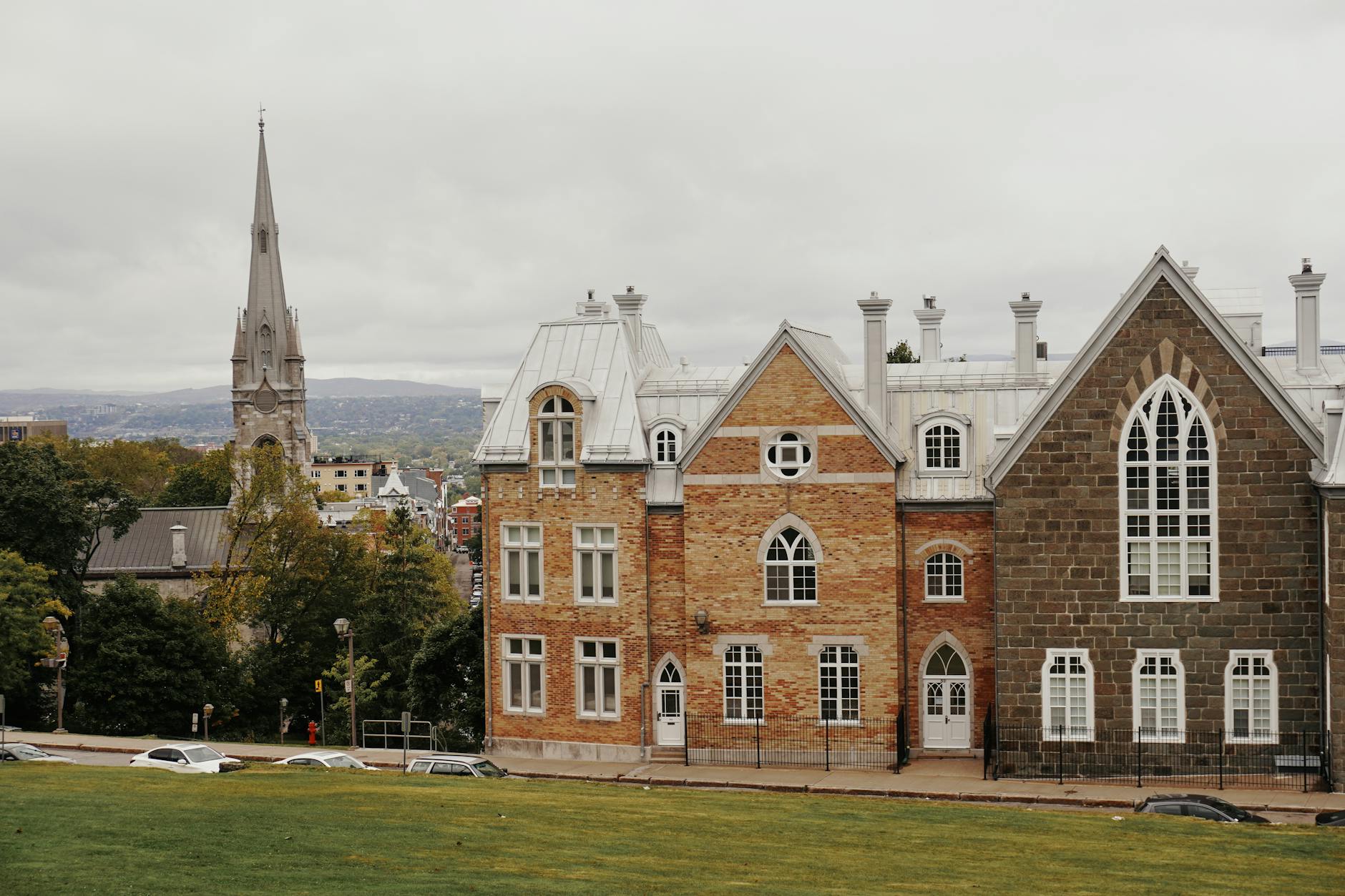
Quebec City is a French-speaking capital. Academic conferences may be fully bilingual, mostly English, mostly French, or split by discipline and institution. The attendee should not assume the language environment will be incidental. Abstracts, signage, greetings, slides, questions, introductions, and informal networking may require more preparation than a generic Canadian conference.
A visitor does not need perfect French to participate respectfully, but should prepare names, basic greetings, pronunciation, and any bilingual materials that would make the academic exchange smoother.
- Check whether panels, signage, abstracts, receptions, and informal networking are English, French, or bilingual.
- Prepare greetings, names, pronunciation, slides, and summaries with language context in mind.
- Treat language preparation as professional respect rather than a decorative gesture.
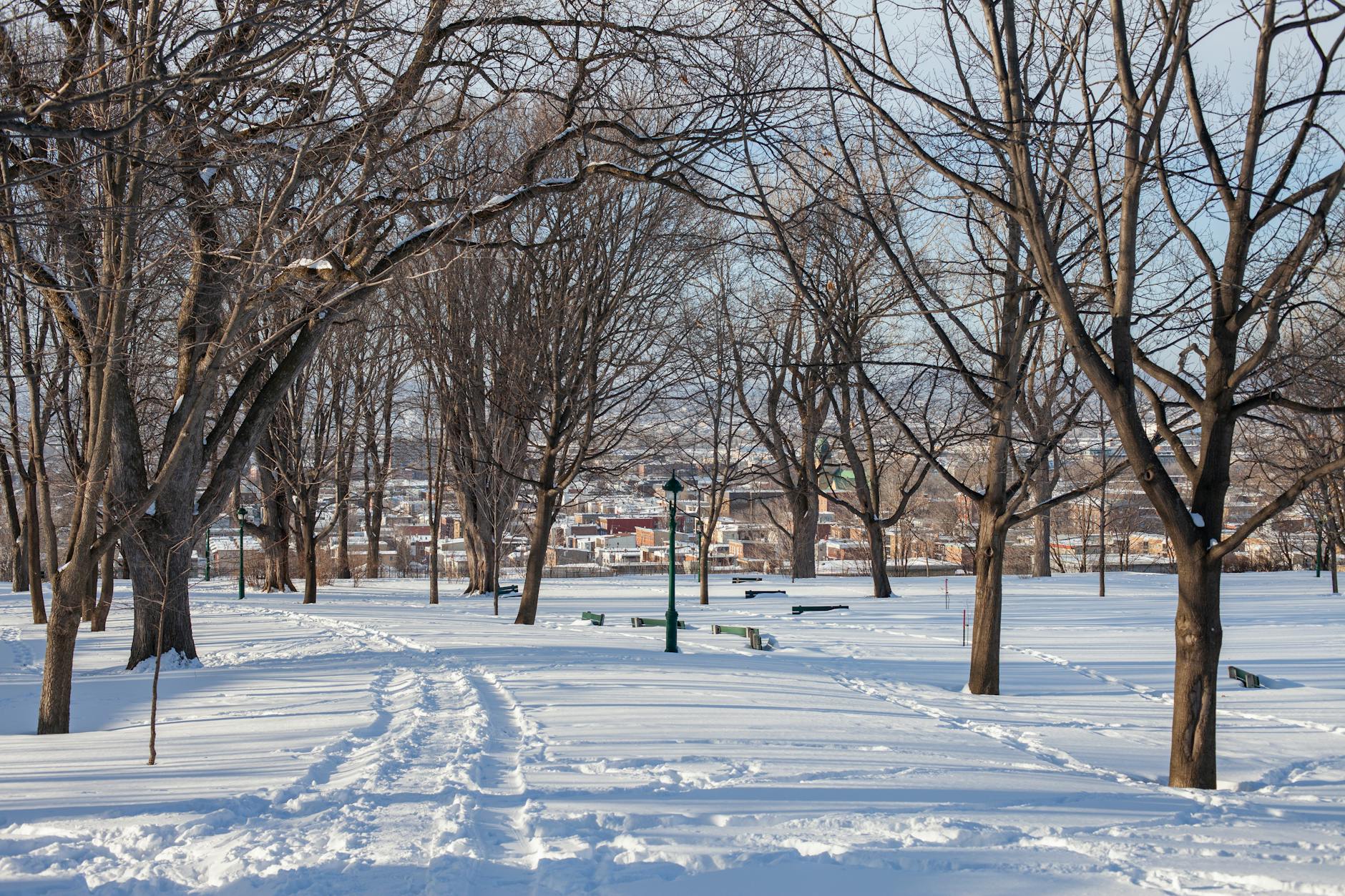
Protect presentation readiness
Academic trips fail quietly when the attendee arrives with no protected time for slides, notes, printing, charging, rehearsal, or session review. Quebec City's beauty can tempt travelers into using every gap for walking. That is risky before a talk, panel, interview, or important meeting.
The attendee should plan power adapters, backup files, cloud access, presentation clicker, poster transport, quiet workspace, and contingency time for printing or technical issues. A scenic city is not a substitute for a prepared presentation.
- Protect time for slides, notes, rehearsal, printing, charging, session review, and technical checks.
- Carry backup files, adapters, cloud access, poster materials, and presentation tools.
- Choose hotel and cafe workspaces that are quiet enough for serious academic preparation.
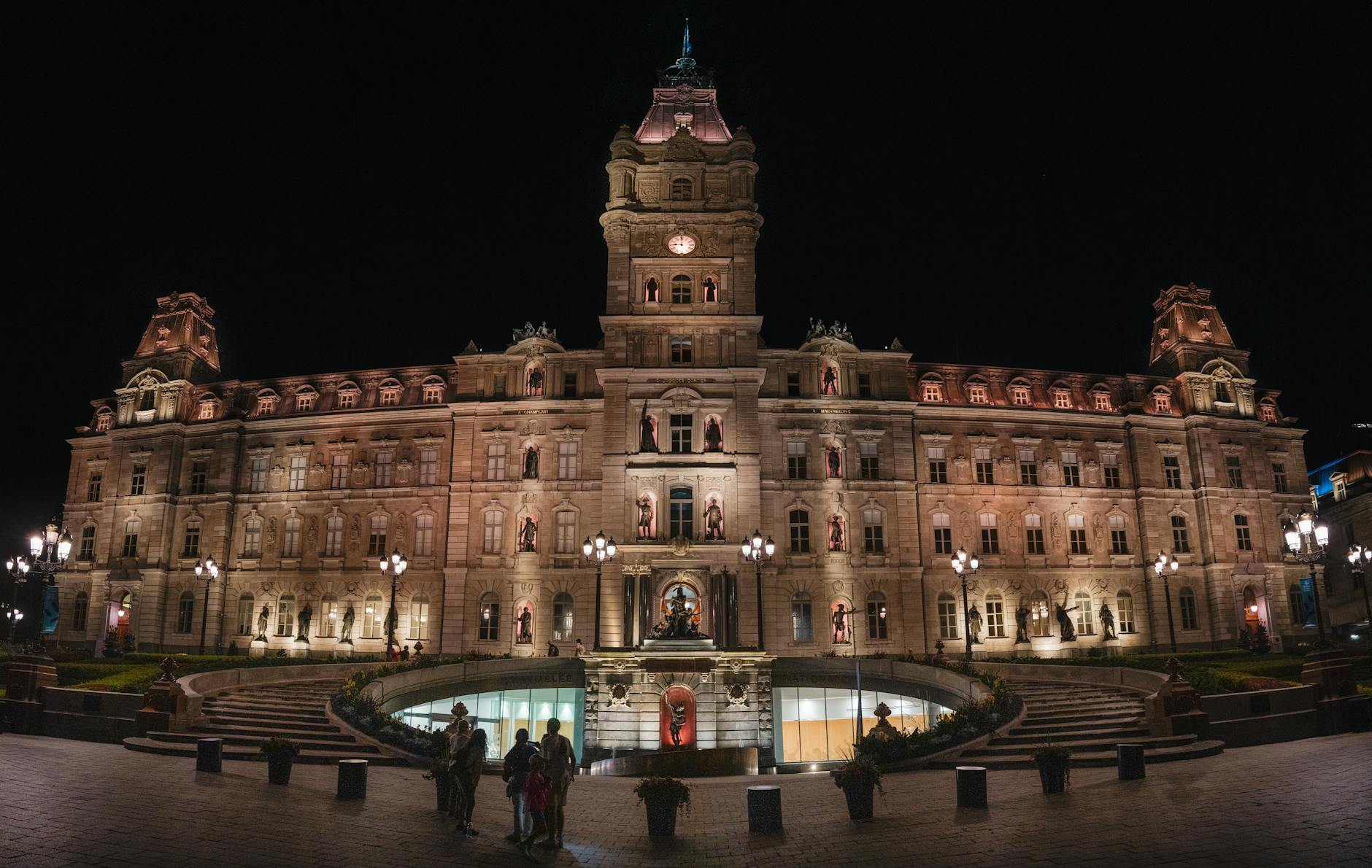
Plan networking meals with academic tone
Conference value often happens outside the formal program. Quebec City can support memorable dinners, receptions, coffee meetings, and small-group conversations, but the format should match the academic purpose. A first meeting with a senior scholar, a lab dinner, a grant conversation, and a student gathering should not all use the same restaurant logic.
The attendee should consider privacy, noise, language comfort, dietary needs, budget, winter access, and return routes. The best networking meal is one that helps the conversation rather than merely showing off the city.
- Match meals to scholarly hierarchy, privacy, discipline culture, language comfort, and budget.
- Check reservations, noise, dietary needs, winter walking, and return transport.
- Use Quebec City atmosphere when it supports the academic conversation.
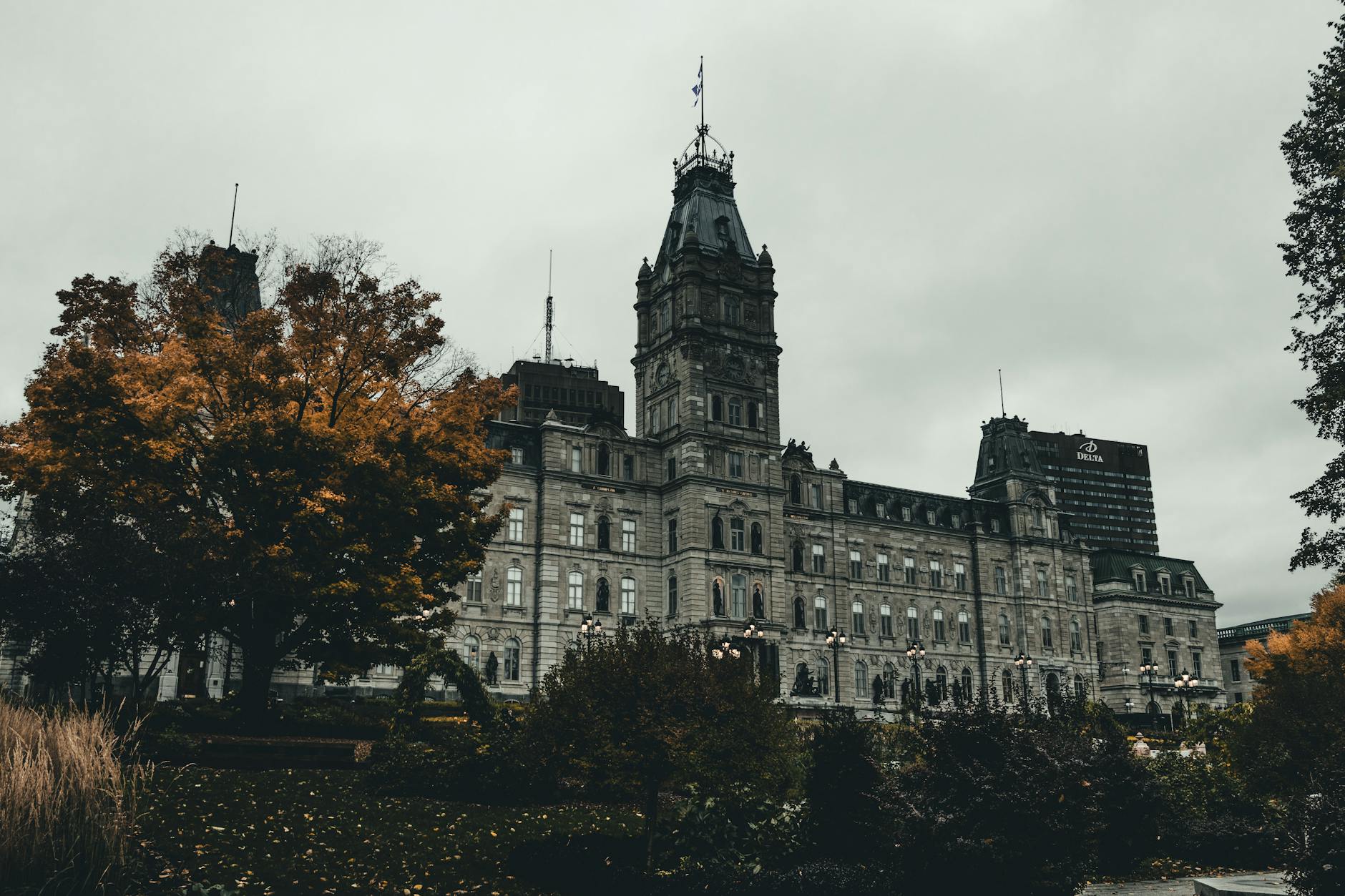
Use Old Quebec without overusing the schedule
Old Quebec, Chateau Frontenac views, the city walls, Petit Champlain, and the St. Lawrence can make the conference trip feel distinctive. The attendee should still limit optional city time around conference obligations. A long scenic walk before a morning presentation or after a late reception may cost more than it gives.
A better plan uses short, controlled city moments: an early walk, a post-session view, a focused dinner, or one well-timed afternoon. The city should refresh the attendee, not drain the conference.
- Use Old Quebec, the walls, the river, and short walks as controlled additions.
- Avoid scenic overreach before presentations, interviews, or early sessions.
- Choose one strong city window instead of scattering attention across every break.
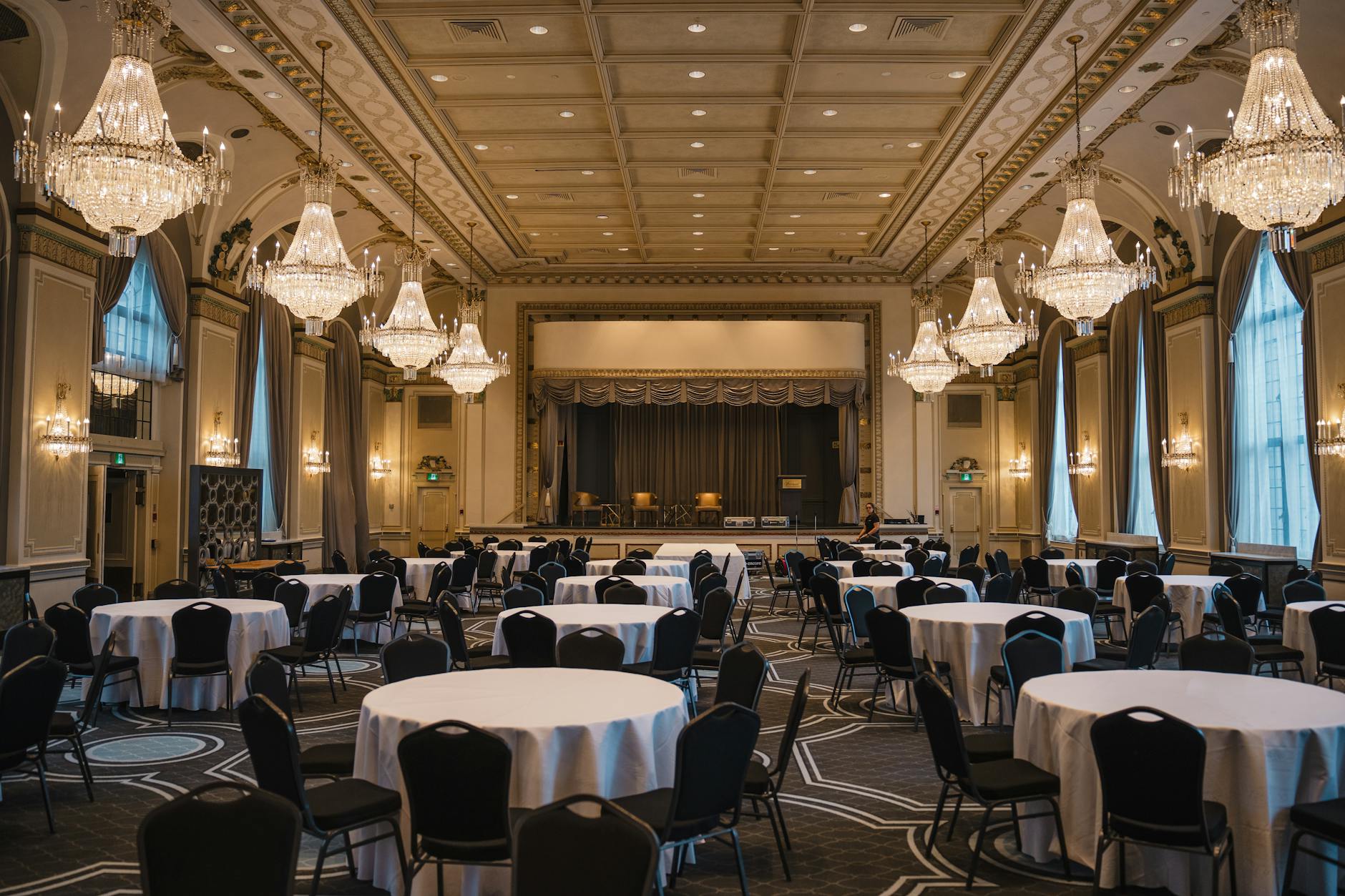
When to order a short-term travel report
An academic conference attendee with a conference hotel, easy flights, and low-stakes attendance may not need a custom Quebec City report. A report becomes useful when presentation stakes, language context, winter weather, venue geography, hotel choice, networking, student travel, accessibility, or limited time could affect the academic outcome.
The report should test conference schedule, hotel fit, language needs, presentation logistics, airport transfer, meals, winter conditions, work blocks, networking value, budget, and what to cut. The value is a Quebec City academic trip that supports scholarship first and uses the city intelligently second.
- Order when presentation stakes, bilingual context, winter weather, hotels, or networking need testing.
- Provide conference venue, dates, role, sessions, hotel options, language needs, budget, and constraints.
- Use the report to keep academic work stronger than scenic distraction.