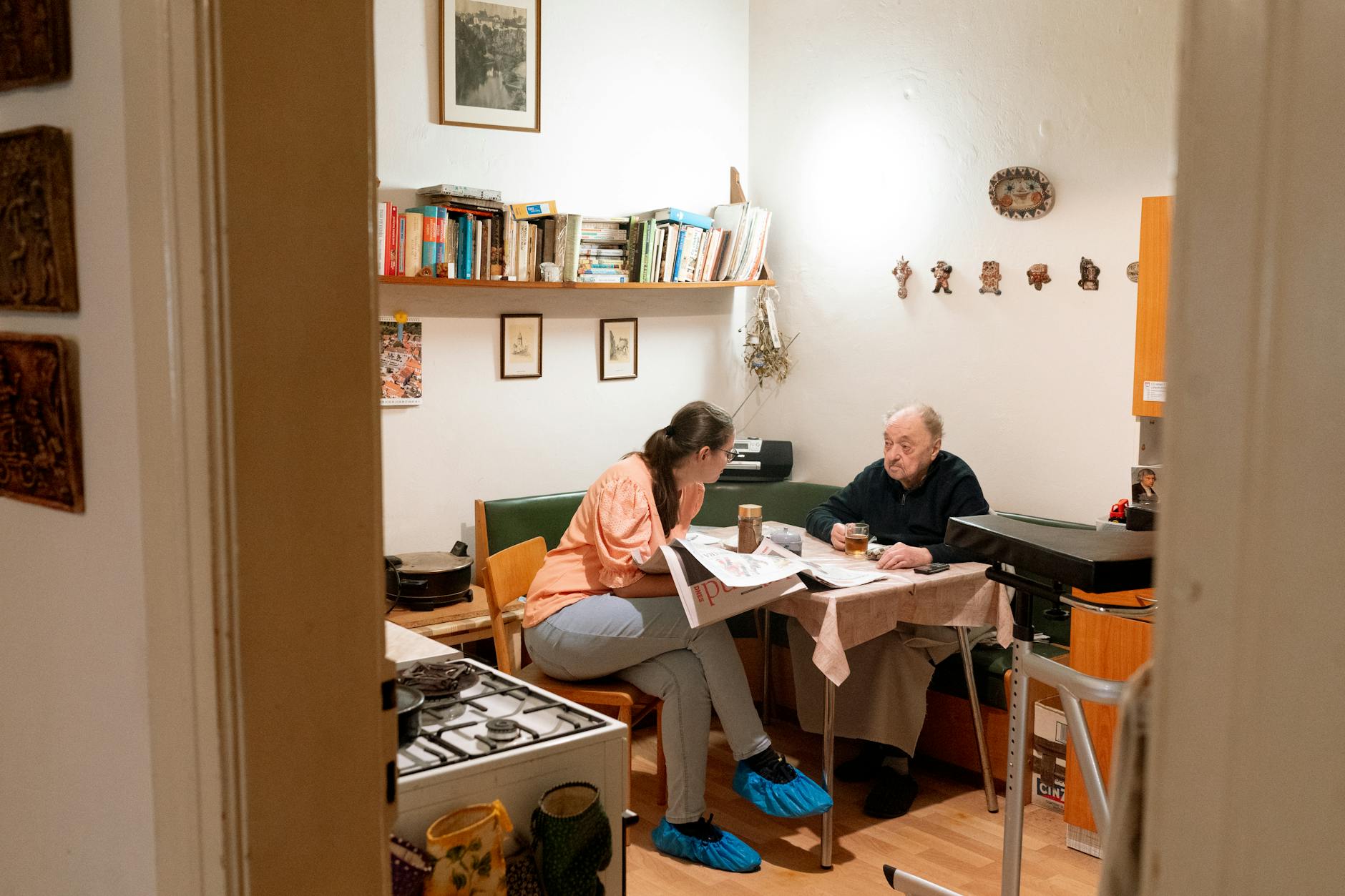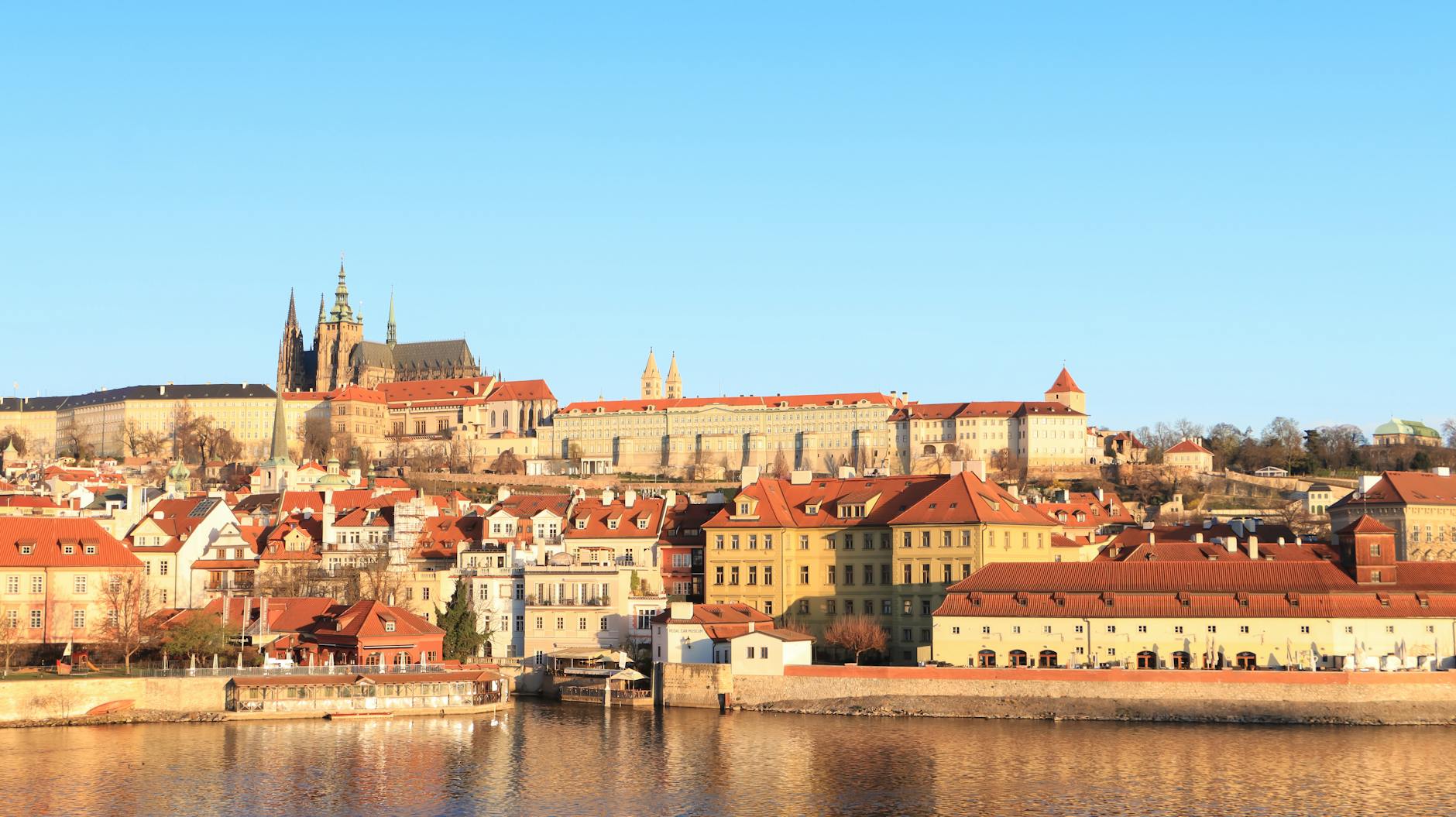
Prague can be a practical base for short volunteer, nonprofit, civic, academic service, faith-linked, cultural, or NGO-related travel. The city has established institutions, universities, community organizations, churches, refugee and migrant support networks, environmental groups, and event-linked projects. That range does not make every short service trip sound. The right Prague plan starts with the host and the work. Housing, transport, language, safeguarding, documentation, budget, and city time should support the assignment without creating extra burden for the people or organization the traveler hopes to help.
Verify the host and the assignment
A volunteer or NGO traveler should confirm the host organization, local partner, supervisor, daily role, schedule, and boundaries before booking. Prague may feel easy for visitors, but short-term service still needs structure. The work might involve event support, community outreach, language assistance, environmental activity, student programs, religious outreach, professional advice, or documentation for a local partner.
The host should be able to explain why a short-term visitor is useful, what skills are needed, how the traveler will be supervised, and what should not happen. If the answer is vague, the traveler should slow down. Good intentions are not an operating plan.
- Confirm the host, local partner, supervisor, role, schedule, and reporting line.
- Ask why a short-term visitor is useful and what skills are actually needed.
- Avoid assignments with vague responsibilities, unclear beneficiaries, or weak oversight.

Map the work site before choosing lodging
The assignment may not be near the places a Prague visitor would normally choose. Work could sit near a community center, church, nonprofit office, university building, school partner, warehouse, event venue, clinic partner, residential neighborhood, or rail-linked site outside the center. Lodging should follow the work geography and daily start time.
The traveler should check the route in both directions, including evening return. Prague's trams and metro can be useful, but transfers, cobblestones, hills, late schedules, and weather can change how realistic a route feels after a long service day.
- Map the assignment site, host office, meeting points, housing, grocery options, and return route.
- Check tram, metro, walking, taxi, and late-evening options for the actual schedule.
- Choose lodging that supports the assignment before choosing a visitor neighborhood.
Respect safeguarding and community boundaries
Volunteer travel can create ethical problems when the traveler treats access as an experience rather than a responsibility. Prague community work may involve children, older adults, migrants, students, people receiving social services, religious communities, housing issues, or advocacy. The traveler should understand consent, photography rules, confidentiality, data handling, gifts, and social media boundaries before entering the field.
Documentation should serve the host, not the traveler's identity. If photos, notes, interviews, or posts are part of the assignment, the permission and review process should be clear before anyone is photographed, quoted, or described.
- Confirm consent, safeguarding, photography, confidentiality, data handling, gifts, and social media rules.
- Treat community access as a responsibility, not as content or personal validation.
- Let the host decide what can be documented, named, photographed, or shared publicly.
Prepare language, paperwork, and conduct rules
Many Prague organizations can work with English-speaking visitors, but the traveler should not assume every beneficiary, form, sign, meeting, or neighborhood interaction will be English-first. The host should clarify whether Czech, English, Ukrainian, another language, printed material, interpretation, or specific terminology matters for the assignment.
Paperwork also deserves attention. Identification, host letters, insurance, background checks, emergency contacts, access badges, liability forms, and training requirements should be settled before arrival. Conduct rules around politics, religion, gifts, client contact, staff relationships, and after-hours communication should be explicit.
- Ask whether Czech, English, Ukrainian, another language, or interpretation is needed.
- Confirm identification, host letters, insurance, background checks, forms, and access rules.
- Understand conduct rules around gifts, politics, faith, clients, staff, and after-hours contact.
Plan transport around the project
A volunteer or NGO traveler should not plan movement around the tourist map. The daily route should connect housing, host office, assignment site, meeting points, pharmacies, grocery stops, and safe return options. A route that is pleasant for sightseeing may be poor for arriving on time with supplies, formal clothing, or emotional energy intact.
The traveler should know whether the host reimburses transport, whether group movement is required, when a taxi is appropriate, and what to do if late or separated. Transport mistakes can waste staff time and create preventable stress.
- Map housing, host office, field sites, meeting points, pharmacies, groceries, and return routes.
- Understand reimbursements, group movement, tram and metro tickets, taxi use, and delay protocol.
- Choose routes that reduce burden on local staff and protect punctuality.
Budget and recover like the work matters
Volunteer travel is not automatically inexpensive. Flights, housing, local transport, meals, program fees, donations, supplies, insurance, phone data, laundry, taxis, and recovery time should all be priced. The traveler should separate useful support from ad hoc spending that may not help the project.
Service days can also be physically and emotionally demanding. Prague sightseeing, evening meals, and social plans should be added after the assignment's demands are understood. A tired volunteer who runs short on money or rest can become another problem for the host to manage.
- Budget for travel, housing, meals, transit, program fees, insurance, data, laundry, and taxis.
- Confirm donations and supplies with the host before buying or packing them.
- Protect sleep, food, medication, and recovery time around the actual assignment.
When to order a short-term travel report
A volunteer or NGO traveler with a vetted host, arranged housing, and a clear daily schedule may not need a custom Prague report. A report becomes useful when host credibility, project scope, housing, transport, language, documentation rules, safeguarding, health needs, budget, or parent or donor concerns need independent testing.
The report should test host structure, assignment geography, housing, commute, neighborhood context, language, health coverage, conduct rules, documentation, budget, recovery, and what to cut. The value is a Prague trip that helps without creating unnecessary risk or burden.
- Order when host, housing, transport, safeguarding, language, health, or budget needs testing.
- Provide host details, project schedule, housing options, traveler role, dates, budget, and constraints.
- Use the report to make the service work clearer, safer, and less improvisational.