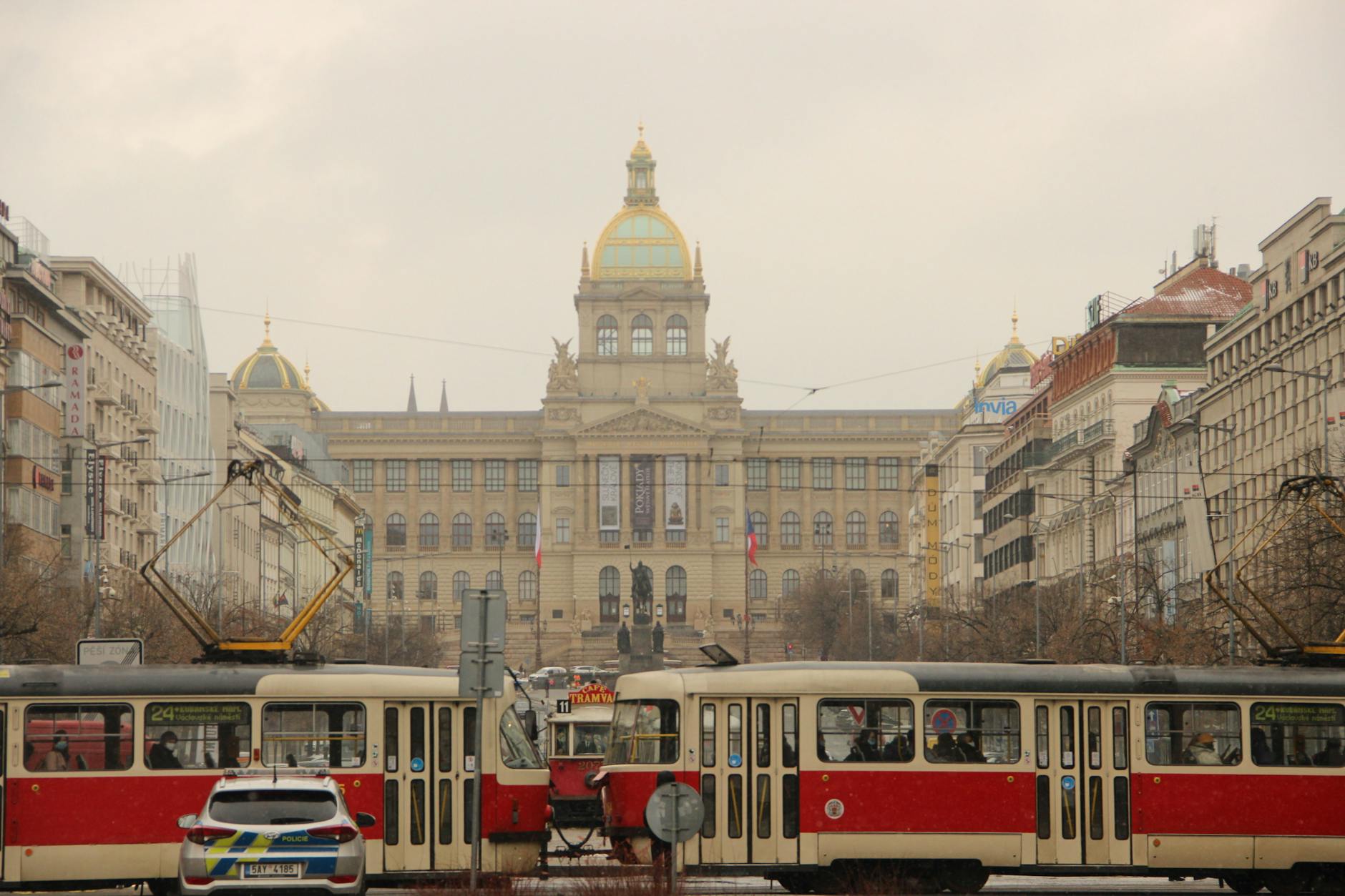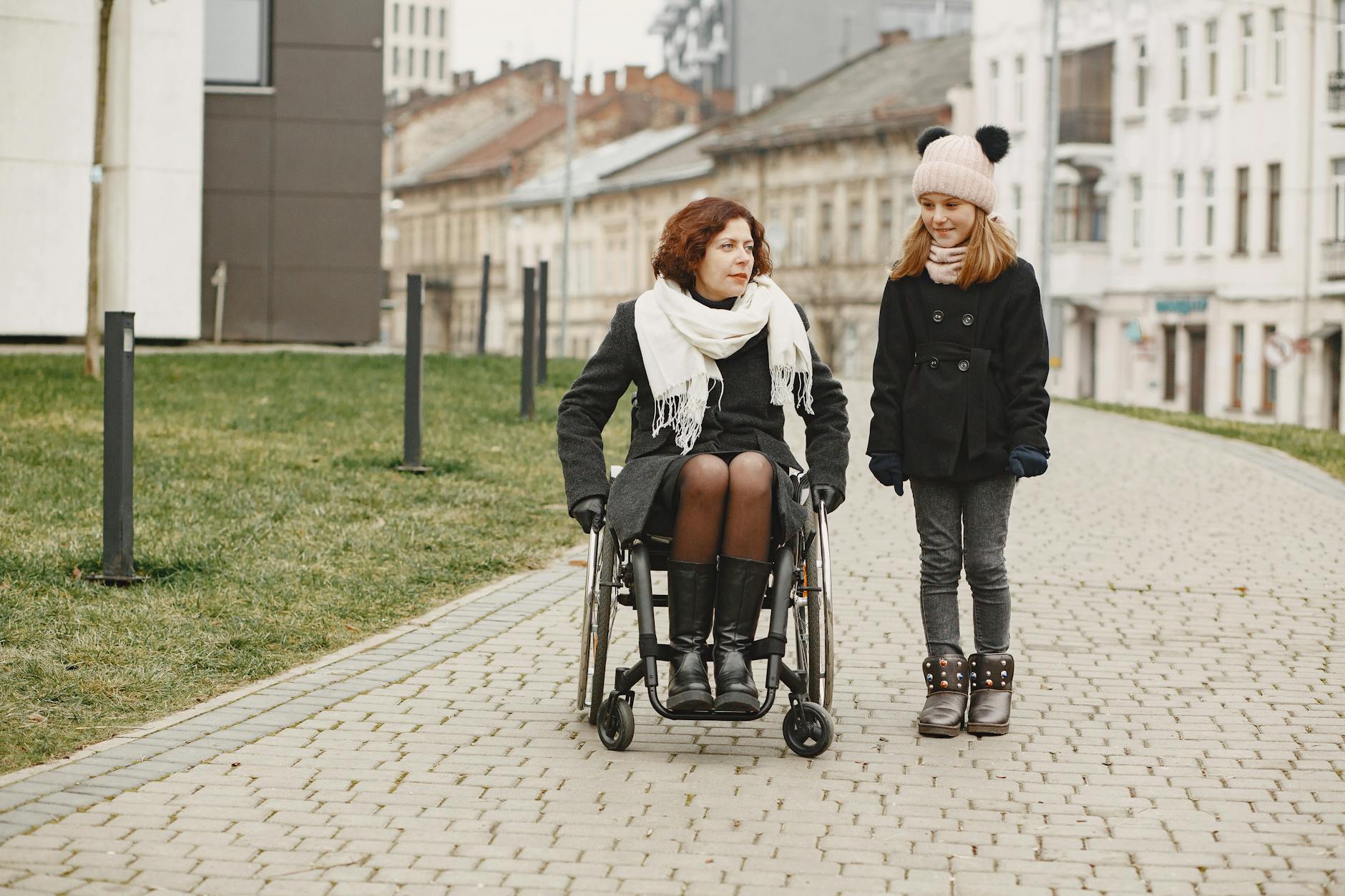
Prague can be rewarding for travelers with mobility limitations, but it is not a neutral walking city. The historic center is full of cobblestones, narrow pavements, curbs, bridge approaches, slopes, stairs, tram steps, older hotel buildings, and castle-area climbs. The city can still work well when the trip is built around access rather than wishful routing. The most useful Prague plan starts with the traveler's actual mobility pattern: walking distance, standing tolerance, step exposure, need for a cane, walker, wheelchair, scooter, taxi access, rest frequency, and sensitivity to weather. Once those limits are explicit, the city can be shaped into a manageable sequence instead of a long day of improvisation.
Plan around surfaces before sights
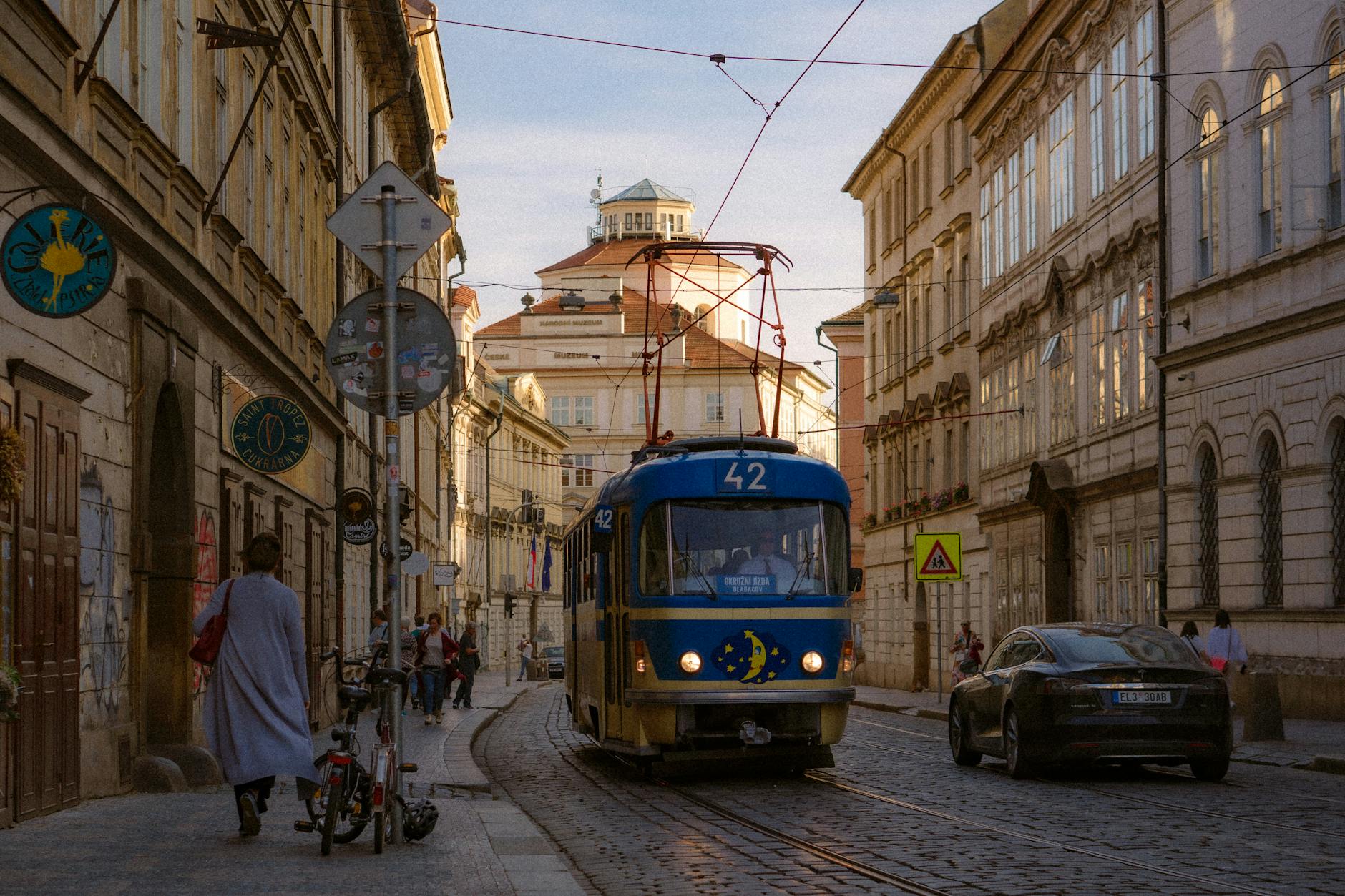
Prague's mobility challenge is not only distance. It is surface quality. A route that looks short can include uneven cobblestones, raised curbs, tram tracks, narrow sidewalks, crowds, and sloped approaches that make the same distance much harder than expected. The traveler should evaluate each day by terrain, not just by attraction names.
Old Town, Mala Strana, Charles Bridge approaches, the castle district, and older lanes require more caution than a flat map suggests. A good route uses shorter segments, known rest points, and transport choices that preserve energy for the sights that matter.
- Assess cobblestones, curbs, tram tracks, slopes, narrow sidewalks, and crowd pressure before each route.
- Plan shorter segments with rest points instead of one long central walk.
- Treat surface quality as seriously as total distance.
Check hotel access directly
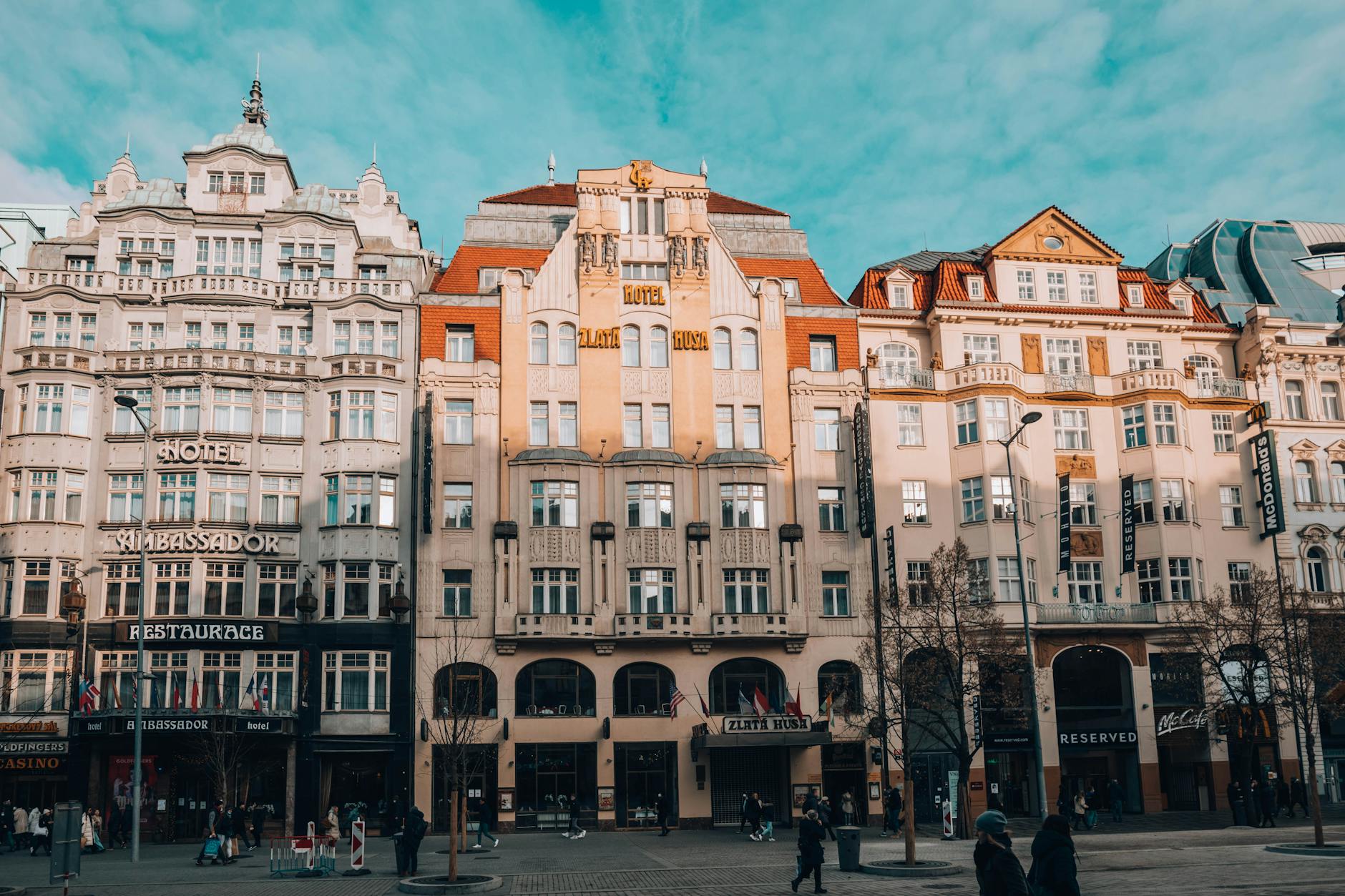
A Prague hotel can look suitable online and still be difficult in practice. Older buildings may have steps before the elevator, small lifts, uneven entrances, narrow bathrooms, thresholds, raised showers, awkward taxi pickup, or breakfast rooms on inaccessible levels. A traveler with mobility limitations should verify the details that actually affect the stay.
The hotel should also support recovery. The room location, elevator reliability, nearby food, taxi access, quiet, air conditioning, and distance to useful transit can determine whether the traveler can reset during the day. A charming hotel that turns every return into an effort is not a good base.
- Confirm entrance steps, elevator size, bathroom layout, shower access, thresholds, and room location directly.
- Check taxi pickup, nearby food, air conditioning, quiet, and return-route effort.
- Choose lodging as a recovery platform, not only as a scenic address.
Use trams, cars, and walking selectively
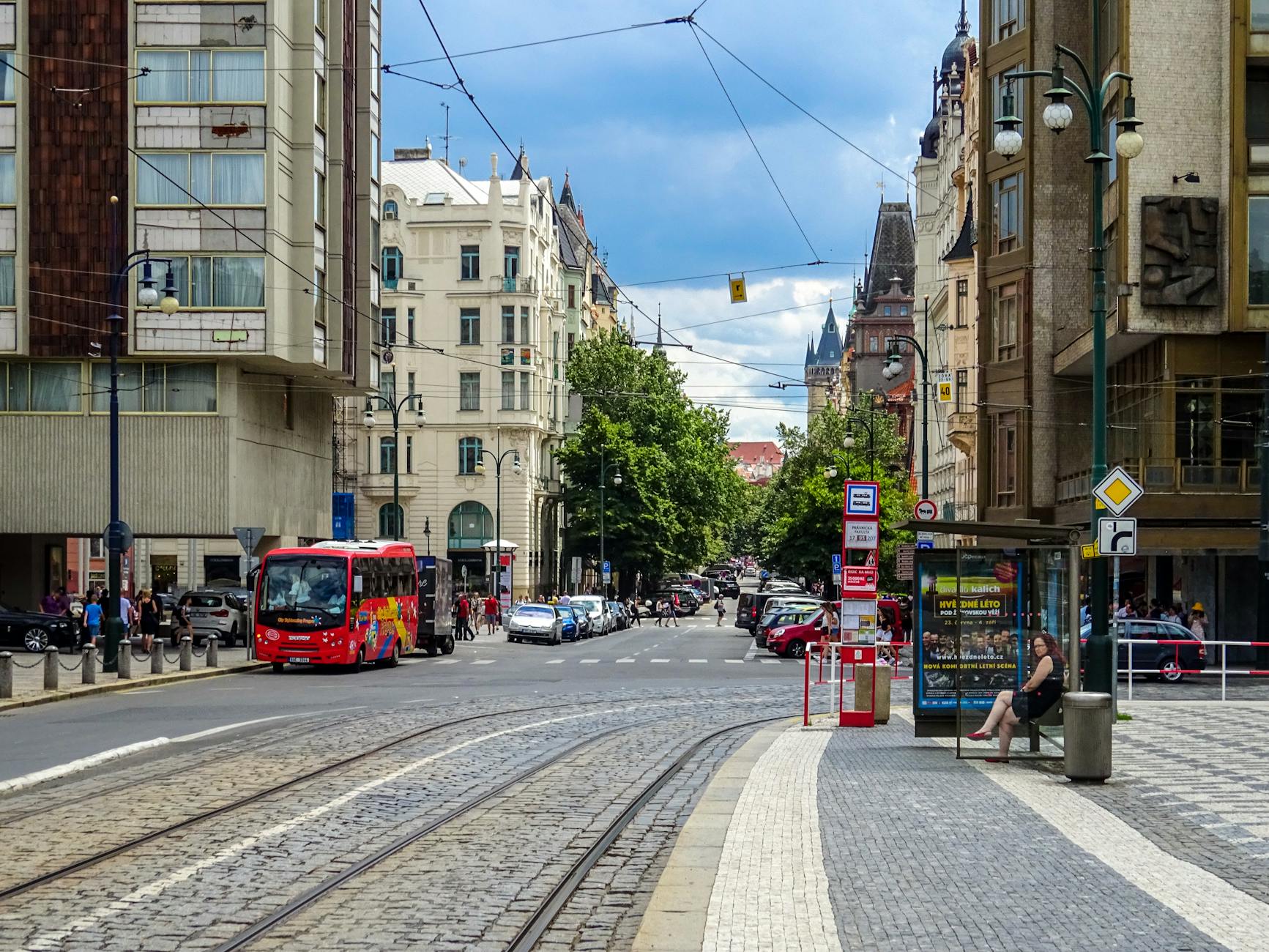
Prague's public transport can help, but it is not uniformly accessible for every traveler or every route. Trams, metro stations, escalators, elevators, stop spacing, platform gaps, and final walking segments should be checked before relying on a route. Some trips may be easier by tram; others may require a taxi, ride-hail, or private transfer.
The traveler should avoid ideological choices about transport. The right mode is the one that protects mobility, energy, weather exposure, and timing. A short taxi may be the smartest choice if it prevents the rest of the day from collapsing.
- Check tram stops, metro elevators, escalators, platform gaps, and final walking segments.
- Use taxis or ride-hail when weather, fatigue, luggage, or terrain makes transit too costly.
- Choose transport by energy preservation, not by what seems most local or cheapest.
Treat Prague Castle as a high-effort visit
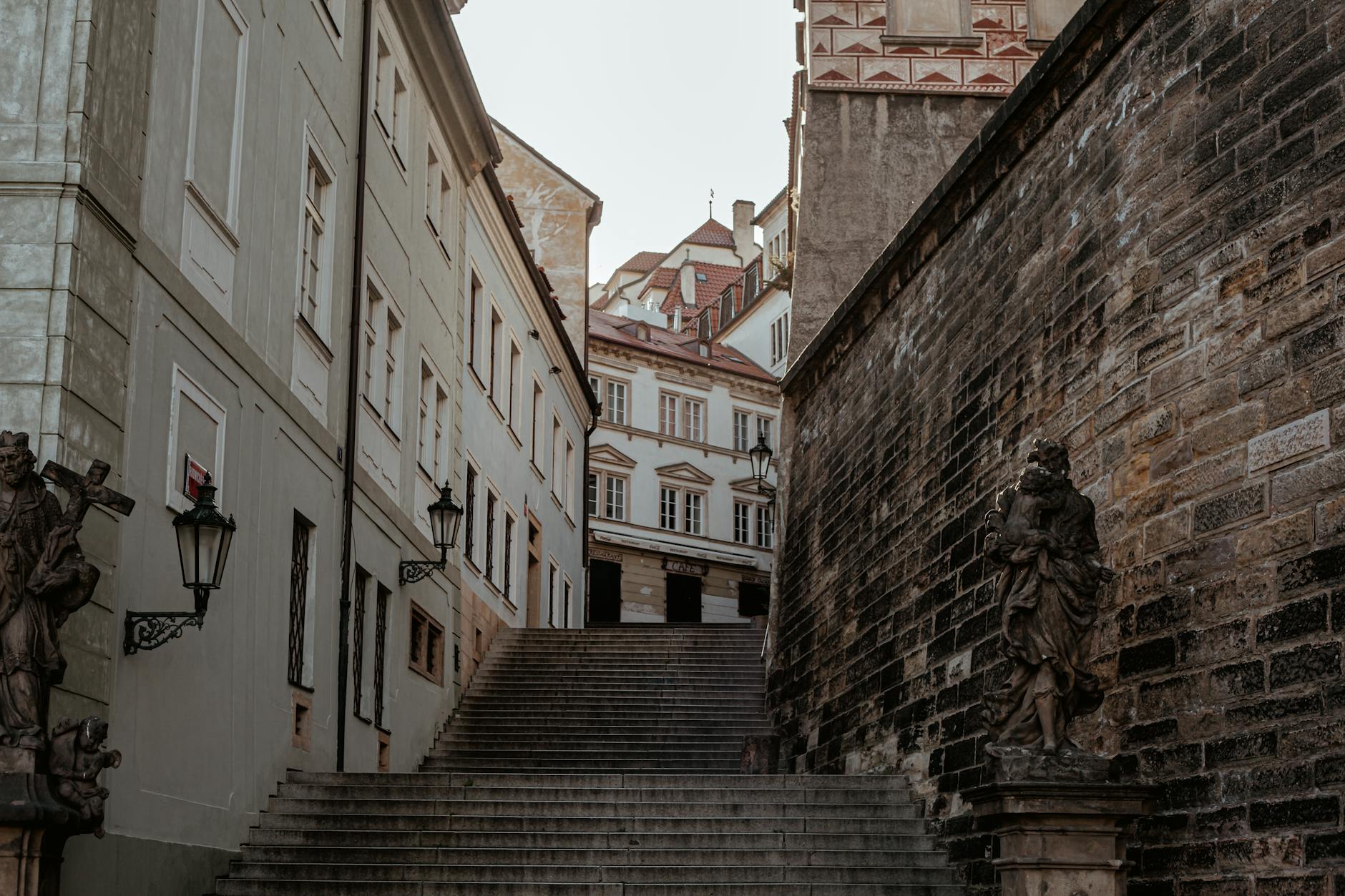
Prague Castle should be planned as a high-effort zone. The approach, security, courtyards, cathedral access, Golden Lane, gardens, viewpoints, and descent can all involve slopes, stone, queues, and fatigue. The traveler should decide whether the castle is worth a full visit, a partial visit, a viewpoint, or a distant view from across the river.
This is not about avoiding the castle. It is about choosing the version of the castle that matches the traveler's actual capacity. A shorter, better-timed visit may be more valuable than a full ticket that exhausts the rest of the day.
- Assess castle approaches, security lines, courtyards, cathedral access, gardens, and descent.
- Choose full visit, partial visit, viewpoint, or distant view according to mobility and energy.
- Avoid placing another demanding sight immediately after the castle district.
Use flatter river and square routes carefully
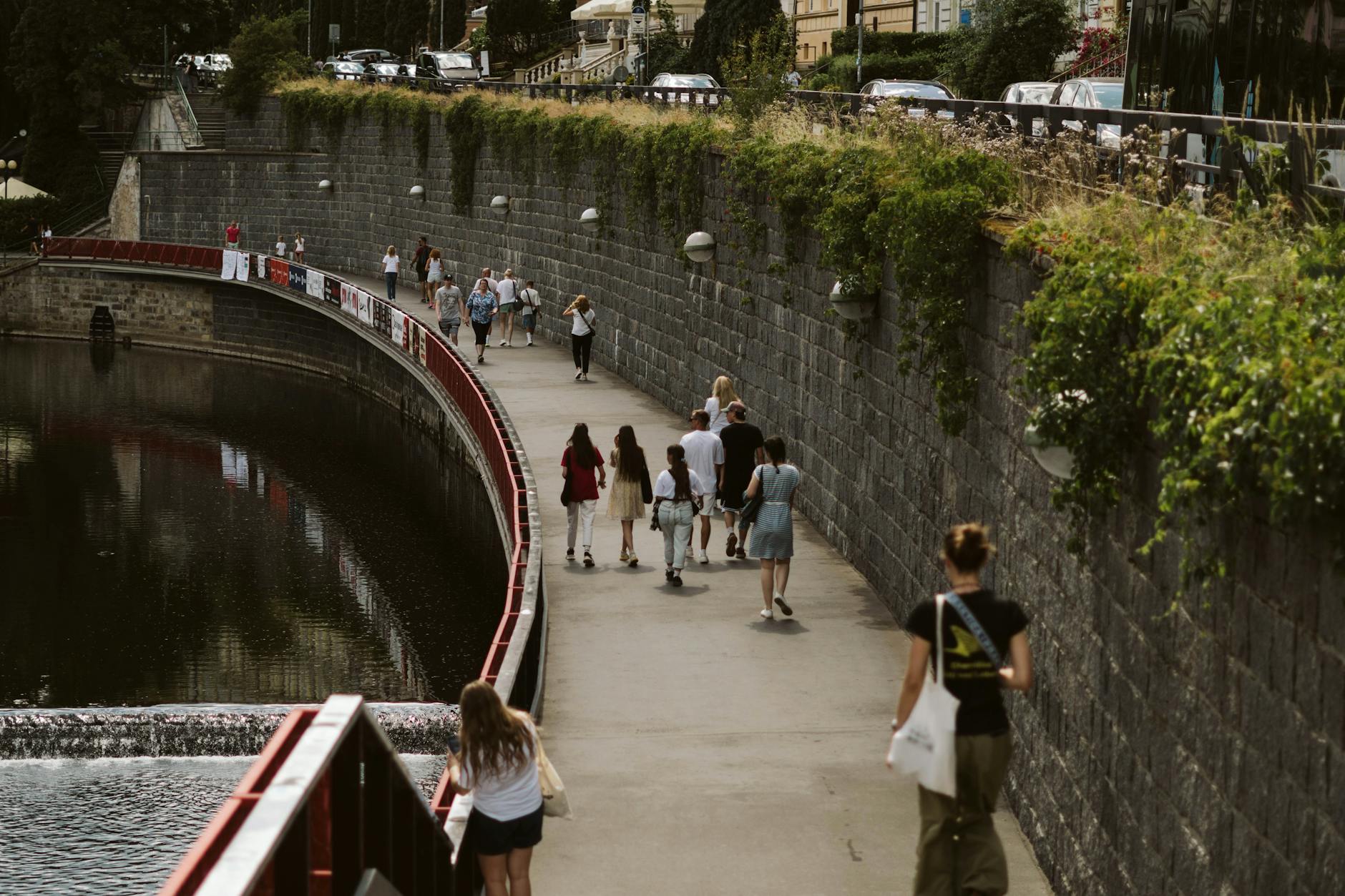
The Vltava riverfront, selected squares, parks, and tram-linked routes can provide easier Prague experiences, but they still need checking. River edges may include curbs, crowds, uneven paving, bridge ramps, or long distances between useful restrooms. The traveler should identify which lower-effort routes are genuinely lower effort.
A mobility-aware itinerary may use one scenic river segment, one seated cafe, one museum or viewpoint, and a direct return rather than multiple crossings. The goal is to leave the traveler with a real memory of Prague, not just a record of difficult surfaces.
- Use riverfront, square, park, and tram-linked routes when they genuinely reduce effort.
- Check restroom access, seating, curbs, ramps, and return options before committing.
- Build days around one or two strong experiences with recovery space between them.
Make arrival and weather conservative
Airport and rail arrivals deserve more margin when mobility is limited. Baggage, stairs, crowds, platform changes, taxi pickup, hotel check-in, and the final entrance can make arrival more demanding than sightseeing. A traveler should not spend the first day's energy simply reaching the room.
Weather changes the entire plan. Rain makes cobblestones slippery. Winter can bring ice and early darkness. Summer heat can increase fatigue. The itinerary should include indoor alternatives and taxi thresholds before the traveler needs them.
- Plan airport, rail, baggage, taxi pickup, hotel entry, and check-in with conservative buffers.
- Treat rain, ice, darkness, and heat as mobility factors, not background conditions.
- Pre-decide when to switch from walking or transit to a car.

When to order a short-term travel report
A traveler with mild limitations, flexible days, and a confirmed accessible hotel may not need a custom Prague report. A report becomes useful when the traveler is choosing lodging, weighing castle access, using mobility equipment, managing pain or fatigue, traveling in winter, arriving late, or trying to balance family or group plans with access needs.
The report should test hotel access, route surfaces, transit, taxi strategy, castle feasibility, river routes, rest stops, weather, bathrooms, budget, and what to cut. The value is a Prague plan that gives the traveler a real trip without pretending the city is flatter or smoother than it is.
- Order when hotel access, route surfaces, castle effort, transit gaps, equipment, or fatigue need testing.
- Provide mobility details, hotel options, dates, must-see sights, equipment, transfer needs, budget, and pace limits.
- Use the report to choose the manageable version of Prague before arrival.